7 Garden Tasks Every Texas Homeowner Should Finish Before Spring Starts
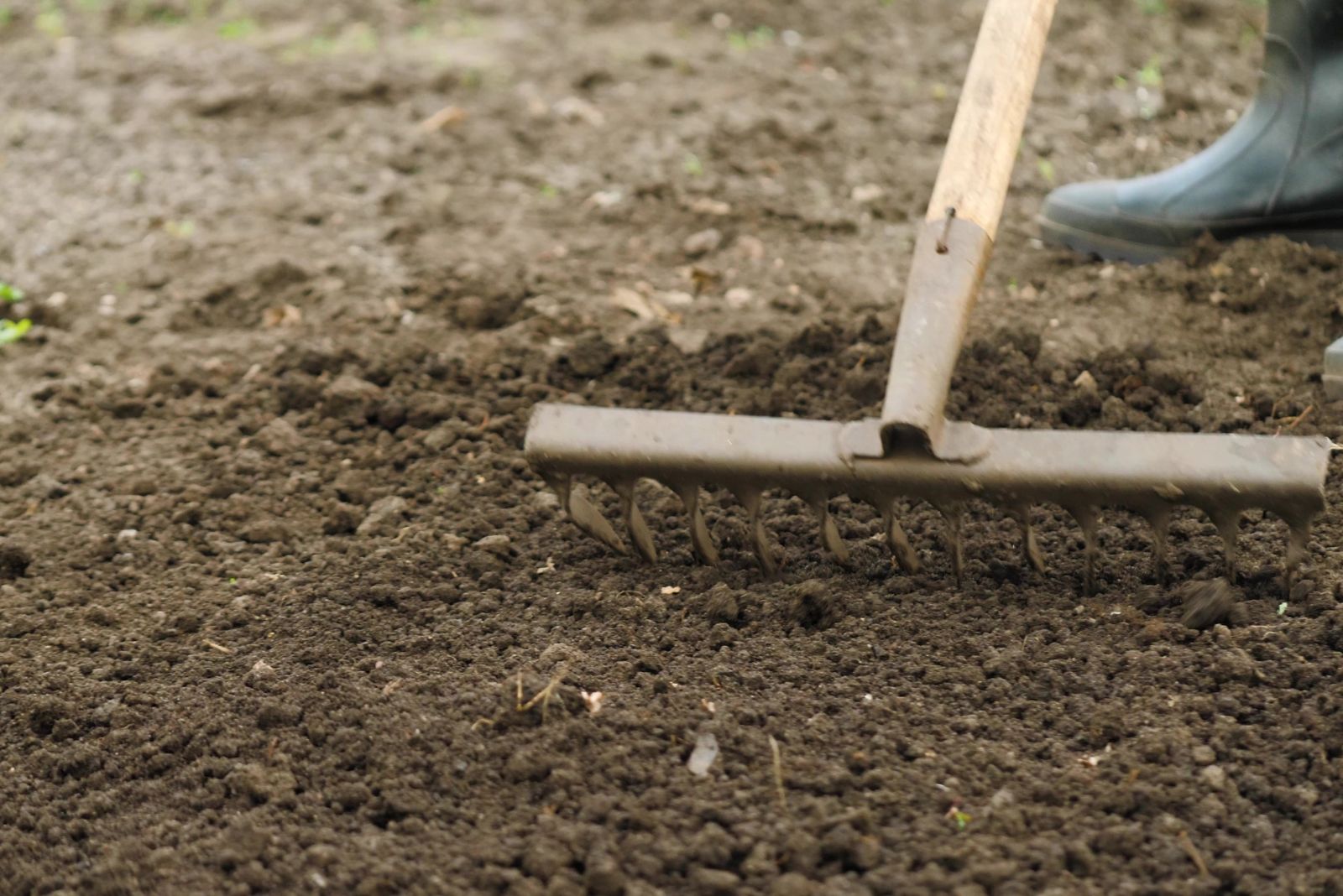
Spring in Texas arrives quickly, and a little preparation can make your garden flourish once the weather warms. By finishing certain tasks now, homeowners can save time, prevent damage, and enjoy vibrant, healthy landscapes all season long.
A few simple steps before spring can make a huge difference in how well plants grow, how lawns look, and how much work your garden requires later.
Early cleanup, pruning, and soil preparation help plants recover from winter and set the stage for strong growth.
Checking irrigation systems, sharpening tools, and removing debris also keeps your garden running smoothly. Fertilizing at the right time encourages flowers, shrubs, and lawns to thrive.
Taking care of these tasks before spring ensures that Texas gardens are ready for new growth, colorful blooms, and busy pollinators. Homeowners who act now can enjoy a more beautiful, productive, and stress-free garden throughout the season.
1. Finish Late-Winter Pruning Before New Growth Begins
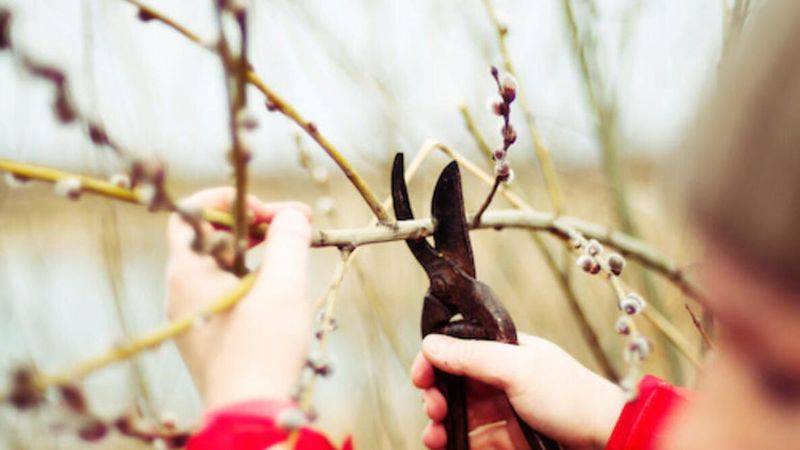
Grab your pruning shears now, because early March is truly the last call for late-winter pruning across most of Texas. If you wait too long, new growth will start pushing out, and cutting into that tender green tissue can stress your plants badly.
North Texas gardeners especially need to act fast on roses, since that region gets a bit more cold weather than the south.
Removing dry, damaged, or crossing branches from trees and shrubs helps your plants focus their energy on healthy new growth. Look for branches that rub against each other, since those create wounds where pests and disease can sneak in.
A clean cut at the right angle heals faster and keeps your plants stronger through the season.
Summer-blooming shrubs like crape myrtle and abelia can handle a light shaping right now. Keep it gentle though.
You do not need to hack them back severely. Crape myrtles in particular are often over-pruned in Texas, which weakens the tree over time.
One important rule to remember: do not prune spring bloomers like azaleas, quince, or spirea before they flower. These plants set their buds in the fall, so pruning now means you will lose all those colorful spring blooms.
Wait until after they finish flowering to do any trimming. A little patience here goes a long way toward a showstopping spring display in your Texas garden.
2. Refresh Mulch Around Plants And Beds
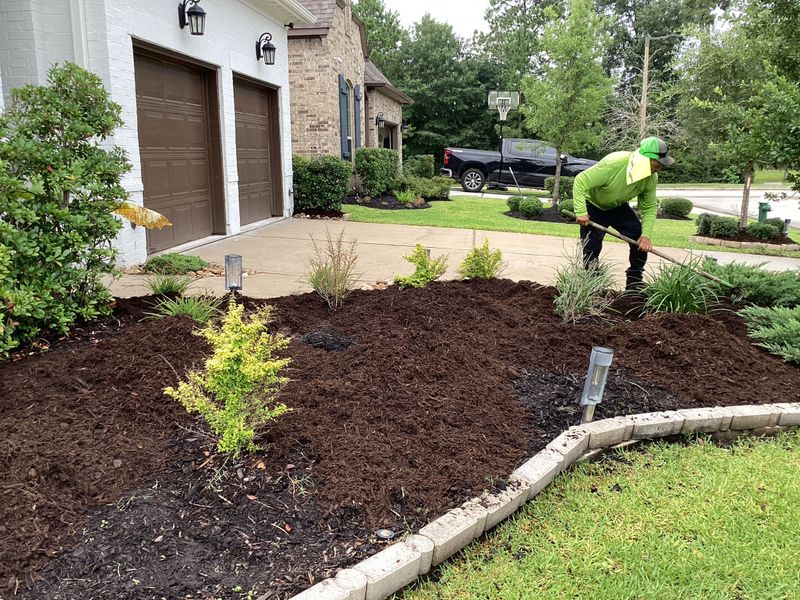
Fresh mulch might be one of the simplest upgrades you can give your Texas garden before spring arrives.
A good 2 to 3 inch layer around your plants and beds does three powerful things at once: it holds moisture in the soil, keeps soil temperatures steady, and stops early weeds from getting a foothold.
All three of those benefits are huge in a state where heat and drought can show up without much warning.
Texas summers are notoriously tough on garden beds. Starting the season with a solid layer of mulch gives your plants a cushion against the heat that is coming.
Organic mulches like shredded bark, wood chips, or pine straw break down slowly and actually improve your soil over time as they decompose. That is a win for both now and later.
One mistake many homeowners make is piling mulch right up against tree trunks and plant stems.
This traps moisture against the bark and creates a perfect hiding spot for pests and fungal issues. Keep mulch pulled back a few inches from any trunk or stem to let air circulate freely.
If your existing mulch is more than a year old, it may have broken down or washed away. Rake it lightly and top it off rather than removing it entirely.
Across Texas, where spring rains can be heavy and unpredictable, well-maintained mulch beds can prevent a lot of soil erosion too. It is a small job with a big payoff for the whole growing season.
3. Prepare Garden Soil Before Planting Season
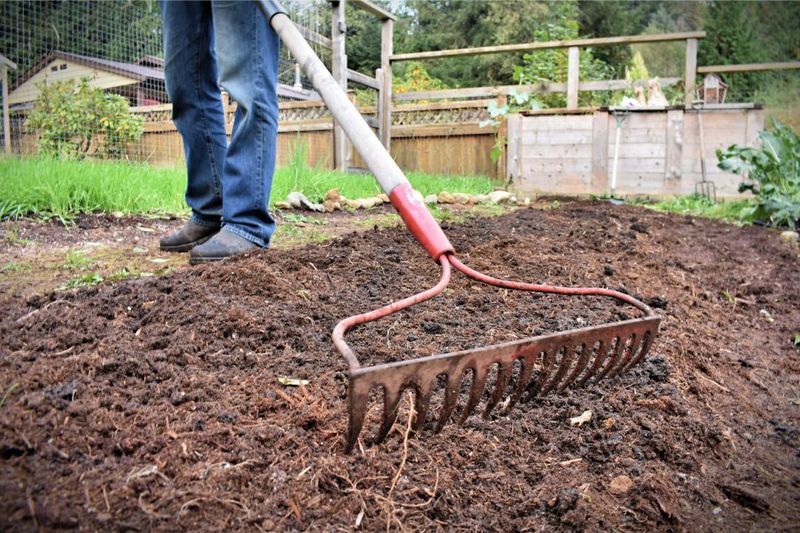
Healthy plants start with healthy soil, and in Texas, that can be a real challenge. Many parts of the state deal with heavy clay soil that gets compacted over the winter months.
Before you plant anything new, take some time to work the soil and get it ready for what is coming. Your future plants will thank you in a big way.
Start by pulling out any weeds that survived the winter and clearing away dry plant debris. Old stems and leaves can harbor disease spores and pest eggs, so getting those out of the bed now is smart prevention.
Once the bed is clear, you can see exactly what you are working with and plan your next steps.
Adding compost or other organic matter is one of the best things you can do for Texas soil. It loosens heavy clay, improves drainage, and feeds the beneficial microbes that help plants thrive.
Work a 2 to 3 inch layer of compost into the top 6 to 8 inches of soil using a garden fork or tiller. Even sandy soils in East Texas benefit from added organic matter because it helps hold water and nutrients.
If possible, get a basic soil test done before planting season kicks off. Many Texas county extension offices offer affordable testing.
Knowing your soil pH and nutrient levels helps you fertilize smarter and avoid wasting money on products your garden does not actually need. Prepared soil means faster growth, stronger plants, and fewer problems all season long.
4. Check Irrigation And Watering Systems
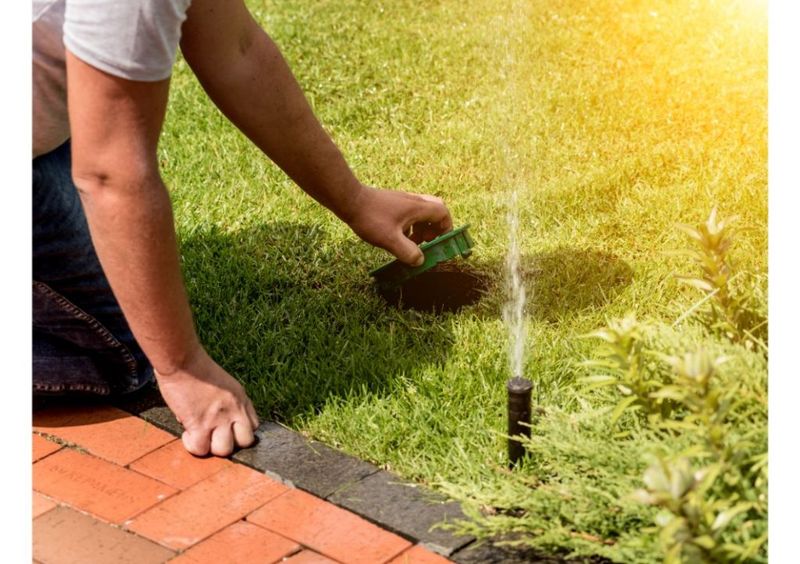
Picture this: spring arrives, your garden is ready to grow, and then you discover your irrigation system has a broken line or a clogged drip emitter. By the time you fix it, your new transplants are already stressed from lack of water.
Checking your watering system before planting season starts saves you from that frustrating situation entirely.
Walk through your yard and run each irrigation zone one at a time. Look for sprinkler heads that are stuck, tilted, or spraying in the wrong direction.
Check drip lines for clogs or cracks. Even small leaks can waste hundreds of gallons of water over a season, which is especially costly in areas of Texas that face water restrictions during dry months.
Pay attention to coverage patterns too. Sprinklers should overlap slightly to make sure every part of your lawn and garden gets even moisture.
Dry spots lead to stressed plants and patchy grass, while over-watered spots can cause root rot and fungal problems. Adjusting heads now takes just a few minutes but makes watering much more efficient all spring and summer.
Texas weather moves fast, and once plants start their active spring growth, they need consistent moisture to establish well. Fixing irrigation issues now means you are fully prepared the moment temperatures start climbing.
Also consider checking your timer or smart controller settings. Winter schedules are usually set for less frequent watering, so updating those settings before spring growth kicks off is an easy step that makes a real difference in how your yard performs.
5. Control Weeds Early Before They Spread
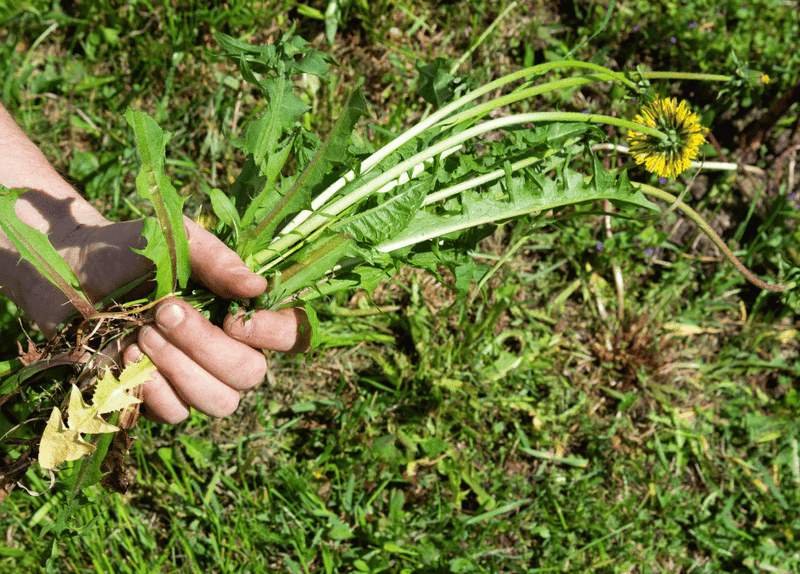
Weeds are sneaky. They spend the cold winter months quietly growing roots and building strength, and then the moment warm weather hits, they explode across your lawn and garden beds.
Getting ahead of them right now, before they flower and drop seeds, is one of the smartest moves any Texas gardener can make this time of year.
Winter weeds like henbit, chickweed, and annual bluegrass are very common across Texas. These plants look harmless when small, but each one can produce hundreds of seeds before you even notice it has flowered.
Hand-pulling them while the soil is still a little moist from winter rains is surprisingly easy and satisfying. Get the whole root out when you pull, or they will just regrow.
Pre-emergent weed control products are another powerful tool for Texas homeowners. These products work by stopping weed seeds from germinating in the first place.
Timing matters a lot here. Apply pre-emergent before soil temperatures consistently hit 55 degrees Fahrenheit, which is usually late February to early March in most parts of Texas.
Check a local soil temperature map or contact your county extension office for precise timing in your area.
One important note: pre-emergent products also stop desirable seeds from sprouting, so avoid using them in areas where you plan to direct-sow flowers or vegetables. Spot-treat problem areas instead.
Combining hand-pulling with targeted pre-emergent application gives you strong, season-long weed control without a lot of ongoing effort. Early action now truly prevents a massive headache later in the spring and summer months.
6. Fertilize Lawns And Perennials Carefully
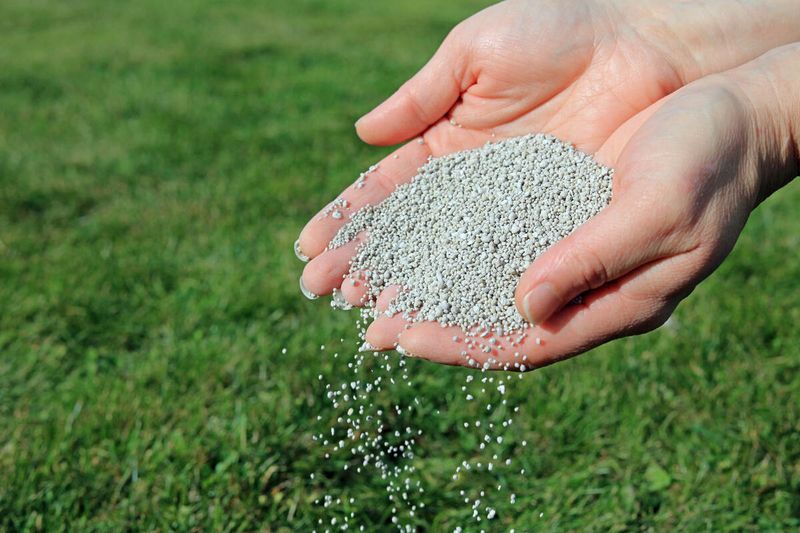
Fertilizing too early is one of the most common gardening mistakes in Texas. When you feed your lawn or perennials before they are actively growing, the nutrients can wash away with rain or sit unused in the soil.
Waiting for the right moment makes your fertilizer work harder and your plants grow stronger. Patience really does pay off here.
For lawns, the best signal to start fertilizing is when your grass begins actively greening up on its own. In South Texas, that might happen in late February.
In North Texas and the Panhandle, it could be late March or even early April. Warm-season grasses like Bermuda, St. Augustine, and zoysia all need that natural green-up cue before fertilizer becomes truly useful.
Slow-release granular fertilizers are the best choice for most Texas lawns and garden beds. They feed plants steadily over several weeks rather than delivering one big nutrient rush.
That steady feeding promotes even, healthy growth and reduces the risk of burning your grass or plants with too much nitrogen at once. Always follow package directions and resist the urge to apply more than recommended.
Perennial flowers and shrubs benefit from a light feeding as new growth emerges in spring. A balanced fertilizer or one slightly higher in phosphorus helps support strong root development early in the season.
Avoid heavy nitrogen applications on perennials, since that pushes lots of leafy growth at the expense of flowers. A soil test, especially useful in clay-heavy central and North Texas soils, can tell you exactly what your garden needs before you spend money on products.
7. Protect And Prepare For Late Cold Snaps
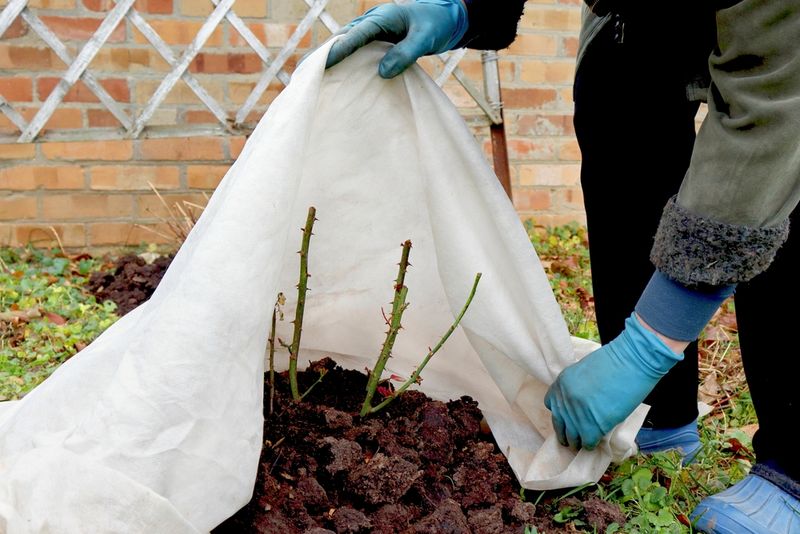
Anyone who has lived in Texas for more than a few years knows the weather here loves surprises. You can have three warm, sunny days in a row and then wake up to a hard freeze warning on a Wednesday in March.
Staying prepared for late cold snaps is not being overly cautious. It is just being a smart Texas gardener.
Keep frost cloth or old bedsheets handy through at least mid-March, and in North Texas, even into early April. Frost cloth is lightweight, affordable, and can protect tender plants from temperatures that dip into the upper 20s.
Drape it loosely over plants in the evening before a freeze and remove it the next morning once temperatures rise above freezing. Leaving it on during sunny days can actually trap too much heat and stress your plants.
Mulching around the base of sensitive plants gives their root systems extra insulation during cold nights. Even if the above-ground parts of a plant get damaged by frost, a well-mulched root zone greatly improves the chances of recovery.
This is especially important for tropical plants, citrus trees, and any newly planted perennials that have not had time to establish deep roots yet.
Resist the temptation to plant warm-season vegetables and tender annuals too early, no matter how warm a stretch of weather feels. Tomatoes, peppers, and tropical flowers planted before the last frost date can be set back weeks by a single cold night.
Check the average last frost dates for your specific part of Texas and use that as your planting guide every single year.