8 Garden Trends Texas Homeowners Use That Damage Local Wildlife
Texas yards often chase bold looks and easy upkeep, yet some popular trends carry a hidden cost.
What feels stylish or convenient can tip the balance against birds, pollinators, and small creatures that already battle heat and habitat loss.
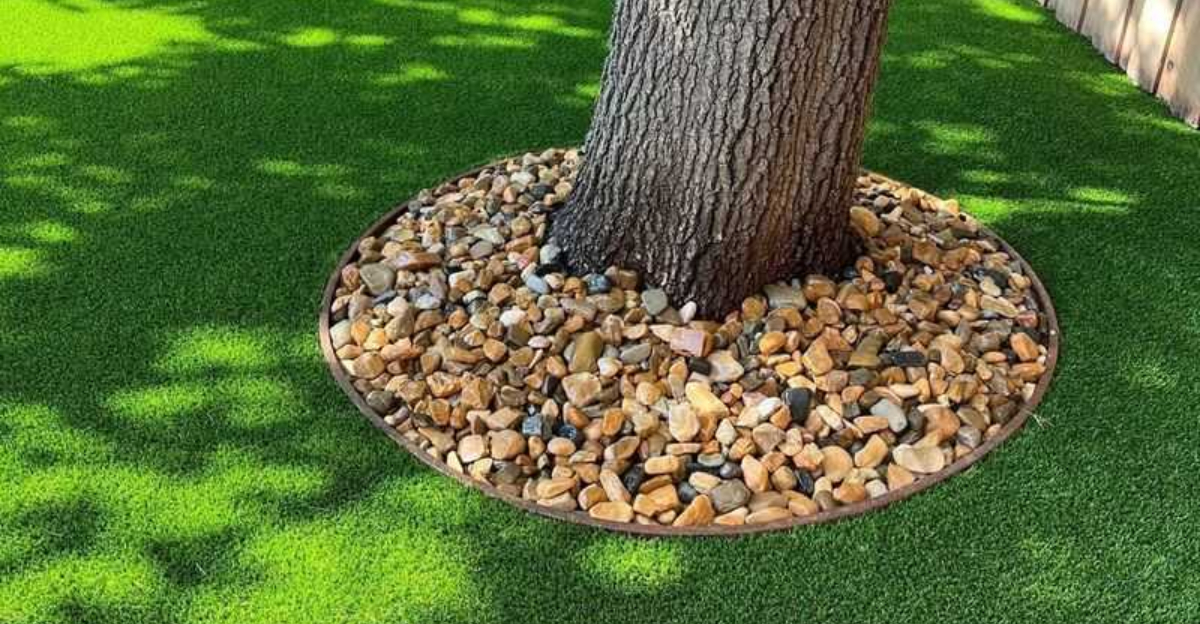
Decorative gravel can scorch paws, bright lights can scramble night rhythms, and exotic plants can push natives out of the picture.
Good intentions pave many patios, but wildlife pays the tab.
As cities sprawl and summers stretch longer, every design choice matters more than ever.
A backyard can serve as refuge or obstacle, sometimes without the owner realizing it.
This topic pulls back the curtain on habits that harm local ecosystems and invites a second look before trends take root.
1. Planting Non-Native Ornamental Grasses
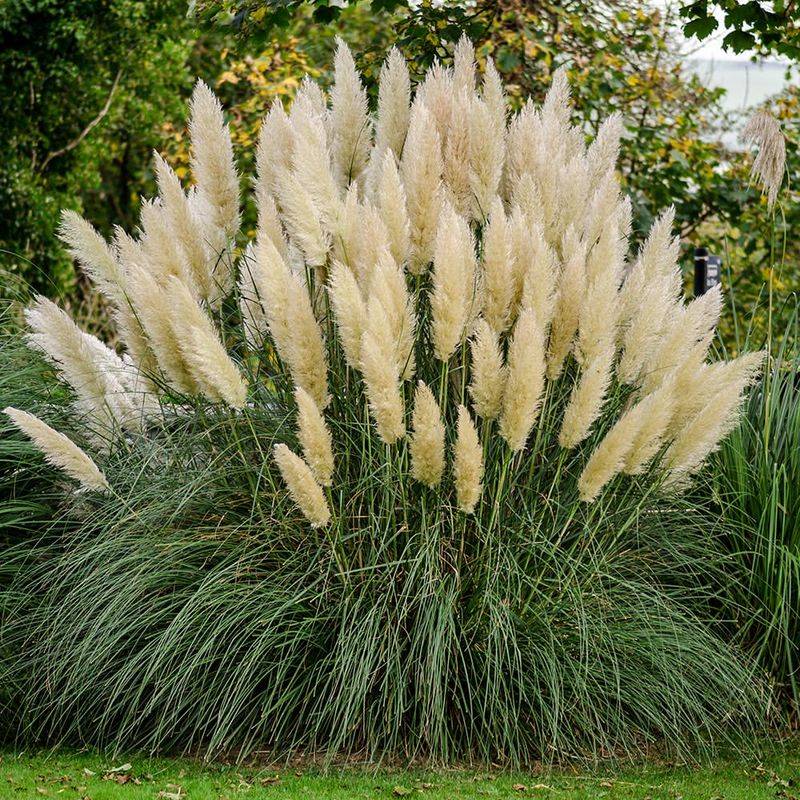
Ornamental grasses from other countries look beautiful swaying in the breeze, but they create serious problems for Texas wildlife.
Most decorative grasses sold at garden centers come from Asia, Africa, or South America.
Local insects cannot eat these foreign plants because they never evolved together.
Caterpillars need specific native plants to feed on, and when yards fill up with exotic grasses, these insects starve.
Without caterpillars, birds struggle to find enough protein to feed their babies during nesting season.
Some ornamental grasses also spread aggressively into natural areas, pushing out the native plants that wildlife depends on.
Pampas grass, fountain grass, and maiden grass rank among the worst offenders.
They produce thousands of seeds that blow across neighborhoods and into parks.
Once established, these invasive plants form thick stands that crowd out beneficial native species.
Texas offers plenty of beautiful native grass alternatives that support local ecosystems.
Muhly grass, switchgrass, and inland sea oats provide similar visual appeal while feeding insects and birds.
Making this simple swap helps restore the natural food web that keeps Texas wildlife healthy and thriving.
2. Installing Artificial Turf Instead Of Real Grass
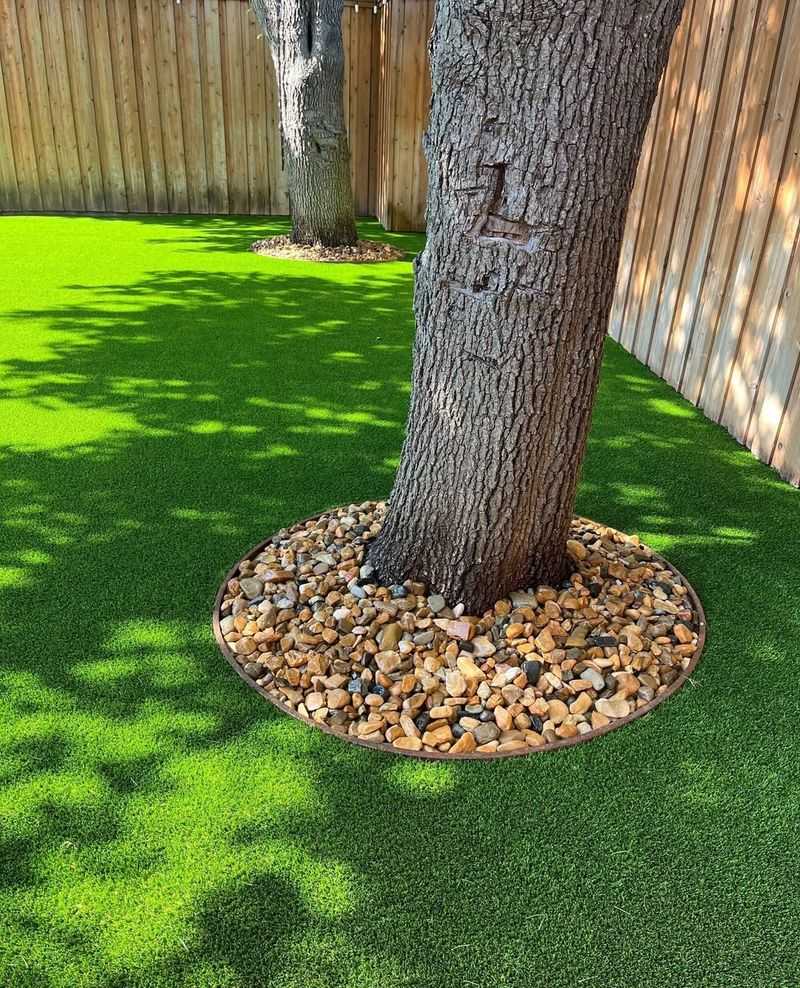
Fake grass seems like an easy solution to water bills and mowing chores, but it turns yards into biological deserts.
Real grass, even common Bermuda or St. Augustine, provides food and shelter for countless tiny creatures.
Ground-nesting bees burrow beneath natural lawns, while beetles and spiders hunt among the blades.
These small animals form the foundation of the food chain that supports larger wildlife like lizards, toads, and songbirds.
Artificial turf eliminates all of these essential habitats in one installation.
The plastic blades cannot support any life whatsoever.
Birds find nothing to eat, and beneficial insects disappear completely from properties covered in fake grass.
The material also absorbs tremendous amounts of heat during Texas summers, creating uncomfortable hot spots that wildlife must avoid.
Surface temperatures on artificial turf can reach 160 degrees Fahrenheit on sunny days.
This extreme heat makes yards unusable for animals seeking shade or water.
Chemical odors from the plastic and rubber backing can also repel sensitive species.
Homeowners concerned about water use should consider native ground covers or reduced lawn areas instead.
These alternatives conserve resources while still supporting the complex web of life that makes Texas ecosystems function properly.
3. Using Excessive Outdoor Lighting At Night
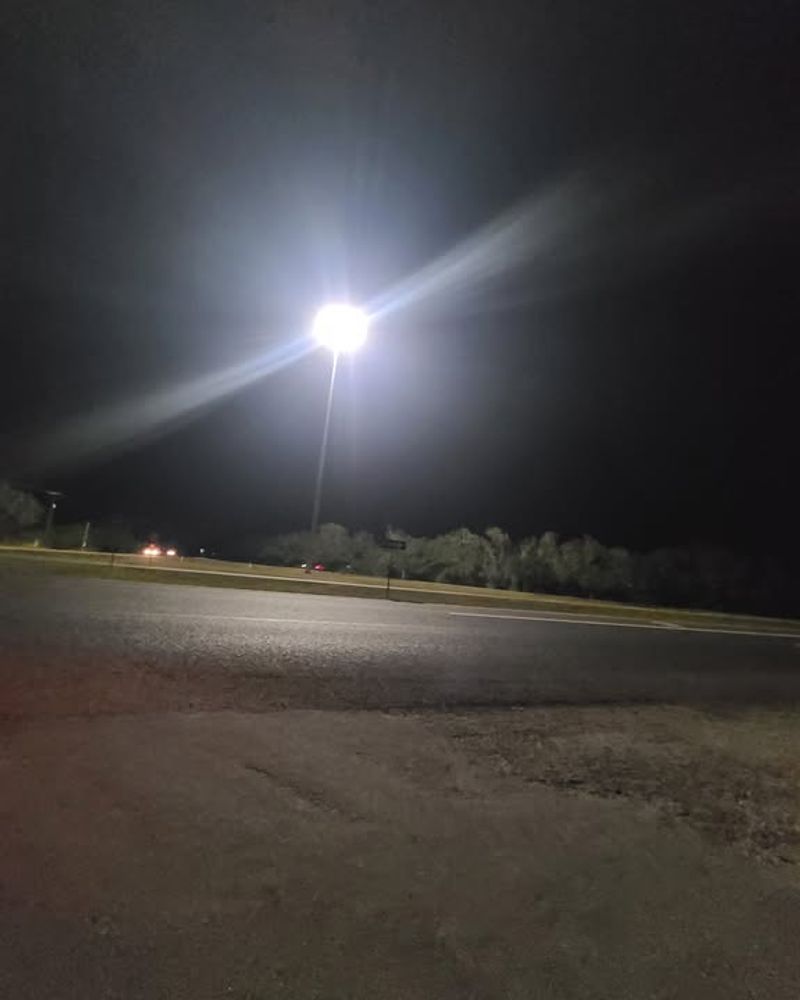
Bright lights transform Texas yards into nighttime showplaces, but they confuse and exhaust nocturnal wildlife.
Moths, beetles, and other night-flying insects evolved to navigate using moonlight and stars.
Artificial lights disrupt their internal compasses, causing them to fly in circles around bulbs until they collapse from exhaustion.
This phenomenon, called positive phototaxis, traps millions of insects every night in well-lit neighborhoods.
When insects cluster around lights, they cannot pollinate night-blooming flowers or provide food for bats and nightjars.
Migrating birds also suffer from excessive outdoor lighting.
Many species travel at night and use natural light cues to navigate their journeys.
Bright yard lights, especially those pointing upward, confuse birds and cause them to fly off course.
Some birds circle lit areas repeatedly, wasting precious energy they need for migration.
Others collide with illuminated windows or structures they cannot see properly in the glare.
Even mammals like opossums and raccoons struggle with too much artificial light.
These creatures hunt and forage most successfully in darkness, and constant illumination reduces their feeding efficiency.
Motion-sensor lights, downward-facing fixtures, and amber bulbs minimize wildlife disruption while still providing security and visibility when humans actually need it.
4. Creating Rock Gardens Without Vegetation

Bare rock landscapes look sleek and modern, but they offer almost nothing to Texas wildlife.
Homeowners attracted to low-maintenance designs often cover entire yards with decorative stones, pebbles, or crushed granite.
While this approach eliminates weeding and watering, it also removes every resource that animals need to survive.
Rocks alone provide no food, no nesting materials, and very little shelter.
Lizards might sun themselves on warm stones, but they cannot find insects to eat in these barren spaces.
Birds pass over rock gardens because they lack the seeds, berries, and bugs that sustain them.
Even tough desert plants that naturally grow among rocks in Texas provide crucial resources.
Cacti, yucca, and agave bloom with flowers that feed bees and hummingbirds.
Their seeds sustain finches and doves through winter months.
Rock gardens without any living plants break the connection between soil, plants, insects, and larger animals.
The best rock landscapes incorporate native drought-tolerant plants between stones.
This combination achieves the desired aesthetic while still supporting local wildlife.
Succulents, native grasses, and wildflowers thrive among rocks and require minimal care once established.
This balanced approach creates beautiful, functional outdoor spaces that work with nature rather than against it.
5. Applying Chemical Pesticides and Herbicides Regularly
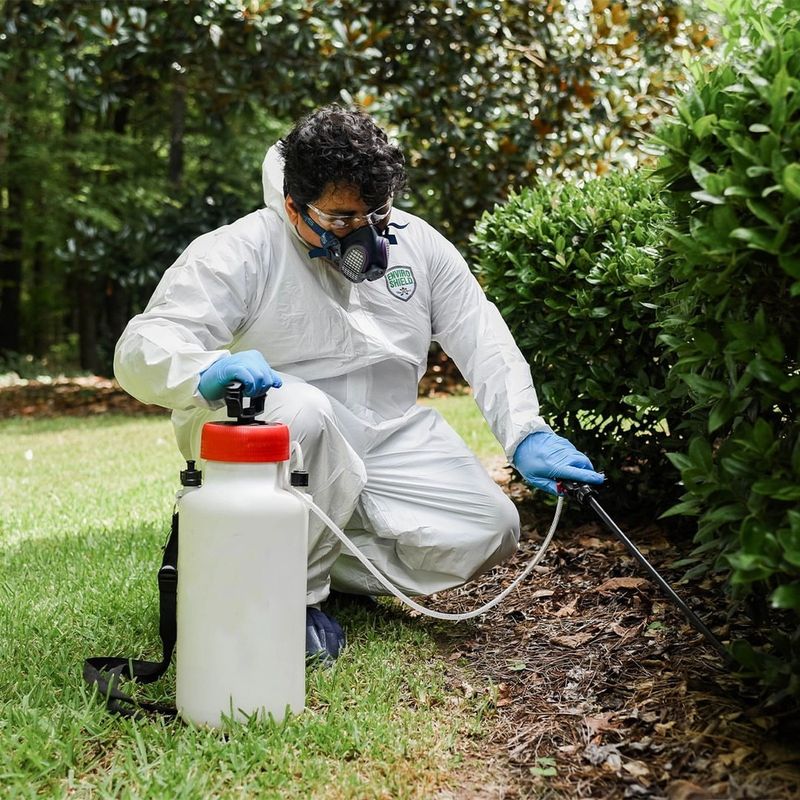
Chemical sprays promise perfect lawns and gardens, but they poison the very creatures that make outdoor spaces special.
Most pesticides cannot distinguish between harmful pests and beneficial insects.
A single application often eliminates hundreds of helpful species along with the few causing problems.
Ladybugs, lacewings, native bees, and butterflies all fall victim to broad-spectrum chemicals.
These beneficial insects pollinate flowers, control actual pests naturally, and feed birds throughout the year.
When homeowners spray regularly, they remove entire food sources that wildlife depends upon.
The chemicals also move through the food chain in dangerous ways.
Insects absorb pesticides from treated plants, then birds eat the contaminated insects.
Predators like hawks and owls consume affected rodents and smaller birds.
This process, called bioaccumulation, concentrates toxins in animals at the top of the food chain.
Herbicides create similar problems by eliminating the diverse plant life that supports complex ecosystems.
Many plants that homeowners consider weeds actually provide essential food for native wildlife.
Dandelions feed early-season pollinators, while clover enriches soil and feeds rabbits.
Integrated pest management techniques offer safer alternatives that target specific problems without harming beneficial species or contaminating the broader environment.
6. Removing Leaf Litter And Plant Material
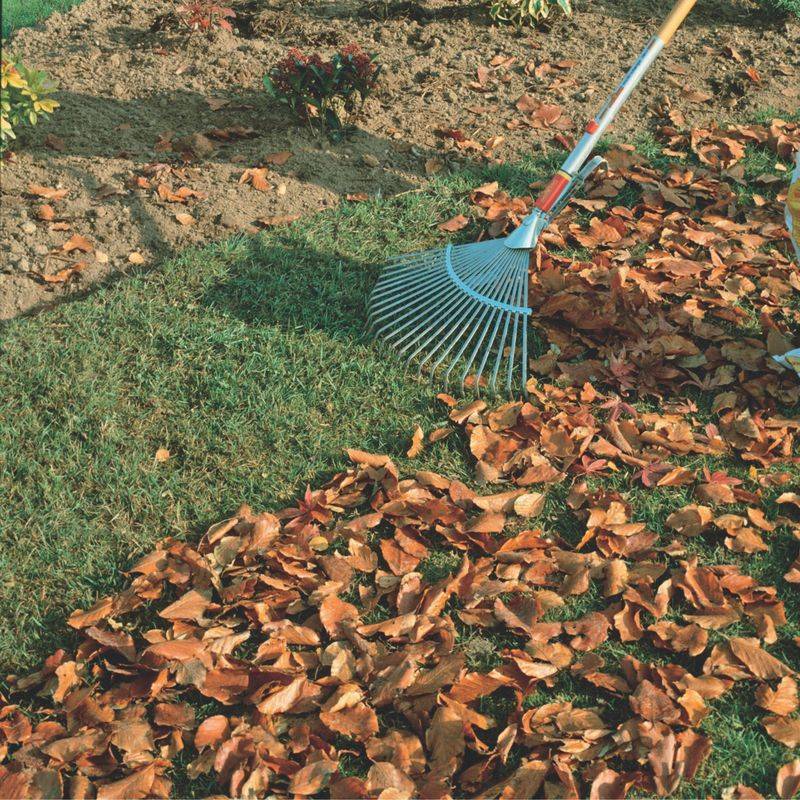
Many gardeners pride themselves on spotless yards with every leaf and twig removed, but this tidiness destroys critical wildlife habitat.
Fallen leaves and plant stems house countless beneficial creatures through winter.
Native bees nest in hollow stems, while butterfly chrysalises hang from dried foliage.
Beetles, spiders, and other invertebrates shelter beneath leaf layers, waiting for spring warmth.
When homeowners bag up every bit of natural debris each week, they eliminate the overwintering sites that local insects absolutely need.
Without these protected spaces, insect populations crash, leaving birds with nothing to eat come spring.
Leaf litter also enriches soil as it decomposes, feeding earthworms and microorganisms.
This natural process creates healthy ground that supports robust plant growth.
Removing all organic matter forces gardeners to add expensive fertilizers to replace the free nutrients that nature provides.
Toads, salamanders, and small mammals also depend on leaf piles for shelter and hunting grounds.
These animals control pest populations naturally when given proper habitat.
The best approach involves leaving leaf litter under shrubs and in garden beds where it belongs.
This practice mimics natural ecosystems, supports wildlife year-round, and reduces maintenance work while improving soil quality for free.
7. Planting Only Hybrid Flowers That Produce No Pollen
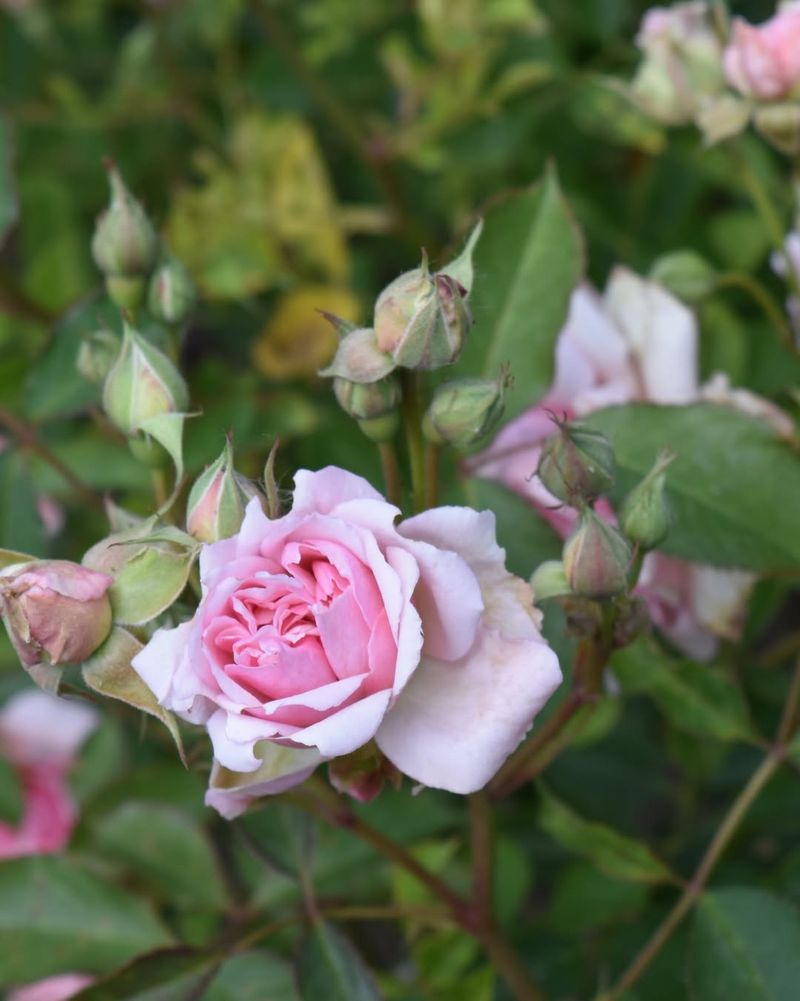
Garden centers overflow with spectacular hybrid flowers bred for size, color, and long bloom times.
Unfortunately, plant breeders often sacrifice pollen and nectar production to achieve these showy characteristics.
Double-petaled roses, fancy petunias, and many modern cultivars look gorgeous but offer nothing to hungry pollinators.
Bees visit these flowers and find them empty, wasting precious energy they need for survival.
Native bees, butterflies, and other pollinators evolved alongside wild Texas flowers.
They depend on the specific pollen and nectar that native plants produce.
When yards contain only sterile hybrid flowers, pollinators face starvation despite being surrounded by blooms.
This situation resembles a grocery store filled with fake plastic food.
Everything looks perfect, but nothing provides actual nourishment.
Hummingbirds also struggle with modern flower varieties.
Many hybrids have altered flower shapes that prevent the birds from reaching nectar with their specialized beaks.
Single-petaled flowers and native species offer the best resources for wildlife.
Texas bluebonnets, black-eyed Susans, and native salvias provide abundant food while still creating beautiful gardens.
Mixing some simple native flowers among fancy hybrids ensures that beauty and function coexist.
This balanced approach feeds pollinators while still satisfying homeowners who want impressive floral displays in their landscapes.
8. Installing Water Features Without Wildlife Access
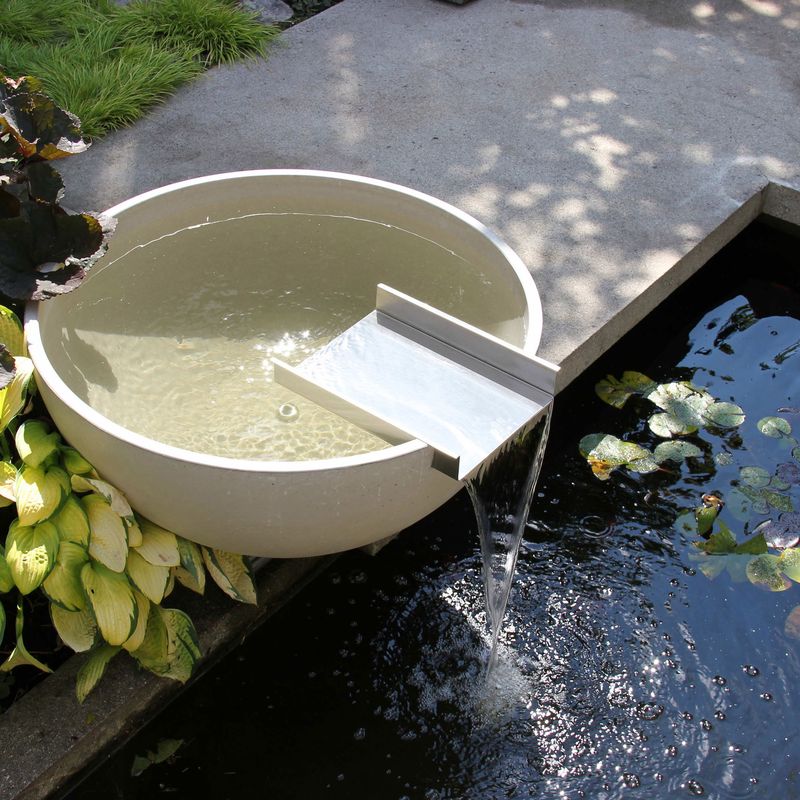
Fountains and water features add soothing sounds and visual interest to Texas gardens.
However, most decorative designs focus purely on human enjoyment without considering wildlife needs.
Smooth-sided bowls, tall pedestals, and steep-edged ponds prevent small animals from safely accessing water.
Birds need shallow edges where they can wade in gradually to drink and bathe.
Butterflies require flat stones or sand where they can land and sip without drowning.
Bees collect water to cool their hives during scorching Texas summers, but they cannot land on open water surfaces.
When water features lack appropriate access points, thirsty wildlife cannot use them despite desperate need.
Some animals attempt to drink from unsuitable fountains and fall in, unable to escape the slippery sides.
This creates a deadly trap rather than the helpful resource that homeowners intended to provide.
Simple modifications make water features wildlife-friendly without sacrificing beauty.
Adding rocks, branches, or specially designed bee rafts gives small creatures safe landing spots.
Creating shallow sections just an inch or two deep accommodates birds and butterflies perfectly.
Gentle slopes instead of vertical walls allow animals to enter and exit easily.
These thoughtful touches transform ordinary water features into genuine wildlife havens that serve the entire community of creatures sharing Texas neighborhoods.