9 Gardening Habits That Are Quietly Hurting Florida Gardens
Florida gardens look lush and effortless from the street, yet many struggle behind the scenes because of small habits that quietly undermine plant health.
The heat, humidity, sandy soils, and intense sun create a growing environment unlike anywhere else, and advice borrowed from cooler climates often does more harm than good.
One simple mistake can weaken roots, invite pests, or wash nutrients away before plants ever get a chance to thrive.
Over time those tiny missteps add up, leaving homeowners confused, frustrated, and stuck in a cycle of replacing plants instead of enjoying a thriving landscape.
This guide shines a light on the overlooked routines that silently sabotage Florida gardens and shows how small changes can unlock stronger growth, richer color, and fewer problems all year.
Read on to discover how smarter watering, better timing, and simple observation can transform tired beds into resilient, beautiful spaces that handle Florida weather with surprising ease and reward you with lasting results today.
1. Watering Too Often
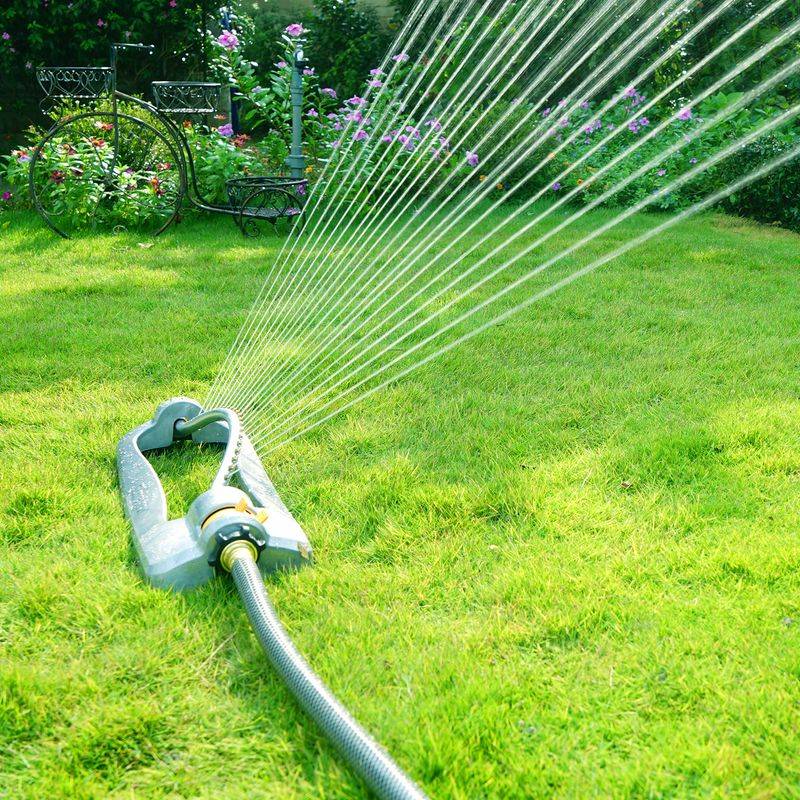
You probably learned that plants need regular water to thrive, but Florida’s sandy soil and afternoon thunderstorms change everything about how you should approach irrigation.
Many gardeners here water on a daily schedule without checking whether their plants actually need it, which creates shallow root systems that cannot survive our hot, dry springs.
When you water too frequently, roots stay near the surface where moisture appears most often.
Those roots never develop the deep anchoring systems that help plants access groundwater during drought periods.
Your lawn only needs about one inch of water per week including rainfall, and most established Florida native plants need even less once their roots mature.
Check soil moisture by pushing your finger two inches down before turning on the hose or sprinkler system.
If the soil feels damp at that depth, skip watering for another day or two.
Your plants will respond by sending roots deeper into the ground where they can find consistent moisture and minerals, creating healthier specimens that require less maintenance from you throughout the year.
2. Planting Without Checking Sun Exposure
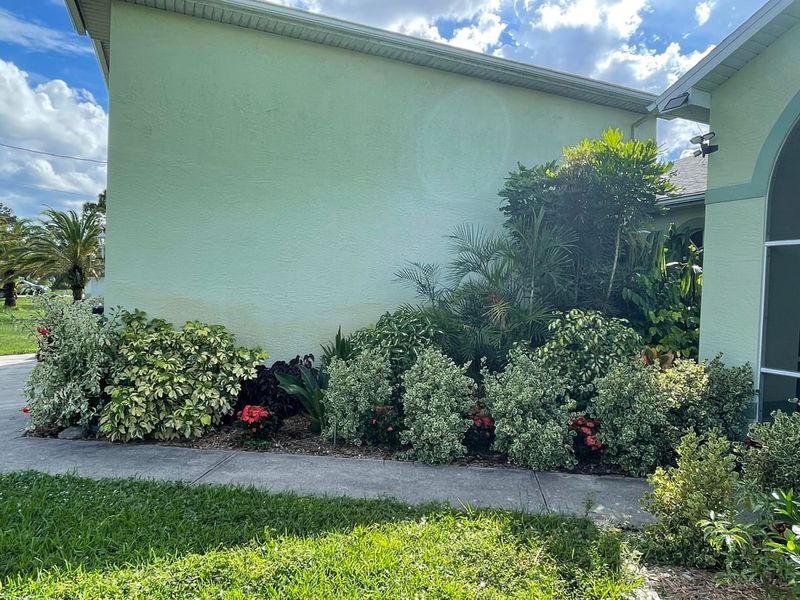
That shady corner under your oak tree might look perfect for a colorful flower bed, but Florida’s intense sun creates dramatic differences between full sun and shade conditions.
Gardeners often buy plants based on how they look at the nursery without considering where those plants will actually live in their landscape.
A sun-loving hibiscus placed in partial shade will produce fewer blooms and develop leggy growth as it stretches toward available light.
Meanwhile, shade-preferring ferns and hostas will scorch and brown when planted in areas receiving six or more hours of direct Florida sunlight.
Before you purchase any plant, spend a few days observing your intended planting area.
Note how many hours of direct sun it receives and whether that light comes during the gentler morning hours or the intense afternoon period.
Florida sun is significantly stronger than northern sunlight, so plants labeled for full sun in other regions might appreciate some afternoon shade here.
Match your plant selections to the actual conditions in your garden rather than where you wish you could place them, and you’ll see healthier growth with far less effort.
3. Using The Same Plants Everywhere
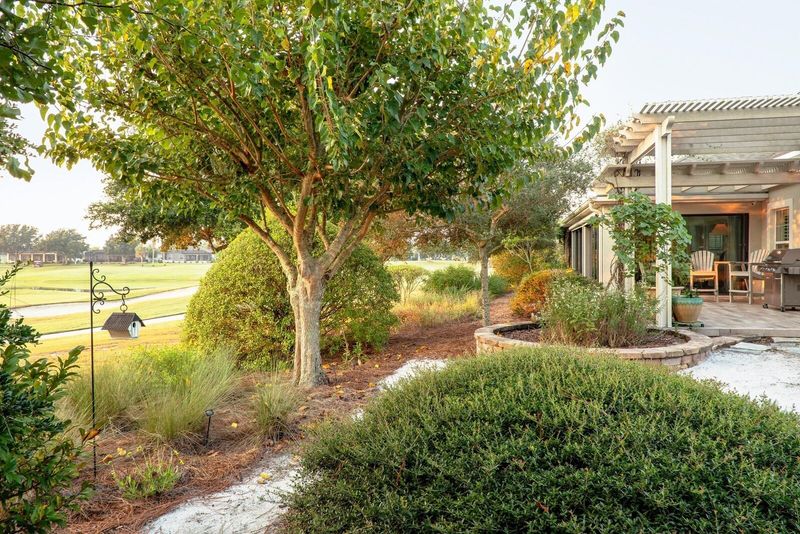
Walk through any neighborhood and you’ll notice the same dozen plants repeated in yard after yard, from rows of identical hedges to beds filled entirely with impatiens or petunias.
This approach might create a neat, uniform appearance, but it leaves your garden vulnerable to problems that can sweep through monoculture plantings.
When you plant the same species throughout your landscape, diseases and pests can move easily from one plant to the next without encountering any resistance.
A fungal issue that affects one boxwood can quickly spread to every boxwood in your hedge, potentially destroying years of growth in a single season.
Diversity protects your garden by creating natural barriers that slow the spread of problems and attract beneficial insects that prey on harmful pests.
Mix different plant families in your beds, choosing species with varying heights, bloom times, and foliage textures.
Native Florida plants like coontie, firebush, and muhly grass offer excellent alternatives to overused landscape standards while requiring less water and fertilizer.
Your garden will become more resilient, support more wildlife, and look more interesting throughout the year when you embrace variety instead of repetition.
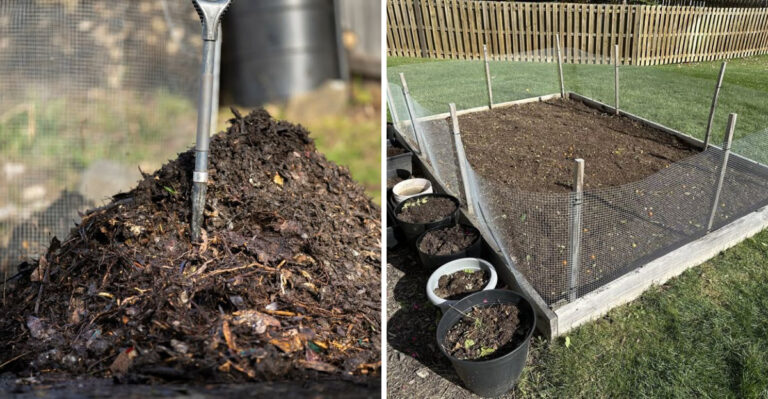
4. Ignoring Soil Quality
Most Florida soils are either pure sand that drains too quickly or heavy clay that holds water like a bathtub, yet many gardeners plant directly into whatever soil exists without any amendments or testing.
You might assume that soil is just soil, but the foundation of your garden determines whether your plants can access the nutrients and moisture they need to flourish.
Sandy soils dominate much of Florida, allowing water and dissolved nutrients to drain away before roots can absorb them effectively.
Clay soils in other regions trap water around roots, creating conditions where fungal diseases thrive and roots suffocate from lack of oxygen.
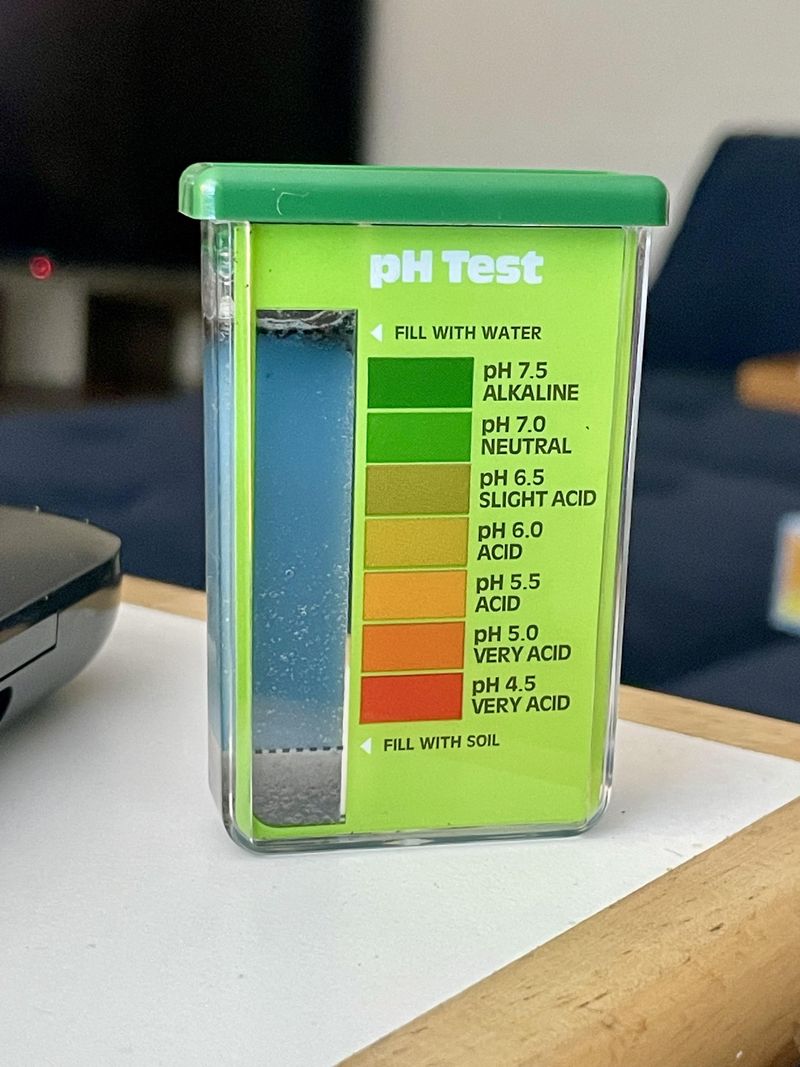
Before planting anything significant, get your soil tested through your local Extension office to learn about pH levels and nutrient deficiencies specific to your property.
Most Florida plants prefer slightly acidic soil with a pH between 5.5 and 6.5, but your soil might fall outside that range.
Improve sandy soils by mixing in compost or aged manure to increase water retention and nutrient availability.
For clay areas, incorporate coarse sand and organic matter to improve drainage while maintaining some moisture-holding capacity for plant roots.
5. Overusing Fertilizer
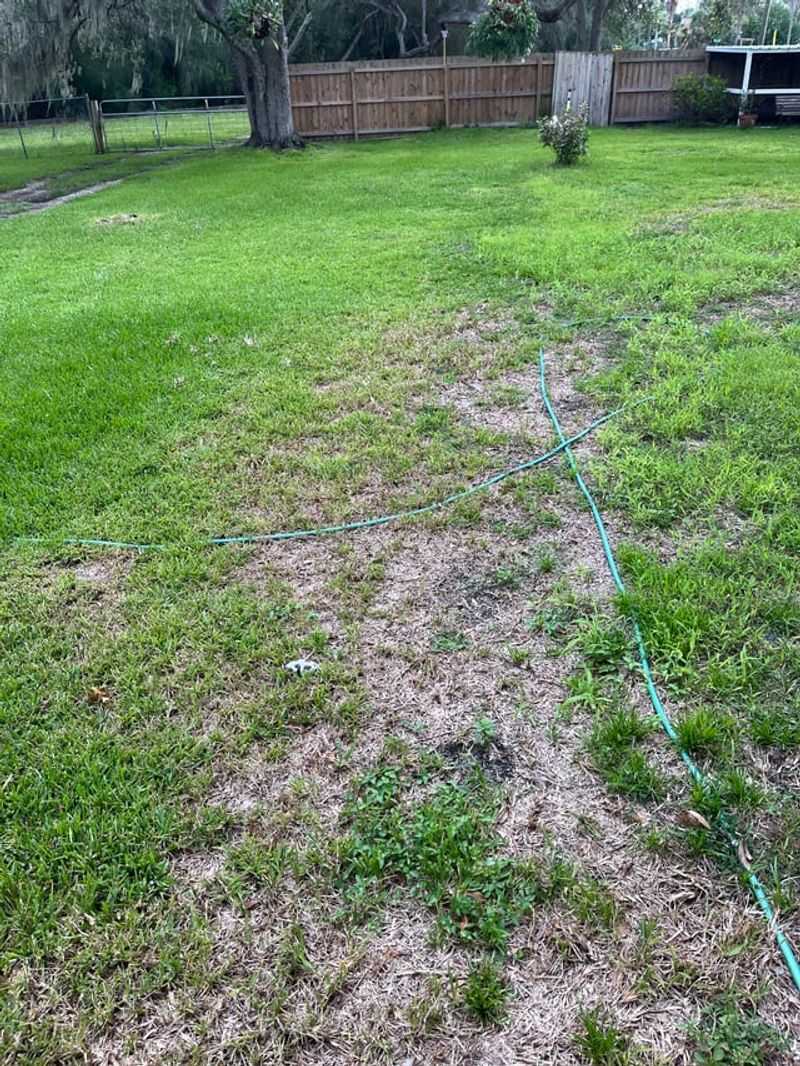
Garden centers stock shelves with fertilizers promising lush growth and abundant blooms, leading many Florida gardeners to apply these products more frequently and heavily than necessary.
The belief that more fertilizer equals better results creates problems ranging from excessive vegetative growth to environmental damage affecting our waterways and coastal ecosystems.
When you apply too much fertilizer, plants produce soft, weak growth that attracts pests and diseases while requiring constant pruning to maintain shape.
Excess nutrients also wash through sandy Florida soils during our heavy summer rains, eventually reaching lakes, rivers, and bays where they fuel harmful algae blooms.
Most established Florida landscapes need far less fertilizer than you might think, especially if you’re growing native plants adapted to our naturally low-nutrient soils.
Lawns typically need fertilizing only two to four times per year depending on grass type, while many native shrubs and trees thrive with little to no supplemental feeding.
Always follow package directions carefully, and consider using slow-release formulas that feed plants gradually over several months rather than delivering a massive nutrient burst all at once.
Your plants will grow stronger and healthier on a moderate feeding schedule.
6. Planting In The Wrong Season
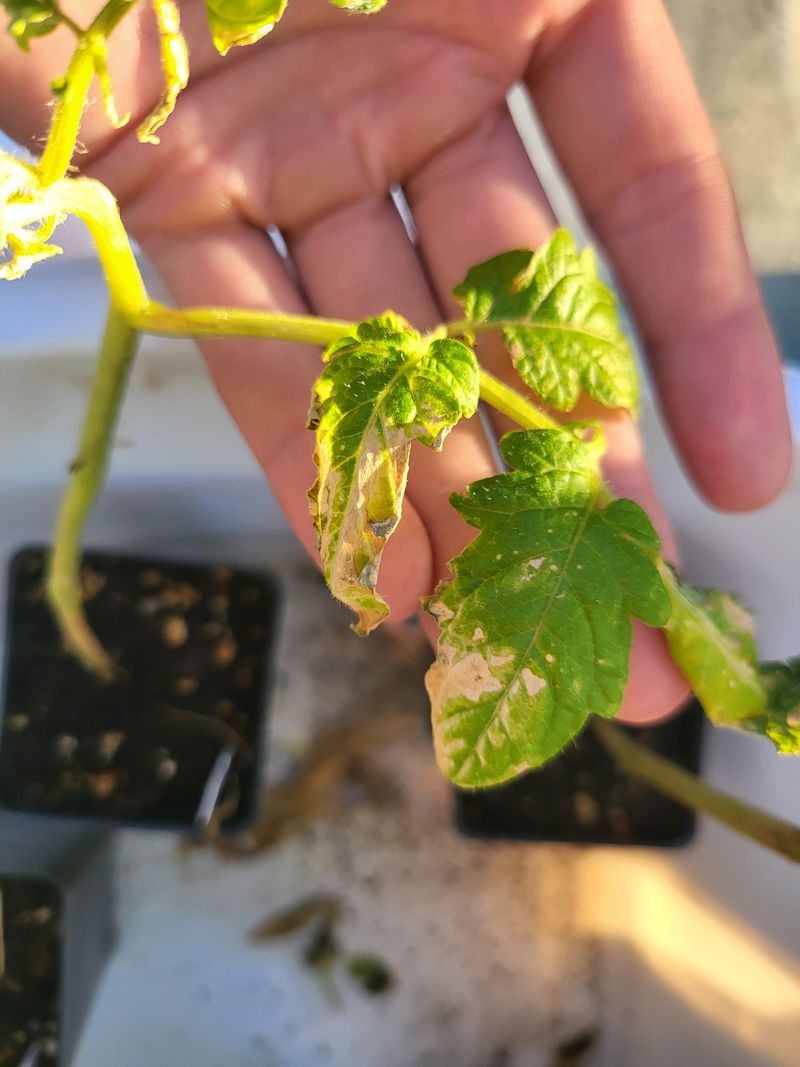
Gardeners moving to Florida from northern states often bring planting schedules that make no sense in our subtropical and tropical climate zones.
You might be tempted to plant your garden in spring just as warm weather arrives, but that timing sets up young plants for failure during our brutal summer heat and afternoon storms.
Fall and winter are actually the best planting seasons throughout most of Florida, giving roots time to establish before heat and humidity stress new transplants.
Plants installed in spring face immediate challenges from temperatures in the 90s, intense sunshine, and heavy pest pressure without the root systems needed to handle those conditions.
Cool-season vegetables like tomatoes, peppers, and lettuce should go into Florida gardens between September and February depending on your specific region.
Warm-season crops like squash and okra can handle spring planting but still benefit from early starts that allow establishment before peak summer.
Perennials, shrubs, and trees planted in fall or winter have months of mild weather to develop strong roots before facing their first Florida summer.
Check planting calendars from University of Florida IFAS Extension for your specific county, as timing varies significantly between North Florida, Central Florida, and South Florida growing zones.
7. Skipping Mulch
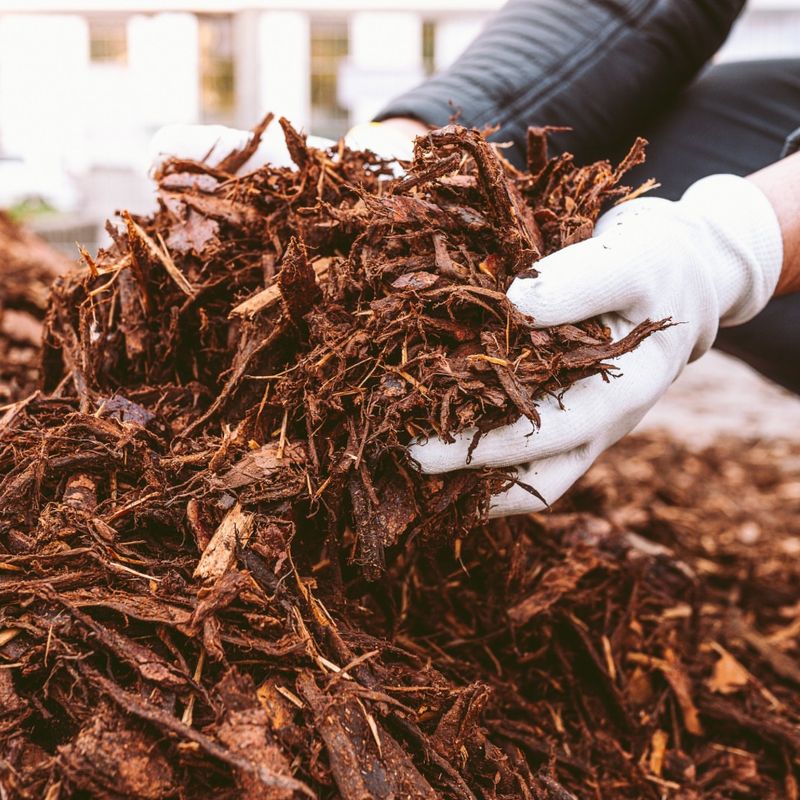
Bare soil around your plants might look tidy and clean, but exposed ground in Florida gardens faces problems that mulch easily prevents.
Without a protective layer covering the soil surface, moisture evaporates rapidly in our heat, weed seeds germinate constantly, and soil temperatures fluctuate wildly between day and night.
Mulch acts like a blanket that moderates soil temperature, keeps moisture from evaporating too quickly, and blocks sunlight that weed seeds need to sprout.
A two to three inch layer of organic mulch also breaks down gradually, adding nutrients and organic matter that improve your soil structure over time.
Pine bark, pine straw, and eucalyptus mulch all work well in Florida landscapes, though you should avoid piling mulch against plant stems or tree trunks where it can trap moisture and encourage rot.
Leave a small gap around the base of each plant to allow air circulation.
Mulch also prevents soil from splashing onto plant leaves during our heavy thunderstorms, reducing the spread of soil-borne fungal diseases.
Replenish your mulch layer once or twice per year as the material breaks down, and you’ll spend less time watering, weeding, and fighting plant problems throughout the growing season.
8. Pruning At The Wrong Time
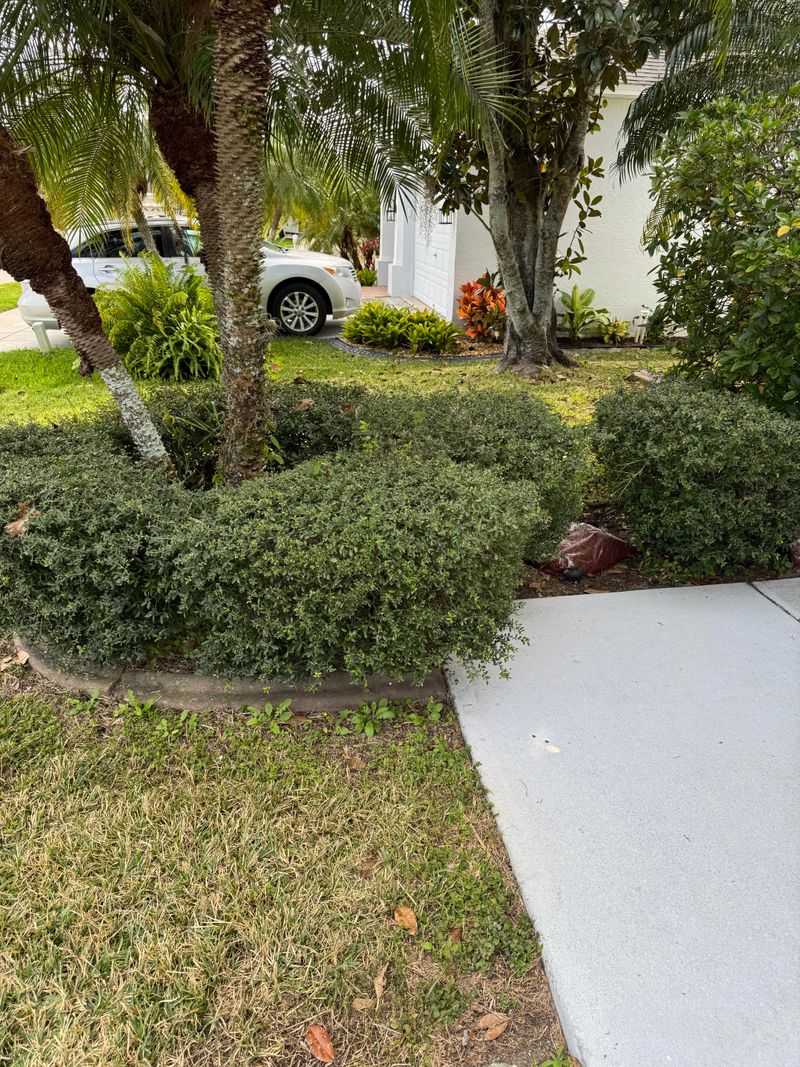
Many Florida gardeners prune their shrubs and trees whenever they look a bit overgrown or unruly, not realizing that timing affects both plant health and flowering performance.
Pruning at the wrong time can remove flower buds before they open, stimulate tender new growth just before cold snaps, or create wounds that invite pests and diseases during vulnerable periods.
Spring-flowering plants like azaleas and gardenias set their flower buds in late summer and fall, so pruning them in winter or early spring removes the blooms you’ve been waiting to enjoy.
Summer-flowering plants can handle late winter pruning before new growth begins.
Major pruning should happen during the dormant season for most woody plants, which in Florida means late winter before spring growth flushes appear.
Avoid heavy pruning during fall when cuts can stimulate new growth that won’t harden off before potential freezes arrive in December and January.
You can do light shaping and removal of damaged branches any time of year, but save significant size reduction and structural pruning for appropriate windows based on each plant’s growth cycle.
Research the specific pruning requirements for your landscape plants or consult IFAS Extension resources to learn proper timing.
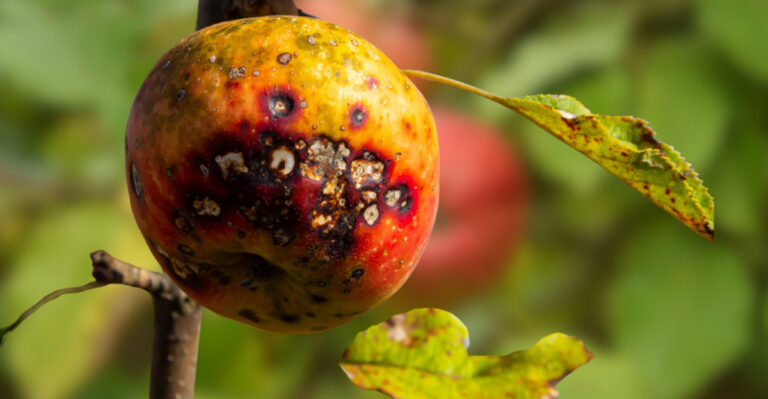
9. Not Watching For Early Pest Signs
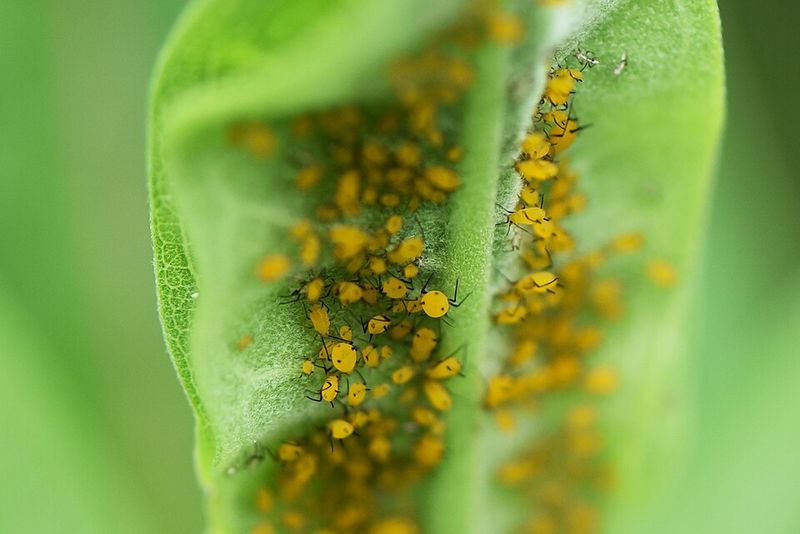
Small problems become big disasters when you ignore the early warning signs that pests or diseases have arrived in your garden.
Many Florida gardeners wait until damage becomes obvious before taking action, by which point insects have multiplied into huge populations and diseases have spread throughout susceptible plants.
Walk through your garden at least once a week, looking at both sides of leaves and checking new growth for unusual spots, holes, or discoloration.
Early detection allows you to remove affected leaves, handpick caterpillars, or spray targeted treatments before problems explode.
Florida’s warm climate means pests remain active year-round rather than disappearing during winter like they do in northern states.
Aphids, whiteflies, scale insects, and spider mites can build up quickly during dry periods when their natural predators are less active.
Learn to recognize beneficial insects like ladybugs, lacewings, and parasitic wasps that help control pest populations naturally, and avoid broad-spectrum pesticides that eliminate these helpful allies.
Inspect your plants regularly with a curious eye rather than a worried one, catching issues while they’re still manageable instead of waiting until your garden shows serious damage that requires aggressive intervention to correct and restore plant health.