9 Gardening Myths Florida Gardeners Need To Stop Believing
Have you ever wondered why your Florida garden never quite looks like the pictures, even when you follow what seems like good advice? You water faithfully, add fertilizer, mulch your beds, and still end up with stressed plants, patchy lawns, or disappointing harvests.
The problem often is not your effort, but the habits you were taught to trust. Much of the gardening advice passed around was created for cooler climates with richer soil and predictable seasons.
Florida’s heat, humidity, sandy ground, and sudden storms play by completely different rules. Some practices that sound smart actually work against plant health here.
Others quietly waste water, money, and time. Take a moment to think about your routine.
Are there tips you follow without questioning them? You may be surprised how quickly results improve once a few common misconceptions are left behind.
1. More Water Always Means Healthier Plants
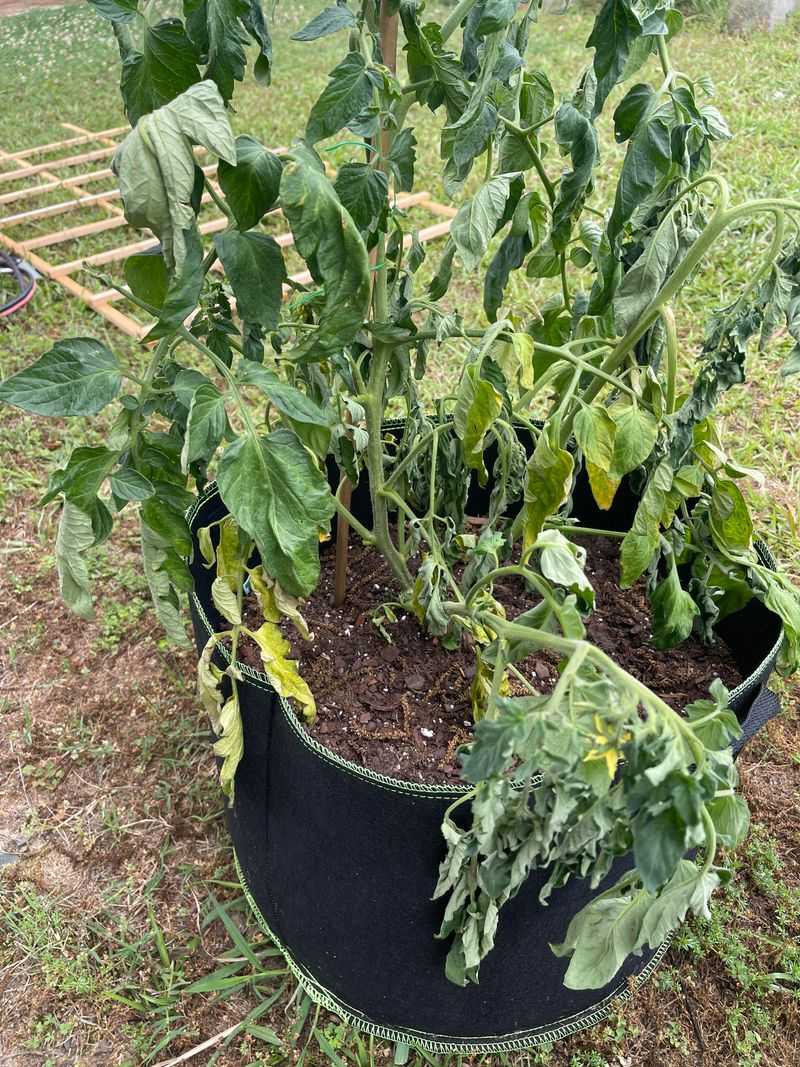
Your neighbor waters every single day, so you figure your plants need the same treatment, especially during our scorching summers. That daily routine feels productive, like you’re nurturing your garden through the heat.
But Florida’s afternoon thunderstorms, high humidity, and sandy soil create a tricky balance where too much water causes more problems than drought ever could.
Overwatering encourages shallow root systems because plants never need to search deeper for moisture. Those surface roots make your garden vulnerable during dry spells and create weak plants that topple in storms.
Fungal diseases thrive in constantly wet conditions, and our warm nights mean those problems spread faster than in cooler climates.
Most established Florida plants need water only once or twice weekly, and less during rainy season. North Florida gardeners can sometimes stretch that further during cooler months, while South Florida’s year-round warmth might require slightly more attention.
Check soil moisture three inches down before watering—if it feels damp, your plants are fine.
Deep, infrequent watering builds strong roots that reach down into cooler soil layers, creating resilient plants that handle Florida’s weather swings without constant intervention from you.
2. Fertilizer Fixes Poor Soil
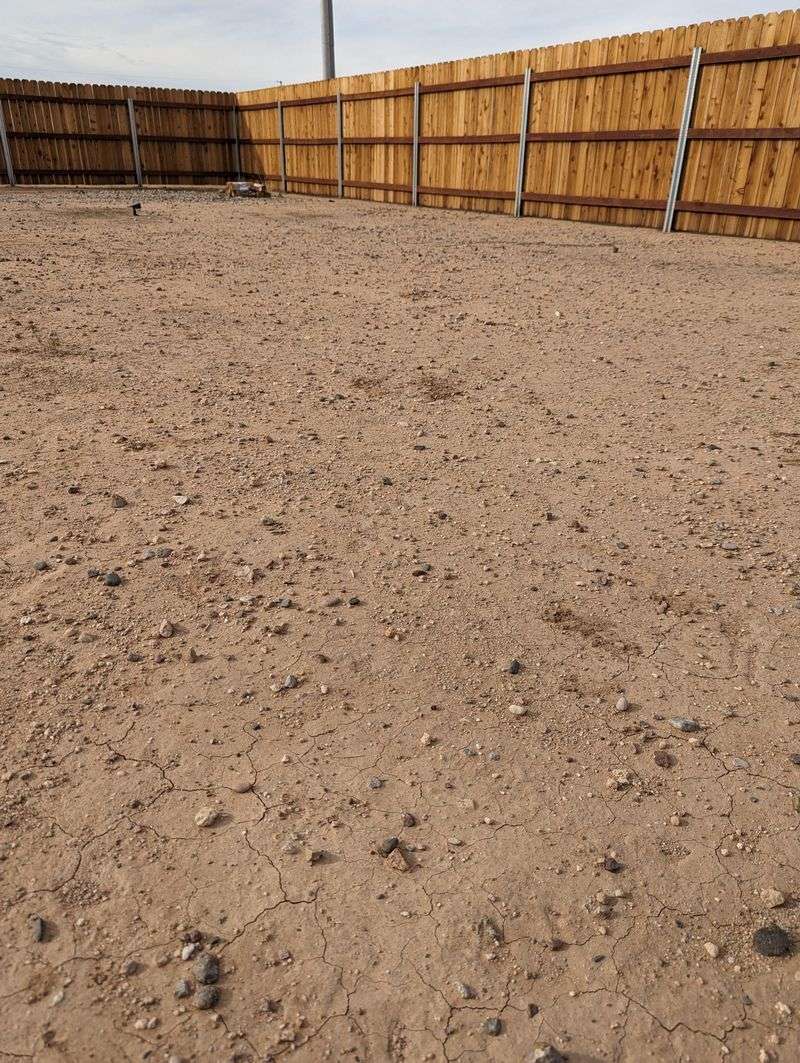
Your tomatoes look pale and stunted, so you grab a bag of fertilizer and spread it liberally, expecting lush green growth within days. Many gardeners treat fertilizer like a magic cure, assuming nutrients alone will transform struggling plants into thriving specimens.
Florida’s sandy soil drains so quickly that it can’t hold nutrients the way clay or loam does, which makes this approach especially frustrating here.
Fertilizer provides nutrients, but it doesn’t improve soil structure, water retention, or the beneficial microbes that help plants absorb those nutrients effectively.
Dumping more fertilizer on poor soil often leads to nutrient runoff that pollutes our waterways and harms delicate ecosystems like springs and coastal areas.
Your plants might show brief improvement before declining again because the underlying soil problems remain.
Building better soil with organic matter—compost, aged manure, or leaf mold—creates a foundation that holds moisture and nutrients between waterings.
This matters across all regions, though North Florida’s slightly heavier soils retain amendments better than the pure sand common in Central and South Florida.
Mix organic material into planting holes and top-dress annually. Then apply fertilizer according to soil test results rather than guessing, using slow-release formulas that won’t wash away with the next rain.
3. All Mulch Works The Same
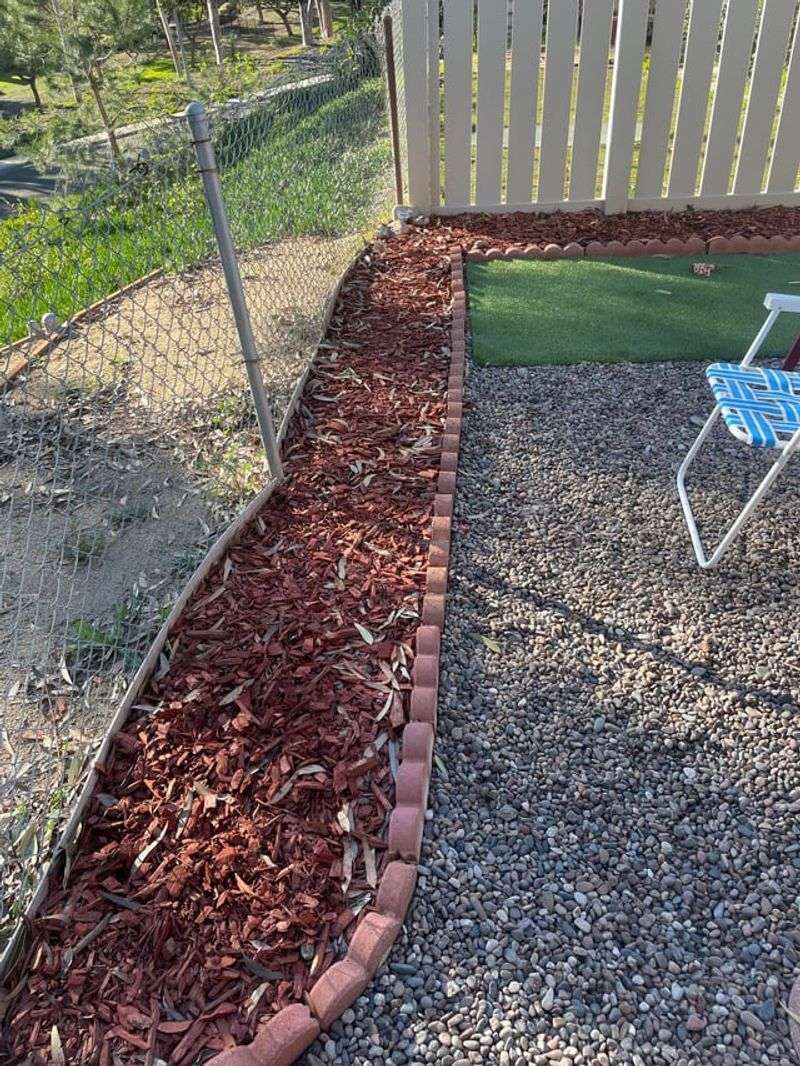
You see mulch on sale at the garden center and figure any type will do the job—it all looks similar, and the main goal is covering bare soil, right? Many gardeners treat mulch as purely decorative or just a weed barrier.
In Florida’s intense heat and frequent rains, your mulch choice directly affects soil temperature, moisture retention, and even plant health in ways that matter far more than appearance.
Pine bark, cypress, eucalyptus, and melaleuca each decompose at different rates and affect soil pH differently. Some dyed mulches contain chemicals that leach into soil, while fresh wood chips can temporarily tie up nitrogen as they break down.
Rocks and rubber don’t decompose at all, which means they add nothing to your soil and can actually overheat root zones during summer.
Pine bark and melaleuca work beautifully across Florida because they break down slowly, adding organic matter without constant replacement. Apply two to three inches around plants, keeping mulch away from stems to prevent rot.
In South Florida, eucalyptus mulch resists our humidity particularly well. North Florida gardeners can use hardwood mulch during cooler months, though it decomposes faster.
Avoid volcano mulching—piling mulch against trunks—which traps moisture and encourages pests and disease regardless of which mulch you choose.
4. Native Plants Never Need Care
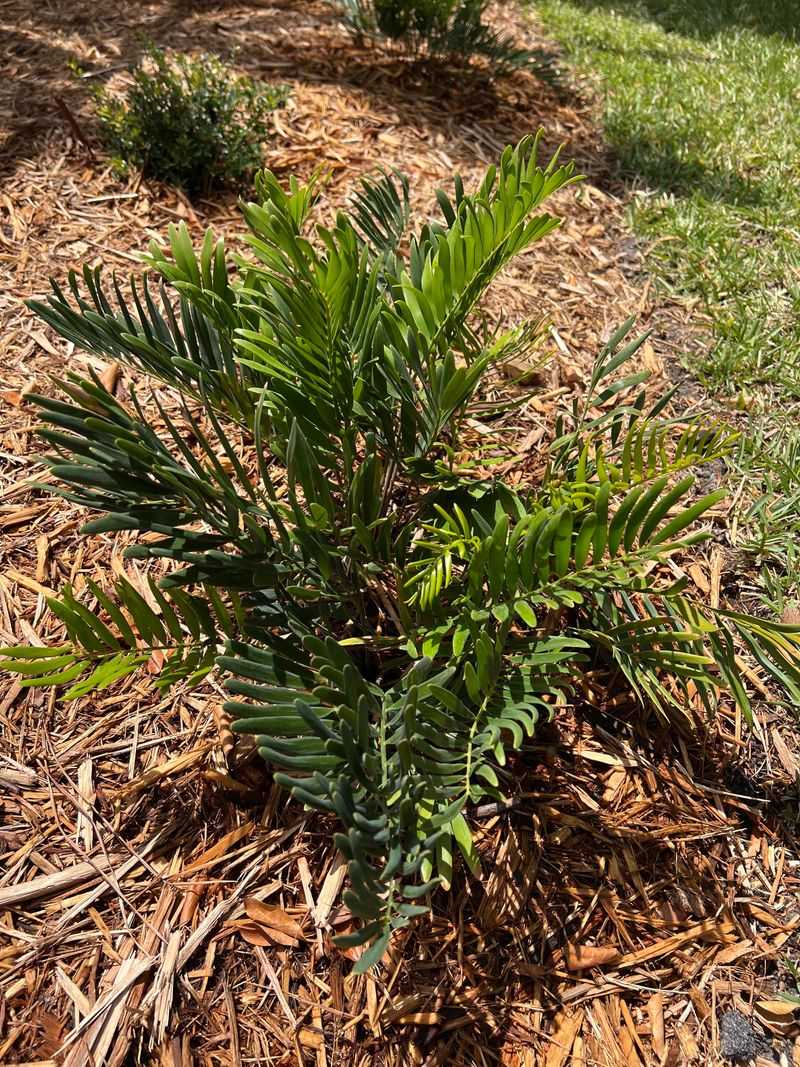
You plant coontie, beautyberry, and saw palmetto expecting them to thrive on total neglect because they’re native to Florida. The logic seems sound—these plants evolved here, so they should handle anything our climate throws at them without help.
While native plants certainly adapt better than imports, that doesn’t mean you can ignore them entirely, especially during establishment or extreme weather.
Even native plants need regular watering for their first growing season while roots spread into surrounding soil. Young natives face competition from weeds, and some species require specific soil conditions or light levels that might not match your yard.
A plant native to North Florida’s clay hills might struggle in South Florida’s limestone, and vice versa, because native doesn’t mean universal across our diverse state.
Choose natives suited to your specific region and microclimate, then provide consistent moisture and weed control for at least six months after planting.
Once established, most Florida natives handle our weather beautifully with minimal intervention—occasional pruning, a yearly mulch refresh, and water only during extended droughts.
They’ll still outperform exotic species and support local wildlife, but that first year of attention makes the difference between plants that merely survive and those that truly flourish in your landscape.
5. Shade Plants Cannot Handle Heat
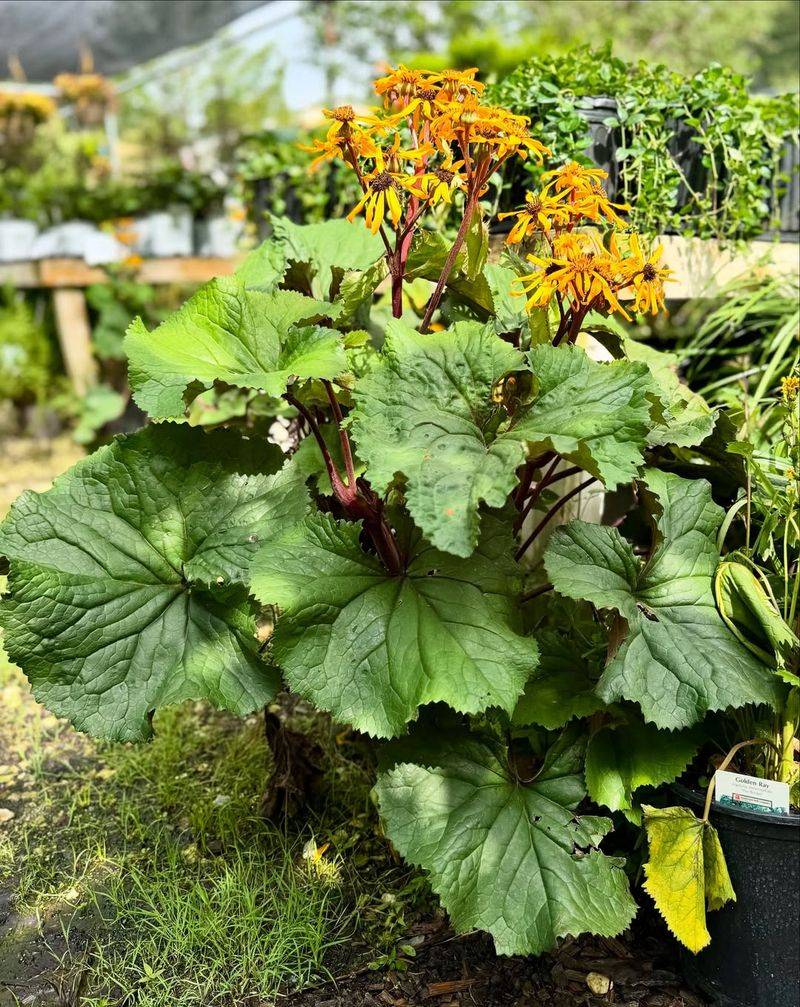
Your shady corner seems like the perfect spot for hostas and astilbes because every gardening book shows them in shade, but they wilt and struggle despite your best efforts.
You assume shade plants need cool temperatures along with low light, which makes sense in northern climates where shade often means cooler microclimates.
Florida shade works differently—our shade stays hot and humid, creating conditions those classic shade lovers simply can’t tolerate.
Many traditional shade plants come from temperate forests where shade means both lower light and significantly cooler air temperatures. Florida shade might block direct sun, but ambient temperatures still hover in the eighties and nineties during summer.
Humidity remains high regardless of light levels, and our sandy soil drains fast even under tree canopies, creating stress that northern shade plants never evolved to handle.
Look for heat-tolerant shade plants that evolved in subtropical or tropical regions—bromeliads, caladiums, ferns like holly fern and sword fern, and gingers thrive in Florida’s hot shade. These plants handle our combination of low light and high heat beautifully.
In North Florida, you might successfully grow some traditional shade perennials during cooler months, but Central and South Florida gardeners should stick with truly tropical shade species year-round for reliable results without constant disappointment.
6. Lawns Must Be Fully Green Year-Round
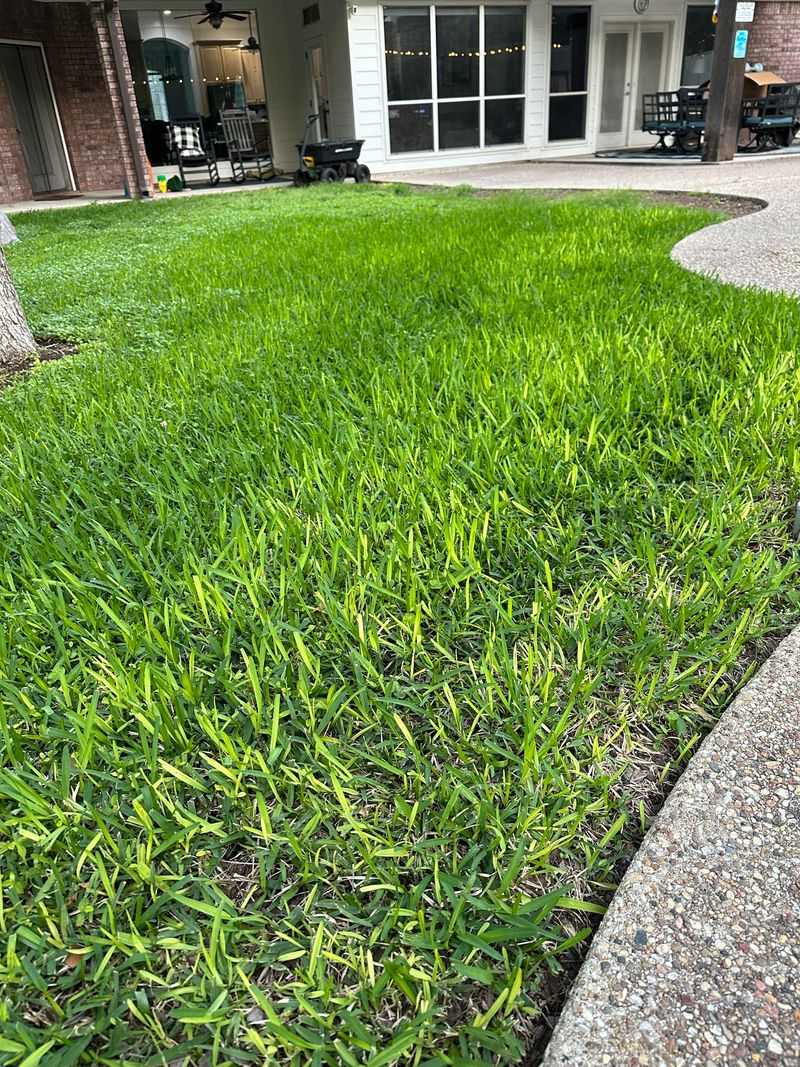
Your St. Augustine grass turns slightly brown during winter, and you immediately worry something’s wrong, maybe considering fertilizer or extra water to restore that perfect green carpet. Magazine photos and neighborhood standards suggest lawns should stay emerald every single month.
This expectation wastes water, money, and effort while working against natural growth cycles that help your grass stay healthy long-term.
Most Florida lawn grasses are warm-season species that naturally slow growth and lose some color when temperatures drop below sixty-five degrees. This dormancy period helps grass conserve energy and prepare for vigorous spring growth.
Forcing green color with excessive nitrogen fertilizer during dormancy weakens grass, making it vulnerable to disease and cold damage. Overwatering dormant grass encourages fungal problems without improving appearance.
Accept that some winter browning is normal and healthy, especially in North Florida where freezes occur regularly. Central Florida lawns might stay mostly green with occasional cold snaps causing temporary discoloration.
South Florida typically maintains color year-round without extra effort because temperatures rarely drop enough to trigger dormancy.
Focus on proper mowing height, appropriate fertilization during active growth periods, and adequate water only when grass shows drought stress.
Your lawn will reward you with stronger roots and better summer performance when you stop fighting its natural seasonal rhythms.
7. Planting Seasons Are The Same Everywhere
Spring arrives on the calendar, so you rush to plant tomatoes and peppers just like gardening articles recommend, assuming March and April are universal planting months. Those guidelines come from temperate climates where spring means warming soil and decreasing frost risk.
Florida’s planting windows flip traditional timing on its head because our summers are too hot for many crops and our winters stay mild enough for active growth.
Tomatoes planted in April face brutal heat and pest pressure by the time they should produce fruit, often failing before you harvest much. Our best vegetable season runs October through March when temperatures stay comfortable and pest populations drop.
Spring planting works for heat-lovers like okra, sweet potatoes, and southern peas, but cool-season crops need fall planting to mature during winter.
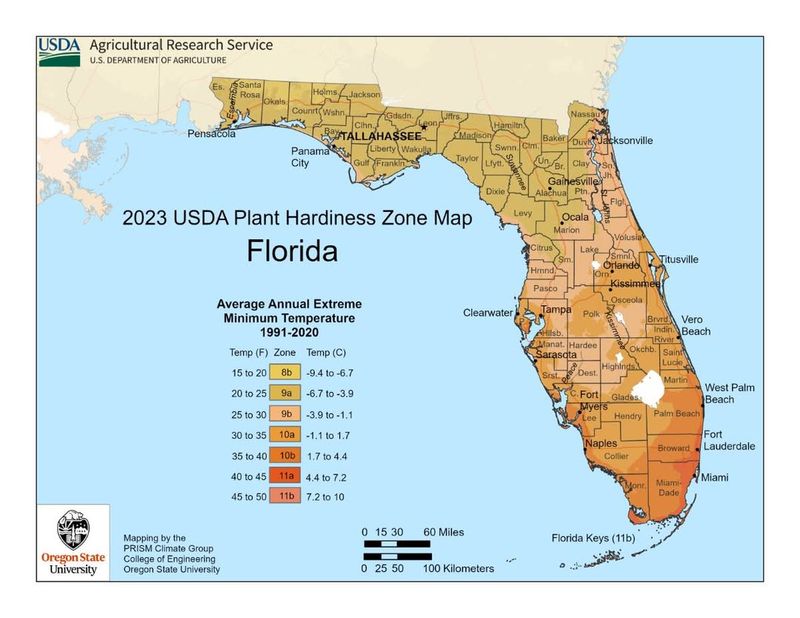
North Florida gardeners can follow two distinct seasons—plant cool-season crops in September for winter harvest, then warm-season crops in March after frost risk passes. Central Florida’s extended growing season allows planting cool-season vegetables as late as October with good results.
South Florida barely experiences winter cold, so you can grow tomatoes, peppers, and lettuce from October straight through March, then switch to tropical crops during the hot months.
Ignore national planting calendars and follow University of Florida’s regional guides for timing that actually matches your local climate.
8. Bigger Plants Mean Faster Results
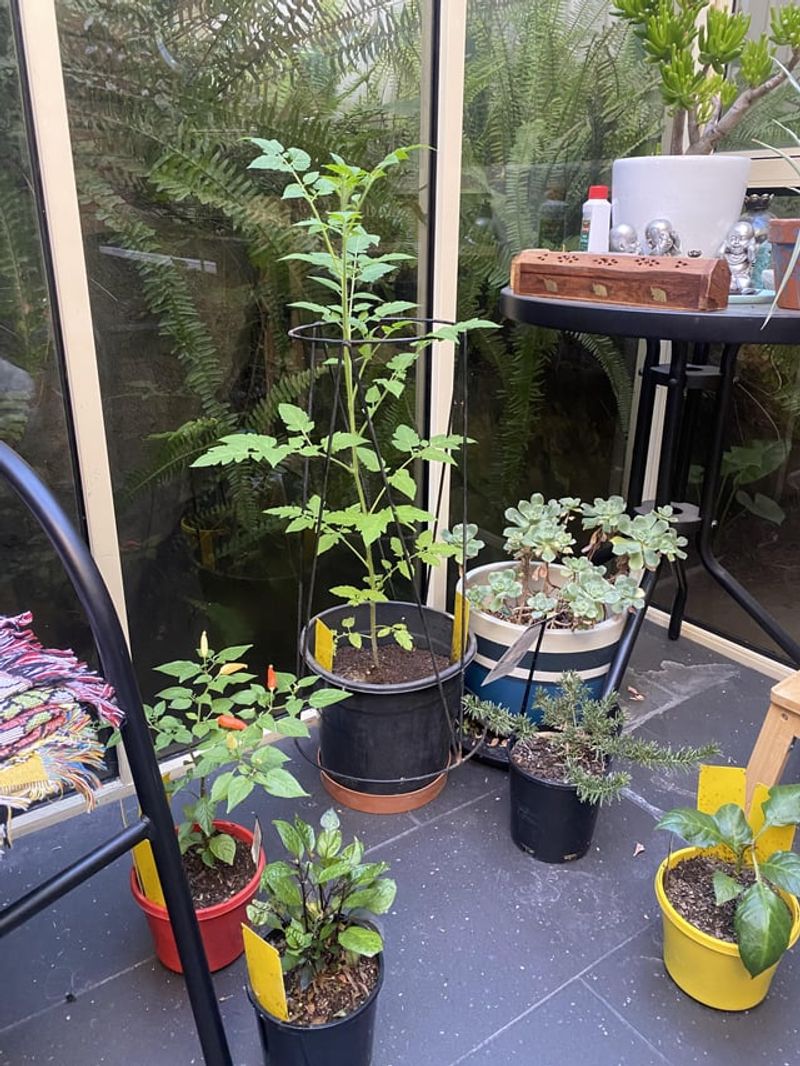
The garden center offers the same shrub in one-gallon and seven-gallon containers, and you choose the larger one because it looks more impressive and seems like it will fill your landscape faster.
Spending extra money on bigger plants feels like a shortcut to an established garden.
In Florida’s challenging conditions, smaller plants often outperform their larger counterparts within just a year or two, making that premium price a waste.
Large container plants develop circling roots that struggle to spread into native soil after transplanting. They experience more transplant shock because established root systems can’t easily adapt to new conditions.
Small plants have flexible young roots that quickly spread into surrounding soil, establishing faster despite their initial size disadvantage. They also adapt better to your specific soil and light conditions rather than trying to maintain growth patterns from nursery conditions.
Choose one-gallon or three-gallon sizes for most shrubs and perennials—they cost less, establish faster, and often surpass larger plants within eighteen months. This holds true across all Florida regions, though South Florida’s year-round growing season means small plants catch up even faster.
Focus your budget on quality soil preparation and proper mulching rather than buying the biggest specimens available.
Water young plants consistently during establishment, and you’ll watch them adapt and grow vigorously while those expensive large plants struggle to adjust.
9. Pruning Anytime Works Fine
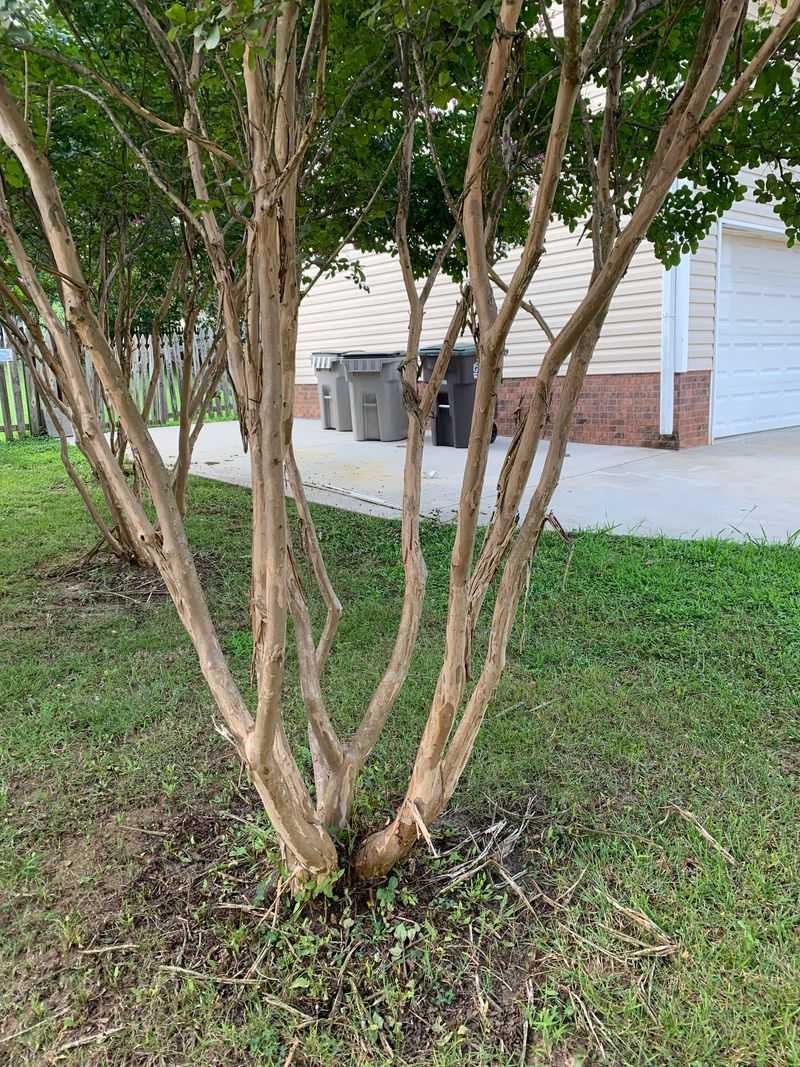
Your crape myrtle looks shaggy in December, so you grab your pruners and start cutting, figuring plants don’t care when you trim them as long as you eventually do the job. Pruning seems like basic maintenance that can happen whenever you find time.
Florida’s year-round growing season and lack of true dormancy for many species make timing more critical than you might expect, affecting both plant health and flowering.
Pruning at the wrong time removes flower buds that formed months earlier, leaving you wondering why your azaleas or hydrangeas refuse to bloom.
Late summer pruning encourages tender new growth right before winter, which can suffer damage during cold snaps even in Central Florida.
Spring pruning of summer bloomers works well, but trimming spring bloomers in March removes all their flower buds.
Learn the blooming schedule for each plant—prune spring bloomers like azaleas right after flowers fade, usually April or May, and prune summer bloomers like crape myrtle during late winter before new growth starts.
North Florida gardeners should avoid pruning after September to prevent cold-damaged new growth.
South Florida’s minimal winter means you have more flexibility, but you’ll still sacrifice flowers if you prune at the wrong time. Focus on removing damaged or crossing branches anytime, but save major shaping for the right season based on each plant’s specific bloom cycle and growth pattern.