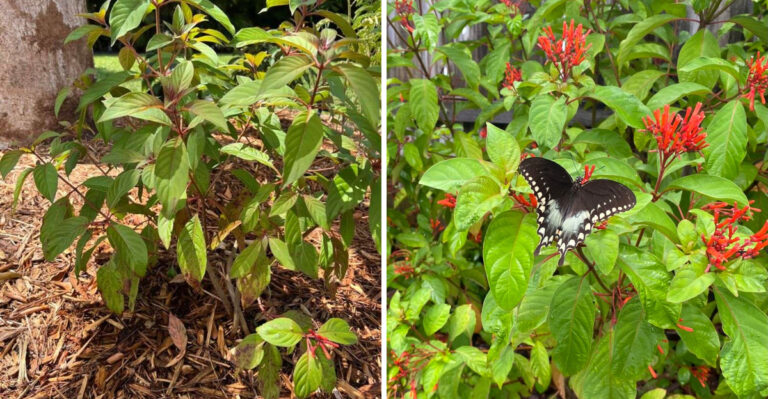
Gardening Never Has To End With These Winter Garden Tasks In Florida

Winter in Florida isn’t the end of gardening—it’s more like a scenic detour.
While the rest of the country is hanging up its gloves and dreaming of spring, Florida gardeners are still very much in the game.
The sun keeps shining, the soil stays workable, and your garden?
It’s quietly begging for attention.
From tidying up tired summer beds to planting cool-season favorites, winter is your secret weapon for a healthier, happier landscape.
Think of it as setting the table now for a feast later.
With the right winter garden tasks, you can keep things growing, glowing, and going strong all season long.
Because in Florida, gardening never really sleeps—it just changes pace.
1. Plant Cool-Season Vegetables
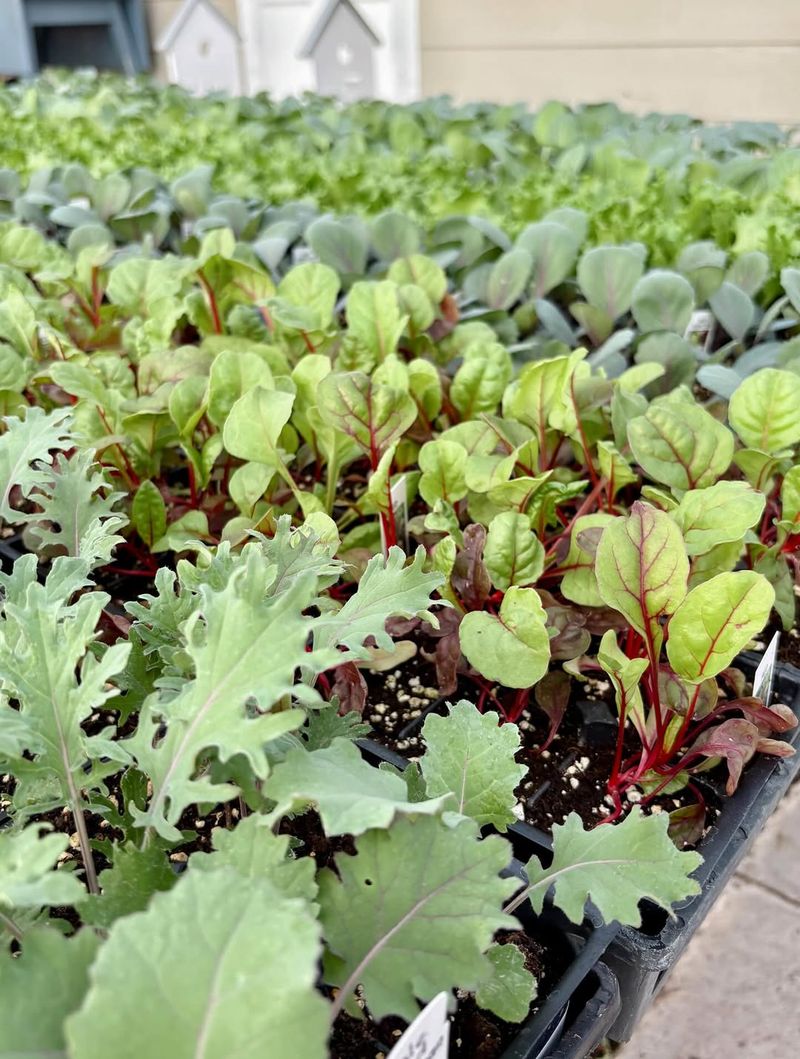
Cool-season vegetables thrive in Florida during winter months when temperatures drop just enough to encourage leafy greens and root crops to flourish beautifully.
Lettuce, spinach, kale, and arugula grow quickly in the mild climate, providing fresh salads throughout the season without battling summer heat or pests.
Broccoli and cauliflower also perform exceptionally well when planted between November and January, developing tight heads before spring warmth arrives in full force.
Carrots, beets, and radishes appreciate the cooler soil temperatures, growing sweeter and more tender than their summer counterparts ever could manage successfully.
Peas climb happily up trellises during Florida winters, producing abundant pods that taste delicious raw or cooked in your favorite family recipes tonight.
Preparing garden beds with compost before planting ensures vegetables receive proper nutrition while establishing strong root systems that support vigorous growth patterns throughout winter.
Watering requirements decrease during cooler months, making vegetable gardening less demanding while still delivering impressive harvests that justify the minimal effort required.
Succession planting every two weeks keeps salad greens coming steadily, preventing gaps in your harvest and ensuring continuous fresh produce for your table daily.
2. Prune Fruit Trees And Shrubs
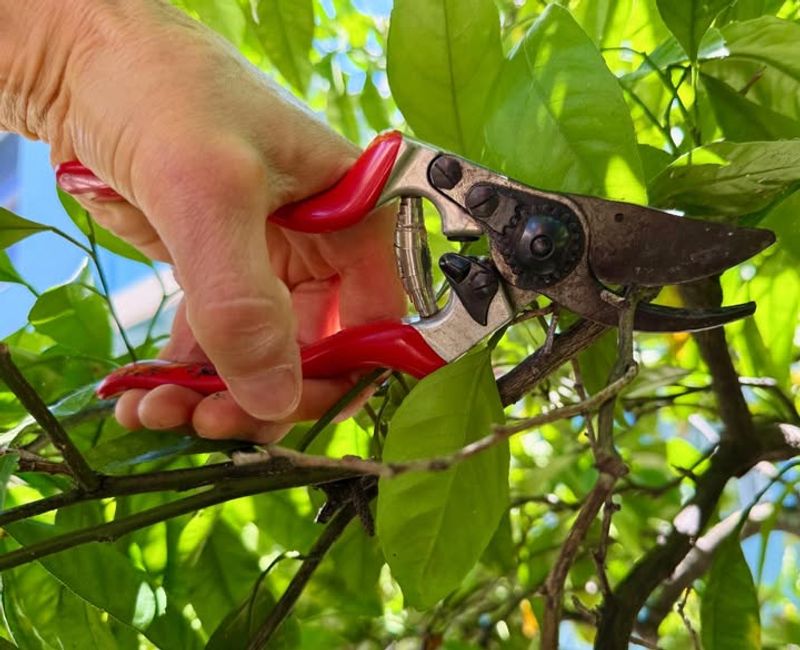
Winter represents the ideal time for pruning fruit trees and shrubs in Florida because plants enter dormancy and can recover without stress quickly.
Removing withered, diseased, or crossing branches improves air circulation throughout the canopy, reducing fungal problems and encouraging healthier growth when spring arrives with warmth.
Citrus trees benefit from light pruning to maintain shape and size, though heavy cutting should be avoided to prevent reducing fruit production significantly.
Deciduous fruit trees like peaches, plums, and pears require more aggressive pruning during their dormant period to stimulate productive new growth for seasons ahead.
Blueberry bushes appreciate winter trimming to remove old canes and encourage vigorous young shoots that will bear the heaviest crops next summer season.
Sharp, clean tools prevent disease transmission between plants and create smooth cuts that heal faster than ragged tears caused by dull blade edges today.
Pruning paint or sealant is generally unnecessary for most cuts, as trees naturally compartmentalize wounds and protect themselves from invading pathogens quite effectively.
Standing back frequently while pruning helps maintain balanced tree shape and prevents over-enthusiastic cutting that might remove too much productive wood accidentally during sessions.
3. Add Mulch To Garden Beds
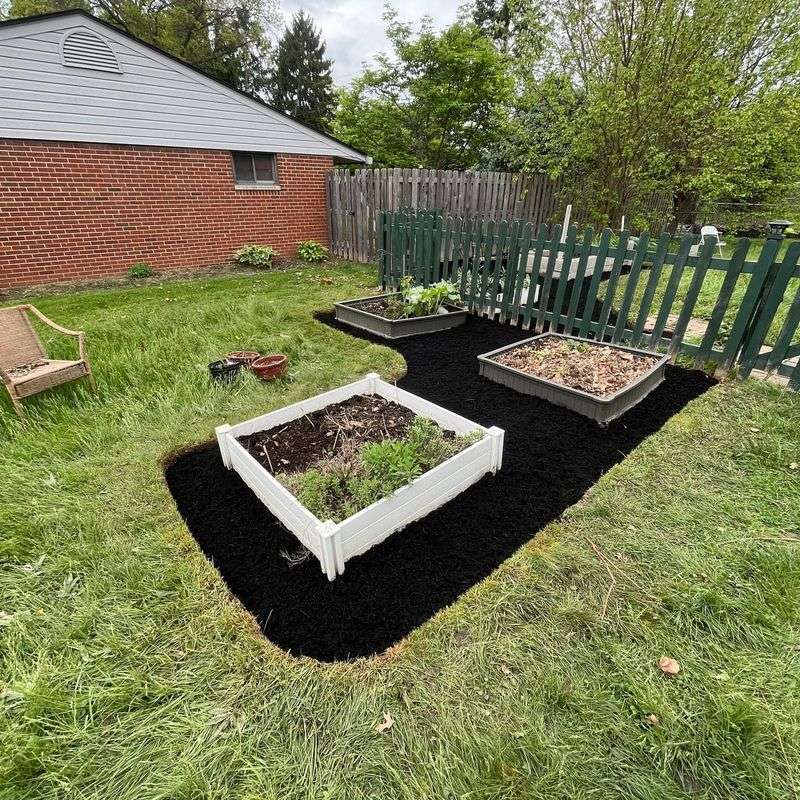
Mulching garden beds during winter protects plant roots from occasional cold snaps while conserving moisture and suppressing weeds that compete for valuable nutrients.
Organic mulches like pine straw, wood chips, or shredded leaves break down gradually, enriching soil with beneficial organic matter that improves structure over time.
A three-inch layer provides adequate insulation without smothering plants or creating conditions where pests and diseases can hide and multiply dangerously underneath.
Pulling mulch slightly away from plant stems and tree trunks prevents rot and discourages rodents from nesting too close to valuable landscape specimens.
Fresh mulch gives garden beds a neat, finished appearance that enhances curb appeal while performing important practical functions that benefit plant health significantly.
Winter application means mulch has months to begin decomposing before summer heat accelerates breakdown and requires replenishment for continued effectiveness and protection.
Sourcing mulch locally from tree trimming services or municipal programs often provides free or inexpensive materials that work just as effectively as products.
Spreading mulch on calm days prevents wind from scattering lightweight materials across lawns and driveways, creating extra cleanup work that nobody enjoys tackling.
4. Start Seeds Indoors
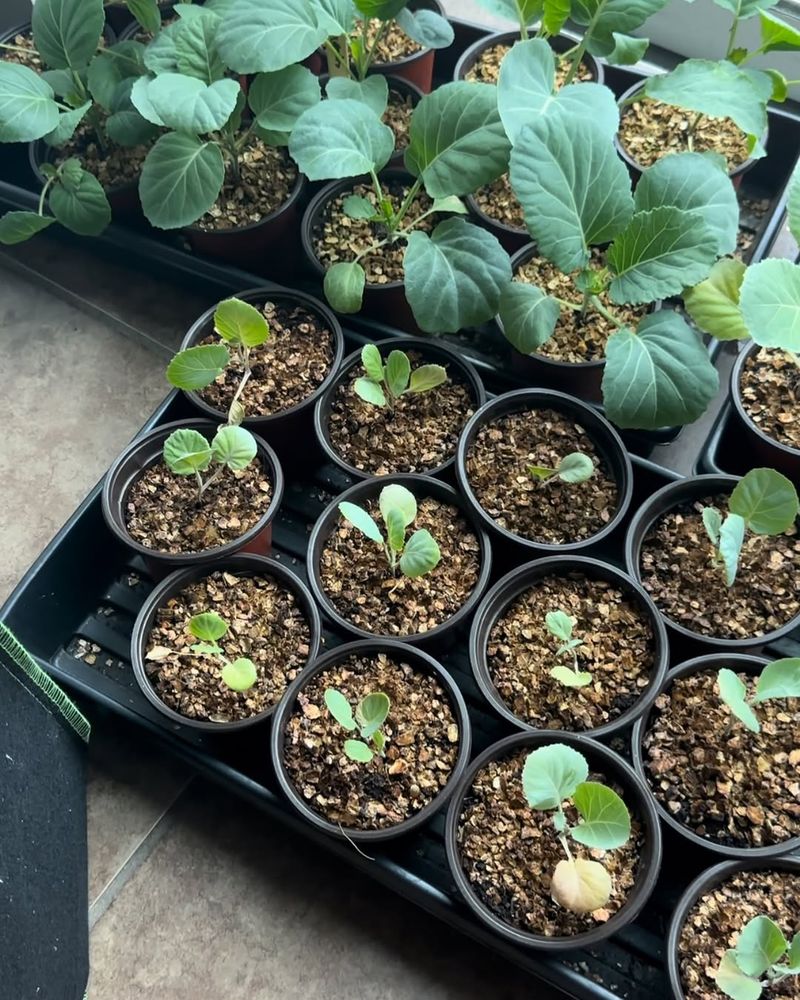
Starting seeds indoors during Florida winters gives warm-season crops a head start, allowing transplants to reach garden-ready size before spring planting season officially begins.
Tomatoes, peppers, and eggplants require six to eight weeks of indoor growth before moving outside, making January the perfect time to begin their journey.
Seed-starting trays, sterile potting mix, and adequate lighting create ideal conditions for germination and early growth without expensive greenhouse structures or complicated equipment.
Windowsills with southern exposure provide sufficient natural light for seedlings, though supplemental grow lights ensure stocky, vigorous plants rather than tall, leggy specimens.
Consistent moisture and warm temperatures encourage rapid germination, with most vegetable seeds sprouting within five to ten days under optimal conditions indoors.
Hardening off seedlings gradually before transplanting prevents shock and helps young plants adjust to outdoor conditions including wind, direct sun, and temperature fluctuations.
Labels identifying each variety prevent confusion later when multiple types of similar-looking seedlings crowd trays and make distinguishing between them nearly impossible.
Starting seeds yourself saves money compared to purchasing transplants and offers access to unusual varieties that local nurseries rarely stock on their shelves.
5. Fertilize Lawns And Ornamentals

Winter fertilization in Florida keeps lawns and ornamental plants healthy without encouraging excessive growth that cold snaps could damage during unexpected temperature drops.
Slow-release fertilizers provide steady nutrition over several months, supporting root development and preparing plants for vigorous spring growth when warmth returns permanently.
St. Augustine and Bahia grass benefit from light winter feeding in South Florida, though North Florida lawns should wait until early spring approaches.
Ornamental shrubs and perennials appreciate balanced fertilizer applications that replenish nutrients depleted during previous growing seasons and support flower bud development for displays.
Avoiding high-nitrogen formulas during winter prevents tender new growth that frost could damage, setting plants back rather than helping them progress successfully.
Watering thoroughly after fertilizing helps nutrients reach root zones where plants can absorb them effectively rather than sitting on soil surfaces uselessly.
Granular fertilizers spread evenly across beds and lawns ensure uniform nutrition without creating burned spots from concentrated applications in small areas accidentally.
Reading package directions carefully prevents over-application that wastes money, harms plants, and contributes to environmental problems through nutrient runoff into waterways and ecosystems nearby.
6. Plant Winter Annuals For Color
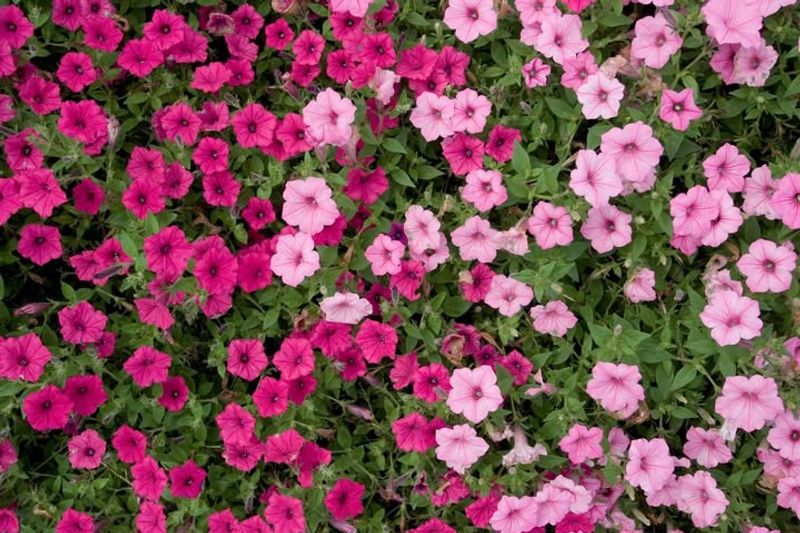
Winter annuals bring vibrant color to Florida gardens when many perennials rest, creating cheerful displays that brighten short days and cool weather effortlessly.
Petunias, pansies, snapdragons, and dianthus thrive in winter temperatures, blooming prolifically until spring heat eventually causes them to fade and finish their cycle.
Planting annuals in containers allows easy rearrangement for maximum visual impact and simplifies replacement when individual plants finish blooming or become damaged.
Preparing planting areas with compost ensures annuals establish quickly and bloom abundantly throughout the season without requiring excessive fertilization or special amendments later.
Deadheading spent flowers regularly encourages continuous blooming and prevents plants from setting seed, which signals them to stop producing new flower buds.
Combining different colors and heights creates dynamic arrangements that catch the eye and provide interest from multiple viewing angles around the yard beautifully.
Winter annuals typically require less water than summer bedding plants, making them easier to maintain while still delivering impressive color that justifies efforts.
Purchasing transplants from local nurseries ensures plants are already acclimated to regional conditions and will perform better than mail-order specimens from distant climates.
7. Control Weeds Before Spring

Tackling weeds during winter prevents them from establishing deep root systems and producing thousands of seeds that create overwhelming problems when spring arrives.
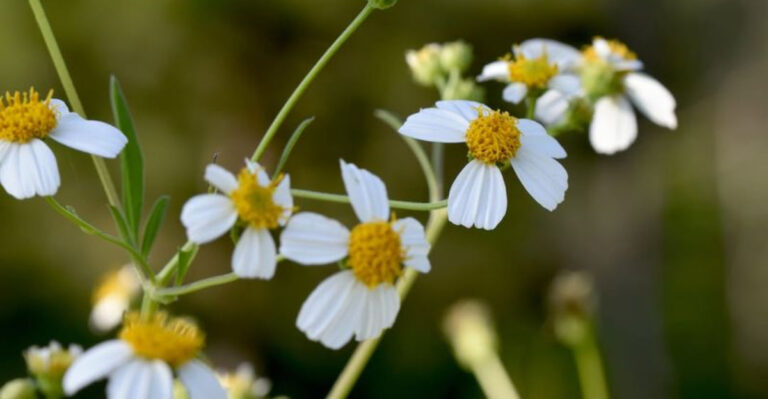
Cool-season weeds like chickweed, henbit, and annual bluegrass germinate during fall and winter, growing vigorously while gardeners often ignore them mistakenly.
Hand-pulling young weeds proves easiest when soil remains moist from winter rains, allowing roots to release cleanly without breaking off and resprouting.
Mulching bare soil prevents weed seeds from germinating by blocking sunlight they need to sprout and begin their destructive growth patterns immediately.
Pre-emergent herbicides applied to lawns and ornamental beds create barriers that prevent weed seeds from developing into plants without harming established vegetation.
Hoeing regularly disturbs weed seedlings before they mature, requiring only minutes of effort compared to hours spent battling established weeds later on.
Avoiding herbicide use near vegetables and herbs protects edible crops from contamination while still allowing weed control in purely ornamental landscape areas.
Winter weed control reduces competition for water and nutrients, ensuring desirable plants receive everything they need to thrive and produce abundantly throughout seasons.
8. Divide Perennials And Bulbs
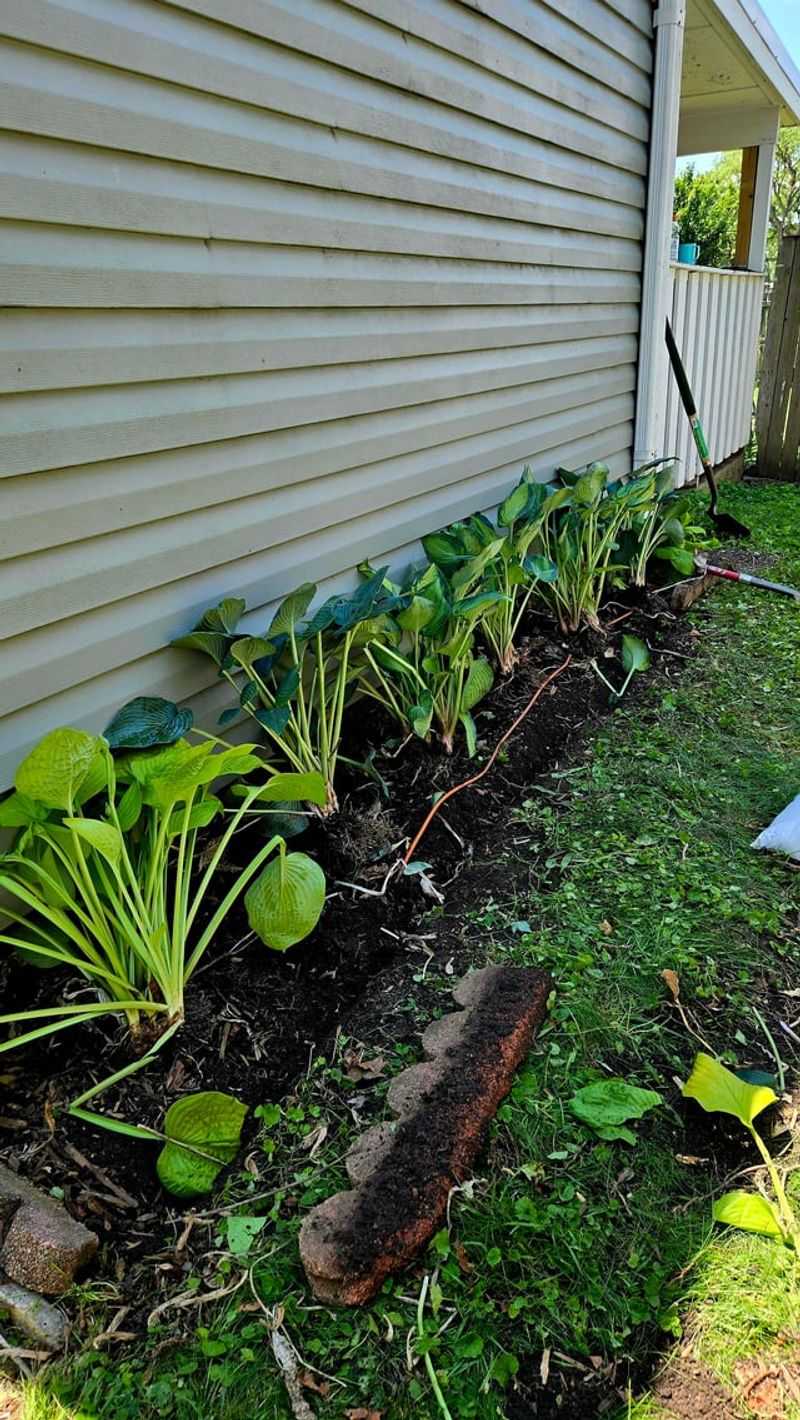
Dividing overgrown perennials and bulbs during winter rejuvenates plants and creates new specimens to expand gardens or share with friends and neighbors generously.
Daylilies, irises, and cannas benefit from division every three to four years, preventing overcrowding that reduces blooming and creates weak, spindly growth patterns.
Digging entire clumps and separating them into sections with sharp spades or knives ensures each division contains adequate roots and shoots for survival.
Replanting divisions immediately prevents roots from drying out and helps new plants establish quickly before spring growth accelerates and demands increase significantly.
Spacing divisions properly allows air circulation and gives plants room to expand without immediately competing with neighbors for resources and growing space.
Sharing extra divisions with gardening friends spreads favorite plants throughout the community while strengthening social connections and exchanging valuable growing tips and advice.
Winter division causes minimal stress because plants remain dormant and aren’t actively growing or blooming, allowing them to recover before demanding seasons.
Amending planting holes with compost gives divisions a nutritional boost that supports rapid establishment and vigorous growth when warm weather finally returns permanently.
9. Check And Repair Irrigation Systems
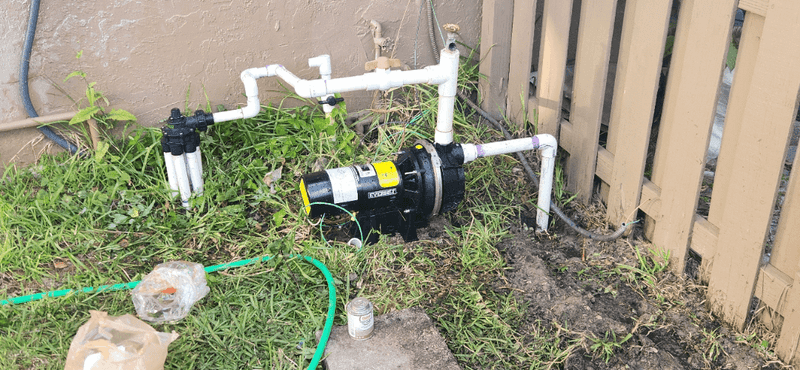
Winter provides the perfect opportunity to inspect irrigation systems for leaks, clogs, and broken components before spring watering demands increase dramatically.
Walking through zones while systems run reveals sprinkler heads that spray sideways, miss target areas, or remain stuck in one position uselessly.
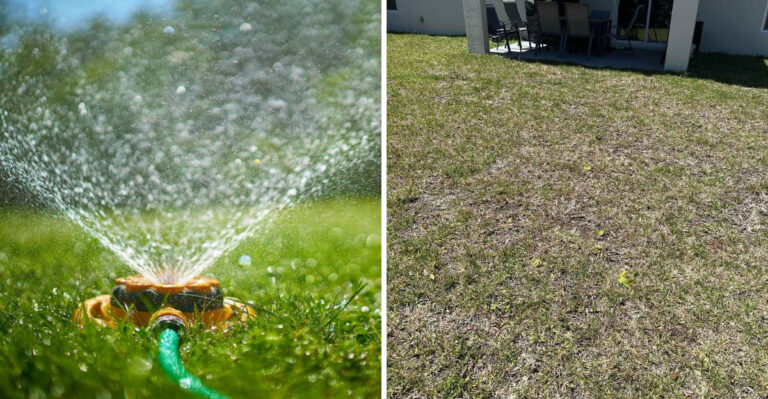
Cleaning clogged emitters and nozzles restores proper water distribution and prevents dry spots that stress plants and create unsightly brown patches in lawns.
Replacing worn washers and seals prevents leaks that waste water and increase utility bills while contributing to environmental problems through unnecessary resource consumption.
Adjusting sprinkler head positions and spray patterns ensures water reaches intended plants rather than pavement, walls, or other non-landscaped areas wastefully.
Testing rain sensors and moisture sensors confirms they function correctly, preventing systems from running during rainfall or when soil already contains adequate moisture.
Updating controller programs to reflect reduced winter watering needs saves money and prevents overwatering that encourages disease and shallow root development patterns.
Addressing irrigation issues during winter prevents scrambling to make repairs during busy spring planting season when time becomes scarce and precious.
10. Plan Next Season’s Garden Layout
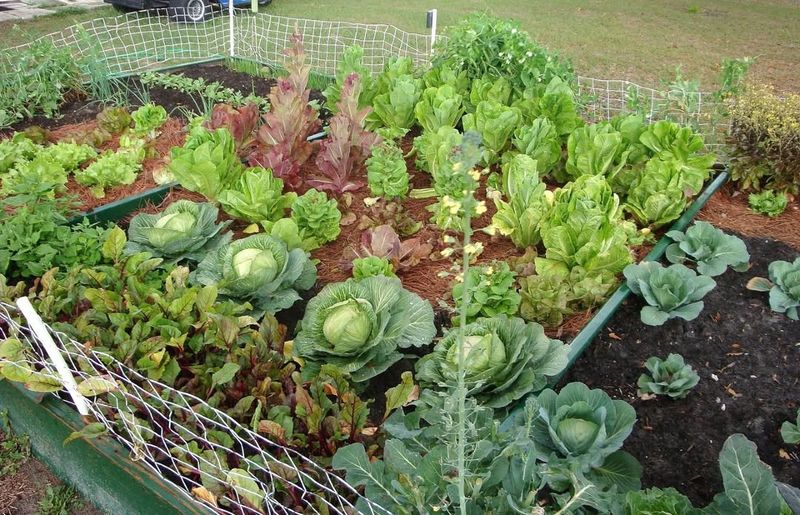
Using quiet winter months to plan next season’s garden layout ensures organized, productive planting when spring arrives and outdoor work becomes possible again.
Sketching bed arrangements on paper helps visualize spacing requirements and prevents overcrowding that reduces yields and creates maintenance headaches throughout seasons ahead.
Crop rotation plans prevent soil-borne diseases and pest populations from building up by moving plant families to different locations each year systematically.
Researching new varieties through seed catalogs and gardening websites introduces exciting options that might outperform old favorites or offer improved disease resistance.
Noting which plants succeeded or struggled during previous seasons informs better decisions and prevents repeating mistakes that wasted time, money, and garden space.
Measuring garden areas accurately ensures seed and transplant orders match available space without leaving gaps or creating excess that goes to waste.
Planning companion plantings maximizes space and creates beneficial relationships between plants that support each other’s growth and pest resistance naturally and effectively.
Winter planning transforms gardening from reactive scrambling into intentional, strategic activity that produces superior results and greater satisfaction for everyone involved.