9 Gardening Tips To Protect Florida Vegetable Gardens From Root Rot
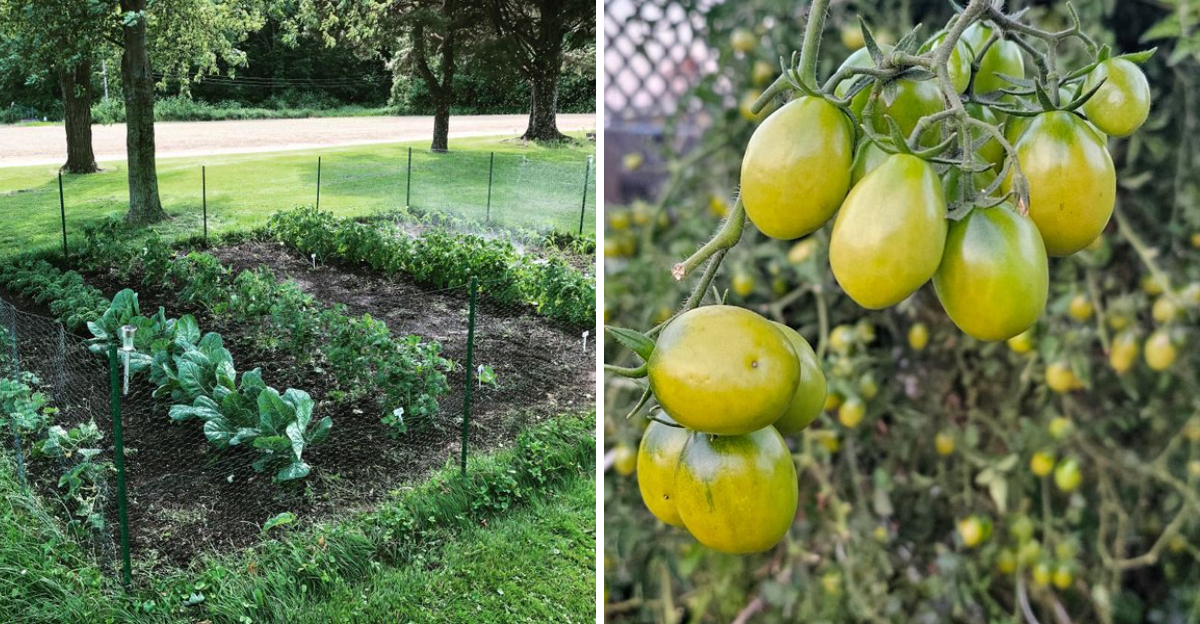
You walk outside to check your garden and something feels off. Yesterday your tomatoes were standing tall.
Today they look tired, droopy, and sad no matter how much you watered. If you garden in Florida, you have probably experienced this frustration at least once.
Our heat, humidity, and sudden downpours make root rot one of the fastest ways to lose a healthy-looking vegetable plant. What makes it even worse is that the damage usually starts underground where you cannot see it.
By the time leaves begin to wilt, roots may already be struggling to breathe. The good news is you are not helpless.
A few smart changes to how you water, build your soil, space plants, and manage drainage can protect your garden before problems start. These nine tips are designed for real Florida backyards and real growing conditions.
1. Improve Drainage With Raised Beds
After a heavy afternoon thunderstorm in July, you walk out to your garden and notice puddles sitting between your tomato plants for hours. That standing water is a warning sign your soil is not draining fast enough, and your vegetable roots are at risk of suffocating in saturated ground.
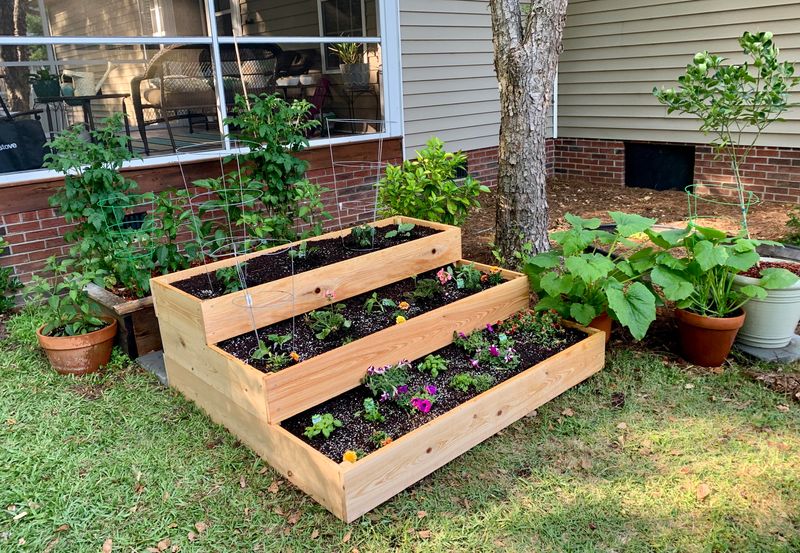
Raised beds lift your plants above the natural soil line and give excess water a place to flow away from the root zone. In South Florida where rainfall can dump several inches in one afternoon, raised beds prevent roots from sitting in soggy conditions that encourage fungal diseases.
Central Florida gardeners working with sandy soil still benefit because raised beds let you control the soil mix and moisture levels more precisely.
Build your beds at least eight to twelve inches tall using untreated lumber, concrete blocks, or composite materials that will not leach chemicals into your vegetables.
Fill them with a blend of compost, peat moss or coconut coir, and pine bark fines or perlite to create a light, fluffy growing medium that drains well without compacting.
You will notice your plants perk up faster after rain because their roots can breathe again, and you will spend less time worrying about waterlogged soil drowning your crops.
2. Use Well-Draining Soil Mixes
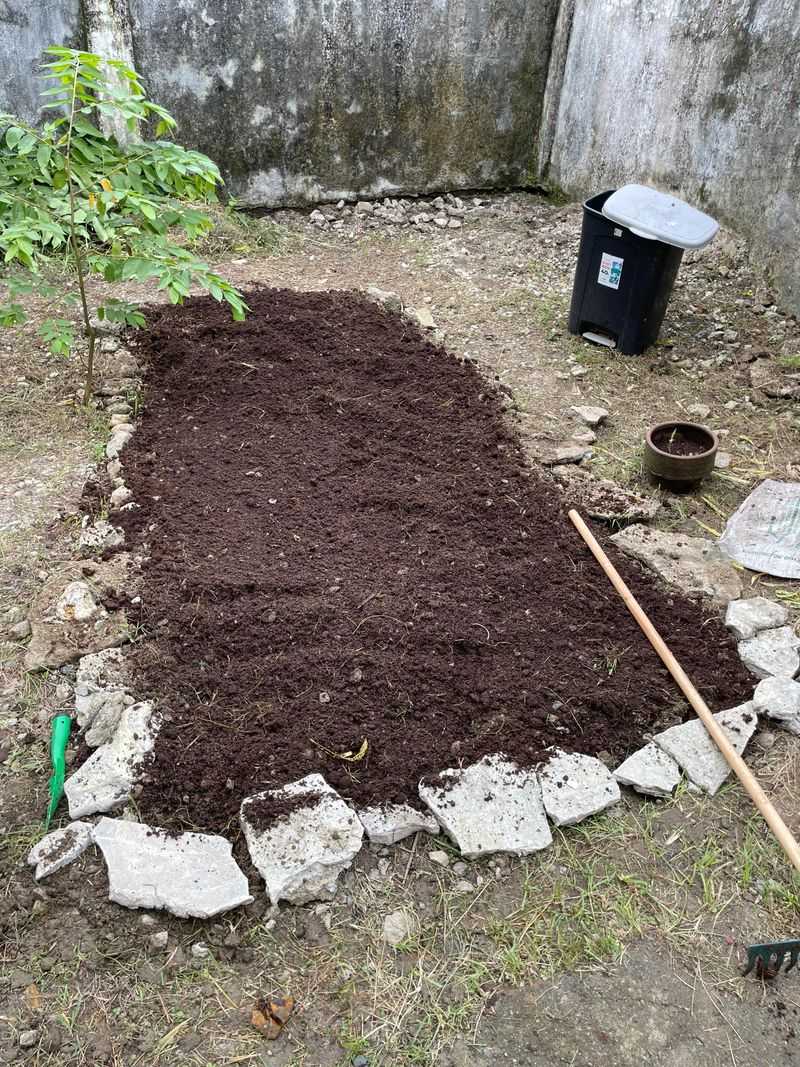
You scoop up a handful of soil from your garden bed and squeeze it tight. When you open your hand, the soil stays clumped in a dense ball instead of crumbling apart.
That heavy, clay-like texture holds water too long and creates the anaerobic conditions root rot fungi love.
Florida gardeners need soil that drains quickly but still holds enough moisture and nutrients to support vegetable growth. A well-draining mix typically includes compost for organic matter and nutrients, peat moss or coconut coir for moisture retention, and pine bark fines or perlite to open up air pockets and improve drainage.
Avoid mixing sand into clay-based soils, which can create a dense, concrete-like texture that traps water instead of improving drainage. In North Florida where natural soil can be heavier, adding extra perlite or pine bark fines helps water move through the root zone faster.
When you plant seedlings or transplants, work this blend into the top twelve inches of your bed so roots can spread easily. Avoid using pure potting soil without amendments because it can compact over time and trap water.
After you improve your soil texture, you will see roots grow stronger and whiter, and your plants will recover faster after summer storms instead of wilting from root suffocation.
3. Avoid Overwatering In Cool Weather
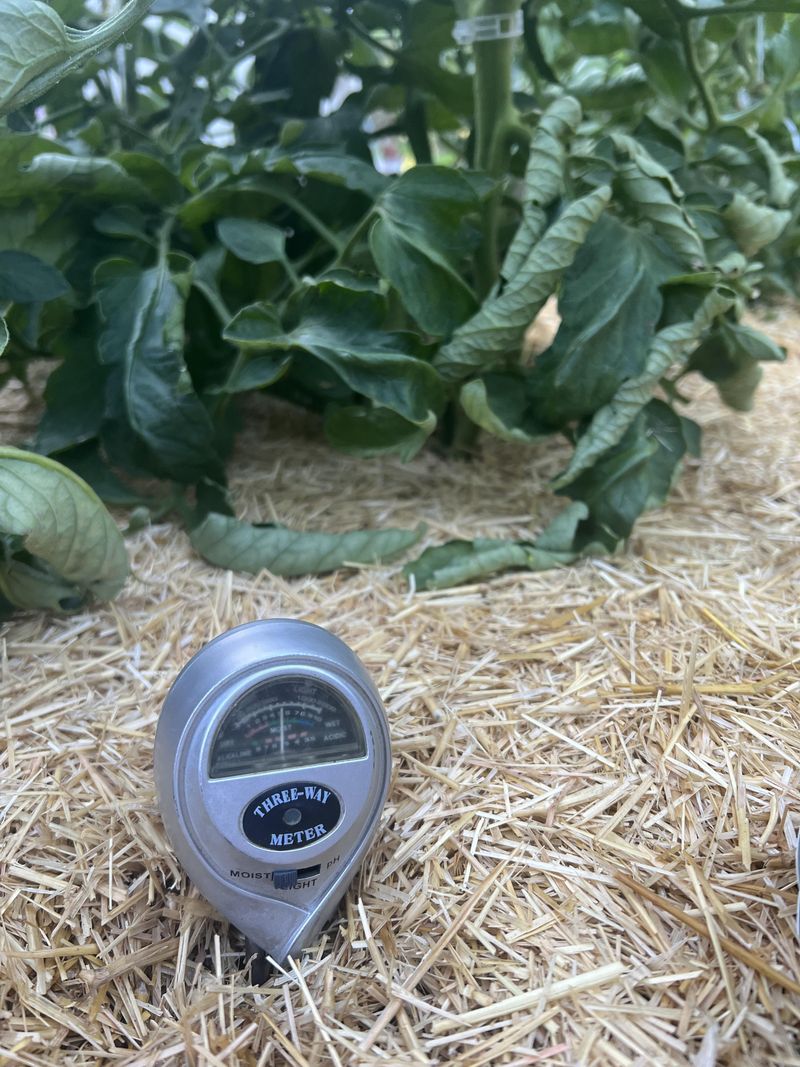
In late October, North Florida gardeners plant cool-season crops like broccoli and lettuce, and many continue their summer watering schedule without adjusting for cooler temperatures.
Plants transpire much slower when the air is cooler, so soil stays wet longer even if you water the same amount.
Overwatering during fall and winter is one of the most common mistakes that leads to root rot in Florida vegetable gardens. When soil remains soggy for days, oxygen cannot reach the roots, and fungi like Pythium and Phytophthora begin to colonize the deceasing tissue.
In Central Florida where winter days can still be warm but nights drop into the fifties, you need to check soil moisture before watering instead of following a rigid schedule.
Stick your finger two inches into the soil near your plants. If it feels damp, wait another day or two before watering again.
Your irrigation needs will drop by half or more compared to summer, especially if you mulch around your plants to slow evaporation. You will notice healthier root systems and fewer yellowing leaves when you let the soil surface dry out slightly between waterings instead of keeping it constantly wet.
4. Water Early In The Day
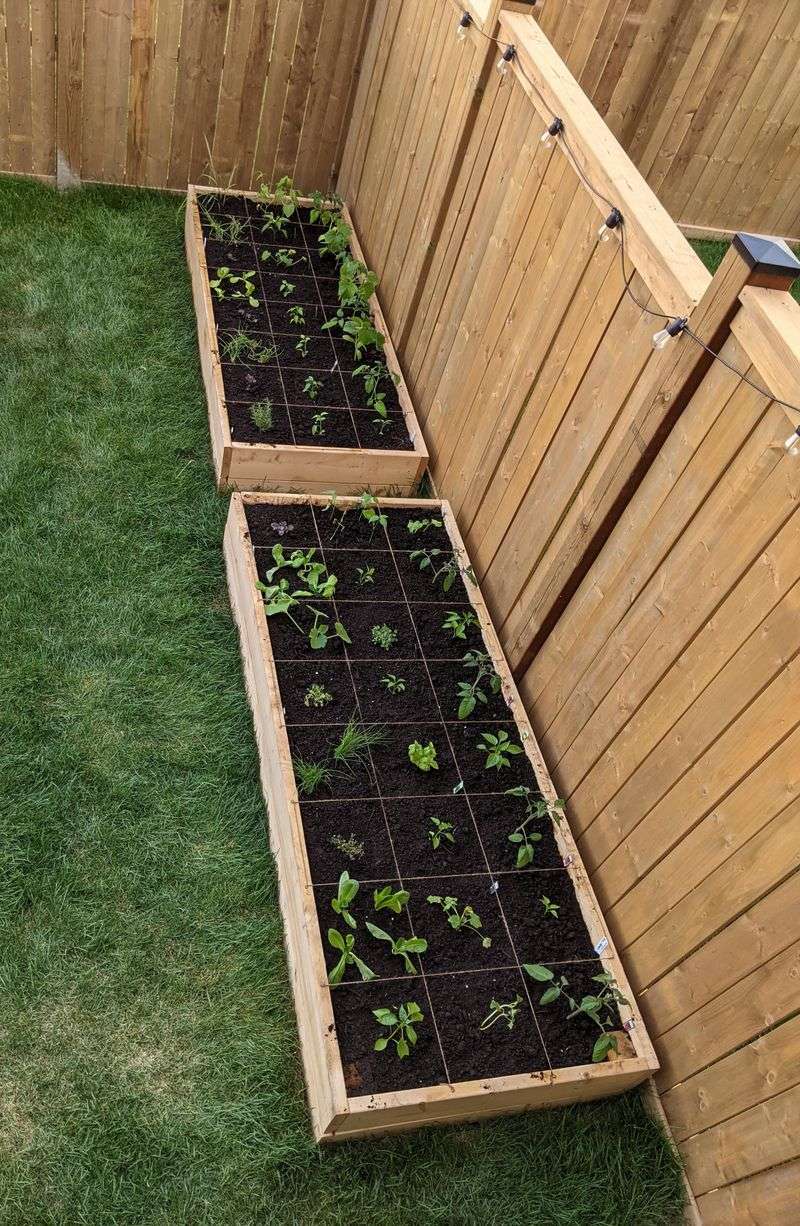
You finish dinner and decide to water your tomatoes and peppers before the sun sets because the afternoon heat dried out the top layer of soil. By morning, you notice the leaves still look damp and the soil feels cool and soggy around the base of each plant.
Watering in the evening leaves moisture sitting on foliage and around the root zone all night long, creating ideal conditions for fungal spores to germinate and infect your plants.
In South Florida where humidity stays high even after dark, nighttime watering practically invites root rot and foliar diseases.
Early morning watering gives your plants time to absorb what they need while the rising sun and warming air help evaporate excess moisture from leaves and soil surfaces.
Aim to water between six and nine in the morning so your garden has the entire day to dry out before temperatures drop again at night. Use drip irrigation or soaker hoses placed at the base of plants to keep water off the leaves and direct it straight to the root zone.
You will see fewer fungal problems and healthier plants when you give them a chance to dry out naturally instead of staying wet through the cool, humid night hours.
5. Space Plants For Airflow
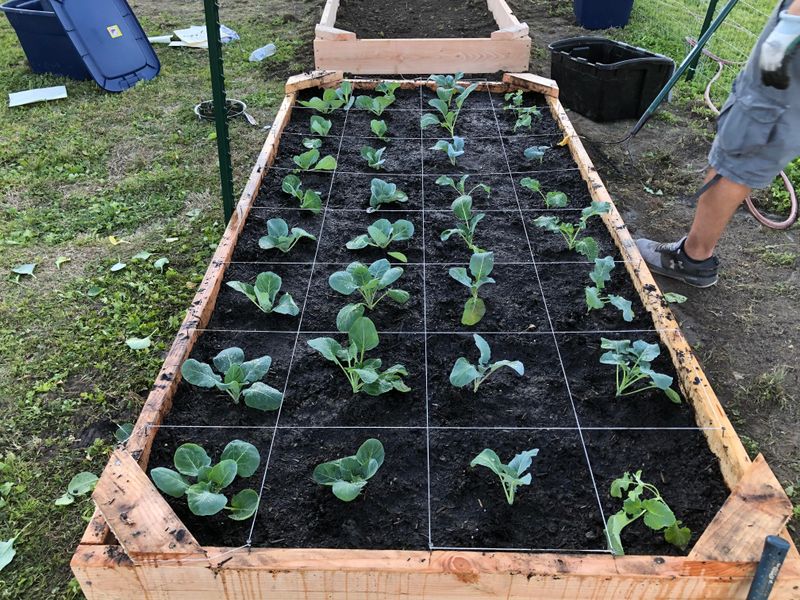
Your seedlings looked tiny when you transplanted them in March, so you squeezed them close together to fit more into your raised bed. By May, the leaves are overlapping and tangled, and the soil underneath stays damp and shaded even on sunny days.
Crowded plants trap humidity around stems and roots, preventing air from circulating and drying out the soil surface. When airflow is blocked, moisture lingers and creates the perfect breeding ground for root rot fungi.
In Central Florida where summer afternoons bring intense heat followed by sudden rain, good spacing lets your plants dry out faster and reduces the risk of fungal infection spreading from one plant to the next.
Follow spacing guidelines on seed packets and transplant tags, and resist the urge to plant more than your bed can handle. Tomatoes need at least eighteen to twenty-four inches between plants, and peppers do well with twelve to eighteen inches.
Prune lower leaves that touch the soil to improve air circulation around the base of each plant. You will notice your vegetables grow stronger and healthier when they have room to breathe, and you will spend less time battling root rot and other moisture-related diseases.
6. Rotate Crops Each Season
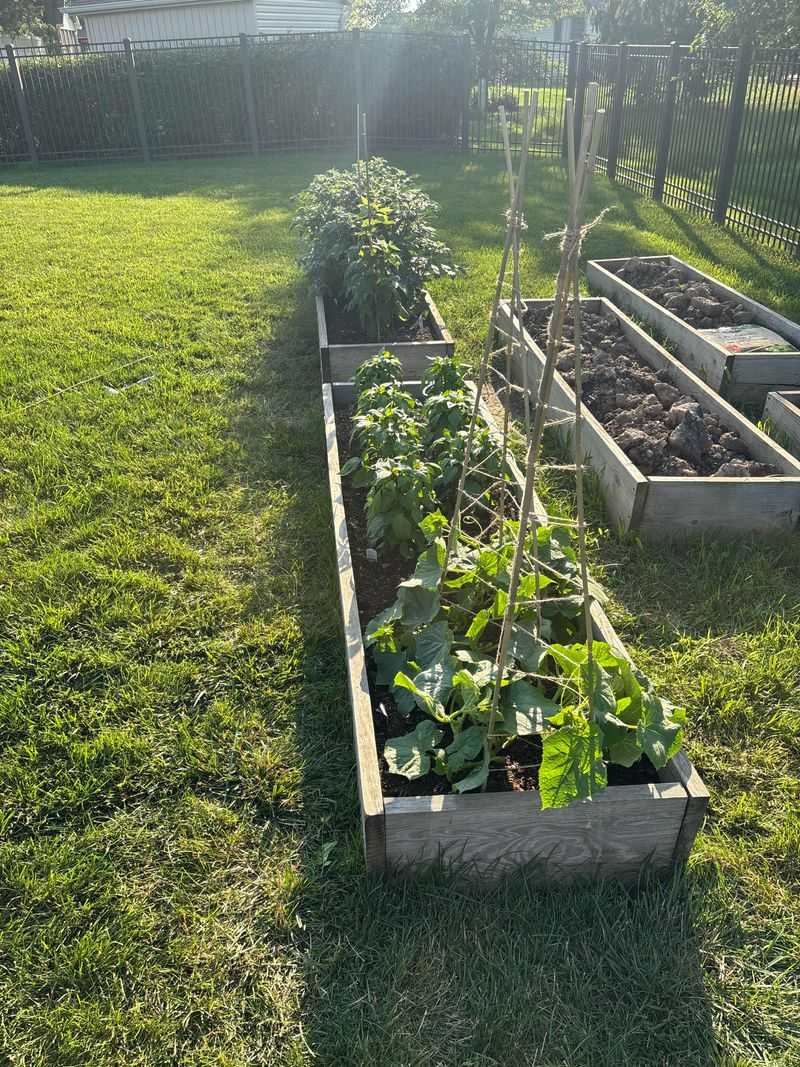
You planted tomatoes in the same corner of your garden for the past three years because that spot gets the best sun. This spring, your seedlings started strong but then began wilting and turning yellow even though you watered them carefully and the soil looked good.
Root rot fungi and other soil-borne pathogens build up in the same location when you grow the same family of plants year after year.
Tomatoes, peppers, and eggplants all belong to the nightshade family and share many of the same diseases, so planting them in the same bed season after season gives fungi a permanent home.
In North Florida where cooler winters might slow but not eliminate fungal spores, crop rotation becomes even more important for breaking disease cycles.
Plan a simple rotation by dividing your garden into sections and moving plant families to a different section each season. Follow tomatoes with beans or squash, then plant leafy greens or root vegetables before returning nightshades to that spot.
Keep notes in a garden journal so you remember what grew where last year. You will notice fewer disease problems and stronger plants when you give the soil a break from the same crops and reduce the fungal load naturally.
7. Mulch Lightly And Keep Stems Clear
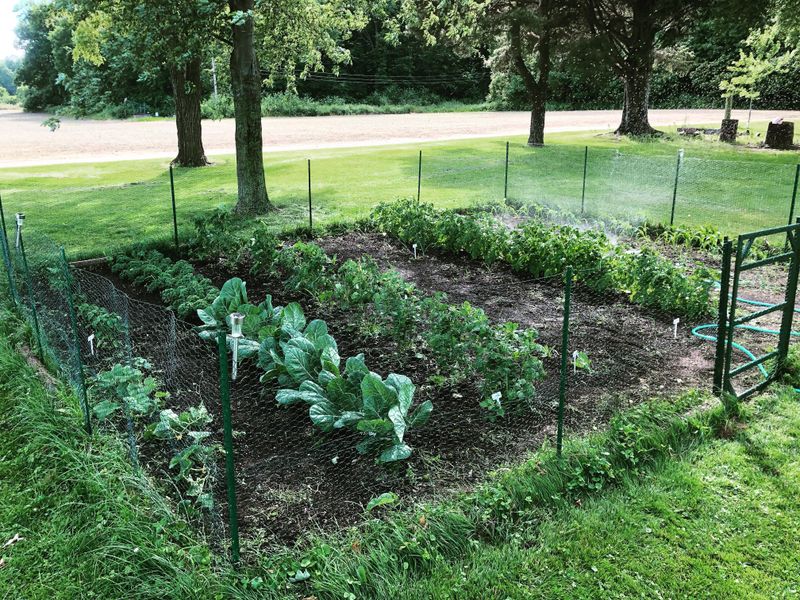
You spread a thick layer of mulch around your pepper plants to help the soil hold moisture during the dry spring months. A few weeks later, you notice the stems at the soil line look dark and soft, and the plants start to wilt even though the soil feels damp.
Mulch is wonderful for moderating soil temperature and reducing evaporation, but piling it against plant stems traps moisture right where fungi enter the plant.
In South Florida where humidity and warmth never really disappear, mulch piled directly against stems traps moisture and encourages crown and stem rot that can lead to root decline.
The fungi colonize the stem tissue and work their way down into the roots, causing the entire plant to collapse.
Apply two to three inches of organic mulch like shredded leaves, pine straw, or grass clippings around your plants, but leave a two-inch gap around each stem to allow air circulation. Pull mulch back if you notice it creeping closer to the base of your plants.
Avoid using fresh wood chips or thick layers that stay soggy for days after rain. You will see healthier stems and fewer fungal infections when you give your plants breathing room instead of burying them under damp organic matter.
8. Choose Disease-Resistant Varieties
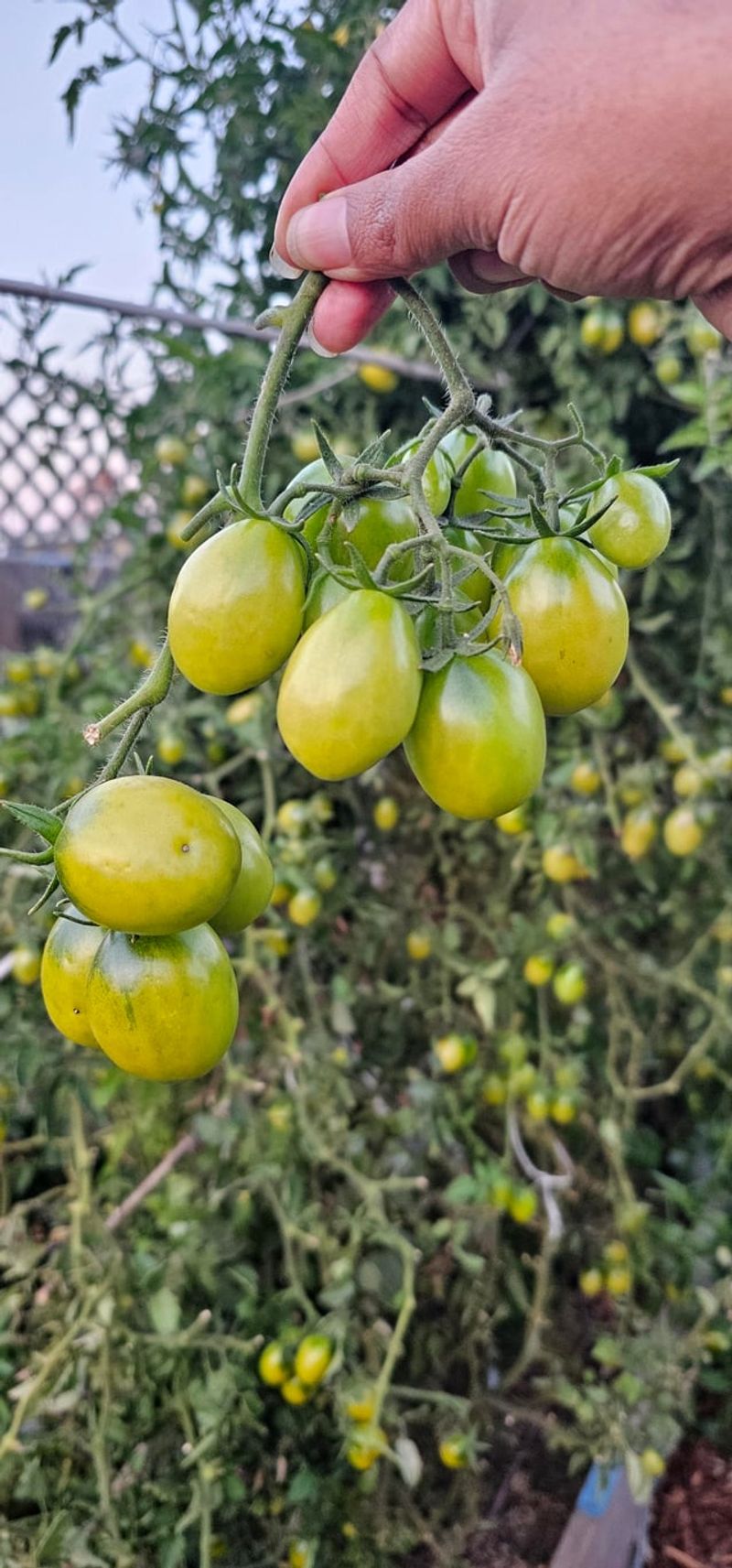
You flip through seed catalogs in January and pick tomato varieties based on flavor and size without paying much attention to the letters and codes listed after the variety name. By June, half your plants are struggling with wilting and root problems while your neighbor’s garden looks lush and green.
Many vegetable varieties are bred specifically to resist common soil-borne diseases such as Fusarium and Verticillium wilts, which often occur alongside root rot problems in Florida gardens. These resistant varieties have natural defenses that help them fight off infection even when growing conditions favor disease development.
In Central Florida where warm soil and frequent rain create constant disease pressure, choosing resistant varieties gives you a head start on prevention without using chemicals or extra labor.
Look for tomato varieties labeled with resistance codes like F, V, or R, which indicate resistance to Fusarium wilt, Verticillium wilt, and root-knot nematodes. Pepper and squash varieties also come in disease-resistant selections that perform better in Florida’s challenging climate.
Read catalog descriptions carefully and choose varieties recommended by the University of Florida IFAS Extension for your region. You will enjoy healthier plants and better yields when you start with genetics that can handle Florida’s tough growing conditions naturally.
9. Remove Infected Plants Immediately
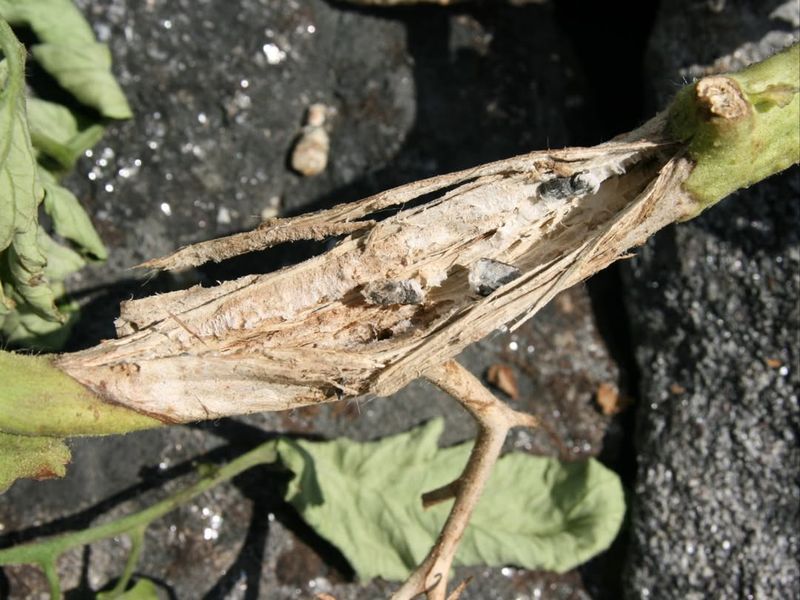
One of your tomato plants starts to yellow and wilt on one side, and you decide to wait a few days to see if it recovers. By the end of the week, the entire plant has collapsed, and the two plants next to it are beginning to show the same symptoms.
Root rot spreads quickly through contaminated soil and water, so leaving infected plants in your garden gives the fungi more time to colonize nearby roots. When you pull up a diseased plant, you might notice the roots are brown, mushy, and smell foul instead of looking white and firm.
In South Florida where warm temperatures keep fungi active year-round, fast removal is critical to stopping the spread before you lose more crops.
As soon as you spot a plant with root rot symptoms, carefully dig it out along with the surrounding soil and dispose of it in the trash, not your compost pile.
Wash your hands and clean your tools with a solution of one part bleach to nine parts water, then allow them to air dry, to avoid spreading spores to healthy plants.
Replace the removed soil with fresh, well-draining mix before planting anything new in that spot. You will protect the rest of your garden and reduce future disease pressure when you act quickly and practice good hygiene instead of hoping the problem will go away on its own.