9 Gardening Trends That Florida Backyard Owners Will Enjoy In 2026
Florida backyards are set to get more vibrant and innovative in 2026, as homeowners embrace trends that combine beauty, sustainability, and low-maintenance design.
Bold color palettes, tropical-inspired plantings, and layered textures are making landscapes feel like personal resorts.
Drought-tolerant and native species are gaining popularity, helping yards thrive under Florida’s heat and occasional dry spells while reducing water use.
Vertical gardens, container plantings, and multi-use outdoor spaces maximize smaller lots, while pollinator-friendly flowers and edible gardens blend function with aesthetics.
Hardscape features such as pathways, patios, and subtle lighting create focal points that guide the eye and extend usability into evenings.
Homeowners are also integrating smart irrigation and eco-conscious materials, marrying technology with style.
1. Native Plant Gardens
Florida’s native plants evolved over thousands of years to thrive in our sandy soil and subtropical weather.
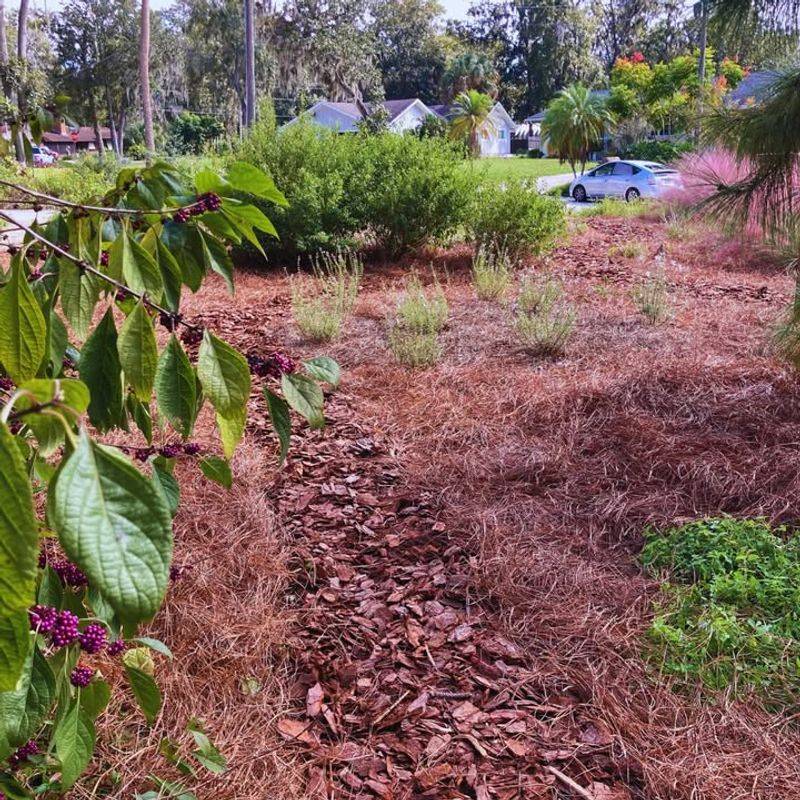
When you fill your garden beds with species like firebush, beautyberry, and muhly grass, you create a landscape that practically takes care of itself.
These plants need far less water than exotic species because their roots already know how to find moisture deep underground.
Butterflies, bees, and hummingbirds flock to native gardens since these creatures developed alongside the plants over centuries.
Your water bill drops significantly when you stop trying to keep thirsty tropical imports alive through our dry seasons.
Native gardens also resist pests better than imported plants, which means you spend less money on pesticides and more time actually enjoying your yard.
Garden centers now stock wider selections of Florida natives than ever before, making it easy to find attractive options.
Coontie palms, coral honeysuckle, and blanket flowers add stunning color while supporting local ecosystems.
Many homeowners discover that native landscapes look more natural and blend beautifully with Florida’s character.
Once established, these tough plants survive storms and droughts that would devastate conventional gardens.
2. Edible Landscaping
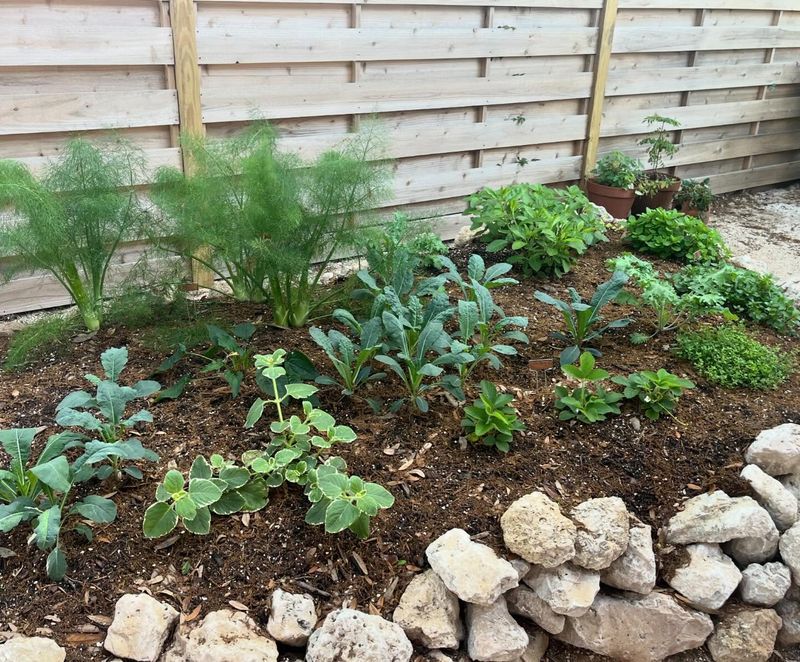
Why grow only flowers when your backyard can produce fresh food that tastes amazing and looks gorgeous too?
Edible landscaping combines beauty with function by replacing ornamental plants with fruits, vegetables, and herbs that feed your family.
Blueberry bushes produce pretty white flowers in spring before delivering delicious berries all summer long.
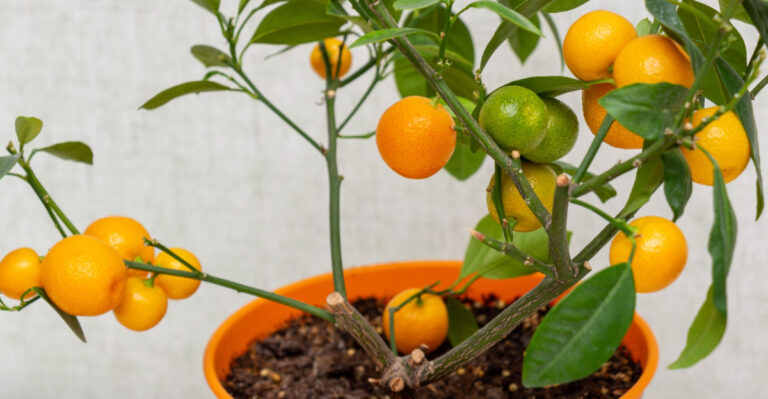
Citrus trees offer fragrant blossoms and provide oranges, lemons, or limes right outside your kitchen door.
Rosemary grows into attractive hedges that you can trim for cooking, while basil adds bright green color to flower beds.
Sweet potato vines create beautiful ground cover and produce nutritious tubers beneath the soil.
Pepper plants display colorful fruits that range from mild to spicy, adding visual interest to garden borders.
This trend saves money at the grocery store while reducing the environmental impact of shipping food across the country.
Kids become more excited about eating vegetables when they help grow them in the backyard.
Edible landscapes work perfectly in Florida since our long growing season allows year-round harvests of different crops.
3. Pollinator-Friendly Zones
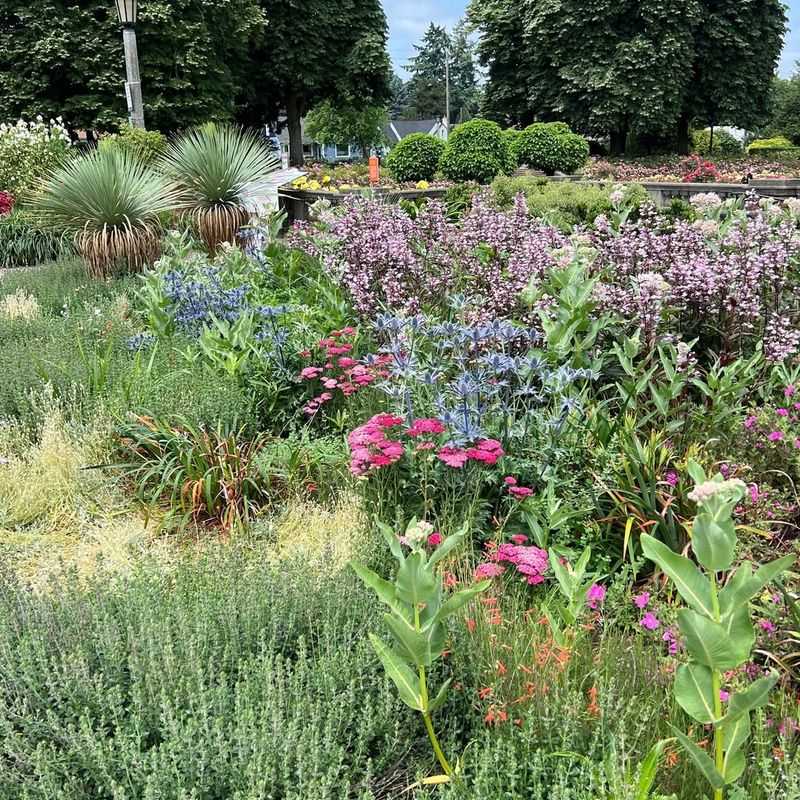
Bees, butterflies, and hummingbirds need our help more than ever as natural habitats disappear.
Creating pollinator zones in your backyard provides these important creatures with food and shelter while making your garden come alive with movement and color.
Milkweed plants support monarch butterflies by providing the only food their caterpillars can eat.
Pentas flowers bloom almost constantly in Florida and attract dozens of butterfly species with their sweet nectar.
Salvias produce tubular red or purple flowers that hummingbirds absolutely adore and visit repeatedly throughout the day.
Leaving small patches of bare ground gives native bees places to nest since many species live underground rather than in hives.
Avoid using pesticides in pollinator zones because chemicals harm beneficial insects along with pests.
Water features like shallow dishes with rocks give pollinators safe drinking spots on hot Florida afternoons.
Watching butterflies dance from flower to flower or seeing a hummingbird hover inches from your face creates magical backyard moments.
Pollinator gardens help food crops produce better yields since these creatures transfer pollen between plants.
4. Drought-Tolerant Xeriscaping
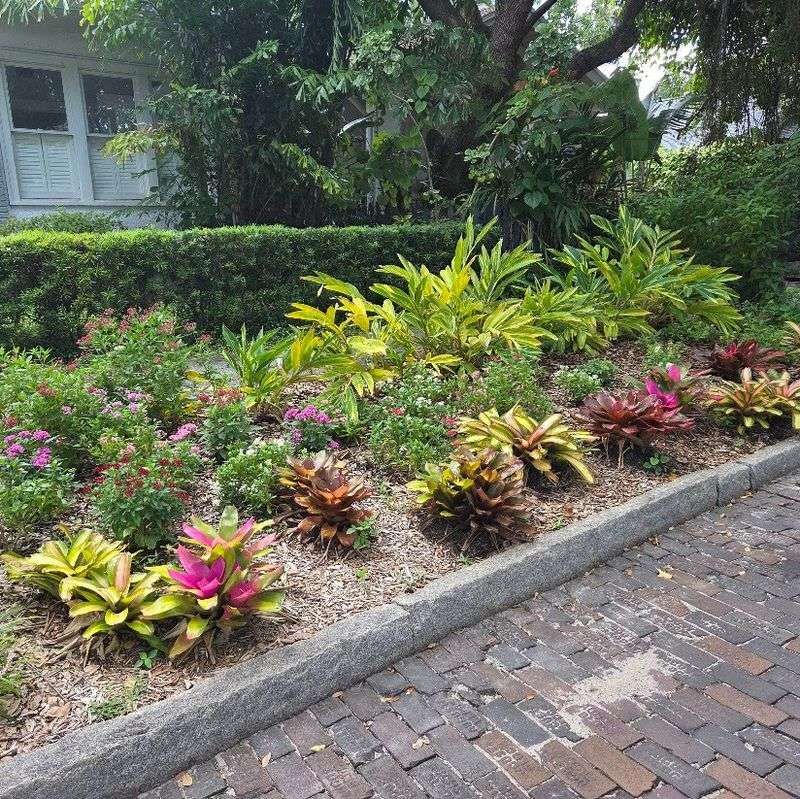
Water restrictions become more common across Florida as our population grows and aquifers face pressure.
Xeriscaping creates beautiful landscapes that need minimal irrigation by focusing on plants adapted to dry conditions.
Agave plants form striking architectural shapes with their thick, pointed leaves that store water internally.
Ornamental grasses like fakahatchee and muhly grass sway gracefully in breezes while surviving on rainwater alone.
Mulching garden beds heavily with pine bark or cypress chips keeps moisture in the soil and reduces evaporation dramatically.
Grouping plants according to their water needs means you irrigate only the thirstiest sections rather than the entire yard.
Replacing some lawn areas with gravel, river rocks, or decorative pavers cuts water use while creating interesting textures.
Succulents offer incredible variety in colors, shapes, and sizes while thriving in Florida’s heat with almost no supplemental watering.
Rain barrels collect water from roof gutters, providing free irrigation during dry spells.
Xeriscape gardens stay green and attractive even during droughts when traditional landscapes turn brown and crispy.
5. Vertical Garden Structures
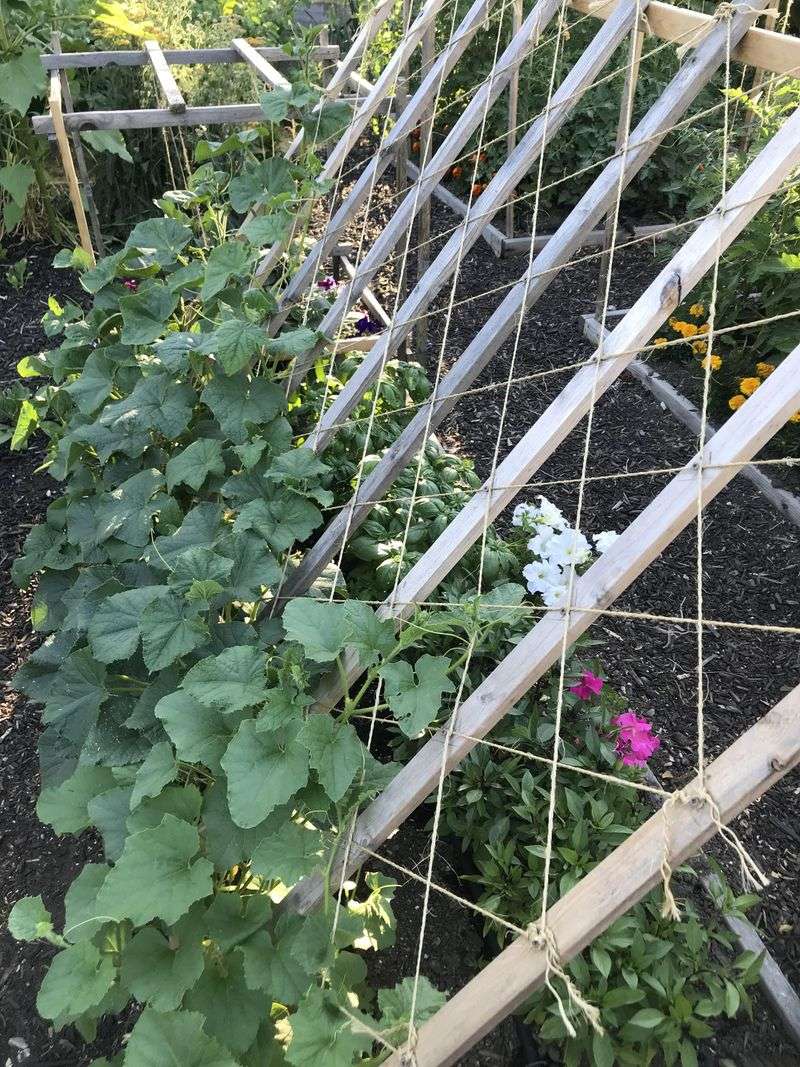
Small backyards become incredibly productive when you start thinking upward instead of outward.
Vertical gardening uses trellises, walls, and hanging structures to grow plants in layers, multiplying your growing space without expanding your yard’s footprint.
Passion fruit vines climb eagerly up fences and arbors, producing exotic flowers followed by tasty fruit.
Cucumbers, beans, and peas grow much better when trained vertically because air circulates around the plants and prevents fungal diseases.
Wall-mounted pocket planters create living walls filled with herbs, lettuces, or colorful flowers that transform boring fences into garden features.
Vertical gardens keep produce off the ground where slugs, snails, and other pests cause damage.
Tomatoes grown in hanging baskets or tower systems produce abundant harvests while taking up minimal ground space.
Climbing roses or bougainvillea trained on pergolas provide shade below while displaying spectacular blooms overhead.
Harvesting becomes easier when vegetables hang at eye level rather than forcing you to bend down constantly.
Vertical structures add visual interest and height variation that makes small yards feel larger and more complex.
6. Smart Irrigation Systems

Technology transforms watering from a daily chore into an automated process that conserves water while keeping plants healthy.
Smart irrigation controllers connect to weather forecasts and soil moisture sensors, adjusting watering schedules automatically based on actual conditions.
These systems skip watering when rain is predicted or when sensors detect adequate soil moisture, preventing waste.
Drip irrigation delivers water directly to plant roots rather than spraying it into the air where Florida’s heat evaporates much of it.
Smartphone apps allow you to control your sprinklers from anywhere, turning them off if unexpected rain starts while you’re at work.
Zone-based watering applies different amounts to various garden areas depending on whether they contain thirsty vegetables or drought-tolerant natives.
Smart systems track water usage and show exactly how many gallons you’re using, helping identify leaks or inefficient zones.
Initial installation costs pay for themselves through lower water bills and healthier plants that don’t suffer from overwatering.
Many Florida water utilities offer rebates for installing smart controllers, making them even more affordable.
Plants actually grow better with consistent, appropriate watering rather than the irregular soaking most manual watering provides.
7. Composting Stations
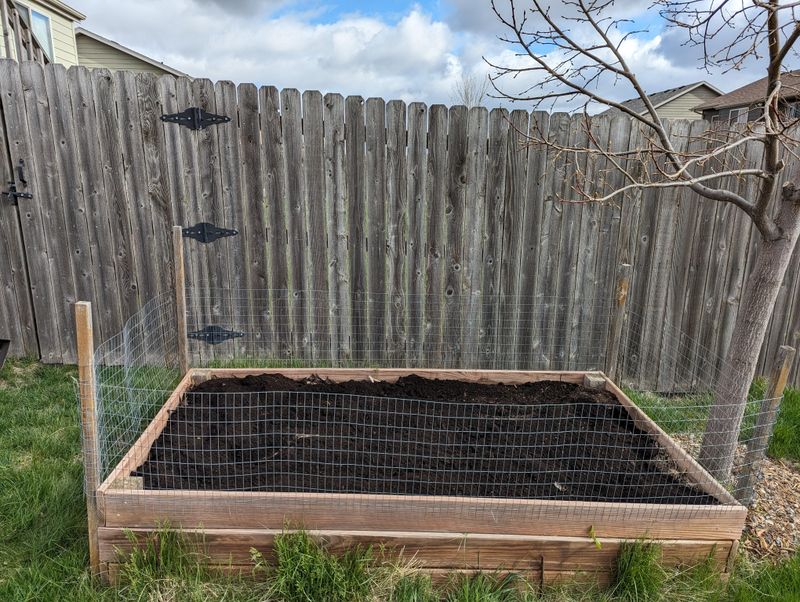
Every Florida household produces fruit peels, vegetable scraps, grass clippings, and fallen leaves that usually end up in landfills.
Composting transforms this waste into rich, dark soil amendment that makes plants grow stronger and more productive.
Simple three-bin systems or rotating tumblers turn kitchen scraps into finished compost in just a few months.
Compost improves Florida’s sandy soil by adding organic matter that helps retain moisture and nutrients.
Coffee grounds, eggshells, banana peels, and yard trimmings all break down into valuable fertilizer that costs nothing.
Worm bins work especially well in Florida’s warm climate, producing nutrient-rich castings that plants absolutely love.
Spreading finished compost around garden beds reduces the need for chemical fertilizers while supporting beneficial soil microorganisms.
Composting reduces household garbage volume significantly, which means fewer trash bags and lower waste disposal costs.
The process teaches children about natural cycles and how decomposition returns nutrients to the earth.
Many municipalities now offer free or discounted compost bins to residents who want to start composting at home.
8. Outdoor Living Integration
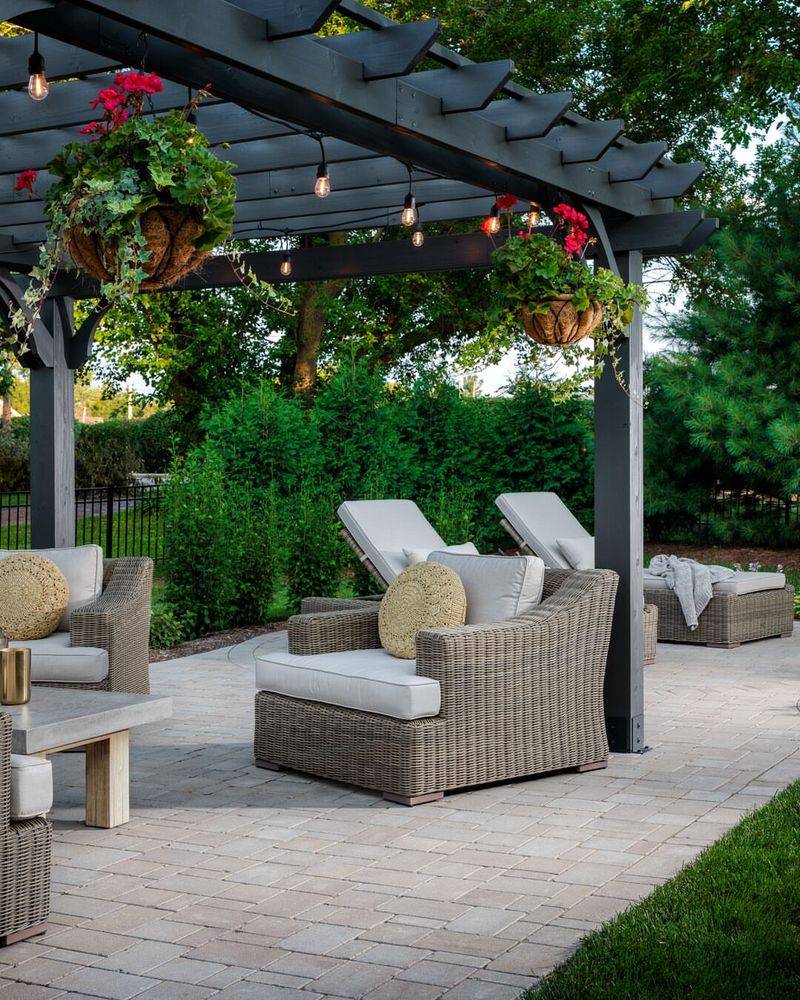
Gardens become true outdoor rooms when you blend comfortable seating areas, cooking spaces, and plantings into unified designs.
Fragrant jasmine or gardenia planted near patios fills evening air with sweet perfume while you relax outdoors.
Container gardens placed around seating areas bring color and greenery close enough to touch and admire up close.
Herb gardens positioned beside outdoor kitchens put fresh basil, cilantro, and mint within arm’s reach while cooking.
Shade trees strategically planted near dining areas create natural cooling that makes Florida afternoons more comfortable.
Raised beds built at comfortable heights allow gardening without bending, turning yard work into pleasant activity rather than painful labor.
String lights woven through tree branches or pergolas extend garden enjoyment into evening hours.
Fire pits surrounded by heat-tolerant plants create cozy gathering spots during Florida’s mild winter months.
Pathways connecting different garden zones encourage exploration and make the entire backyard feel more usable.
Outdoor showers surrounded by tropical plants provide convenient spots to rinse off after beach trips or pool time.
9. Regenerative Gardening Practices

Regenerative gardening goes beyond sustainability by actually improving soil health and environmental conditions over time.
This approach focuses on building living soil full of beneficial fungi, bacteria, and microorganisms that help plants thrive naturally.
Cover crops like clover or cowpeas planted between growing seasons add nitrogen to soil while preventing erosion.
Avoiding tilling preserves soil structure and protects the complex underground networks that support plant health.
Companion planting pairs different species together so they help each other grow stronger and resist pests naturally.
Marigolds planted near tomatoes repel harmful insects, while beans fix nitrogen that neighboring plants can use.
Leaving plant roots in the ground after harvest feeds soil organisms and adds organic matter as they decompose.
Diverse plantings support more beneficial insects and create balanced ecosystems where pest problems rarely get out of control.
Regenerative gardens become more productive each year as soil improves rather than depleting over time like conventional gardens.
This method reduces dependence on external inputs like fertilizers and pesticides, saving money while protecting Florida’s waterways from chemical runoff.