Plants North Florida Gardeners Should Plant Before April Ends
North Florida spring has a short window where everything feels just right. The soil warms, the days stretch longer, and planting conditions seem to line up perfectly for a brief stretch.
That window does not last as long as people expect. Temperatures rise quickly, and plants that go in early often handle the transition into warmer weather far better than those planted later.
Gardeners who move at the right time usually see stronger roots, better growth, and less stress once heat starts building. Waiting too long can make even easy plants feel harder to manage.
This part of the season rewards timing more than effort. Getting plants established before April ends can shape how the entire garden performs through the hotter months, especially when conditions begin shifting faster than expected.
1. Angelonia That Loves The Heat
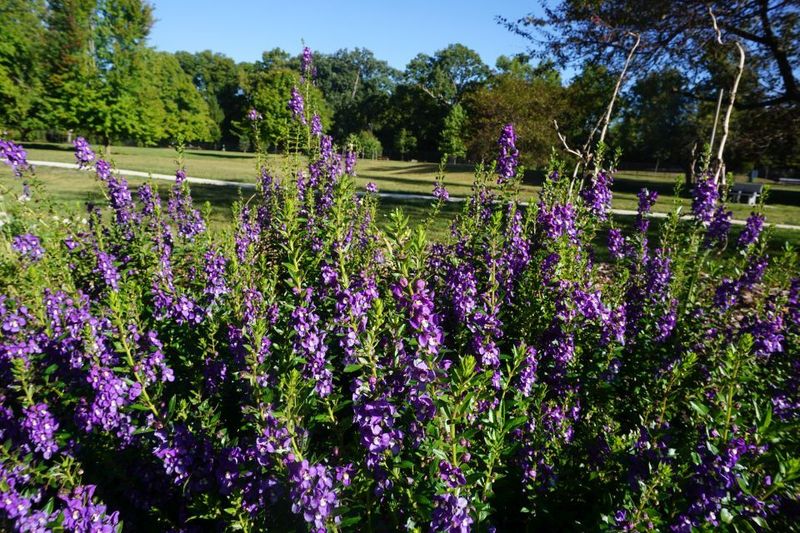
Sometimes called the summer snapdragon, Angelonia is one of the toughest flowering plants you can put in a North Florida garden. It laughs at heat, shrugs off humidity, and keeps blooming even when other flowers start to struggle.
That alone makes it worth planting before April ends.
Angelonia grows best in full sun and well-drained soil. Plant it in garden beds, containers, or along borders where you want a steady pop of color from spring all the way through fall.
Colors range from soft lavender to deep purple, pink, and white, giving you plenty of options to match your outdoor style.
Watering is easy since Angelonia is drought-tolerant once it settles in. A light layer of mulch around the base helps keep moisture in the soil during dry spells.
You do not need to deadhead the spent blooms because new flowers naturally replace them. North Florida gardeners love this plant because it delivers big results with very little fuss, making it a smart choice for both beginners and experienced growers looking for reliable warm-season color.
2. Wax Begonia For Reliable Color
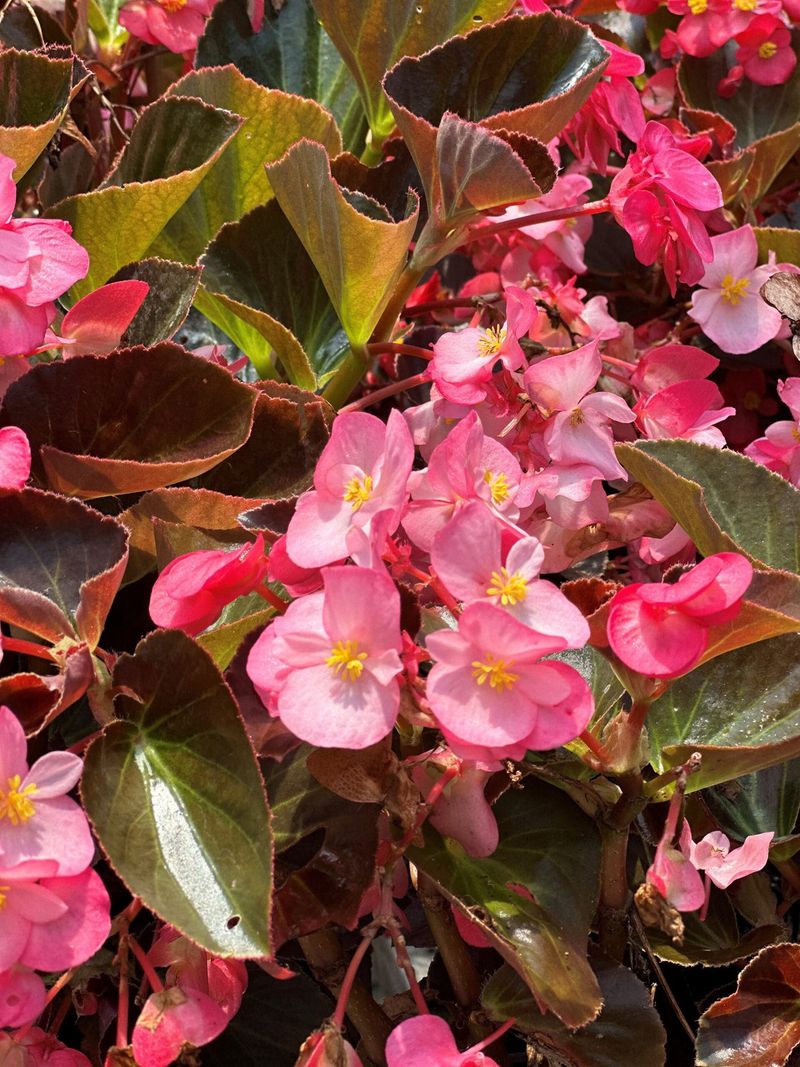
Wax begonias are a classic for good reason. These compact little plants pack a serious punch of color, and they handle the heat and humidity of North Florida better than most flowering annuals.
If you want reliable blooms from now until the cooler months arrive, wax begonias are a fantastic pick.
You can grow them in full sun or partial shade, which makes them incredibly versatile. Plant them along walkways, tuck them into containers on a porch, or mass them together in a flower bed for a carpet of color.
Their waxy, glossy leaves actually help them resist moisture loss, which is a real advantage during Florida’s dry spring days.
When planting wax begonias in North Florida, choose a spot with good drainage since soggy roots are their biggest weakness. Space plants about eight to ten inches apart so air can circulate freely, which helps prevent fungal issues in humid conditions.
Feed them with a balanced slow-release fertilizer at planting time and they will reward you with non-stop blooms. Even gardening beginners find wax begonias easy to manage, and the payoff in color and cheerfulness is absolutely worth it.
Your Florida Garden Changes Every Week. Your Plan Should Too.
Gardening in Florida changes quickly throughout the season. Every Friday you’ll receive a simple weekly plan showing exactly what to plant, prune, fertilize, harvest, and protect so you never miss the right timing.
3. Vinca That Handles Dry Conditions
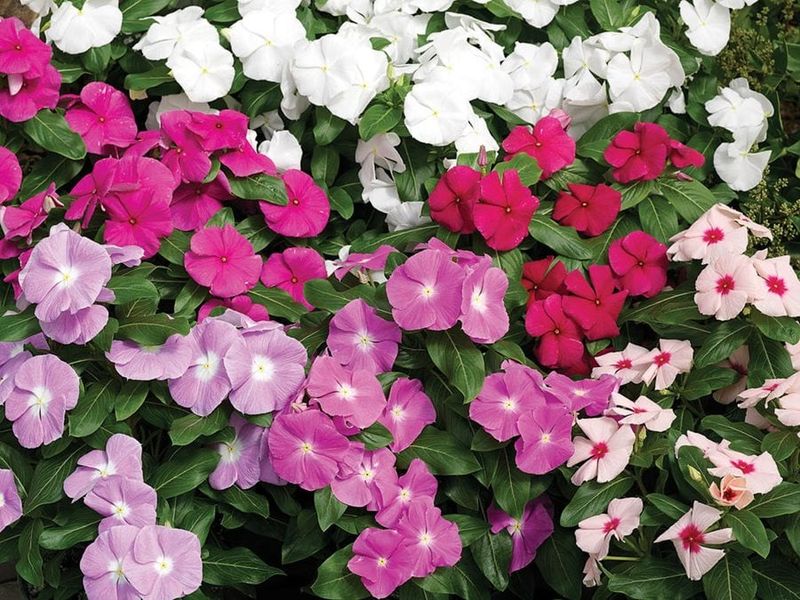
Few plants handle the brutal combination of Florida heat, humidity, and occasional drought the way vinca does. Also known as periwinkle, this cheerful annual has been a go-to for North Florida gardeners for decades, and it earns that reputation every single season.
Planting it before April ends gives it a strong head start.
Vinca thrives in full sun and well-drained soil. It is actually one of those plants that prefers not to be overwatered, so skip the heavy irrigation schedule once it gets established.
The blooms come in shades of red, pink, white, coral, and bi-color combinations, and they keep coming all season without much encouragement from you.
One thing to keep in mind is that vinca does not love being transplanted into overly wet or compacted soil. Loosen the ground before planting and mix in some compost to give roots room to spread.
In North Florida, it works beautifully as a border plant, a ground cover for sunny slopes, or a bold addition to mixed container gardens. Because it is so low-maintenance, vinca is often recommended by local extension offices as one of the best warm-season annuals for this region.
4. Zinnia For Fast Summer Blooms
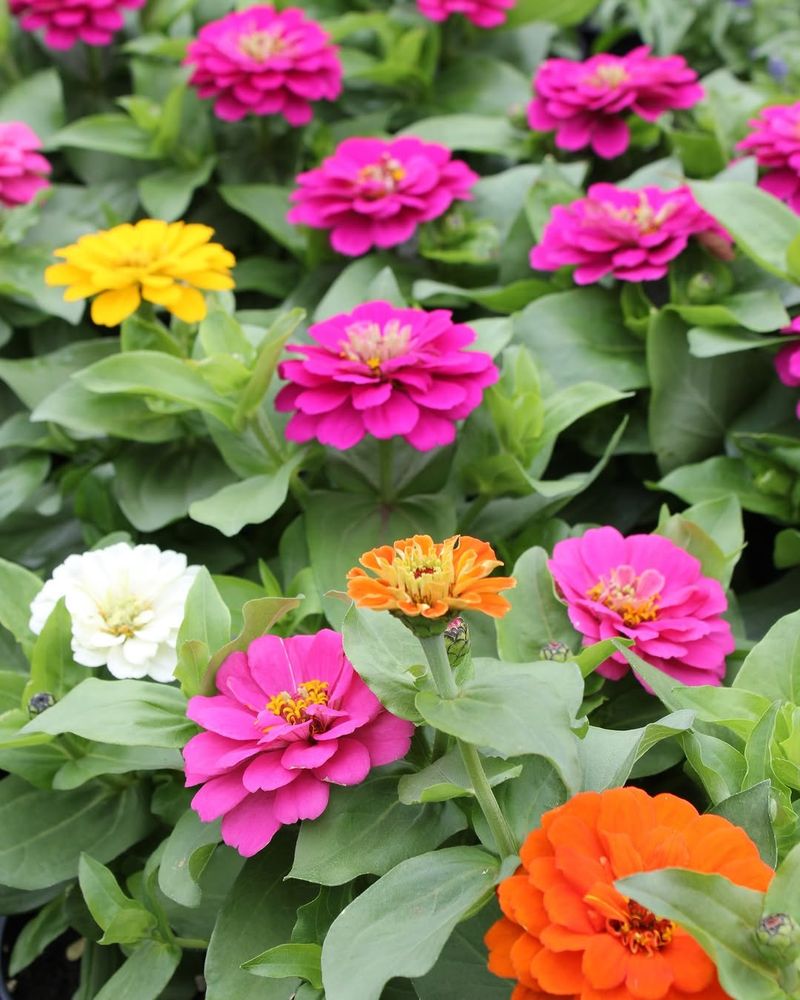
The kind of flowers that make a garden look like it belongs on a magazine cover, zinnias never fail to stand out. Bold, bright, and almost impossibly cheerful, they are one of the easiest flowers to grow from seed in North Florida.
April is the perfect time to direct sow them into garden beds before the summer heat arrives in full force.
They grow fast, often blooming within weeks of planting. Full sun is a must, and they prefer slightly sandy, well-drained soil, which North Florida has plenty of.
Once established, zinnias are quite drought-tolerant, though they appreciate a deep watering once or twice a week during dry stretches. Deadheading spent blooms encourages the plant to push out even more flowers.
Beyond looking beautiful, zinnias are powerhouses for pollinators. Butterflies, bees, and hummingbirds are drawn to their bright blooms, which means planting them benefits the whole garden ecosystem.
Taller varieties like ‘Benary’s Giant’ are excellent for cutting and bringing indoors, while shorter types work well as border edging. For North Florida gardeners who want maximum visual impact with minimal effort, zinnias are hard to beat.
Scatter seeds generously and stand back while the magic happens.
5. Coleus For Bold Foliage Color
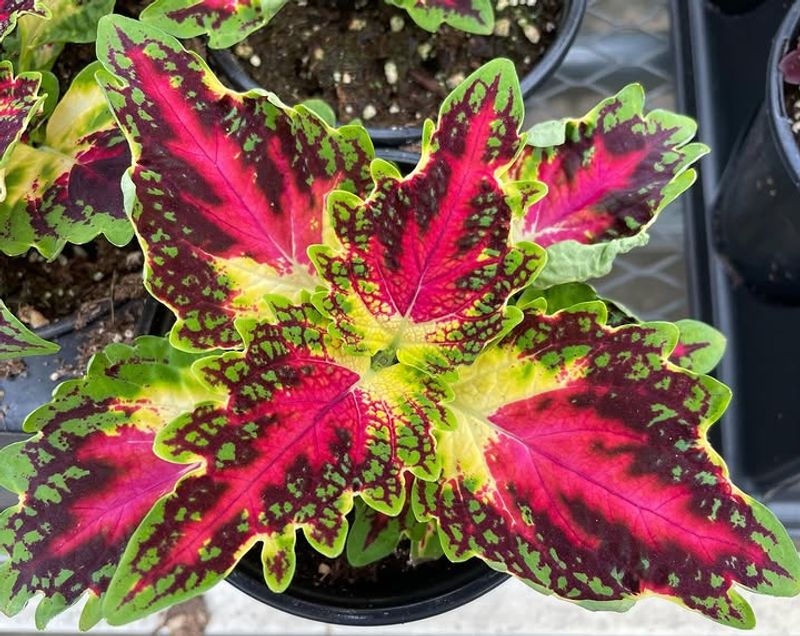
While everyone else is chasing flowers, coleus delivers jaw-dropping color through its leaves alone. Patterns of burgundy, lime green, gold, crimson, and cream make each plant look like a living piece of art.
Modern coleus varieties have been bred to handle full sun, though most still do beautifully in partial shade. That flexibility makes them incredibly useful in spots where flowering plants might struggle.
They work well in containers, hanging baskets, mixed borders, and as bold focal points in landscape beds. In North Florida’s warm climate, coleus grows vigorously and fills in quickly once planted.
Keep the soil consistently moist but not waterlogged, and pinch off any flower spikes that appear to keep the plant focused on producing lush, colorful foliage. A light application of balanced fertilizer every few weeks will keep growth strong and colors vivid.
One fun fact about coleus is that it is surprisingly easy to propagate from stem cuttings, so a single plant can multiply into many throughout the season. North Florida gardeners who try coleus rarely go back to a garden without it.
6. Basil That Takes Off In Warm Weather
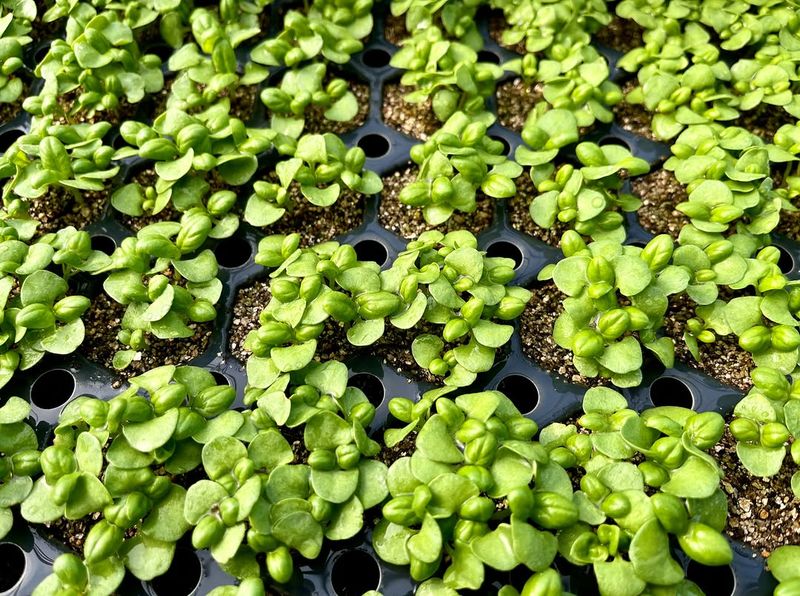
Nothing beats stepping into your backyard and snipping fresh basil for tonight’s pasta or salad. Basil is a warm-season herb that absolutely loves North Florida’s climate, and April is prime time to get it in the ground.
The warm soil temperatures and long sunny days create nearly perfect growing conditions for this kitchen favorite.
Plant basil in a spot that gets at least six hours of direct sunlight each day. It prefers rich, well-drained soil, so mixing in some compost before planting makes a real difference.
Space plants about twelve inches apart to allow good airflow, which helps prevent fungal issues during humid months. Water regularly but avoid soaking the leaves, especially in the evening.
Pinching off the top leaves regularly encourages the plant to grow bushier instead of bolting straight up to flower. Once basil starts flowering, the leaves tend to lose some of their flavor, so staying on top of pinching keeps the harvest flavorful for longer.
Sweet basil is the most popular variety, but Thai basil, lemon basil, and purple basil all grow beautifully in North Florida. Growing your own basil is one of those small gardening wins that makes a big difference in the kitchen every single week.
7. Oregano For Easy Herb Growth
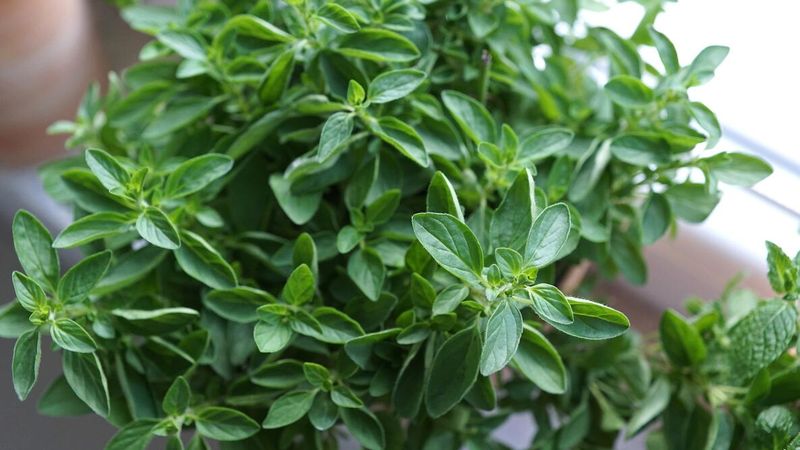
In any North Florida garden, one of those herbs that earns its spot by being almost effortlessly productive is oregano. Once it gets established, it practically takes care of itself, offering up fragrant, flavorful leaves for cooking throughout the growing season.
Planting it before April ends means you will have a thriving herb ready to harvest by early summer.
Choose a sunny location with well-drained soil since oregano does not tolerate wet feet. Raised beds and containers work especially well for this herb in North Florida, where heavy rainfall can sometimes cause drainage issues.
Space plants about ten inches apart and water them moderately, allowing the soil to dry slightly between watering sessions.
Greek oregano is one of the most flavorful varieties and does exceptionally well in this region. Cuban oregano, though technically a different plant, is another popular option that thrives in Florida’s heat and produces bold, aromatic leaves perfect for seasoning meats and sauces.
Trim oregano regularly to keep it compact and encourage fresh new growth. Did you know oregano has been used medicinally for thousands of years?
Beyond its culinary value, it also attracts beneficial insects to your garden, making it a smart and productive addition to any North Florida herb patch.
8. Sage That Thrives In Florida Sun
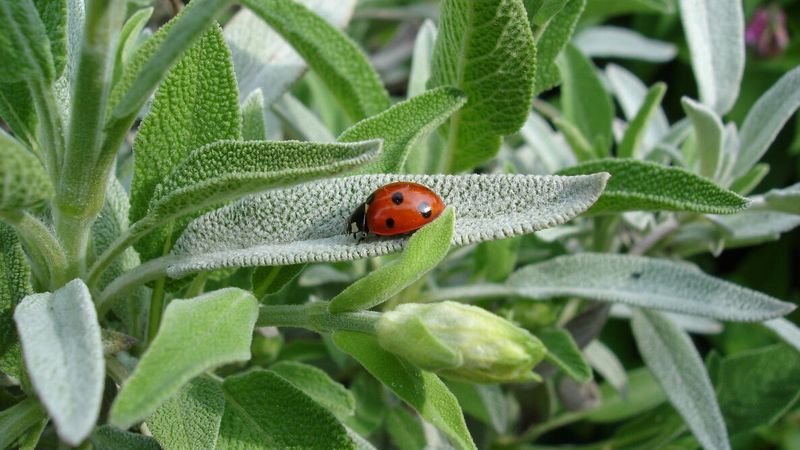
In a North Florida herb garden, something special comes from sage that goes beyond just good flavor. Its soft, silvery-green leaves have a velvety texture and a rich, earthy fragrance that fills the air whenever you brush past them.
Planting sage before April ends allows it to settle in before summer temperatures climb higher.
Full sun and excellent drainage are important for sage to perform well. In North Florida’s heavy clay or sandy soils, amending with compost and planting in raised beds or containers can make a significant difference in how well sage performs.
Avoid overhead watering when possible, since wet foliage in humid conditions can invite powdery mildew.
Common culinary sage is the most widely grown variety and works beautifully in stuffings, roasted vegetables, and herb butters. Pineapple sage is another variety that flourishes in Florida’s warmth and produces bright red flowers that attract hummingbirds.
Prune sage lightly after each harvest to keep the plant from becoming woody and leggy. One practical tip for North Florida gardeners is to treat sage as a short-lived perennial, refreshing plants every couple of years to maintain the best flavor and growth.
With minimal care, sage delivers maximum reward all season long.
9. Mexican Tarragon With Strong Flavor
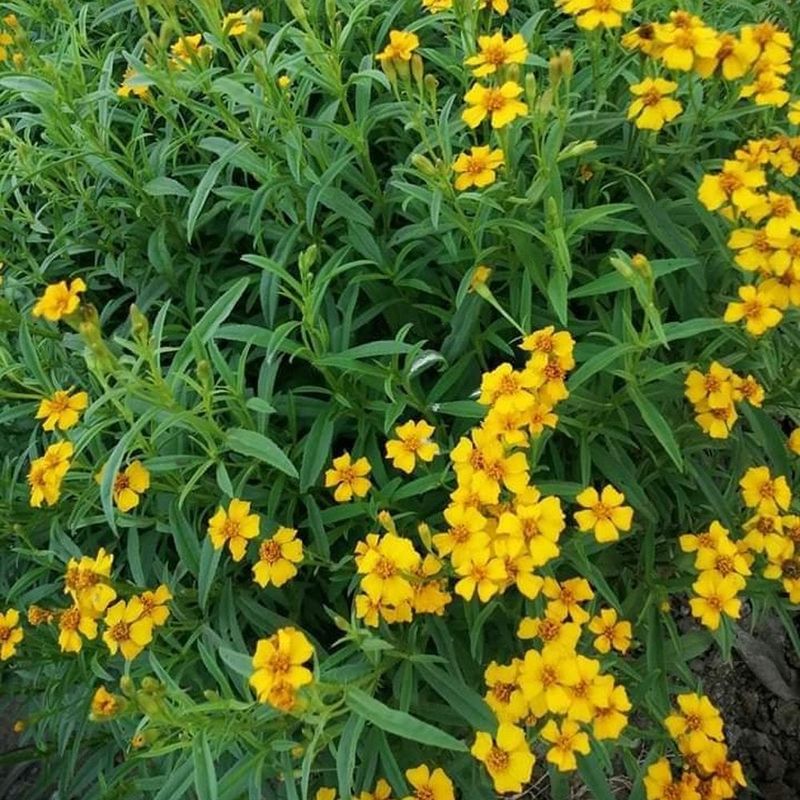
Regular French tarragon struggles in Florida’s heat, but Mexican tarragon is a completely different story. Also called Mexican mint marigold, this tough and flavorful herb was practically made for North Florida gardens.
It delivers the same anise-like flavor as French tarragon but handles heat, humidity, and drought with impressive ease.
Plant Mexican tarragon in a sunny spot with well-drained soil. It grows into a bushy, upright plant that reaches about two feet tall by midsummer and produces clusters of cheerful yellow flowers in the fall.
Those blooms are not just pretty, they are also edible and attract butterflies and other pollinators to the garden.
Use the fresh leaves to season chicken, fish, salads, and herbal teas throughout the growing season. The flavor is most intense before the plant starts flowering, so harvest frequently from the tips to keep the plant productive.
Mexican tarragon is a fantastic conversation starter in any herb garden because most visitors have never seen it before. For North Florida gardeners looking to expand beyond the usual basil and oregano, this herb is a rewarding and flavorful discovery.
It is easy to grow, genuinely useful in the kitchen, and beautiful enough to earn a spot in any landscape bed.
10. Rosemary That Loves Well-Drained Soil
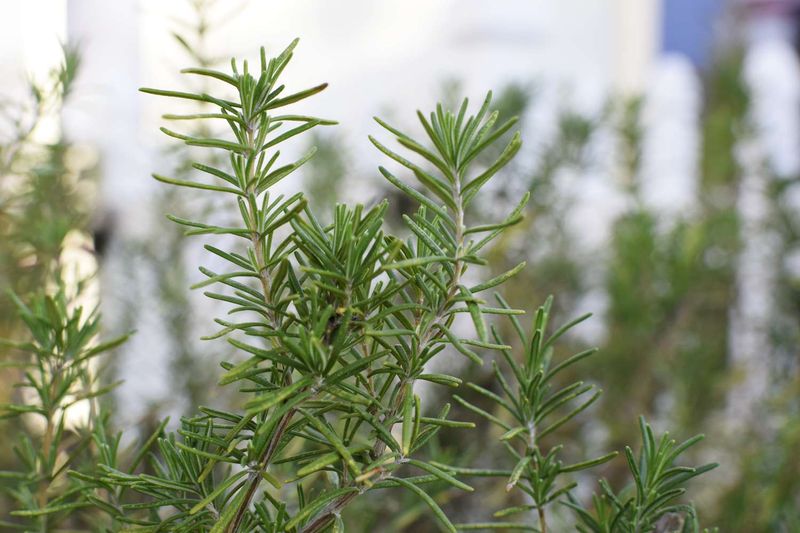
Its needle-like, aromatic leaves are a staple in kitchens around the world, and its upright, woody stems create a striking presence in garden beds and containers. Planting rosemary before April ends gives it time to root deeply before the hottest summer months arrive.
Rosemary loves full sun and excellent drainage above all else. Sandy soils common in North Florida actually work well for this Mediterranean herb, as long as organic matter is added to improve nutrient content.
Avoid planting in low-lying areas where water collects after rain, since standing moisture around the roots is the fastest way to run into problems.
Once established, rosemary is remarkably drought-tolerant and requires very little attention to keep producing. Prune lightly after each harvest to maintain a tidy shape and encourage fresh growth.
Upright varieties like ‘Tuscan Blue’ work well as landscape shrubs, while trailing varieties spill beautifully over container edges or raised bed walls. North Florida gardeners often find that rosemary becomes one of the most permanent and beloved plants in their herb garden.
Its fragrance alone, released every time you walk past it, makes it worth every bit of planting effort.
11. Canna For Tropical Garden Impact
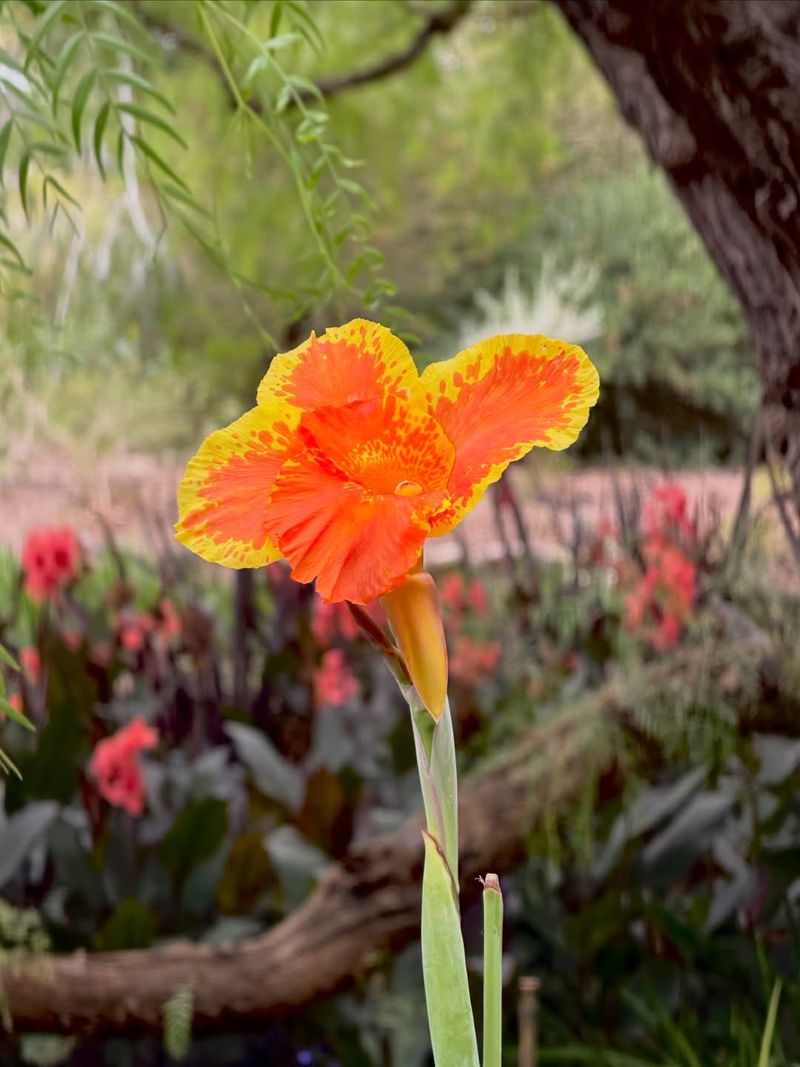
Few plants make as bold a statement in a North Florida garden as canna. With its towering stems, enormous tropical leaves, and flamboyant flowers in shades of red, orange, yellow, and pink, canna transforms any garden space into something that feels lush and exotic.
Planting rhizomes or potted plants before April ends means you can expect impressive blooms by early summer.
Cannas thrive in full sun and moist, fertile soil. They are heavy feeders, so working compost and a balanced fertilizer into the planting hole gives them a strong nutritional foundation.
Once planted, they grow quickly and can reach anywhere from two to six feet tall depending on the variety, making them excellent as background plants or dramatic focal points in landscape beds.
In North Florida, cannas often behave as perennials, returning year after year from rhizomes that survive mild winters in the ground. Dividing clumps every two to three years keeps the plants vigorous and prevents overcrowding.
They also do well near water features or in rain gardens where soil stays consistently moist. Hummingbirds are frequently spotted visiting canna blooms, adding even more life and movement to your garden.
For bold, tropical beauty with a low-effort approach, canna is a North Florida gardening staple worth planting every single spring.