Georgia Gardeners Should Check Their Chrysanthemums For White Rust This October
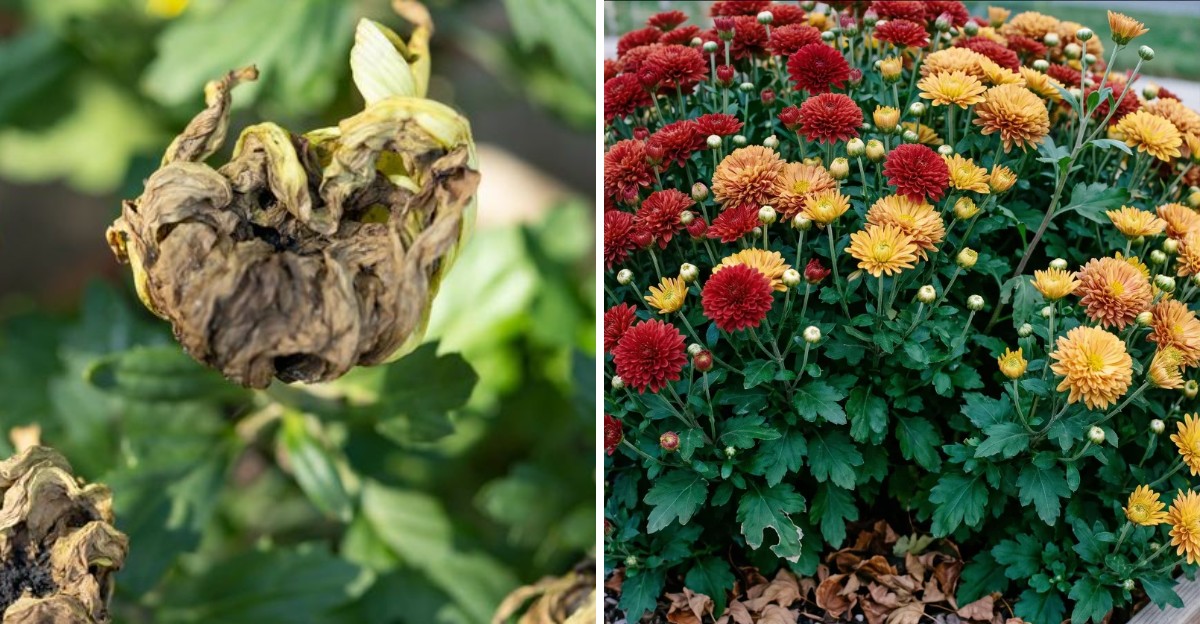
Chrysanthemums covered in colorful fall blooms can still have trouble developing on their leaves, where an unusual fungal disease may go unnoticed.
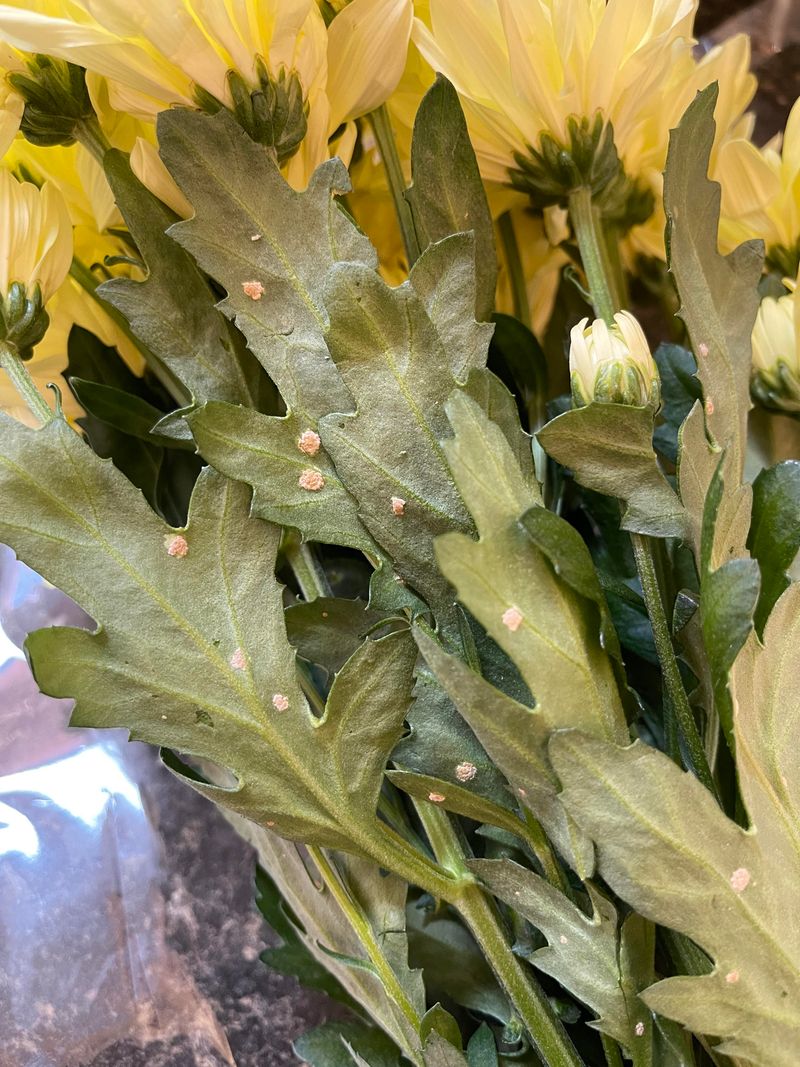
White rust is not the same as ordinary leaf spotting. It can produce pale patches on upper leaf surfaces and raised, whitish pustules underneath.
That makes the underside of each leaf especially important when examining suspicious symptoms.
October brings plenty of chrysanthemums into Georgia gardens, including newly purchased plants that deserve inspection before planting. The disease can spread through infected plant material and suitable moisture conditions.
Examine questionable leaves carefully, especially when the foliage begins showing unfamiliar discoloration.
If you suspect white rust, avoid moving or sharing the affected plant until it has been properly identified. Early recognition matters because this disease can spread among susceptible chrysanthemums.
1. White Rust Is A Fungal Disease That Affects Chrysanthemums
Not every rust is orange, and this one proves it. Chrysanthemum white rust is caused by a fungus called Puccinia horiana, which mainly targets mums and their close relatives.
Unlike many common leaf problems, it is treated as a serious disease by plant health agencies in the United States.
Outbreaks have been linked mostly to greenhouse and nursery settings, though home plants can be affected too. That is one reason officials have long tracked where it shows up.
Garden mums sold in Georgia each fall often travel through large growing operations before reaching local stores.
The fungus does not usually spread through soil the way some root diseases do. Instead, it relies on spores that move with water and air across nearby leaves.
Cultivars vary a lot in how susceptible they are, so one variety may show heavy spotting while another nearby shows little.
Weather, plant health, and where the mum came from all play a role. Because of those variables, no single sign or season tells the whole story.
Understanding what the disease is helps you avoid panic when you spot an ordinary leaf blemish.
Many fungal leaf spots, insect injuries, and nutrient issues look similar at first. A careful look, and help from an expert when needed, keeps your guesswork to a minimum.
2. Pale Yellow Spots On Leaves Can Be An Early Warning Sign
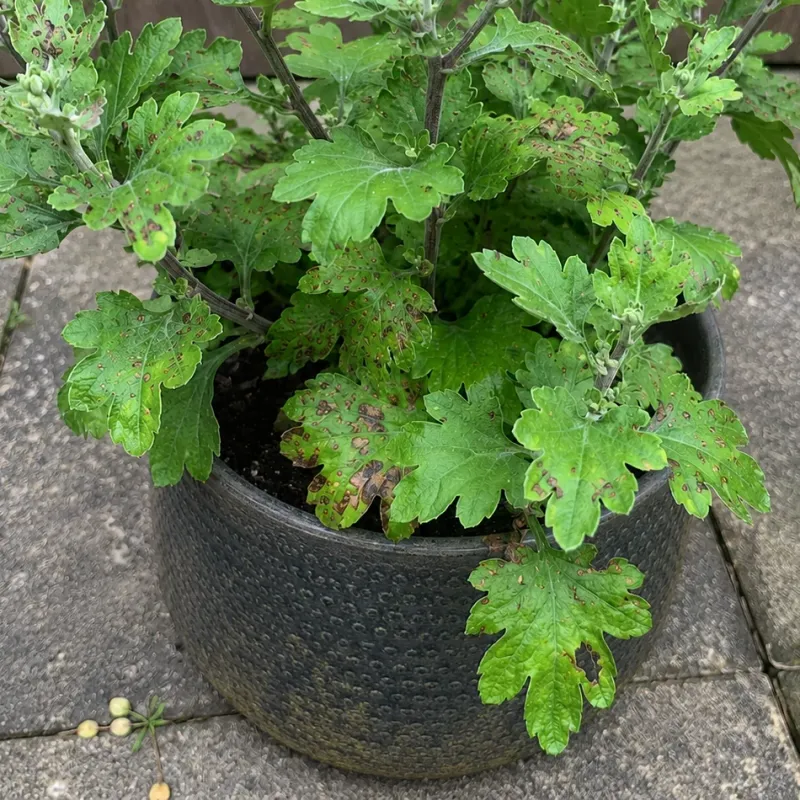
Small spots can carry big clues. On the upper side of a mum leaf, white rust often starts as pale green to yellow flecks.
These spots are usually small at first, and they may look slightly sunken or dimpled.
Over time, the centers can turn tan or brown as the tissue weakens. Some leaves may wilt or hang lower than healthy ones nearby.
Yellow spots alone do not confirm white rust, so try not to jump ahead.
Spider mites, leaf miners, other fungal diseases, and even sunscald can leave yellowish marks. Overwatering or low nutrients can also cause general yellowing across older leaves.
A quick routine helps you spot real changes in your Georgia beds and containers.
Check plants once or twice a week during October, ideally in morning light. Start with lower leaves, since they stay damp longer and are often where trouble shows first.
Your Georgia Garden Changes Every Week. Your Plan Should Too.
Gardening in Georgia changes quickly throughout the season. Every Friday you’ll receive a simple weekly plan showing exactly what to plant, prune, fertilize, harvest, and protect so you never miss the right timing.
Snapping a phone photo of any odd spot gives you a simple record to compare later.
If the spots spread or change, the next step is turning the leaf over. What you find underneath tells you far more than the top surface ever could.
3. White Pustules Develop On The Undersides Of Infected Leaves
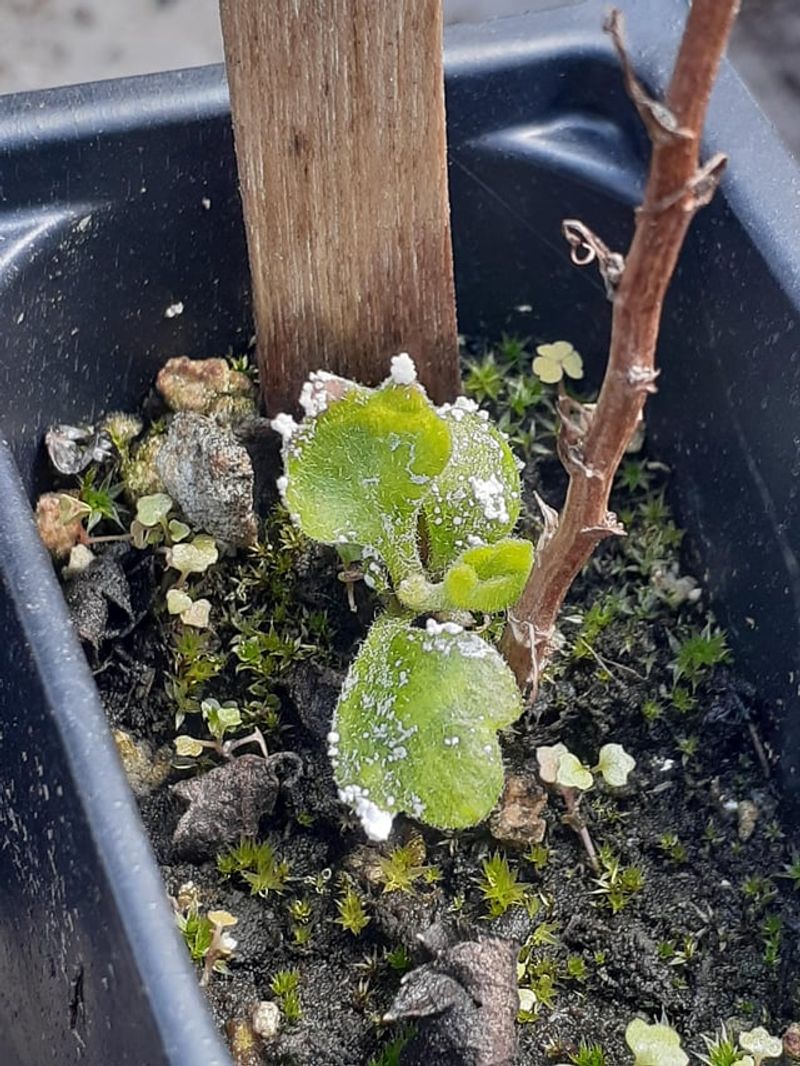
Flip the leaf, and the real evidence often appears. Right beneath those pale upper spots, white rust forms raised, bumpy pustules.
Young pustules tend to look pinkish or buff, then turn white and waxy as they mature.
They can feel slightly firm, almost like tiny blisters stuck to the leaf. In bad cases, they may also show up on stems or flower parts.
Matching spots on both sides of the same leaf are one of the most telling signs.
Even so, a few look-alikes exist. Powdery mildew leaves a flat, dusty coating that wipes off, while white rust pustules stay raised and attached.
Gardeners in Georgia who find these bumps should not guess on their own.
Seal a sample in a plastic bag and contact your county UGA Extension office. Agents can examine it or send it to a diagnostic lab for a proper answer.
Because white rust is a regulated disease, a confirmed case may also be reported to agriculture officials.
Leave the plant in place until you get advice, but avoid handling it more than needed. Touching wet leaves and then moving to other plants could carry spores along.
4. Cool And Humid Conditions Favor The Spread Of White Rust
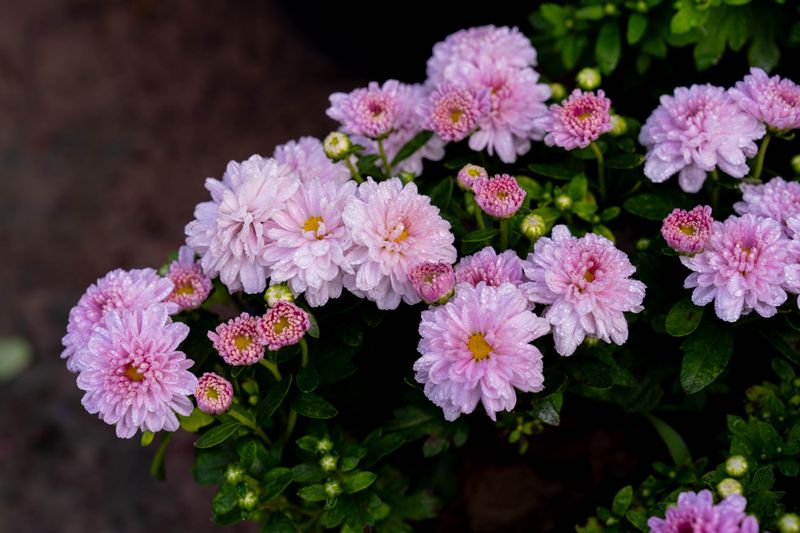
Summer heat holds this fungus back, but fall can open the door. White rust prefers mild temperatures combined with moisture sitting on the leaves.
Spores need a film of water to germinate, so long periods of wet foliage matter most.
Heavy dew, foggy mornings, and steady rain all help keep leaves damp. Crowded plants that dry slowly add to that risk.
Across Georgia, October weather can swing a lot from the mountains to the coast.
North Georgia tends to cool off sooner, while southern areas may stay warm longer into fall. A dry, sunny stretch may give the disease few chances, even where plants carry it.
You cannot control the weather, but you can change how fast leaves dry.
Water at the base of plants instead of spraying the foliage. Morning watering gives any wet leaves time to dry before cooler evening air sets in.
Leave a little space between pots so air can move around each plant.
Pull back mulch or nearby plants that press against mum leaves. Small airflow changes will not guarantee protection, but they can make conditions less friendly to fungal growth.
5. Infected Plants Can Spread The Disease To Healthy Mums

One sick mum rarely stays a private problem. Spores from mature pustules can move to nearby plants through splashing water and moving air.
Crowded displays, like rows of pots on porch steps, give spores a short trip.
Hands, gloves, and pruners can carry spores too, especially when leaves are wet. Brushing past plants after rain is one easy way to move them around.
Spores of this fungus are generally considered short-lived once they dry out, so wet weather is when spread matters most.
That also means distance helps. Plants spaced apart, with leaves that dry quickly, tend to share problems less than tightly packed groups.
Georgia gardeners who buy several mums at once often group them for a fuller look.
If one shows suspicious spots, avoid moving or handling it unnecessarily. Keep other chrysanthemums away and contact your county UGA Extension office for identification and guidance.
Work with healthy plants first and save any questionable ones for last.
Wash your hands and wipe your tools afterward. Simple habits like these will not stop every case, but they lower the odds of carrying trouble from pot to pot.
6. Removing Infected Plants Helps Prevent Further Spread
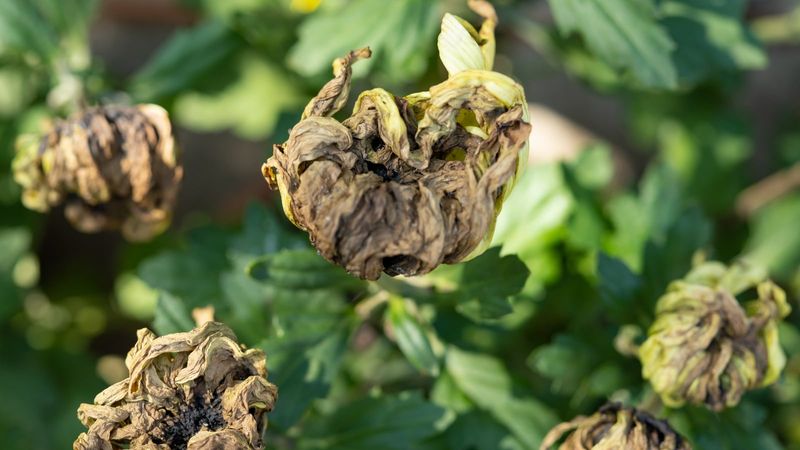
Saying goodbye to a mum is hard, especially one bought for its color. Still, removal is often the most practical choice once white rust is confirmed.
Fungicides are mostly used as prevention in commercial settings and may not rescue a plant already showing heavy pustules.
Avoid disturbing or moving the infected plant until you receive disposal instructions.
If removal is recommended, follow the guidance provided by your local plant health authorities. Skip the compost pile, since home piles may not heat up enough to break down the fungus.
Contact your county UGA Extension office or Georgia Department of Agriculture for instructions on handling and disposing of confirmed infected plants.
Follow their guidance rather than moving or discarding the material on your own. Pots can be reused if you clean them well.
Scrub off soil and plant bits, then rinse thoroughly. Some gardeners also use a diluted bleach soak, following label directions for safe handling.
Keep watching any mums that sat close to the removed plant.
Symptoms can take a while to appear, so check those neighbors every few days for a couple of weeks. If they stay clean, that is a good sign, though not a promise.
7. Checking New Chrysanthemums Before Planting Reduces The Risk
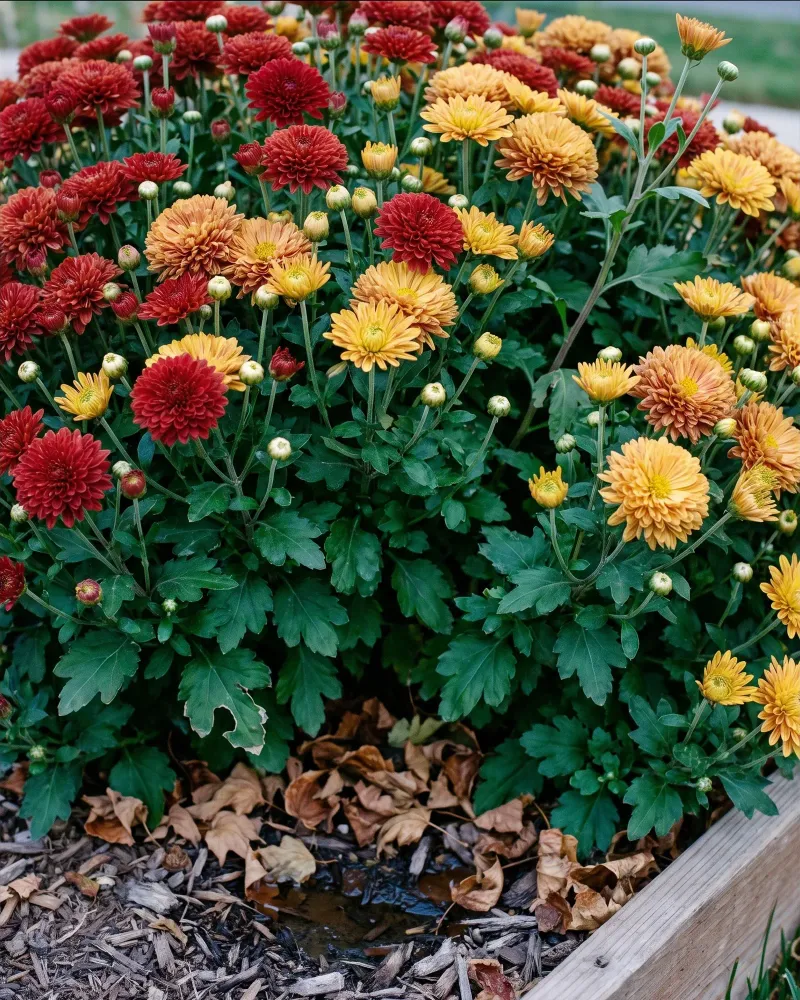
Prevention starts in the checkout line. A few seconds spent looking over a new mum can save you a lot of worry later.
Turn several leaves over and look for raised white or buff bumps underneath.
Also check the tops for pale, sunken spots or leaves that look wilted. Healthy plants usually have firm stems and evenly colored foliage.
Fall garden centers in Georgia stock mums from many growers, and quality can vary from shipment to shipment.
Buying from reputable sellers helps, though even good suppliers can miss an early case. That is why your own inspection still matters.
Once home, keep new mums apart from your other plants for a week or two.
A short waiting period gives hidden symptoms time to show up before plants share space. Water them at the soil line and look them over every few days.
Gifts and plant swaps deserve the same careful look.
A neighbor’s cutting may be perfectly healthy, but checking costs nothing. If anything seems questionable, a quick call to your county Extension office can give you peace of mind before planting.