Georgia Gardeners Should Watch For These Summer Diseases Before They Spread
Georgia gardens go through a sneaky transformation every summer that catches even experienced growers off guard.
The heat climbs, the humidity settles in like an uninvited houseguest, and before you know it, your plants start showing spots, coatings, and wilts that were not there last week.
Georgia’s warm, sticky summers create the perfect storm for fungal, bacterial, and water-related diseases to move fast across vegetable beds, flower borders, and fruit plants alike.
Knowing what to look for before a problem explodes across your garden is the smartest move any grower can make, and the difference between catching something early and losing a whole bed often comes down to a few days of attention.
Eight of the most common summer diseases show up in Georgia gardens with predictable regularity, each leaving behind its own specific calling card if you know where to look.
Whether you grow tomatoes, cucumbers, roses, or squash, at least one of these diseases has probably already visited your yard at some point.
Pull on your gloves, grab your hand lens, and get ready to scout smarter this season.
1. Powdery Mildew Coats Tender Leaves
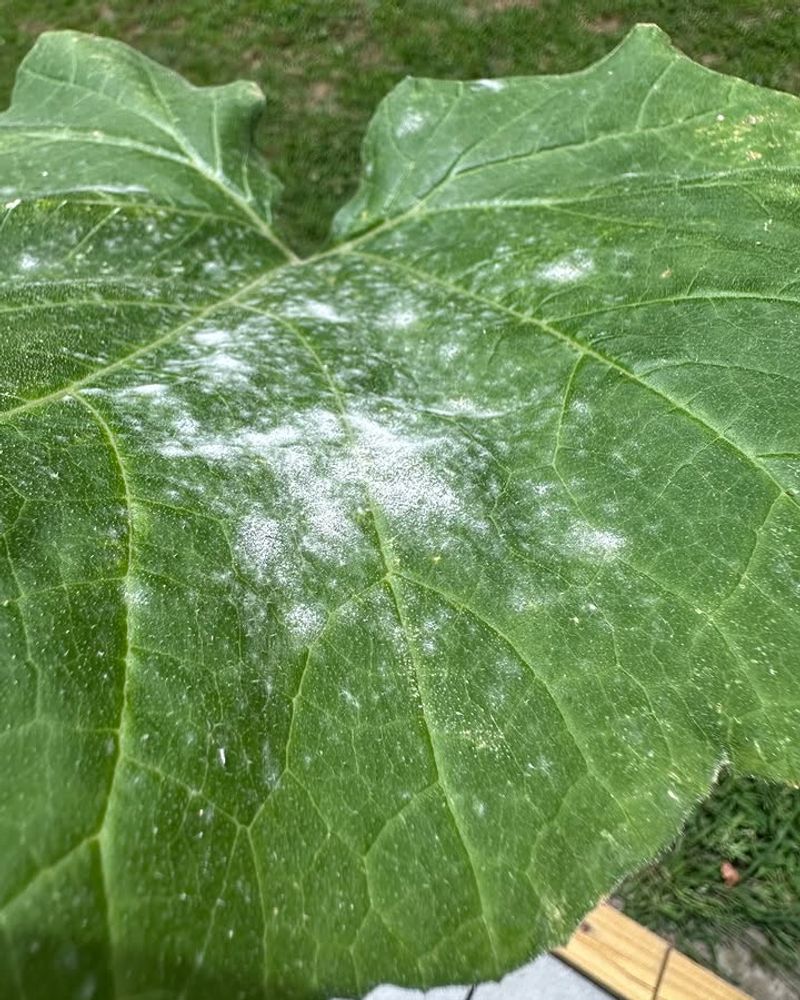
A favorite squash plant on a hot August morning sometimes looks like its leaves were dusted white, as if someone shook a flour bag over them overnight.
That is powdery mildew at work, and it moves faster than most gardeners expect. Unlike many fungal diseases, powdery mildew does not need wet leaves to get started.
It actually thrives when days are warm and dry but nights are cool and humid, a combination Georgia summers serve up regularly.
The white or grayish powdery growth shows up first on upper leaf surfaces.
Young, tender leaves are hit hardest. As the coating thickens, affected leaves may yellow, curl, and drop early. Plants under stress from heat or poor soil nutrition tend to get hit worse than healthy, well-fed plants.
Good airflow is your first line of defense.
Space plants according to their label recommendations and prune crowded stems to let air move freely. Avoid overhead watering in the evening, since nighttime moisture encourages spore germination.
Neem oil, potassium bicarbonate sprays, and sulfur-based fungicides are all registered options for managing powdery mildew.
Apply them early, before the coating gets heavy. Once the white growth covers a large portion of the leaf, sprays are far less effective.
Removing and bagging heavily infected leaves helps slow the spread, and contacting your local University of Georgia Extension office can help if the problem keeps returning season after season.
2. Downy Mildew Hits Cucurbits Fast
Cucumbers, squash, melons, and pumpkins all belong to the cucurbit family, and downy mildew targets every single one of them with impressive speed.
Gardeners sometimes confuse it with powdery mildew, but the two diseases behave very differently.
Downy mildew loves wet, cool conditions and moves through a garden like wildfire when temperatures sit between 60 and 75 degrees Fahrenheit with heavy dew or rain.
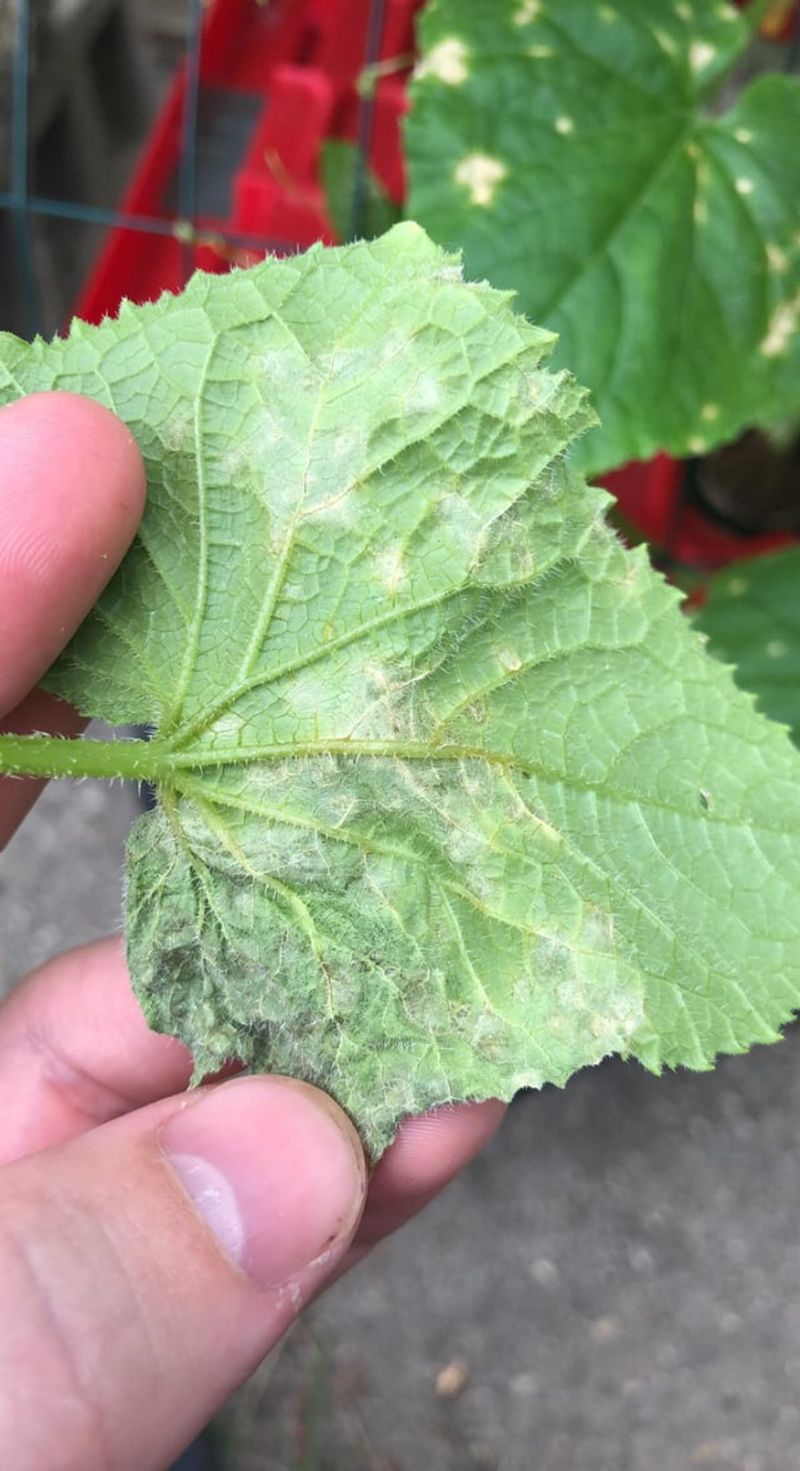
Symptoms start as pale yellow or light green angular spots on the upper sides of leaves.
Your Georgia Garden Changes Every Week. Your Plan Should Too.
Gardening in Georgia changes quickly throughout the season. Every Friday you’ll receive a simple weekly plan showing exactly what to plant, prune, fertilize, harvest, and protect so you never miss the right timing.
Flip the leaf over and you may see a grayish-purple fuzzy growth on the underside. That fuzzy layer is where the spores live, ready to drift to the next plant on any breeze.
Infected leaves eventually turn brown and crispy, reducing the plant’s ability to photosynthesize and produce fruit.
Scout your cucurbit patch at least twice a week once July arrives.
Catching downy mildew early gives you the best chance of slowing it down. Fungicide applications with active ingredients like chlorothalonil or copper-based products can help protect healthy tissue when applied on a regular schedule.
Crop rotation is essential since the pathogen can persist in plant debris. Pull out infected plants and do not compost them.
Resistant cucumber and squash varieties are available and worth considering for next season, and your local Extension agent can recommend varieties that perform well under Georgia’s specific summer pressure.
3. Early Blight Spots Tomato Leaves
Almost every tomato grower in Georgia eventually meets early blight, and the first encounter is rarely forgotten.
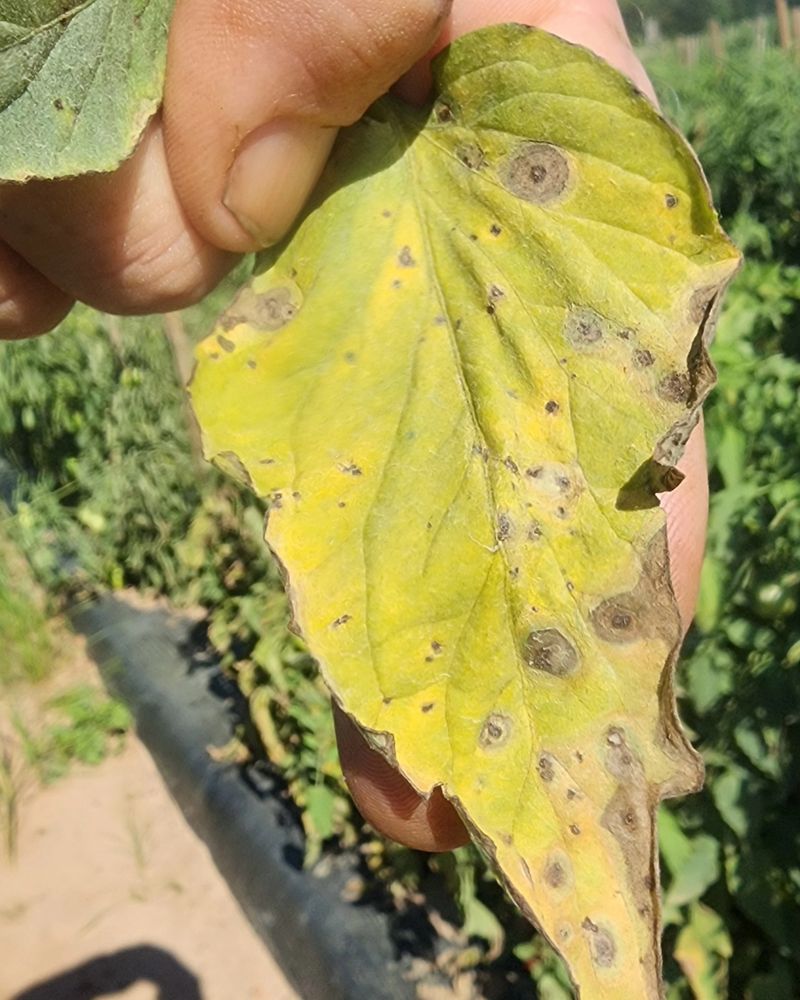
It starts quietly at the bottom of the plant. The lowest, oldest leaves develop small dark brown spots, each one surrounded by a yellow halo.
Look closely and you will notice the spots have a target-like pattern of concentric rings, almost like tiny bullseyes printed on the leaf surface. That pattern is the calling card of Alternaria solani, the fungus behind early blight.
Warm temperatures between 75 and 85 degrees combined with periods of leaf wetness from rain, dew, or overhead irrigation create ideal conditions for this disease to spread upward through the plant.
Spores splash from the soil and lower leaves onto healthy tissue above. Without intervention, early blight can strip a tomato plant of most of its foliage by midsummer, long before the last fruits are ready to harvest.
Sanitation is the cornerstone of early blight management.
Remove infected lower leaves as soon as you spot them and place them in a sealed bag, not the compost bin. Mulch around the base of plants to reduce soil splash during watering.
Water at the base of the plant using drip irrigation whenever possible.
Rotate your tomato planting location each year, since the fungus overwinters in old plant debris.
Copper-based or chlorothalonil fungicides applied on a seven to ten day schedule can protect healthy foliage. Reach out to your county Extension office for specific product recommendations suited to your situation.
4. Southern Blight Attacks Soil Lines
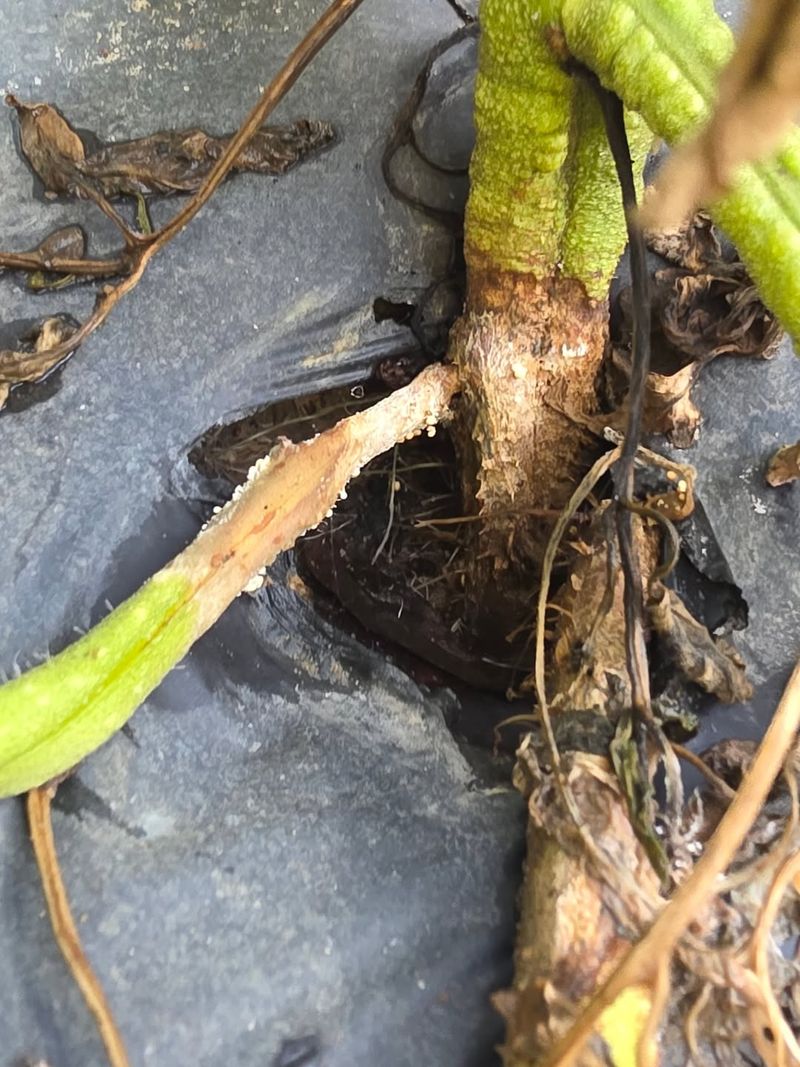
Few garden diseases are as dramatic or as stubborn as Southern blight.
One day a plant looks perfectly healthy. A few days later, it wilts suddenly and completely, even when the soil has plenty of moisture.
Check the stem right at the soil line and you will find the real story: a white, cottony, web-like growth wrapping around the crown of the plant.
Tiny round structures that look like mustard seeds, called sclerotia, often dot the white mycelium and surrounding soil.
Sclerotium rolfsii, the pathogen behind Southern blight, can survive in Georgia soil for years.
The disease is most aggressive when soil temperatures climb above 85 degrees and rainfall or irrigation keeps the ground consistently moist.
Peppers, tomatoes, beans, and many ornamental plants are all vulnerable. The pathogen attacks the crown, cutting off the flow of water and nutrients to the rest of the plant.
Managing Southern blight starts with cultural practices.
Avoid planting susceptible crops in the same spot year after year. Deep tillage in fall can bury sclerotia below the zone where they cause harm, though this is not a perfect fix.
Keep mulch pulled back slightly from plant stems to reduce moisture at the crown.
Once a plant shows symptoms, remove it promptly along with the surrounding soil. Solarizing the soil using clear plastic during the hottest weeks of summer can reduce pathogen populations significantly.
Talk to your Extension agent about additional management tools available for serious infestations.
5. Anthracnose Marks Fruit And Foliage
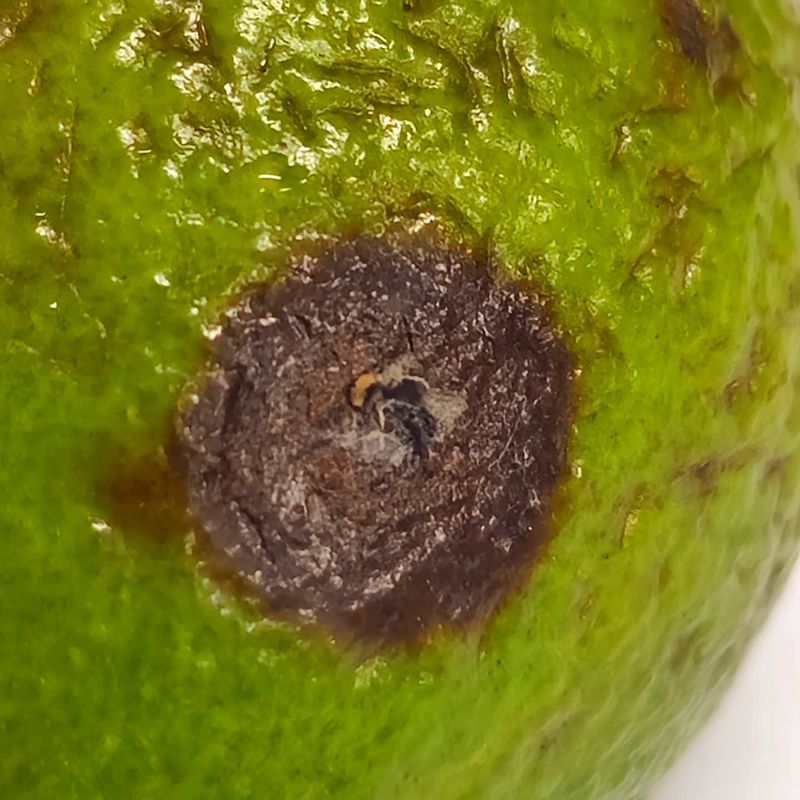
Spotting a perfectly ripe tomato with dark, sunken craters on its skin is one of the most frustrating moments in vegetable gardening.
Anthracnose is usually the culprit, and it has a talent for striking at the worst possible time, right when fruit is mature and ready to pick.
The disease, caused by Colletotrichum species, does not just target tomatoes. It also shows up on peppers, beans, cucumbers, and several ornamental plants.
On leaves, anthracnose produces irregular brown or black spots that may have lighter centers.
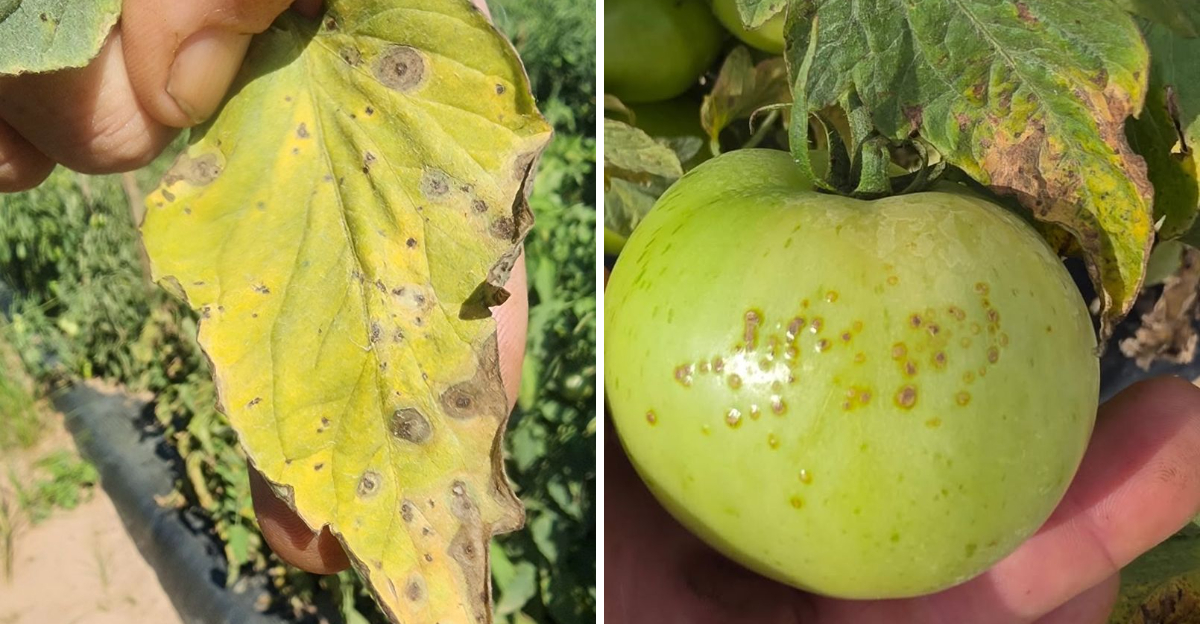
On stems, it creates dark, elongated cankers. On fruit, the signature symptom is a round, sunken spot that gradually enlarges and turns darker.
In humid conditions, you may see salmon-colored spore masses in the center of fruit lesions. Georgia summers, with their combination of heat, afternoon thunderstorms, and high humidity, are practically tailor-made for anthracnose outbreaks.
Spores spread through splashing rain and irrigation water, making overhead watering a risk factor.
Switching to drip irrigation reduces splash dramatically. Harvest fruit promptly when ripe, since overripe fruit is more susceptible. Remove and bag infected plant material immediately.
Rotate crops each season and avoid working in the garden when plants are wet.
Fungicide programs using chlorothalonil or copper products, applied preventively before symptoms appear, offer the best protection. Your local Extension office can help you build a spray schedule that fits your specific crop rotation.
6. Bacterial Spot Spreads In Wet Weather
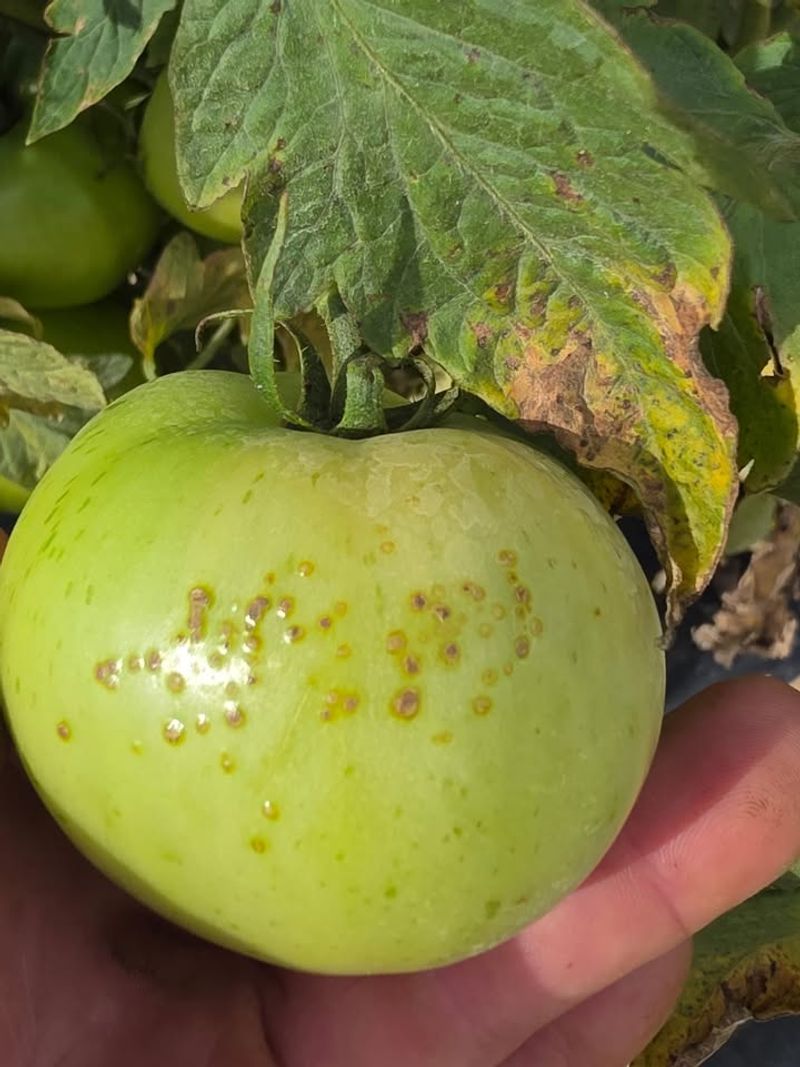
Rain is a gardener’s best friend most of the time, but during a Georgia summer, a stretch of stormy afternoons can set the stage for bacterial spot to tear through a tomato or pepper planting in a matter of days.
Caused by Xanthomonas bacteria, bacterial spot is one of the most common and damaging diseases on these crops across the Southeast.
It spreads rapidly when rain, wind, and splashing water carry bacteria from infected tissue to healthy leaves and fruit.
Symptoms on leaves begin as small, water-soaked spots that quickly turn dark brown or black with a yellow border.
On fruit, the spots are slightly raised at first, then become rough, scabby, and sunken as the disease progresses.
Heavily infected leaves may yellow and drop, leaving plants exposed to sunscald. Transplants brought in from outside can carry the bacteria without showing obvious symptoms.
Copper-based bactericides are the primary management tool for bacterial spot, but timing matters enormously.
Applications need to begin before infection takes hold, especially ahead of predicted rainy periods. Repeat applications on a seven to ten day schedule during wet weather.
Avoid working among plants when foliage is wet, since tools and hands can move bacteria efficiently from plant to plant.
Rotate tomatoes and peppers to a new bed each season, and remove plant debris thoroughly at the end of the growing season.
Resistant varieties exist and are worth seeking out at your local garden center or through seed catalogs.
7. Root Rot Builds In Soggy Beds
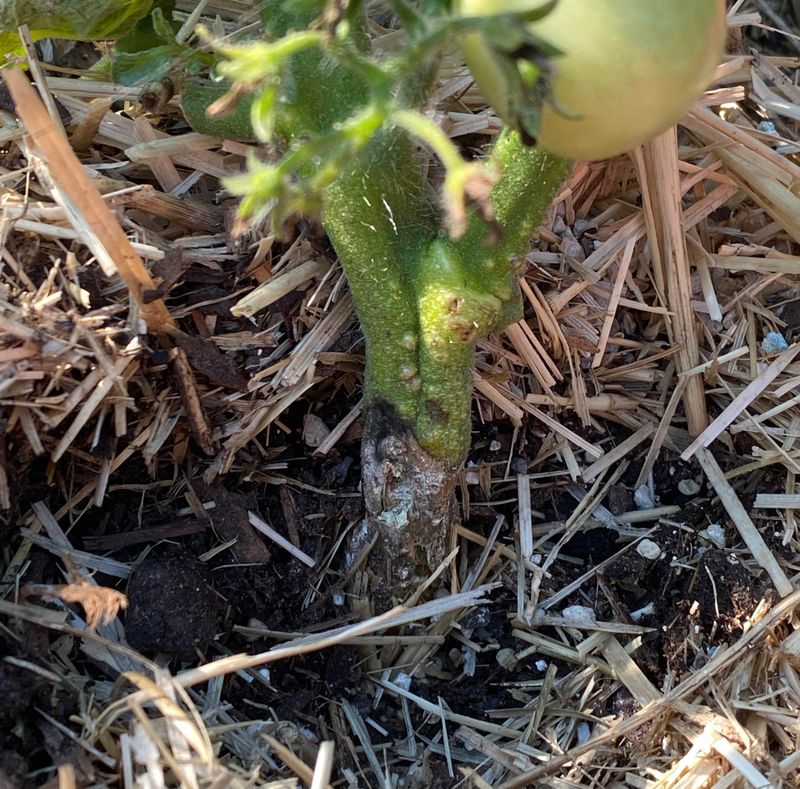
Soggy soil is a slow trap. It looks harmless from above, but below the surface, roots sitting in waterlogged conditions start to break down quickly.
Several different pathogens, including Pythium and Phytophthora species, thrive in saturated soil and attack root systems that are already stressed by lack of oxygen.
Root rot does not announce itself loudly. Plants simply begin to look tired, yellowing from the bottom up, wilting even when the soil feels wet, and growing more slowly than they should.
Pull a struggling plant from waterlogged soil and the roots often tell the real story: brown, mushy, and shortened instead of white, firm, and branching.
Georgia’s heavy clay soils are particularly prone to poor drainage, especially in low spots where water pools after summer rains.
Raised beds and containers with good drainage holes go a long way toward preventing root rot before it starts.
Amending heavy clay soil with compost and coarse material improves drainage over time.
Avoid watering on a fixed schedule regardless of conditions. Instead, check soil moisture a few inches deep before irrigating. Installing raised beds at least eight to twelve inches tall gives roots room to grow in well-drained soil.
If root rot is already present, improving drainage and reducing irrigation are the first steps.
Biological fungicides containing Trichoderma species can help suppress Pythium in some situations. Severely affected plants should be removed to prevent the pathogen from spreading.
8. Rust Shows Up On Stressed Plants
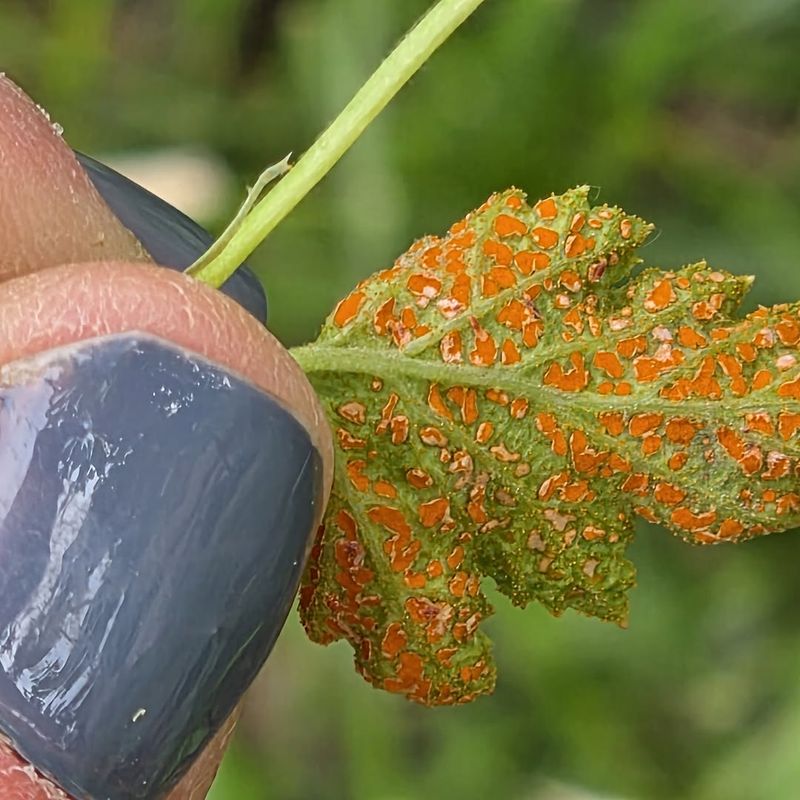
Rust diseases have a flair for the dramatic.
Flip over a leaf on an asparagus, bean, or ornamental plant that has been struggling through a hot, dry stretch, and you might find the underside covered in vivid orange or rust-colored powdery pustules.
The color is almost too bright to be real, but it is the unmistakable signature of rust fungi, a large group of pathogens that target a wide range of plants across Georgia.
Plant stress makes rust infections worse.
When plants are pushed to their limits by drought, compacted soil, nutrient deficiencies, or extreme heat, their natural defenses weaken.
Rust fungi move in and establish faster on stressed tissue than on healthy, vigorous plants. Spores spread through the air and can travel impressive distances on the wind, making it easy for new infections to appear even in well-managed gardens.
Keeping plants healthy and stress-free is the most powerful rust prevention strategy available.
Water consistently, fertilize based on soil test results, and make sure plants have room to breathe with adequate spacing. Remove infected leaves and dispose of them in sealed bags rather than the compost pile.
Fungicides containing myclobutanil, sulfur, or trifloxystrobin can protect healthy tissue when applied early in an outbreak.
Always scout the undersides of leaves during your regular garden walkthroughs since that is where rust pustules appear first, and your local Extension office can confirm the specific pathogen affecting your plants.