9 Georgia Native Plants That Grow Fast In Early Spring
Early spring in Georgia moves fast, and the landscape can shift from bare to full in what feels like a few warm afternoons.
Native plants are often the first to respond, pushing fresh growth quickly because they are built for local soil, rainfall, and temperature swings.
While many garden varieties struggle to wake up evenly, these homegrown species surge ahead and begin filling beds with real presence. Early growth matters if you want your yard to look alive before the rest of the season unfolds.
Fast moving native plants give you a head start, covering open space, building structure, and bringing energy back into the landscape right as spring begins to take hold.
1. Lyreleaf Sage Wakes Up Fast As Soil Warms
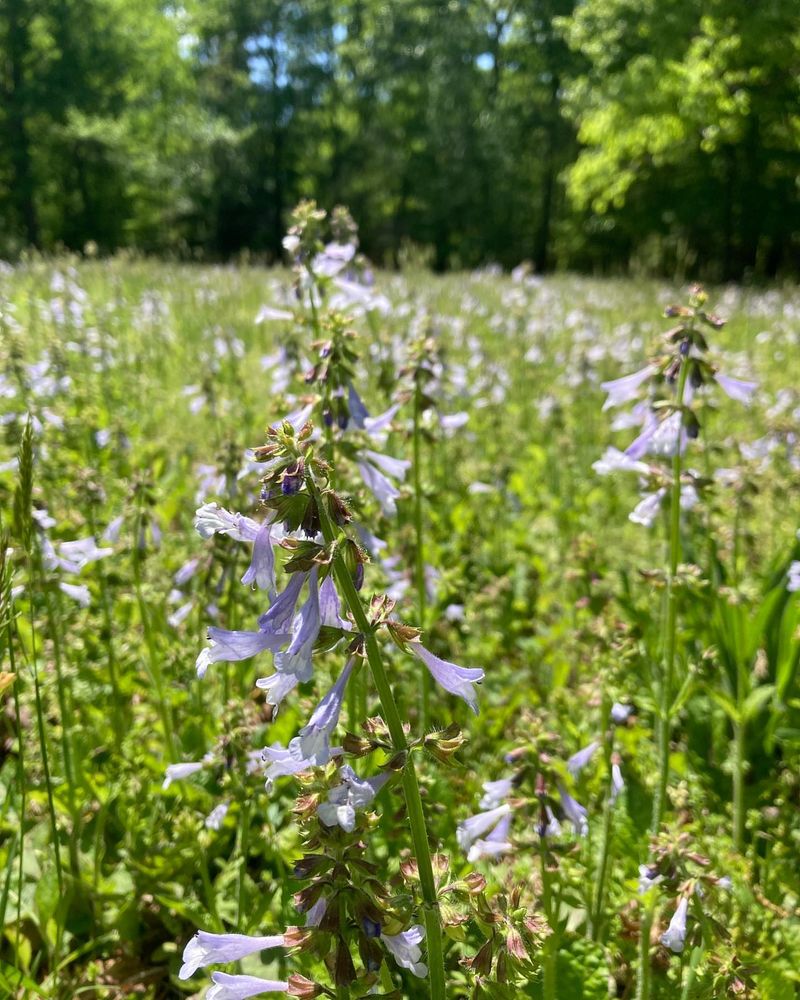
Lyreleaf sage doesn’t mess around when March temperatures start climbing. You’ll see the first rosettes of crinkled leaves spreading flat against the ground, and within days those tall flower stalks shoot up like they’ve been waiting all winter for permission.
The blooms are a soft purple-blue that stands out against bare soil or mulch, and bees find them almost immediately.
This plant does well in part shade or full sun across Georgia, from the mountains down to the coastal plain. It reseeds freely, so if you like it in one spot, you’ll probably see seedlings nearby the following year.
The foliage has a slight minty smell when you brush against it, and deer tend to leave it alone.
Lyreleaf sage doesn’t need rich soil or regular watering once it gets going. It thrives in average garden dirt and handles dry spells without wilting.
If you want a plant that fills in fast and keeps blooming into late spring, this one delivers without any extra effort on your part. Just give it space and let it do its thing.
It also works well along borders and under taller shrubs where early color is needed. A quick trim after the main bloom cycle can encourage a lighter second flush of flowers.
In Georgia gardens, it settles in easily and starts looking like it has always been there.
2. Eastern Red Columbine Fills Out Before Heat Arrives
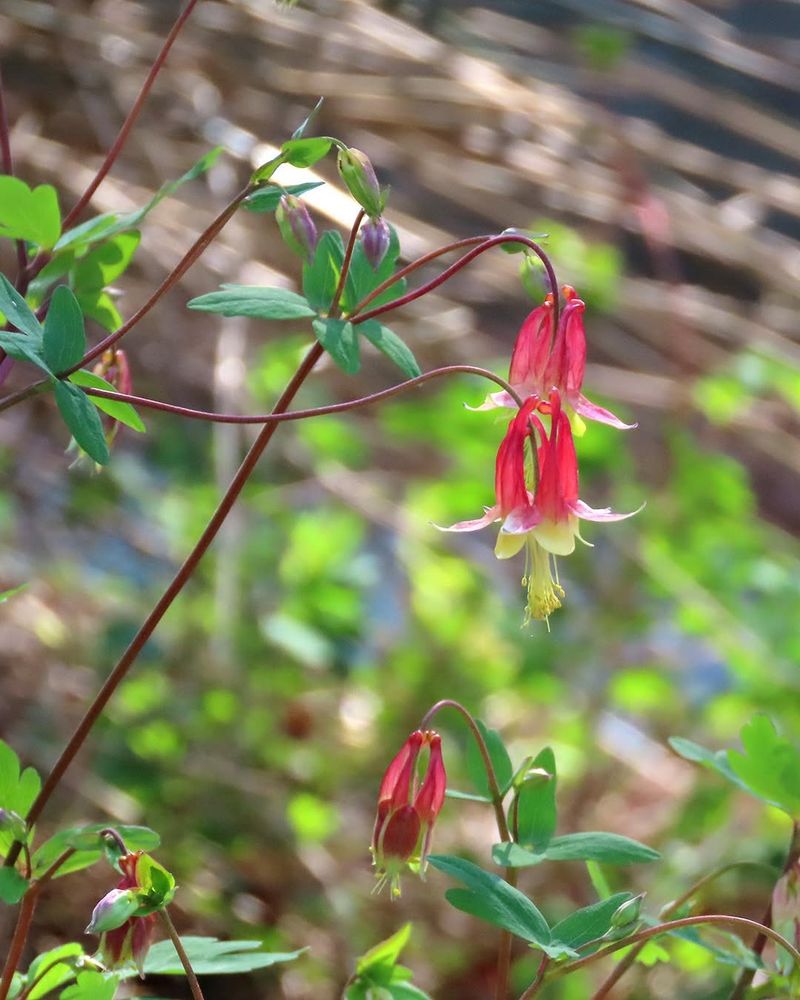
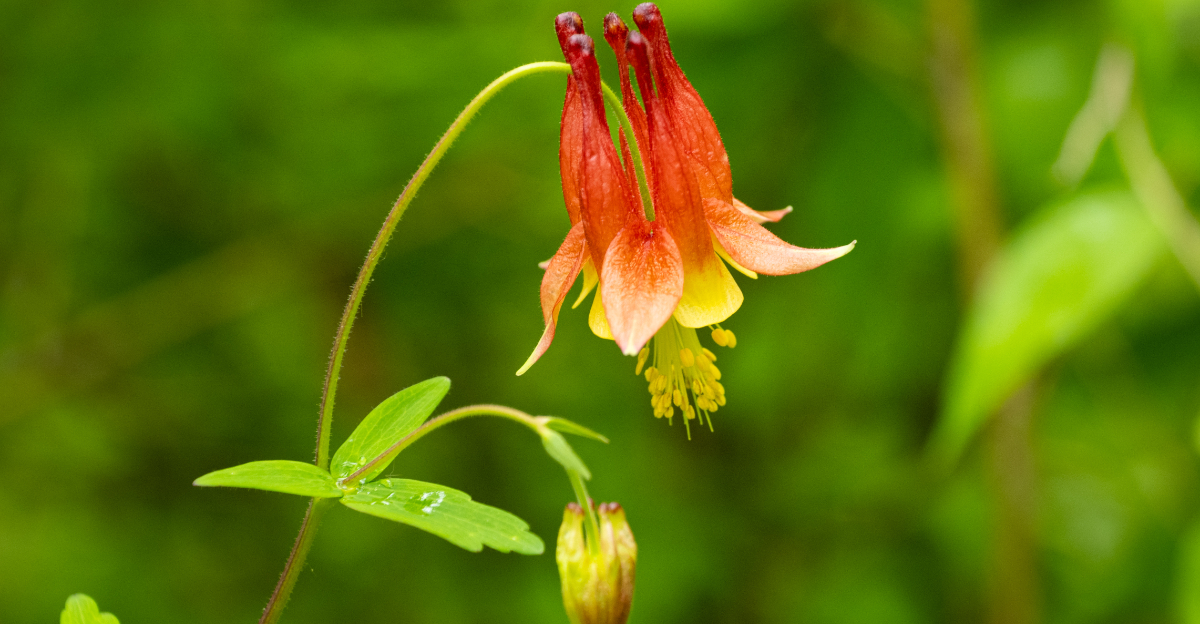
Hummingbirds show up in Georgia right when Eastern red columbine starts blooming, and that’s no accident. The dangling red and yellow flowers are perfectly shaped for their long beaks, and the plants put on a show from late March through May.
The foliage comes up first, looking almost fern-like with its soft, rounded leaflets that catch morning dew.
Columbine prefers some shade, especially in the afternoon when Georgia sun gets intense. It does best under trees or along the north side of a house where it gets dappled light.
The roots like cool, moist soil but won’t tolerate standing water. If you plant it in the right spot, it’ll self-seed and come back stronger each year.
Growth happens fast once the soil warms past fifty degrees. You’ll go from bare ground to full flowering plants in about six weeks.
Your Georgia Garden Changes Every Week. Your Plan Should Too.
Gardening in Georgia changes quickly throughout the season. Every Friday you’ll receive a simple weekly plan showing exactly what to plant, prune, fertilize, harvest, and protect so you never miss the right timing.
The blooms last a good month, and even after they fade, the lacy foliage stays attractive through early summer. Columbine doesn’t need deadheading or special care.
Just let the seeds drop and you’ll have more plants next spring.
It blends beautifully with ferns, hostas, and other shade-loving perennials in Georgia gardens. The nodding flowers move gently in spring breezes, adding motion as well as color.
Once established, it settles into the landscape and returns each year with very little attention.
3. Golden Alexander Forms Full Clumps By Mid Spring
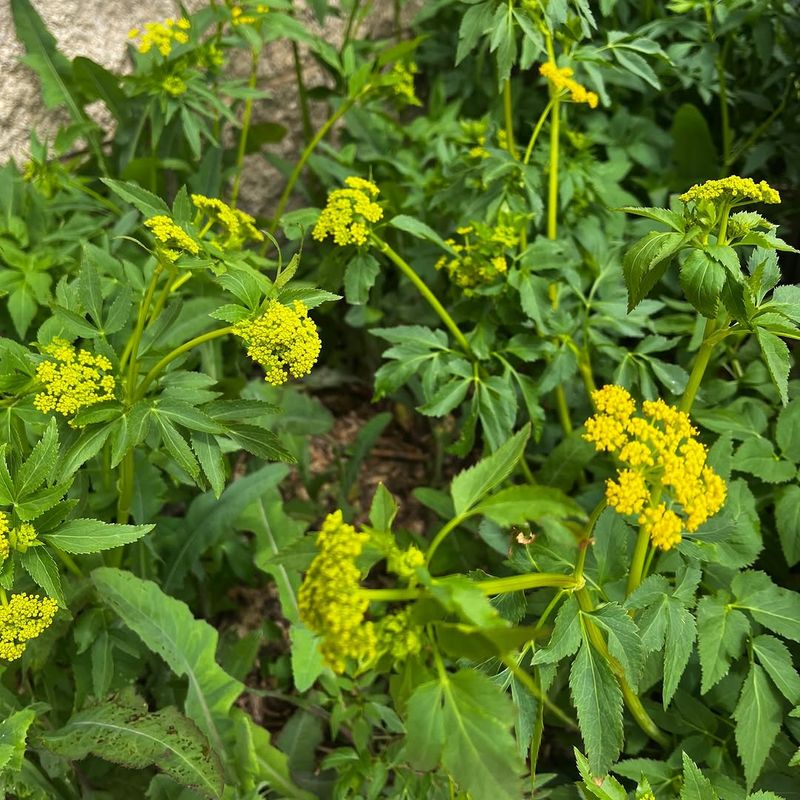
Golden alexander pushes up fast and fills out into dense clumps before most other perennials even wake up. The flat-topped yellow flower clusters look like miniature umbrellas and attract all kinds of beneficial insects, including black swallowtail butterflies that lay eggs on the foliage.
By April, you’ll have plants standing two feet tall and covered in bright yellow blooms.
This plant handles full sun to part shade and grows all over Georgia in meadows, woodland edges, and roadside ditches. It’s not picky about soil type as long as drainage is decent.
Golden alexander spreads slowly from the roots, forming neat clumps that don’t overtake other plants. It pairs well with grasses and other wildflowers in naturalized areas.
Once flowering finishes in late May, the foliage stays green and tidy through summer. You can cut it back if it starts looking ragged, but it usually holds up fine on its own.
Golden alexander doesn’t need fertilizer or regular watering after the first season. It’s one of those plants you put in the ground and forget about, except when you notice all the pollinators visiting it every spring.
It also serves as an important host plant for swallowtail caterpillars, supporting the full life cycle right in your yard. In Georgia landscapes, it brings early structure and color before summer perennials take over.
Given a little room to settle in, it becomes a reliable spring highlight year after year.
4. Purple Coneflower Sends Up Strong New Shoots Early
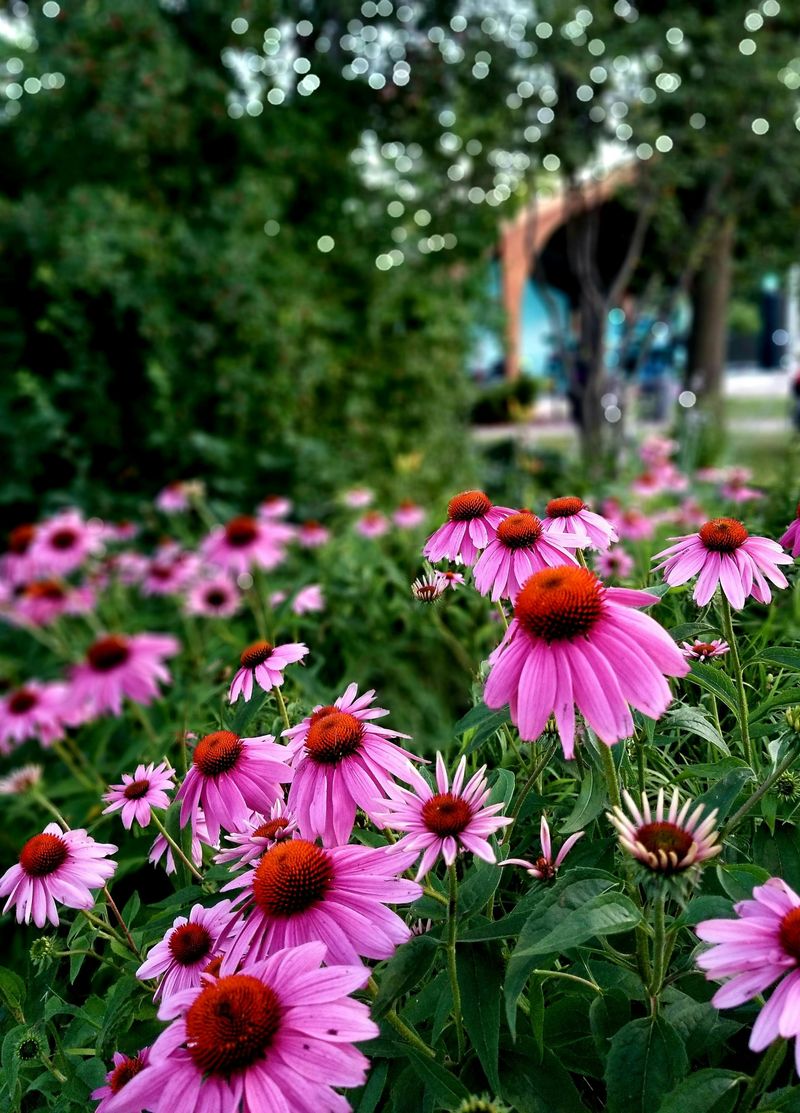
Purple coneflower is usually thought of as a summer bloomer, but the real action starts in early spring when those thick green shoots break through the soil. By late March, you’ll see sturdy stems and rough-textured leaves forming tight clusters that grow taller every day.
The plants bulk up fast and get ready to bloom by June.
Coneflowers grow best in full sun across Georgia, though they’ll tolerate a bit of afternoon shade in the southern part of the state. They’re not fussy about soil and actually do better in average to lean ground than in rich, amended beds.
Too much fertility makes them flop over. They handle drought well once the roots establish, and they don’t attract many pests.
The early spring growth is impressive. Shoots that start out six inches tall in March can reach two feet by mid-April.
This fast start gives the plants plenty of time to develop strong root systems before summer heat kicks in. Purple coneflower also reseeds moderately, so you’ll get new plants popping up nearby.
Goldfinches love the seed heads in fall, so leave them standing instead of cutting everything back.
5. Blackeyed Susan Establishes Quickly In Sunny Beds
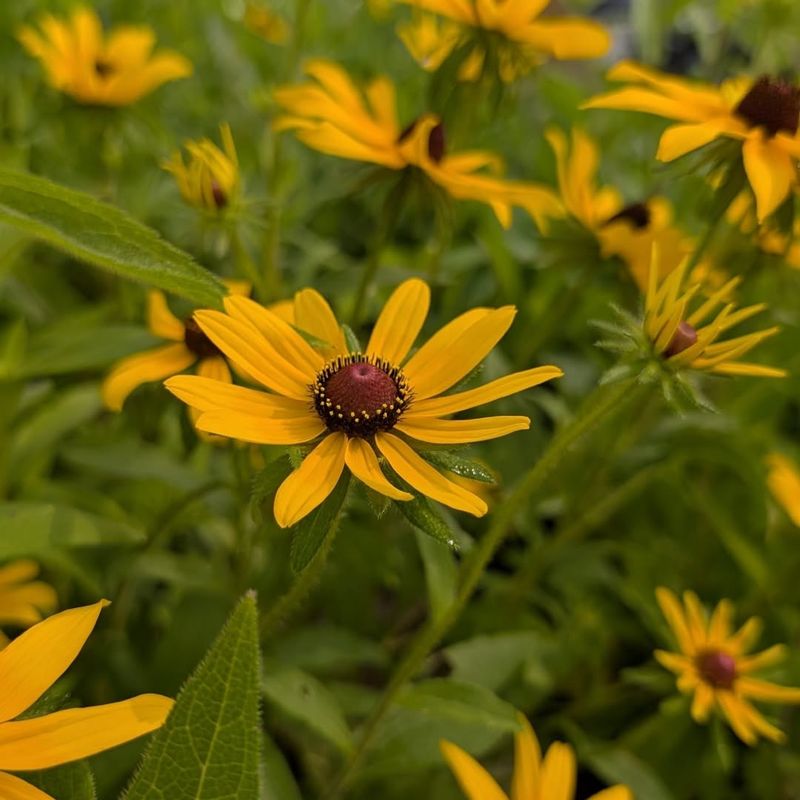
Blackeyed susan is a workhorse that gets going early and doesn’t quit until frost. The basal rosettes start forming in late winter, and by April you’ve got bushy plants with hairy leaves that feel rough to the touch.
They grow fast in full sun and aren’t bothered by Georgia’s unpredictable spring weather, including late cold snaps or sudden heat waves.
This plant thrives in poor to average soil and actually struggles in overly rich beds where it gets leggy and weak-stemmed. It needs good drainage but handles clay soil better than most wildflowers.
Blackeyed susan reseeds aggressively, so if you don’t want it spreading, deadhead the flowers before they go to seed. Otherwise, expect volunteers everywhere next year.
The bright yellow blooms with dark centers show up in late May and keep coming through summer. Bees, butterflies, and other pollinators visit constantly, and goldfinches eat the seeds in fall.
Blackeyed susan is one of the easiest natives to grow in Georgia because it tolerates neglect, poor soil, and drought. Just plant it in a sunny spot, water it once or twice the first month, and step back.
6. Lanceleaf Coreopsis Brings Early Color Without Delay
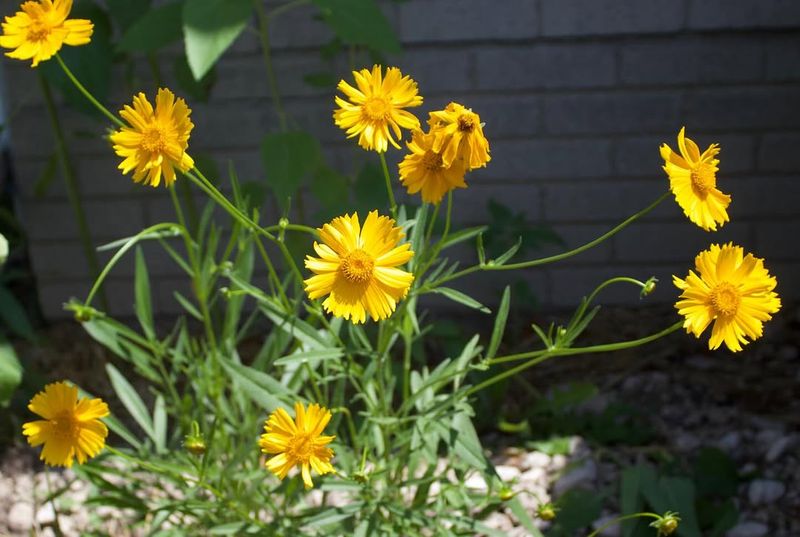
Lanceleaf coreopsis is one of the first natives to bloom in Georgia, often showing color by late March if the weather cooperates. The narrow leaves come up in tight clumps, and the wiry flower stems shoot up fast, topped with cheerful yellow daisies that sway in the breeze.
It’s a reliable bloomer that doesn’t take breaks once it gets started.
Full sun is a must for lanceleaf coreopsis. It won’t bloom well in shade, and the stems get floppy if they don’t get at least six hours of direct light.
It grows in almost any soil type, from sand to clay, and handles dry conditions better than wet. Overwatering causes root rot, so plant it in a spot with good drainage.
The fast growth in early spring gives you color when the garden is still waking up. Lanceleaf coreopsis blooms heavily for about a month, then puts out scattered flowers through summer if you deadhead.
It reseeds moderately, so you’ll get new plants without the garden turning into a coreopsis jungle. This one is perfect for meadows, roadside plantings, or anywhere you want low-maintenance color that shows up early and sticks around.
7. Bee Balm Spreads Rapidly With Rising Temperatures
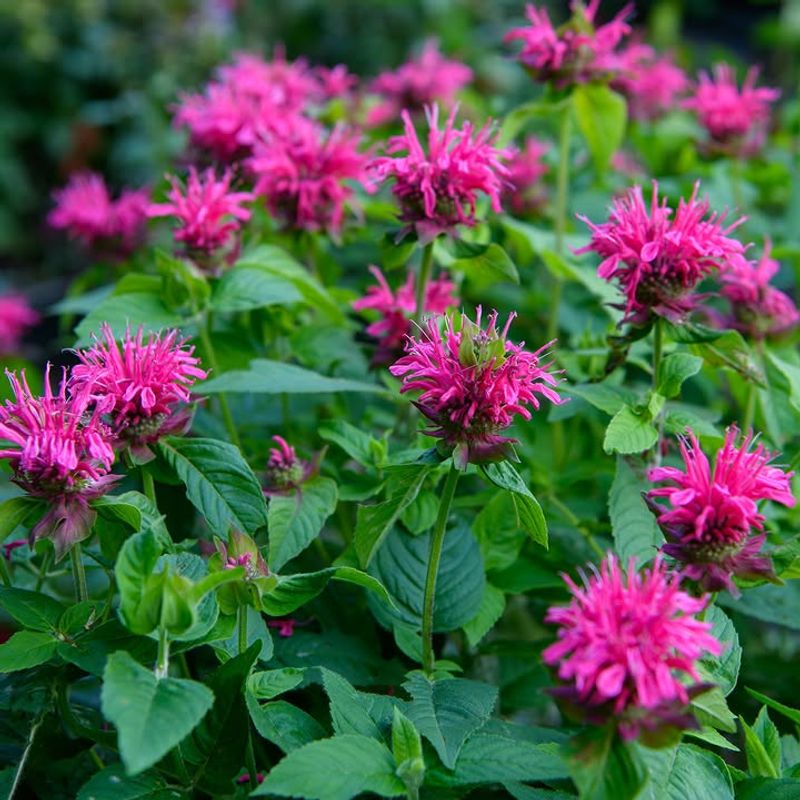
Bee balm doesn’t wait for an invitation. Once soil temperatures hit sixty degrees, the shoots come up fast and spread outward through underground runners.
You’ll go from a small clump to a wide patch in one season if conditions are right. The square stems and minty-scented leaves are easy to identify, and the tubular flowers attract hummingbirds, bees, and butterflies by the dozen.
This plant does best in part shade to full sun in Georgia, especially in areas with afternoon shade during July and August. It likes consistent moisture but won’t tolerate soggy soil.
Bee balm spreads aggressively, so plant it where it has room to roam or be prepared to dig out extras every year. It’s great for naturalizing along woodland edges or in meadow gardens.
The rapid spring growth makes bee balm useful for filling in bare spots quickly. By late May, you’ll have dense foliage and the first flower buds forming.
Blooms last several weeks, and deadheading encourages more flowers. Bee balm can get powdery mildew in humid conditions, but wild varieties grown in Georgia tend to resist it better than fancy cultivars.
Let it spread where you want color and pollinator activity without much effort.
8. Oakleaf Hydrangea Pushes Bold Foliage In Early Spring
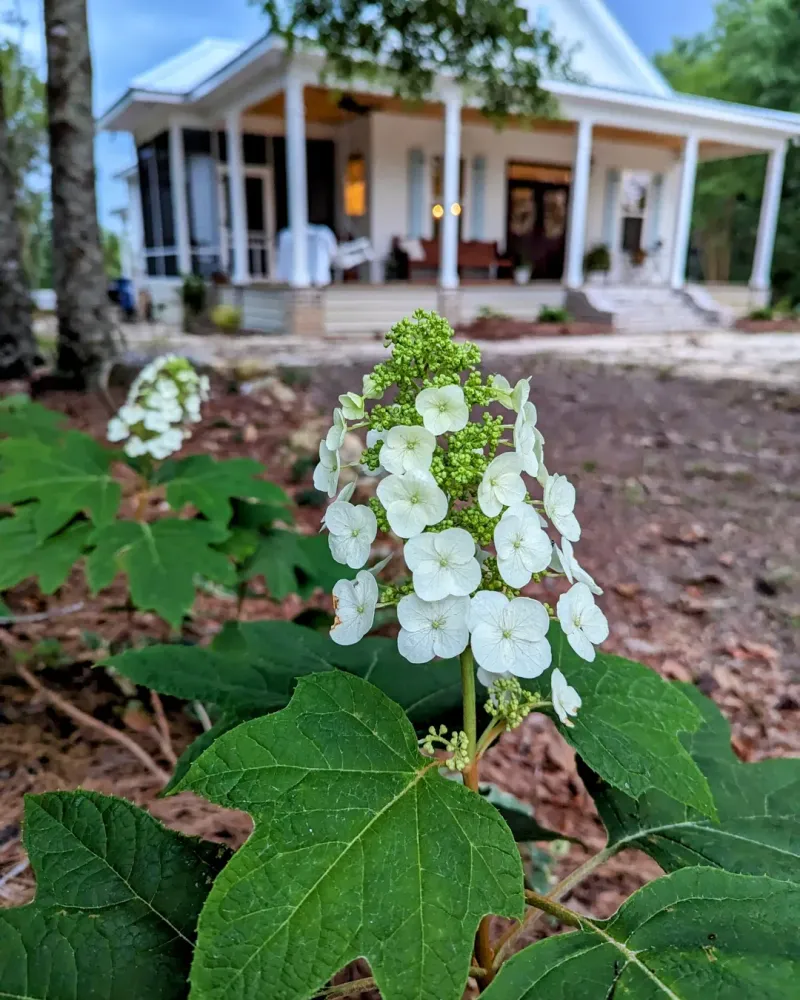
Oakleaf hydrangea is a shrub, not a perennial, but it leafs out so fast in early spring that it deserves mention. The large, lobed leaves unfold quickly once temperatures stay above fifty degrees at night, and by mid-April you’ve got a full, lush shrub that looks like it’s been growing all year.
The foliage has a bold texture that stands out in shady spots.
This native shrub grows throughout Georgia in woodland settings, preferring part to full shade. It tolerates some sun but looks best with protection from hot afternoon rays.
Oakleaf hydrangea likes rich, well-drained soil with plenty of organic matter. It doesn’t need much water once the roots establish, and it handles Georgia summers without wilting or burning.
The early spring growth is impressive. Bare branches go from dormant to fully leafed out in about three weeks.
White flower clusters appear in late May and age to pink, then tan, staying on the plant through summer. Fall color is excellent, with leaves turning deep red and burgundy.
Oakleaf hydrangea doesn’t need pruning unless you want to shape it, and it doesn’t suffer from many pests or diseases. Plant it where you need quick, bold foliage in a shady spot.
9. Virginia Bluebells Emerge Quickly In Cool Woodland Soil
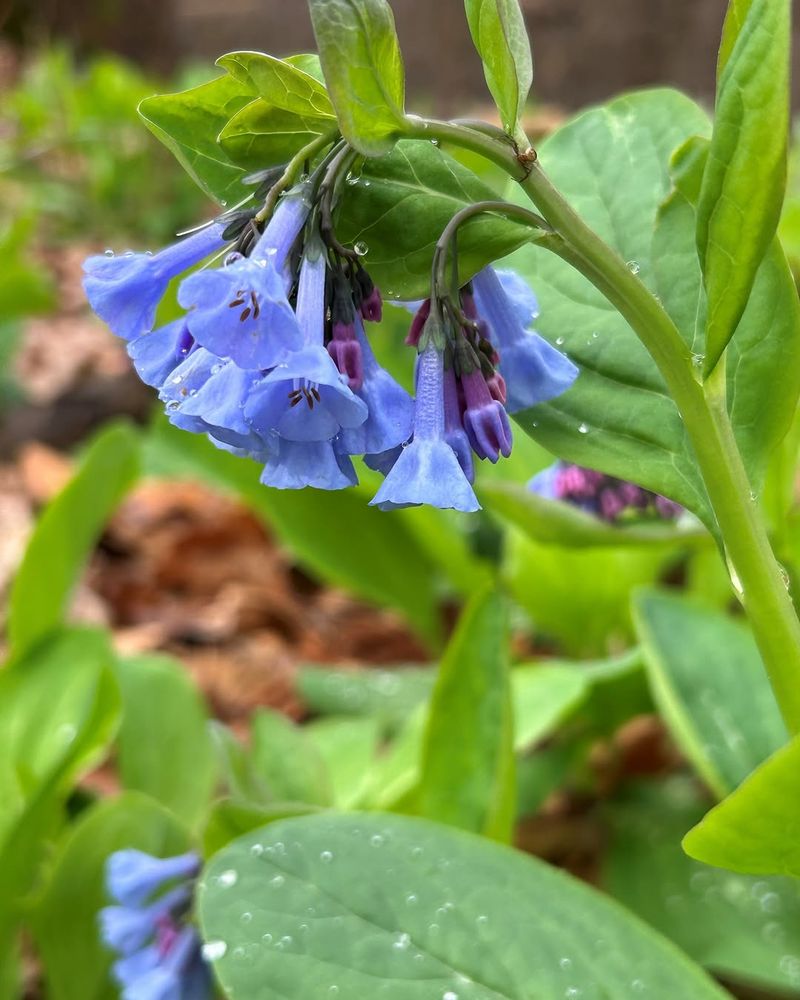
Virginia bluebells are spring ephemerals, meaning they show up fast, bloom, set seed, and disappear by early summer. The shoots come up in late February or early March in Georgia, and within weeks you’ve got plants covered in pink buds that open to sky-blue flowers.
The show is brief but spectacular, and the plants naturalize beautifully under deciduous trees.
Bluebells need shade and cool, moist soil to thrive. They grow best in woodland settings where the ground stays damp in spring but dries out a bit in summer after the foliage goes dormant.
They don’t tolerate full sun or dry soil. In Georgia, plant them under oaks, maples, or other trees that leaf out late, giving the bluebells plenty of light while they’re actively growing.
The rapid emergence and bloom cycle make Virginia bluebells perfect for early spring interest. By the time the flowers fade in late April, other plants are filling in and covering the bare spots left behind.
Bluebells spread slowly from seed and self-sow in favorable conditions. They don’t need fertilizer or special care.
Just plant them in the right spot and let them do their thing every spring.