Georgia Native Plants To Replace Crape Myrtles Along Fence Lines And Driveways
Changing the look of a yard sounds exciting until it is time to decide what should replace an old favorite. That is when the second guessing begins.
You want something that looks beautiful, fits the space, and still feels like the right choice years from now. Settling for the first plant you see rarely works out the way you hoped.
Some replacements look impressive at first but become disappointing as time goes on. Finding one that truly belongs in the landscape is often worth the extra effort.
Fence lines and driveways deserve plants that can handle those conditions without constant attention. Native species offer that balance of beauty and reliability.
Georgia has many excellent choices that can fill those spaces while bringing a more natural look that lasts season after season.
1. Sweetbay Magnolia Adds Fragrant White Flowers
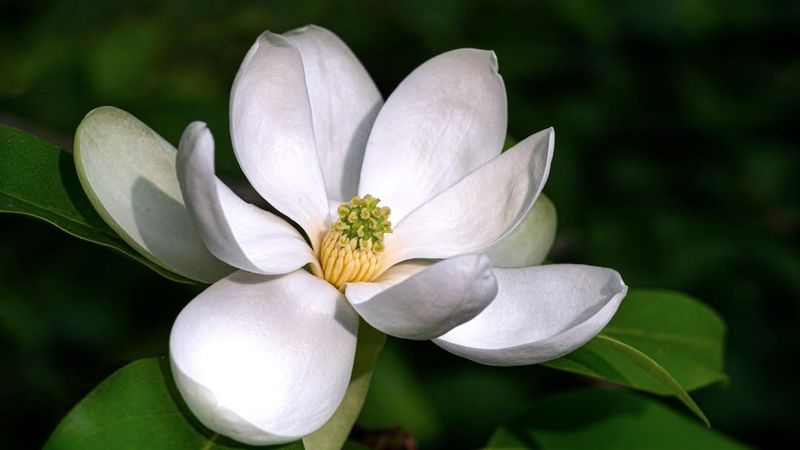
Few plants stop people in their tracks like a Sweetbay Magnolia in full bloom. Those creamy white flowers carry a light lemony scent that drifts across the yard on warm evenings.
Planted along a fence line, it creates a soft, layered look that changes with every season.
Sweetbay Magnolia grows naturally in moist, low-lying areas across the coastal plain and piedmont regions. It handles wet spots better than most ornamental trees, making it a solid pick for drainage areas near driveways.
Mature height ranges from 10 to 20 feet depending on conditions.
Semi-evergreen in warmer zones, it holds its leaves through most of the winter in mild years. Birds use the red berries that appear in late summer, which adds wildlife value beyond just the looks.
Planting in partial shade to full sun both work reasonably well.
Spacing plants about 10 feet apart along a fence gives each one room to develop naturally. Pruning is rarely needed unless you want to shape it.
Young trees may take two to three years before flowering heavily, so patience pays off. Mulching around the base helps retain moisture during dry spells.
Water deeply during extended dry periods, especially while the tree is becoming established.
Avoid planting it in dry, sandy soil unless you can provide regular supplemental irrigation.
2. American Fringe Tree Creates A Cloud Of Spring Blooms
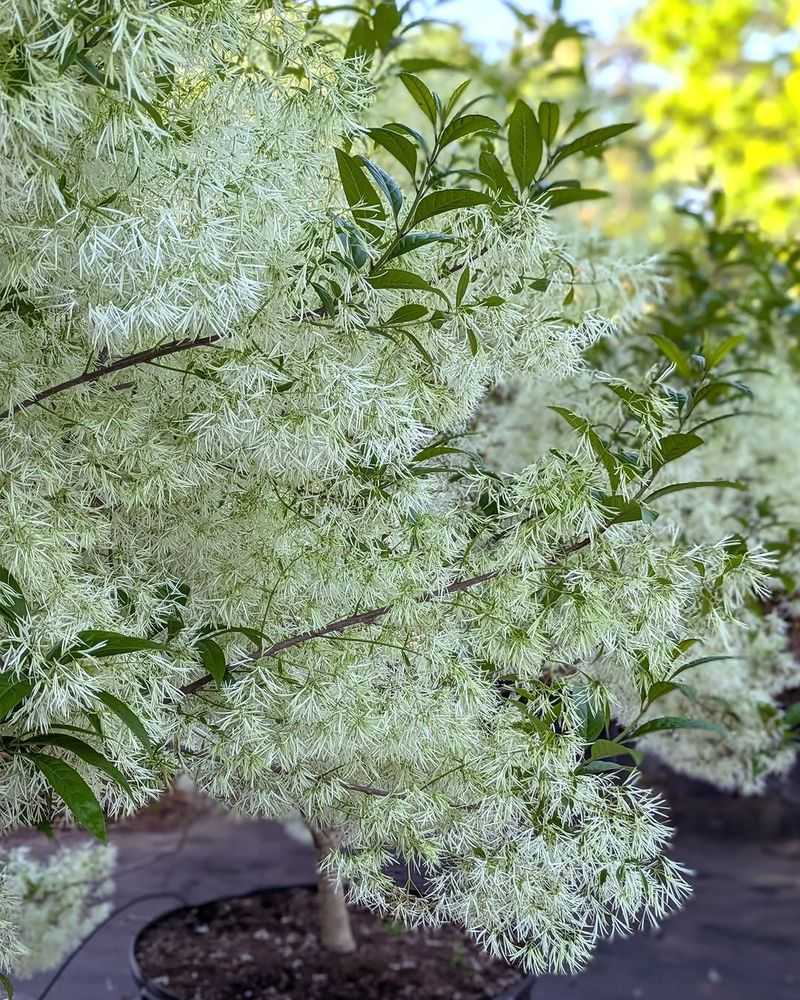
Watching an American Fringe Tree bloom for the first time is genuinely surprising. Clouds of wispy white flowers cover the branches before the leaves fully open, creating a ghostly, beautiful display in early spring.
It earns its common name completely.
Native across the Eastern United States, this small tree or large shrub adapts well to a range of soil types. Along driveways, it works well as a flowering accent at corners or spaced evenly for a repeating pattern.
Mature plants typically reach 12 to 20 feet in height.
Male plants tend to produce showier flower clusters, while female plants develop dark blue-purple fruits in late summer. Those fruits attract birds, especially mockingbirds and catbirds, which adds real value beyond aesthetics.
Planting a mix of male and female plants near each other can improve fruiting on female specimens.
Fringe tree prefers moist, well-drained soil and performs well in full sun to partial shade. It grows slowly, so placing it where it has room to mature without crowding is a smart move.
Your Georgia Garden Changes Every Week. Your Plan Should Too.
Gardening in Georgia changes quickly throughout the season. Every Friday you’ll receive a simple weekly plan showing exactly what to plant, prune, fertilize, harvest, and protect so you never miss the right timing.
Fall color can range from yellow to golden brown depending on the season. Low maintenance once established, it rarely needs fertilizer or heavy pruning to stay attractive.
Apply a layer of mulch around the base to help conserve soil moisture and reduce weed competition.
Water regularly during the first growing season to encourage a strong, healthy root system.
3. Wax Myrtle Forms A Dense Natural Screen
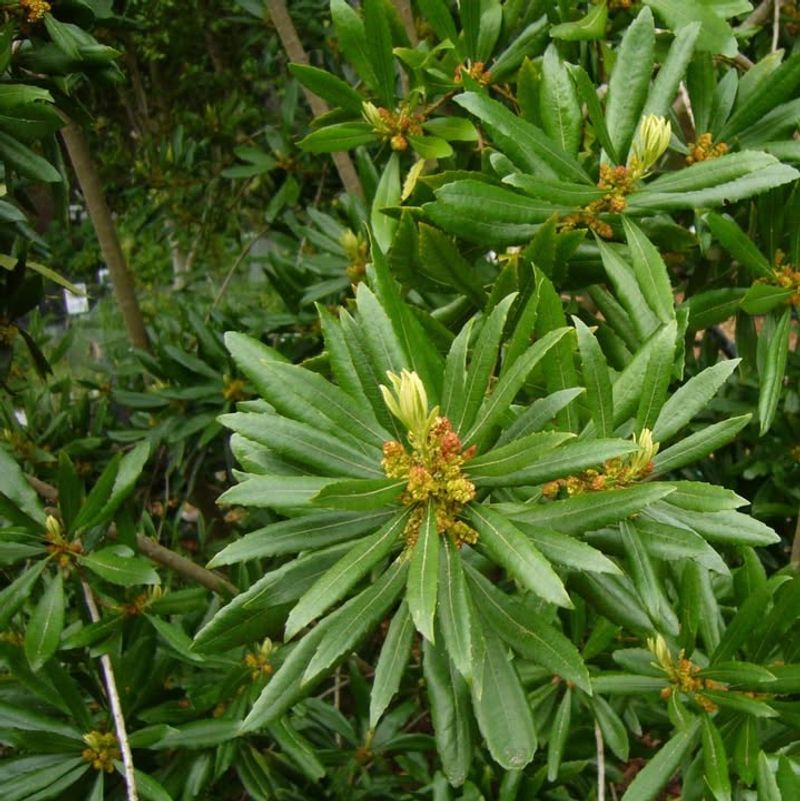
Want a fast-growing, evergreen screen that handles tough conditions without much fuss? Wax Myrtle is one of the most practical native shrubs for fence lines and driveway borders across the Southeast.
It grows quickly, stays dense, and tolerates a surprisingly wide range of soils.
Native to coastal and piedmont regions, Wax Myrtle handles wet spots, dry sandy soils, and even salt spray near coastal areas. It can reach 10 to 15 feet tall and wide if left unpruned, forming a solid visual barrier.
Regular trimming keeps it at whatever height works best for your space.
Small grayish-blue berries appear in clusters along the stems and persist through much of winter. Yellow-rumped Warblers in particular rely heavily on these berries during cold months.
Planting Wax Myrtle along a fence line essentially creates a winter bird feeding station.
Full sun to partial shade both work fine for this shrub. It fixes nitrogen in the soil through root associations, which can benefit neighboring plants over time.
Spacing plants about 6 to 8 feet apart creates a continuous hedge within two to three growing seasons. Pruning two to three times per year keeps the shape tidy.
Established plants handle drought reasonably well, though young shrubs benefit from supplemental watering during dry stretches.
Its aromatic foliage also helps give the landscape year-round texture and visual interest, even when little else is growing.
4. Chickasaw Plum Supports Pollinators And Wildlife
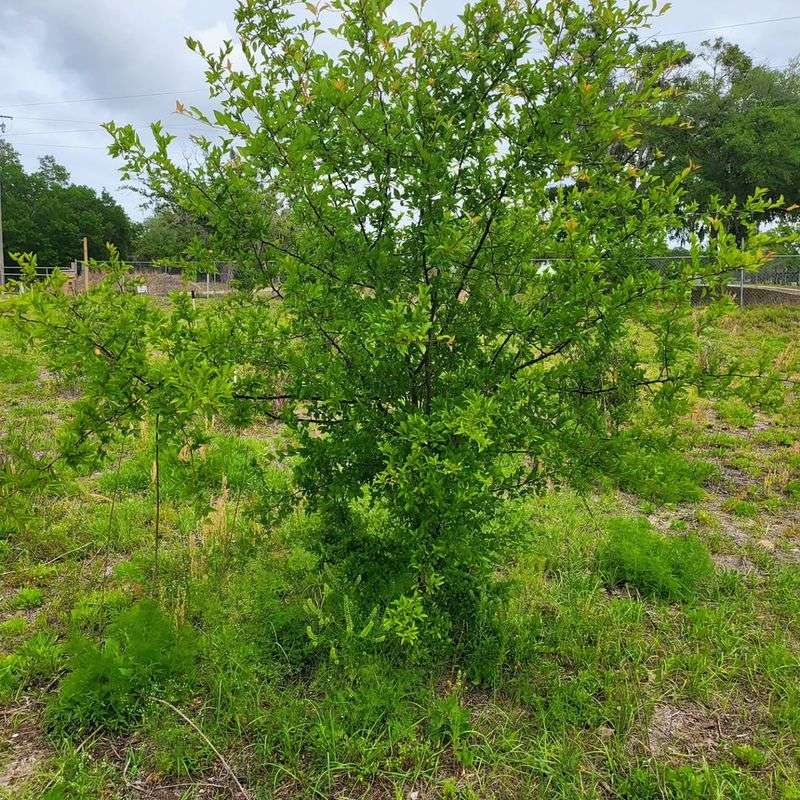
Bees arrive before the leaves do on a Chickasaw Plum. Small white flowers cover the branches in late winter to early spring, providing one of the earliest nectar sources available to native bees in the region.
That alone makes it worth planting along a fence line.
Chickasaw Plum is native across the Southeast and spreads naturally by root suckers, forming thickets over time. Along a fence line, that spreading habit works in your favor, filling gaps and creating a dense wildlife corridor.
Height typically ranges from 6 to 12 feet depending on conditions.
Small red to yellow plums ripen in early summer and attract birds, foxes, raccoons, and deer. People can eat them too; the flavor is tart but pleasant for jams or fresh eating.
Fruit production varies from year to year and depends on pollination conditions.
Chickasaw Plum performs best in full sun and tolerates poor, dry soils better than many other fruiting shrubs. It tends to be low-maintenance once established, rarely needing fertilizer or irrigation after the first year or two.
Pruning out damaged or crossing branches in late winter keeps the structure manageable.
If you want to limit spreading, remove root suckers as they appear. Overall, few native shrubs deliver this much wildlife value with this little effort.
Applying mulch around the base helps retain soil moisture and reduces competition from weeds while young plants become established.
5. Arrowwood Viburnum Produces Colorful Berries
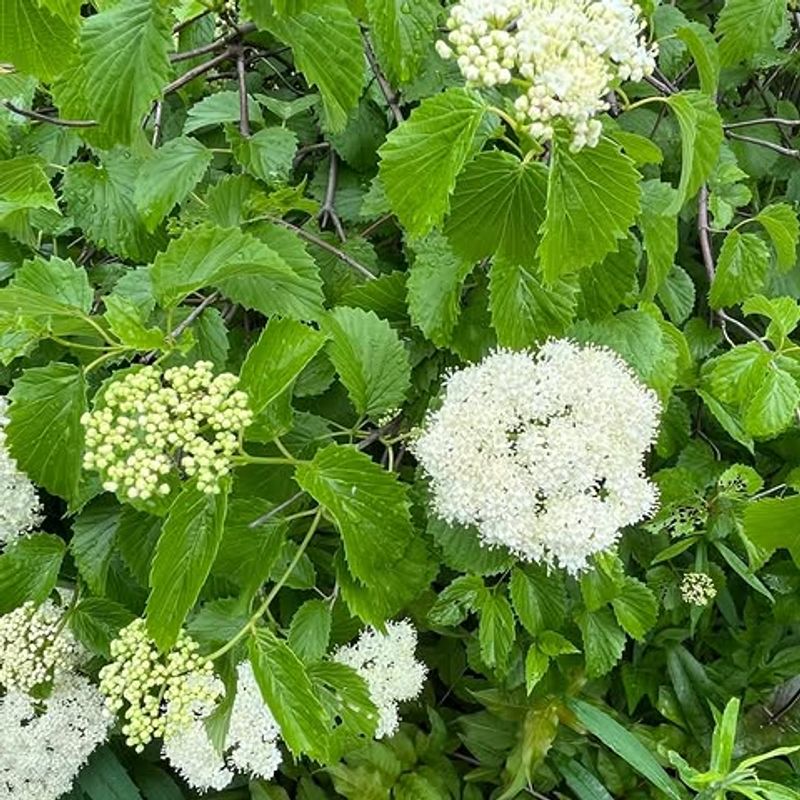
Arrowwood Viburnum earns its place in a landscape through every season of the year. White flower clusters open in late spring, dark blue-black berries follow in late summer, and the foliage turns shades of red and purple in fall.
Few native shrubs offer that kind of layered interest.
Native across the Eastern United States, Arrowwood Viburnum grows well in a range of conditions from full sun to partial shade. It tolerates clay soils, which are common across much of the piedmont region.
Mature shrubs reach 6 to 10 feet tall and wide, making them well-suited for fence line plantings.
Birds flock to the berries in late summer and fall, including thrushes, bluebirds, and cedar waxwings. Planting multiple shrubs near each other tends to improve berry production.
The dense branching structure also provides nesting cover for smaller songbirds.
Spacing plants 6 to 8 feet apart along a fence creates a natural, flowing hedge that fills in over two to three growing seasons. Minimal pruning is needed, though removing older stems at the base every few years encourages fresh, vigorous growth.
Arrowwood Viburnum rarely has serious pest or disease problems under normal conditions. Mulching the root zone and watering during the first summer helps young plants establish more reliably.
Once established, it becomes much more tolerant of short dry periods, though it performs best with occasional deep watering during extended droughts.
6. Yaupon Holly Provides Year-Round Greenery
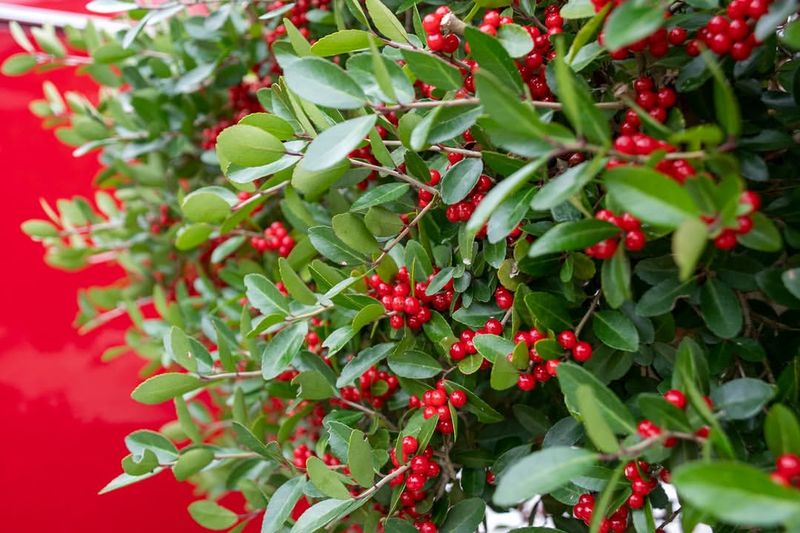
Yaupon Holly might be the toughest native evergreen shrub in the Southeast. It handles drought, wet soil, salt, shade, and heat without skipping a beat.
For driveway borders and fence lines that need reliable year-round structure, very few plants compete with it.
Native across the coastal plain and into the piedmont, Yaupon Holly grows naturally in a wide range of habitats. Female plants produce bright red berries that persist through winter, providing food for birds when other sources are scarce.
Male plants are needed nearby to ensure berry production on females.
Mature size varies widely depending on the variety. Standard forms can reach 15 to 20 feet, while compact cultivars stay under 4 feet.
Selecting the right form for your space before planting saves a lot of pruning work later.
Full sun to deep shade both work for Yaupon Holly, which is unusual among berry-producing shrubs. It tolerates poor soils and rarely needs fertilizer once established.
Spacing standard forms 8 to 10 feet apart along a fence creates a dense, year-round screen within a few seasons. Pruning can be done in late winter to shape plants or reduce size.
Yaupon Holly is also notably resistant to deer browsing compared to many other landscape shrubs, which matters in suburban and rural settings alike.
A layer of mulch helps conserve soil moisture and keeps the root zone cooler during the hottest part of summer.
7. Florida Anise Grows Well In Partial Shade
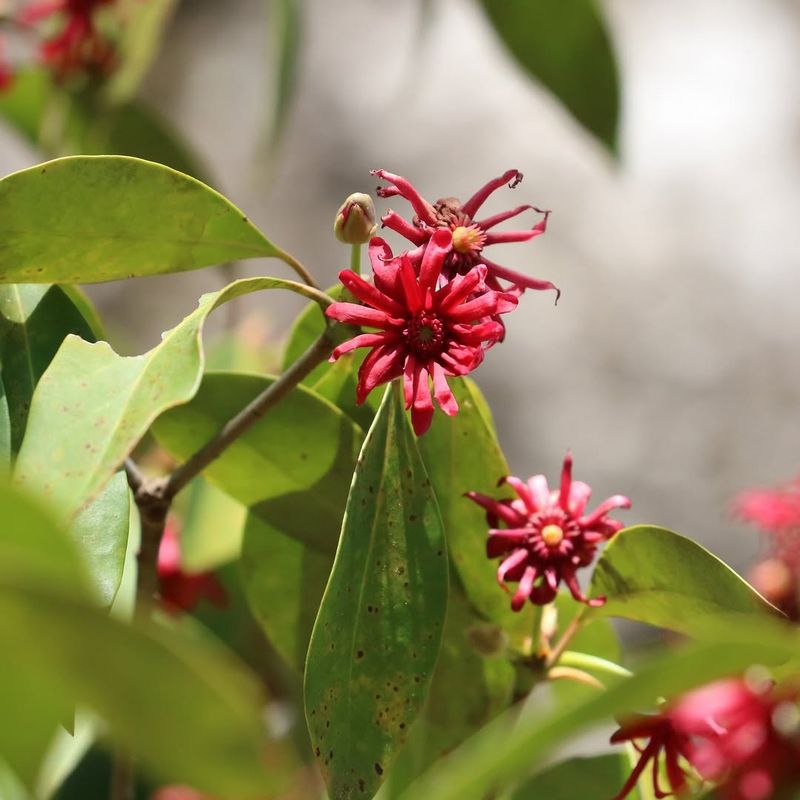
Shady fence lines can be tricky to plant, but Florida Anise handles low light better than most native shrubs. Dark, glossy leaves stay attractive year-round, and unusual deep red star-shaped flowers appear in early spring.
It brings structure and interest to spots where many plants struggle.
Native to the coastal plain of the Southeast, Florida Anise grows naturally along stream banks and in moist, shaded woodlands. It prefers consistently moist, acidic soils with good organic matter content.
Dry or compacted soils can stress the plant, so amending with compost before planting helps considerably.
Mature shrubs reach 6 to 10 feet tall and wide, forming a rounded, dense shape without much pruning. Crushed leaves release a strong anise-like scent, which is where the common name comes from.
All parts of the plant are toxic if ingested, so placement away from areas used by young children or pets is worth considering.
Partial to full shade is the sweet spot for this shrub, though it can tolerate brief periods of morning sun. Spacing plants 5 to 6 feet apart along a shaded fence creates a lush, evergreen backdrop within two to three seasons.
Minimal pruning is needed beyond occasional shaping. Mulching heavily around the base helps retain soil moisture during dry summers, which is particularly important in the first two years after planting.
Once established, Florida Anise is generally resistant to serious pests and diseases when grown in the moist, shaded conditions it prefers.
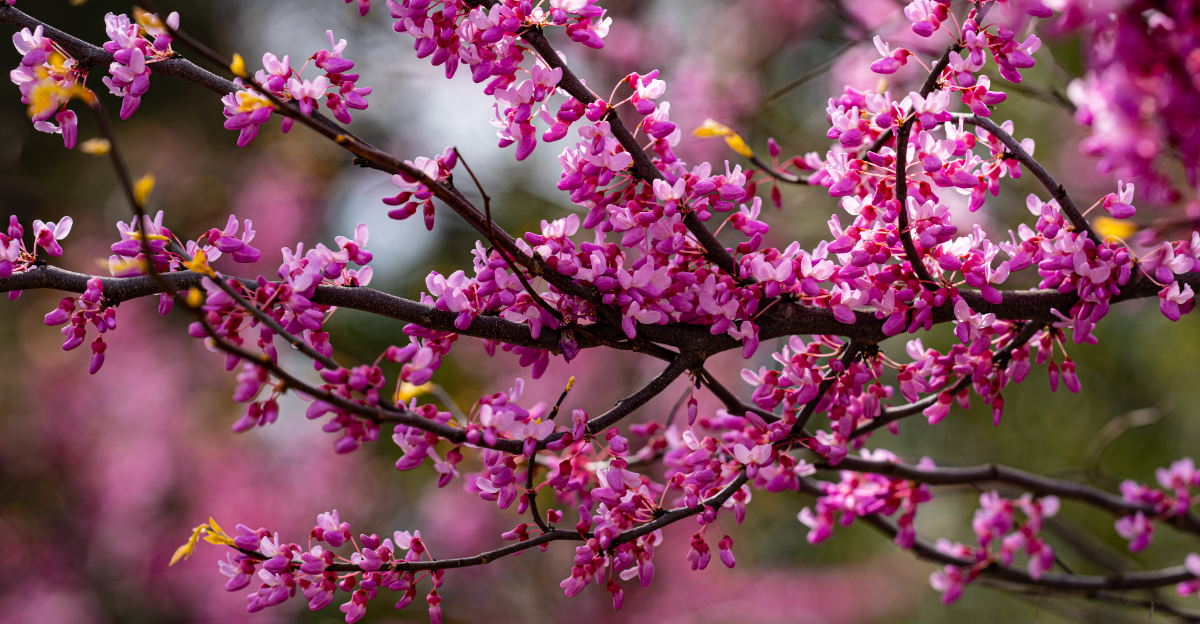
8. Eastern Redbud Brings Early Spring Color
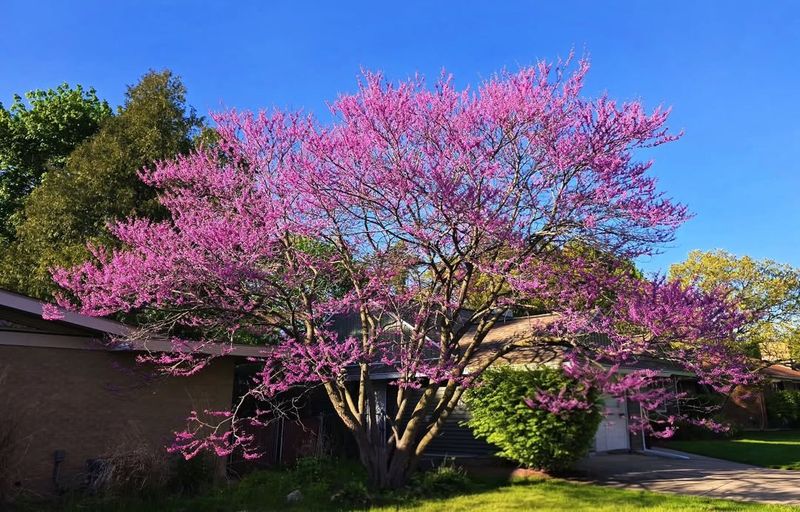
Nothing signals spring quite like an Eastern Redbud bursting into color while everything else is still bare. Bright pink-purple blooms cover every branch before a single leaf appears, making it one of the most striking early-season plants available.
Along a fence line, the visual impact is hard to beat.
Eastern Redbud is native across much of the Eastern and Central United States and thrives across Georgia from the mountains to the coastal plain. It handles a range of soil types reasonably well, though it prefers well-drained spots.
Mature trees typically reach 20 to 30 feet with a wide, spreading canopy.
Beyond the spring flowers, the heart-shaped leaves provide dense summer shade along fence lines and driveways. In fall, leaves turn yellow before dropping, giving a second season of interest.
Seed pods persist into winter and provide food for small birds and mammals.
Planting in full sun to light shade produces the best bloom. Redbuds tend to establish quickly compared to many other native trees.
Spacing plants 15 to 20 feet apart along a driveway creates a natural canopy effect over several years. Minimal pruning is needed; removing crossing branches occasionally keeps the structure tidy.
Young trees may need watering during dry periods in the first two seasons.
Adding a layer of mulch around the base helps conserve soil moisture and protects the shallow root system from temperature extremes.