Georgia Paperbush Is Setting Buds In October For A Spectacular Late-Winter Bloom
Paperbush has a surprise waiting long before most winter flowers appear, and October is when the first signs become easier to notice.
While many shrubs are slowing down, this unusual plant is already preparing its next floral display. Small clusters begin developing at the branch tips months before they open.
That early preparation is part of what makes paperbush such an interesting addition to a garden.
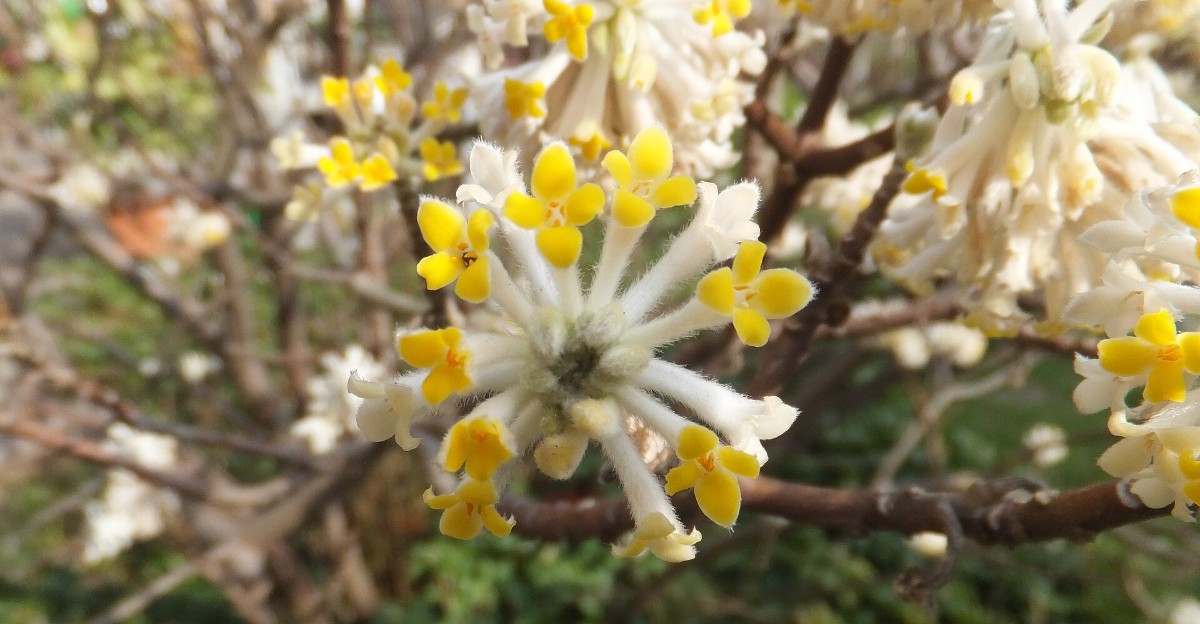
In Georgia, its flowers typically emerge during late winter or early spring, depending on local weather. The fragrant yellow blooms can brighten a landscape when little else is flowering.
Give the shrub a sheltered location with suitable light and well-drained soil.
Once established, paperbush offers seasonal interest that extends beyond its flowering period. Its developing flower clusters provide something to appreciate even during the quieter months ahead.
1. Paperbush Begins Forming Flower Buds In Fall
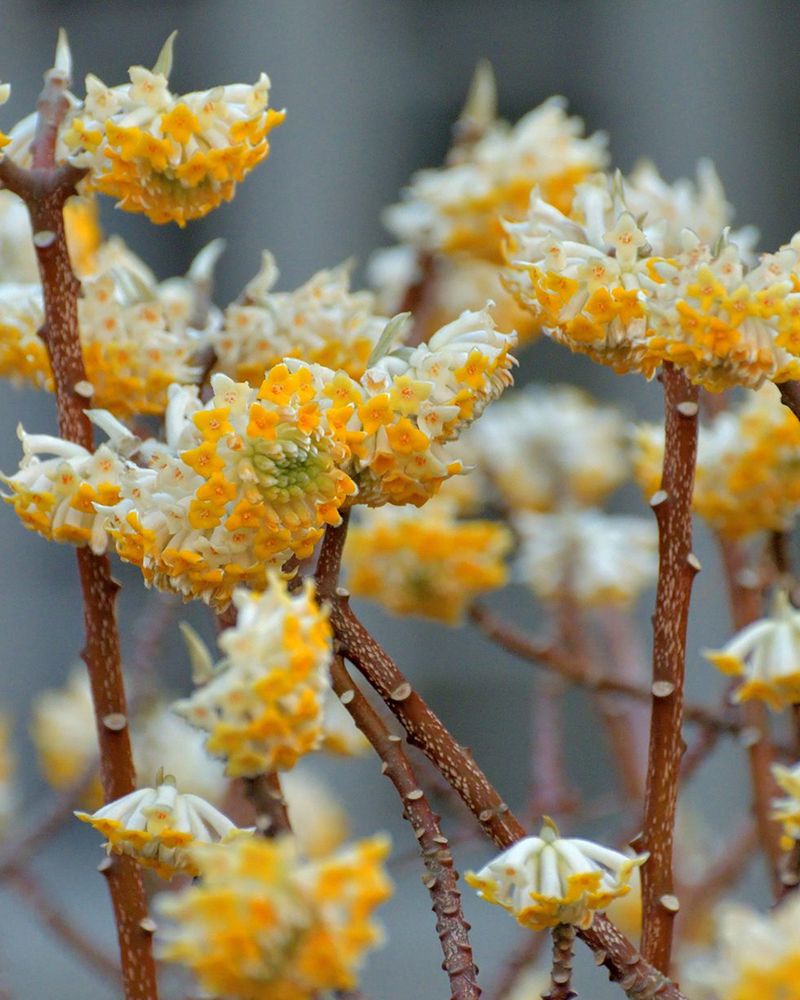
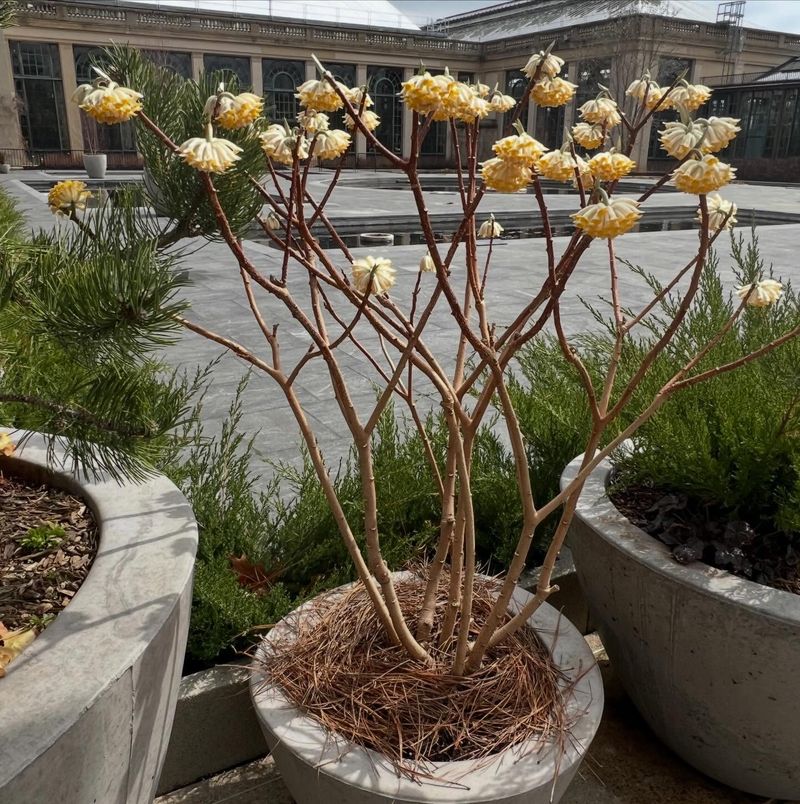
Flowers for next winter are already on the way. Paperbush sets its buds in late summer and fall, so the clusters you notice in October are the start of next season’s bloom.
Look near the ends of the branches for small, rounded, drooping buds.
Each cluster hangs down a bit, almost like a tiny tassel waiting to open. Leaves still cover much of the shrub at this point, so the buds can be easy to overlook.
Gardeners in Georgia often find these buds while raking or checking beds in early fall.
Take a minute to count them if you are curious about the coming show. A plant with plenty of buds has a good chance of blooming well, although cold snaps and plant health can change the outcome.
Bud forming in fall also explains why timing matters for care.
Any heavy pruning done now would remove the flowers you are hoping to see. Leave the branch tips alone and let the plant hold onto its buds through the colder months.
Young shrubs may produce only a few clusters in their first years.
Patience helps here. As the plant settles in and grows, bud numbers tend to increase, as long as it gets the shade, soil, and water it prefers.
2. Silvery Buds Become More Noticeable As Leaves Drop
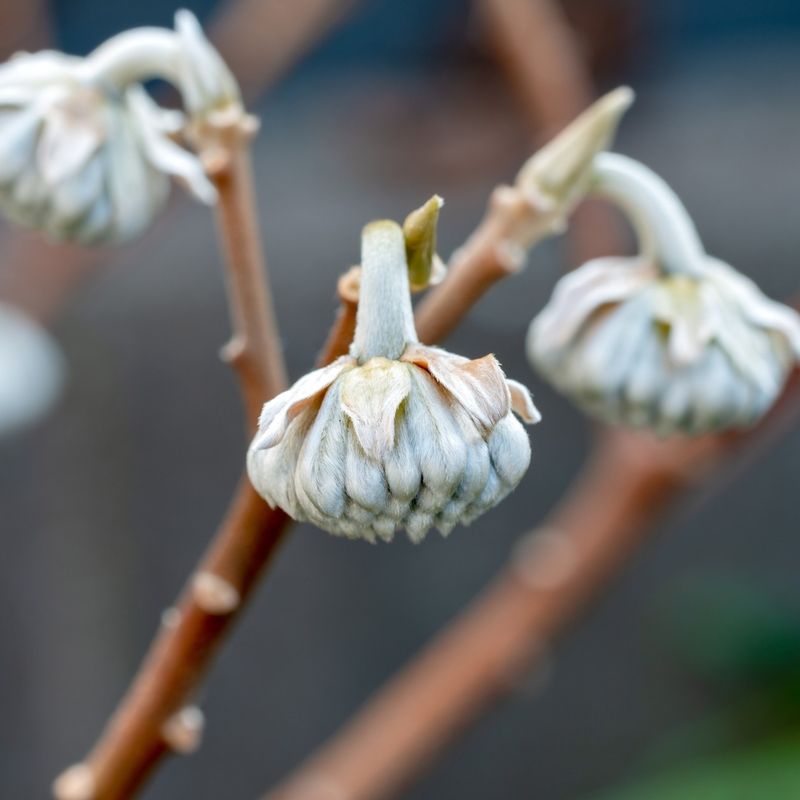
Once the leaves fall, the real character of paperbush shows up. Paperbush is deciduous, so it sheds its foliage in late fall as temperatures drop.
Underneath, the bud clusters are covered in soft, silky hairs that give them a silvery look.
In bright winter sun, those buds can almost seem to glow against the brown branches. Plenty of gardeners say the bare shrub looks interesting even before a single flower opens.
Leaf drop timing can vary across Georgia, depending on how early cold weather arrives in your area.
You may notice the leaves turning a soft yellow before they fall. Rake them up or leave a light layer under the shrub as mulch, whichever fits your garden style.
Winter is a great time to place a paperbush where people can see it up close.
A spot near a walkway, porch, or window lets you watch the buds slowly swell over several weeks. The smooth, cinnamon-brown bark adds another layer of interest during these months.
Your Georgia Garden Changes Every Week. Your Plan Should Too.
Gardening in Georgia changes quickly throughout the season. Every Friday you’ll receive a simple weekly plan showing exactly what to plant, prune, fertilize, harvest, and protect so you never miss the right timing.
Gentle handling helps keep the clusters intact.
Branches are flexible, but the buds can be knocked off by rough contact. Try not to pile leaves, toys, or tools against the shrub while it waits for spring.
3. Flower Clusters Open In Late Winter Or Early Spring
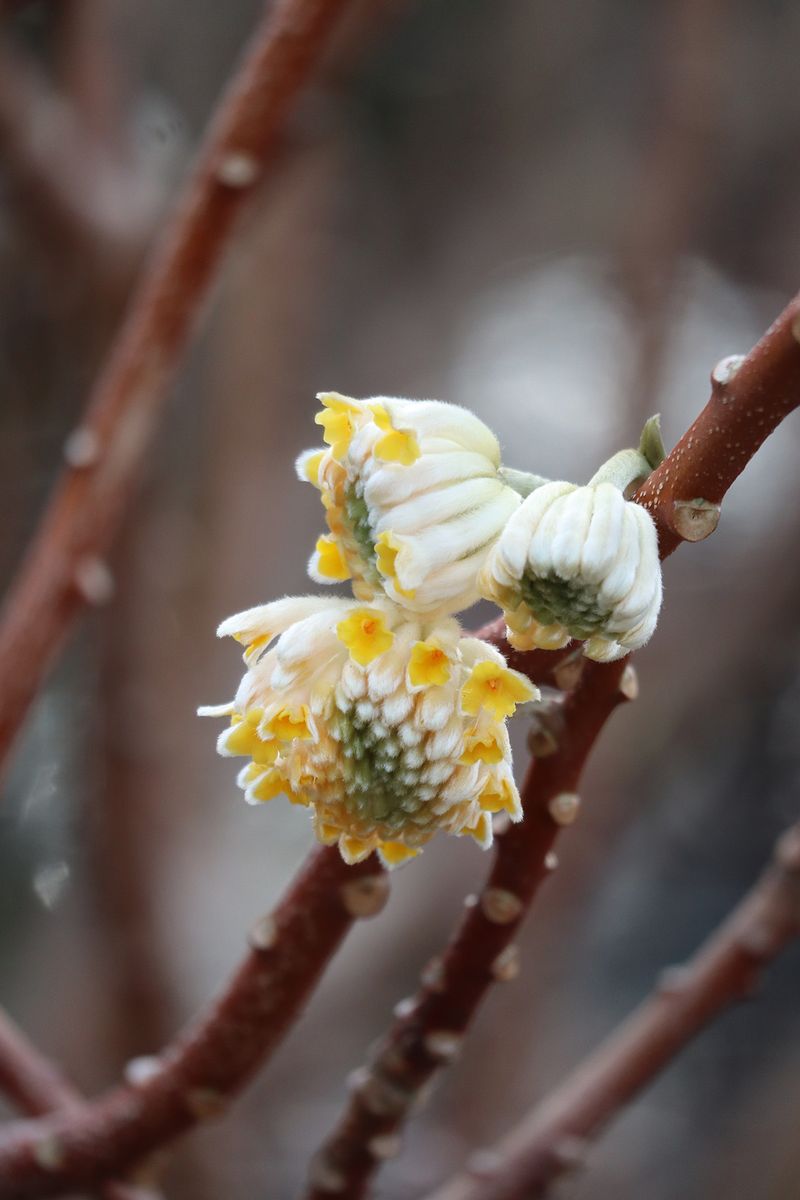
Patience pays off when the weather starts to turn. After months of waiting, the silvery clusters slowly open, usually in late winter or early spring.
Exact timing depends on where you garden and how mild the season has been.
Warmer parts of Georgia, such as the coastal plain, may see flowers sooner than the mountains up north. A string of mild days can nudge blooms open early, while a cold stretch can hold them back.
Opening tends to happen gradually rather than all at once.
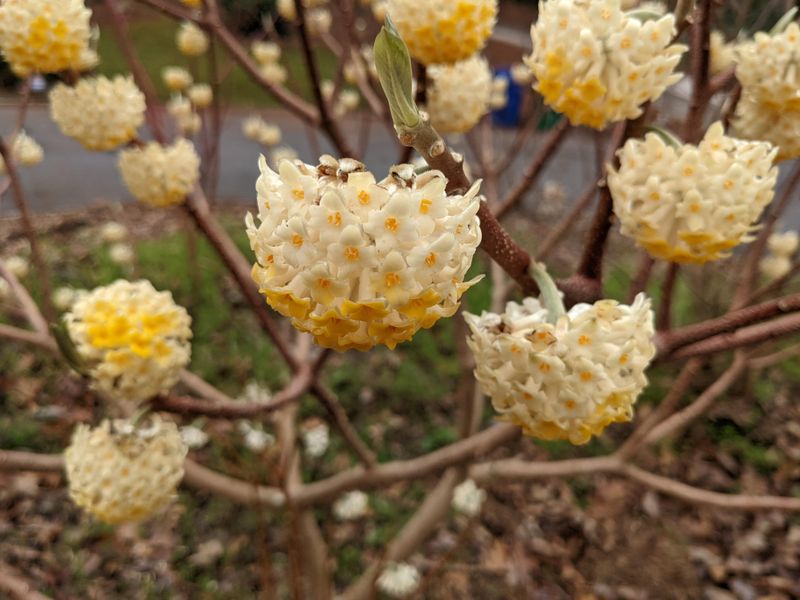
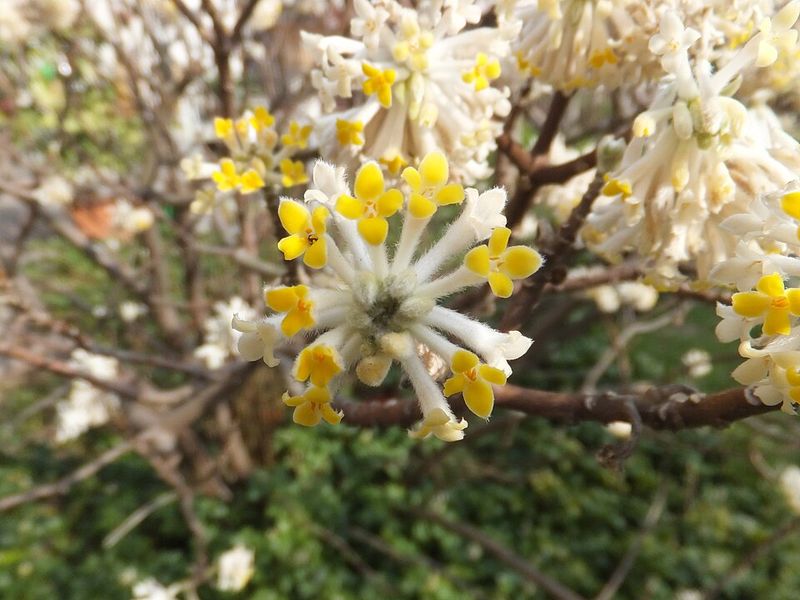
Tubular flowers inside each cluster begin to show color from the tips first. Over a couple of weeks, the whole cluster fills out into a rounded ball of blossoms.
Hard freezes during bloom can sometimes brown the open flowers.
Unopened buds often handle cold better than flowers that are already open. If a severe freeze is forecast, a frost cloth draped over a small shrub may offer some protection, though results can vary.
Keep notes on bloom dates each year if you like tracking your garden.
Over time, you will get a sense of when your own plant usually flowers. That record can help you plan nearby plantings that bloom at the same time or right after.
4. Fragrant Yellow Blooms Brighten The Bare Branches
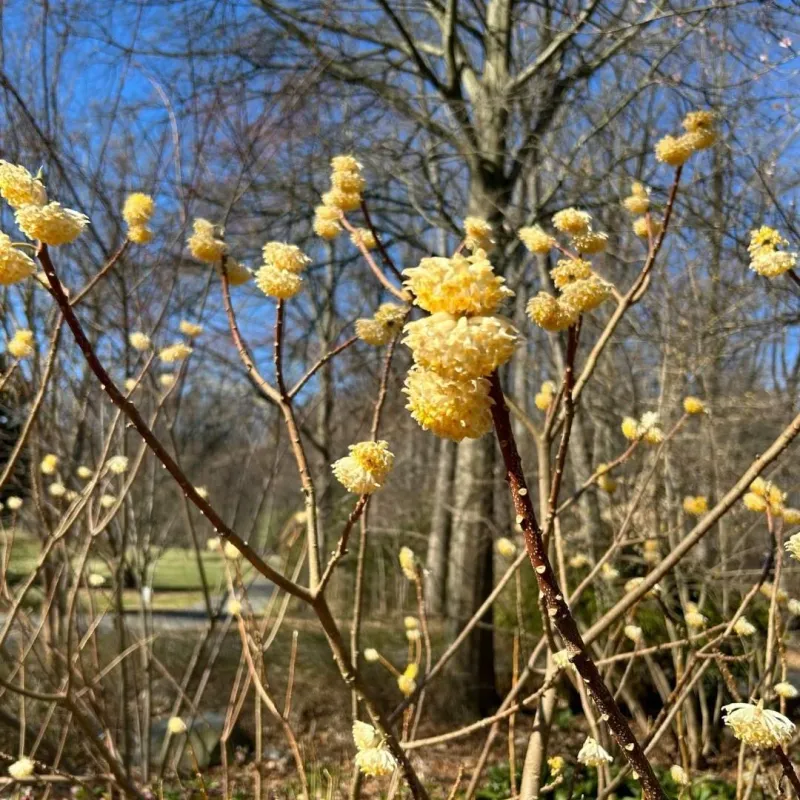
Smell often arrives before sight with this shrub. Paperbush flowers carry a sweet scent that many people notice from several steps away on a calm day.
Color comes in shades of golden yellow with creamy white outer petals.
Against bare branches and gray winter skies, those clusters stand out in a way few shrubs can match at that time of year. Leaves appear later, after the bloom period winds down.
How strong the fragrance seems can depend on temperature, wind, and your own nose.
Warm, still afternoons tend to carry the scent best. Planting near an entry door or a sitting area gives you more chances to enjoy it.
Gardens across Georgia often look sleepy in late winter, which makes paperbush feel like a bright surprise.
Pairing it with evergreen companions like hellebores, ferns, or camellias can create a fuller scene. The dark green leaves around it help the yellow flowers pop even more.
Cut stems can be brought indoors, but go easy.
Each branch you cut removes flowers from the garden display. Many gardeners choose to leave the shrub untouched and simply enjoy it outdoors.
5. Partial Shade Helps Protect The Delicate Foliage
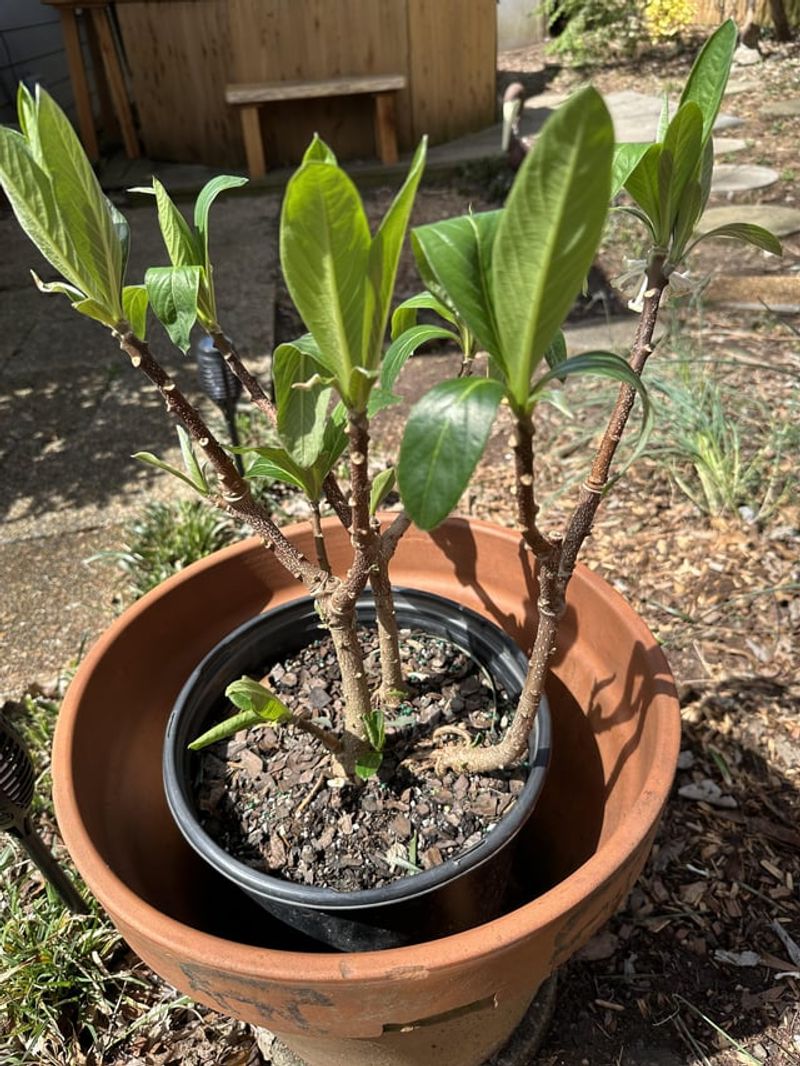
Hot afternoon sun is tough on paperbush leaves. Its large, soft, blue-green foliage can scorch or wilt when exposed to strong sun during summer.
Partial shade usually gives the best results.
Morning sun with afternoon shade works well in many yards, as does the filtered light under tall pines or oaks. In Georgia, where summers run long and hot, that afternoon break from the sun can make a real difference.
Too much shade can bring its own problems, though.
Deep, dark spots may lead to fewer flowers and a thinner, stretched-out shape. Aim for bright shade, where light is present but the hottest rays are softened.
Wind protection is another plus when choosing a spot.
Sheltered locations near a house wall or among other shrubs may help shield blooms from harsh winter winds. A protected corner can also keep temperatures a bit more steady during cold nights.
Fall is a good season to study your yard before planting.
Watch how sunlight moves across beds through the day. Spots that stay shaded in the afternoon are often the strongest candidates for a new paperbush.
6. Well-Drained Soil Supports Healthy Root Growth
Soggy roots are a common reason paperbush struggles. Its roots prefer soil that stays moist but lets extra water drain away instead of sitting in puddles.
Heavy red clay shows up in plenty of Georgia yards, and it can hold water for a long time after rain.
Working in compost over a wide area can help improve drainage and soil structure. Raised beds or gently mounded planting spots are other useful options for wet sites.
Sandy soil has the opposite issue.
Water moves through quickly, so the plant may dry out between rains. Adding organic matter can help sandy ground hold moisture a little longer.
Not sure how your soil drains? Try a simple test by digging a hole about a foot deep and filling it with water.
If water lingers many hours later, the spot may be too wet for paperbush without some improvement.
A layer of shredded bark or pine straw mulch is helpful in most beds.
Mulch keeps soil temperature more even and slows moisture loss. Keep it a few inches away from the stems so the base of the shrub stays dry.
A soil test through your county Extension office can show pH and nutrient levels before you decide to add fertilizer.
7. Consistent Moisture Helps Paperbush Through Dry Periods
Dry spells can sneak up in fall. Georgia often sees stretches of low rainfall in autumn, right when paperbush is holding its new buds.
Steady moisture helps the plant stay healthy through these periods.
A shrub stressed by drought may drop leaves early or produce weaker growth. Severe or long-lasting dryness might also affect how well the buds develop, although other factors can play a role too.
Check the soil with your finger before reaching for the hose.
If the top couple of inches feel dry, a deep, slow watering is usually better than a quick sprinkle. Soaker hoses and drip lines work nicely because they deliver water right to the roots.
Newly planted shrubs need extra attention during their first year or two.
Their roots have not spread far yet, so they dry out faster than established plants. Older paperbushes can handle short dry spells better, though they still appreciate help during long droughts.
Overwatering is just as risky as letting the soil dry out.
Constantly wet ground can lead to root problems, especially in clay. Aim for soil that feels evenly moist, not soaked, and adjust based on rainfall and your own site.
8. Pruning After Flowering Protects Next Season’s Blooms
Grab the pruners in fall, and you could cut off next winter’s flowers. Paperbush forms its buds months ahead, so fall and winter pruning removes blooms before they open.
Late spring, after flowering finishes, is generally the safer window.
At that point, new growth is just getting started, and the plant has time to set fresh buds later in the year. Gardeners in Georgia can usually plan this task once the yellow clusters fade.
Good news for busy folks is that paperbush rarely needs much pruning.
Its natural rounded shape tends to look neat on its own. Light trimming to remove broken, crossing, or damaged branches is often all that is needed.
Clean, sharp tools make tidy cuts that heal more easily.
Cut just above a healthy bud or side branch, and avoid shearing the shrub into a tight ball. Heavy cuts may reduce flowering for a season, depending on how much is removed.
Storm damage is the main exception to timing.
If a branch snaps during fall or winter weather, it is fine to remove the broken piece right away. Keep the rest of the shrub intact so the remaining buds can bloom.