Tiny Mud Towers And Small Holes Keep Appearing In Louisiana Lawns, And The Builder Lives Underground
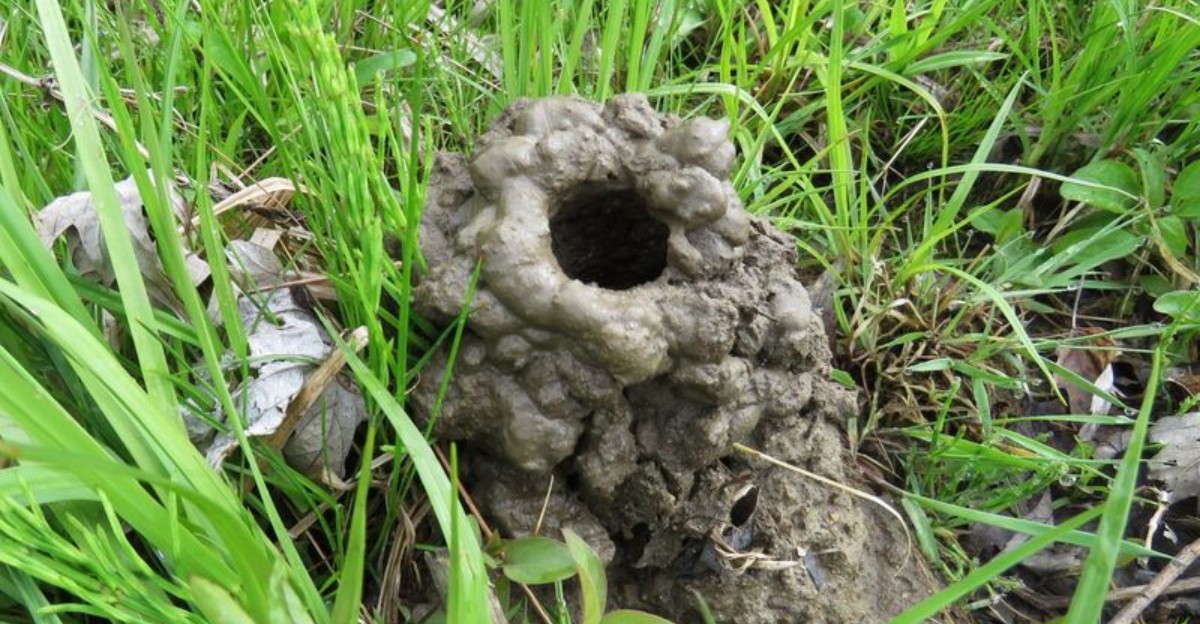
You poke a mud tower and cold water stares back up at you. Towers crowd your lawn overnight, each as tall as a soda can.
Neighbors blame moles, gophers, or bored kids with buckets of clay. Those guesses miss the mark; a burrowing crawfish built those towers.
Hauling mud by the claw, it digs a shaft in pitch darkness. It stacks each pellet like a proud bricklayer.
Burrows plunge past grass roots until they reach groundwater. Inside, a flooded chamber shelters the builder through dry weather.
Night hides the operation, so you miss the show. Rain sends it upward to extend the chimney, pellet after pellet.
Plenty of these crawfish live far from any creek. Meanwhile, you stand over an active construction site.
Dig one open and a clawed resident waits. Tonight it may rebuild that tower; you can watch.
A Burrowing Crawfish Builds These Chimneys
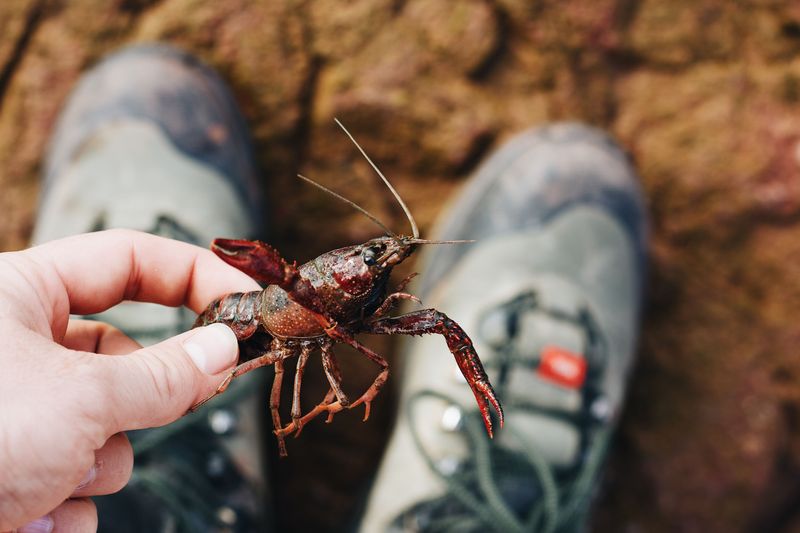
Picture a creature like a miniature lobster, small enough to fit in your palm, digging a tunnel down into your yard. That is the burrowing crawfish, a group of Louisiana natives that spend much of their lives underground.
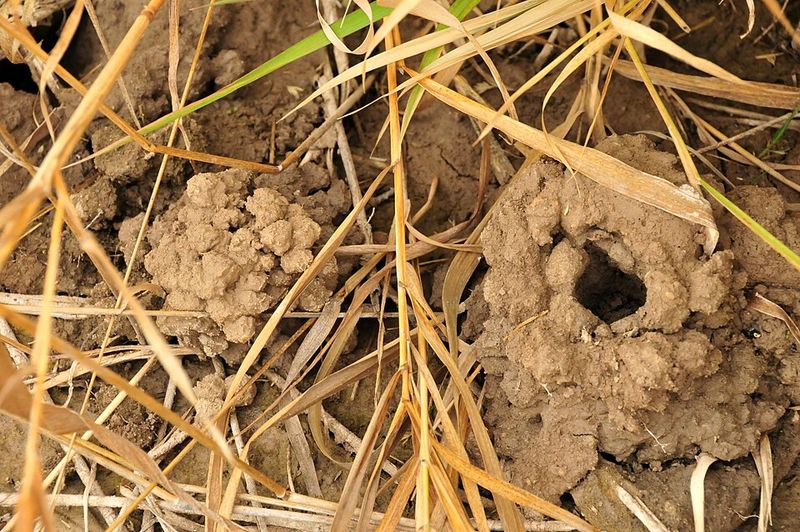
As it digs, the crawfish rolls wet mud into little balls with its mouthparts and claws. It carries each ball to the surface and stacks it around the hole.
Over many nights, those stacked pellets rise into a chimney that can reach six inches or more. Some species build towers that look almost like clay sculptures.
The tunnel below can stretch three feet deep or farther, ending in a chamber of water. Down there, the crawfish stays cool and moist, with extra protection from raccoons and birds.
People in south Louisiana often call these animals mudbugs, and the name fits nicely. They are close cousins of the crawfish piled high at backyard boils each spring.
So the mystery builder is not a mole, a snake, or a giant worm. It is a small, hard-working crustacean that turns your lawn into its private construction site.
Spotting a few chimneys often points to soil that holds plenty of water below. Think of each tower as a tiny flag marking a busy home underneath.
A single burrow can serve one crawfish for months. Burrow shapes vary by species, and some tunnels branch into side rooms for turning around and resting.
Scientists group these animals as primary burrowers, since they spend long stretches below ground. They leave the burrow only briefly to wander or find a mate.
Soggy Soil And A High Water Table Behind It All
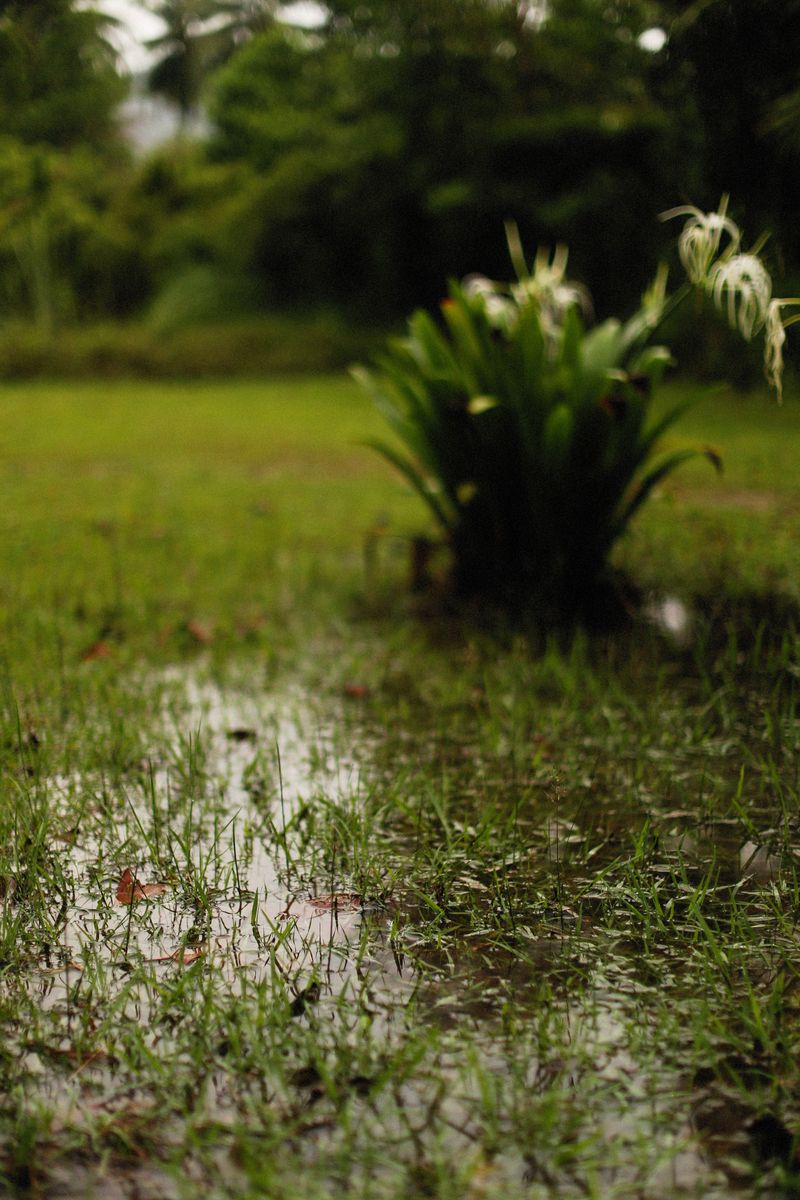
Ask a longtime resident in south Louisiana, and you may hear about soggy yards. Crawfish chimneys pop up where water sits close to the surface.
Burrowing crawfish need water to breathe through their gills, even while living on land. Their tunnels must reach the water table, the level where the ground stays soaked.
Much of Louisiana sits on heavy clay that drains slowly after rain. Low spots, ditches, and yards near bayous or swamps make welcoming crawfish real estate.
Your Louisiana Garden Changes Every Week. Your Plan Should Too.
Gardening in Louisiana changes quickly throughout the season. Every Friday you’ll receive a simple weekly plan showing exactly what to plant, prune, fertilize, harvest, and protect so you never miss the right timing.
Clay also holds its shape well, which helps the tunnels and chimneys stay sturdy. Sandy soil tends to crumble, so you see fewer towers in those areas.
Your lawn might be telling you something important through that mud. Lots of chimneys can point to poor drainage, a leaky pipe, or a yard that sits too low.
Try walking your yard a day after a heavy rain and noting where puddles linger. Those soggy patches usually match up with the busiest crawfish neighborhoods.
Knowing the cause helps you choose smarter fixes later. Instead of blaming the crawfish, you can look at the water that invited them in.
A long screwdriver pushed into the ground can reveal hidden moisture. Muddy metal can point to the cause.
Local water tables rise and fall with the seasons and recent storms. Wet winters lift them closer to the surface, which invites more digging.
Wet Weather And The Chimney Season
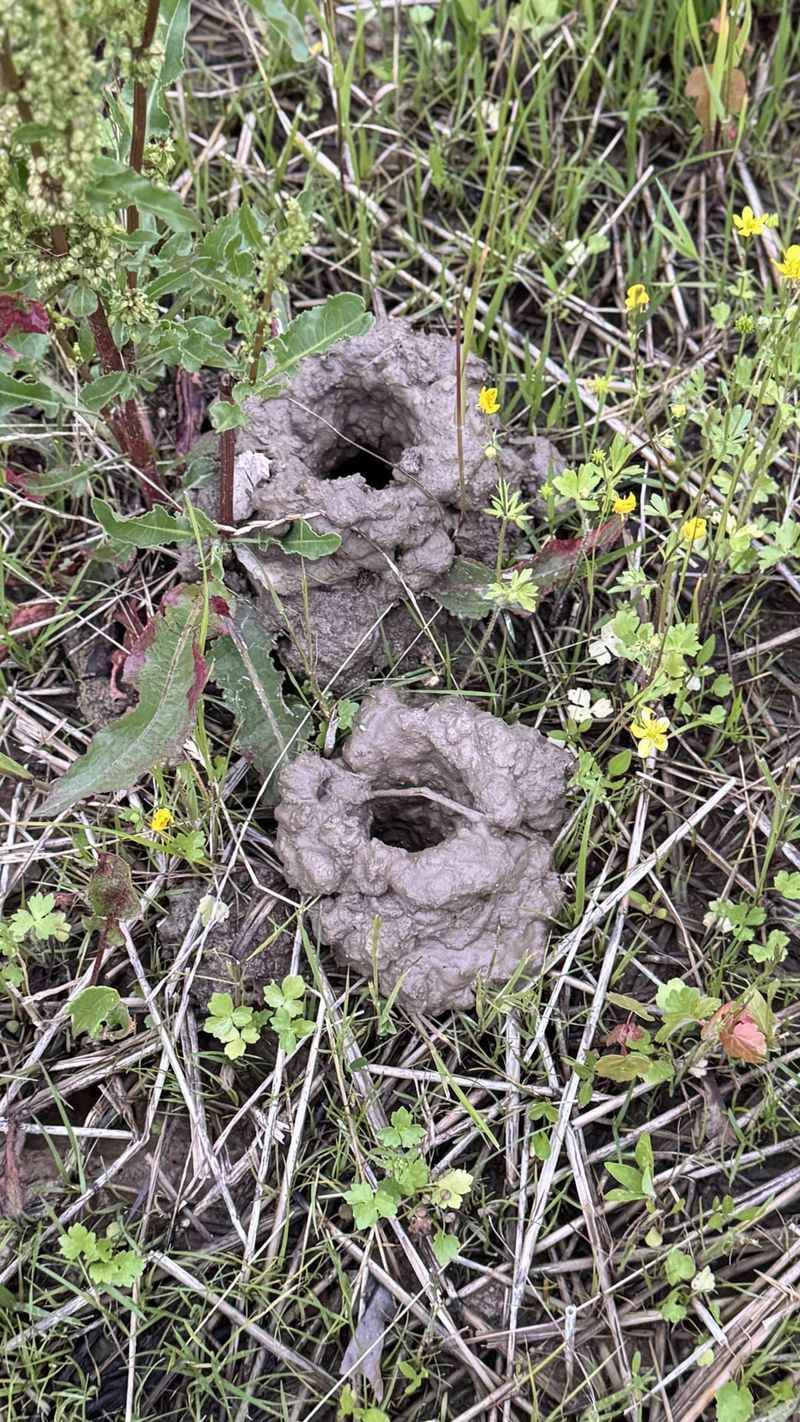
Many Louisiana homeowners notice a new set of mud towers after wet weather arrives. Spring storms and fall rains can wake the crawfish up.
During hot, dry summer weeks, burrowing crawfish stay deep and quiet in their tunnels. Some even plug their holes with mud to hold in moisture.
Once rains soak the ground again, they get busy clearing and expanding their homes. That fresh digging means fresh chimneys across the lawn.
Breeding timing varies by species. Females often carry eggs and tiny babies under their tails inside the burrow.
Activity often peaks in spring, when the ground stays very wet. That is why some yards show rows of small mud ridges through the wet season.
Much building happens at night, so towers seem to appear overnight. A chimney you knocked over on Monday might be rebuilt by Wednesday.
Keep a little notebook or phone log of when towers show up after storms. Patterns help you plan mowing and spot drainage trouble before it grows.
As summer heat dries the soil, the building slows down. Your patience usually pays off once dry weather returns.
Warm, humid evenings can bring crawfish closer to the surface. Cloudy nights after fresh rain may bring a burst of building.
The Pesticide Mistake Many Homeowners Make
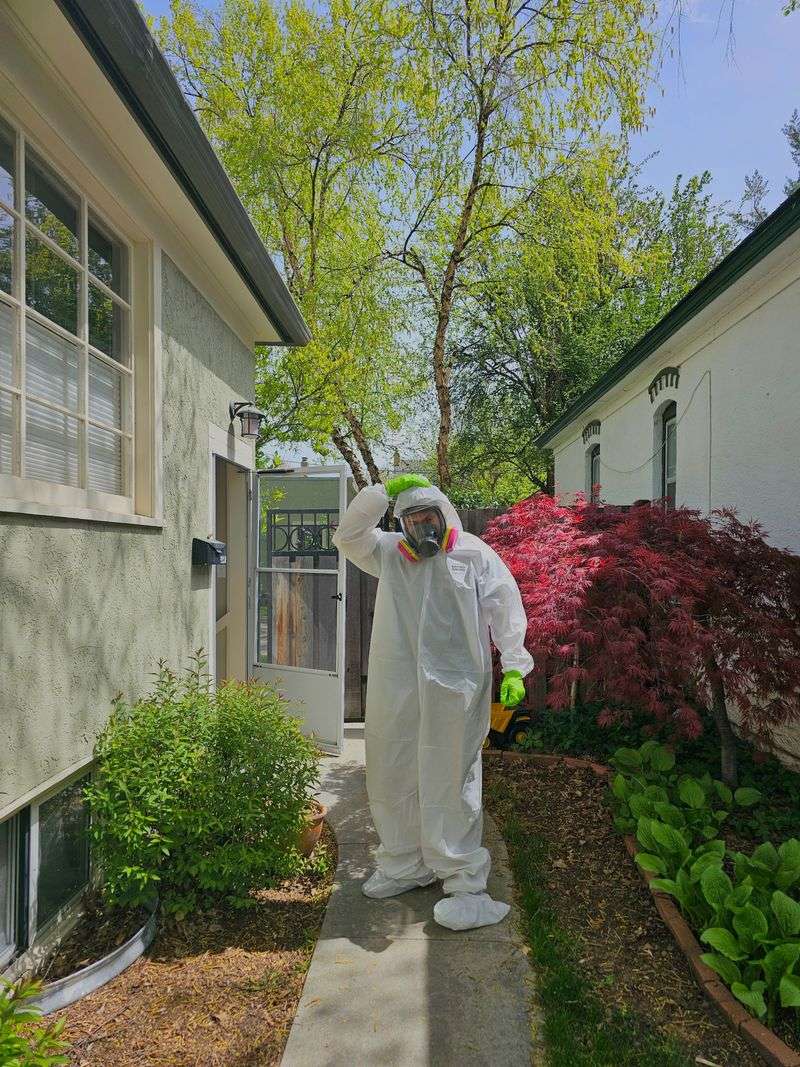
Grabbing a bottle of bug spray feels like the quick answer, but it creates new problems. Pesticides are not labeled for crawfish control in home lawns, and some native species are imperiled, so chemicals are best avoided.
Chemicals poured into burrows can travel into groundwater, ditches, and nearby bayous. That puts fish, frogs, pets, and even commercial crawfish ponds at risk.
Some folks try mothballs, bleach, or gasoline down the holes. Those tricks are unsafe, often illegal, and can upset your grass and soil for months.
Another common mistake is flattening or shoveling the chimneys and calling it done. The crawfish simply shrugs and rebuilds, sometimes within a single night.
Burrowing crawfish do not technically injure turfgrass. Their main effect is making mowing bumpy and the yard look untidy.
They even help the soil by mixing nutrients and letting air reach deeper layers. In a way, they work like free, shell-wearing gardeners.
Before reaching for anything strong, call your local LSU AgCenter extension office for advice. Their experts can suggest safe options that fit your yard and neighborhood.
Treat the towers as a nuisance, not an emergency. A calm plan beats a risky shortcut in the long run.
An extension agent may also offer advice on your yard layout and rainfall patterns. That insight points toward fixes that match your soil and budget.
Simple Fixes For Mowing Over Mud Piles
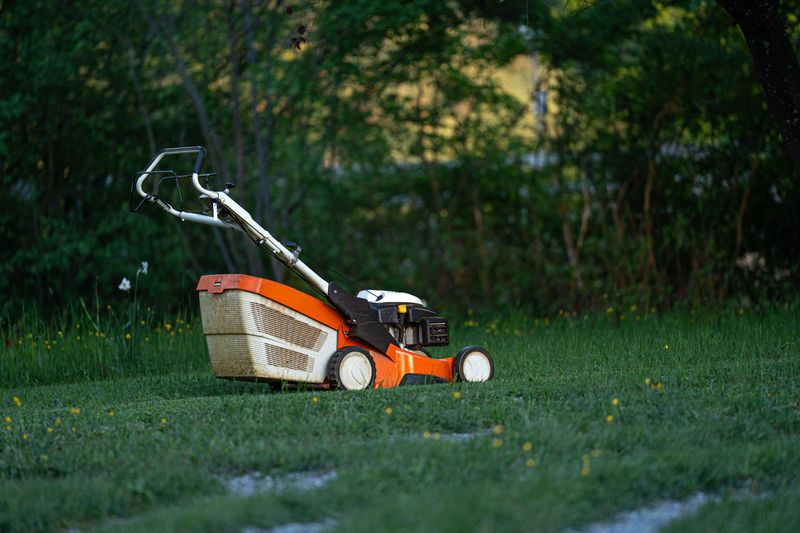
A mouthful of flying mud and a dull blade can slow down a Saturday mow. Thankfully, a few easy habits keep the chimneys from troubling your mower.
Before you mow, walk the yard and level the towers with a rake or broom. Spread the mud thinly across the grass so it dries and blends in.
Try mowing in the afternoon, after the morning dew has dried off. Dry mud crumbles easily, while wet mud sticks to wheels and clogs the deck.
Raising your mower blade one notch also helps you glide over leftover lumps. Taller grass hides small bumps and stays healthier during cool fall weather.
Some homeowners plug the holes with a scoop of soil or a small stone. The crawfish may dig a new exit nearby, but it slows the building.
Kids and pets can stumble in open holes, so fill the ones near play areas first. Bright flags can mark busy spots until you finish.
Rinse your mower deck after each cut during the wet season. Caked mud holds moisture and can lead to rust over time.
These steps take little time once they become routine. A few minutes with a rake can cut down on cleanup later.
A stiff push broom also works well on drier chimneys. Sweep the loose mud into low spots so the lawn stays nice and level.
A Drier Yard And Fewer Towers May Follow
Extension guidance often points to one idea about these underground builders. Reduce the excess moisture, and the crawfish may move along on their own.
Start by checking that gutters and downspouts send rainwater away from low parts of the lawn. Extensions or splash blocks cost little and can help.
For soggy spots, a French drain or shallow swale can carry extra water toward the street. Adding a thin layer of topsoil to low areas can help, though thick fill may smother turf or push runoff toward neighbors.
Core aeration in late spring or early summer, when warm-season grass is growing, loosens heavy clay and lets rain soak in instead of pooling. Pair it with a thin layer of compost to improve the soil over time.
Some homeowners in very wet areas decide to simply live with a few chimneys. Others turn the soggiest corner into a rain garden filled with native irises and ferns.
Louisiana irises tolerate wet soil and bloom in purple, blue, and other colors each spring. Such a garden looks lovely, soaks up water, and gives wildlife a home.
Native groundcovers and deep-rooted plants also help near problem spots. Their roots open the soil and slow runoff after heavy storms.
Check the yard again each season and adjust as needed. Small changes add up, and the towers tend to fade as the ground dries.
Results may take a season or two, especially after a rainy winter, so stay patient. A drier, firmer lawn can reward you with smoother mowing and fewer mud chimneys.