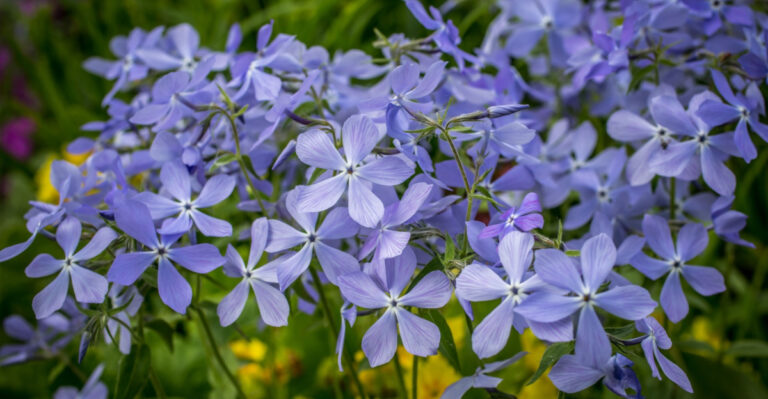
Georgia Perennials You Should Divide Before June Ends And Ones You Shouldn’t Divide At All
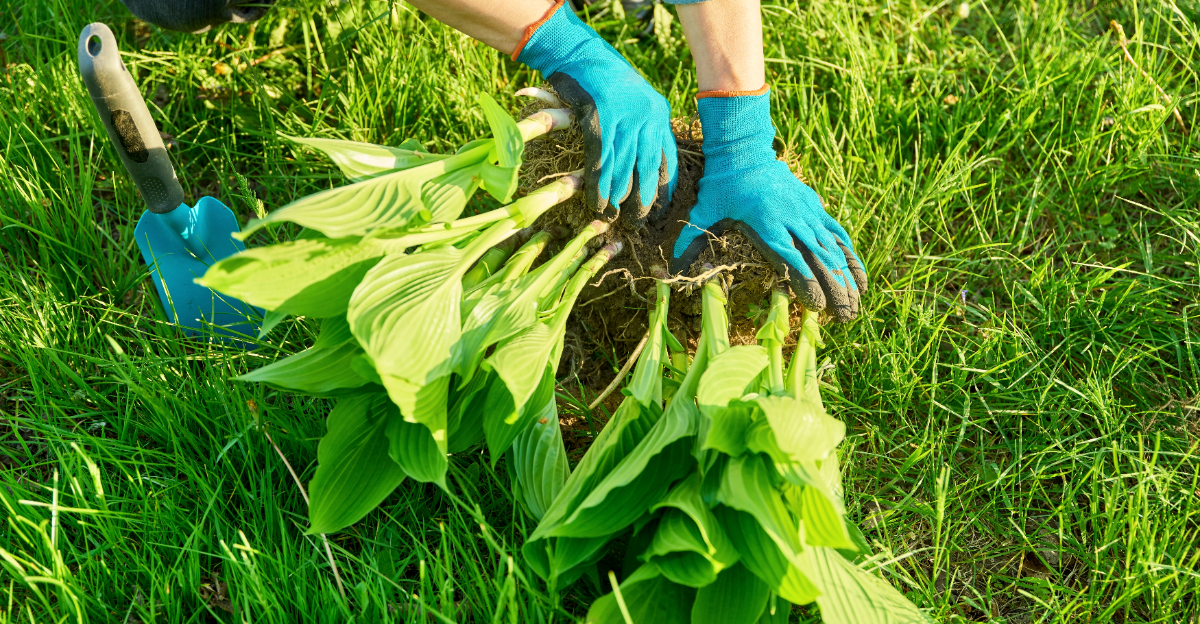
Flower beds can start looking crowded very quickly by late spring. Plants spread into each other, blooms become smaller, and some perennials stop looking as healthy as they did earlier in the season.
That is usually when many gardeners reach for a shovel.
Dividing plants at the right time can help beds look fuller and healthier. Certain perennials recover quickly before summer heat fully arrives.
Fresh growth appears faster, and plants often bloom better afterward.
Other perennials react very differently once roots are disturbed. Heat and humidity can leave some plants stressed for the rest of summer.
Weak growth and fewer blooms often follow.
A lot of gardeners make the mistake of dividing everything at once. Georgia gardens usually do much better when each perennial is handled according to how it responds to early summer conditions.
1. Daylilies Respond Well Before Summer Heat Peaks
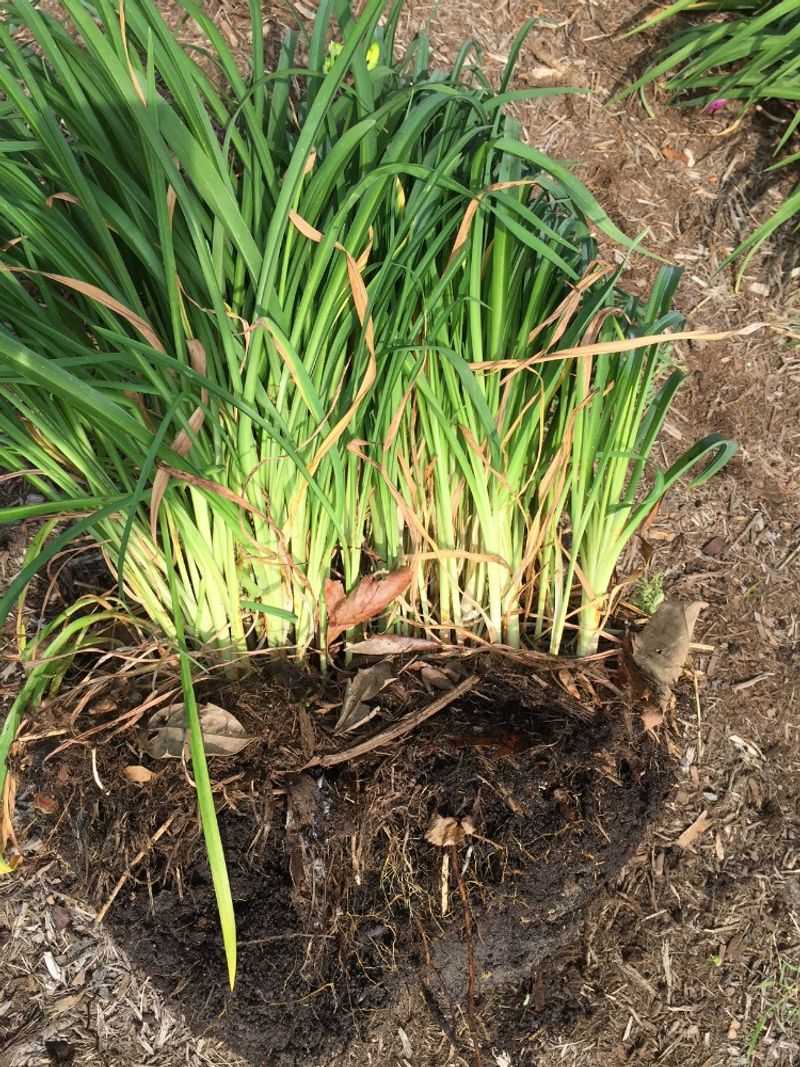
Crowded daylilies are practically begging you to split them. When clumps get thick and the bloom count drops, that is a clear sign the roots need more room.
Dividing before June ends gives new transplants enough time to settle before the worst heat arrives.
Grab a sharp spade and cut straight down through the clump. Pull sections apart by hand or use two garden forks back to back for stubborn roots.
Each division should have several fans of foliage attached to healthy roots.
Replant at the same depth they were growing before. Water well right after planting, and keep the soil moist for the first week or two.
Daylilies are tough, but consistent moisture during establishment makes a real difference.
Skip fertilizing immediately after dividing. Let the roots settle first, then feed lightly once new growth appears.
Dividing every three to four years keeps blooms strong and plants healthy long-term.
Morning sun with afternoon shade works best in warmer Southern climates. Full sun is fine if irrigation is reliable.
Daylilies planted in full afternoon sun without supplemental water often struggle more than those with some midday relief during peak summer weeks.
2. Bearded Iris Should Be Split After Blooming
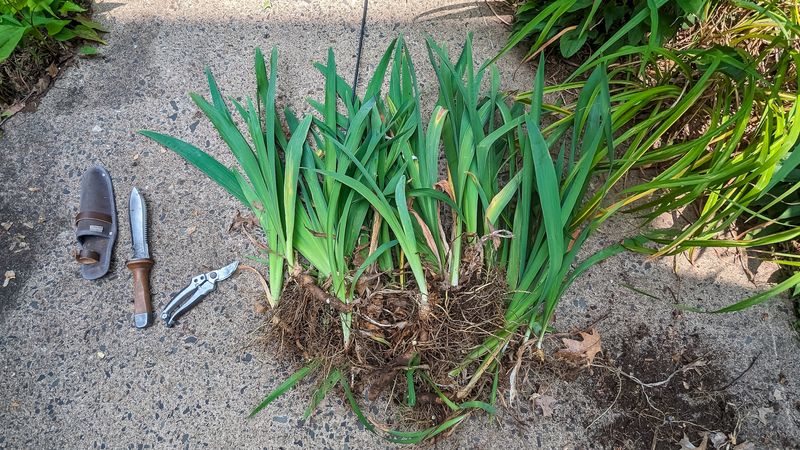
Late summer is usually the preferred time for dividing bearded iris, though light dividing after bloom can work in some Southern gardens if plants are kept watered.
Waiting too long pushes divisions into brutal summer heat with little recovery time.
Right after bloom is the ideal window for bearded iris.
Lift the entire clump carefully with a garden fork. Shake off loose soil so you can see the rhizomes clearly.
Discard any soft, hollow, or damaged sections and keep only firm, healthy pieces with green fan tops attached.
Trim the foliage back to about six inches before replanting. Shorter leaves reduce water loss while new roots develop.
Replant rhizomes so the top surface sits just above the soil line, not buried.
Iris rhizomes need sunlight to stay healthy. Burying them too deep invites rot, especially in humid Southern summers.
A raised, well-drained bed works better than heavy clay soil that holds moisture for days after rain.
Your Georgia Garden Changes Every Week. Your Plan Should Too.
Gardening in Georgia changes quickly throughout the season. Every Friday you’ll receive a simple weekly plan showing exactly what to plant, prune, fertilize, harvest, and protect so you never miss the right timing.
Space new divisions about twelve to eighteen inches apart. Crowded plantings lead to reduced blooms and increased disease pressure.
Good airflow around the foliage helps prevent the fungal issues that humid summers tend to bring.
Avoid overhead watering once replanted. Drip irrigation or hand watering at the base keeps rhizomes drier.
Newly divided iris rarely need much water once established, as long as rainfall stays consistent through early fall.
3. Shasta Daisies Recover Well From Thinning
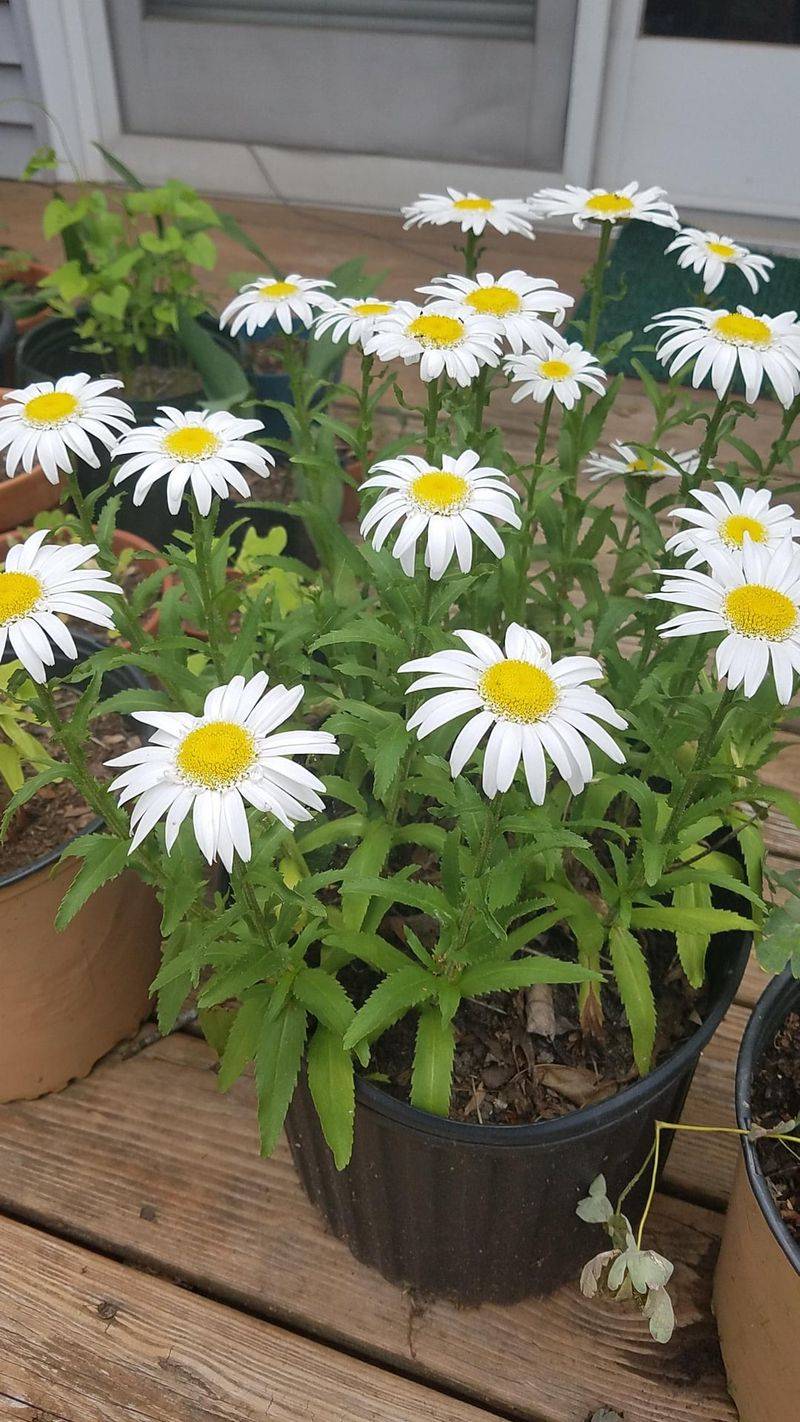
Shasta daisies spread quickly, and older clumps often develop bare centers surrounded by healthy outer growth. Splitting them before summer fully kicks in helps the plant reset and bloom stronger the following season.
Use a sharp spade to slice through the outer edges of the clump.
Focus on the younger, vigorous sections growing around the outside perimeter of the plant.
Each division should include roots and several stems. Replant immediately after dividing to prevent roots from drying out.
In warm Southern weather, exposed roots can dry faster than most gardeners expect.
Water thoroughly right after planting. Add a thin layer of mulch around the base to hold moisture without smothering the crown.
Keeping the crown clear of heavy mulch reduces the chance of crown rot during humid stretches.
Shasta daisies prefer well-drained soil and full sun. Heavy, soggy ground shortens their lifespan considerably.
Raised beds or amended garden borders with good drainage give them the best chance of lasting several seasons.
Plan to divide every two to three years. Clumps left alone too long become unproductive and take up space without contributing much bloom.
Regular thinning keeps plants vigorous, compact, and consistently covered with flowers each summer.
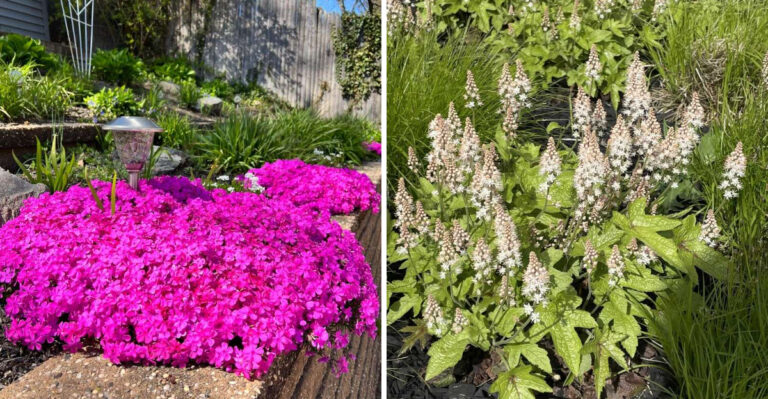
4. Creeping Phlox Handles Separation Before Peak Heat
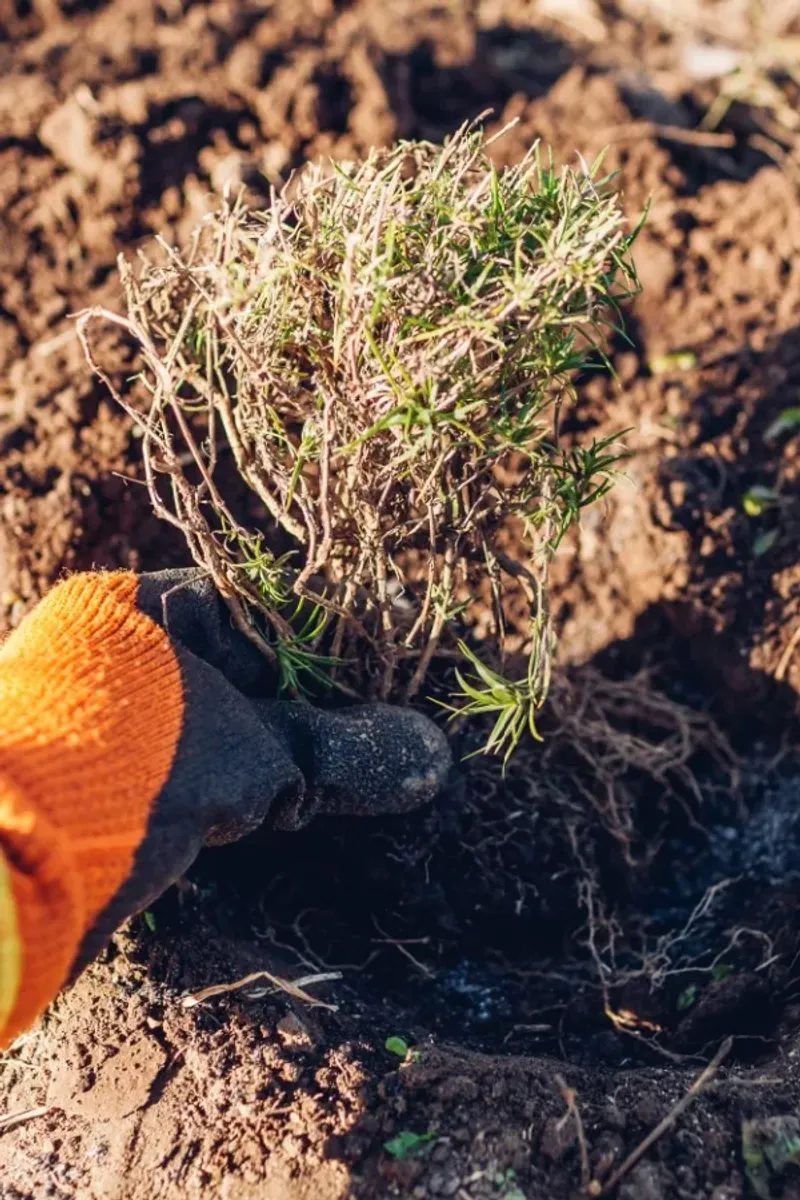
Creeping phlox looks delicate, but it handles division better than most gardeners expect. Acting before intense heat arrives gives new sections time to root without fighting scorching temperatures at the same time.
After spring bloom fades, the plant enters a quieter growth phase. That window, roughly late May through mid-June, is ideal.
Roots are active but not stressed, making transplanting far more forgiving than attempting it midsummer.
Cut sections from the outer edges of established mats. Each piece should have roots attached and a few stems of foliage.
Avoid pulling sections from the very center of old growth, which tends to be woody and slow to root.
Replant cuttings at the same depth in well-prepared soil. Press firmly around the roots to eliminate air pockets.
Water in well and keep soil consistently moist for the first week or two while roots anchor.
Creeping phlox thrives in sunny, well-drained spots. Rocky slopes, raised borders, and garden walls work especially well.
Poor drainage is the fastest way to lose a planting, so avoid low spots that collect water after rain.
A light trim after dividing encourages fresh, compact growth. Shorter stems lose less moisture during establishment.
New growth typically appears within a few weeks when conditions stay warm and watering stays consistent.
5. Older Yarrow Clumps Bloom Better After Refreshing
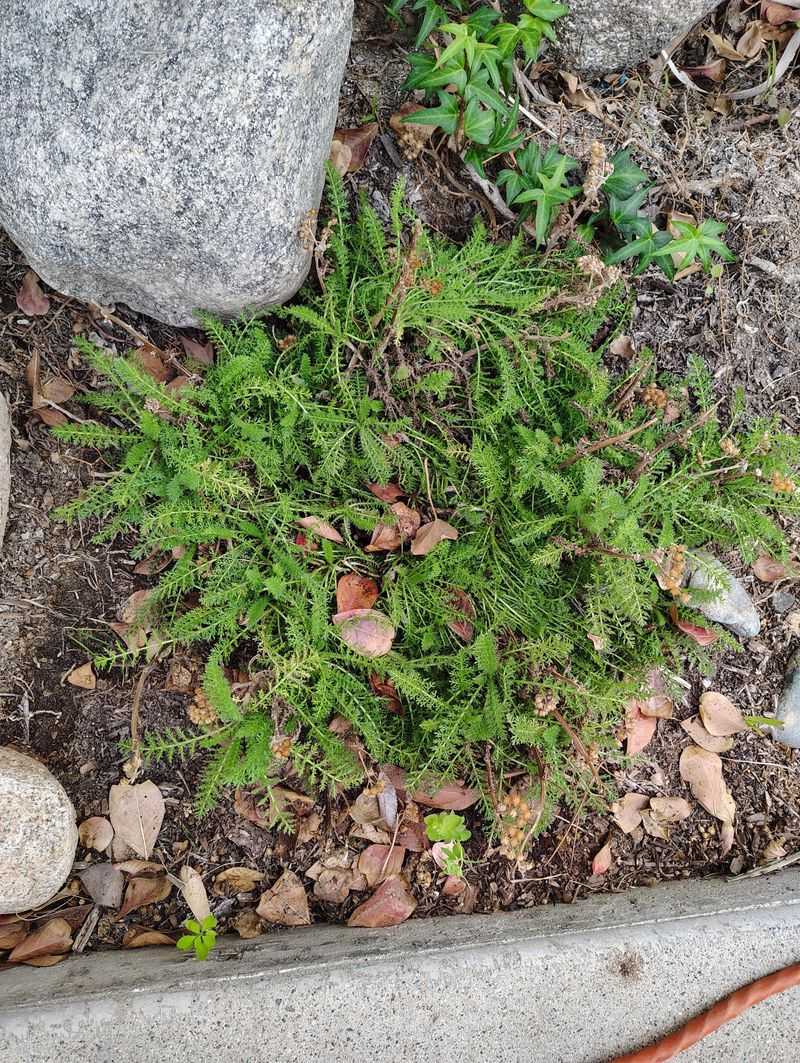
Yarrow is one of those plants that quietly declines when left alone too long. Clumps spread wide, the center thins out, and bloom quality drops noticeably.
Dividing before June ends gives refreshed sections a full summer to establish before cooler weather returns.
Lift the entire clump with a sturdy fork. Break it apart into smaller sections, each containing healthy roots and active foliage.
Toss out any dry or woody center portions that show no signs of new growth.
Replant divisions in full sun with well-drained soil. Yarrow performs poorly in rich, heavy soil.
Lean, slightly sandy ground actually produces stronger stems and more flowers than over-amended beds.
Water new divisions in well, but avoid overwatering once settled. Yarrow is drought-tolerant once established.
Consistent overwatering after the first week or two can lead to floppy stems and reduced flowering.
Space plants twelve to eighteen inches apart. Yarrow spreads aggressively in good conditions, so giving divisions room prevents future overcrowding.
Mulching lightly around plants helps retain moisture without keeping the crown too wet.
Expect blooms the following season from well-established divisions. Newly divided plants may produce limited flowers in their first summer.
By the second year, properly divided yarrow typically returns to full production with noticeably improved stem strength and color.
6. Butterfly Weed Resents Root Disturbance
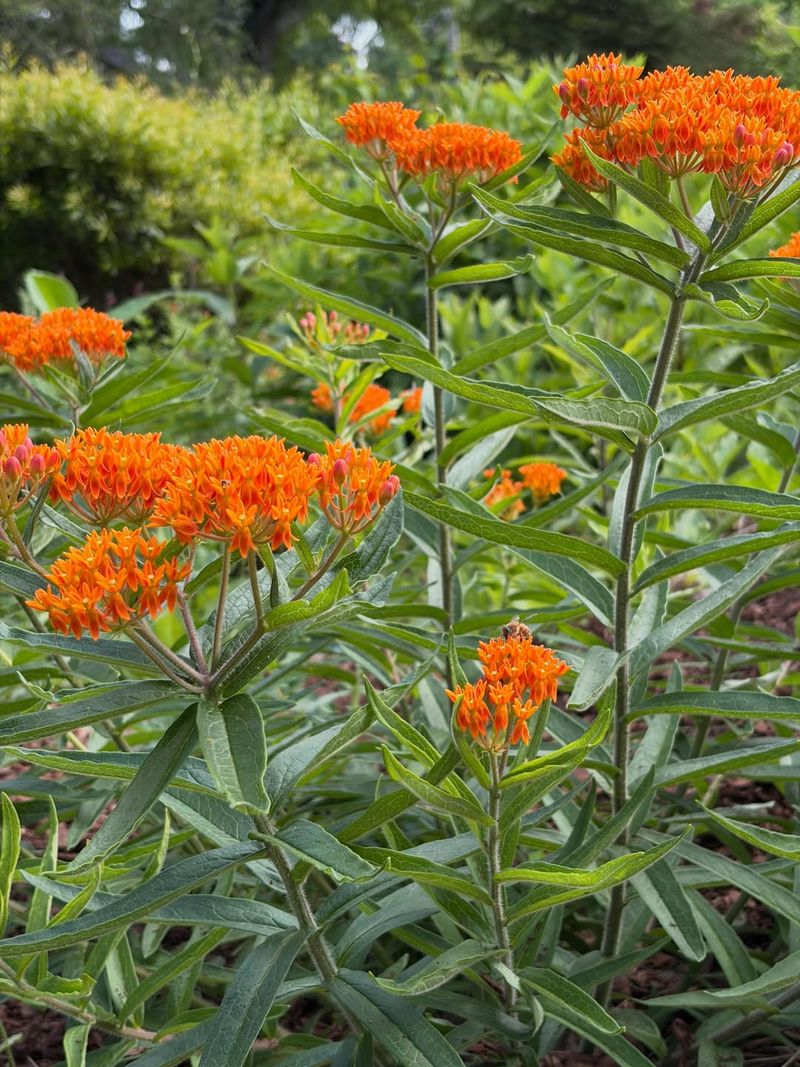
Butterfly weed plays by its own rules. Unlike most perennials, it grows a deep, fleshy taproot that does not respond well to being cut or moved.
Attempting to divide an established plant rarely ends well.
Young plants can sometimes be transplanted if done carefully and early in spring. But once a plant reaches maturity, disturbing the root system causes serious setbacks.
Recovery can take years if the plant survives at all.
Propagation through seed is far more reliable than division. Collect seeds in fall and direct sow in the garden, or start them indoors in late winter.
Seedlings develop their own taproots and establish much more successfully than transplanted divisions.
Leave established plants exactly where they are. Butterfly weed emerges late in spring, so mark its location in fall to avoid accidentally digging it up.
More than a few gardeners have lost plants by forgetting where they were growing.
Well-drained soil and full sun are non-negotiable for this plant. It thrives in sandy or rocky ground where other perennials struggle.
Heavy clay soil holds too much moisture around the taproot, which weakens the plant over time.
Monarch butterflies depend on native milkweed species, and butterfly weed is one of the best. Leaving it undisturbed year after year builds a stronger, longer-lived plant that supports pollinators more reliably each season.
7. Mature Baptisia Often Struggles After Digging
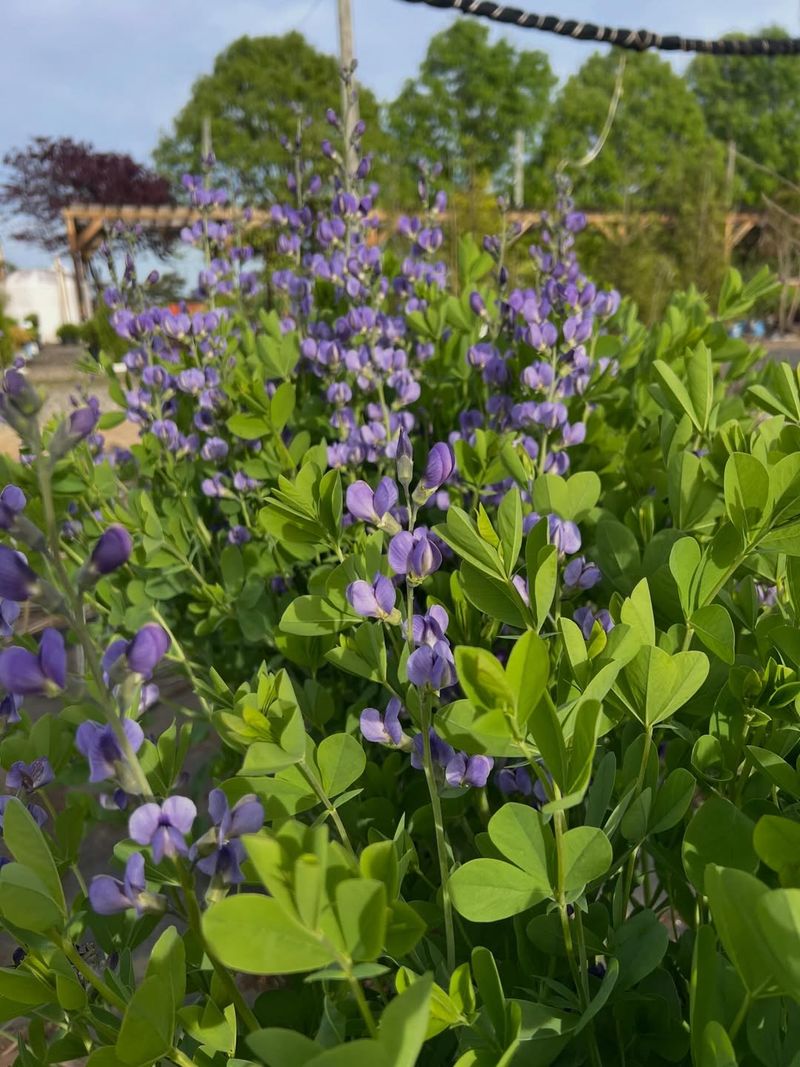
Baptisia earns its place in the garden through sheer patience. Plants take three or more years to reach their full potential, and a mature clump is a serious investment of time.
Digging one up rarely works out the way gardeners hope.
Established baptisia develops a massive, deep root system. Cutting through it causes significant damage, and recovery is unpredictable.
Some plants bounce back slowly over several seasons. Others simply never regain their original vigor.
Seed propagation is the smarter route for increasing baptisia. Seeds need cold stratification before they will germinate reliably.
Starting fresh from seed takes time, but produces plants that establish far better than stressed divisions.
If division feels absolutely necessary, attempt it only in early spring before growth emerges. Even then, success is not guaranteed.
Small root sections with visible growth buds stand the best chance, but expect a long recovery period regardless.
Location matters enormously with baptisia. Once planted in a spot it likes, moving it sets the plant back considerably.
Choosing the right location from the start, full sun and well-drained soil, saves a lot of frustration later.
Baptisia is a long-lived plant when left alone. Some specimens persist for decades in the same spot.
Respecting that growth pattern rather than fighting it leads to far better results in the long run.
8. Peonies Rarely Handle Late Spring Moving Well
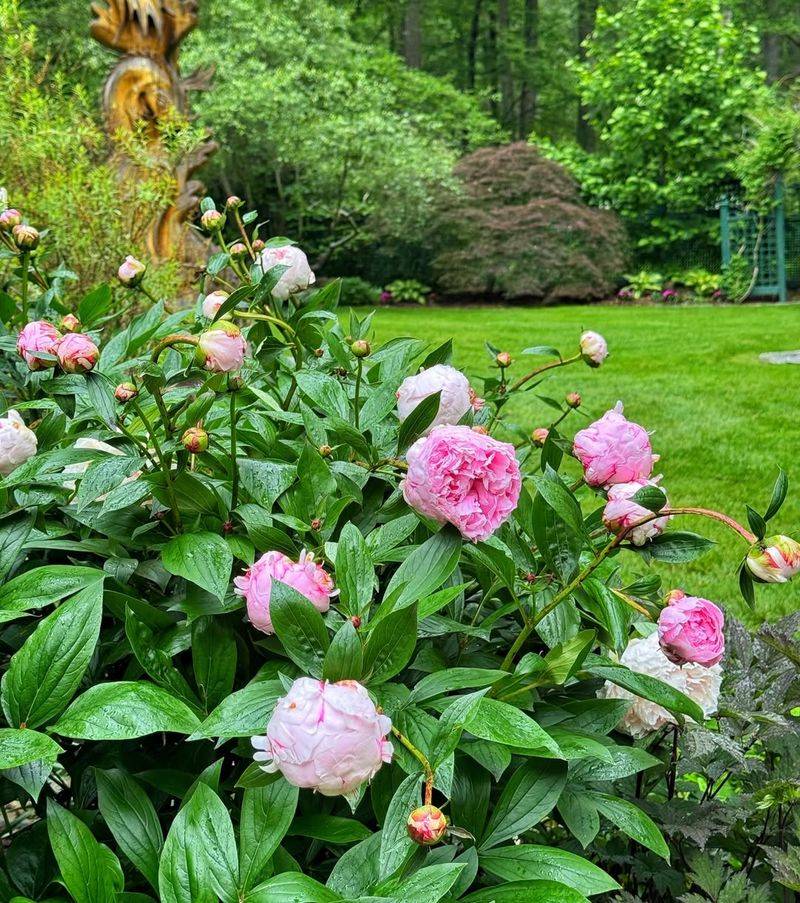
Moving peonies in late spring is a gamble most gardeners lose. By the time blooms have faded, the plant has already spent enormous energy on flowering.
Digging at that point adds stress on top of stress.
Peony roots are sensitive to depth changes. Replanting even slightly too deep can prevent flowering for years.
Getting the planting depth exactly right after a stressful move is harder than it sounds, especially in warm weather.
Fall is the correct time for peony division and transplanting. Cooler soil temperatures reduce transplant shock significantly.
Roots have time to settle before winter without fighting summer heat at the same time.
Wait until late September or October in warmer Southern climates. Soil should feel noticeably cooler before you attempt any digging.
Rushing the process in early fall when ground temperatures remain high leads to the same problems as spring moving.
Mark peony locations carefully before foliage disappears in summer. Bare ground in fall makes it easy to forget exactly where a plant was growing.
Accidental damage from digging nearby is more common than most people realize.
Peonies reward patience above almost anything else. A plant left undisturbed in a good location can bloom reliably for twenty years or more.
Unnecessary moving resets that clock and costs you multiple seasons of flowers.
9. Lenten Rose Prefers Staying Undisturbed
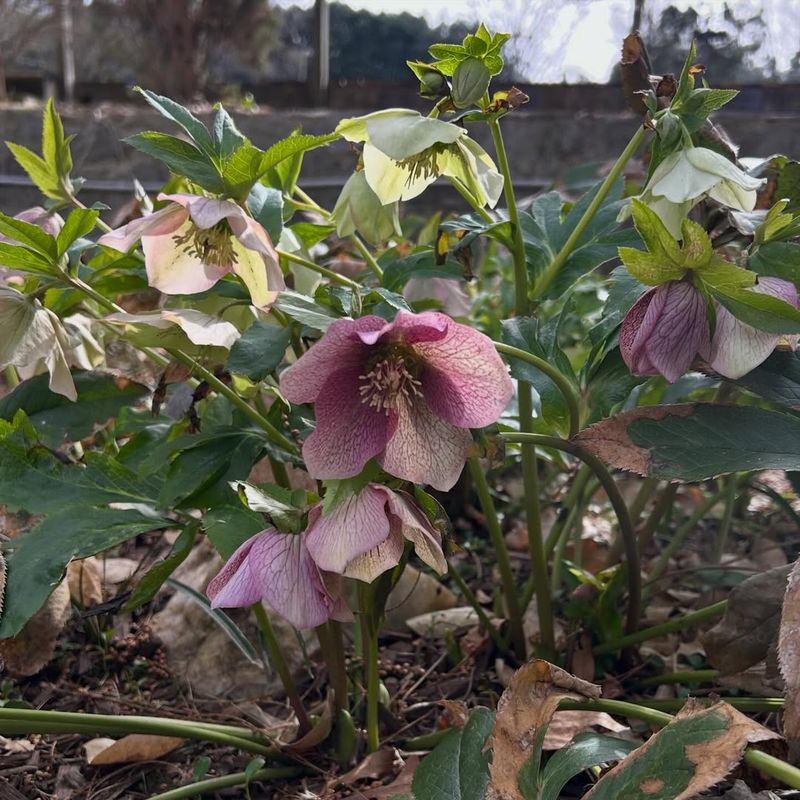
Lenten rose has a quiet stubbornness that experienced gardeners learn to respect. Once settled into a shaded spot it likes, moving it almost always causes a lengthy sulk.
Plants may survive transplanting, but blooming often stops for a season or two.
Self-seeding is how lenten rose naturally spreads. Seedlings pop up around established plants and transplant far more successfully than mature divisions.
Collecting and relocating young seedlings in early spring works much better than dividing adult clumps.
Root disturbance triggers a stress response that shows up in the foliage first. Leaves yellow, new growth slows, and the plant focuses entirely on root recovery rather than flowering.
In shaded Southern gardens, recovery can drag into the following year.
Division is occasionally possible in very early spring before new growth begins. Even then, results are inconsistent.
Smaller divisions tend to struggle more than larger ones, and none of them match the performance of an undisturbed plant in its prime.
Shade and consistent moisture are essential. Lenten rose planted under deciduous trees gets winter and early spring light when it needs it most, then summer shade once the canopy fills in.
That combination suits it perfectly.
Established plants reward neglect more than attention. Removing old foliage in late winter and letting self-sown seedlings fill in naturally keeps a planting looking full without the risk that comes from unnecessary digging.