Skip Boxwood Along Your Pennsylvania Driveway And Plant These Native Shrubs Instead
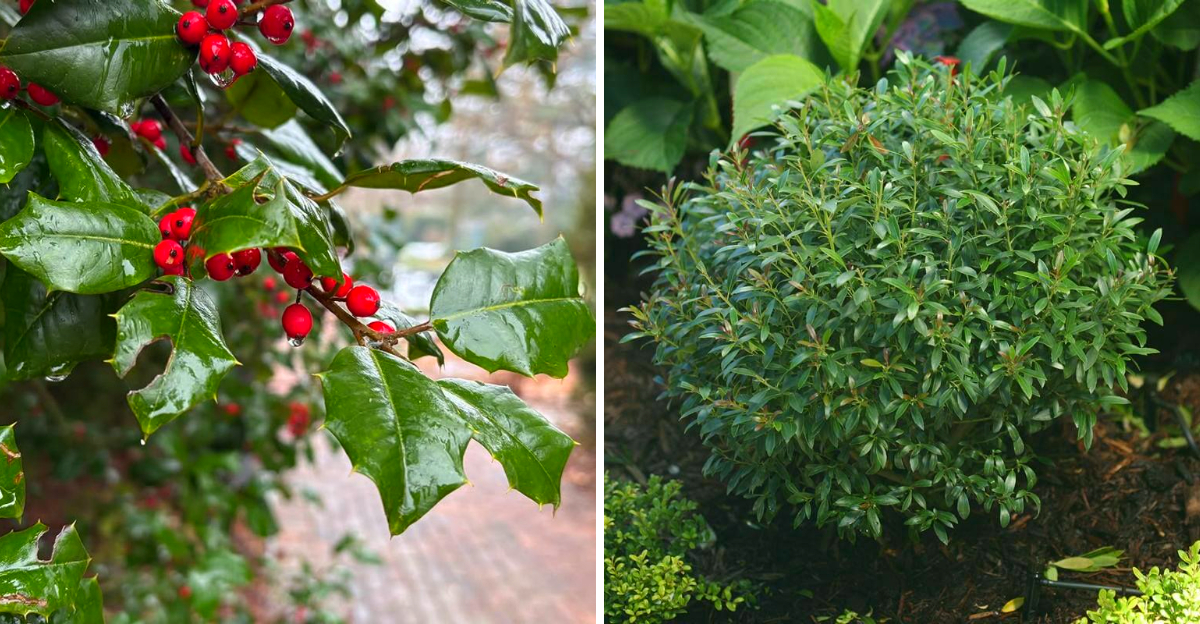
Boxwood had a really good run. For decades it has been the default choice along Pennsylvania driveways, and honestly, it is not hard to see why.
It is tidy, it is familiar, and it does that structured hedge thing really well. The problem is that driveways are genuinely tough environments for plants, and boxwood does not always age gracefully under pressure.
Road salt, reflected heat off pavement, compacted soil, and tight planting strips can chip away at even a well-established hedge over time. If yours is starting to look a little rough, you are not alone.
The encouraging part is that Pennsylvania has some excellent native shrubs that handle driveway conditions with a lot more resilience, and they bring seasonal color and character that a standard boxwood hedge honestly never could.
Time to meet some better candidates.
1. Inkberry Holly Brings Evergreen Structure
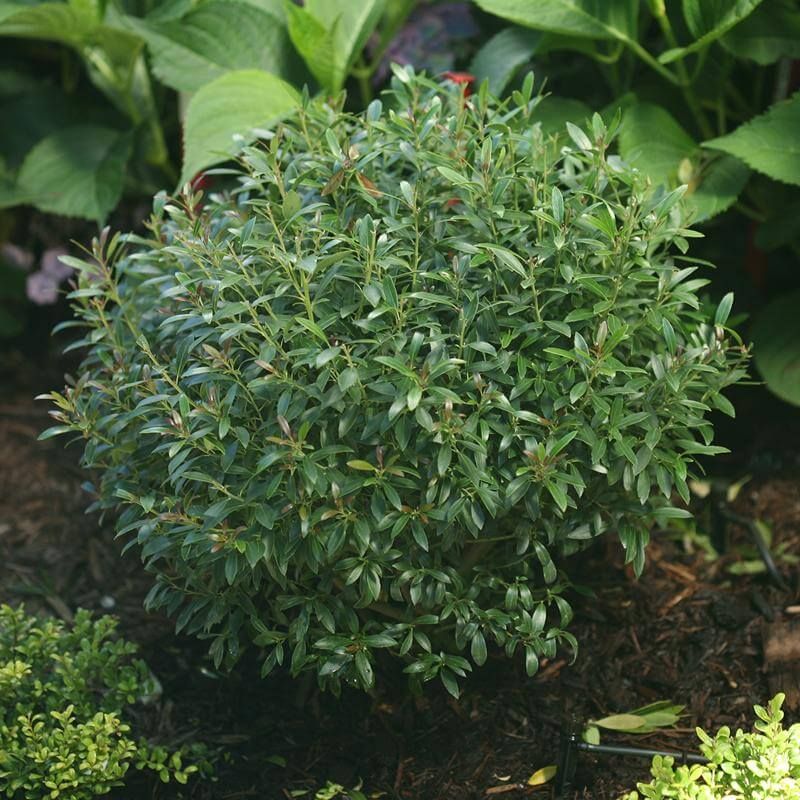
Finding an evergreen shrub that can handle road salt, wet soil, and cold winters without flinching is not as easy as it sounds. Inkberry holly does exactly that, and it does it while keeping its glossy dark green foliage looking tidy through most of the year.
For homeowners who want that same evergreen presence that boxwood provides, inkberry is one of the more reliable native options available across Pennsylvania.
It brings a cleaner, steadier look to a driveway planting without feeling stiff or overly formal.
Unlike boxwood, inkberry is a true Pennsylvania native that naturally grows in low spots, woodland edges, and wet meadows throughout the state. That means it is already adapted to local soils and seasonal conditions in ways that boxwood simply is not.
Along a driveway where water tends to pool or drainage is inconsistent, inkberry can handle moisture levels that would stress other shrubs.
Inkberry grows in a rounded, upright form that can be lightly sheared to maintain a neater look if the planting calls for it. Left to grow more naturally, it spreads gradually and fills in well over time.
Female plants produce small black berries in late summer that persist through winter, adding seasonal interest that boxwood never offers.
In full sun to part shade, inkberry typically reaches six to eight feet tall and wide, though compact cultivars are available for tighter spaces along a narrow driveway strip.
Road salt tolerance is considered moderate, so placing it slightly back from the pavement edge is a reasonable precaution in areas with heavy winter salt application across Pennsylvania.
2. Northern Bayberry Adds A Tough Native Edge
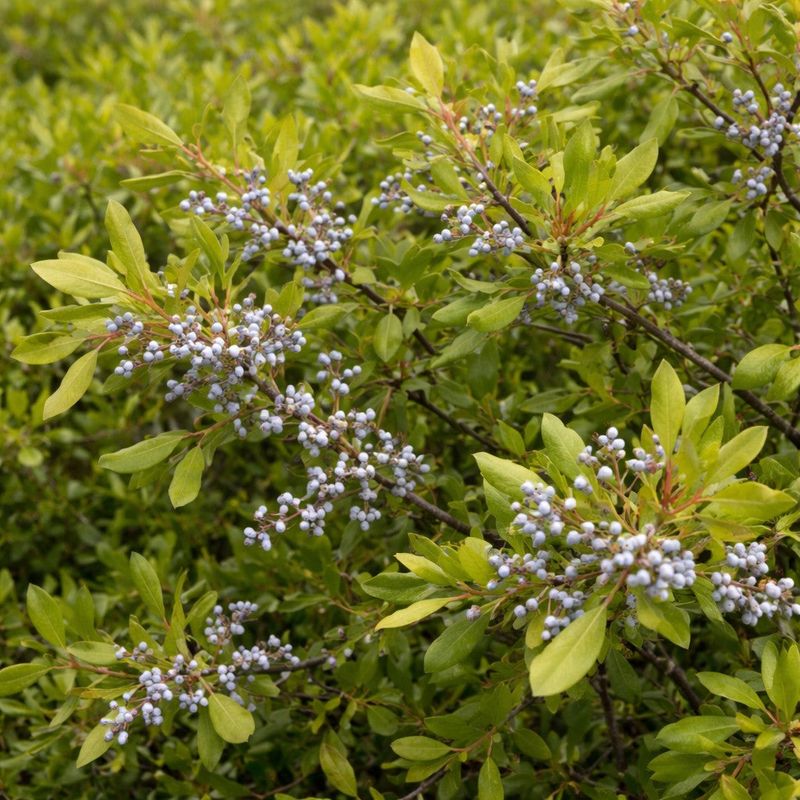
Driveways in Pennsylvania deal with a lot. Salt-laden snowmelt, compacted soil near the pavement edge, dry spells in summer, and cold snaps in winter all take a toll on landscape plantings.
Northern bayberry has been handling those exact conditions along the Mid-Atlantic coast and into the Pennsylvania interior for centuries, making it one of the most underused native shrubs for driveway borders in the state.
It has a tougher, more relaxed look that works especially well where a planting needs to feel durable as well as attractive.
Your Pennsylvania Garden Changes Every Week. Your Plan Should Too.
Gardening in Pennsylvania changes quickly throughout the season. Every Friday you’ll receive a simple weekly plan showing exactly what to plant, prune, fertilize, harvest, and protect so you never miss the right timing.
Bayberry is semi-evergreen, meaning it holds most of its leaves into late fall and sometimes into early winter depending on conditions. The leaves are aromatic when crushed, which is a pleasant surprise for anyone walking along the driveway.
More practically, the waxy gray-white berries that appear on female plants in late summer persist well into winter, giving the shrub a distinctive look that no boxwood can match.
One of bayberry’s most useful traits is its tolerance for poor, sandy, or dry soils.
Along driveways where the soil has been disturbed during construction or compacted over years of use, bayberry tends to adapt and establish without needing a lot of soil amendment or supplemental fertilizer.
It can also handle salt spray better than many other shrubs, which is a meaningful advantage in neighborhoods where road crews apply heavy salt through winter.
Bayberry typically grows six to ten feet tall with a spreading, somewhat irregular form. It works well as an informal screen or mass planting along a longer driveway run, and it spreads slowly by root suckers to fill in gaps over time.
3. Black Chokeberry Brings Beauty Beyond Bloom Time
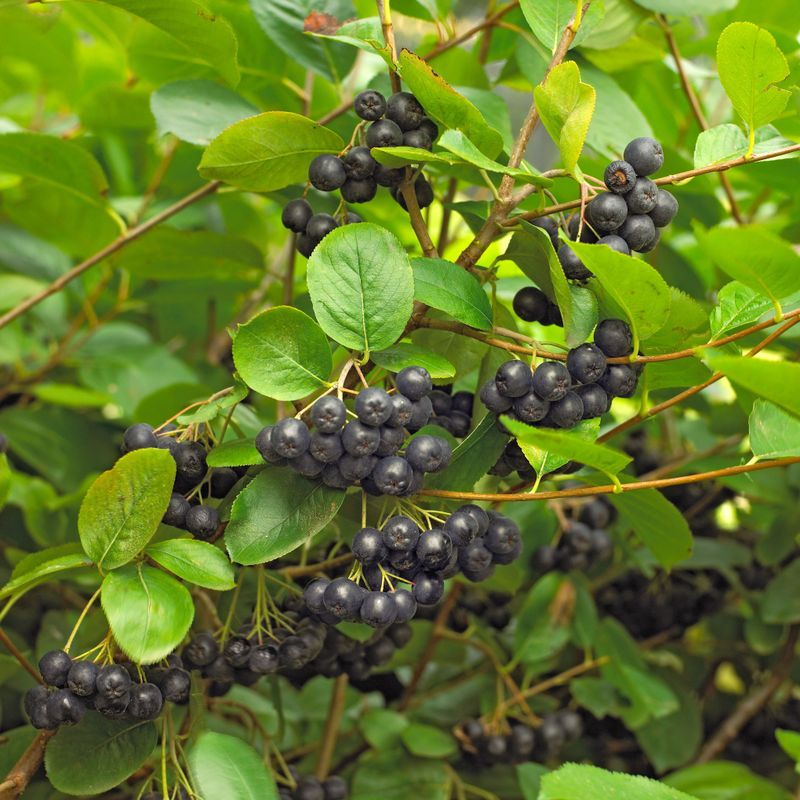
Most driveway shrubs get chosen for one season and then ignored for the other three. Black chokeberry breaks that pattern with something worth noticing in every season.
From its clusters of small white flowers in spring to its glossy green summer foliage, its deep red and burgundy fall color, and its persistent dark berries that cling to the branches well into winter.
It has a way of making a driveway bed look thoughtfully planted instead of simply filled in.
Along a Pennsylvania driveway, that kind of four-season performance is hard to beat. Chokeberry is not evergreen, so it will not provide the same winter screening that inkberry or American holly can offer.
But for homeowners who want a native shrub with genuine visual appeal across the growing season, black chokeberry earns its place in the planting bed with very little fuss.
Black chokeberry grows naturally in moist to wet areas across Pennsylvania, including woodland edges, stream banks, and low meadows.
It tolerates both wet and moderately dry conditions once established, and it handles part shade reasonably well, which makes it more flexible than some other native shrubs for driveways that do not receive full sun all day.
Its moderate salt tolerance means it benefits from some buffer distance from the pavement edge in areas with heavy winter road treatment.
Typically reaching four to six feet tall and wide, black chokeberry works well in a layered planting or as a stand-alone accent near the driveway entrance. Compact cultivars are available and tend to stay a bit shorter and tidier for smaller residential landscapes.
4. Arrowwood Viburnum Adds Full Native Coverage
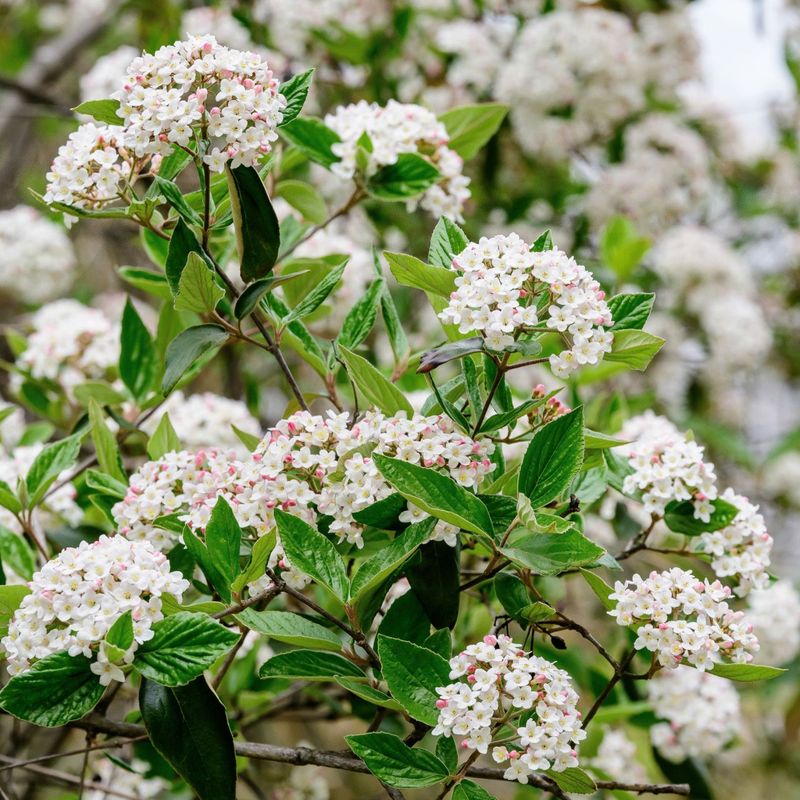
Long driveway borders in Pennsylvania often need a shrub that can fill in generously without requiring constant attention.
Arrowwood viburnum is one of the best native options for that kind of coverage, growing into a full, rounded shrub that provides real visual weight along a driveway edge while also delivering seasonal interest that shifts throughout the year.
In late spring, arrowwood produces flat-topped clusters of small white flowers that are attractive to native pollinators.
By late summer, those flowers give way to clusters of blue-black berries that birds find irresistible, which adds a layer of backyard wildlife activity right along the driveway.
Fall color ranges from yellow to deep red depending on sun exposure and the specific plant, giving the shrub a warm seasonal finish before leaves drop.
Arrowwood viburnum is adaptable across a wide range of Pennsylvania soil conditions, tolerating clay, loam, and moderately sandy soils.
It handles both full sun and part shade, which makes it one of the more versatile native shrubs for residential driveways where sun exposure varies throughout the day.
It is not considered highly salt-tolerant, so some setback from the pavement is advisable in areas where salt application is heavy during winters.
Mature plants typically reach six to ten feet in height and spread, so arrowwood works best in wider planting strips where its natural form has room to develop. Light pruning after flowering can help manage size in tighter spaces.
As a native shrub, it needs no pesticides or supplemental fertilizer once it has established in a suitable location.
5. American Holly Brings Classic Evergreen Presence
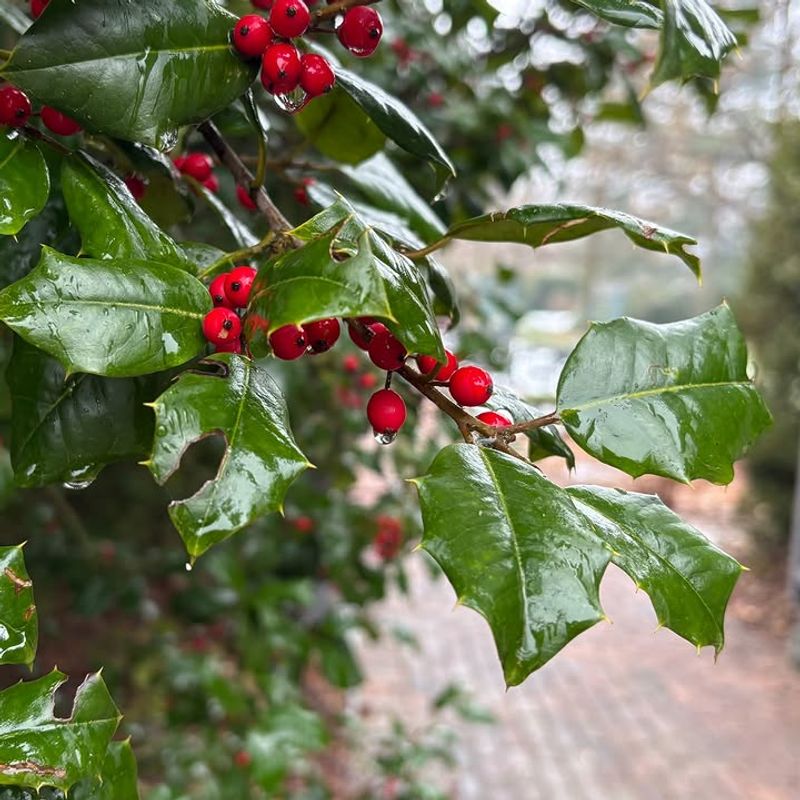
There is something unmistakably Pennsylvania about a row of American holly growing along a driveway in winter, its spiny dark green leaves catching the light and its red berries standing out against a gray January sky.
American holly is one of the few native evergreen options that can genuinely rival the year-round structure of boxwood while also growing into something far more impressive over time.
It brings a more traditional, stately look to the landscape while still feeling right at home in a native planting.
American holly is technically a tree, but it can be maintained as a large shrub with selective pruning, and many residential plantings use it exactly that way along foundation beds and driveway edges.
Its dense branching and persistent foliage provide strong winter screening, which is something many homeowners miss when they move away from boxwood.
The glossy, deep green leaves hold their color through even the coldest winters without the bronzing that boxwood often shows after hard freezes.
Growing in full sun to part shade, American holly tolerates a range of soil types but prefers well-drained, slightly acidic soil.
It is not considered highly salt-tolerant, so placement with some buffer from the road surface is a reasonable approach along heavily salted driveways.
Female plants produce the familiar red berries, but a male plant needs to be nearby for pollination, so pairing plants is something to plan for when laying out the driveway planting.
American holly grows slowly but steadily, eventually reaching fifteen feet or more if left unpruned.
In a residential driveway planting, annual light shaping can keep it at a manageable size while preserving its handsome evergreen form through every Pennsylvania season.