Georgia Plants You Should Buy Before Nurseries Run Out This Fall
Walk into a garden center a few weeks from now, and the benches will look much thinner than today.
Nurseries bring in their best fall stock early, and popular plants sell through quickly. Once those tables empty, many shops do not reorder until spring.
That timing surprises plenty of homeowners, especially since fall is one of the best planting seasons in Georgia.
You might have a spot picked out, only to find the plant you wanted is already gone. Settling for whatever is left rarely gives you the same results.
A few plants tend to disappear first, and they are worth grabbing while you still can.
Some of them are shrubs that do best when planted in fall. Others are perennials that shops carry for a short stretch each year.
1. Pansies Bring The Biggest Rush Of Fall Color
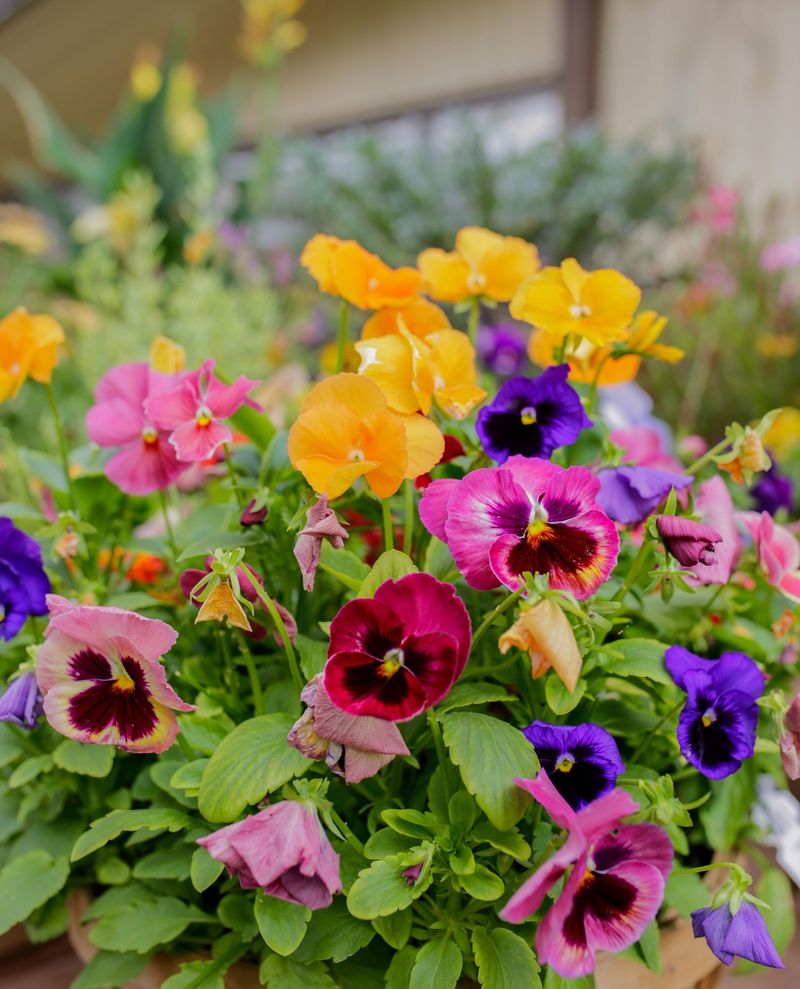
Walk into any garden center in early October and you will see a wall of pansies. They are the flowers people reach for first once the summer heat finally breaks.
Popular colors like clear blue, deep purple, and orange often sell out before the mixed trays do.
Timing matters with pansies. Planting when soil temperatures drop to around 65 degrees tends to work well, which usually lands in October for much of Georgia.
Planted too early, they can stretch and get leggy in lingering warm spells.
Planted too late, they may not build enough roots before cold snaps arrive. Those weak roots can leave plants struggling through January.
Look for compact plants with healthy green leaves and a few buds instead of lots of open blooms. A plant full of buds usually settles in better than one already putting its energy into flowers.
Water them well after planting and add a light layer of mulch to hold moisture.
Regular feeding with a fertilizer made for cool-season annuals can help keep blooms coming through winter. Pinching off faded flowers also helps the plant look tidy and keep producing.
With decent care, pansies can bloom on and off from fall into spring, though hard freezes may pause them for a while.
2. Daffodil Bulbs Disappear From Shelves Long Before Spring
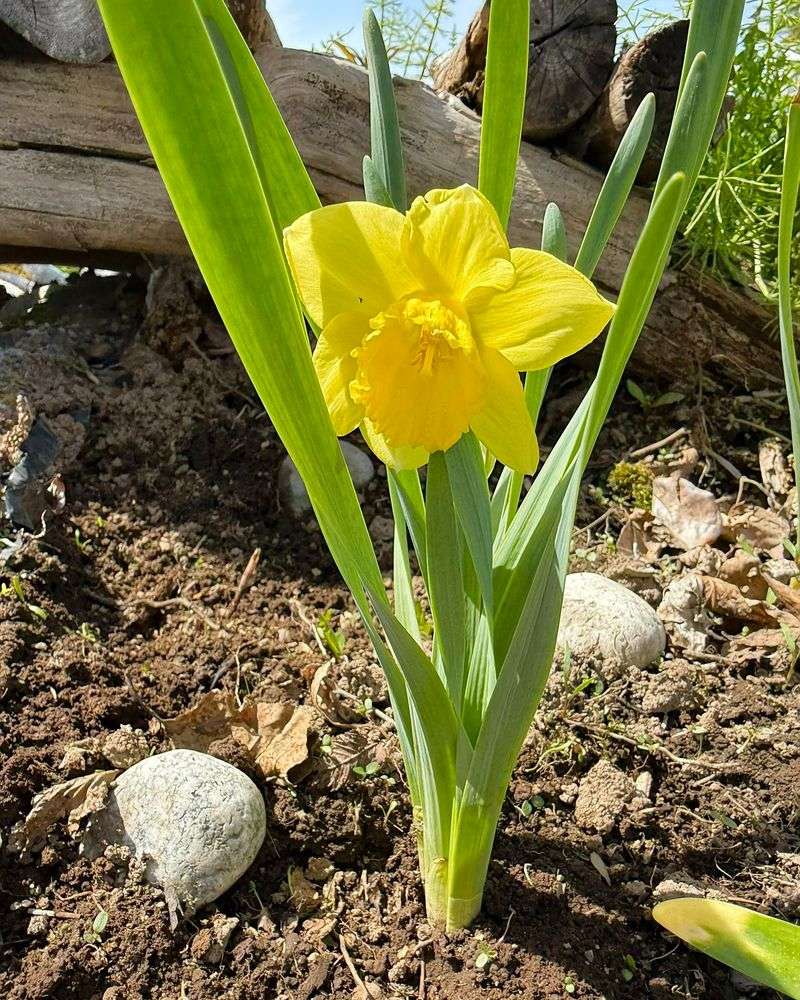
Spring color starts with a brown, papery bulb that looks like nothing special. Daffodils are planted in fall, and the best varieties often vanish from store bins by late October.
Gardeners who wait until December may find only soft or sprouting leftovers.
Across Georgia, daffodils are a smart pick because they usually come back year after year. Squirrels and deer tend to leave them alone, which is a real bonus in wooded neighborhoods.
Choose bulbs that feel firm and heavy, with no mold or mushy spots.
Plant them about two to three times as deep as the bulb is tall, pointy end up. A spot with good drainage and at least half a day of sun gives them the best chance to rebloom.
Heavy clay can hold too much water, so mixing in compost may help bulbs avoid rot.
Some types handle warm Southern winters better than others. Varieties like Ice Follies, Carlton, and many jonquils have a good track record in the South, while some fancy doubles may bloom less reliably.
Your Georgia Garden Changes Every Week. Your Plan Should Too.
Gardening in Georgia changes quickly throughout the season. Every Friday you’ll receive a simple weekly plan showing exactly what to plant, prune, fertilize, harvest, and protect so you never miss the right timing.
Once they finish blooming in spring, leave the leaves alone until they turn yellow, since they feed next year’s flowers.
Buying firm bulbs early gives you a better selection and plenty of time to get them planted before winter. With the right spot, they can reward that small fall effort with reliable spring color for years.
3. Seed Garlic Has A Short Window For Getting Into The Ground
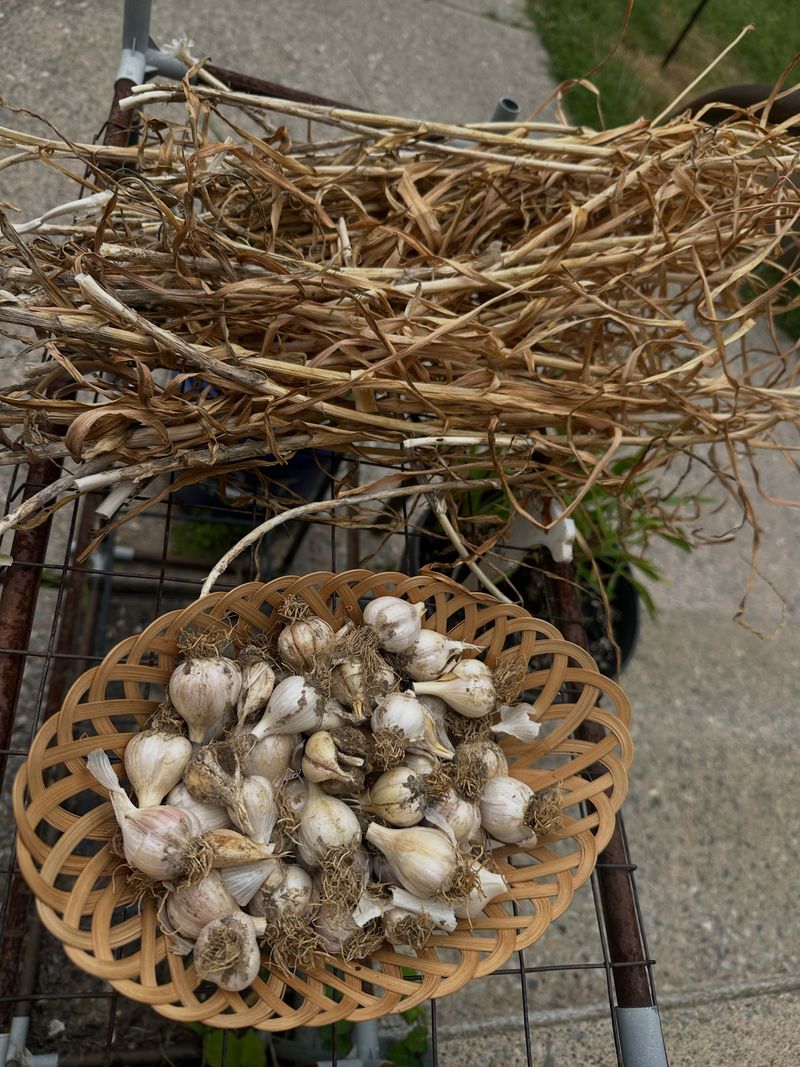
Garlic is a slow crop that rewards gardeners who plan ahead. You plant it in fall, then wait until late spring or early summer to harvest.
Seed garlic from nurseries and online suppliers often sells out by early fall, so ordering or buying early is wise.
Grocery store garlic may sprout, but it is sometimes treated to slow growth and may not be suited to your area. Buying cloves meant for planting gives you a better start.
Softneck types and Creole garlic often do well in Georgia because they handle mild winters.
Hardneck types usually need a longer cold period, so they can be less dependable in the warmer southern parts of the state. Northern mountain areas may have better luck with them.
Planting in October or November generally works well in much of the Southeast.
Break the bulb apart right before planting and set each clove pointy side up, about two inches deep. Space them roughly six inches apart in loose, well-drained soil with some compost.
A layer of straw mulch helps keep weeds down and soil moisture steady.
Green shoots may pop up within a few weeks, and that is normal. They can handle typical winter cold without much fuss.
They will slow down during the coldest weeks, then start growing quickly again as temperatures rise. That long growing season gives the bulbs time to develop before harvest arrives.
4. Blooming Sasanqua Camellias Make Choosing A Favorite Much Easier
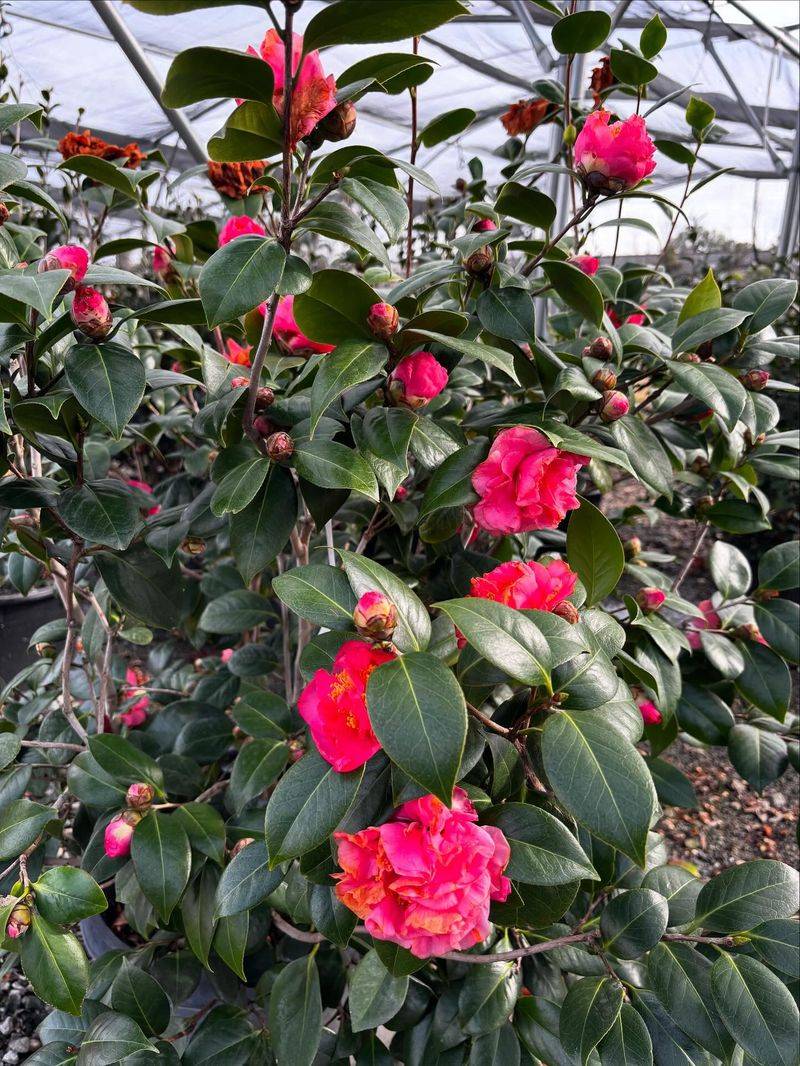
Nothing beats seeing a shrub in full bloom before you buy it. Sasanqua camellias flower in fall, so you can pick the exact color and form you like right there in the nursery aisle.
Once the best plants in bloom are gone, the choices can get slim until next year.
Sasanquas come in white, pink, rose, and red, with single or double flowers. Some grow tall and upright for screens, while others stay low and spread.
Read the tag carefully so the mature size fits your space.
Georgia gardens tend to suit these shrubs well because they like acidic soil and mild winters. Many types handle more sun than the spring-blooming japonica camellias, though afternoon shade can still help in hot spots.
Fall planting gives roots time to grow while the air stays cool.
Dig a hole about twice as wide as the pot, but not deeper. Setting the root ball slightly high helps prevent water from pooling around the trunk.
Water deeply once or twice a week for the first few months unless rain does the job.
Tea scale can show up on the undersides of leaves, so check new plants before bringing them home. A little inspection now saves bigger headaches later.
Healthy foliage should look glossy and evenly colored, without heavy spotting or obvious stress.
Choosing a strong plant now gives it the cooler months to settle in before warmer weather returns.
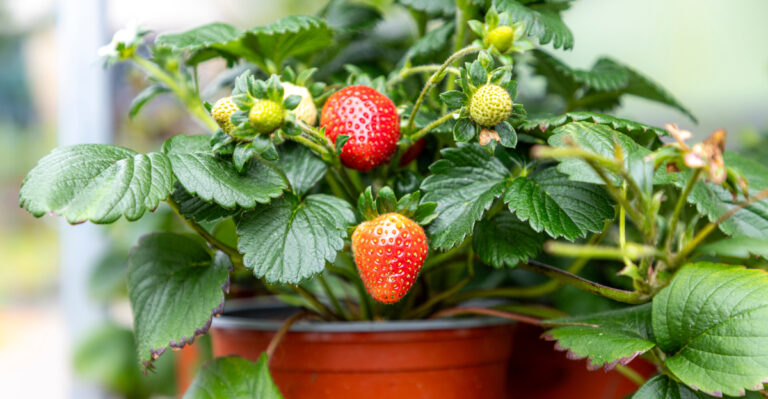
5. Strawberry Plants Arrive Just In Time For Fall Planting
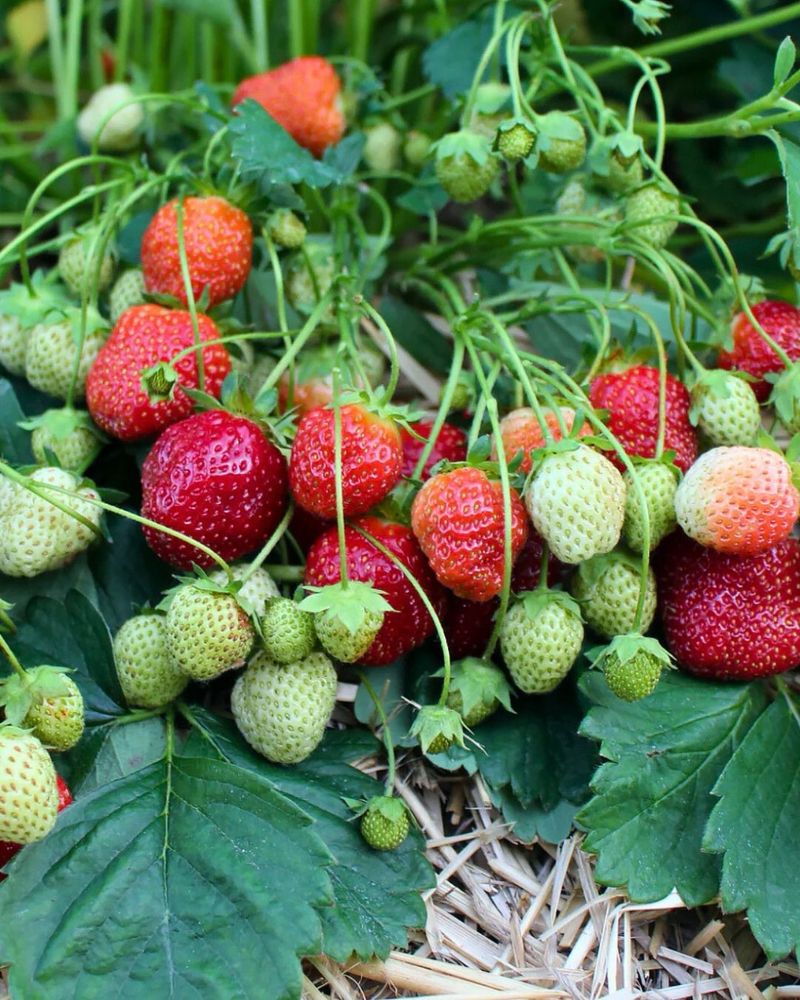
Juicy spring berries often begin with a small plant tucked in the ground months earlier. In the South, fall planting is common for strawberries because it gives them time to settle before spring fruiting.
Nurseries may carry limited stock, and it can move quickly once word gets around.
Across much of Georgia, planting from late September through October is a common window. Southern areas can sometimes push a little later, while cooler northern spots may need earlier planting.
Varieties like Chandler and Camarosa are often grown in the Southeast for fall planting.
Pick a spot with full sun and soil that drains well. Raised beds are a good choice if your yard holds water after rain.
Set each plant so the crown sits right at soil level, not buried and not sitting high.
Burying the crown can lead to rot, while leaving roots exposed can dry the plant out. It is a small detail that makes a real difference.
Straw mulch helps keep berries clean and protects roots during chilly nights.
Harvest size depends on weather, care, and variety, so results can vary from year to year. Covering plants with frost cloth during hard freezes in late winter can help protect early blooms.
Keep the bed watered during dry stretches so young roots can continue getting established. With steady fall care, the plants can head into spring ready to flower and produce berries.
6. Ornamental Kale Takes Center Stage As Nights Turn Cooler
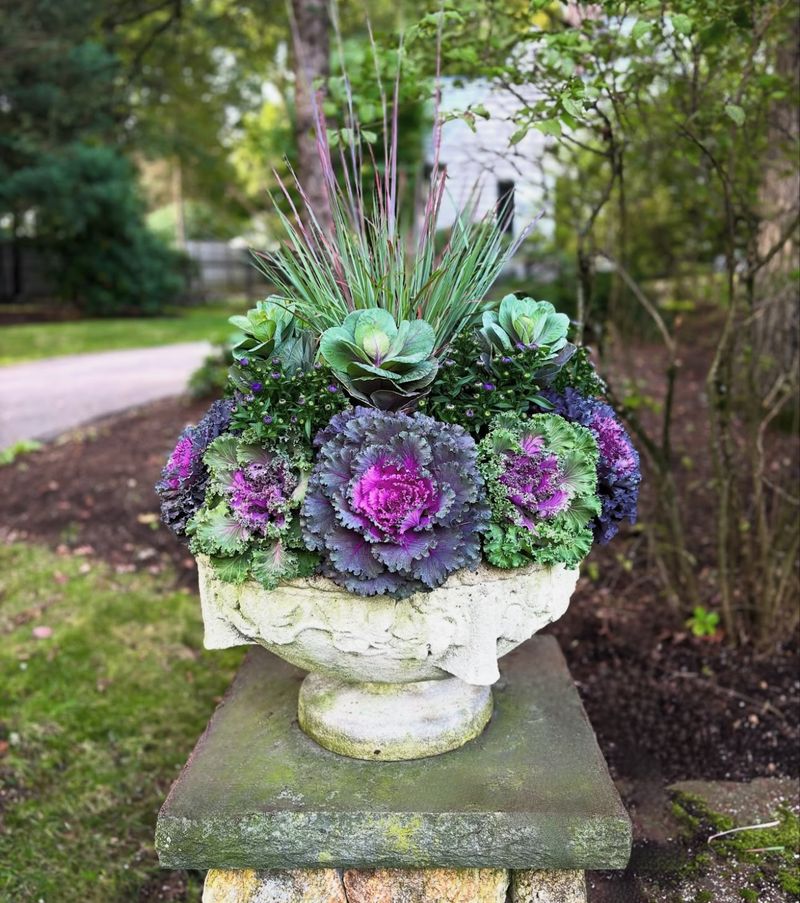
Cold weather makes ornamental kale look better, not worse. As nighttime temperatures drop, the centers of the leaves often turn richer shades of purple, pink, or creamy white.
Big, full plants tend to go first, so early shoppers usually get the showiest ones.
Porch pots and front beds get an instant lift from a few of these leafy rosettes. They pair nicely with pansies, mums, or trailing ivy.
In Georgia, ornamental kale and cabbage often hold up through much of winter, depending on how cold it gets.
Hard freezes in the teens can damage leaves, especially on plants in exposed spots. A sheltered location near a wall may help them look good longer.
Plant them at the same depth they sat in the nursery pot.
Give them full sun or light shade and water when the top inch of soil feels dry. Too much water in heavy soil can cause rot at the base.
Watch for cabbage worms early in the season while it is still warm.
Small holes in the leaves are a common sign, and picking off caterpillars by hand works fine for a few plants.
By late winter or early spring, the plants usually stretch and bolt, which means it is time to replace them.
Until then, removing damaged outer leaves can keep each rosette looking tidy and colorful.
Cooler weather often brings out the strongest color, making these plants especially useful when many warm-season flowers have faded.
7. Native Azaleas Can Be Harder To Find Later In The Season
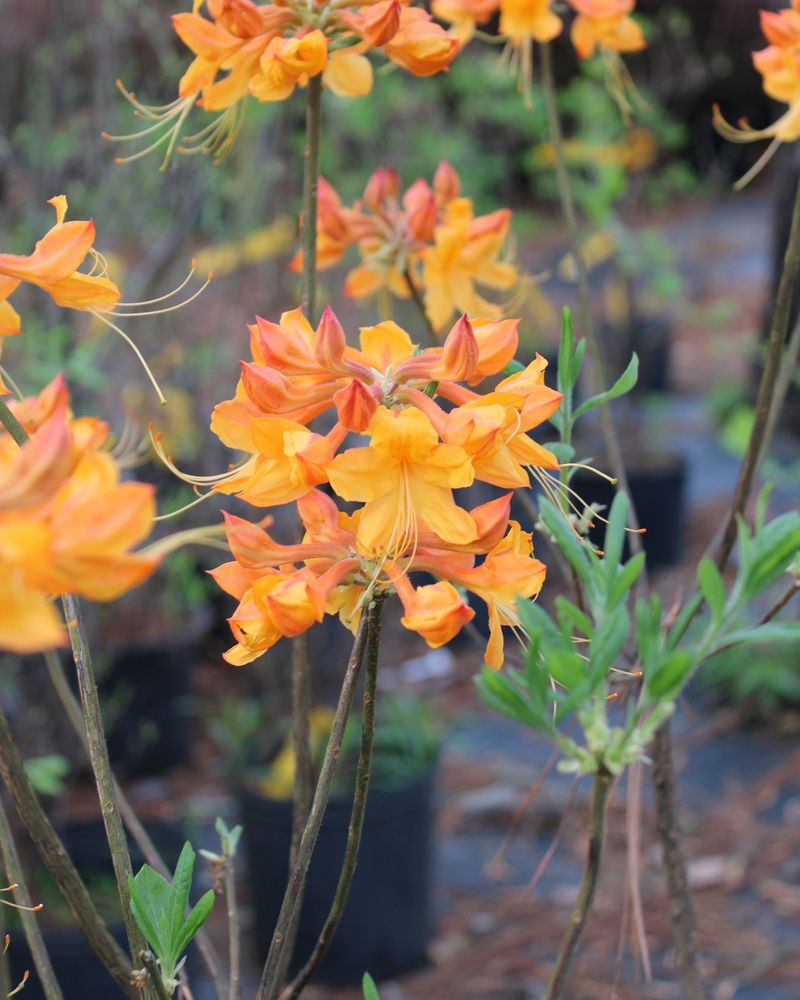
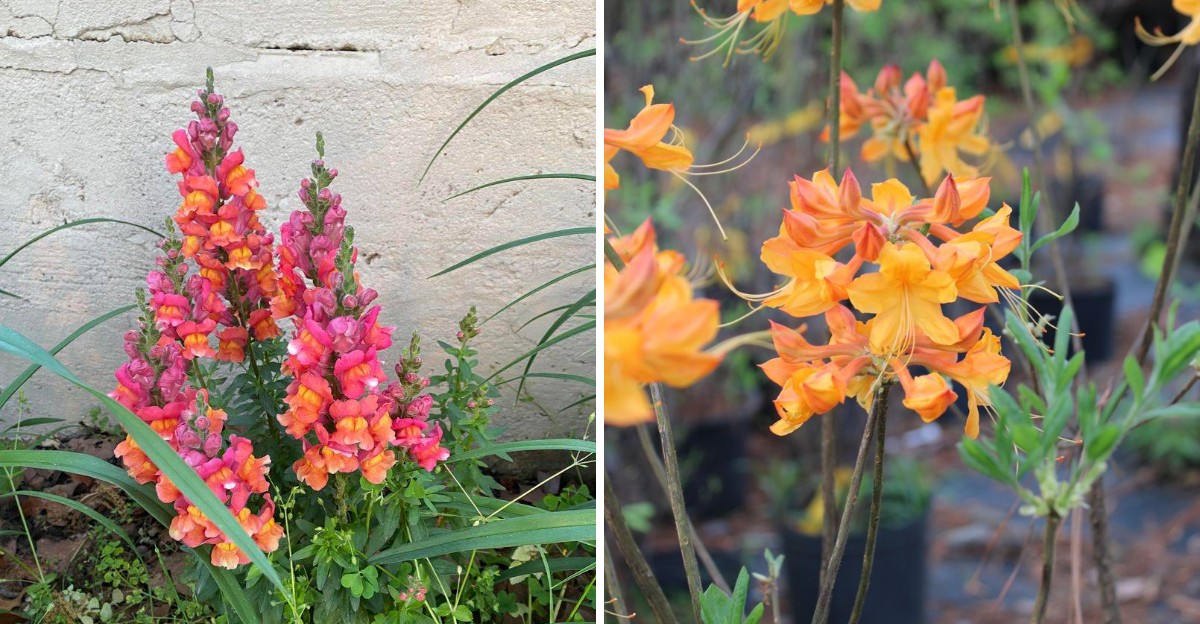
Ask any native plant fan about fall sales, and azaleas will likely come up fast. Unlike common evergreen azaleas, native types lose their leaves in winter and bloom with fragrant flowers in spring.
Supplies can be limited because fewer growers propagate them.
Georgia is home to several native species, including the Florida flame azalea, piedmont azalea, and the rare plumleaf azalea. Each has its own bloom time and color range.
Plant sales at botanical gardens and native nurseries often feature them in fall, and popular types can sell out early.
Fall planting helps these shrubs grow roots before summer heat returns. A spot with dappled shade, like under tall pines or hardwoods, often suits them well.
Well-drained, acidic soil with plenty of organic matter is ideal.
Heavy clay may need amending, or you can plant slightly high in a gentle mound. Avoid spots where water sits after storms, since wet feet can harm the roots.
Pollinators like bees, butterflies, and hummingbirds visit the blooms in spring.
Growth may seem slow at first, so patience helps. Buy from a nursery that grows plants from propagated stock rather than collecting them from the wild.
Give the roots consistent moisture during the first year while avoiding soil that stays soggy. Once established, the shrub can become a lasting part of the garden and return with spring color each year.
8. Snapdragons Become A Favorite As Summer Flowers Fade
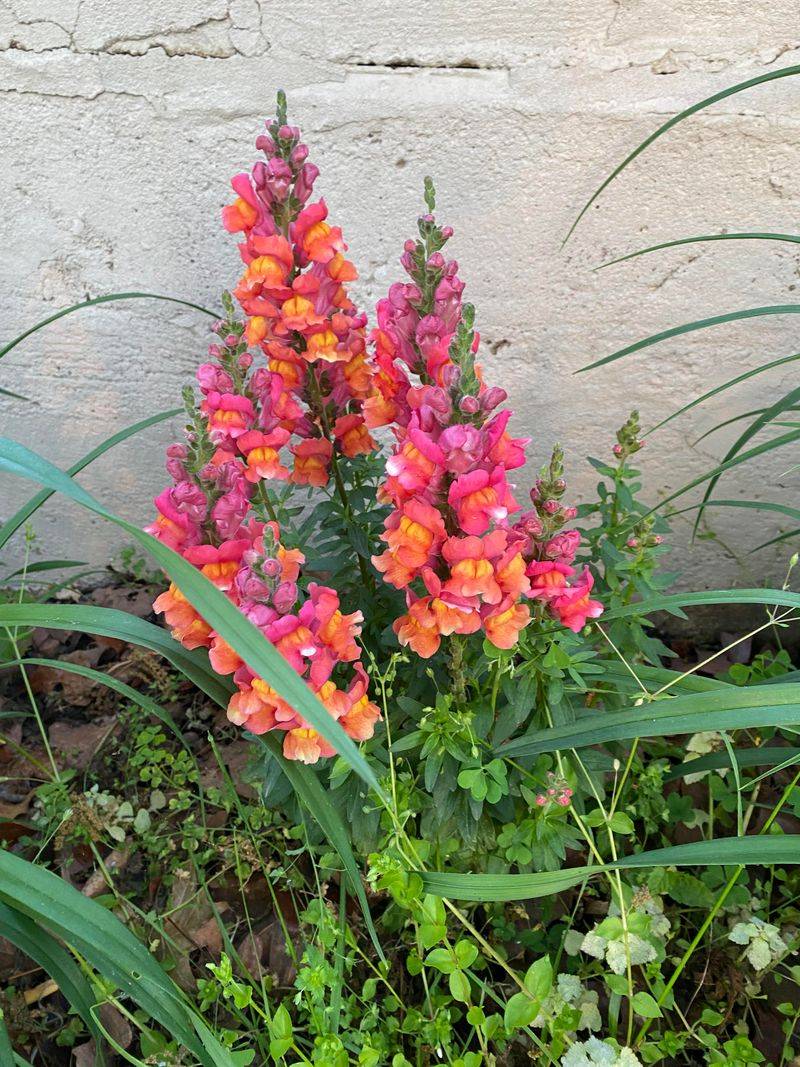
Summer petunias fading out? Snapdragons step in with tall spikes of color that add height to cool-season beds.
Squeeze a bloom gently from the sides and it opens like a tiny mouth, which kids tend to love.
Nurseries in Georgia usually stock snapdragons in fall alongside pansies and violas. Tall cutting types and specific colors often go first, while short mixed packs tend to linger.
Planting in October gives them time to get established before colder weeks arrive.
Snapdragons often handle light frost well, though a hard freeze may damage blooms and tender tips. In milder winters, they can keep flowering on and off, then put on a stronger show in early spring.
Full sun helps them bloom best.
Space plants about six to ten inches apart so air can move between them. Good airflow may reduce the chance of leaf diseases like rust.
Tall varieties sometimes flop after heavy rain, so a small stake can keep them upright.
Cutting stems for a vase can actually encourage more side shoots. Snip just above a set of leaves and enjoy fresh flowers indoors while the garden keeps growing.
Removing faded flower spikes can also encourage the plants to keep producing fresh blooms.
With regular care, snapdragons can carry plenty of color through the cooler months and into spring.