Giant Mosquito-Looking Insects In Georgia Yards Usually Aren’t Mosquitoes
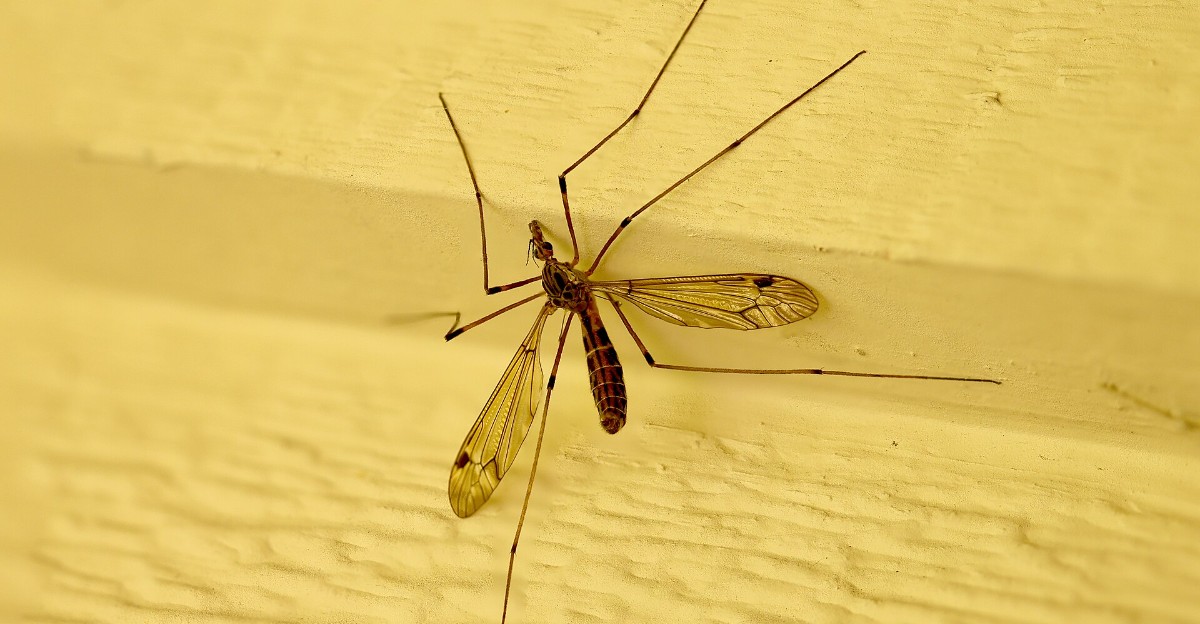
Some of the biggest bugs that look like mosquitoes can’t bite you at all. Their mouths simply aren’t built for it.
I still remember swatting wildly at one near my back door. It bobbed along the wall like a lost kite on stilts, and it never once came after me.
Later I learned it probably wouldn’t eat a single thing during its short adult life.
You may have heard folks in Georgia call them mosquito hawks or skeeter eaters. Those nicknames sound like a free pest control service, right?
Sadly, the names promise far more than these lanky visitors deliver.
The real story is quirkier, and it starts underground. Their babies live in the soil, munching quietly while you mow.
Who exactly is bumping into your porch light tonight, and should your lawn be worried?
1. That Long-Legged Bug On Your Porch Light Has No Interest In Your Blood
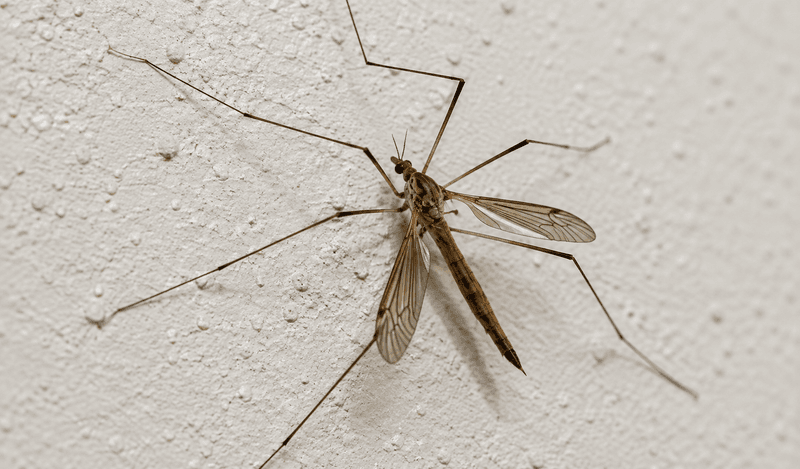
Most of the time, that oversized mosquito drifting around your porch is a crane fly. Scientists place these insects in the Tipulidae family, and North America has hundreds of species, with many found across the Southeast.
Crane flies lack the long, needle-like mouthparts mosquitoes use to pierce skin. A crane fly simply can’t bite you, your kids, or your dog.
They don’t sting either, and they aren’t known to carry human diseases.
Size is a big clue. Many crane flies have bodies close to an inch long, with legs that stretch even farther.
A typical mosquito is far smaller, often about a quarter inch or less.
I find it oddly comforting to watch one bounce off a window like a clumsy puppet. Mosquitoes move with purpose and zero in on you.
Crane flies wobble around and seem confused by just about everything.
So when one floats past your face, take a breath. You’re looking at a harmless insect that showed up for the porch light, not for your arm.
Of course, smaller biting mosquitoes still live in Georgia yards, so keep using repellent outdoors. Just don’t blame the gangly giant for those itchy welts.
2. Crane Fly Mouthparts Tell The Whole Story
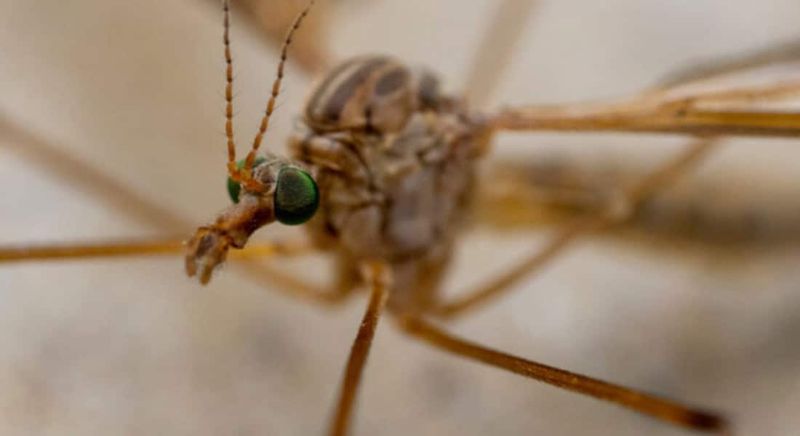
Lean in close sometime, and you’ll notice something surprising about a crane fly’s face. Instead of a sharp, slender beak, it has a short snout ending in soft, spongy tips.
Those mouthparts work more like a tiny drinking pad. Some adult crane flies sip water or flower nectar, and many species barely feed at all.
Their job as adults is mostly to find a mate and lay eggs.
Adult life is brief too. Many crane flies live only a few days to roughly two weeks after emerging.
Most of their life is spent as larvae hidden in soil, leaf litter, or wet ground.
Compare that with a female mosquito. She carries a long, slim proboscis designed to slip through skin and find blood vessels.
She needs that protein meal to develop her eggs.
Personally, I think the crane fly got the easier deal. It skips the dangerous work of hunting people and spends its short adult days flapping around looking for love.
If you want a closer look, use your phone camera to examine the insect’s long legs, slender body, and mouthparts, but don’t rely on one feature alone for identification.
That simple glance can calm a whole family cookout.
3. Sorry, Mosquito Hawks Don’t Actually Hunt Mosquitoes
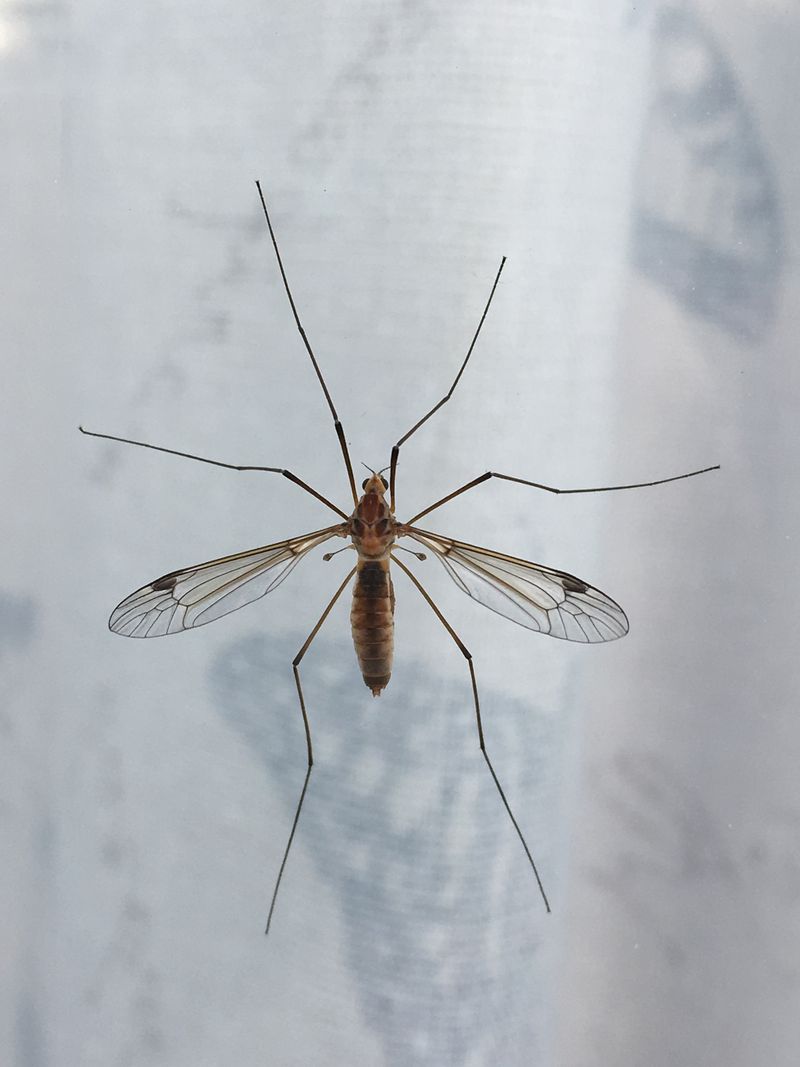
Here’s a nickname that has fooled generations of backyard gardeners. Mosquito hawk sounds like a fierce little guardian, but adult crane flies don’t prey on mosquitoes at all.
Remember those soft mouthparts? They can’t grab, chew, or tear another insect.
A crane fly couldn’t catch a mosquito even if it wanted to, and its slow, wobbly flight wouldn’t help much.
Other local names include skeeter eater, gallinipper, and daddy longlegs. That last one causes extra confusion, since harvestmen and cellar spiders share it.
Folk names stick around for decades, even when the facts don’t match.
Want real mosquito eaters in your yard? Dragonflies are the true aerial hunters, snatching small flying insects on the wing.
Their young also eat mosquito larvae in ponds and streams.
Bats, purple martins, and other songbirds also grab plenty of flying insects. A small native plant pond with fish can host mosquito-eating minnows too.
I’ll admit I felt a little let down when I learned the truth. Still, the best mosquito plan involves dumping standing water every week.
Tip saucers, clean gutters, and refresh birdbaths. That beats waiting for a crane fly to come to the rescue.
4. Leatherjacket Larvae Are Busy Below Your Grass
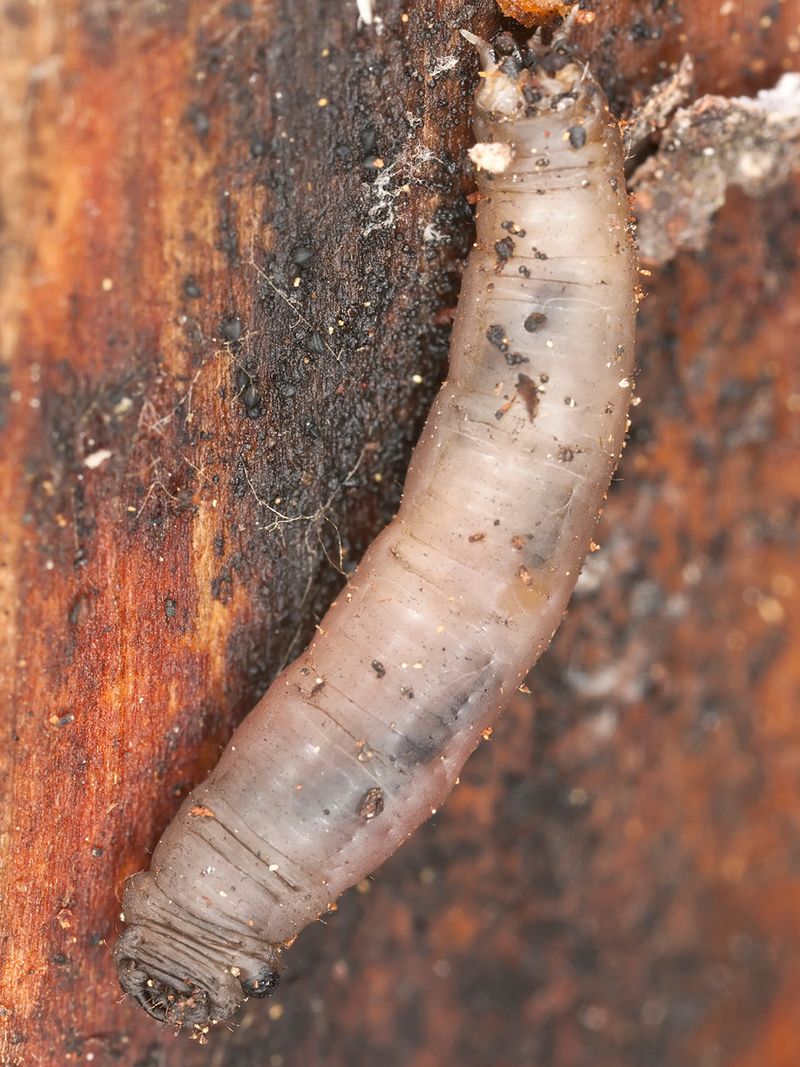
Dig into damp soil and you might find a grayish-brown grub with tough, leathery skin. Gardeners call these crane fly larvae leatherjackets, and they look a bit like fat, legless worms.
Most crane fly larvae are actually helpful. Many species live in wet leaf litter, stream edges, and decaying wood, breaking down organic matter.
They’re recyclers that return nutrients to the soil.
A few species do nibble on living plants. They chew roots, crowns, and sometimes grass blades that touch the soil surface at night.
Lawn trouble from leatherjackets is better documented in cooler, wetter regions like the Pacific Northwest than in most Southern yards.
Crane flies in the Southeast often appear in early spring, and another flight may show up in fall. Eggs go into moist ground, and larvae grow slowly through the cool months.
Timing varies a lot by species and by region.
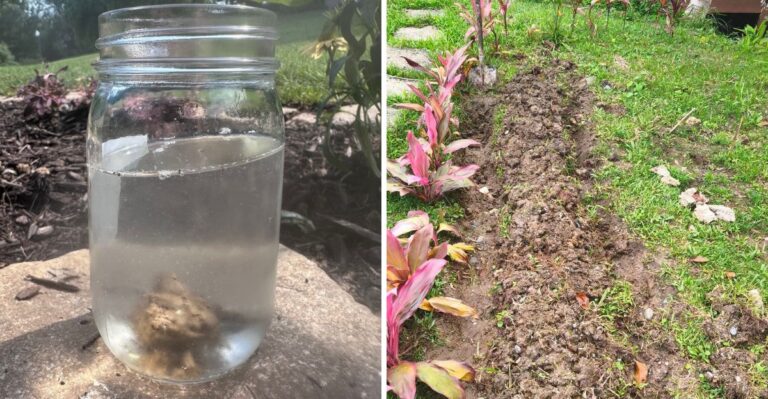
You can do a quick check. Cut a small flap of sod in a soggy area and peel it back.
Count any grubs in the top couple inches.
Finding one or two larvae does not necessarily indicate a problem, and even several in one patch do not prove the soil is excessively wet.
5. Brown Lawn Patches Might Have Another Explanation
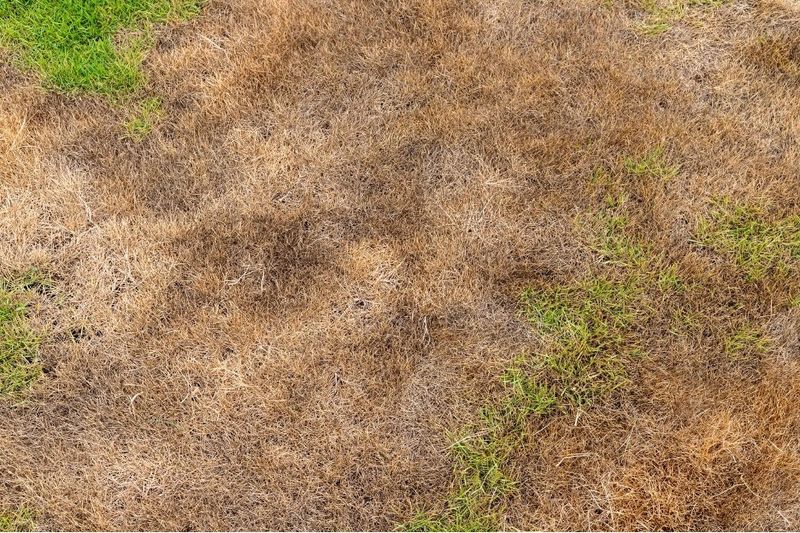
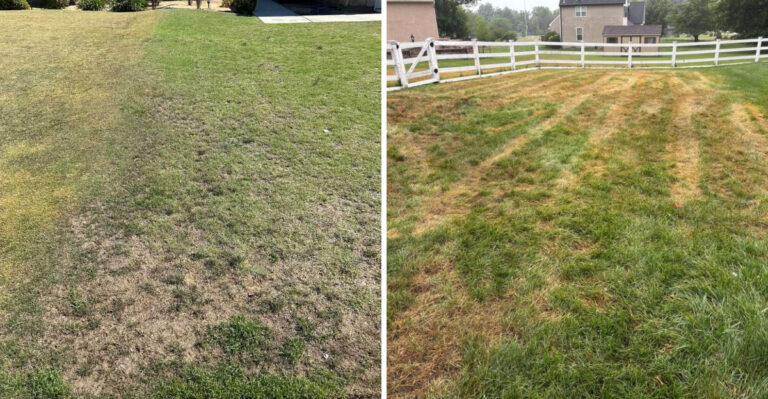
A thin, brown spot in your lawn can send anyone straight to the garden store. Before blaming crane flies, it helps to rule out the usual suspects.
In Georgia, warm-season grasses like Bermuda, zoysia, St. Augustine, and centipede are often damaged by other pests. White grubs, mole crickets, chinch bugs, and armyworms cause far more lawn trouble here than leatherjackets.
Fungal diseases like large patch also show up in spring and fall.
Watch for birds or skunks digging into the turf. Their pecking and scratching means something tasty lives underneath, though it may be grubs rather than larvae from crane flies.
I’m a big fan of the soil flap test. Peel back a square foot of sod at the edge of the damage, and look closely at what’s crawling around.
Pull a few grass plants and see if roots are chewed or rotted.
Your county UGA Extension office can help identify insects and diseases. Bring a fresh sample in a sealed bag, and they’ll point you toward the right fix.
Guessing often wastes money on products that won’t solve the real problem.
6. Soggy Soil Rolls Out The Welcome Mat For Crane Flies
Crane flies love moisture more than almost anything. Females look for damp ground to lay eggs, and the larvae need wet soil to stay healthy.
That gives you a simple way to manage them. Water your lawn deeply but less often, aiming for about an inch per week including rain.
Let the top layer dry between waterings.
Check your sprinkler system after storms. Many Georgia lawns get plenty of rain in spring and summer, so automatic timers can overdo it.
A rain sensor costs little and saves water.
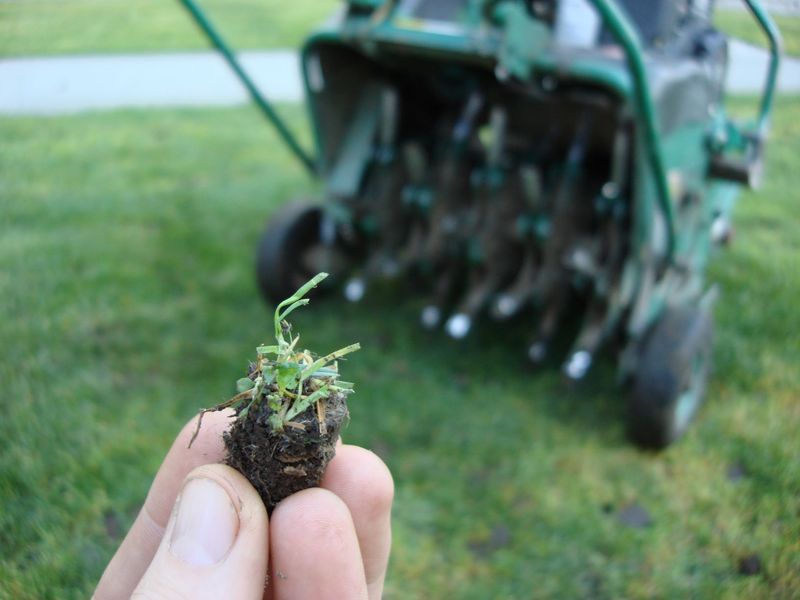
Fix low spots where puddles linger. Core aeration helps compacted clay drain better, and it’s best done on warm-season grass during late spring or early summer while it’s actively growing.
Thick thatch also holds moisture near the surface. Dethatch when it builds past half an inch, and avoid piling grass clippings in heavy layers.
Honestly, these steps help your whole yard, not just crane fly control. Drier, healthier turf resists disease, roots grow deeper, and you’ll spend less on your water bill.
It’s one of those rare chores that pays you back in several ways.
7. Yellow Bug Lights And Tight Window Screens Keep The Clumsy Flyers Outside
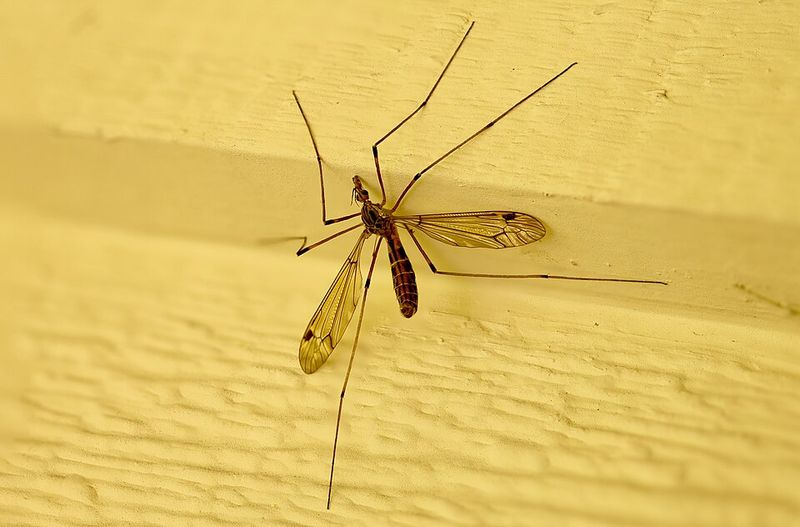
Few things startle a family dinner like a crane fly bouncing across the kitchen ceiling. These weak flyers drift toward bright lights and often slip in through open doors.
Outdoor lighting makes a big difference. Many insects are drawn to white and bluish light, so swapping in yellow bug bulbs or warm LEDs can reduce visitors.
Turning porch lights off when you don’t need them helps even more.
Inspect window and door screens each spring. Patch small tears with a screen repair kit, and add weatherstripping around gaps under doors.
If one gets inside, you don’t need spray. Cup it gently in a glass, slide paper underneath, and let it go outside.
Its legs break off easily, so a soft touch works best.
I keep an old jar by the back door just for these rescues. My kids think it’s the best job in the house.
Indoor crane flies won’t breed or damage anything. They rarely last long inside, since dry air and a lack of moisture don’t suit them.
A quick catch and release solves the problem kindly.
8. Bats And Songbirds Count On These Gangly Insects For Dinner
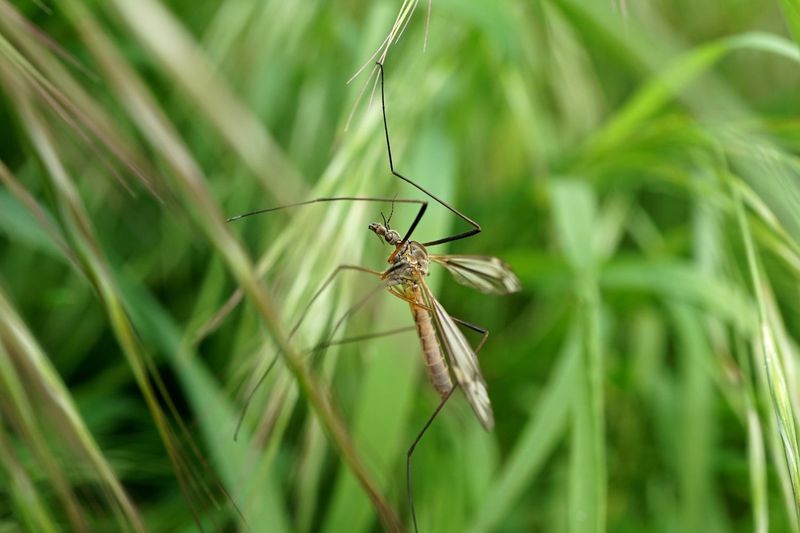
Spring mornings in my garden often bring a Carolina wren hopping along the fence with a long-legged snack. That’s the crane fly’s quiet gift to the neighborhood.
Adults and larvae feed a long list of wildlife. Birds, bats, spiders, frogs, and fish all eat them.
Larvae living in streams also feed trout and help break down fallen leaves.
For most Georgia homeowners, crane flies are a seasonal visitor rather than a real pest. Spraying insecticides for adults is rarely necessary, and it can harm pollinators and the very birds that help control insects.
If a lawn problem truly involves larvae, beneficial nematodes are a gentler option. Apply them to moist soil in the evening, following label directions carefully.
Your UGA Extension agent can confirm whether treatment makes sense.
My best advice is simple. Learn to spot the difference between a crane fly and a mosquito, and save your energy for draining standing water.
Next time a gangly giant bumps your window, give it a nod. It’s harmless, short-lived, and part of the food web that keeps your yard buzzing with birdsong.