Google Maps Shows The Most Common Landscaping Styles In Virginia
Virginia’s neighborhoods tell their stories from the curb.
One quick spin through Google Maps and every street starts speaking in accents of boxwoods, brick paths, and broad porches.
Some yards show Southern charm that runs as deep as old battlefields; others flash modern flair sharp enough to cut through the summer haze.
Patterns jump off the screen like they’re waving for attention, and the state’s favorite landscaping styles rise to the surface with the clarity of a mountain stream.
From Tidewater to the Blue Ridge, Virginia’s outdoor spaces reveal a design heartbeat that never misses a beat—once you spot it, the whole landscape reads like a well-kept secret finally coming to light.
1. Colonial Revival Gardens
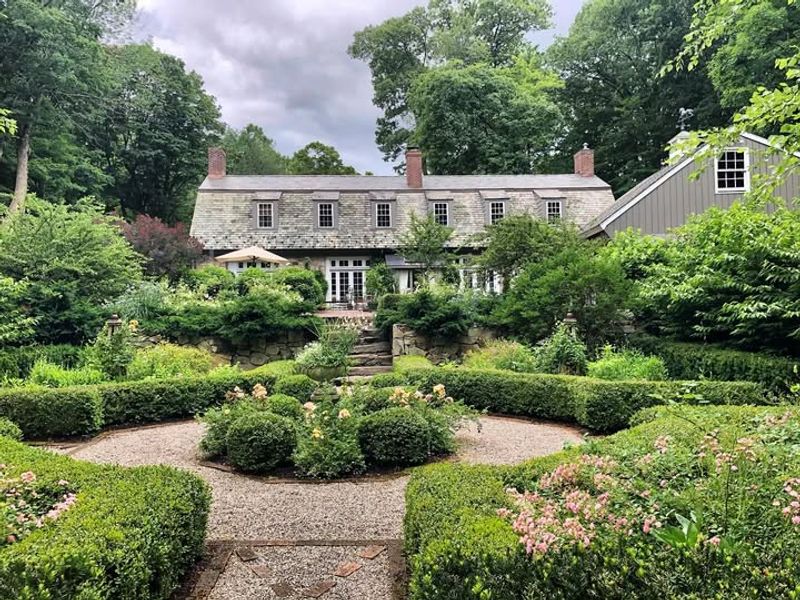
Symmetry and formality define this timeless approach that honors Virginia’s rich colonial heritage.
Boxwood hedges frame pathways and garden beds in perfectly balanced arrangements that echo the architecture of historic homes.
Brick walkways laid in traditional patterns like herringbone or basket weave connect different garden areas while adding classic charm.
Many homeowners incorporate white picket fences or low brick walls to establish clear boundaries and enhance the period feel.
Foundation plantings typically include azaleas, hollies, and rhododendrons that provide year-round structure and seasonal color bursts.
Roses hold a place of honor in these gardens, often planted in dedicated beds or trained along fences and arbors.
The color palette tends toward traditional favorites like pink, white, red, and purple rather than exotic or tropical hues.
This style works beautifully in established neighborhoods throughout Northern Virginia and Richmond where historic architecture predominates.
Professional landscapers near Aldie, VA understand how to adapt colonial principles to modern maintenance expectations while preserving authentic character.
The formality requires regular pruning and edging but rewards homeowners with elegant curb appeal that never goes out of style.
2. Native Plant Landscapes
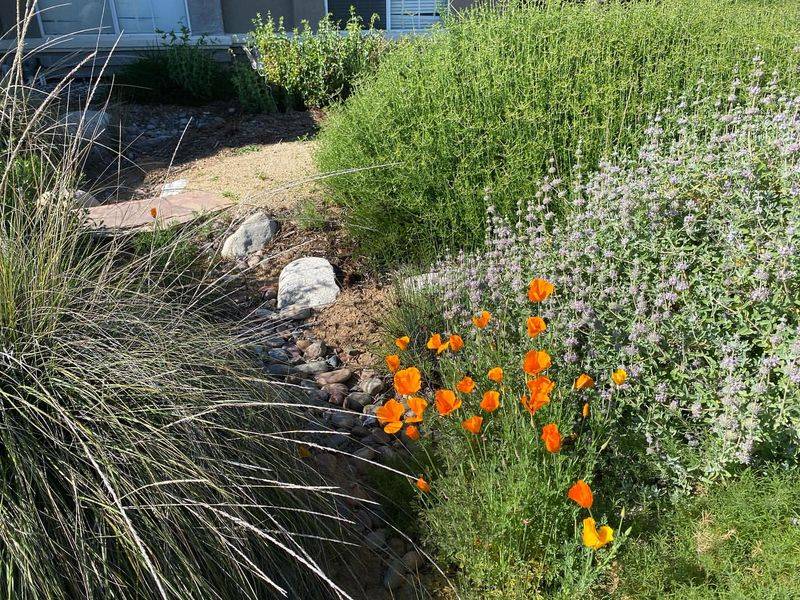
Ecological awareness drives the growing popularity of landscapes built around plants indigenous to Virginia’s diverse ecosystems.
Black-eyed Susans, coneflowers, and Joe-Pye weed create colorful displays while supporting local pollinators and wildlife.
Native grasses like little bluestem and switchgrass add movement and texture while requiring far less water than traditional lawns.
Homeowners appreciate how these plantings reduce maintenance time since native species evolved to thrive in local soil and climate conditions.
Virginia bluebells provide stunning spring color in shaded areas, while mountain laurel and Virginia sweetspire offer year-round interest.
This approach aligns perfectly with environmental stewardship goals and helps restore habitats that development has displaced.
Many municipalities now encourage native landscaping through incentive programs and reduced stormwater fees for homeowners who minimize lawn areas.
The informal, meadow-like appearance suits contemporary architectural styles and appeals to younger homeowners seeking sustainable options.
Rock Water Farm Landscapes & Hardscapes incorporates native plants into designs that balance ecological benefits with aesthetic appeal.
The result is a landscape that changes beautifully through seasons while providing food and shelter for butterflies, birds, and beneficial insects.
3. Southern Estate Style
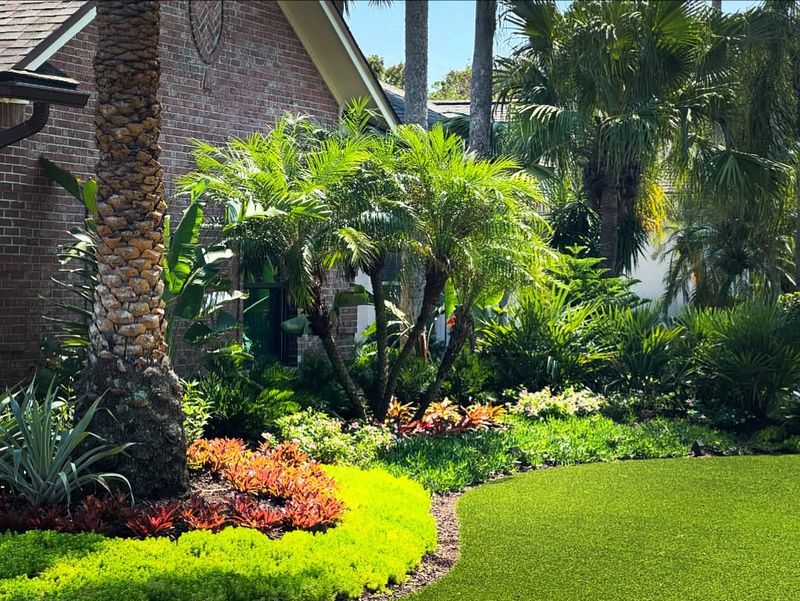
Grandeur and gracious living characterize this approach inspired by Virginia’s plantation heritage and antebellum architecture.
Mature magnolia trees anchor the landscape, their glossy evergreen leaves and fragrant blooms creating dramatic focal points.
Sweeping lawns stretch between the home and street, often bordered by curved drives that enhance the sense of arrival.
Azaleas planted in massive drifts provide spectacular spring color displays that neighbors anticipate each year.
Stone pillars, iron fencing, and substantial hardscaping elements communicate permanence and established status.
This style requires significant space and works best on lots exceeding one acre where proportions can be properly maintained.
Dogwoods and redbuds provide understory interest beneath taller shade trees like oaks and tulip poplars.
The maintenance commitment is considerable, including regular lawn care, seasonal pruning, and attention to specimen trees.
Many estates incorporate water features like fountains or formal pools that serve as elegant gathering points.
Professional landscaping services ensure these properties maintain their impressive appearance through all seasons, preserving property values in exclusive neighborhoods throughout Loudoun County and beyond.
4. English Cottage Gardens
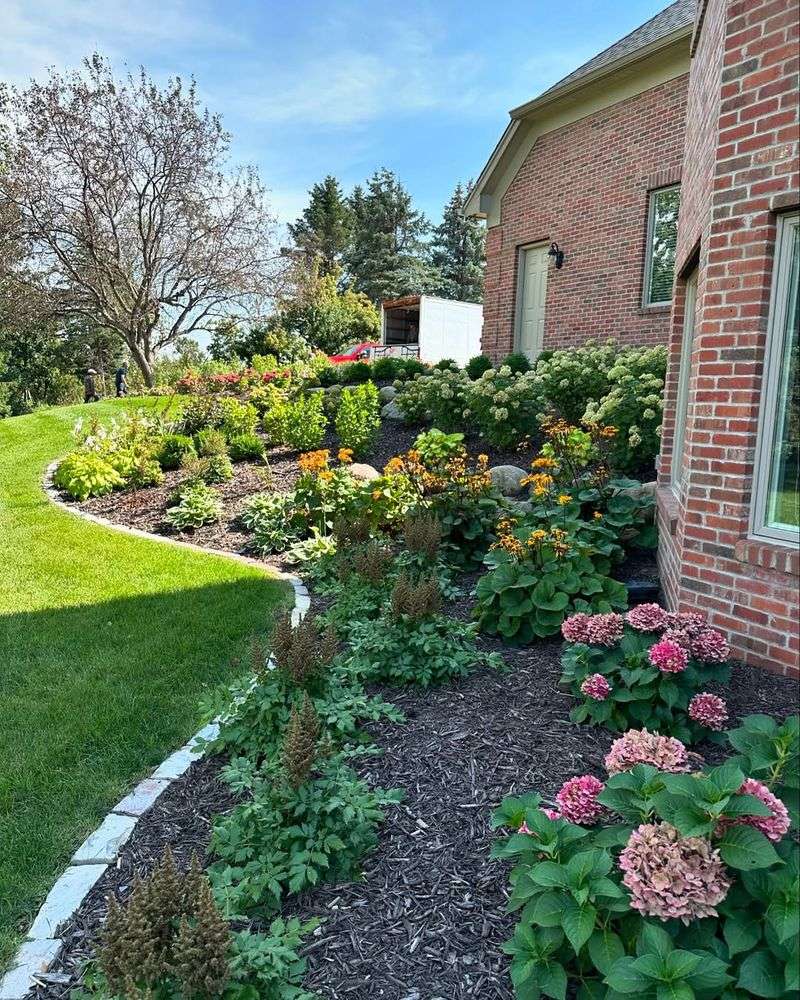
Romantic abundance rather than rigid formality defines this beloved approach that softens architectural lines with billowing plants.
Perennials spill over pathways in seemingly casual arrangements that actually require careful planning and plant knowledge.
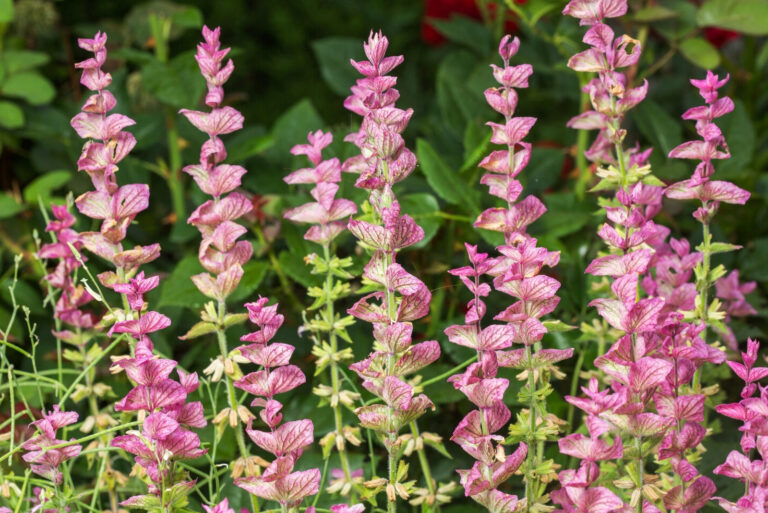
Delphiniums, foxgloves, phlox, and salvia create vertical interest while roses climb arbors and scramble along fences.
The color scheme typically features pastels and jewel tones mixed together in ways that feel natural rather than contrived.
Stone or gravel paths wind through planting beds, inviting exploration and creating intimate garden rooms.
This style appeals to gardeners who love hands-on involvement and enjoy the process of nurturing plants through seasons.
Virginia’s climate accommodates many traditional cottage garden plants while requiring some adaptation for hot, humid summers.
Incorporating drought-tolerant selections alongside classics ensures the garden thrives during dry spells without constant watering.
The informal appearance requires more skill than it suggests, as plants must be chosen for compatible growth habits and bloom times.
Landscapers familiar with Virginia conditions can guide plant selection to achieve that effortless cottage look while ensuring long-term success and manageable maintenance requirements for busy homeowners.
5. Modern Minimalist Landscapes
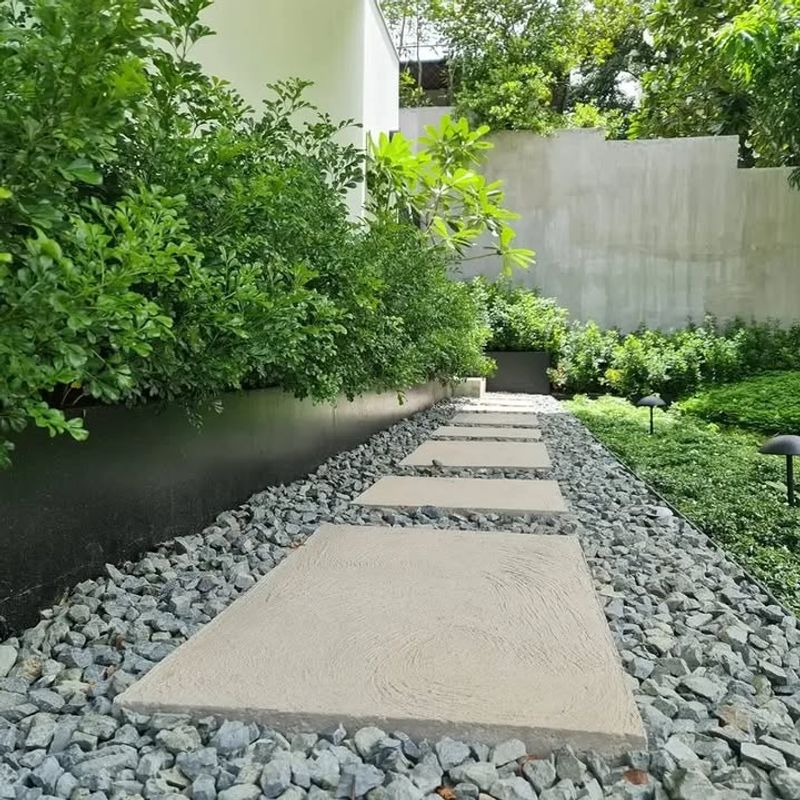
Clean lines and restrained plant palettes appeal to homeowners who appreciate contemporary architecture and uncluttered aesthetics.
Ornamental grasses like Karl Foerster feather reed grass provide structure without fussiness, moving gracefully in breezes.
Hardscaping plays a dominant role, with concrete, steel, and stone creating strong geometric forms that define spaces.
Plant choices emphasize architectural qualities—bold foliage shapes, interesting textures, and sculptural forms rather than flower power.
Color schemes remain limited, often featuring greens, silvers, and whites with occasional dramatic accents in deep burgundy or black.
This approach reduces maintenance by minimizing lawn areas and choosing plants that require little pruning or deadheading.
Mulched beds with generous spacing between plants create a sense of calm and allow each specimen to make a statement.
Lighting becomes an integral design element, highlighting architectural plants and hardscape features for dramatic nighttime impact.
The style suits urban and suburban settings equally well, particularly complementing modern farmhouse and contemporary home designs.
Professional installation ensures proper grading and hardscape construction that will endure Virginia’s freeze-thaw cycles without cracking or settling over time.
6. Woodland Garden Style
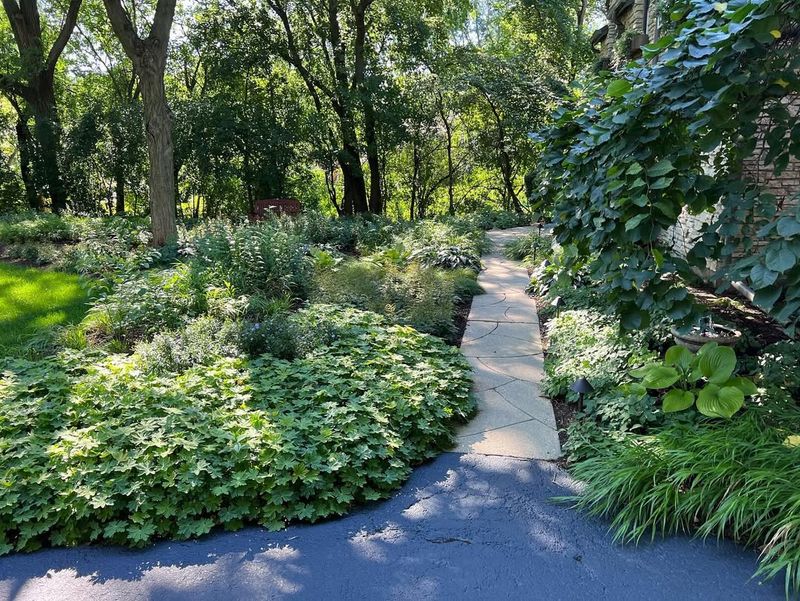
Working with existing mature trees rather than fighting them creates peaceful retreats that celebrate Virginia’s natural forest character.
Hostas in countless varieties provide reliable foliage interest in shaded areas where traditional flowering plants struggle.
Ferns add delicate texture, from the architectural statement of ostrich ferns to the fine lace of maidenhair varieties.
Native azaleas and mountain laurel thrive in dappled shade, offering spectacular spring blooms without demanding full sun exposure.
Natural stone pathways meander through planting beds, following the contours of the land rather than imposing straight lines.
This approach solves the common problem of grass failing beneath dense tree canopies where sunlight cannot penetrate.
Groundcovers like pachysandra, ajuga, and native ginger knit together to suppress weeds while creating a lush carpet effect.
The woodland style requires understanding of light levels and moisture patterns that vary throughout the growing season.
Spring ephemerals provide early color before tree leaves emerge, then gracefully go dormant as shade deepens.
Landscapers at 24778 James Monroe Hwy in Aldie excel at transforming challenging shaded lots into beautiful low-maintenance gardens that honor the existing landscape.
7. Formal Hardscape Focus

Stone patios, retaining walls, and structured outdoor living spaces take center stage in this design philosophy that prioritizes function.
Entertaining needs drive decisions about space allocation, with generous areas for dining, cooking, and gathering with guests.
Natural stone or high-quality pavers create surfaces that withstand Virginia’s weather extremes while aging beautifully over decades.
Retaining walls solve grading challenges common in hilly terrain while creating level planting beds and usable yard areas.
Built-in seating, fire pits, and outdoor kitchens extend living space beyond the home’s walls throughout mild seasons.
Plantings serve as softening elements rather than primary features, chosen to complement hardscape colors and textures.
Evergreen shrubs provide year-round structure while requiring minimal maintenance that might interfere with outdoor activities.
Lighting integrated into walls and steps ensures safety while creating ambiance for evening entertaining and extending usability.
This investment-heavy approach delivers long-term value through increased property worth and enhanced quality of life.
Expert installation by experienced professionals like Rock Water Farm Landscapes & Hardscapes ensures proper drainage, frost-proof construction, and attention to details that prevent costly repairs.
8. Low-Maintenance Xeriscaping
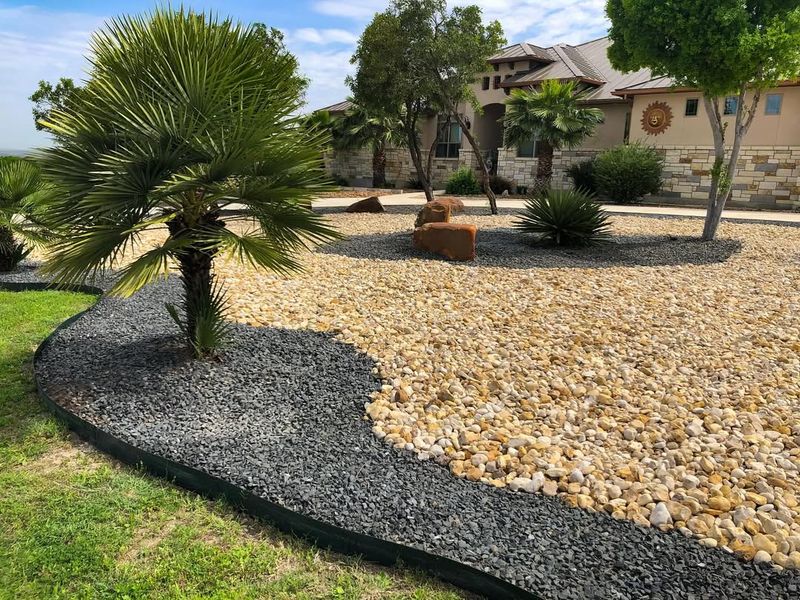
Water conservation and minimal upkeep drive this practical approach that reduces lawn areas in favor of drought-tolerant plantings.
Sedum varieties provide color from spring through fall while requiring virtually no supplemental watering once established.
Russian sage, lavender, and catmint offer beautiful blooms and aromatic foliage that thrives in Virginia’s hot, dry summer conditions.
Decorative gravel or river rock mulches suppress weeds while eliminating the need for annual mulch replacement.
Strategic groupings place plants with similar water needs together, allowing efficient irrigation where necessary.
This style appeals to busy professionals, retirees, and vacation homeowners who want attractive landscapes without weekend maintenance demands.
Native grasses and perennials adapted to Virginia’s climate form the backbone of successful xeriscapes in the region.
Contrary to common misconceptions, xeriscaping doesn’t mean barren or desert-like—properly designed examples burst with color and texture.
Initial establishment requires attention to watering, but mature plantings become remarkably self-sufficient and resilient.
Professional designers ensure proper soil preparation and plant selection that balances aesthetic goals with long-term sustainability and true low-maintenance performance throughout changing seasons.
9. Traditional Foundation Planting
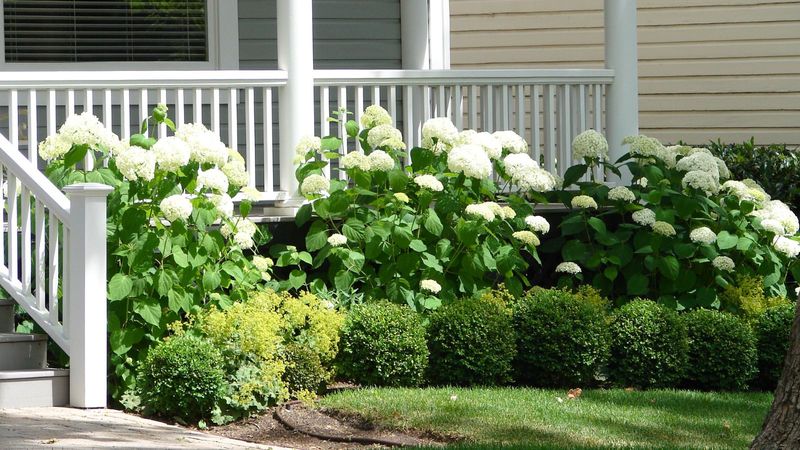
Evergreen shrubs arranged in graduated heights along the home’s foundation remain Virginia’s most common landscaping approach.
Boxwoods anchor corners and frame entryways, providing structure that looks good year-round regardless of season.
Hollies add height and seasonal interest with berries that attract birds during winter months.
Azaleas and rhododendrons provide spectacular spring color bursts that signal the arrival of warmer weather
Small ornamental trees like Japanese maples or dogwoods serve as focal points that draw the eye upward.
Seasonal annuals in beds or containers add changeable color that homeowners can refresh for different looks.
This time-tested formula works because it balances evergreen structure with seasonal variation and manageable maintenance requirements.
The layered effect creates visual interest while concealing foundation walls and utility connections.
Proper spacing prevents overcrowding as plants mature, though many homeowners plant too densely for immediate impact.
Professional landscapers understand mature plant sizes and space accordingly, saving homeowners from expensive removal and replanting projects years later when shrubs outgrow their locations.
10. Pollinator-Friendly Gardens
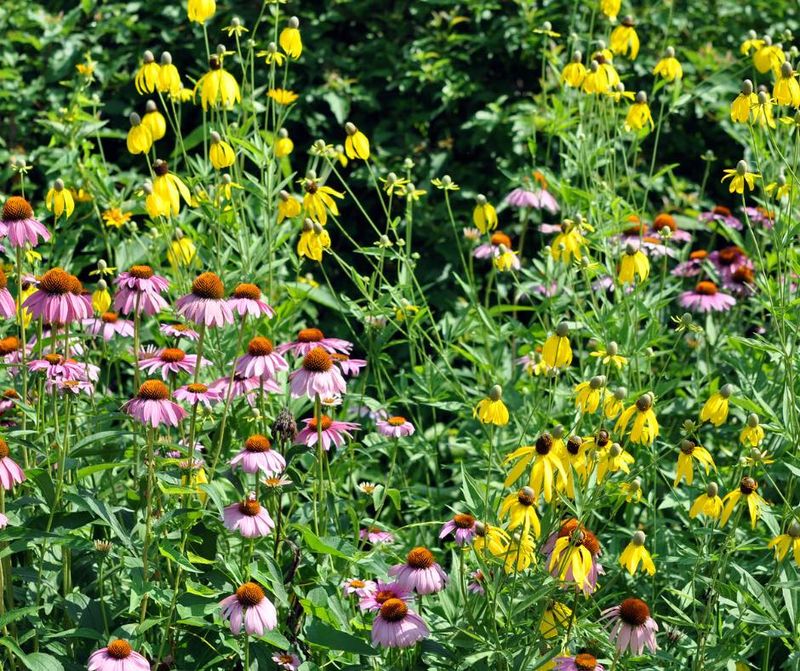
Environmental consciousness meets beauty in landscapes specifically designed to support declining butterfly, bee, and hummingbird populations.
Bee balm, milkweed, and coneflowers provide essential nectar sources while creating stunning displays throughout the growing season.
Zinnias and sunflowers offer easy-care annual options that produce abundant blooms attracting numerous beneficial insects.
Avoiding pesticides becomes a core principle, allowing natural predator-prey relationships to maintain balance without chemical intervention.
Homeowners delight in observing monarch butterflies, swallowtails, and hummingbirds that visit their yards regularly.
This approach combines ecological benefits with personal enjoyment and educational opportunities for children to learn about nature.
Leaving some areas slightly wild with seed heads intact through winter provides food for overwintering birds.
Native plants form the foundation, but the palette expands to include non-invasive exotics that pollinators readily visit.
Water sources like shallow dishes or small fountains complete the habitat by providing drinking and bathing opportunities.
Landscapers at Rock Water Farm Landscapes & Hardscapes near Aldie can design pollinator gardens that integrate seamlessly with more formal landscape areas, creating yards that support wildlife without sacrificing curb appeal.