14 Gorgeous Low Maintenance Garden Ideas Florida Homeowners Truly Swear By
Florida gardens grow fast—and without a plan, they can become overwhelming just as quickly.
That’s why homeowners are gravitating toward low-maintenance designs that embrace Florida’s climate instead of fighting it.
These ideas rely on tough plants that handle heat, humidity, and heavy rains with ease.
Thoughtful layouts reduce pruning, watering, and constant intervention, while still delivering color and structure year-round.
Florida gardeners swear by these approaches because they work.
Once established, the garden settles into a rhythm that feels balanced rather than chaotic.
The result is an outdoor space that stays beautiful without becoming a second full-time job.
1. Native Plant Garden Beds
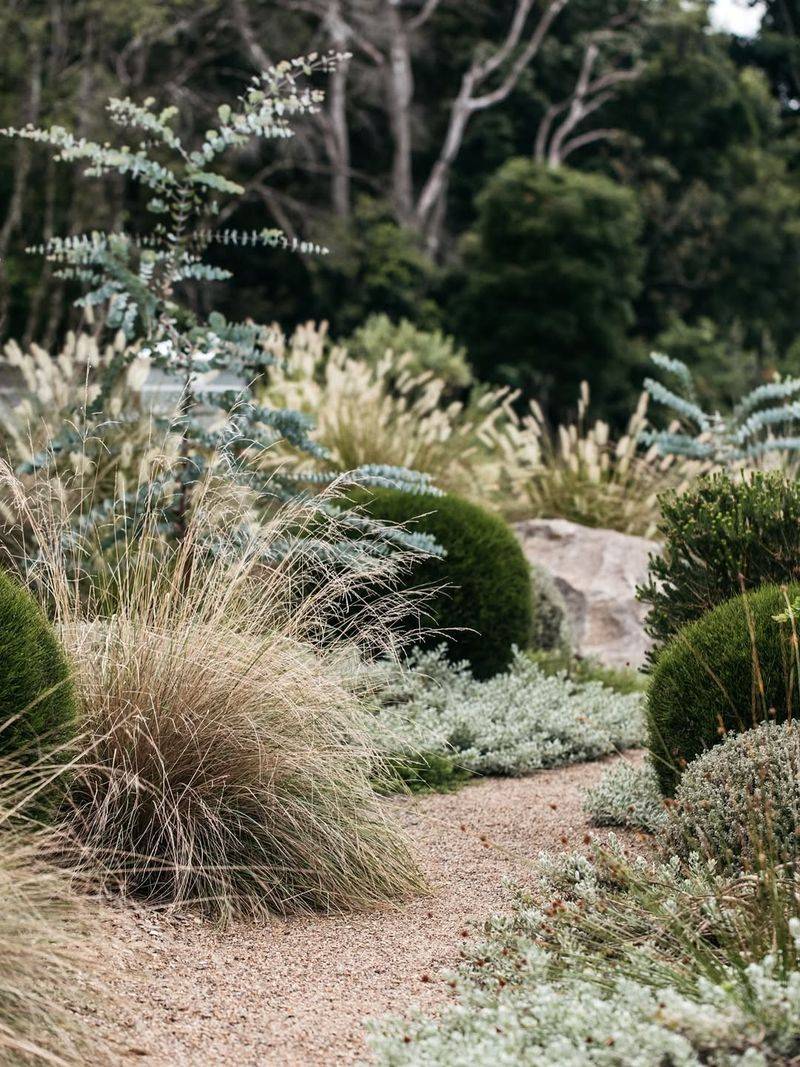
Florida’s native plants evolved over thousands of years to handle the state’s unique challenges, making them natural champions for busy homeowners.
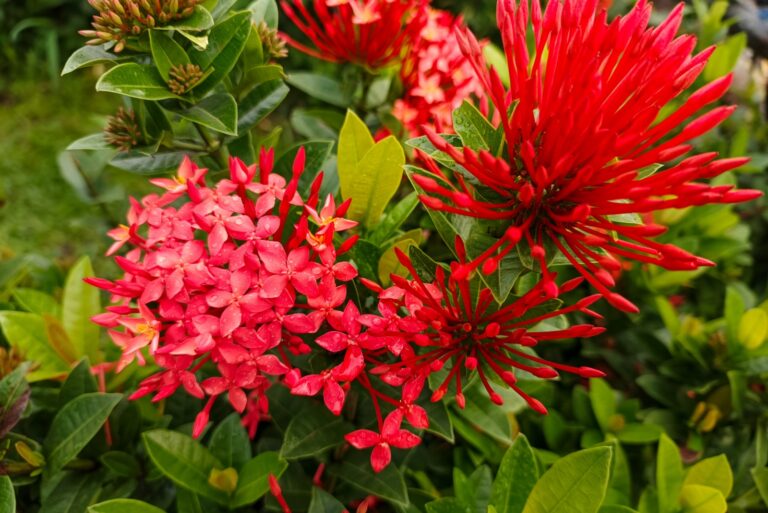
Firebush bursts with tubular orange-red blooms that hummingbirds adore, while coontie’s feathery fronds add prehistoric charm without demanding constant attention.
Beautyberry produces clusters of vibrant purple berries in fall, creating seasonal interest that requires zero extra work from you.
Once these natives establish their root systems, they laugh in the face of Florida’s scorching summers and handle drought periods like seasoned veterans.
Their natural pest resistance means you won’t be spraying chemicals or battling invasions every other week.
Watering becomes an occasional task rather than a daily chore, freeing up your weekends for activities you actually enjoy.
Native plants also support local wildlife, turning your yard into a thriving ecosystem that benefits butterflies, birds, and beneficial insects.
Grouping several native species together creates a tapestry of textures and colors that changes with the seasons.
The initial planting effort pays dividends for years, as these tough beauties keep performing without fertilizers, pesticides, or hand-wringing.
For homeowners seeking maximum beauty with minimum fuss, native plant beds deliver results that imported ornamentals simply cannot match in Florida’s challenging conditions.
2. Mulched Tropical Shrub Borders
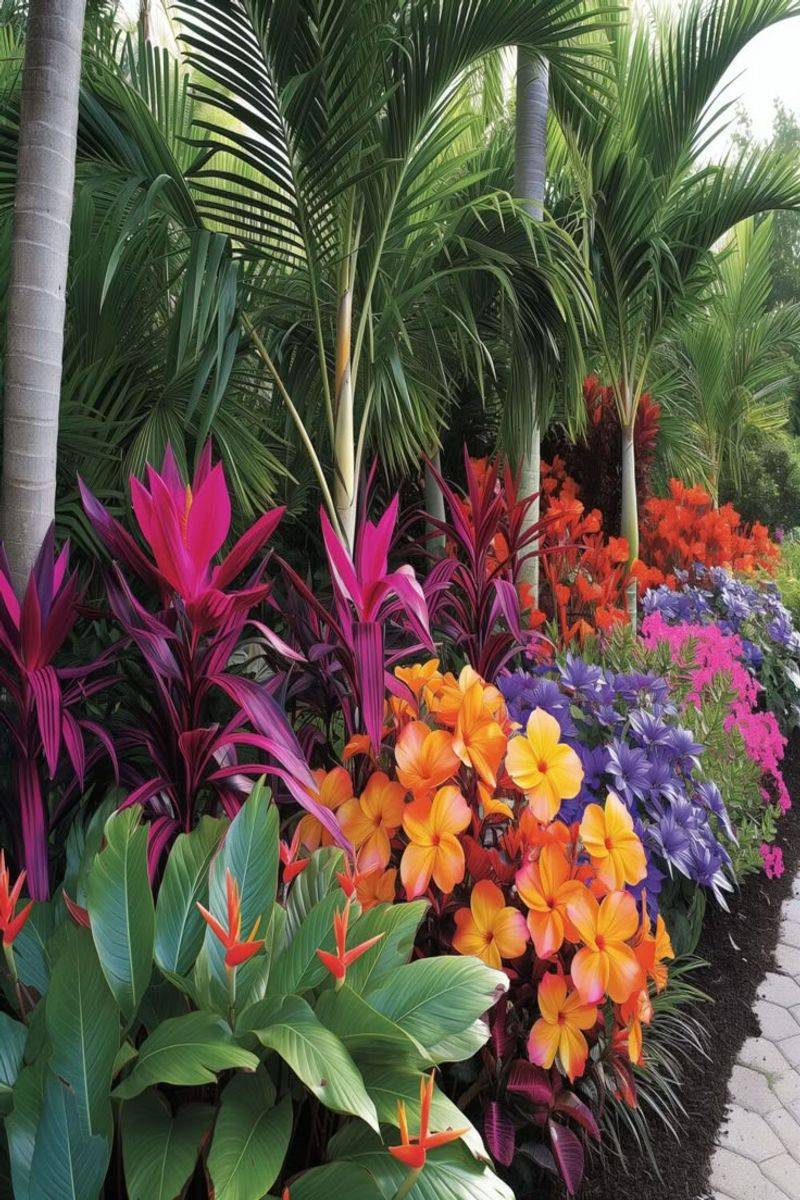
A generous layer of organic mulch around your tropical shrubs works like a magic blanket that solves multiple problems at once.
Weeds struggle to push through thick mulch, which means you spend far less time on your knees pulling invaders from your beds.
The mulch layer also locks moisture into the soil, reducing how often you need to drag out the hose during dry spells.
As organic mulch slowly breaks down, it feeds the soil with nutrients, improving texture and fertility without bags of fertilizer.
Your garden beds maintain a neat, polished appearance that makes the whole yard look intentional and well-designed.
Pine bark, eucalyptus, and melaleuca mulches work particularly well in Florida’s climate, resisting rapid decomposition in humid conditions.
Applying a three- to four-inch layer gives you the best results, creating an effective barrier while still allowing water to penetrate.
Tropical shrubs like crotons, ti plants, and gingers thrive beneath this protective covering, their vibrant foliage popping against the rich brown backdrop.
Refreshing your mulch once or twice a year keeps everything looking fresh and maintains the weed-suppressing benefits.
This simple strategy transforms high-maintenance borders into self-sufficient landscape features that practically care for themselves while delivering that lush, resort-style look Florida homeowners crave.
3. Palms As Structural Focal Points
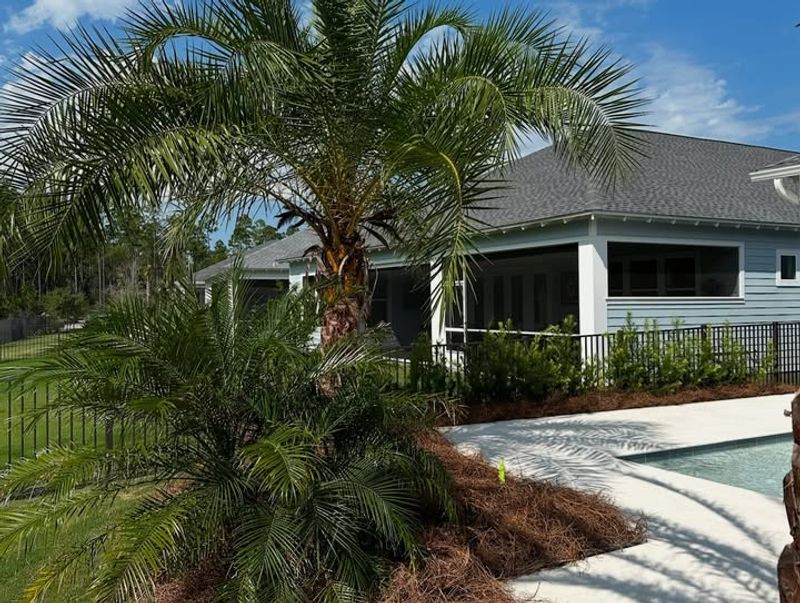
Palms stand as Florida’s signature plants, offering year-round architectural interest without the seasonal drama of deciduous trees.
Their strong vertical lines create instant structure in any landscape, drawing the eye upward and making small yards feel more spacious.
Unlike many trees, palms don’t require regular pruning to maintain their shape or prevent overgrowth into power lines and buildings.
Sabal palms, Florida’s state tree, handle everything from salt spray to occasional freezes while asking almost nothing in return.
Foxtail palms deliver tropical elegance with their plume-like fronds, yet they’re surprisingly tough once their roots take hold.
Most established palms need watering only during extended droughts, and they rarely suffer from the pest problems that plague other ornamental trees.
Their self-cleaning nature means old fronds eventually drop on their own, though many homeowners trim them for appearance once or twice yearly.
Palms work beautifully as solo specimens in front yards or grouped in clusters for a more dramatic, jungle-like effect.
They provide dappled shade without creating the dense canopy that prevents grass and plants from growing underneath.
For homeowners wanting maximum visual impact with minimal ongoing maintenance, palms deliver reliable performance that anchors the entire landscape design while standing strong through Florida’s wildest weather.
4. Ornamental Grasses For Movement And Texture
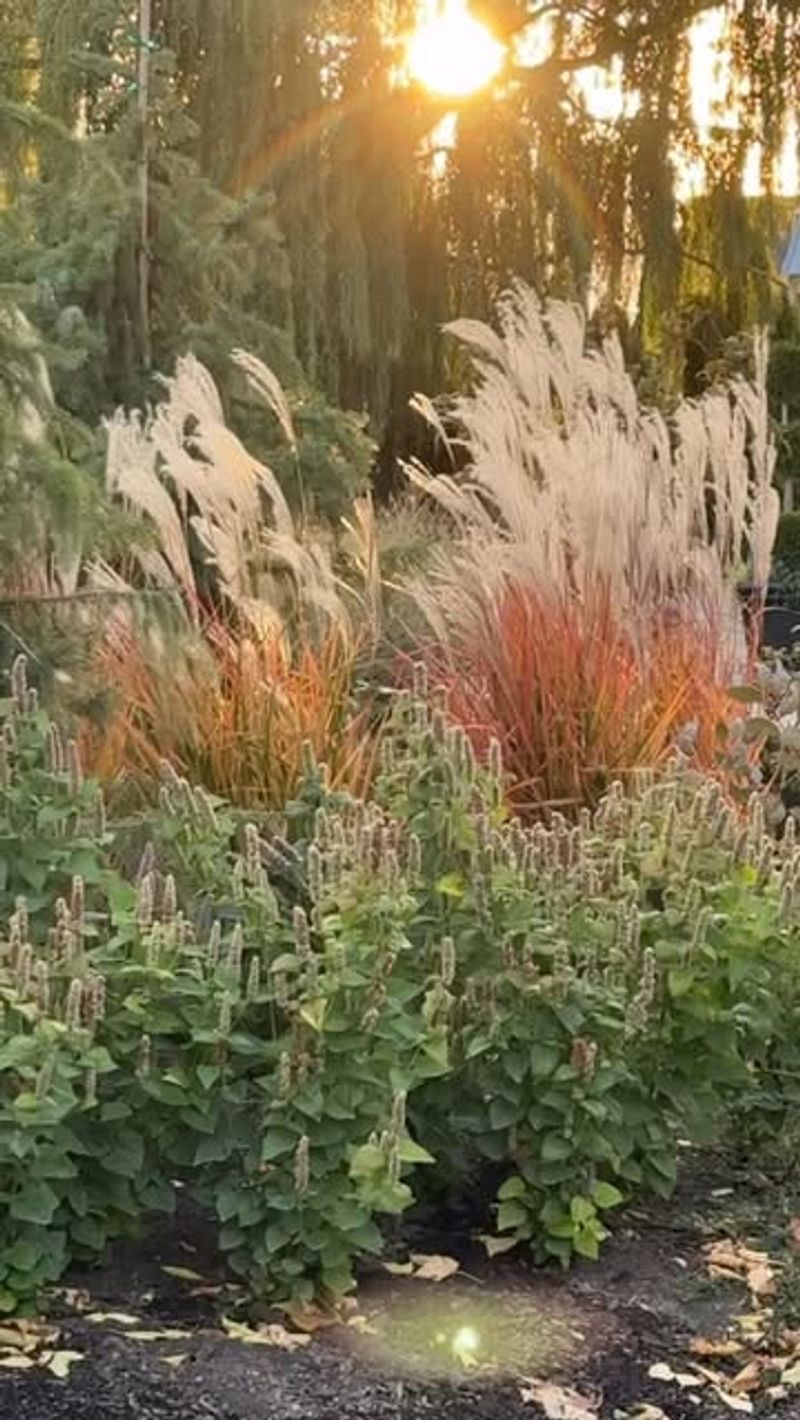
Ornamental grasses bring a dynamic quality to Florida gardens that static shrubs and flowers simply cannot provide.
Their blades dance with every breeze, creating movement and sound that makes your outdoor space feel alive and engaging.
Muhly grass explodes into clouds of pink or white in fall, transforming ordinary beds into breathtaking displays that last for months.
These grasses thrive in Florida’s full sun and sandy soils, conditions that challenge many other ornamentals.
Once established, they require almost no supplemental watering, even during the driest parts of the year.
Fertilizing becomes optional rather than essential, as these tough plants perform beautifully on minimal nutrition.
An annual cutback in late winter keeps them looking fresh, but that’s typically the only maintenance they demand.
Fakahatchee grass and sand cordgrass offer native alternatives that integrate seamlessly into natural Florida landscapes.
The fine texture of grass blades provides striking contrast when planted near bold-leafed tropicals or architectural palms.
Ornamental grasses also resist most pests and diseases, sparing you the headache of treating problems or replacing failing plants.
For homeowners seeking that effortless, meadow-like aesthetic with genuine Florida toughness, ornamental grasses deliver beauty and resilience in equal measure while asking remarkably little in return.
5. Groundcovers Instead Of Turf Grass
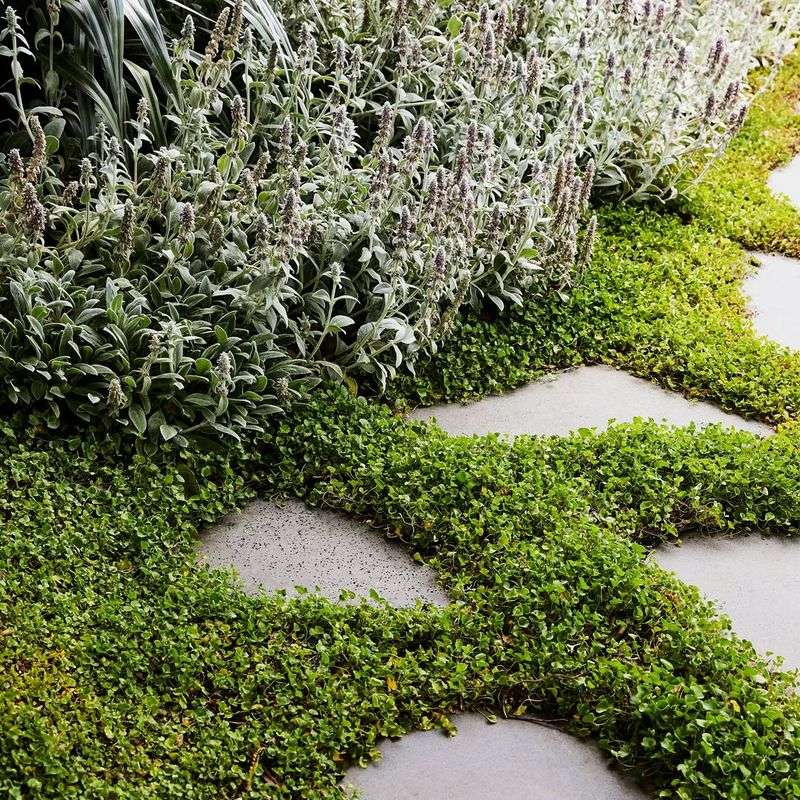
Traditional lawns demand constant mowing, edging, watering, and fertilizing that can consume entire weekends during growing season.
Replacing thirsty turf with groundcovers like sunshine mimosa or perennial peanut slashes maintenance while creating interesting texture.
Sunshine mimosa spreads quickly with delicate, fern-like foliage and cheerful yellow puffball flowers that butterflies visit eagerly.
Perennial peanut forms a dense, green carpet that chokes out weeds and handles foot traffic better than many people expect.
Both options require a fraction of the water that St. Augustine or Bahia grass demands, saving money and precious resources.
You’ll put away the mower for good in areas converted to groundcover, reclaiming hours previously spent on lawn care.
These low-growing plants also eliminate the need for edging along beds and walkways, as they create natural, flowing borders.
Fertilizing becomes an occasional boost rather than a scheduled necessity, and pest problems rarely develop in established groundcover.
The initial planting requires some effort, but plugs or divisions spread to fill bare spots within a single growing season.
Many homeowners keep small turf areas for play or gathering while converting the rest to groundcover, finding the perfect balance between function and ease.
This shift represents one of the most impactful changes you can make toward a truly low-maintenance Florida landscape.
6. Rock And Native Plant Combination Gardens
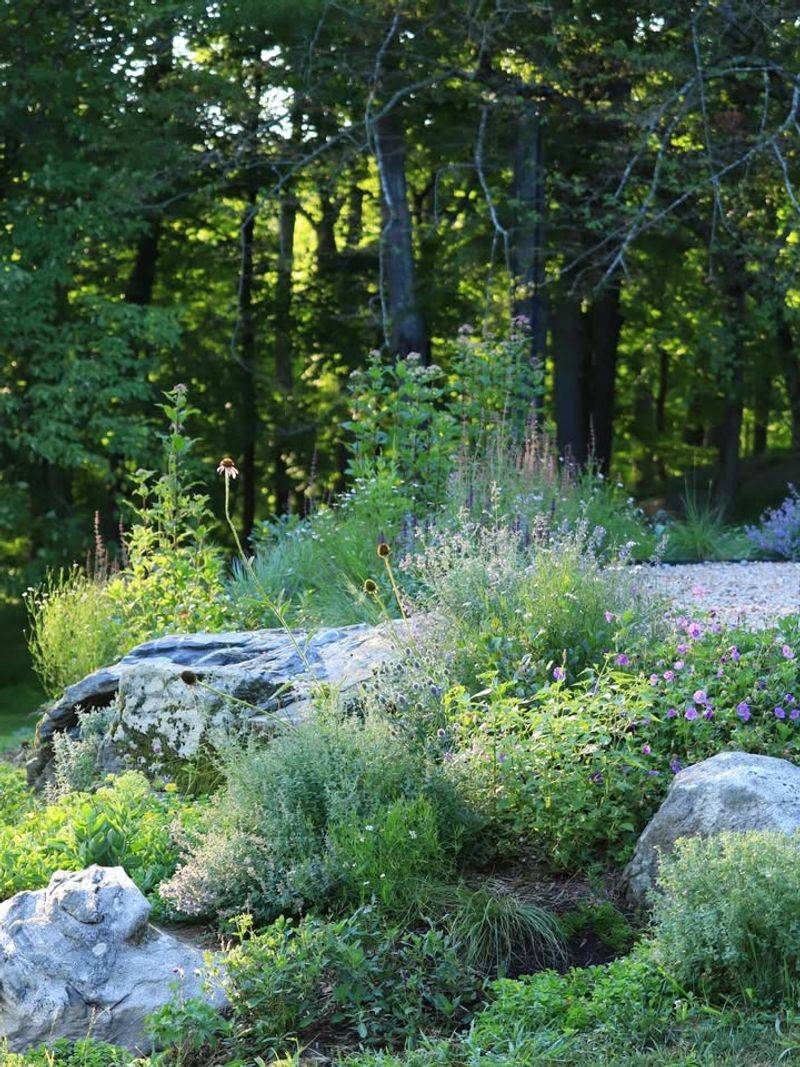
Combining decorative stone with drought-tolerant plants creates a striking aesthetic that thrives in Florida’s challenging conditions.
River rock, limestone boulders, and pea gravel provide permanent structure that never needs watering, pruning, or replacing.
Tucking native plants like gaillardia, beach sunflower, and blanket flower between stones softens the hardscape while requiring minimal care.
The rock absorbs heat during the day and releases it at night, creating a microclimate that many sun-loving plants appreciate.
Weeds struggle to establish in rock gardens, especially when you lay landscape fabric beneath the stone layer.
This approach works particularly well in areas with poor soil or challenging drainage where traditional gardens often fail.
The contrast between smooth stone surfaces and organic plant forms creates visual interest that remains attractive year-round.
Rain washes through rock gardens without causing erosion or creating muddy messes that track into your home.
You can adjust plant density based on your maintenance preferences, using more rock and fewer plants for the ultimate low-effort approach.
Rock gardens also stay neat and defined without edging or borders, as the stone naturally contains the design.
For Florida homeowners dealing with sandy soil, blazing sun, or limited water access, rock and native plant combinations offer a practical solution that looks intentional and sophisticated rather than neglected.
7. Evergreen Shrubs For Year-Round Color
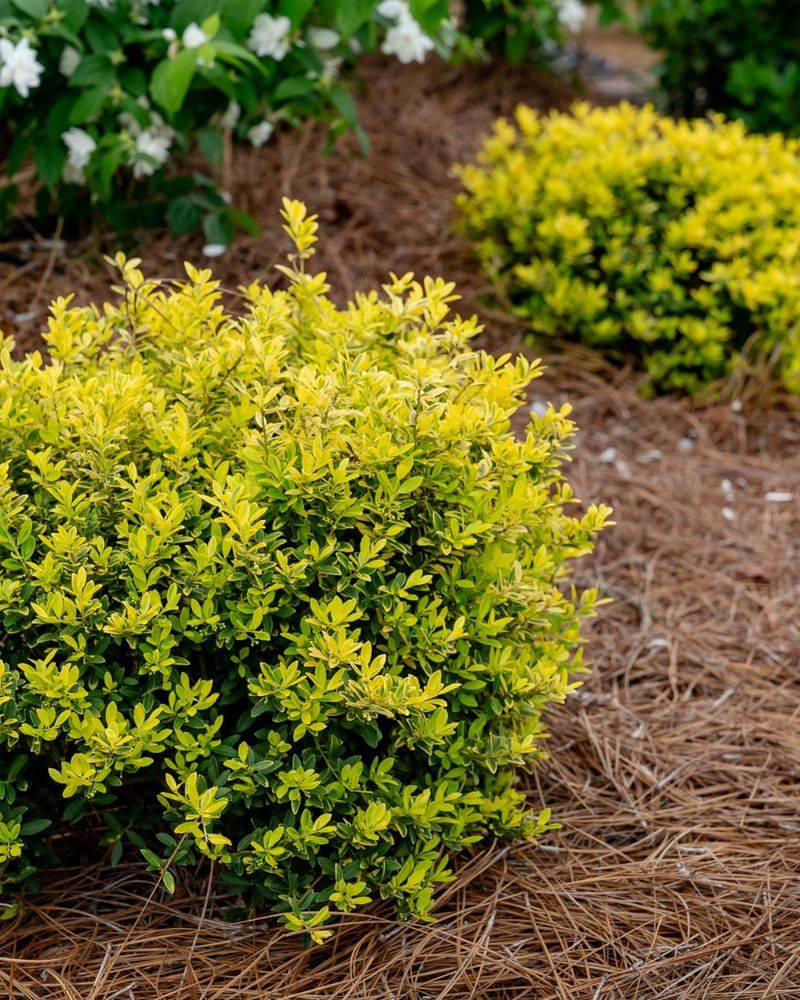
Evergreen shrubs form the backbone of low-maintenance Florida gardens, providing constant color without seasonal replanting.
While gardeners in colder climates watch their landscapes go dormant, Florida homeowners enjoy continuous greenery from reliable evergreens.
Simpson’s stopper offers glossy leaves and fragrant white flowers, thriving in sun or partial shade with minimal intervention.
Silver buttonwood brings striking gray-green foliage that brightens shady spots and tolerates salt spray near coastal areas.
These shrubs maintain their shape naturally, requiring only occasional trimming to keep them within desired boundaries.
Unlike annuals that need replacing every season, evergreens represent a one-time investment that pays dividends for decades.
Their dense foliage provides privacy screening that remains effective all year, unlike deciduous plants that lose their leaves.
Most Florida-friendly evergreens resist common pests and diseases, sparing you the expense and hassle of treatments.
They also handle the state’s temperature fluctuations and occasional cold snaps without dropping foliage or suffering permanent harm.
Grouping evergreens with different leaf colors and textures creates a layered look that remains interesting even without flowers.
Watering needs drop dramatically once these shrubs establish, and they perform well even during drought periods.
For homeowners wanting a garden that looks intentional and cared-for throughout the year without constant replanting, evergreen shrubs deliver dependable beauty that truly earns its keep.
8. Rain Gardens For Natural Drainage
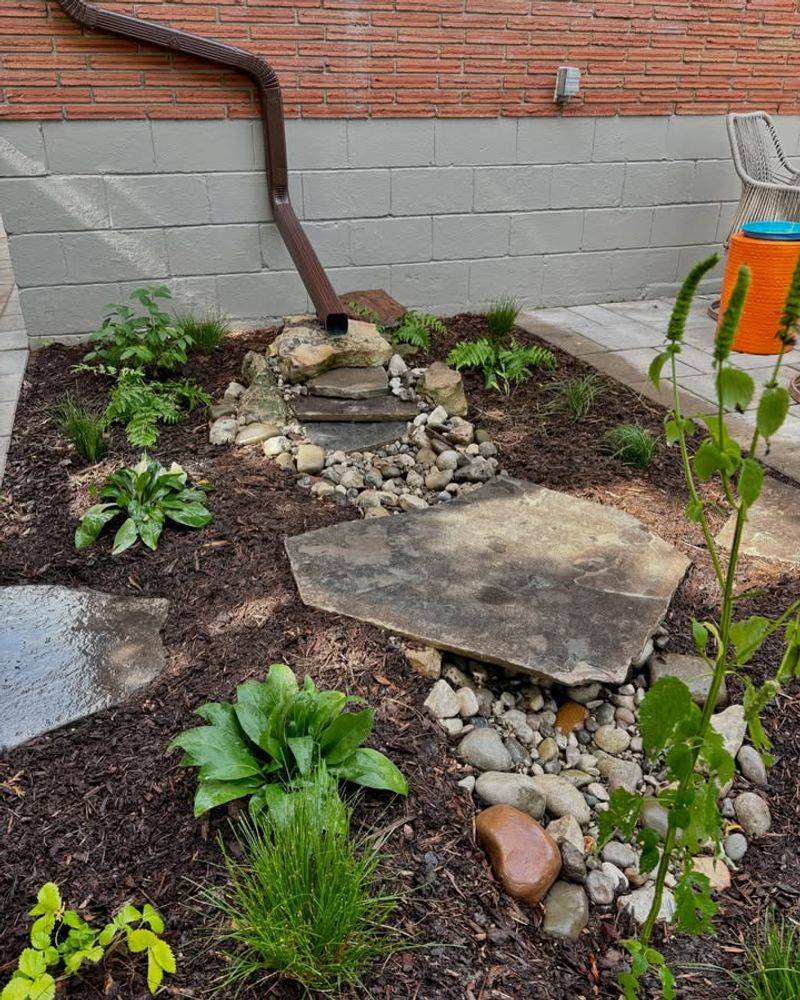
Florida’s intense summer thunderstorms dump inches of rain in short periods, creating drainage challenges that frustrate many homeowners.
Rain gardens transform problematic wet spots into attractive features that actually improve your property’s water management.
These shallow depressions planted with water-tolerant species capture runoff from roofs, driveways, and lawns, allowing it to soak in gradually.
Native plants like swamp sunflower, blue flag iris, and pickerelweed thrive in rain gardens, handling both wet and dry periods.
By slowing and filtering stormwater, rain gardens reduce erosion and prevent pollutants from washing into local waterways.
Once established, these gardens require almost no maintenance beyond occasional weeding and an annual trimming of spent foliage.
The plants you choose actually prefer the feast-or-famine moisture conditions, eliminating the need for supplemental watering.
Rain gardens also create habitat for frogs, dragonflies, and birds that appreciate the moisture-rich environment.
During dry periods, the garden simply looks like an attractive planted bed rather than a muddy depression.
Strategic placement near downspouts or low areas maximizes the functional benefits while creating visual interest in previously problematic spots.
Some municipalities even offer incentives or rebates for installing rain gardens, recognizing their environmental benefits.
For homeowners tired of standing water and erosion issues, rain gardens provide an elegant solution that works with nature rather than against it.
9. Succulent And Cactus Beds
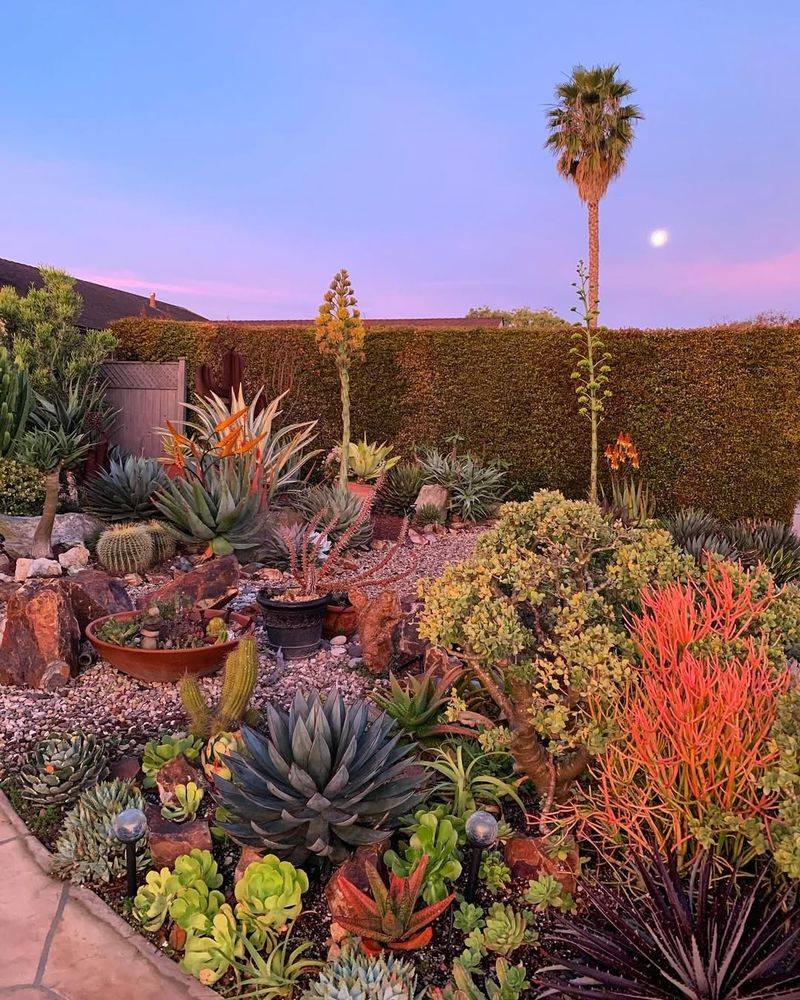
Succulents and cacti bring bold architectural forms and unexpected textures to Florida landscapes that favor good drainage.
Agaves thrust dramatic rosettes of thick leaves skyward, creating sculptural focal points that command attention year-round.
Prickly pear cactus offers paddle-shaped segments and brilliant flowers, thriving in sandy soils where other plants struggle.
These water-storing plants laugh at drought, going weeks or even months without supplemental irrigation once established.
Their exotic appearance creates a striking departure from typical Florida gardens, offering a modern, desert-inspired aesthetic.
Succulents require almost no fertilizing, as they evolved to thrive in nutrient-poor conditions that would starve conventional plants.
Pests and diseases rarely bother these tough customers, eliminating the need for sprays or treatments.
The key to success lies in providing excellent drainage, either through raised beds, sandy soil amendments, or sloped locations.
Combining different succulent species creates fascinating contrasts in color, from blue-gray agaves to chartreuse sedums and burgundy aeoniums.
These plants work beautifully in contemporary landscape designs or as unexpected accents in more traditional Florida gardens.
Their slow growth means they maintain their intended size and shape for years without constant pruning or division.
For homeowners seeking maximum visual impact with absolute minimum care, succulent and cactus beds deliver otherworldly beauty that thrives on neglect.
10. Drip Irrigation Systems
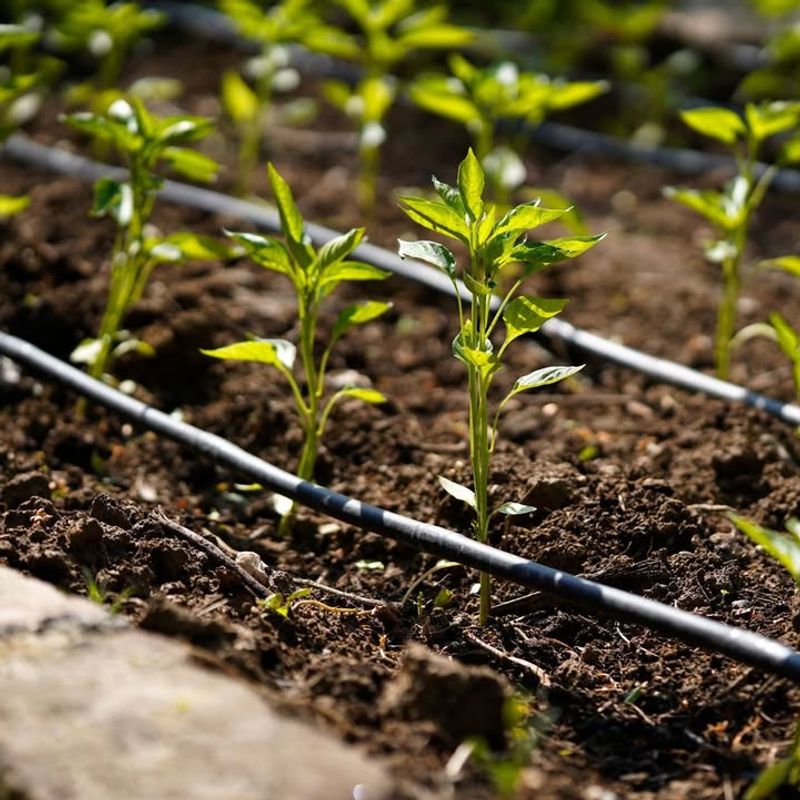
Drip irrigation represents one of the smartest investments a Florida homeowner can make for reducing garden maintenance and water waste.
These systems deliver moisture directly to plant roots through a network of tubes and emitters, eliminating overspray and evaporation.
You’ll use up to fifty percent less water compared to overhead sprinklers, shrinking your utility bills while keeping plants healthier.
Automated timers let you set watering schedules and forget about them, ensuring plants receive consistent moisture even when you travel.
Drip systems keep foliage dry, reducing fungal diseases that thrive when leaves stay wet in Florida’s humid climate.
Installation has become increasingly simple, with kits available at garden centers that homeowners can set up over a weekend.
The slow, steady water delivery encourages deep root growth, creating tougher plants that handle stress better than shallow-rooted specimens.
You can easily adjust individual emitters to provide more or less water based on each plant’s specific needs.
Weeds receive no water between your desired plants, giving them one less advantage in their constant battle for garden space.
Maintenance involves occasional checks for clogged emitters and damaged lines, tasks that take minutes rather than hours.
Many Florida municipalities offer rebates for installing drip irrigation, recognizing its water conservation benefits.
For homeowners wanting to automate watering while improving plant health and reducing resource consumption, drip irrigation delivers results that quickly justify the initial investment.
11. Container Gardens With Heat-Tolerant Plants
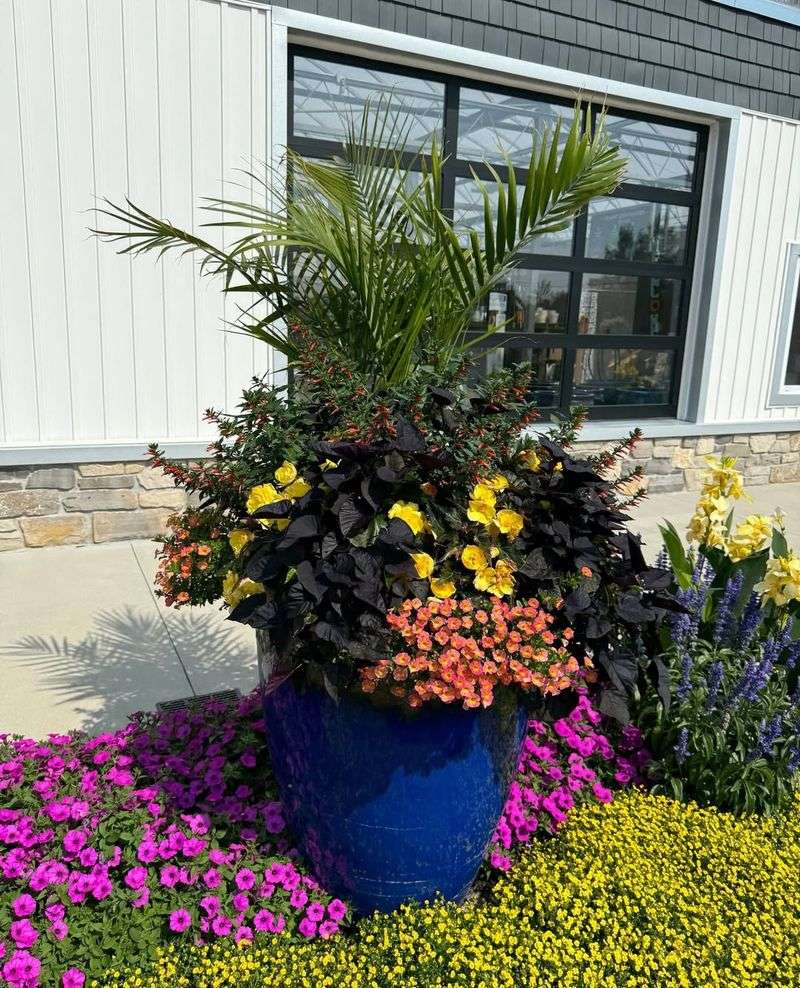
Container gardens offer flexibility and convenience that in-ground planting simply cannot match for busy Florida homeowners.
Large pots planted with heat-tolerant tropicals like bromeliads, crotons, and dracaenas create instant impact anywhere you place them.
Moving containers around lets you refresh your patio or pool area’s look without replanting or redesigning entire beds.
You’ll avoid the soil preparation and amendment that in-ground gardens demand, starting with fresh potting mix that drains perfectly.
Weeding becomes almost nonexistent in containers, as there’s no connection to the weed-seed-rich ground soil.
Choosing self-watering containers or adding water-retaining crystals to potting mix reduces watering frequency during hot months.
Grouping containers in clusters creates a lush, layered look while making watering more efficient since plants are concentrated.
Hardy tropicals handle Florida’s intense sun and heat without wilting, maintaining their vibrant colors and bold foliage through summer.
Container gardens also let you grow plants that might struggle in your native soil, since you control the growing medium completely.
Fertilizing becomes simple with slow-release products that feed plants for months with a single application.
You can bring special containers under cover during rare freezes, protecting tender plants that would suffer in the ground.
For homeowners wanting maximum flexibility with minimum commitment, container gardens deliver portable beauty that adapts to your changing needs and preferences.
12. Perennial Pollinator Gardens
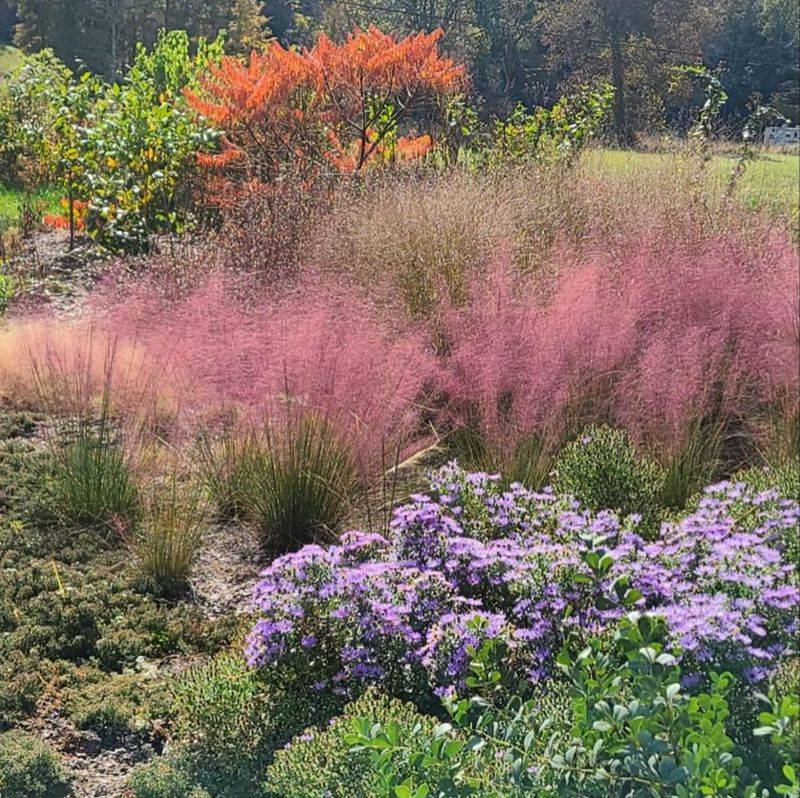
Pollinator gardens packed with nectar-rich perennials create living theater in your yard while requiring remarkably little maintenance.
Butterflies dance from bloom to bloom on plants like pentas, salvia, and porter weed, bringing constant movement and color.
Bees hum busily among the flowers, performing essential pollination services while adding pleasant garden sounds.
These tough perennials return year after year, eliminating the expense and effort of replanting annuals every season.
Once established, pollinator plants handle Florida’s heat and humidity like champions, often thriving on rainfall alone.
Their extended blooming periods provide nectar sources for months, keeping your garden buzzing with activity from spring through fall.
Native species like blanketflower, coreopsis, and black-eyed Susan require zero pampering while supporting local wildlife populations.
Allowing some plants to set seed provides food for birds while ensuring self-sowing that fills bare spots naturally.
Pollinator gardens need minimal deadheading or grooming, as their slightly wild appearance actually enhances their naturalistic charm.
You’ll enjoy watching monarch butterflies, swallowtails, and other spectacular species that visit specifically for the flowers you provide.
These gardens also educate children about nature’s interconnections, turning your yard into an outdoor classroom.
For homeowners wanting to support environmental health while enjoying a vibrant, low-maintenance landscape, pollinator gardens deliver ecological benefits and visual rewards that keep giving year after year.
13. Natural Garden Edges And Woodland Transitions
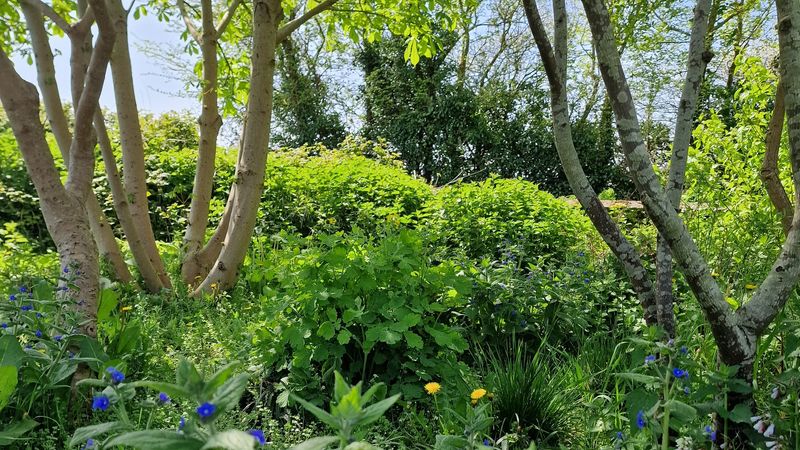
Letting your garden edges blend naturally into existing shrubs and trees creates a relaxed aesthetic while slashing maintenance demands.
Sharp, formal borders require constant edging, trimming, and vigilance to maintain their crisp lines and manicured appearance.
Natural transitions embrace a softer look where cultivated beds gradually fade into wilder areas without hard boundaries.
This approach mimics how plants grow in nature, creating layers from groundcovers through shrubs to canopy trees.
You’ll spend far less time with edging tools and trimmers, as the gradual transition needs only occasional guidance.
Native ferns, wild coffee, and coontie work beautifully in these transitional zones, bridging garden and natural areas seamlessly.
Wildlife appreciates the varied habitat that natural edges provide, from ground-dwelling insects to birds nesting in shrub layers.
Fallen leaves and plant debris can remain in these areas, decomposing naturally to feed the soil without looking messy.
The layered planting also provides better erosion control than abrupt transitions between lawn and wooded areas.
This style works particularly well on larger properties where maintaining formal edges throughout would consume unreasonable time and energy.
Natural woodland transitions create a peaceful, park-like atmosphere that feels established and mature even in relatively new landscapes.
For homeowners embracing a more ecological approach to landscaping, natural edges offer beauty and functionality while respecting the existing environment and dramatically reducing the hours spent maintaining rigid boundaries.
14. Minimal Hardscape Seating Areas
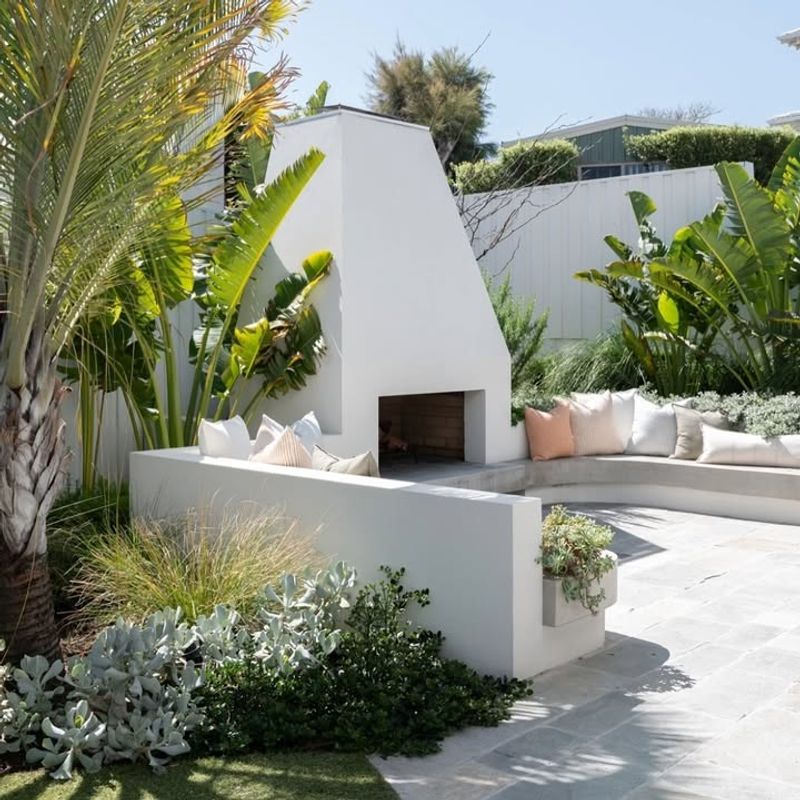
Strategic hardscape seating areas reduce the amount of planted space you need to maintain while increasing your yard’s actual usability.
A simple patio, gravel court, or arrangement of stepping stones creates functional gathering spaces that require zero watering or weeding.
These areas provide comfortable spots for outdoor furniture where you can actually enjoy your garden rather than constantly working in it.
Permeable pavers or decomposed granite allow water to drain through, avoiding the runoff problems that solid concrete can create.
Surrounding your seating area with low-maintenance plants like ornamental grasses or groundcovers softens the hardscape without adding labor.
You’ll spend pleasant evenings relaxing in your garden instead of dreading the maintenance tasks waiting in every planted bed.
Hardscape requires only occasional sweeping or rinsing, taking minutes compared to the hours that planted areas demand.
These spaces also remain usable immediately after rain, unlike lawn or mulched areas that can be soggy and muddy.
Installing hardscape reduces your overall irrigation needs, as there’s simply less planted area requiring water.
The permanent nature of patios and paths means they look intentional and finished, adding property value while cutting maintenance.
For homeowners realizing that less garden doesn’t mean less beauty, hardscape seating areas offer the perfect balance between outdoor living space and manageable landscaping that serves your lifestyle rather than dominating it.