Got a Christmas Cactus as a Gift in Michigan? Avoid These 7 Mistakes
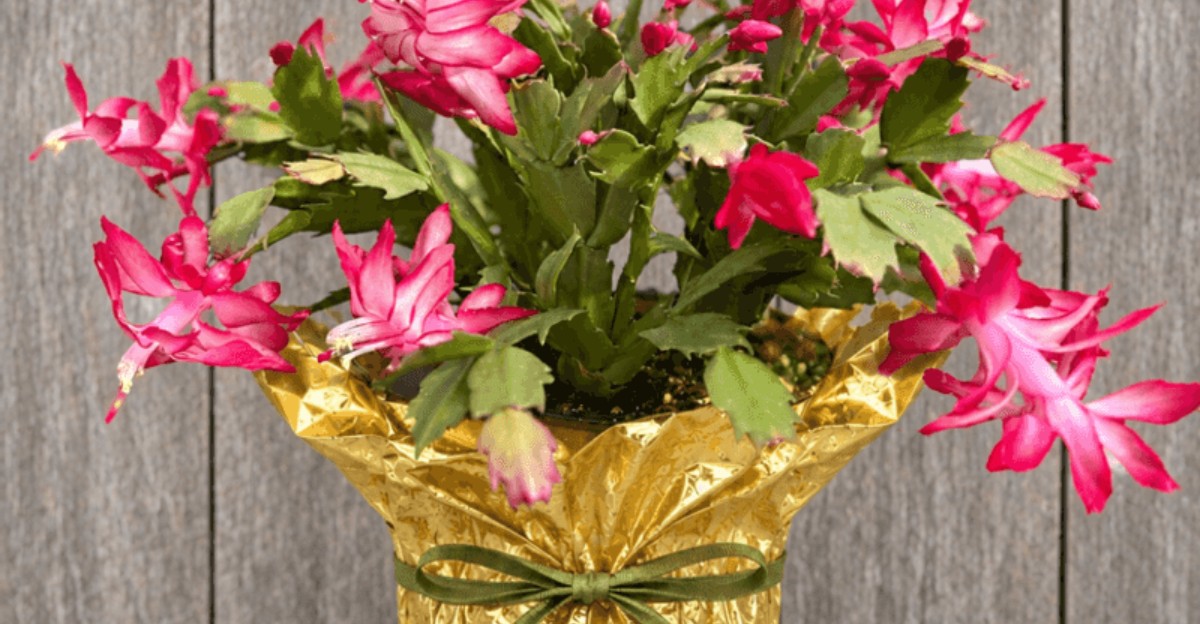
Plenty of holiday gift plants sold as cacti actually grow wild on tree branches in Brazilian mountain forests. Their roots cling to mossy bark, catching rain and mist instead of baking in hot desert sand.
That cloud forest background surprises a lot of people who expect a tough, prickly plant needing little care. You will not find a single sharp spine on these smooth, flat, segmented stems with glowing tips.
Personally, I love how a gift like this brightens a gray Michigan afternoon when snow piles against the window. You might notice, though, that cozy heated homes feel very different from a damp, shady mountain forest.
What surprises me most is how a few small habits decide whether those buds open or drop. So which common Michigan mistakes might be quietly holding back the cheerful gift sitting on your table right now?
1. Soggy Christmas Cactus Soil Leads To Root Rot
Love can drown a plant faster than neglect, and I learned that lesson with my very first holiday gift. A watering can feels friendly, but constant puddles around the roots invite rot that spreads quietly underground.
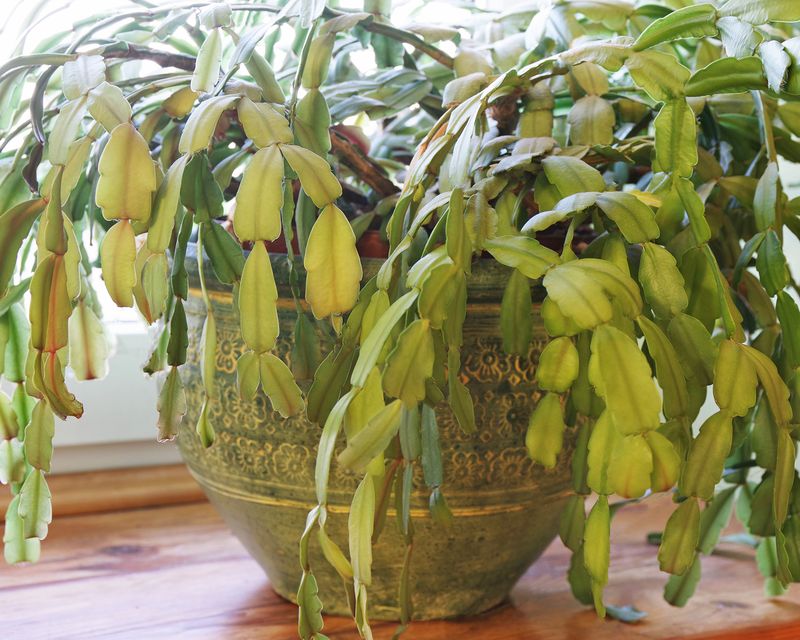
Overwatering ranks as the most common trouble for Christmas cactus, according to many university extension services. Stems turn limp and yellow, while the roots beneath the soil often look mushy, brown, and smell rather sour.
Your best tool is a simple finger test before reaching for the watering can each week. Push a finger into the mix, and water only when the top inch feels dry to the touch.
Drainage holes matter just as much as timing, so check the bottom of that decorative gift pot. Many holiday plants arrive wrapped in shiny foil that traps water, so poke holes or remove it soon.
After watering, I let extra water drain away, then empty the saucer within about fifteen minutes or so. Roots sitting in standing water lose access to air, which sets the stage for rot to begin.
Watering needs change through the year, so pay attention to how quickly the soil dries out at home. Plants usually drink more during spring and summer growth, then need noticeably less after flowering wraps up.
A soaked plant sometimes recovers if you catch trouble early and repot it into fresh, dry mix. Trim away soft brown roots with clean scissors, and healthy stem pieces can even root as backup plants.
2. Dry Winter Air Makes Christmas Cactus Buds Drop
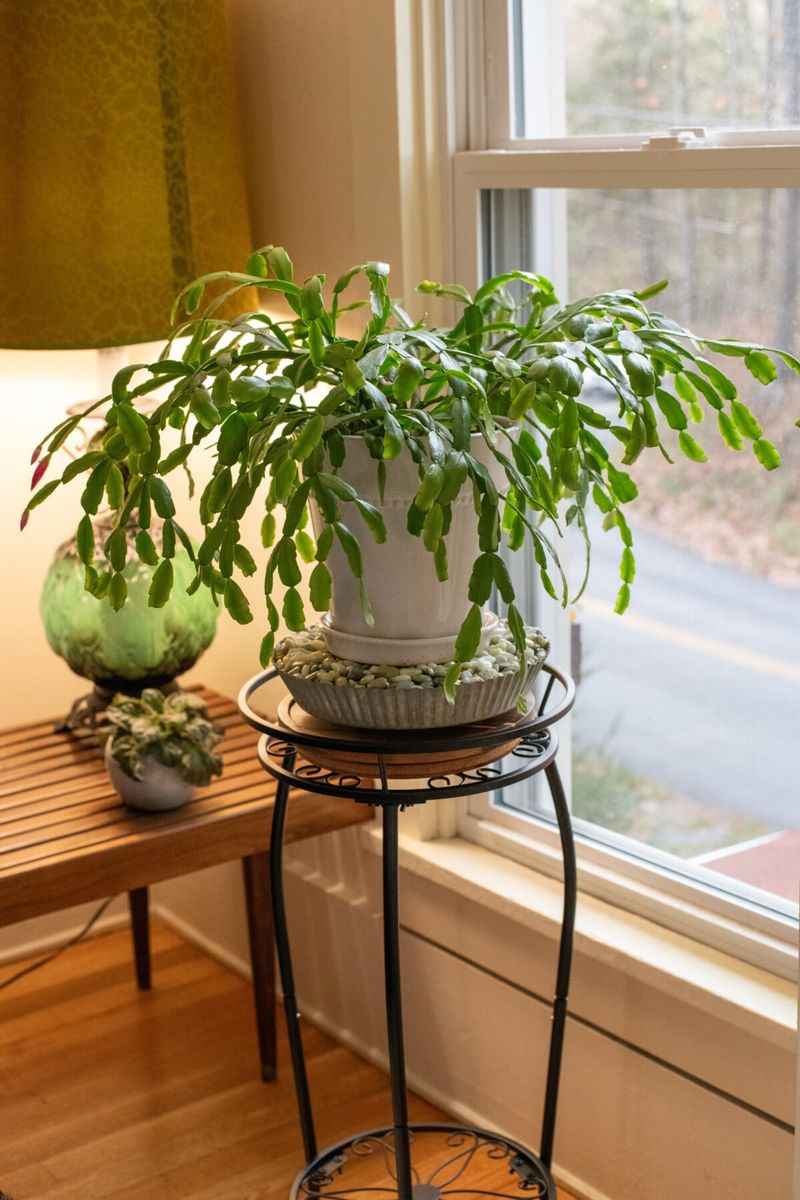
Furnaces roar all winter across Michigan, and they pull moisture from indoor air far faster than most people realize. Your static-filled sweater tells the story, and your new holiday plant notices that dryness too.
Christmas cactus comes from humid Brazilian mountain forests, where clouds and mist keep the air soft and damp. Many experts suggest indoor humidity around fifty percent or higher for the happiest plants during cold months.
Shriveled stem segments and buds falling before they open often point straight toward air that feels too dry. I have watched plump pink buds tumble onto a windowsill after a cold snap kicked the furnace on.
A pebble tray offers a cheap and easy fix that I recommend to almost every friend with houseplants. Fill a shallow tray with gravel and water, then set the pot on top without touching the water.
Grouping houseplants together also helps, since leaves release moisture that lingers in the air around the cluster. A small room humidifier works nicely, especially in bedrooms or living spaces where heat runs for many hours.
Bright bathrooms and kitchens often stay a little more humid than other rooms in a typical home. Just keep the plant away from stovetops, hot air vents, and radiators that blast dry heat directly on it.
Misting feels helpful, but the effect fades within minutes and rarely raises humidity for very long at all. I prefer steady solutions, since your plant benefits more from consistent moisture than from quick, occasional sprays.
3. Harsh Direct Sun Can Scorch Christmas Cactus Stems
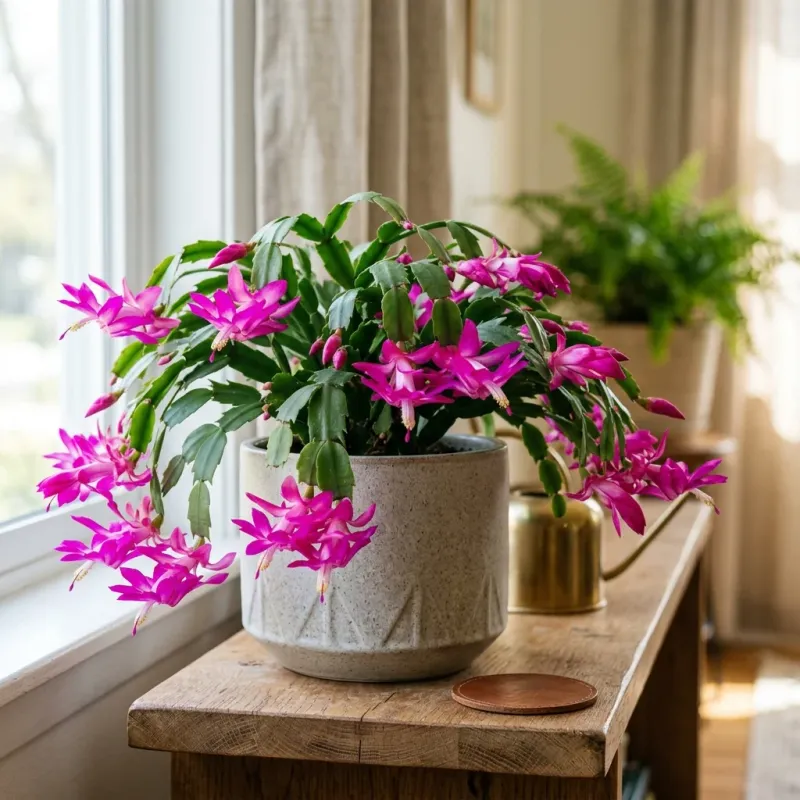
Sunburn on a houseplant sounds silly until you spot reddish, bleached stems on a sunny window ledge. Christmas cactus naturally grows beneath a forest canopy, where tree leaves soften the light into gentle, dappled patches.
Bright, indirect light suits this plant best for most of the year, according to many extension horticulture experts. An east window works nicely, while a sheer curtain can soften stronger light from south or west windows.
Stems that turn red or purple often signal stress from too much sun, though cool temperatures can cause this. Pale, stretched growth hints at the opposite problem, meaning the plant probably needs a bit more light.
Winter days in Michigan feel short and dim, so a south window may work well during these months. I simply keep leaves from touching the frosty glass, since chilly panes can damage tender stem segments.
Darkness also matters, because this plant sets flower buds when nights grow long and cool in autumn. Roughly twelve to fourteen hours of steady darkness each night for several weeks encourages buds to form.
Lamps switched on late in the evening can interrupt that signal and leave you with lots of leaves. A quiet spare room, or a spot away from evening lights, often makes a surprising difference for blooms.
Summer brings another chance to help, since many gardeners move plants outside to a shaded porch after frost danger passes. Bring them back indoors before chilly fall nights arrive, keeping them out of strong afternoon sun outside.
4. Drafty Windows And Heat Vents Stress Christmas Cactus
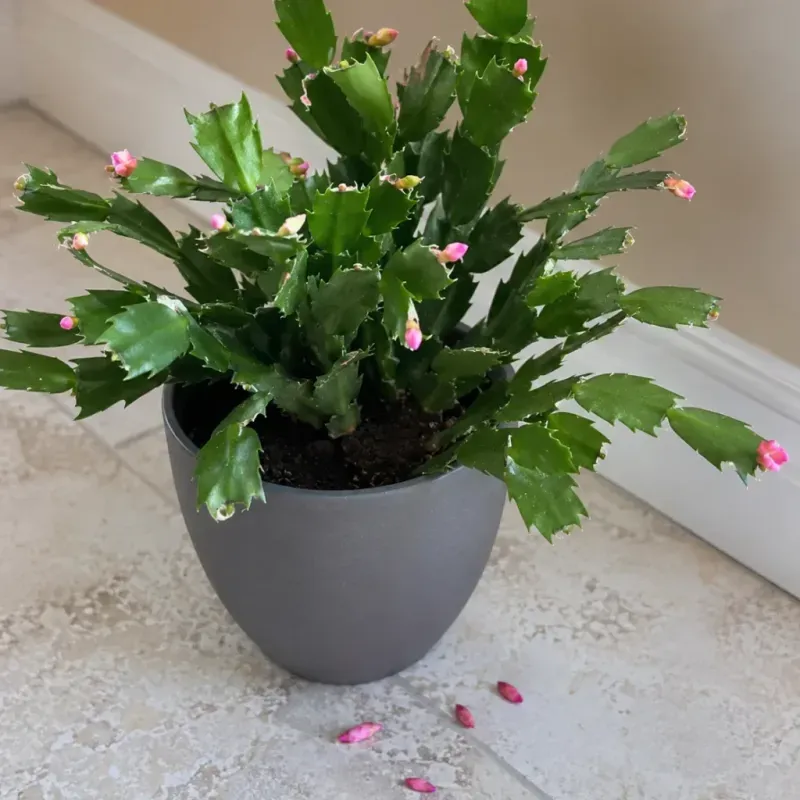
Cold drafts from an opening door can startle a blooming plant more than you might expect in winter. I once parked my plant near the back door, and the buds started falling within a week.
Christmas cactus generally prefers steady indoor temperatures, roughly sixty to seventy degrees Fahrenheit during much of the year. Sudden swings in either direction can cause stress, which often shows up as dropped buds or limp stems.
Cool nights in autumn actually help flowering, since temperatures around fifty to sixty degrees can encourage buds. Many growers find that cooler nights combined with long darkness give the most reliable holiday color each year.
Hot air vents create a different problem, drying the soil quickly and baking delicate stems with steady heat. Fireplaces and space heaters deserve plenty of distance too, especially during the coldest stretches of a Michigan winter.
Frost poses real danger, so bring outdoor summer plants inside before nights dip much below fifty degrees. Freezing temperatures can damage stem tissue quickly, leaving soft, discolored segments that rarely recover their healthy green color.
Your home probably has warmer and cooler zones, and finding a calm middle spot takes a little experimenting. I sometimes set a cheap thermometer nearby, which quickly reveals hidden chilly corners or surprisingly warm shelves.
Car rides home from the store can also chill a gift plant during frosty winter weather in the north. Wrapping the plant loosely in paper for short trips helps protect those tender buds from icy blasts.
5. Feeding Christmas Cactus During The Wrong Season
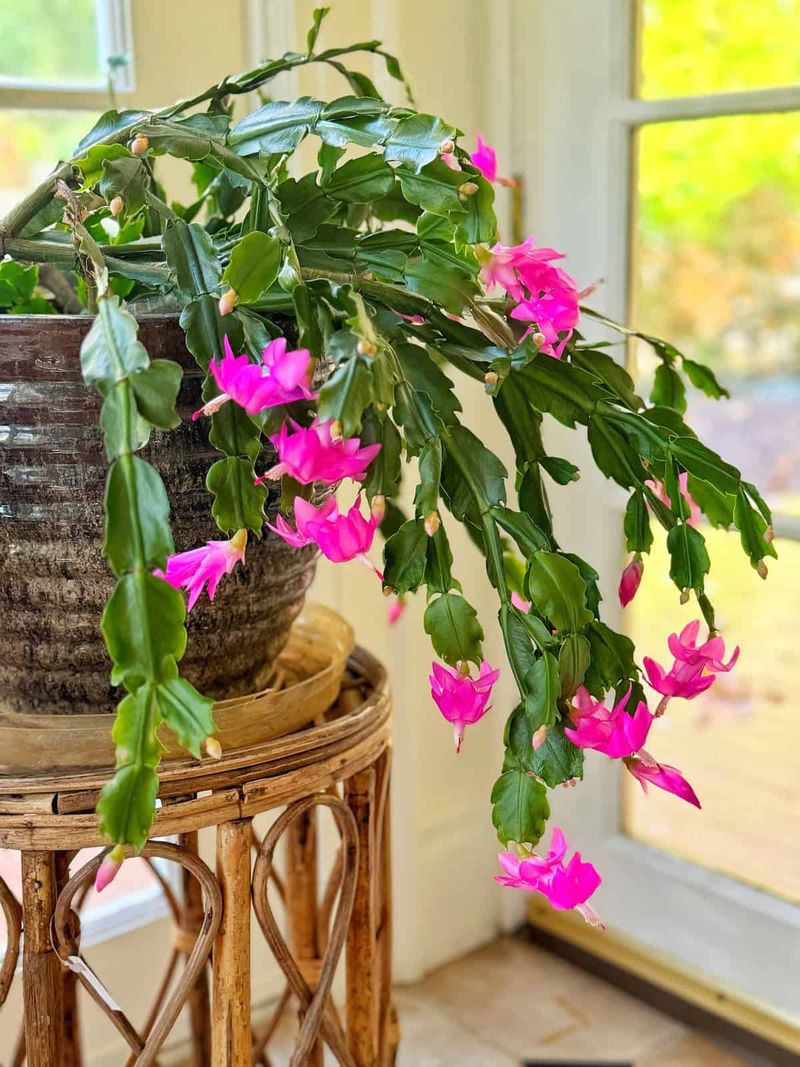
Plant food feels like a generous gift, yet timing matters far more than the brand sitting in your cupboard. Feeding at the wrong moment rarely creates extra flowers, and it can stress roots in surprising ways.
Spring and summer bring active growth, so that stretch is the best time to offer regular plant nutrients. Many extension guides suggest a balanced houseplant fertilizer, often mixed at half strength, applied about once a month.
Fertilizer does not trigger blooming on this plant, since long nights and cool temperatures handle that important job. I stop feeding in late summer, giving my plant time to slow down before buds start forming.
Winter feeding usually offers little benefit, because growth slows when daylight shrinks across Michigan and other northern states. Extra fertilizer can build up as salty crusts in the soil, which may burn tender roots over time.
White residue on the pot rim or soil surface often signals salt buildup from fertilizer or hard tap water. Flushing the pot with plain water a few times can help rinse those minerals away before problems grow.
Some growers mention Epsom salts for extra magnesium, though research support for this practice seems fairly limited. I would skip it unless a soil test or clear symptoms suggest your plant actually needs more magnesium.
Your gift plant probably arrived with fertilizer already in its potting mix from the greenhouse grower. Enjoy the blooms this winter, and save the feeding for spring when fresh green segments start appearing again.
6. Repotting Christmas Cactus Into An Oversized Pot
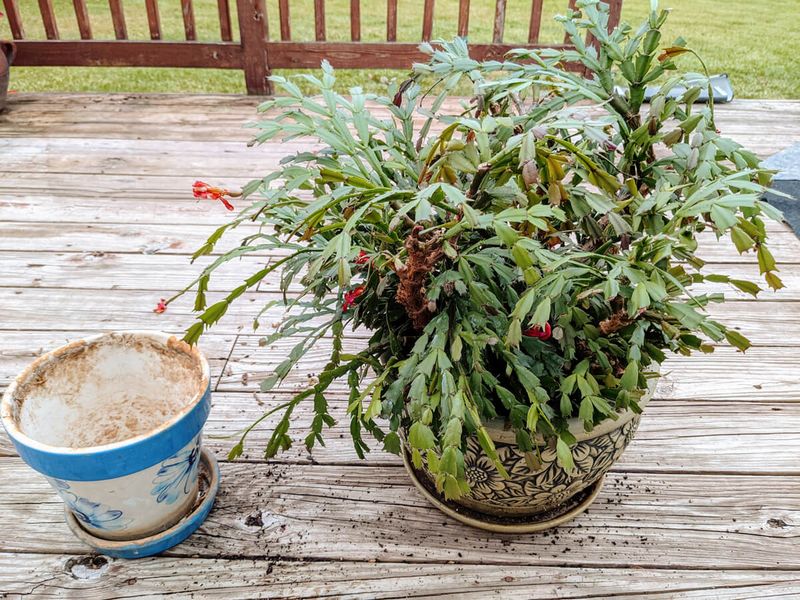
Snug roots make this plant oddly happy, which still surprises friends who expect every houseplant to want more space. Christmas cactus often blooms well when slightly crowded, so a giant new pot rarely brings any benefit.
Repotting every two to three years usually works fine, or whenever roots begin poking out of drainage holes. Late winter or early spring after flowering ends makes a sensible time, since the plant is resting then.
Moving roots during bud formation or full bloom can cause stress, and buds may fall onto the table. I learned to wait patiently, even when that cracked gift pot looked a little shabby on the windowsill.
Choose a container only one or two inches wider than the old pot, with good drainage holes underneath. Oversized pots hold extra wet soil around small roots, which raises the risk of rot in cool weather.
Since this plant naturally grows on trees, it prefers airy, fast-draining soil rather than heavy garden dirt. Mixing regular potting soil with perlite or orchid bark creates a loose blend that roots seem to enjoy.
Clay pots dry out faster than plastic ones, which can help gardeners who tend to water a bit much. Plastic pots hold moisture longer, so they may suit busy people who sometimes forget the watering can.
Gently loosen old soil from the roots, and trim any soft brown sections with clean, sharp scissors first. Wait several days before watering again, giving bruised roots time to heal in the fresh, slightly dry mix.
7. Moving A Budding Christmas Cactus Around The House
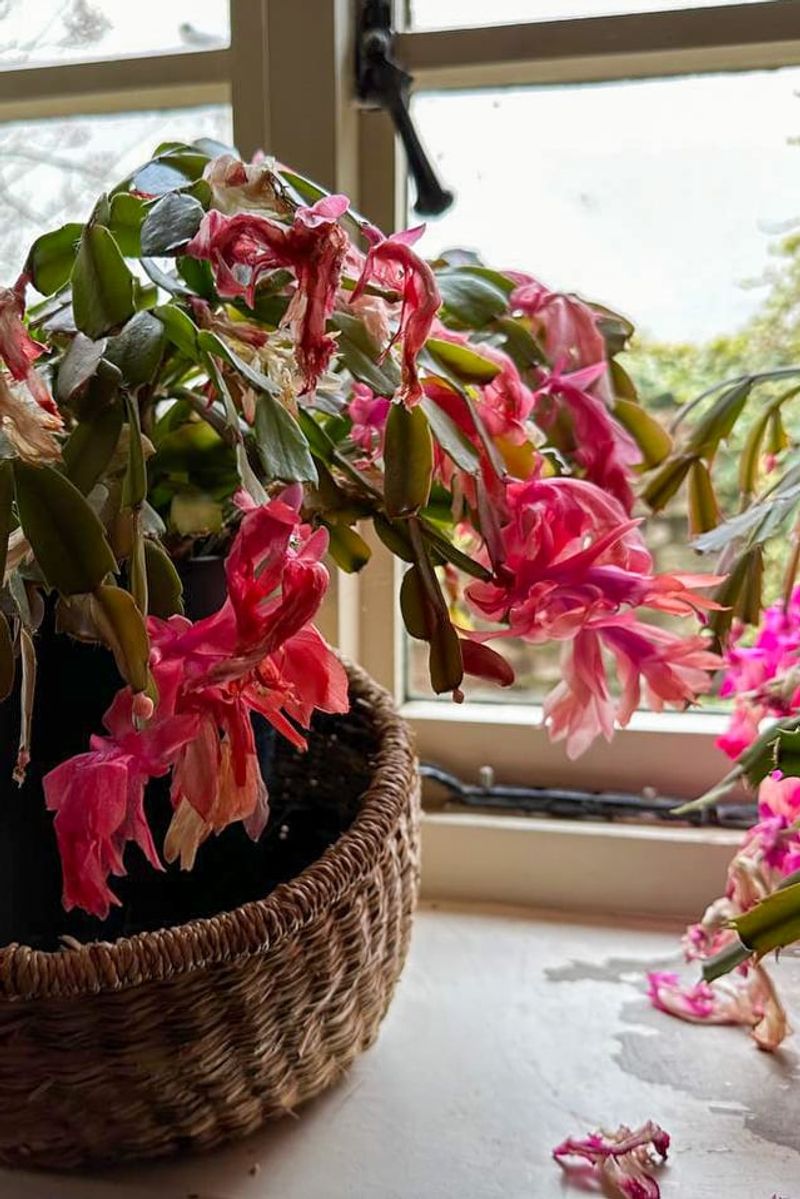
Few things feel as heartbreaking as finding fat, colorful buds scattered across the floor one morning in December. Often the culprit is simply moving the plant from room to room while those buds develop.
Christmas cactus reacts to sudden changes in light and temperature, especially once flower buds begin forming on stems. A new spot can feel very different to the plant, even when the change seems tiny to you.
Gift plants already traveled from greenhouse to store to your home, so they have experienced plenty of change already. I set mine in a stable, bright location right away, then leave it alone until flowers finish.
Turning the pot repeatedly to show off blooms can also cause trouble, since buds orient toward their light source. Resist the urge to spin it daily, and enjoy the display from whichever side faces the room.
Bud drop can also follow overwatering, dry air, or chilly drafts, so look at several factors together. Moving the plant rarely explains every fallen bud, but it often adds stress during an already sensitive stage.
Flowers on a healthy plant can last for several weeks, giving you cheerful color through a gray Michigan holiday season. Each bloom opens gradually, so a patient grower usually enjoys a longer show than an impatient one.
After flowering ends, you can safely relocate the plant to a spot that suits its spring and summer growth. Plenty of families keep these plants for decades, passing cuttings along to children and good friends over time.