8 Animals That Stay Active All Winter in Arizona Yards
A bird smaller than your thumb can drop its body temperature sharply on cold desert nights, then zip away at sunrise. Scientists call that energy-saving trick torpor, and it happens right outside plenty of Arizona kitchen windows.
Many creatures skip the long winter nap here, because mild desert days keep food and shelter within easy reach. Some slip through yards at dawn, while others patrol garden walls and shrubs well after dark.
I love how a quiet garden suddenly feels busy once you start noticing fresh tracks and nibbled cactus pads. You might find that a few of these visitors handle pest control better than any spray bottle on your shelf.
October is a smart month to learn who shares your Arizona yard before the cooler weather settles in for good. So which of these neighbors would you happily welcome, and which ones need a polite eviction notice?
1. Pack Rats
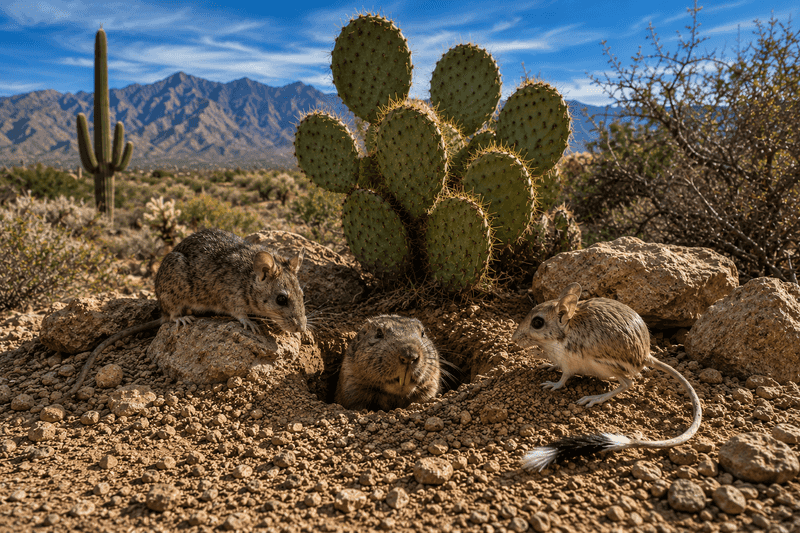
Few yard visitors collect shiny trinkets like pack rats, which sometimes drop one treasure to grab a better one nearby. Woodrats in the Neotoma group stay busy all winter, and they do not hibernate during the cooler months.
As nights turn chilly, they hunt for sturdier shelter and steady food, often moving closer to homes and garages. Their bulky nests, called middens, show up in cholla, rock piles, woodpiles, and sometimes even in attics.
Personally, I admire their building skills, but I would rather they practice them somewhere far from my car engine. These rodents chew wiring and garden plants, and they get much of their water from juicy succulents.
Middens can also shelter fleas, ticks, mites, and kissing bugs, so leaving them beside the house invites trouble indoors. October is a great time to clear debris piles and trim dense shrubs away from walls and foundations.
Check under hoods and inside sheds every few weeks, since fresh twigs and cactus bits often reveal a new tenant. Sealing gaps larger than half an inch helps keep these busy collectors from moving their winter projects inside.
2. Javelinas
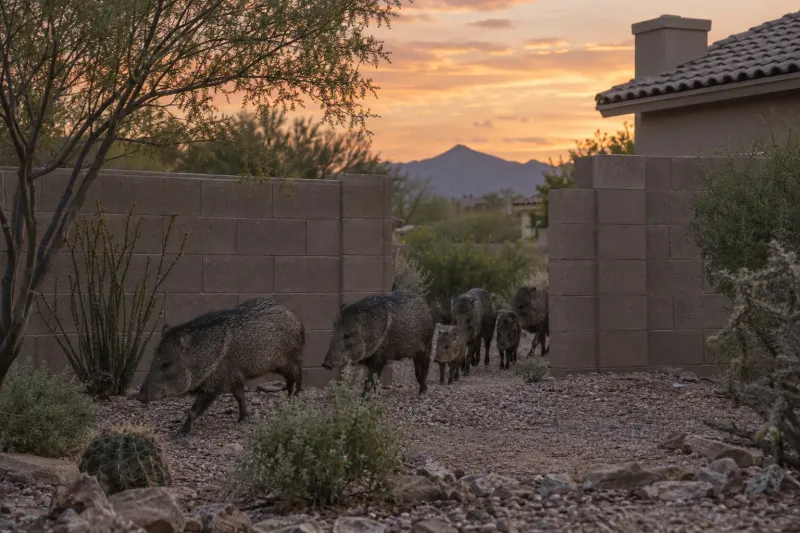
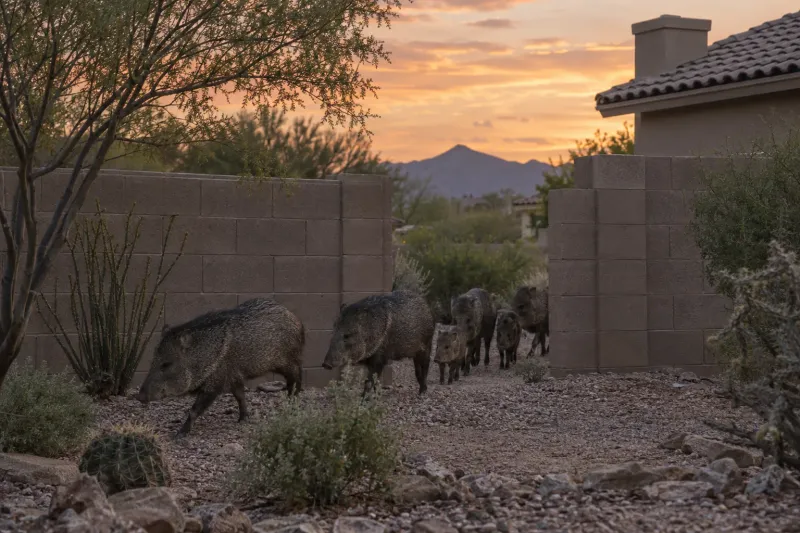
Your nose might notice javelinas before your eyes do, thanks to a musky scent gland tucked on their rumps. Collared peccaries travel in noisy family herds, grunting and popping their teeth while they wander through desert neighborhoods.
Cooler weather actually suits them, since they spend more daylight hours feeding during fall and winter than in summer. That means a late breakfast of your potted petunias could become a regular event once temperatures start to drop.
Their natural menu leans on prickly pear pads, mesquite beans, agave, and roots dug from loose garden soil. They also raid unsecured trash and pet bowls, which teaches them that your patio offers easy meals without much effort.
I have to admit, watching a herd munch cactus fruit is oddly charming from behind a sturdy window. Still, they can bite when cornered, and dogs often provoke defensive charges that end badly for curious family pets.
Block crawlspaces and the open areas under porches now, because javelinas seek warm hiding spots on cold nights. A solid fence about four feet tall usually keeps a hungry herd away from tender vegetable beds and bulbs.
3. Coyotes
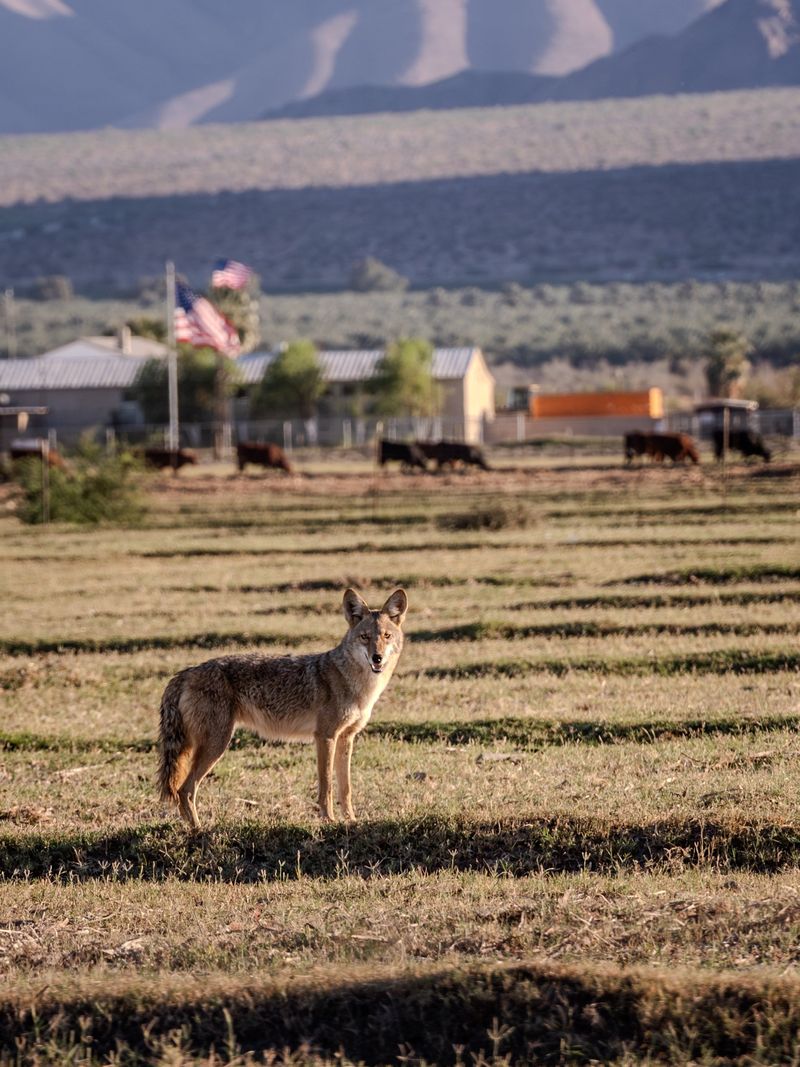
Winter turns local coyotes into chatty neighbors, because breeding season starts and pairs howl, wander, and scent-mark more often. You may spot them more during daylight hours too, especially along washes, golf courses, and quiet suburban parks.
Canis latrans fits city living surprisingly well, slipping through neighborhoods at dawn and dusk while most residents still sip coffee. Family groups share territory, yet individual coyotes often hunt alone when chasing small prey across open ground and yards.
Here is why I quietly root for them at a distance: mice, rats, gophers, and rabbits fill much of their diet. That steady rodent patrol can help reduce the critters that chew drip lines and nibble young garden seedlings.
Problems usually start when people leave pet food, fallen fruit, or open trash bins where hungry visitors can easily find them. Feeding coyotes on purpose is illegal in many cities, and it teaches them to lose their healthy fear of people.
Bring cats and small dogs inside at night, and walk pets on short leashes during dawn and dusk outings. If one lingers nearby, shouting loudly and waving your arms usually sends it trotting back toward the nearest wash.
4. Anna’s Hummingbirds
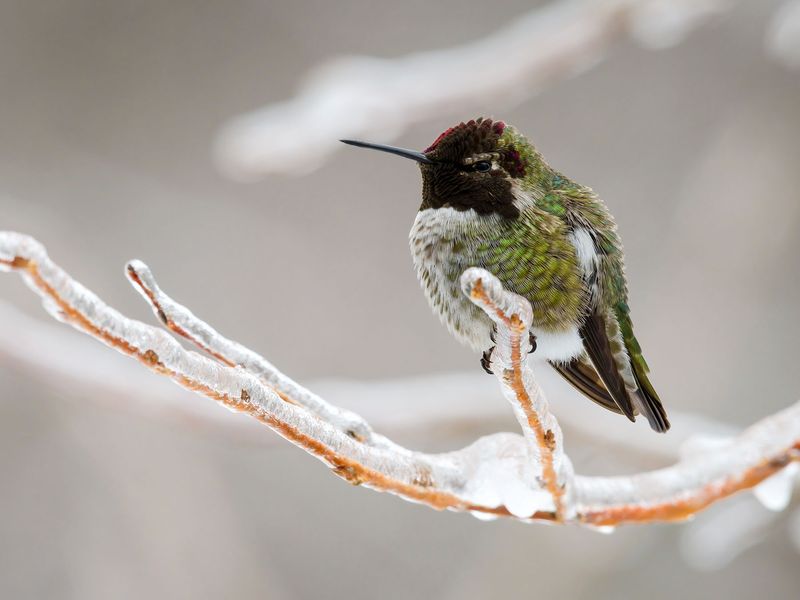
Tiny Anna’s hummingbirds stick around through the cold months while many relatives fly south for warmer winter vacations. On chilly nights they slip into torpor, lowering their body temperature to save precious energy until the sun returns.
Male birds flash shimmering rose-pink heads that look almost metallic when sunlight hits them from just the right angle. Their courtship show involves steep dives ending with a sharp chirp made by tail feathers slicing through cool air.
I love how a single red flower can pull one of these feisty fliers straight across the yard. Native chuparosa, desert honeysuckle, and penstemons offer winter nectar, and October is a great month to plant them.
Nectar is only half the story, since these birds also snatch tiny insects, gnats, and spiders for needed protein. Fewer pesticide sprays mean more snacks for them, which turns your garden into a small but busy natural buffet.
Feeders help on frosty mornings, but swap the sugar water every few days to keep mold from building up. Mix one part plain white sugar with four parts water, and skip red dye because hummingbirds simply do not need it.
5. Gambel’s Quail
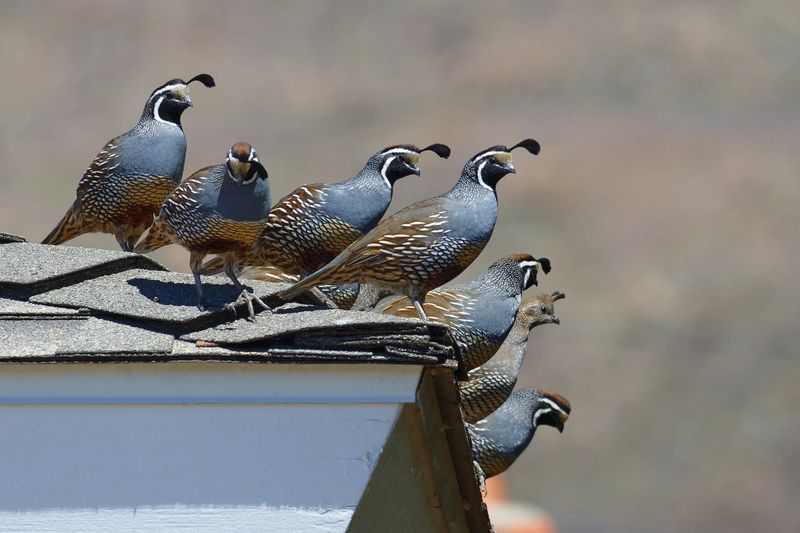
Listen for a loud chi-CA-go-go call at sunrise, and you will likely find a covey of Gambel’s quail nearby. Those bobbing black topknots look like tiny question marks perched on their heads while the birds scurry across gravel.
After summer nesting ends, families merge into bigger coveys that roam yards and desert scrub together through fall and winter. Larger groups make them easier to spot, especially early in the morning when they shuffle under shrubs looking for breakfast.
Quail would much rather run than fly, so they rely on dense brush to dodge hawks, cats, and other hungry watchers. Planting native shrubs like desert hackberry or saltbush gives them safe cover while adding easy winter greenery to your landscape.
Personally, I appreciate their appetite for weed seeds, which turns a lively flock into a small, feathered cleanup crew. A shallow ground dish of water and scattered millet or cracked corn will usually keep them visiting all season.
Place food near cover but away from walls where cats like to hide and wait for an easy ambush. Watching the whole parade march single file across your patio might become your new favorite morning ritual this winter.
6. Greater Roadrunners
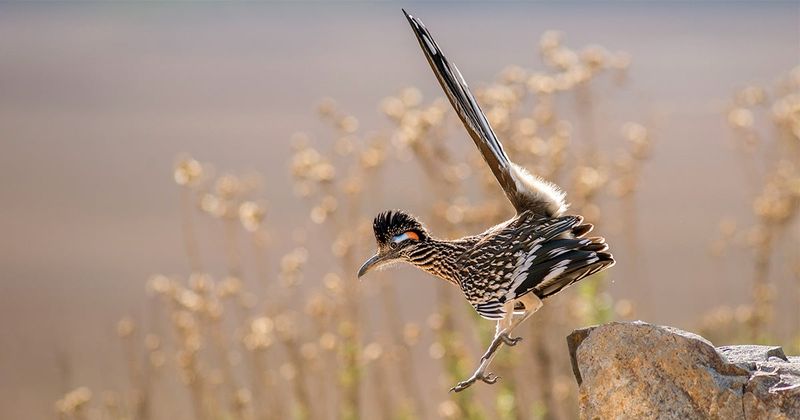
Few backyard guests can sprint about 20 miles per hour and swallow a small rattlesnake for lunch afterward. Greater roadrunners stay put all winter, patrolling desert yards with a crest that rises and drops with their mood.
On cold mornings they often turn their backs to the sun, fluffing feathers to expose dark skin that soaks up warmth. That clever solar trick helps them save energy when food is harder to find during chilly desert weather.
Their menu sounds like a homeowner wish list, including lizards, rodents, large insects, and even scorpions picked from rocky edges. I can’t imagine a more entertaining pest crew, especially when one dashes past your window with a lizard dangling sideways.
Roadrunners nest in thick shrubs like cholla, mesquite, and desert broom, so keep some dense plantings instead of shearing everything bare. A low rock pile or brushy corner gives their prey shelter, which in turn keeps these speedy hunters checking back.
Skip rodent poisons, since poisoned prey can harm roadrunners and other predators that eat them later in the day. A shallow water dish near cover may tempt one closer, giving you front-row seats to some serious desert speed.
7. Desert Spiders
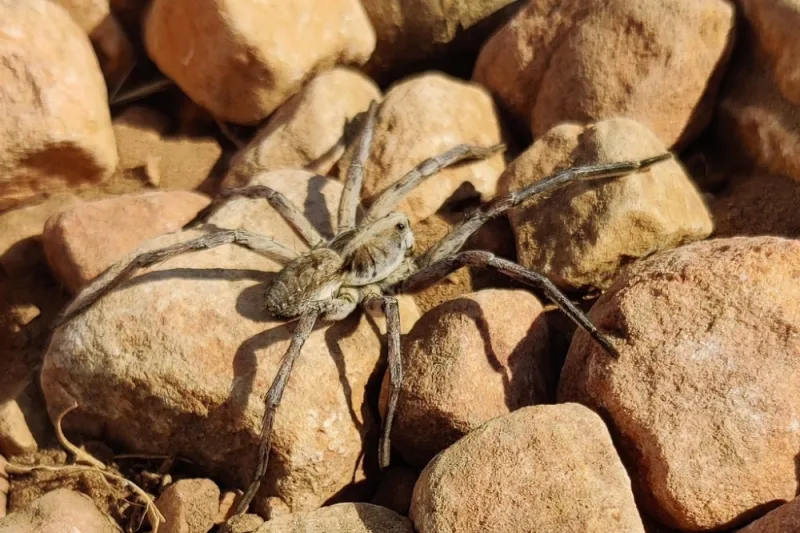
Shine a flashlight across your garden some cool evening, and tiny green sparkles may stare right back at you. Those glints come from wolf spider eyes, and many of these hunters keep working right through mild desert winters.
Spiders here rarely shut down for long, because sunny days and sheltered spots keep insects moving through cooler months too. Orb weavers spin wheel-shaped webs between shrubs, while jumping spiders and wolf spiders stalk prey across walls and gravel.
I believe spiders are some of the hardest-working helpers in any yard, even if they rarely get thank-you notes. They catch flies, moths, and plenty of plant-chewing pests, often reducing problems before you even notice a single damaged leaf.
Most species are harmless to people, though western black widows and Arizona brown spiders deserve careful respect and distance. Wear gloves when moving rocks, firewood, or old pots, since those quiet corners are favorite winter hideouts for both.
Leave some web-filled shrubs alone outdoors, but seal door gaps so fewer eight-legged guests wander inside the house. Shaking out garden boots before slipping them on is a simple habit that saves you an unpleasant morning surprise.
8. Bobcats
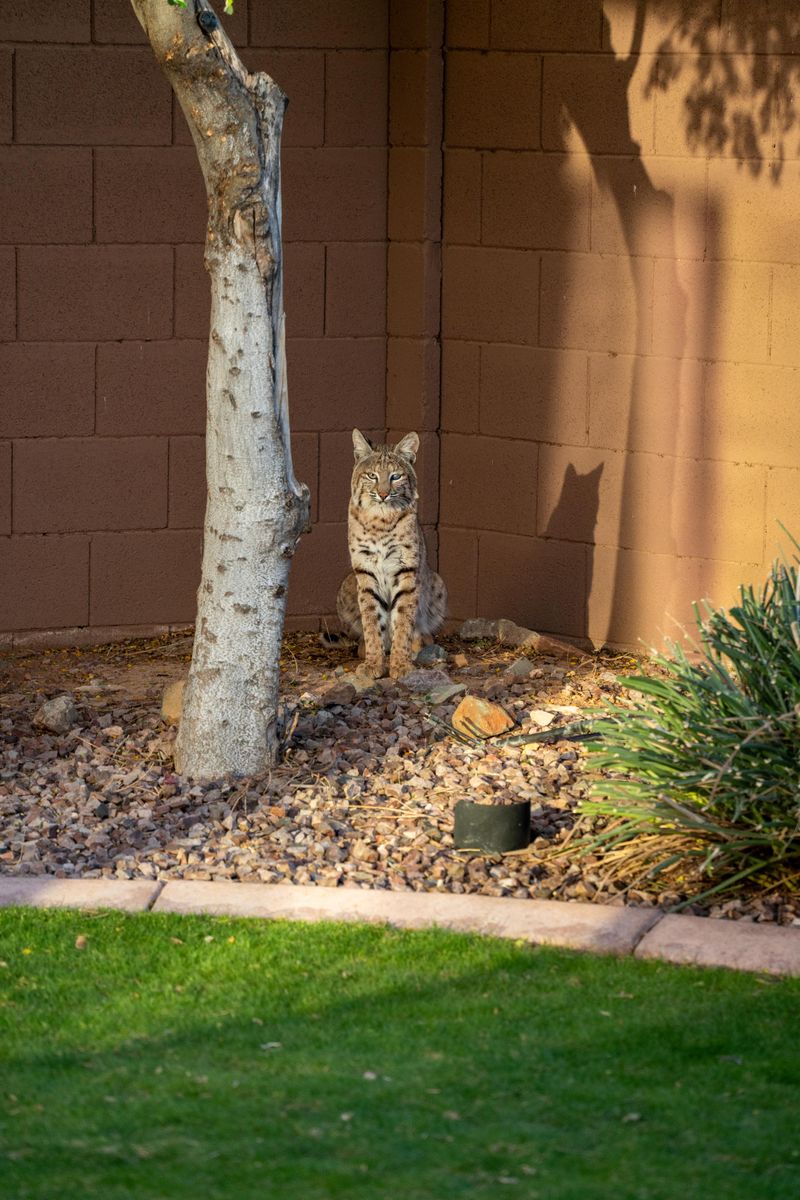
Finding a bobcat napping under your jojoba bush feels like spotting a celebrity in the grocery store checkout line. These short-tailed cats stay active all winter, often strolling along block walls around sunrise or just before sunset.
Lynx rufus is roughly twice the size of a house cat, with tufted ears and a spotted coat that blends with shadows. They can leap impressively high, so a standard backyard wall rarely slows down a determined bobcat on patrol.
Rabbits top their menu, though mice, pack rats, squirrels, and lizards also disappear when a bobcat moves into the neighborhood. You’re in for a big surprise if you think chicken wire alone will stop one from inspecting your backyard coop.
Personally, I cheer for any predator that trims the rabbit crowd munching my winter lettuce and young pepper starts. Still, keep small pets indoors at dawn and dusk, and secure poultry inside sturdy, roofed enclosures every single evening.
Most bobcats avoid people and move along quickly once they notice someone watching from the patio door. Enjoy the view from a distance, snap a quick photo, and let this quiet hunter continue its rounds in peace.