Gothic Gardens Are The Moody Trend Taking Over New York Yards This Fall
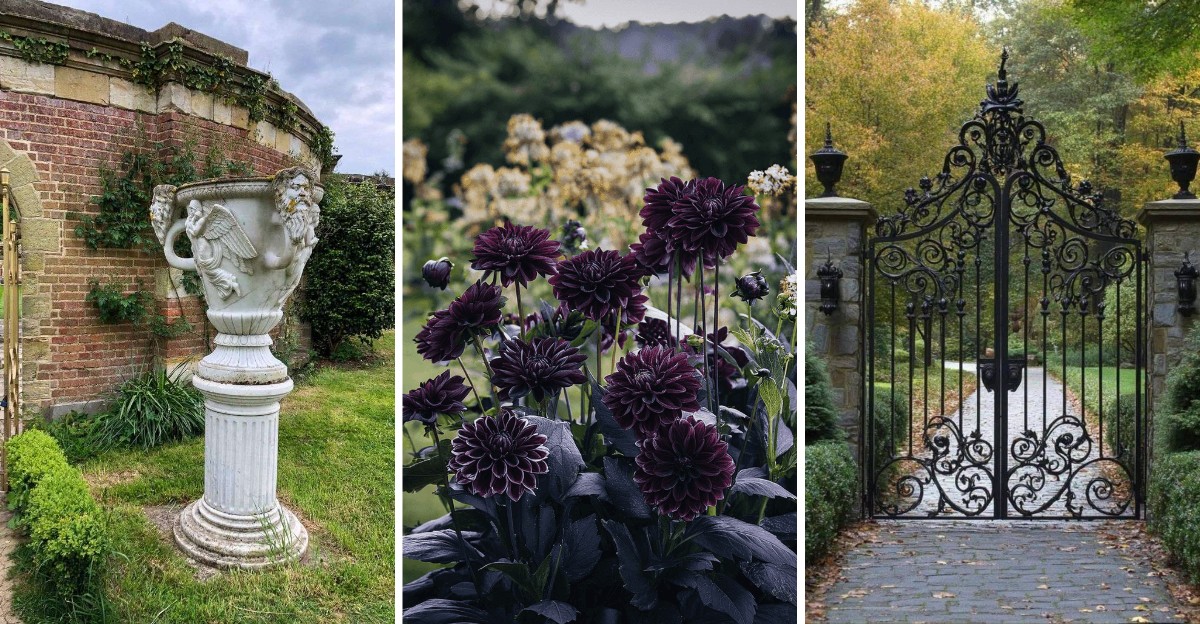
Forget pumpkin orange for a minute, because black is the hottest color in the garden this fall. Homeowners are trading cheerful pastels for velvety purples, inky foliage, and plants that look like they stepped out of a spooky storybook.
Gothic gardens feel mysterious, romantic, and a little bit dramatic, like a moonlit walk through an old churchyard. The best part is that many dark plants are tough enough to handle chilly New York weather.
Some even bloom when snow is on the ground. Whether you have a tiny Brooklyn courtyard or a big backyard upstate, this moody style can fit your space.
You do not need a castle or a crumbling mansion to pull it off. A few smart plant choices and some vintage touches can do the trick.
Gothic Gardens Celebrate Dark, Dramatic Plants
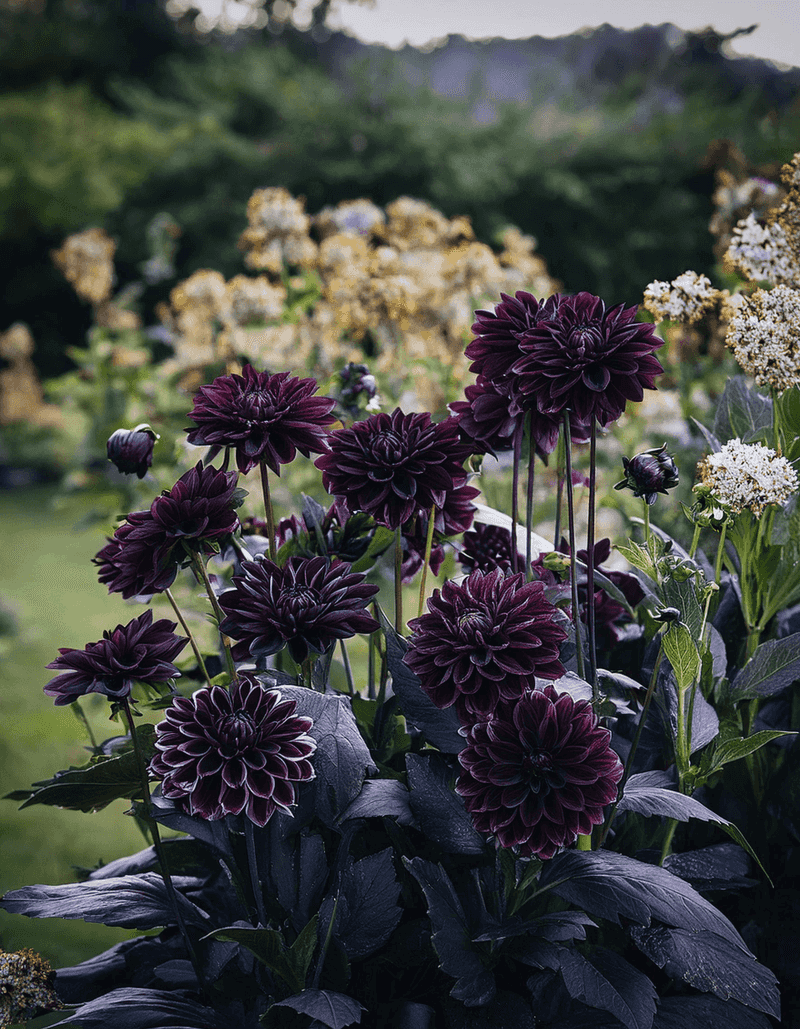
Picture a garden that feels like a scene from an old movie, with fog curling around inky leaves. Gothic gardens chase that mood, blending haunting beauty with quiet elegance.
The signature colors are deep purple, velvety black, rich red, and smoky silver. Together they create a space that feels alluring and a little otherworldly.
Dark plants do more than just look pretty in a gothic yard. Many add gentle movement, sweet scent, or a soft shimmer when light hits their leaves.
The style borrows from old European romance and medieval churchyard plantings. You get a garden that feels storied, as if it has secrets to share.
Here is a helpful trick for gardeners working with dark colors. Black and purple plants can vanish in deep shade, so pair them with silver or lime foliage.
Plants like dusty miller, lamb’s ear, or silver artemisia make darker neighbors pop. The contrast keeps your beds from looking like one big shadow.
Gothic gardens also invite you to slow down and think. They are meant to be experienced, not just admired from the kitchen window.
Try adding a small bench or a winding path so you can wander through. Even a narrow city yard can feel like a hidden retreat with the right layout.
Start small if the idea feels bold at first. A single container filled with dark plants by your front steps can set the tone beautifully.
Once you see how striking it looks, you might want to expand. Many gardeners find the moody palette becomes a happy obsession.
The Look Has Roots In Victorian Garden History
Long before Instagram made dark gardens trendy, medieval churchyards were planting with purpose. Every plant carried a meaning, and yews stood for everlasting life.
Those early plantings set the stage for what came later. Centuries afterward, the Victorians turned gardens into a full language of feeling.
Victorian families loved symbolism, especially around love, loss, and the afterlife. Their mourning gardens were places to remember people they missed.
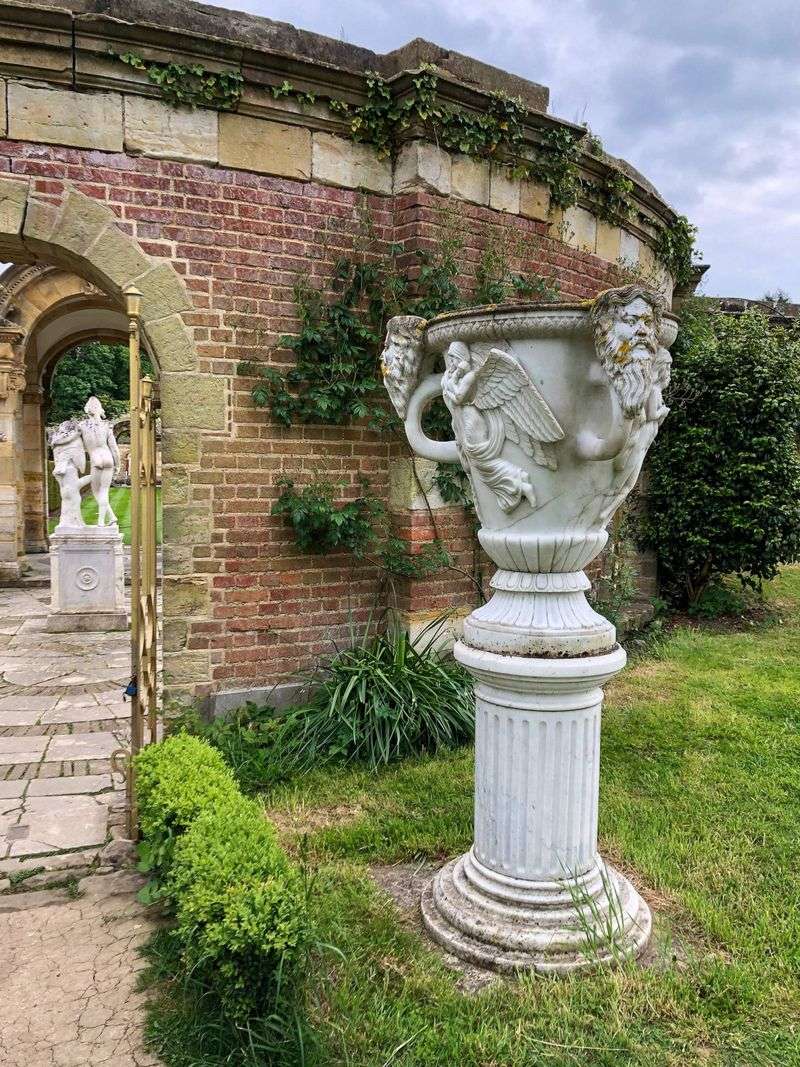
These spaces often featured shaded walks lined with evergreens. Stone urns carved with angels sat among the plants, adding a solemn touch.
Books from that era helped shape the look too. Writers filled their stories with brooding moors, misty graveyards, and crumbling estates.
Readers fell in love with that dark, romantic mood. Gardeners soon tried to recreate those scenes outside their own homes.
Fun fact: Victorians even had a flower dictionary called floriography. Sending someone a certain bloom could quietly say sorrow, hope, or devotion.
You can borrow this idea for your own yard. Choose plants with meanings you love, like rosemary for remembrance or ivy for loyalty.
Adding a nod to history makes your garden feel deeper and more personal. Visitors may even ask about the stories behind your plant picks.
Look for vintage-style urns or a small yew shrub to echo the past. A few classic touches connect your modern garden to centuries of tradition.
Black Mondo Grass Adds Instant Drama
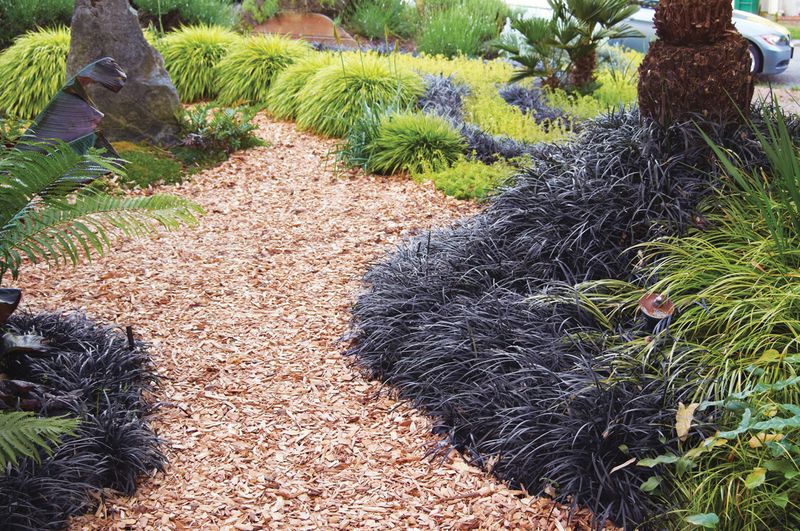
Ask any gothic gardener for a starter plant, and black mondo grass will likely top the list. Its glossy, jet-black leaves look almost unreal against green moss or pale stone.
Here is a funny twist about its name. Black mondo grass is not actually a grass at all, though it sure looks like one.
It is an evergreen perennial that forms lush, arching mounds of strappy leaves. Most clumps grow about 8 to 15 inches tall and up to 12 inches wide.
That compact size makes it great for edging paths or tucking into containers. It also looks stunning planted in drifts along a shady border.
Light matters more than you might expect with this plant. Partial to full shade works well, but too much shade can fade its famous blackness.
Aim for a spot with a few hours of gentle sun each day. Morning light is often the sweet spot for keeping leaves dark and rich.
Soil should be moderately fertile and drain well. A slightly acidic to neutral pH keeps this plant happy and growing steadily.
Black mondo grass is hardy in USDA Zones 6 through 11. Many parts of the state fall in that range, including the city and Long Island.
Once established, it handles dry spells with ease and needs little fuss. Gardeners in colder upstate zones can grow it in pots and shelter them for winter.
Dark Heucheras Hold Color Into Winter
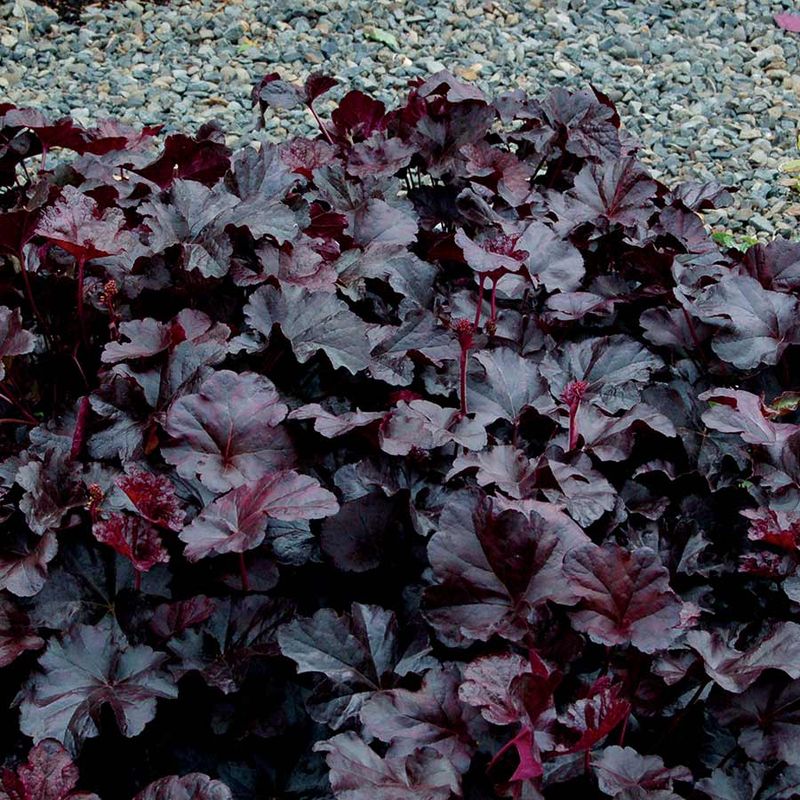
Some plants give up the moment frost arrives, but heucheras just keep showing off. These tough little perennials, also called coral bells, hold their leaf color long after summer fades.
Their foliage comes in a wild range of shades. You can find silver, chocolate, orange, deep red, burgundy, and moody purple.
For a gothic look, a few dark varieties really shine. Try ‘Obsidian,’ ‘Black Pearl,’ ‘Forever Purple,’ or ‘Midnight Rose’ for serious drama.
‘Obsidian’ has nearly black leaves with a glossy finish. ‘Midnight Rose’ adds playful pink speckles to its deep purple foliage.
Heucheras are hardy in USDA Zones 4 through 9. That covers almost every corner of New York, from Buffalo to Brooklyn.
Many varieties stay nearly evergreen, even through cold snaps. Their colorful mounds brighten bare beds when most plants have gone quiet.
Growing them is pleasantly easy, even for beginners. They handle a wide range of light but often look best in shade or part shade.
Once settled, they tolerate dry periods without much complaint. Just avoid soggy soil, which can cause their roots to rot.
Here is a smart tip for fall planting. Add a thin layer of mulch around new plants to keep frost from pushing them out of the ground.
Pair dark heucheras with silver ferns for an elegant contrast. The combination looks stunning under trees or along a shady fence line.
Black Hellebores Bloom In The Cold
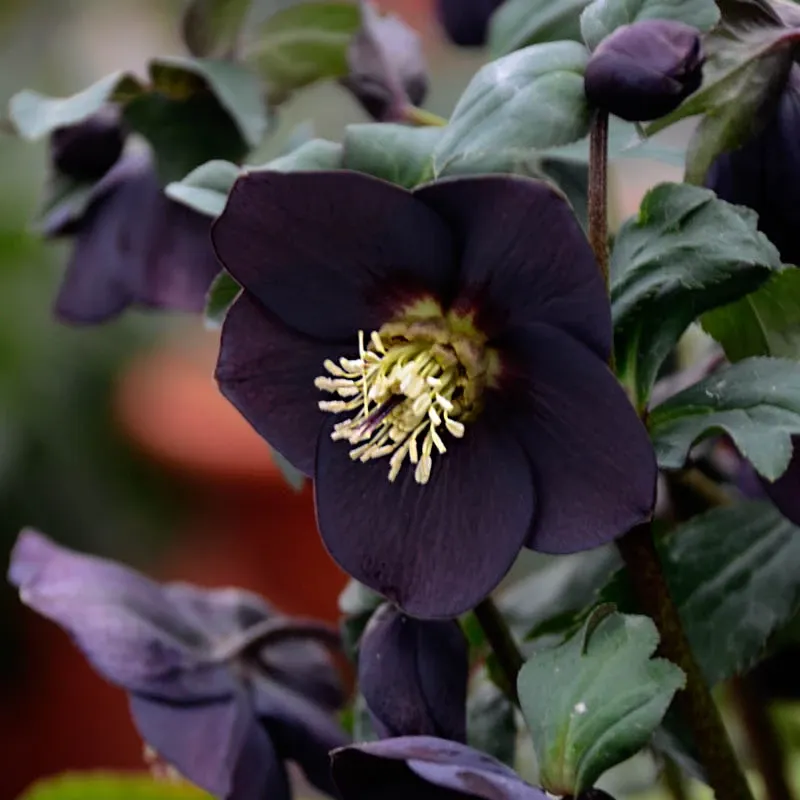
Imagine stepping outside in February and spotting black flowers poking through the snow. Hellebores make that magical moment possible, and they look straight out of a fairy tale.
One variety even carries a fitting name for local gardeners. ‘New York Night’ produces black blooms with deep purple overtones.
These flowers appear from late winter into early spring. They bring color when nearly everything else in the yard is resting.
Hellebores are tough evergreen perennials hardy in USDA Zones 4 through 9. They handle New York winters with impressive grit.
Their glossy, dark green leaves stay put through the cooler months. That foliage gives your garden structure even when the blooms are gone.
For best results, plant them in part shade to full shade. A spot under deciduous trees works nicely, since winter sun can reach them.
Rich, well-drained soil keeps hellebores healthy for years. Mix in compost at planting time to give roots a strong start.
Deer usually leave hellebores alone, which is a big win in suburban areas. Gardeners in Westchester and the Hudson Valley will appreciate that bonus.
Quick tip: trim tattered old leaves in late winter before new flowers rise. The fresh blooms will stand out better without ragged foliage around them.
Plant them near a window or walkway so you can enjoy the show. Their nodding flowers are easy to miss if they hide in a far corner.
Deep Purple Tulips Can Go In Now
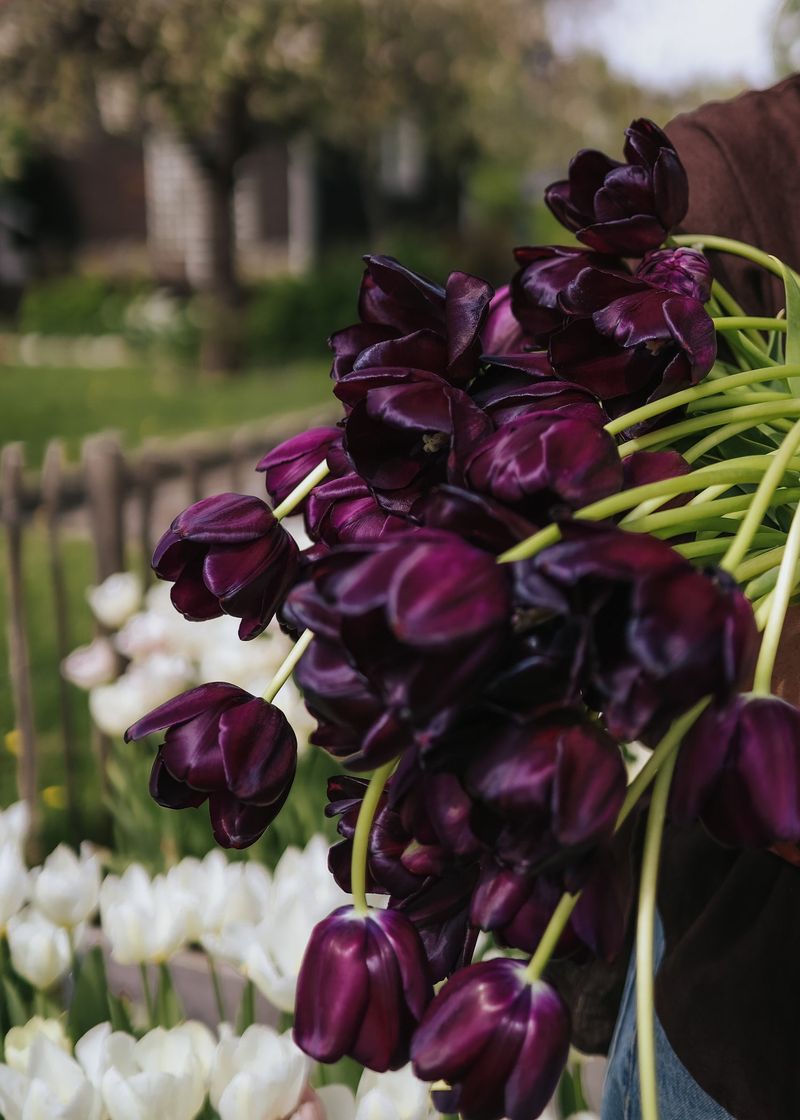
Want a garden full of nearly black tulips next spring? The secret is getting those bulbs in the ground while the leaves are still falling.
‘Queen of Night’ is the classic pick for gothic gardens. Its deep, velvety purple petals look almost black in soft evening light.
Timing matters a lot with tulips in New York. The planting window usually runs from mid-September to late November, before the ground freezes.
Check your soil temperature before you start digging. It should drop below 55 degrees Fahrenheit at about six inches deep.
City and Long Island gardeners often do better waiting until November. Warmer soil near the coast can stay toasty longer than you might think.
Tulips need 12 to 16 weeks of winter cold to bloom well. That chilly rest period is what triggers their spring flowers.
Plant each bulb six to eight inches deep with the pointed end up. Group them in clusters of ten or more for a bold, dramatic look.
Squirrels love snacking on tulip bulbs, sadly. Laying wire mesh over your planting area can keep those furry thieves from digging.
Try pairing dark tulips with white or pale pink varieties. The contrast makes the deep purple blooms look even richer and more mysterious.
Mark where you planted so you do not accidentally dig there later. A small stake or plant tag saves plenty of spring headaches.
Seed Heads And Dried Stems Add Spooky Texture
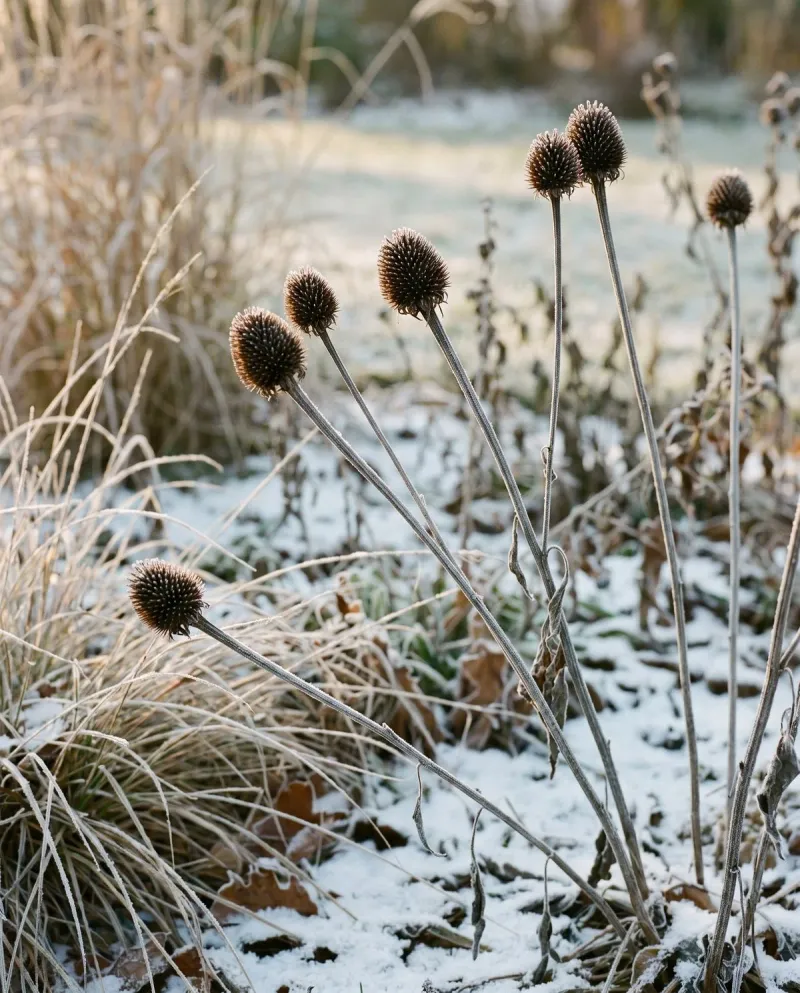
Put down those pruners for a moment and take a closer look. Those crispy brown stems you planned to cut might be the spookiest decor in your yard.
Seed heads and dried stems bring sculptural shapes to fall and winter beds. They add texture and depth that bare soil simply cannot offer.
Some plants are especially good at this job. Alliums, echinacea, poppies, and globe thistles all leave behind striking seed heads.
Allium heads look like tiny exploding fireworks frozen in time. Echinacea cones turn dark and spiky, perfect for a gothic mood.
The magic really happens when frost or snow arrives. A light coating of ice turns ordinary stems into glittering little sculptures.
Leaving them standing helps local wildlife too. Birds snack on the seeds, and many helpful insects shelter inside hollow stems through winter.
Goldfinches are frequent visitors to echinacea and thistle seed heads. Watching them feed can become a fun winter hobby from your window.
Here is an easy way to keep things looking tidy. Cut back floppy or broken stems, but leave the sturdy, upright ones standing tall.
Wait until spring to clean up the rest of your beds. By then, birds have eaten their fill and insects are ready to emerge.
You can also snip a few dried stems for indoor arrangements. They look wonderfully eerie in a dark vase on your mantel.
Wrought Iron And Old Stone Complete The Look
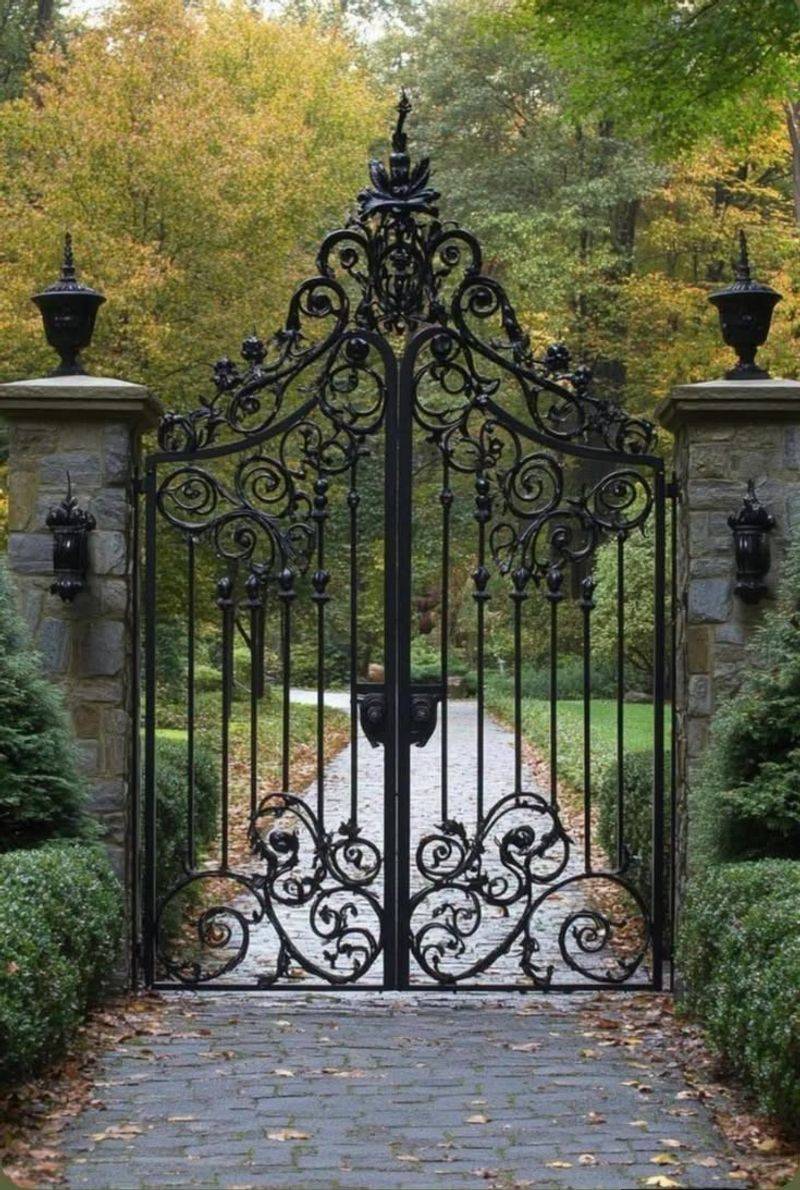
Plants set the mood, but hardscape seals the deal. A creaky iron gate or mossy stone wall can make a small yard feel centuries old.
Wrought iron arches, trellises, and gates add a cathedral-like elegance. Their curls and points echo the windows of old Gothic churches.
Iron is durable and holds intricate designs beautifully. Climbing vines like dark clematis look gorgeous twisting through an ornate trellis.
Old stone brings a sense of age and mystery. Weathered walls, cobblestone paths, and antique planters all carry that lovely worn patina.
New York has a head start on this look. Many brownstones and older homes already feature iron railings and aging stone steps.
Thrift stores and salvage yards are treasure chests for gothic finds. Look for chipped urns, old fence panels, or vintage garden benches.
Small details can make a big impact. A tiny gargoyle peeking from a flower bed adds personality and a touch of playful spookiness.
Want new stone to look old faster? Brush it with plain yogurt or buttermilk to encourage moss to grow.
Keep the overall layout simple so each piece can shine. Too many decorations can make the space feel cluttered rather than mysterious.
With dark plants and timeworn materials together, your yard becomes a true gothic escape. It might just be the most talked-about garden on your block this fall.