7 Grass Varieties To Plant In Florida Yards That Attract Birds
Florida yards buzz with life, and the right grasses can turn that energy up a notch.
While palms and flowers grab attention, grasses quietly set the table for birds that crave seed, cover, and safe landing spots.
In a warm climate where growth rarely slows, smart choices create year-round appeal and steady wildlife traffic.
Finches, sparrows, and wrens notice fast, flutter in, and stick around.
These grasses handle heat, shrug off rain, and still look good when summer pushes hard.
A yard can feel alive without extra feeders or fuss.
Pick grasses that work with Florida weather, and birds reward the effort with color, motion, and song that no ornament can match.
1. Bahiagrass
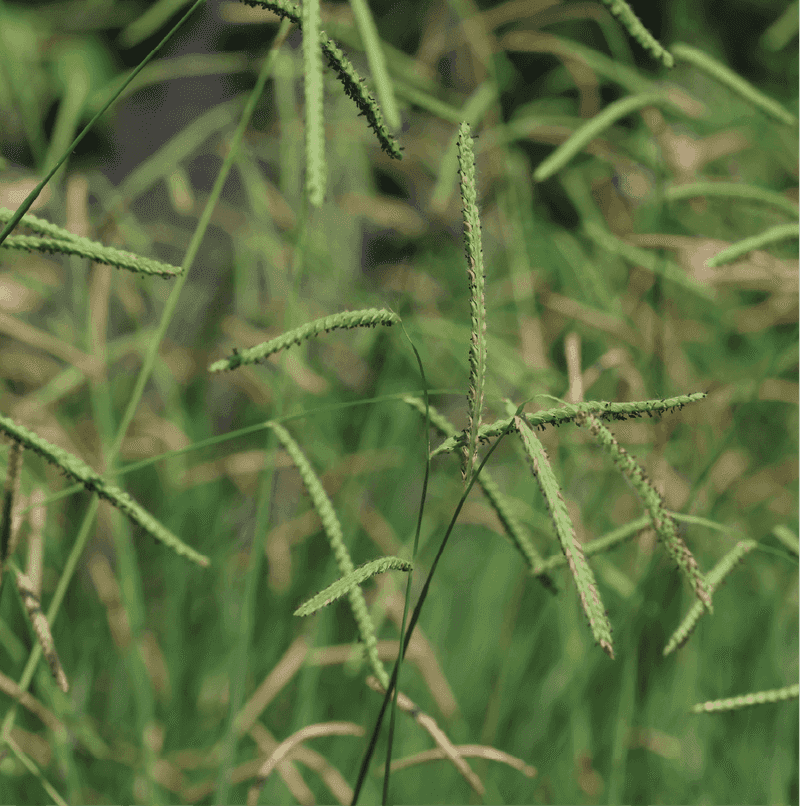
Bahiagrass stands as one of Florida’s most popular lawn choices, and birds absolutely love it for good reason.
This tough grass produces abundant seed heads that attract sparrows, finches, and doves throughout the warmer months.
The dense growth pattern also provides excellent cover for ground-feeding birds who feel safer foraging when they have places to hide from predators.
Originally from South America, Bahiagrass adapts remarkably well to Florida’s challenging conditions.
It tolerates drought, grows in poor sandy soils, and requires minimal fertilizer compared to other lawn grasses.
The deep root system helps prevent erosion while creating habitat for insects that insect-eating birds find irresistible.
When you allow Bahiagrass to grow slightly taller between mowings, the seed heads develop more fully.
This simple practice increases the food supply for birds without sacrificing your yard’s appearance.
Cardinals, towhees, and juncos particularly enjoy scratching through Bahiagrass to find both seeds and hidden insects.
The grass stays green year-round in most of Florida, providing consistent habitat even during winter months when northern birds migrate south.
For homeowners who want a functional lawn that doubles as a bird sanctuary, Bahiagrass offers an unbeatable combination of durability and wildlife value.
2. St. Augustine Grass
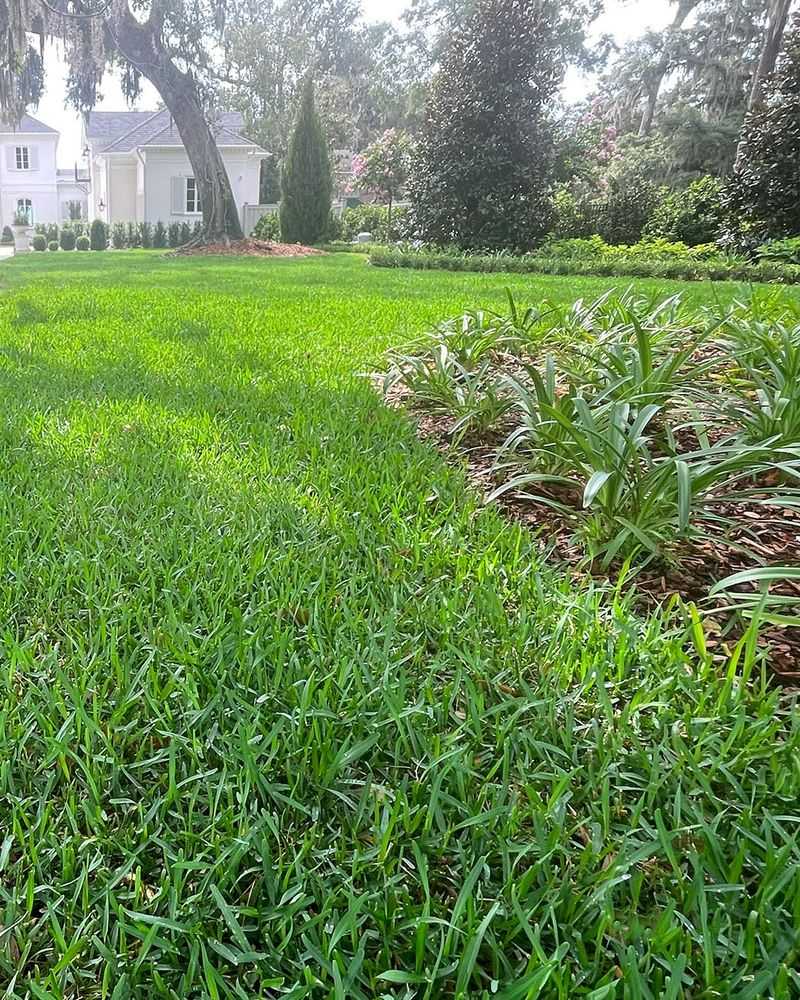
Thick, lush, and surprisingly bird-friendly, St. Augustine grass creates a living carpet that many Florida homeowners adore.
While most people plant it for its attractive appearance, birds appreciate the abundant insect life that thrives within its dense blades.
Robins, mockingbirds, and thrashers regularly patrol St. Augustine lawns, searching for grubs, beetles, and other protein-rich treats.
This grass variety spreads through stolons, creating a tight mat that holds moisture and stays cooler than thinner grasses.
The shaded microclimate beneath the blades becomes home to earthworms and other invertebrates that birds consider delicacies.
St. Augustine grass also produces seed heads, though less prolifically than some other varieties, which still attract seed-eating species during certain seasons.
One advantage for bird watchers is that St. Augustine’s broad blades make it easier to spot birds moving across your lawn.
The contrast between the dark green grass and colorful plumage creates excellent viewing opportunities from windows or patios.
This grass requires more water than some alternatives, but the trade-off includes a consistently attractive yard that supports diverse bird activity.
Woodpeckers occasionally visit St. Augustine lawns to probe for insects, while blue jays and crows search for larger invertebrates.
For those who want both aesthetic appeal and avian visitors, St. Augustine grass delivers on both fronts beautifully.
3. Muhly Grass
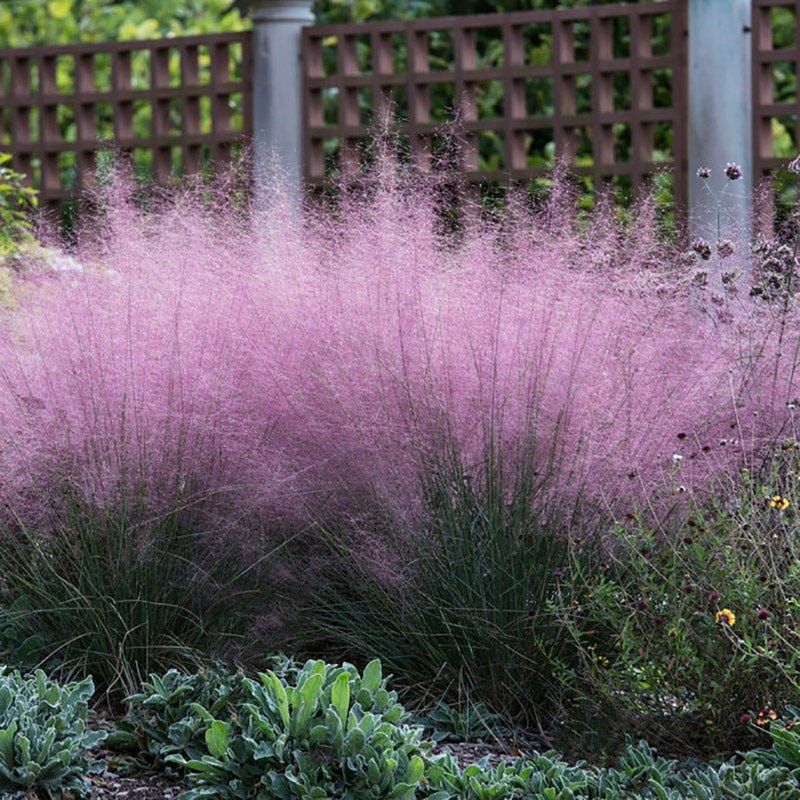
Few grasses create as much visual drama as Muhly grass when its pink plumes emerge in late summer and fall.
Native to Florida and the southeastern United States, this ornamental grass produces clouds of airy seed heads that goldfinches, sparrows, and buntings find absolutely irresistible.
The fine seeds provide crucial nutrition for small birds preparing for migration or settling in for winter.
Muhly grass grows in attractive clumps rather than spreading across your entire yard, making it perfect for borders, accent areas, or mixed plantings.
The feathery texture adds movement to your landscape as breezes blow through the delicate stems.
Birds often perch on the sturdy base of the clumps while feeding on seeds from the plumes above.
This grass thrives in full sun and well-drained soil, conditions common throughout Florida.
It requires minimal maintenance once established and tolerates both drought and salt spray, making it suitable for coastal properties.
The pink color deepens as temperatures cool, creating a stunning backdrop for autumn bird watching.
Beyond seed production, Muhly grass clumps provide nesting material that birds gather in spring.
Small birds sometimes roost within the dense foliage during storms or cold snaps.
For homeowners who want a grass that combines ornamental beauty with exceptional bird appeal, Muhly grass represents an outstanding choice that performs reliably year after year.
4. Eastern Gamagrass
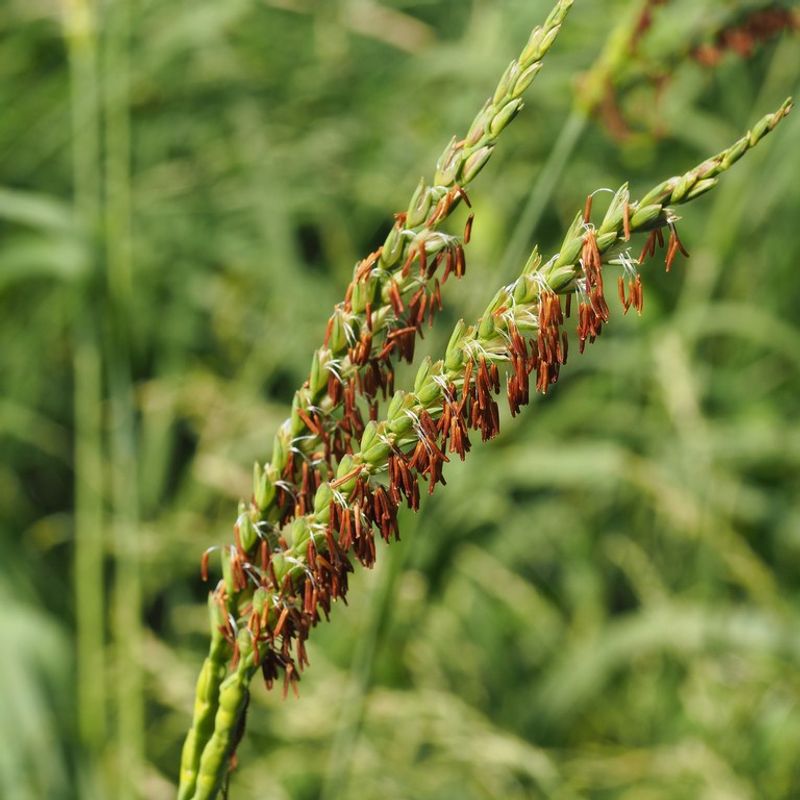
Standing up to eight feet tall, Eastern Gamagrass commands attention in any landscape where it grows.
This Florida native produces large, nutritious seeds that attract turkeys, quail, and larger songbirds who appreciate the substantial food source.
The towering height creates vertical structure that smaller birds use as lookout posts while scanning for danger or opportunities.
Eastern Gamagrass evolved alongside Florida’s native birds over thousands of years, making it perfectly suited to local wildlife needs.
The seeds ripen in late summer and persist into winter, providing food when other sources become scarce.
Doves, cardinals, and red-winged blackbirds regularly visit stands of this impressive grass.
Homeowners with larger properties or natural areas can establish Eastern Gamagrass along fence lines or in meadow-style plantings.
The grass prefers moist soil and tolerates periodic flooding, making it ideal for low spots or edges of retention ponds.
Once established, it requires virtually no maintenance and comes back reliably each spring from its deep root system.
The dramatic seed heads also add architectural interest to your landscape throughout fall and winter.
Birds appreciate the cover that the tall stalks provide, using the grass as shelter during storms or as protected corridors for moving through open areas.
For those seeking a bold, native grass that supports wildlife while making a landscape statement, Eastern Gamagrass excels.
5. Fakahatchee Grass
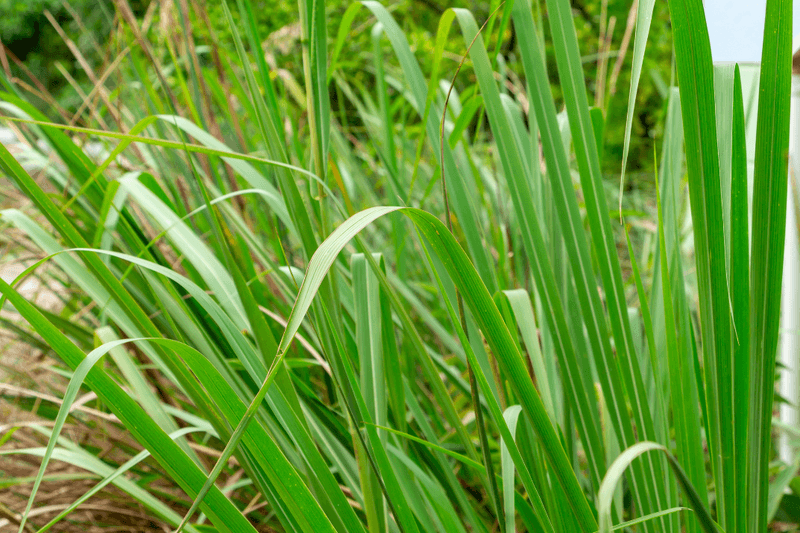
Named after the famous Florida swamp, Fakahatchee grass brings a touch of wild Florida to residential landscapes.
This moisture-loving native grass produces seeds that waterfowl and wading birds consume, along with smaller songbirds who venture into wetland edges.
The long, graceful leaves create a tropical appearance that fits perfectly with Florida’s natural aesthetic.
Fakahatchee grass thrives in wet areas where other grasses struggle, making it perfect for rain gardens, pond edges, or naturally boggy spots in your yard.
The dense growth provides excellent cover for secretive bird species who prefer staying hidden while foraging.
Rails, moorhens, and various sparrows use Fakahatchee grass stands as protected feeding and nesting areas.
This grass remains green throughout the year in most of Florida, offering consistent habitat regardless of season.
The seeds develop in late summer and early fall, coinciding with migration periods when birds need extra fuel.
Insects that live among the grass blades attract flycatchers, warblers, and other insect-eating species.
Planting Fakahatchee grass helps restore natural wetland functions while creating beautiful landscape features.
The grass requires no fertilizer and minimal care once established in appropriate conditions.
For homeowners with wet areas that need landscaping solutions, Fakahatchee grass provides both practical function and significant wildlife benefits that transform problem spots into bird havens.
6. Switchgrass
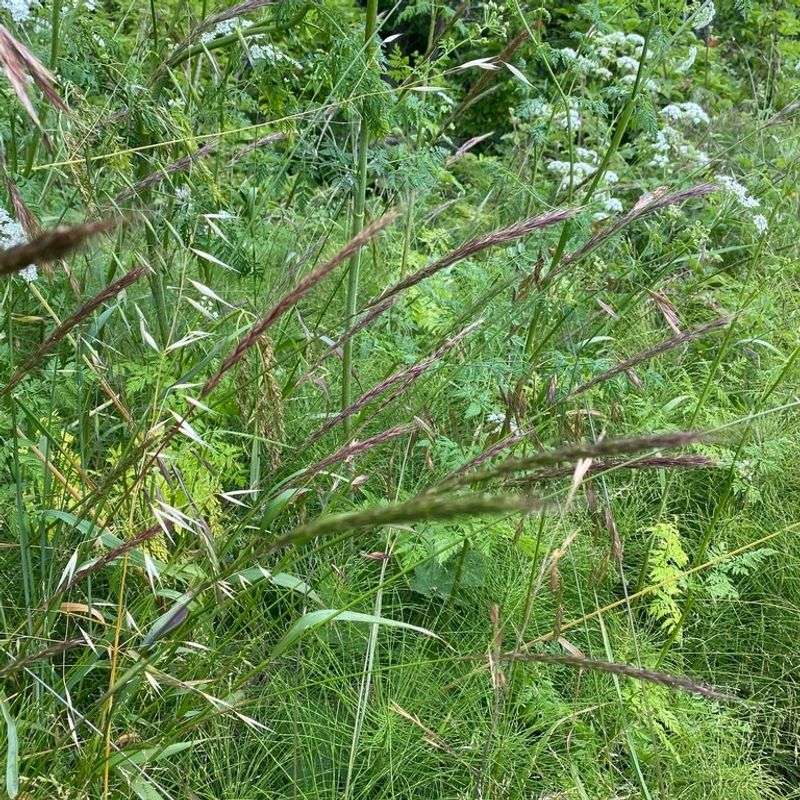
Switchgrass brings prairie beauty to Florida landscapes while supporting an impressive variety of bird species.
This adaptable native grass produces abundant seeds that remain available throughout winter, feeding sparrows, juncos, and other small birds when food becomes harder to find.
The upright growth habit creates structure in garden beds while the blue-green foliage adds color contrast against darker plants.
Birds use Switchgrass in multiple ways beyond just eating seeds.
The dense clumps provide excellent nesting sites for ground-nesting species, while the sturdy stems support the nests of larger birds who build above ground level.
Insects attracted to the grass become food for warblers, vireos, and other insect specialists during migration.
Switchgrass tolerates a wide range of soil conditions, from sandy to clay, and handles both drought and occasional flooding with equal ease.
It grows three to six feet tall depending on variety and conditions, making it suitable for borders or as a backdrop for shorter plants.
The airy seed heads turn golden tan in fall, creating visual interest that lasts through winter.
This grass requires cutting back only once per year in late winter before new growth emerges.
The low maintenance requirements combined with exceptional bird value make Switchgrass a smart choice for busy homeowners.
For those creating wildlife-friendly landscapes, Switchgrass represents a cornerstone species that delivers benefits season after season.
7. Sea Oats
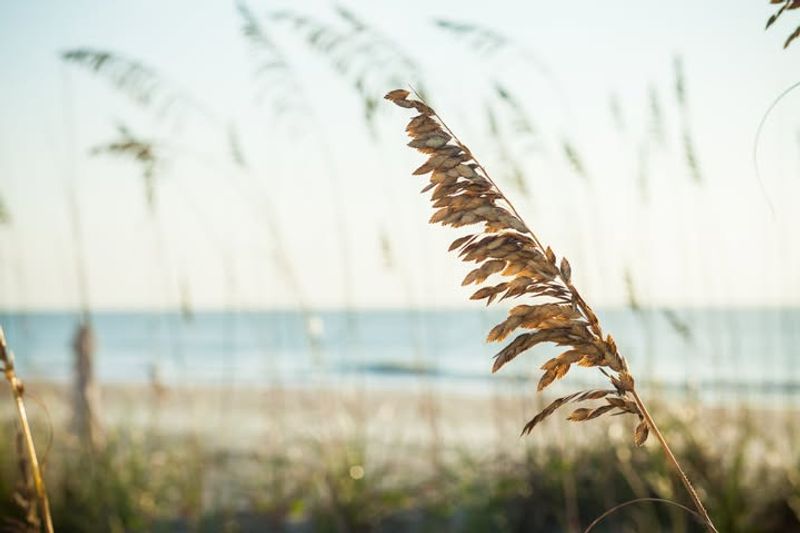
Waving gracefully in coastal breezes, Sea Oats define Florida’s beach landscapes while feeding specialized bird species.
The distinctive drooping seed heads produce flat seeds that seaside sparrows, boat-tailed grackles, and various shorebirds eagerly consume.
Beyond their wildlife value, Sea Oats play a critical role in stabilizing dunes and preventing erosion along Florida’s coastline.
Coastal property owners can plant Sea Oats to create natural buffers that protect their land while attracting birds.
The grass tolerates salt spray, sandy soil, and harsh sun that would eliminate most other plant species.
Once established, Sea Oats spread through rhizomes, forming colonies that become increasingly valuable to birds over time.
The architectural seed heads add dramatic visual appeal from summer through winter, turning golden tan as they mature.
Birds perch on the flexible stems while feeding, creating picturesque scenes against ocean backdrops.
Sea Oats also provide nesting material that coastal birds gather for building their nests.
Florida law protects Sea Oats in many coastal areas, recognizing their environmental importance.
Homeowners should obtain plants from licensed nurseries rather than collecting from wild populations.
For those fortunate enough to live near Florida’s beautiful beaches, planting Sea Oats creates a living connection between your property and the natural coastal ecosystem while supporting birds adapted to life by the sea.