10 Groundcovers That Choke Out Weeds Naturally In Texas Gardens
Tired of fighting weeds in your Texas garden? You’re not alone. Weeds seem to pop up overnight, taking over flower beds, pathways, and open spaces.
But what if you could block them naturally, without constant pulling or chemical sprays? That’s where groundcovers come in.
These low-growing, spreading plants don’t just add beauty and texture to your landscape, they also create a dense mat that crowds out weeds before they even take hold.
In Texas, where heat, drought, and unpredictable weather are common, choosing the right tough, drought-tolerant groundcovers can make all the difference. Many of them thrive with little care and still deliver great results year after year.
Whether you’re looking to fill in bare spots, protect your soil, or just make gardening easier, these natural weed-fighting groundcovers are a smart, sustainable solution for Texas yards. Ready to take back control of your garden? Here’s where to start.
1. Asiatic Jasmine
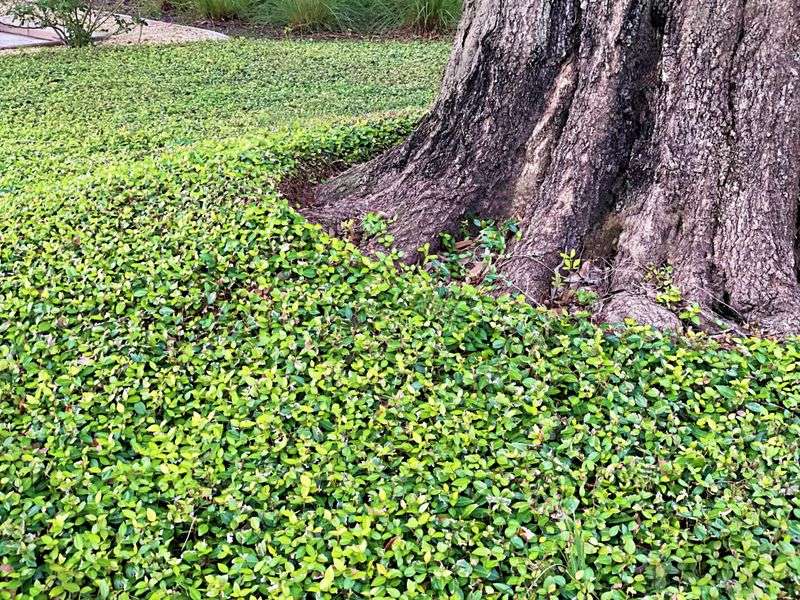
Asiatic jasmine creates one of the toughest, most reliable groundcovers across Texas landscapes. Gardeners throughout Houston, Dallas, and Austin rely on this evergreen plant to blanket large areas with glossy, dark green foliage.
Once established, it forms such a thick mat that weeds simply cannot penetrate through to the soil below. This groundcover handles full sun to deep shade equally well, making it incredibly versatile for different spots around your property.
It tolerates Texas heat without complaint and requires minimal watering once the roots take hold. The dense growth pattern means you can plant it on slopes where erosion is a problem, and it will hold the soil in place beautifully.
Asiatic jasmine spreads through trailing stems that root wherever they touch the ground. This growth habit allows it to fill in bare patches quickly, usually covering an area completely within one to two growing seasons.
You can mow it occasionally to keep it at your preferred height, or let it grow naturally for a fuller look. The plant stays green year-round in most Texas regions, providing consistent color even during winter months.
It rarely needs fertilizing and resists most pests and diseases that plague other groundcovers. For busy gardeners who want maximum weed control with minimum maintenance, this is an excellent choice for Texas gardens.
2. Horseherb
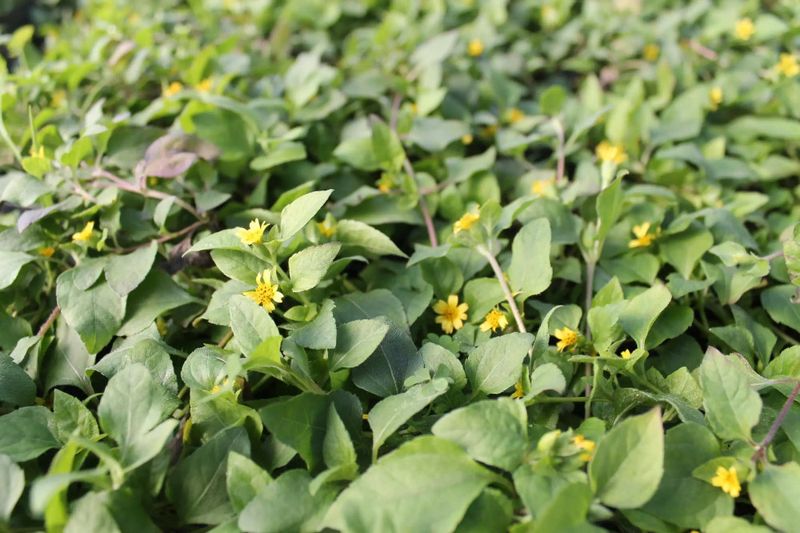
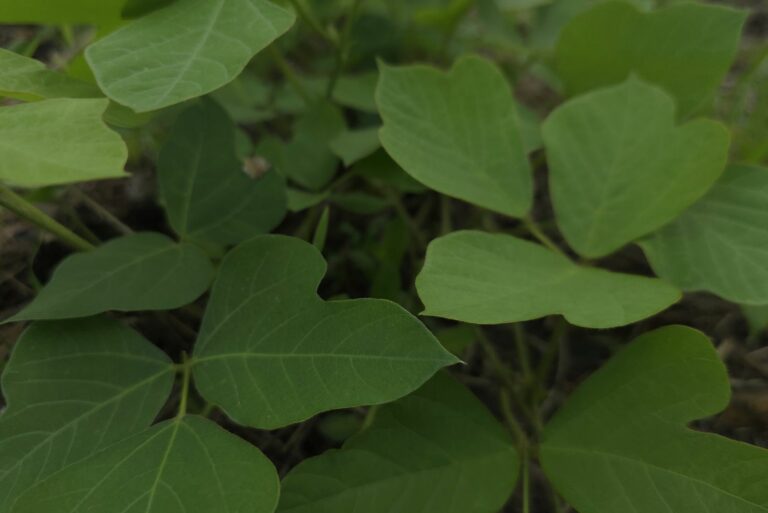
Native to Texas and other parts of the South, horseherb deserves more attention from local gardeners. This low-growing plant rarely exceeds four inches in height, creating a soft, carpet-like surface that looks natural in any landscape.
Small round leaves give it a delicate appearance, yet the plant proves remarkably tough against both weeds and harsh weather. Horseherb thrives in partial shade to full sun across Texas, from the Piney Woods to the Hill Country.
It spreads by underground stems called rhizomes, which help it colonize bare ground rapidly while choking out competing weeds. The plant stays semi-evergreen in mild winters and bounces back quickly when temperatures warm up.
During spring and summer, tiny white flowers appear above the foliage, attracting beneficial pollinators to your garden. These blooms add a subtle charm without being showy or requiring deadheading.
The flowers eventually fade on their own, and the plant continues its steady growth pattern. One of the best features is how well horseherb tolerates foot traffic compared to other groundcovers.
You can walk across it occasionally without causing significant damage, making it practical for areas between stepping stones or along garden paths. It needs very little water once established and actually prefers the well-drained soils common throughout Texas.
For an authentic, low-maintenance native option that handles local conditions perfectly, horseherb is hard to beat.
3. Frogfruit
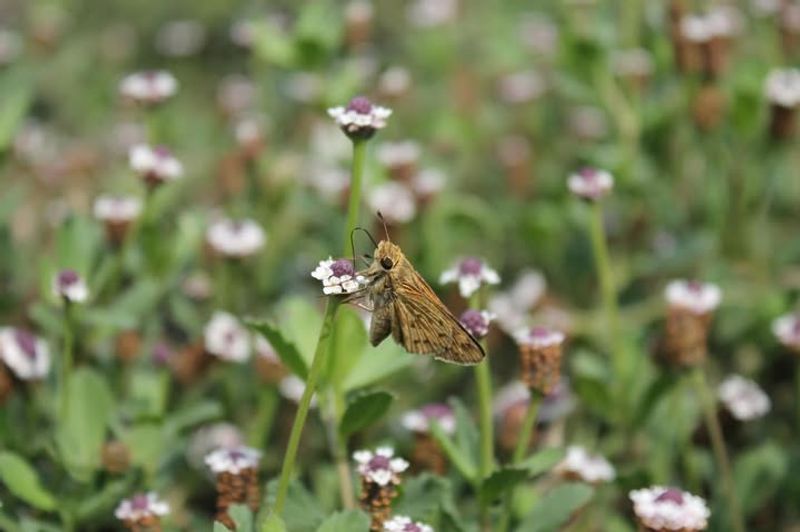
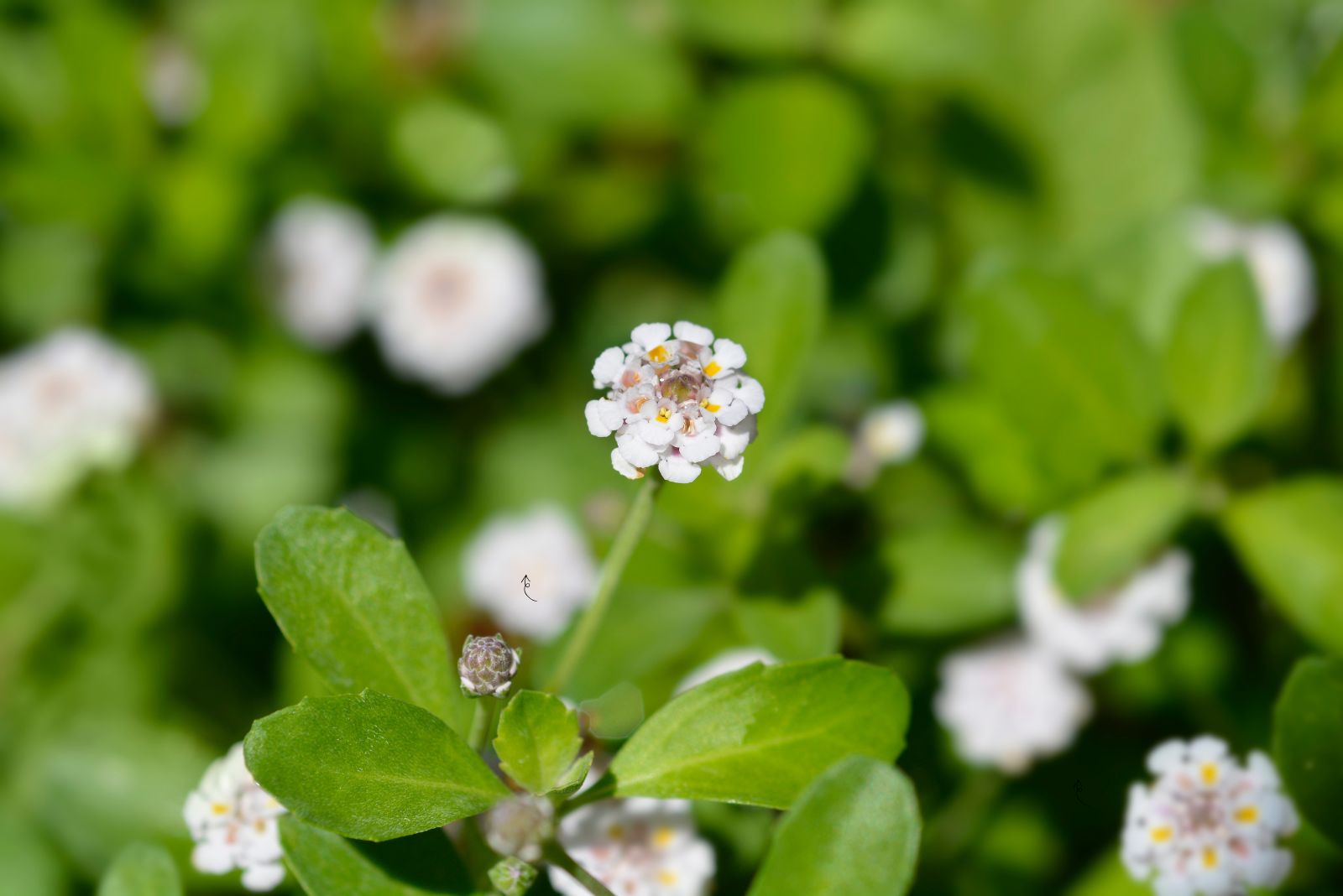
Butterflies absolutely love frogfruit, making this native Texas groundcover a magnet for these beautiful pollinators. The plant produces clusters of tiny white and purple flowers that bloom from spring through fall, providing nectar for numerous butterfly species.
Beyond its wildlife benefits, frogfruit forms a dense mat that effectively blocks weeds from establishing. Growing only about six inches tall, frogfruit spreads vigorously through trailing stems that root at the nodes.
This aggressive growth pattern means it fills in bare spots quickly and creates such thick coverage that weed seeds cannot reach the soil. The small, oval leaves create a textured appearance that adds visual interest to your landscape.
Frogfruit handles full sun to partial shade throughout Texas and tolerates both drought and occasional flooding. This adaptability makes it suitable for areas with unpredictable moisture levels, such as low spots that collect water after heavy rains.
Once established, it requires almost no supplemental watering, even during the hottest summer months. The plant stays green most of the year in southern Texas and may go dormant briefly in colder regions during winter.
It recovers quickly when warm weather returns and resumes its spreading habit. Frogfruit tolerates light foot traffic and can handle mowing if you want to keep it shorter.
For gardeners interested in supporting local wildlife while controlling weeds naturally, this native groundcover offers the perfect solution for Texas landscapes.
4. Dwarf Mondo Grass
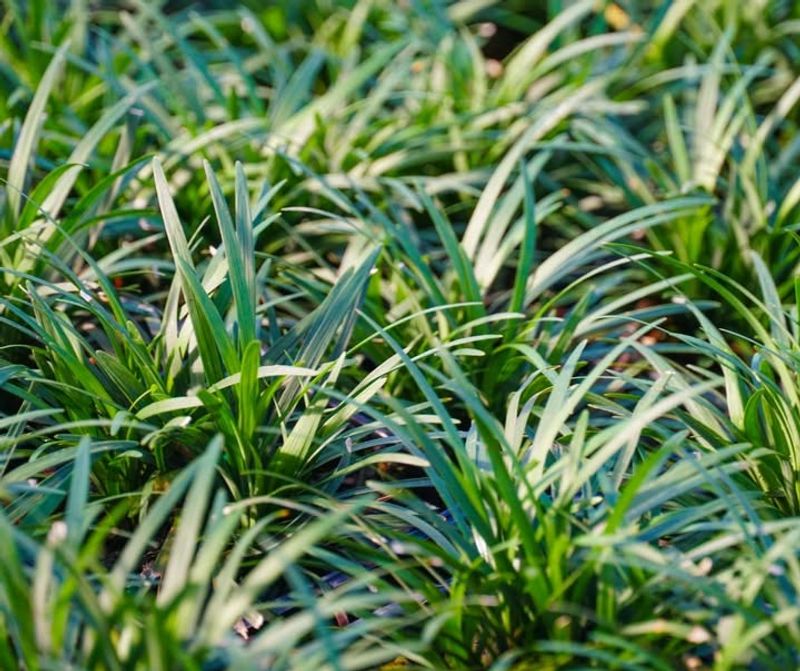
Dark green, grass-like foliage gives dwarf mondo grass an elegant appearance that works beautifully in formal and informal Texas gardens alike.
Unlike true grasses, this plant belongs to the lily family and grows in dense clumps that eventually merge to form a continuous carpet.
The narrow, arching leaves create a flowing texture that adds movement and visual interest to shaded areas. Dwarf mondo grass excels in the shade where many other groundcovers struggle to thrive.
It performs well under trees, along north-facing walls, and in other low-light situations common in Texas landscapes. The tight clumps grow so densely that weeds find it nearly impossible to squeeze between the plants and establish themselves.
This groundcover stays evergreen throughout the year in most of Texas, providing reliable color even during winter months. It grows slowly but steadily, eventually forming a thick mat that requires virtually no maintenance.
Small purple flowers appear in summer, followed by dark blue berries that add subtle interest without creating a mess. Dwarf mondo grass tolerates heat and humidity well, making it suitable for East Texas gardens as well as drier regions.
It prefers consistent moisture but can handle short dry periods once the roots are established. The plant rarely suffers from pest or disease problems and never requires mowing.
For shaded areas where weeds tend to proliferate, this refined groundcover offers both beauty and practical weed control for Texas gardens.
5. Purple Trailing Lantana
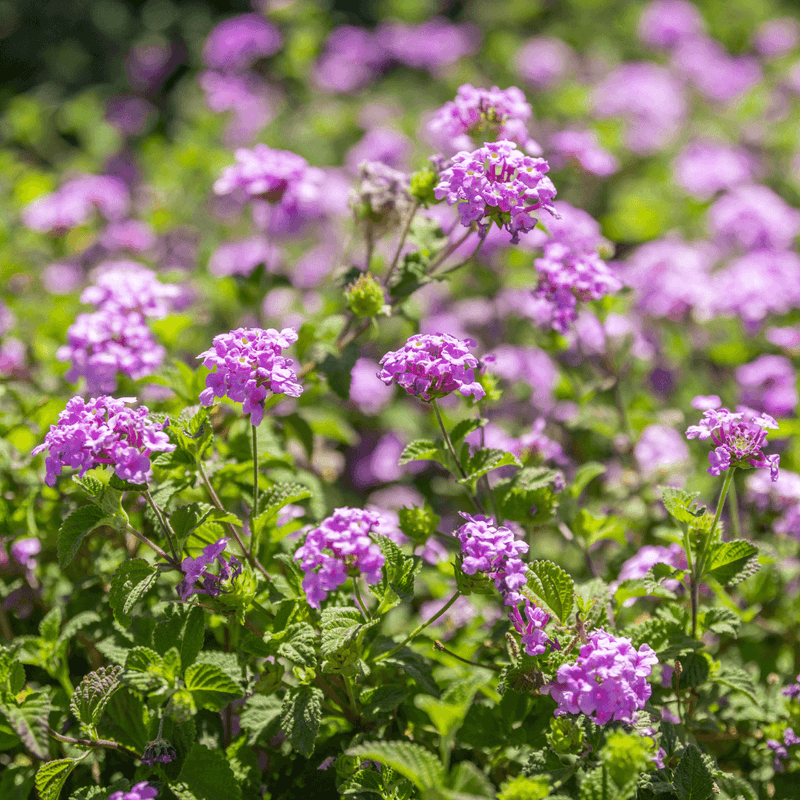
Bright purple flowers cover this spreading lantana from spring until the first frost, creating a stunning display that attracts hummingbirds and butterflies. The trailing variety grows low to the ground, typically reaching only about twelve inches in height while spreading several feet wide.
This vigorous growth habit makes it excellent for choking out weeds while adding spectacular color to your Texas landscape. Purple trailing lantana thrives in full sun and handles the intense Texas heat without wilting or fading.
The plant actually blooms more profusely in hot weather, making it perfect for those scorching summer months when other flowers struggle.
Its trailing stems root wherever they touch the ground, allowing it to spread rapidly and form dense mats that prevent weeds from growing underneath.
Drought tolerance is another major advantage of this groundcover. Once established, it requires minimal watering and actually prefers drier conditions over constantly moist soil.
This makes it ideal for xeriscaping and water-wise gardening throughout Texas, where water conservation is increasingly important.
The plant may experience some freeze damage in North Texas during harsh winters, but it typically recovers quickly when warm weather returns.
In South Texas and along the coast, it remains evergreen year-round. Butterflies, particularly Gulf Fritillaries and Swallowtails, visit the flowers constantly, adding movement and life to your garden.
For sunny areas where you want both weed control and continuous color, purple trailing lantana delivers outstanding results in Texas gardens.
6. Texas Sedge
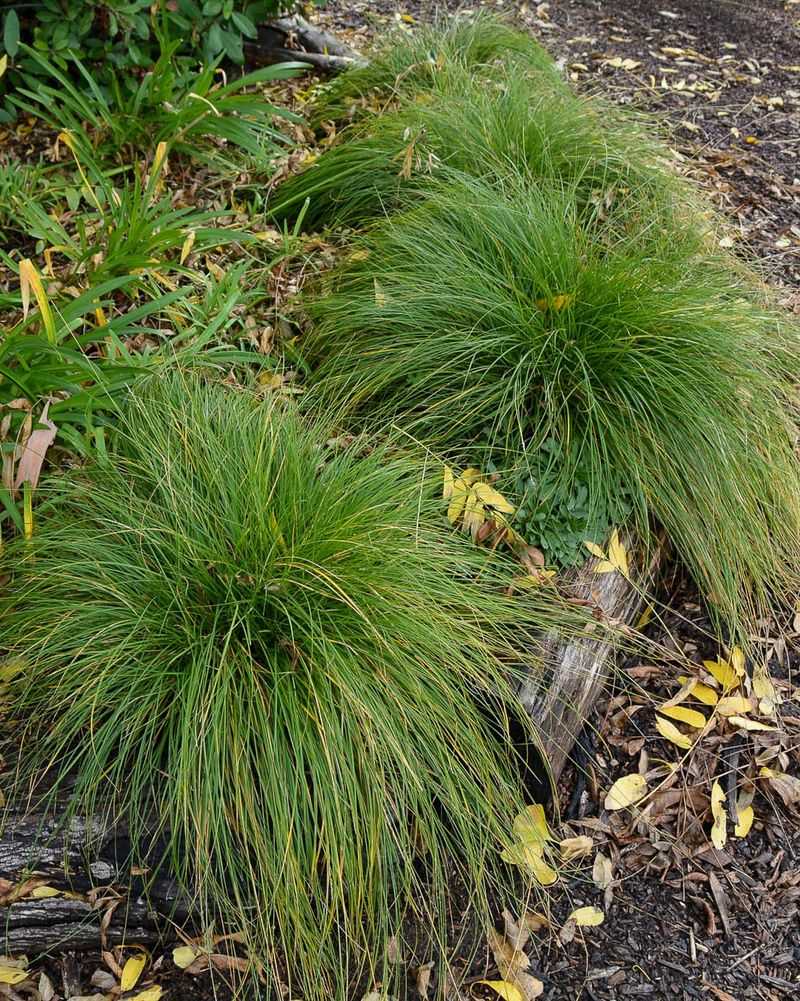
Soft, fine-textured foliage makes Texas sedge feel almost like a lawn, but without the high maintenance requirements. This native grass-like plant forms dense clumps that gradually spread to create a meadow-like appearance.
The light green blades remain attractive throughout most of the year and provide excellent weed suppression in areas where traditional turf grass struggles.
Texas sedge adapts to a wide range of light conditions, from full sun to partial shade, making it versatile for different locations around your property.
It performs particularly well in areas with inconsistent moisture, tolerating both dry spells and occasional standing water. This adaptability makes it valuable for challenging spots where other groundcovers fail to thrive.
The plant stays semi-evergreen in most of Texas, maintaining its color through mild winters and greening up quickly in spring. It spreads through short rhizomes that create new clumps close to the parent plant, gradually filling in bare areas.
This spreading habit is vigorous enough to outcompete weeds but not so aggressive that it becomes invasive. Texas sedge requires very little maintenance once established in your garden.
You can mow it occasionally if you prefer a neater appearance, or leave it natural for a more relaxed, meadow-style look. It rarely needs fertilizing and has few pest or disease problems.
For gardeners seeking a native alternative to traditional lawn grass that still provides dense coverage and natural weed control, Texas sedge offers an excellent solution for landscapes throughout the state.
7. Green Santolina
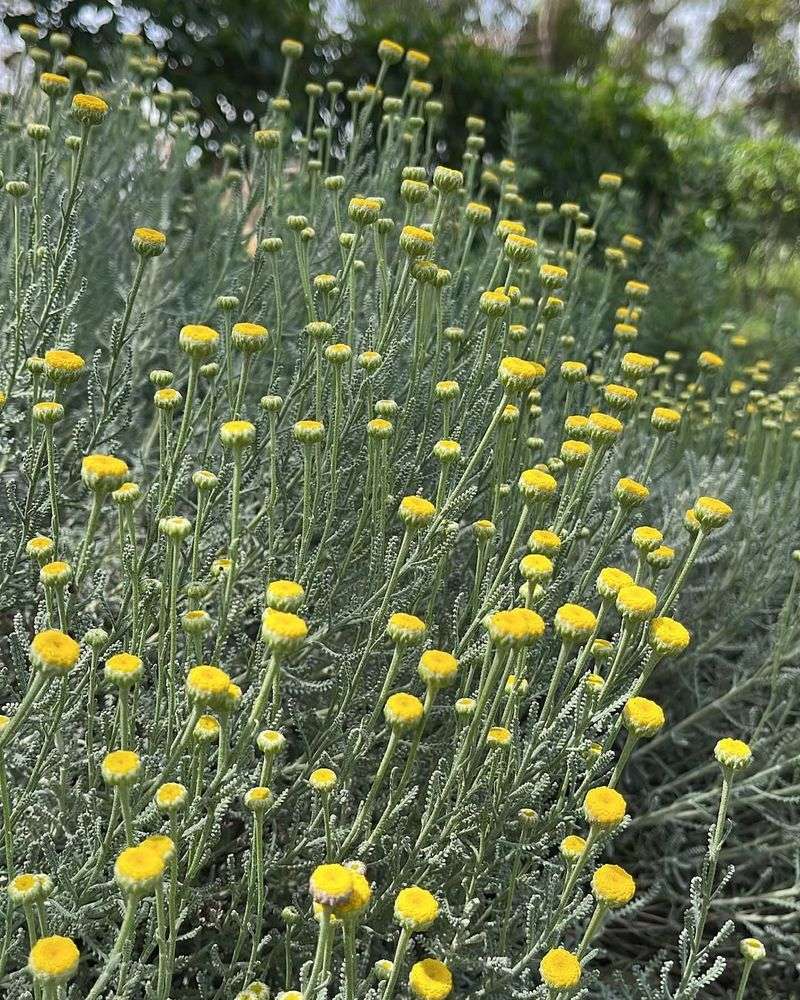
Feathery, gray-green foliage gives green santolina a unique texture that stands out in Texas landscapes. Despite its common name, the foliage actually appears more silvery-gray than pure green, creating a cool-toned accent in hot summer gardens.
The plant grows in dense, compact mounds that spread gradually to form continuous coverage, effectively blocking weeds from taking hold. Extreme heat and drought do not faze this Mediterranean native, which has adapted perfectly to Texas growing conditions.
It thrives in full sun and well-drained soil, making it ideal for rocky or sandy areas where other plants struggle. The tight, compact growth habit creates such dense foliage that weed seeds cannot penetrate to the soil surface below.
Green santolina releases a pleasant, aromatic scent when you brush against the foliage or crush the leaves between your fingers. This fragrance comes from natural oils in the plant tissue, which also help deter many common garden pests.
Small yellow button-like flowers appear in summer, adding a cheerful contrast to the silvery foliage. The plant maintains its color and form year-round in most of Texas, providing consistent visual interest through all seasons.
It requires virtually no supplemental watering once established and never needs fertilizing in typical garden soil. Light pruning in early spring helps maintain a compact shape and encourages fresh new growth.
For hot, dry areas where you need reliable weed control with minimal water use, green santolina is an outstanding choice for Texas gardens.
8. Wedelia
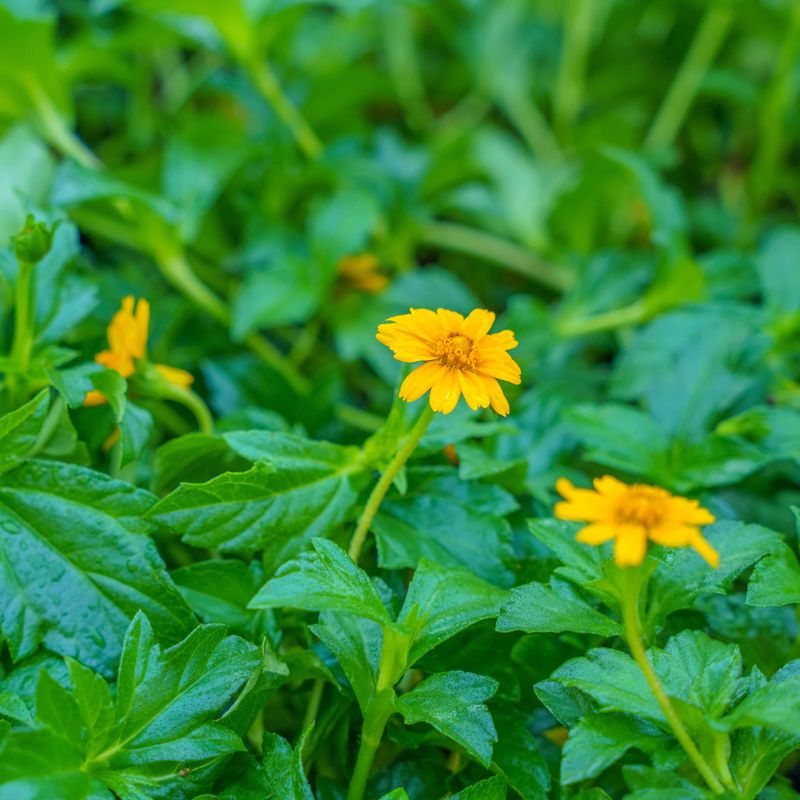
Cheerful yellow flowers bloom almost continuously on wedelia, creating a bright carpet of color in South Texas gardens. This vigorous groundcover spreads quickly through trailing stems, forming such a dense mat that weeds have virtually no chance of breaking through.
The glossy, bright green leaves provide attractive foliage even when flowers are not in peak bloom. Wedelia performs best in full sun to partial shade and tolerates the heat and humidity of coastal and southern Texas exceptionally well.
It spreads rapidly once established, making it ideal for covering large areas quickly. The trailing stems root at every node, creating an interconnected network that holds soil in place and prevents erosion on slopes.
This groundcover requires consistent moisture to look its best, making it more suitable for areas where you can provide regular watering or where natural rainfall is adequate.
It thrives in the humid conditions of Houston, Corpus Christi, and other Gulf Coast areas where many drought-tolerant plants struggle with the moisture levels.
Wedelia stays evergreen in frost-free areas but may experience damage during occasional freezes in North Texas. It recovers quickly when temperatures warm up and resumes its vigorous spreading habit.
The bright yellow flowers attract butterflies and other beneficial insects throughout the growing season.
For South Texas gardeners who want fast coverage and continuous color while naturally suppressing weeds, wedelia offers an excellent solution that thrives in local growing conditions.
9. Creeping Thyme
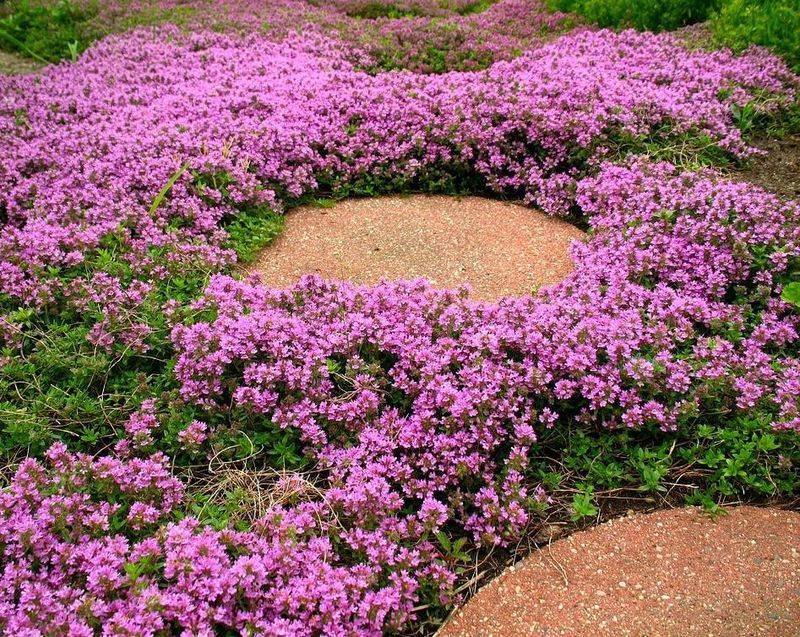
Walking across creeping thyme releases a wonderful herbal fragrance that makes this groundcover a sensory delight in Texas gardens. The tiny, aromatic leaves form a dense, low-growing mat that rarely exceeds three inches in height.
This tight growth pattern creates such thick coverage that weeds cannot establish themselves, while the pleasant scent adds an extra dimension to your landscape.
Creeping thyme handles full sun and heat remarkably well throughout Texas, making it suitable for areas that receive intense afternoon sun.
It prefers well-drained soil and actually performs better in lean, rocky conditions than in rich, heavily amended beds. This makes it perfect for areas with poor soil where other groundcovers might struggle.
Small purple, pink, or white flowers cover the plant in late spring and early summer, creating a beautiful carpet of color. Bees and other pollinators visit these flowers enthusiastically, making creeping thyme valuable for supporting beneficial insects.
After flowering, the plant continues to provide dense, weed-suppressing coverage with its evergreen foliage. Creeping thyme tolerates light foot traffic exceptionally well, making it ideal for planting between stepping stones or pavers.
The more you walk on it, the more fragrance it releases. It requires minimal watering once established and never needs fertilizing.
The plant stays evergreen in most of Texas, providing year-round coverage and weed control. For areas where you want both practical ground coverage and aromatic beauty, creeping thyme is an excellent choice for Texas gardens.
10. Liriope
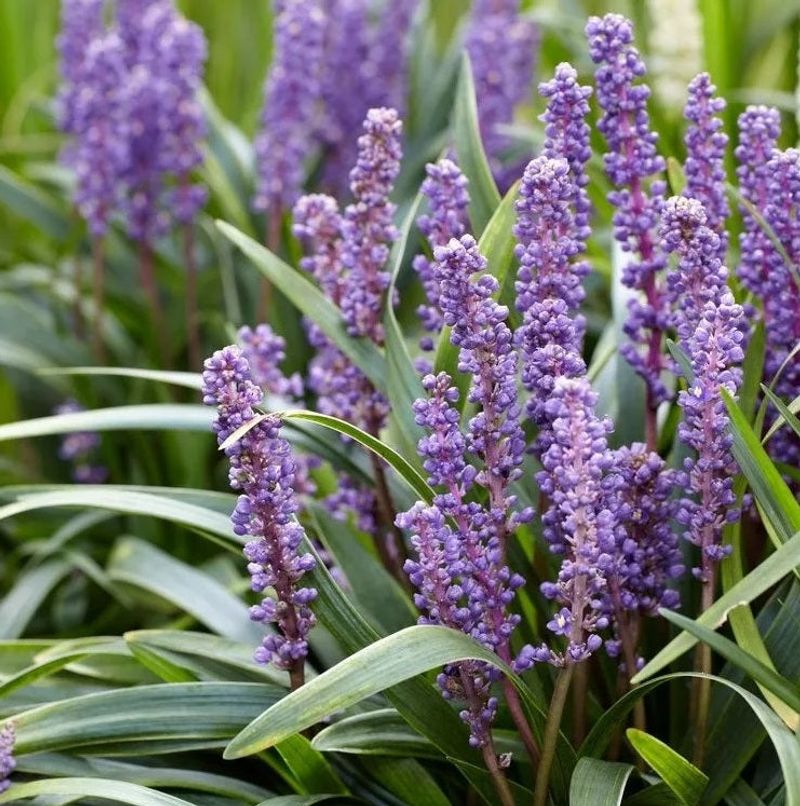
Graceful, arching foliage gives liriope an elegant appearance that works beautifully in both traditional and contemporary Texas landscapes. The dark green, grass-like leaves grow in dense clumps that gradually spread to form continuous coverage.
This clumping habit creates such thick growth that weeds find it extremely difficult to establish between the plants.
Liriope excels in shaded areas throughout Texas, making it valuable for spots under trees or along north-facing walls where many other groundcovers struggle.
It also tolerates full sun in most regions, though the foliage may look better with some afternoon shade during the hottest summer months. This adaptability makes it versatile for various locations around your property.
Spikes of purple or white flowers appear in late summer, rising above the foliage on sturdy stems. These blooms add vertical interest and attract pollinators during a time when many other plants have finished flowering.
Dark blue berries follow the flowers, providing additional ornamental value into fall and winter. Liriope stays evergreen year-round in most of Texas, providing consistent color and texture through all seasons.
It tolerates heat, humidity, and drought once established, requiring minimal maintenance to look good. The plant rarely suffers from serious pest or disease problems and never requires mowing.
You can cut back the old foliage in late winter if desired, but this is optional. For reliable weed control in shaded areas with an attractive, low-maintenance plant, liriope is an outstanding choice for Texas gardens.