Grow Peppers Indoors In Texas With These 10 Simple Tips
Anyone who has tried growing peppers in Texas knows how quickly the weather can turn on you. One week it feels perfect, and the next, heat or sudden swings make plants struggle to keep up.
That is why more people are moving part of their pepper growing indoors, where conditions are easier to control. A bright window, a little planning, and the right setup can go a long way.
Still, indoor peppers do not behave exactly like outdoor ones, and small details start to matter more than expected.
Light levels, watering habits, and even airflow can change how well they produce. Some adjustments feel minor at first but end up making a noticeable difference once the plants settle in and start growing, especially during sudden weather swings that are common across many parts of Texas.
1. Give Them Strong Light
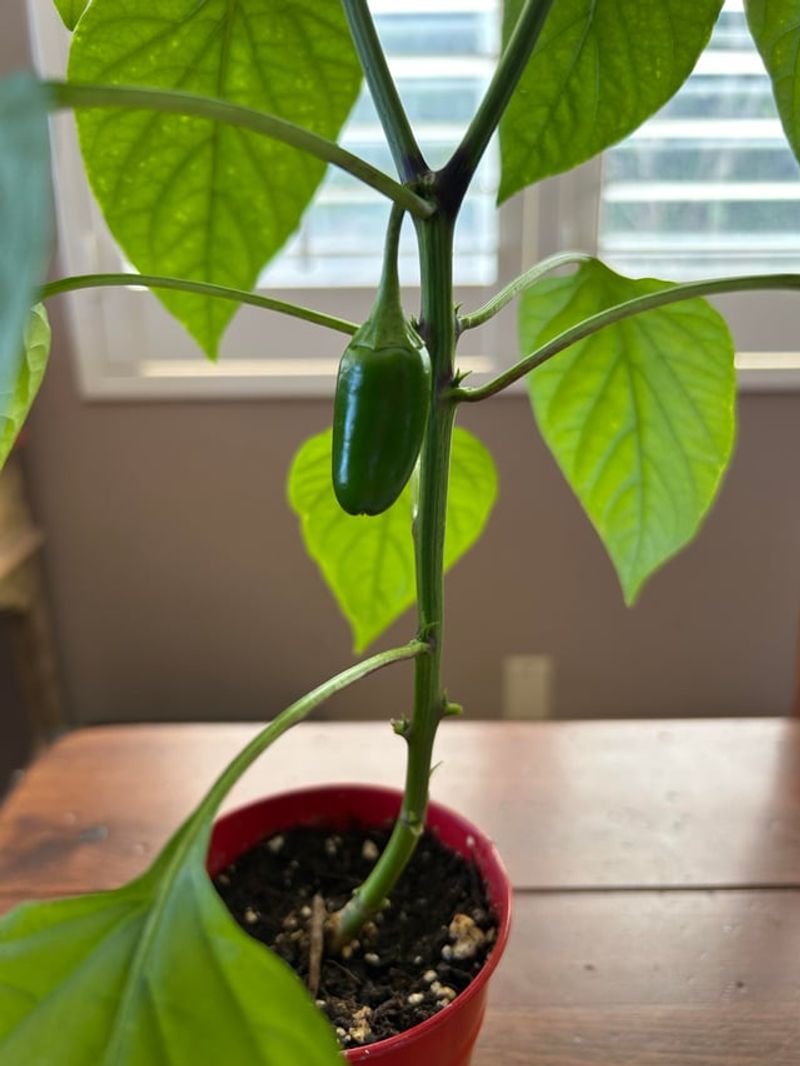
Peppers are sun-loving plants, and giving them enough light indoors is probably the most important step you can take toward a successful harvest. In Texas, natural sunlight is plentiful for most of the year, so placing your plants near a south-facing window is a great starting point.
Aim for at least six to eight hours of direct or bright light every single day.
When winter rolls around or cloudy days become more frequent, natural light alone may not cut it. That is where grow lights come in handy.
Full-spectrum LED grow lights are energy-efficient, affordable, and incredibly effective at keeping pepper plants healthy and productive indoors. Set them on a timer for about 14 to 16 hours per day to mimic the long sunny days your peppers crave.
Without strong, consistent light, pepper plants tend to grow tall and spindly, produce fewer flowers, and struggle to set fruit. Rotating your pots every few days also helps ensure every side of the plant gets equal exposure.
Strong light from the start builds sturdy stems and encourages bushy, productive growth that will reward you with a colorful, flavorful harvest.
2. Keep Temperatures Warm
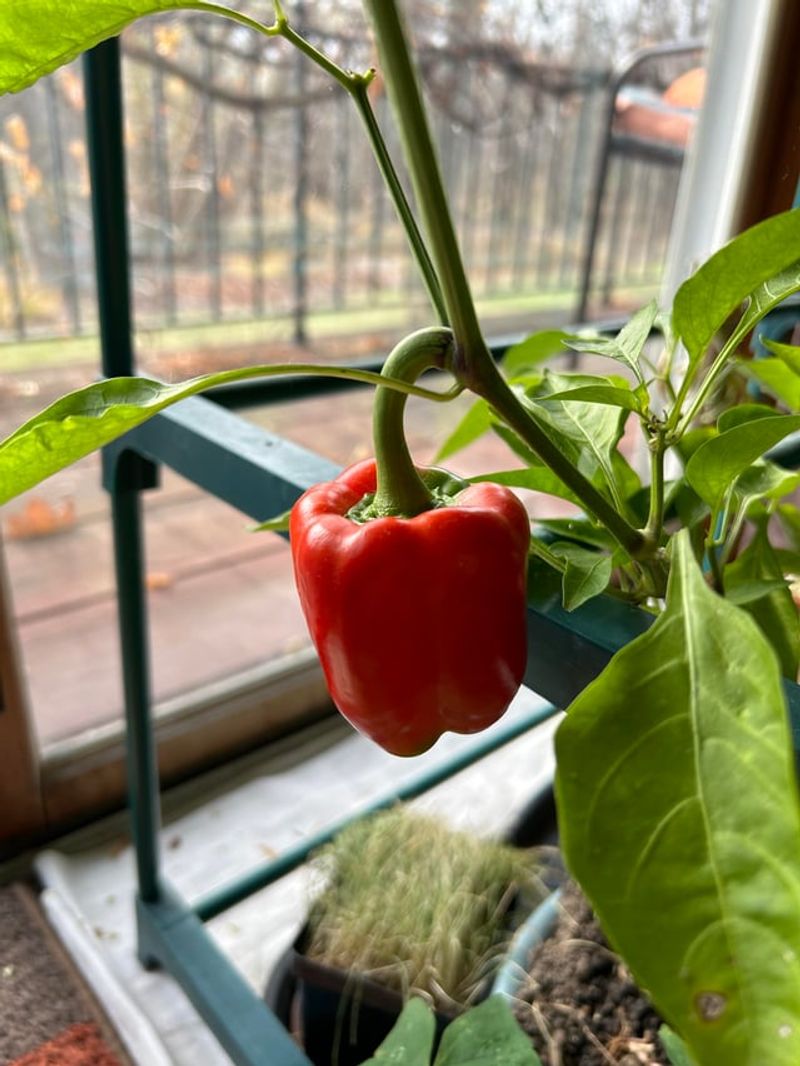
Warm conditions make a big difference in how well peppers grow and produce fruit indoors. The sweet spot for most pepper varieties is between 70 and 80 degrees Fahrenheit during the day.
Nighttime temperatures should stay above 60 degrees to keep growth moving along steadily.
Luckily, most Texas homes are already kept warm enough during cooler months, which gives indoor growers a natural advantage. However, watch out for cold drafts near windows or air conditioning vents during the brutal Texas summer.
Even though it is hot outside, blasting AC can create cold spots indoors that stress your pepper plants more than you might expect.
Temperature swings are one of the sneakiest reasons pepper plants fail to flower or drop their blossoms before fruit can form. If you notice your plant losing flowers unexpectedly, check whether it is sitting too close to a vent or drafty window.
Moving it just a few feet can solve the problem quickly. Consistent warmth throughout the day and night gives your peppers the stable environment they need to focus all their energy on producing delicious fruit.
3. Use Containers With Drainage
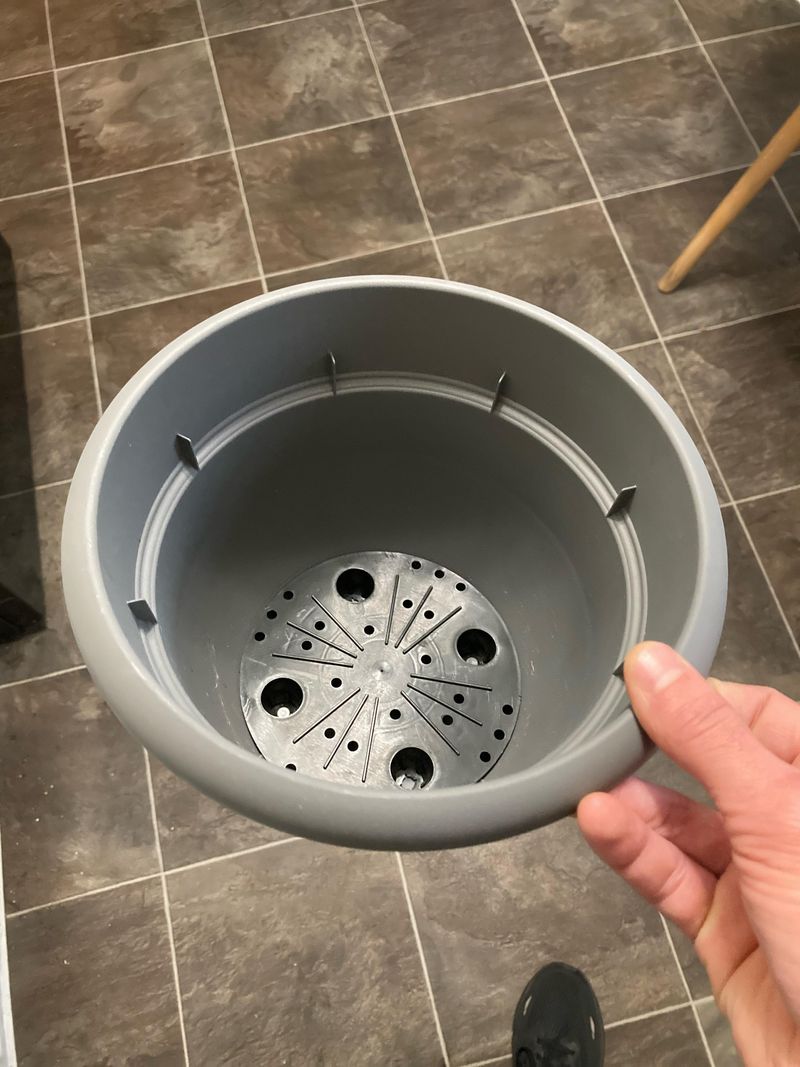
Choosing the right container might seem like a small detail, but it can make or break your indoor pepper growing experience. Peppers need pots with drainage holes at the bottom, full stop.
Without proper drainage, water collects at the roots and creates soggy conditions that lead to root rot and weak, struggling plants.
For most pepper varieties, a container that holds at least three gallons of soil gives the roots enough room to spread out and anchor the plant properly. Larger hot pepper plants or varieties that grow tall may benefit from five-gallon pots or bigger.
Terracotta pots are a popular choice because they are breathable and help prevent overwatering, though plastic containers work just as well as long as drainage holes are present.
Place a saucer beneath each pot to catch excess water, but empty the saucer regularly so roots are never sitting in standing water. In Texas, where temperatures inside can fluctuate depending on your AC settings, good drainage helps regulate soil moisture more effectively.
Starting with the right container from day one saves you a lot of trouble down the road and gives your pepper plants the healthy foundation they deserve to flourish indoors.
4. Choose Light Potting Mix
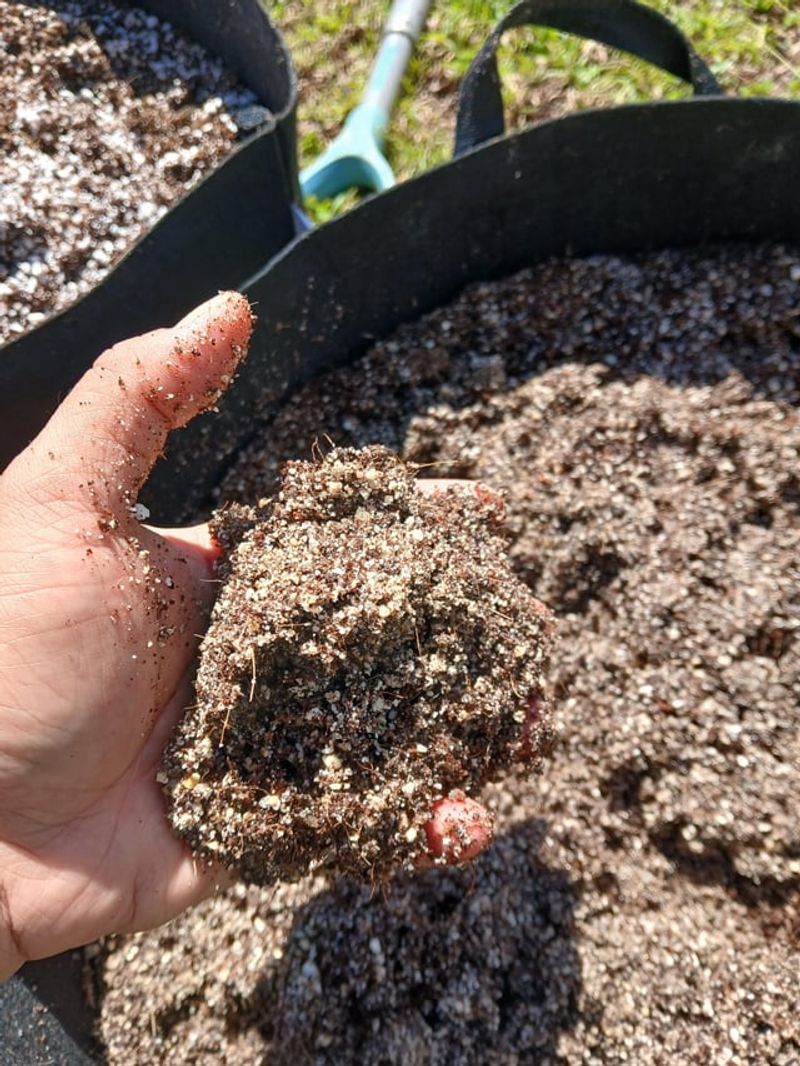
Not all potting soil is created equal, and peppers are surprisingly picky about what they grow in. Heavy, dense soil compacts over time inside a container, suffocating roots and blocking the airflow they need to stay healthy.
A light, well-draining potting mix is the foundation of a thriving indoor pepper plant.
Look for a quality potting mix that already contains perlite or vermiculite, which are small white particles that improve drainage and aeration. You can also add extra perlite yourself, mixing roughly one part perlite to three parts potting mix for a fluffy, fast-draining blend.
Tossing in a small amount of compost gives your plants a gentle nutrient boost right from the start without overwhelming them.
Garden soil from your backyard is not a good option for indoor containers in Texas or anywhere else. It is too heavy, can introduce pests or pathogens, and does not drain well in pots.
Spending a few extra dollars on a quality indoor potting mix pays off enormously in plant health and harvest size. Your pepper roots will have plenty of oxygen, moisture will move through the soil evenly, and your plants will reward you with lush, productive growth throughout the growing season.
5. Water When Soil Dries
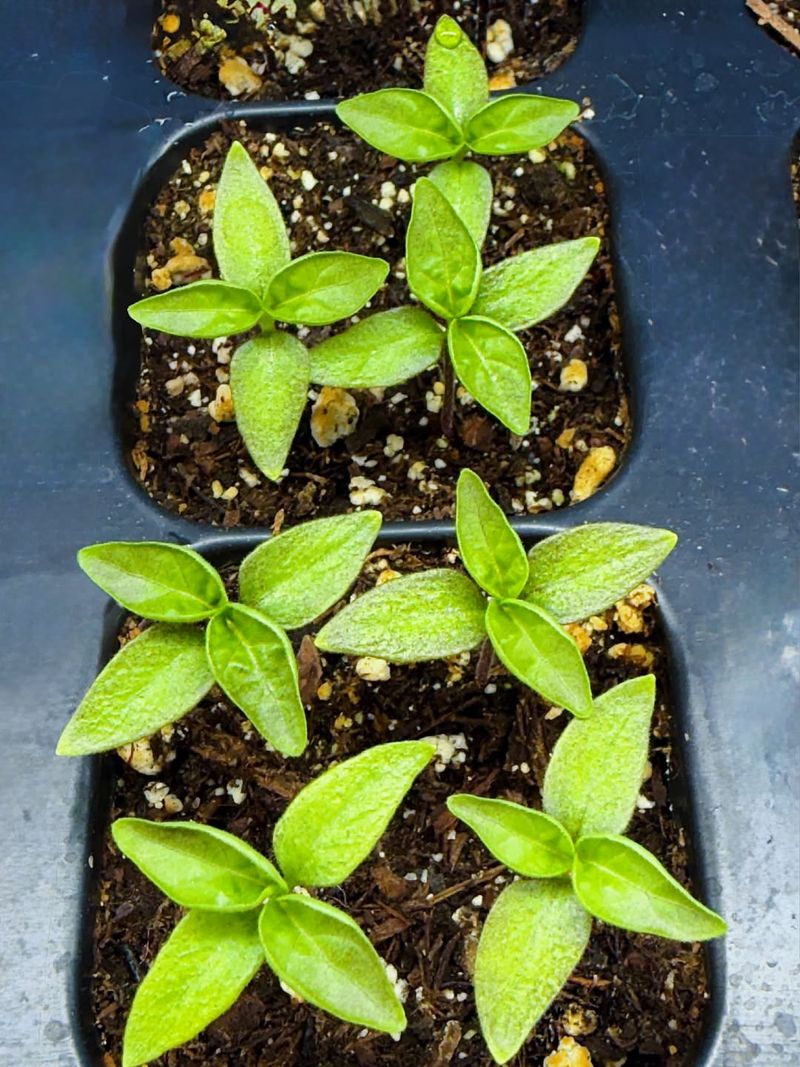
Watering peppers correctly is one of those skills that sounds simple but takes a little practice to get right. The golden rule is to water only when the top inch of soil feels dry to the touch.
Stick your finger about an inch into the soil, and if it feels dry, it is time to water. If it still feels damp, wait another day and check again.
Overwatering is actually one of the most common mistakes indoor gardeners make, especially in Texas where the impulse to water frequently can kick in during the hot months. Too much water drowns roots, blocks oxygen flow, and creates the perfect conditions for fungal problems.
Underwatering, on the other hand, causes leaves to wilt and pepper plants to drop flowers before fruit can develop.
When you do water, pour slowly and thoroughly until water runs out of the drainage holes at the bottom of the pot. This ensures the entire root zone gets moistened evenly rather than just the top layer of soil.
Using room-temperature water is also a small but helpful detail, as cold water can briefly shock warm-loving pepper roots. Getting into a consistent watering rhythm based on soil feel rather than a strict schedule keeps your plants happiest.
6. Feed Lightly And Regularly
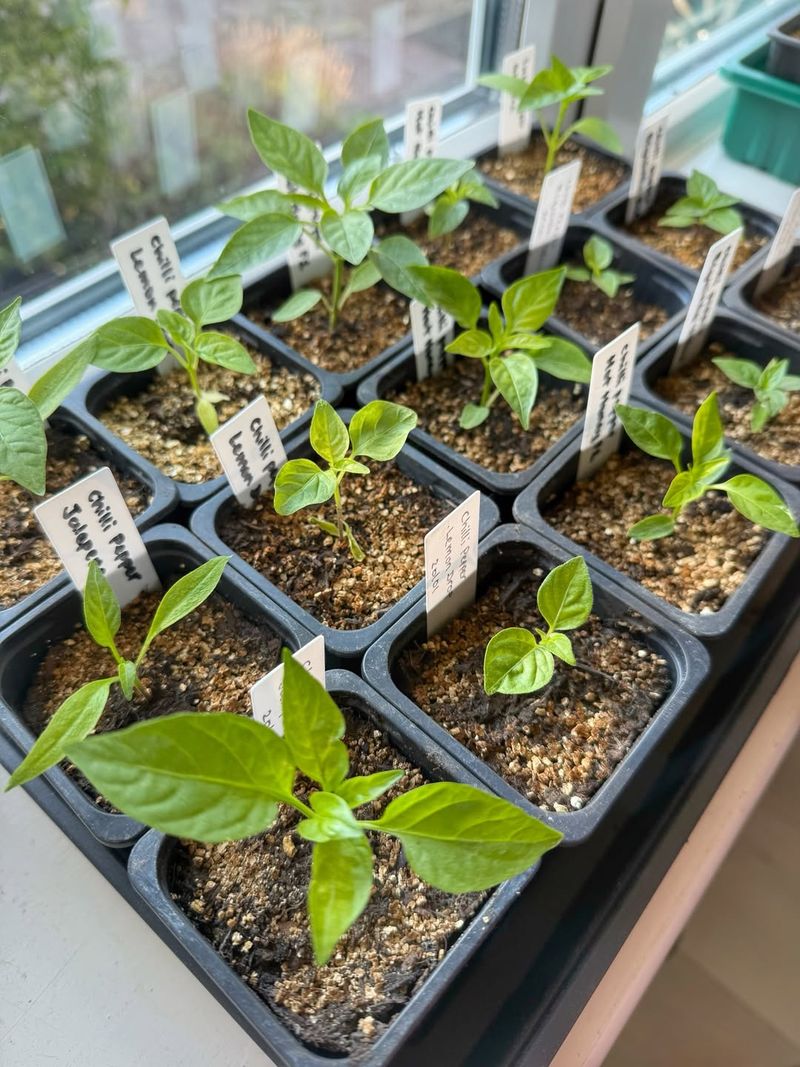
Feeding your pepper plants the right way can feel a bit like cooking a good meal. Too little and the plants go hungry, too much and you cause more harm than good.
A balanced, water-soluble fertilizer applied every two to three weeks during the growing season gives indoor peppers the steady nutrition they need to grow strong and produce well.
When your plants are young and growing lots of leafy growth, a balanced fertilizer with equal parts nitrogen, phosphorus, and potassium works beautifully. Once you start seeing flower buds forming, shift to a fertilizer that is a little higher in phosphorus and potassium.
This switch encourages the plant to put its energy into flowering and fruiting rather than just growing more leaves.
In Texas, where you can grow peppers indoors practically year-round, keeping up with a regular feeding schedule becomes especially important. Container-grown plants cannot reach out into the ground for extra nutrients the way garden plants can, so they rely entirely on what you give them.
Always water your plants before applying liquid fertilizer to avoid stressing the roots. Feeding lightly and consistently, rather than dumping in a large amount all at once, keeps your pepper plants healthy, balanced, and productive throughout every stage of their growth.
7. Avoid Too Much Nitrogen
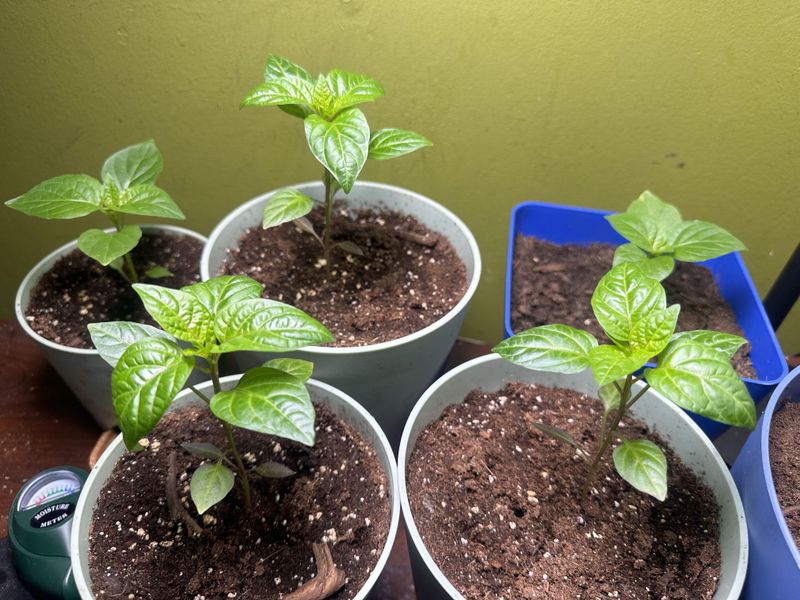
Nitrogen is a nutrient that plants absolutely need, but peppers have a complicated relationship with it. Too much nitrogen pushes a pepper plant to grow big, lush, beautiful leaves while completely ignoring the job of producing flowers and fruit.
You end up with a gorgeous green plant that just sits there looking pretty without giving you a single pepper.
Many standard fertilizers are high in nitrogen because they are designed for leafy plants and lawns. When choosing a fertilizer for your indoor peppers in Texas, read the label carefully.
The three numbers on a fertilizer bag represent nitrogen, phosphorus, and potassium in that order. Once your plants hit the flowering stage, choose a product where the middle number is higher than the first.
A fun way to think about it is that nitrogen feeds the leaves while phosphorus and potassium feed the fruit. Bone meal is a natural, slow-release option that boosts phosphorus without spiking nitrogen levels, and many Texas gardeners swear by it for container peppers.
Cutting back on nitrogen-heavy fertilizers once flowers appear is one of the simplest adjustments you can make to dramatically increase your pepper yield. Small tweaks to your feeding routine at the right time can completely transform your harvest results indoors.
8. Help With Pollination
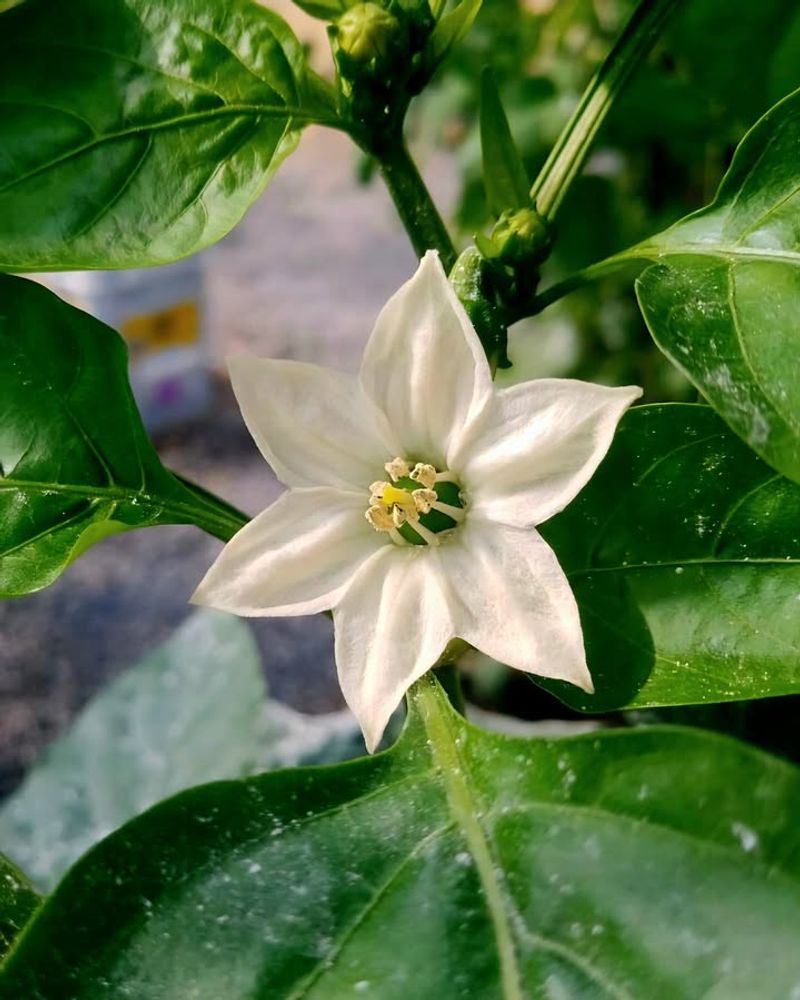
Here is something many first-time indoor growers in Texas do not realize until they are staring at a plant full of flowers with no fruit forming: peppers can benefit from pollination, and indoors there are no natural pollinators to assist. Outside, bees and wind do the work of moving pollen from flower to flower.
Inside your home, that job falls to you.
Fortunately, helping your peppers pollinate is surprisingly easy and even a little fun. The simplest method is to gently shake your plant every day or two when flowers are open.
A little vibration mimics what wind does outdoors and loosens the pollen so it can do its job. If shaking does not seem to be working, grab a small, clean paintbrush or even a cotton swab.
Gently dab the center of each open flower with the brush, then move to the next one, transferring pollen as you go. Do this in the morning when flowers are freshest and pollen is most abundant.
Pepper flowers are self-fertile, meaning each flower contains both male and female parts, so you do not need two separate plants. Spending just a minute or two on pollination every couple of days can mean the difference between a bare plant and a pot overflowing with colorful, ripe peppers ready for your Texas kitchen.
9. Support Growing Plants
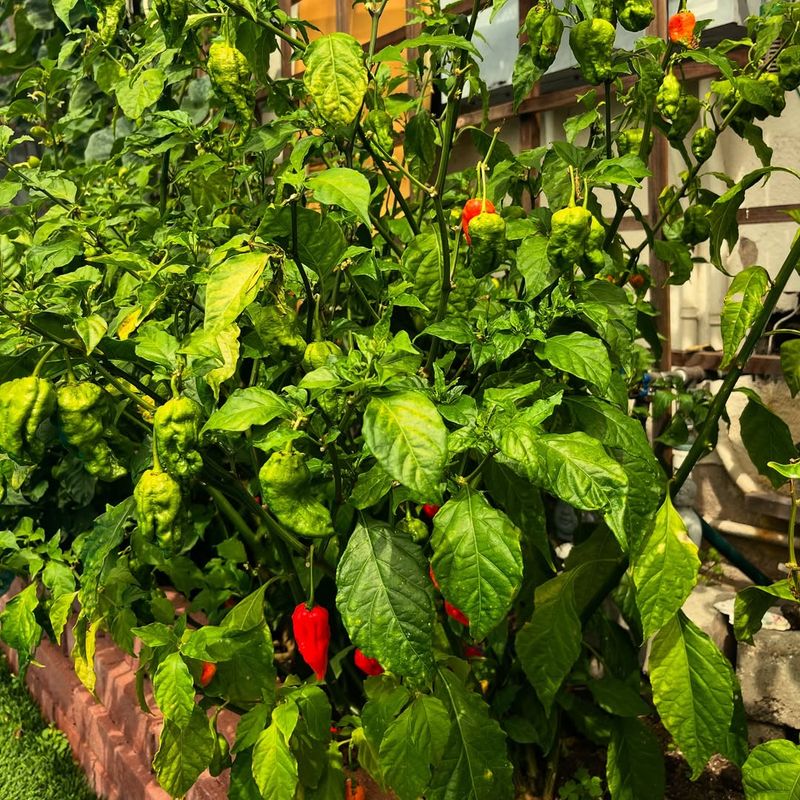
Pepper plants loaded with fruit are a wonderful sight, but all that weight can cause stems to bend or snap under the pressure. Giving your indoor plants some physical support as they grow is a simple habit that protects your hard work and keeps the plant looking tidy and healthy throughout the season.
Bamboo stakes are affordable, lightweight, and easy to find at any garden center across Texas. Push a stake gently into the soil near the main stem of the plant and use soft plant ties, strips of fabric, or even twist ties to loosely attach the stem as it grows taller.
Avoid tying too tightly, as you want the stem to have a little room to breathe and flex without being constricted.
Pruning is also part of keeping your plants well-supported and productive. Snipping off any yellowing or damaged leaves improves airflow around the plant and helps it direct energy toward new growth and fruit production.
Removing a few of the lowest leaves also keeps foliage from resting on the moist soil surface, which reduces the chance of fungal issues. Taking a few minutes every week to check on your plants, add support where needed, and clean up older growth keeps everything running smoothly indoors.
10. Watch For Indoor Pests
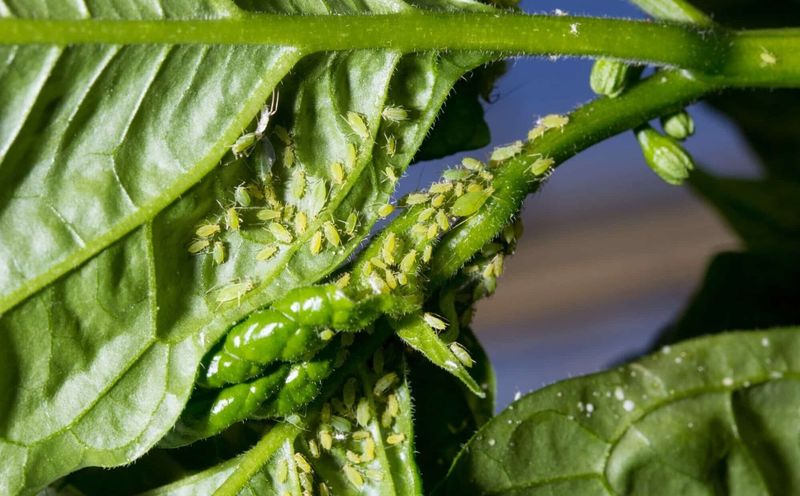
Growing peppers indoors in Texas does not mean you are completely free from pest problems. Common indoor pests like aphids, fungus gnats, and spider mites can still find their way onto your plants and cause real damage if left unchecked.
The good news is that catching them early makes them much easier to manage.
Make it a habit to inspect your plants at least once a week. Flip leaves over and look at the undersides, which is where many pests prefer to hide and lay eggs.
Aphids look like tiny green or black dots clustered along stems and new growth. Spider mites leave fine webbing on leaves and cause a dusty, stippled appearance on the leaf surface.
Fungus gnats are small flies that hover around the soil and are usually a sign of overwatering.
Neem oil is a commonly used natural treatment that can help manage a wide variety of indoor pests without harsh chemicals. Mix it with a little dish soap and water, then spray it directly on affected areas every few days until the problem clears up.
Insecticidal soap sprays are another effective and gentle option. Keeping your growing area clean, avoiding overwatering, and checking plants regularly are your best defenses against pest problems throughout the year in Texas.