Grow Your Garden For Free: 10 Easy Perennials To Propagate In Florida This January
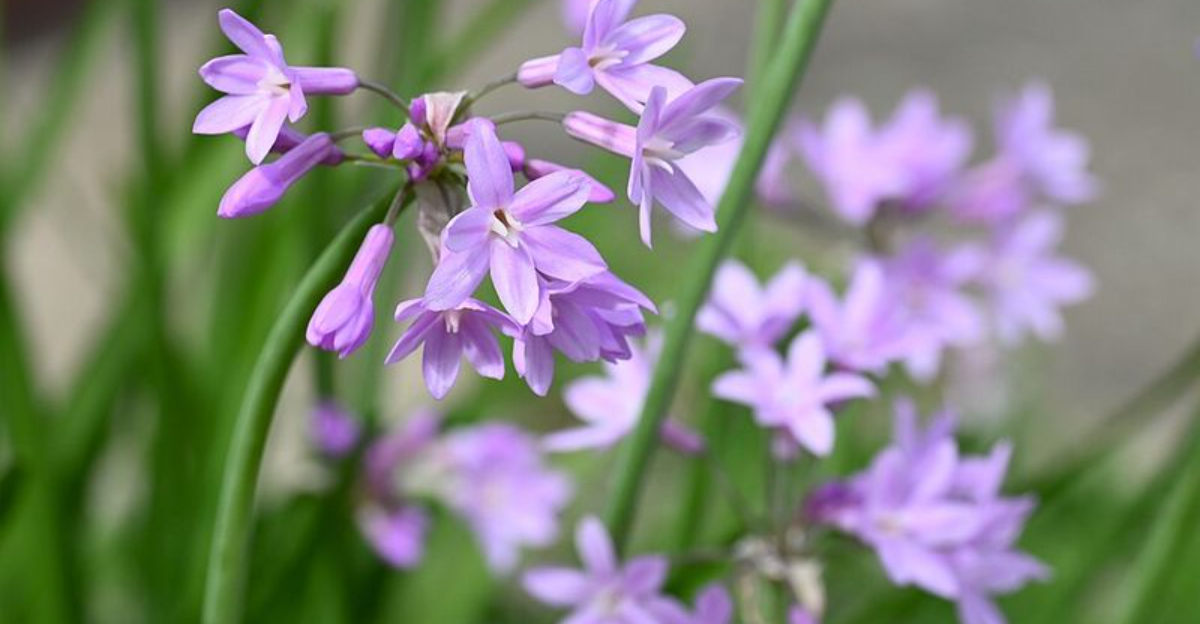
January in Florida turns every garden into a playground for growth. While the rest of the country battles frost and frozen soil, your garden enjoys gentle rains and mild temperatures that make multiplying your favorite greenery effortless and free.
Empty borders and bare spots can transform into lush, thriving spaces ready for spring blooms. This is the month to take advantage of nature’s perfect timing.
Dividing, rooting, and refreshing perennials now gives your garden a head start on vibrant colors and textures that will attract pollinators and bring life to your landscape. Every cutting or clump you propagate becomes a new addition without spending a single dollar.
Grab your pruners, pots, and soil, because January is your chance to expand your garden, fill empty spaces, and create a flourishing paradise that will wow through spring and summer.
1. Society Garlic
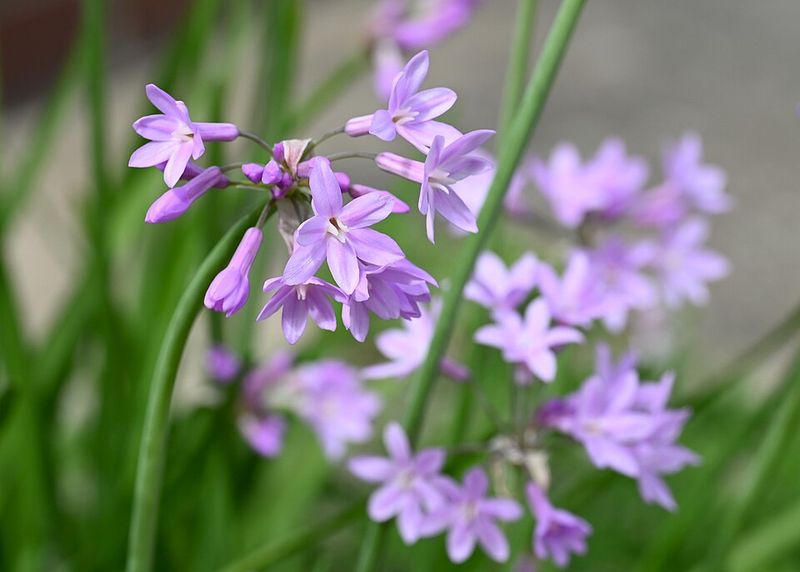
You notice the clumps first, those thick clusters of strappy green leaves growing so densely that they practically beg to be divided. Society Garlic thrives in Florida gardens, forming generous mounds that multiply faster than you can use them.
January gives you the perfect window to dig up these clumps and separate them into individual plants, each with roots already attached and ready to grow.
Pull the clump gently apart with your hands, or use two garden forks back to back if the roots have grown really tight. Each division needs at least three or four leaves and a healthy root system.
Plant them immediately in your garden or pots, water them well, and watch how quickly they settle in.
Central and South Florida gardeners will see new growth within two weeks, while North Florida may take three to four weeks depending on overnight temperatures. The cool January weather reduces transplant shock, and the plants establish strong roots before the heat arrives.
By March, your new divisions will be blooming in Central and South Florida; North Florida may bloom later depending on overnight temperatures.
2. Blue Porterweed (Stachytarpheta jamaicensis)
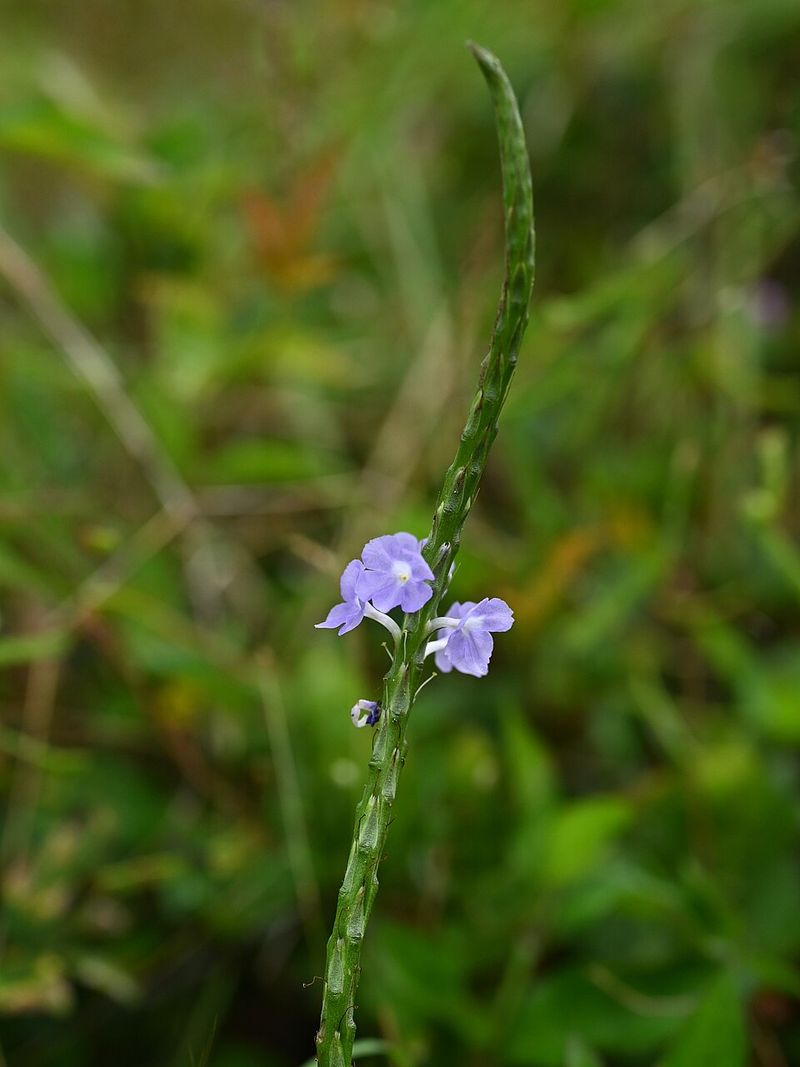
A long, woody stem catches your eye as you walk past your butterfly garden, and you realize this sprawling plant has grown leggy over the cooler months. Blue Porterweed responds beautifully to propagation by cuttings, and January is your best month to take advantage of its natural growth cycle.
Snip four to six inch sections from healthy stems, choosing pieces that are semi-hardwood rather than brand new green growth or completely woody older stems.
Remove the lower leaves, leaving just two or three sets at the top, and stick the cut end directly into moist potting mix or even garden soil in a shaded spot. Keep the soil consistently moist but not waterlogged.
The mild January humidity and moderate temperatures encourage rapid root development without the stress of summer heat.
Within three weeks, you will see new leaf growth signaling successful rooting. North Florida gardeners should protect new cuttings if a cold snap threatens, but Central and South Florida conditions are nearly perfect for this native pollinator magnet.
By late February, your new plants will be ready to transplant into sunny spots where butterflies and hummingbirds will visit their tubular blue-purple flowers all season long.
3. Firebush
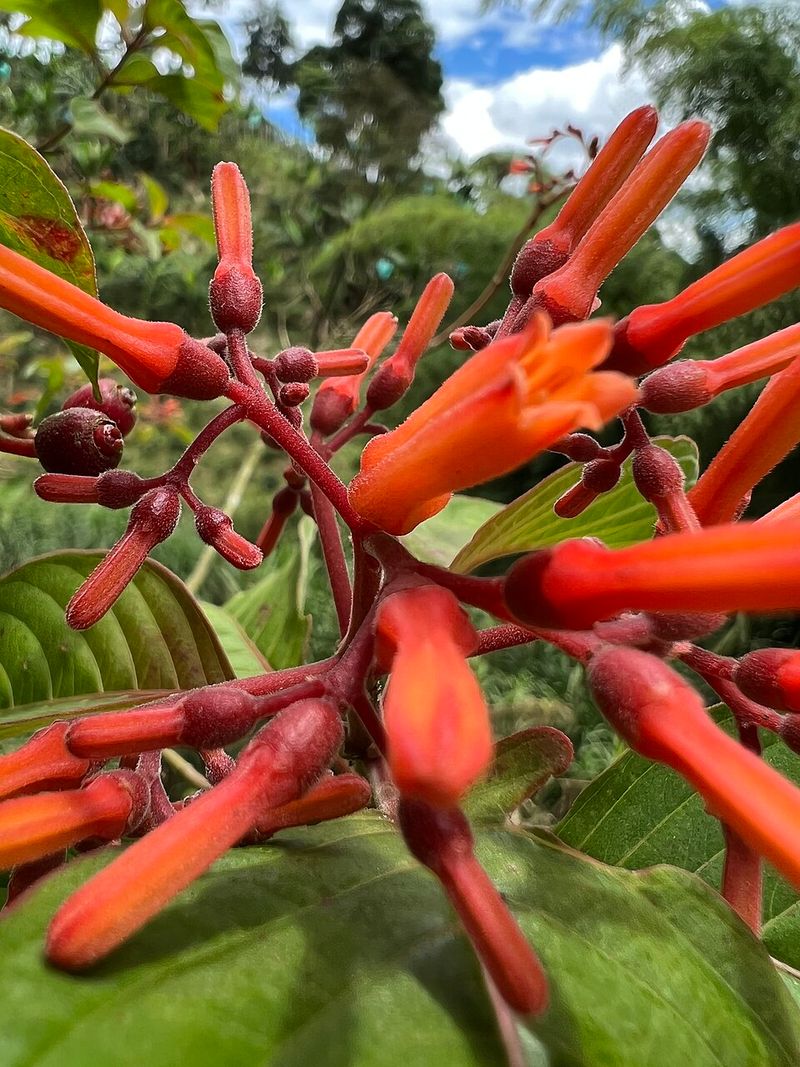
Your Firebush probably looks a bit rangy after the holidays, with long branches reaching out in all directions. This Florida native practically begs to be pruned in January, and every piece you cut off becomes a potential new plant.
Select stems that are about as thick as a pencil, neither too soft nor completely hardened, and cut sections six to eight inches long just below a leaf node.
Strip the leaves from the bottom half of each cutting, and insert them into small pots filled with damp potting soil or directly into a prepared garden bed in partial shade. The cooler January weather prevents the cuttings from wilting before they can form roots.
Keep them moist and protected from direct afternoon sun for the first two weeks.
South Florida gardeners often see roots forming in just ten to fourteen days, while Central and North Florida may need three to four weeks. North Florida gardeners should protect cuttings from rare freezes; covering or potting indoors can prevent frost damage.
Once you see fresh green leaves emerging from the tip, you know roots have formed below. By early spring, these young plants will be ready for full sun, where they will grow quickly and produce clusters of tubular red-orange flowers that hummingbirds cannot resist, all from branches you would have composted anyway.
4. Coontie
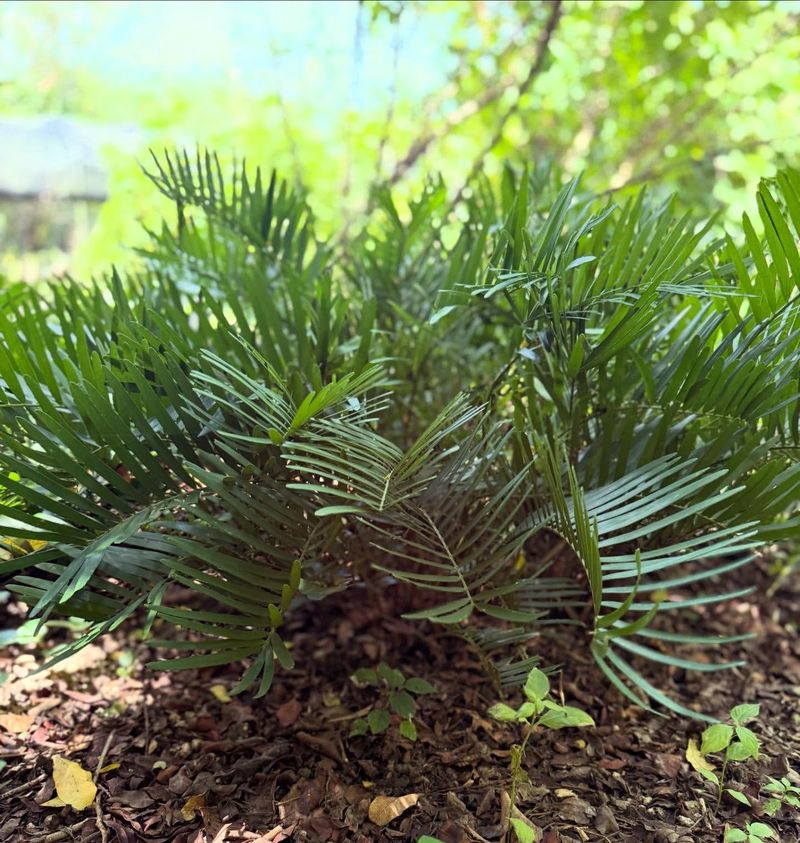
Mature Coontie plants develop small offsets called pups around their base, little versions of the parent plant that emerge from underground stems. You might not notice them until you kneel down and look closely at the crown of an established plant.
January offers the ideal time to carefully separate these pups and create new plants, because the cooler weather reduces stress on both the parent and the divisions.
Use a sharp, clean knife or small spade to cut the pup away from the main plant, making sure each one has some roots attached. Plant each pup at the same depth it was growing before, in well-drained soil with some shade protection.
Water gently but thoroughly, and then leave them alone to settle in.
This ancient cycad grows slowly, so patience is important. North Florida gardeners may not see noticeable growth until late spring or summer, while South Florida pups may begin showing small new fronds by late spring.
Patience is key, as Coontie grows slowly. The cool January temperatures allow roots to establish without the pressure of supporting rapid leaf growth.
By summer, your new Coontie plants will be developing their characteristic feathery fronds, adding texture and Florida native authenticity to your landscape for decades to come.
5. Beautyberry
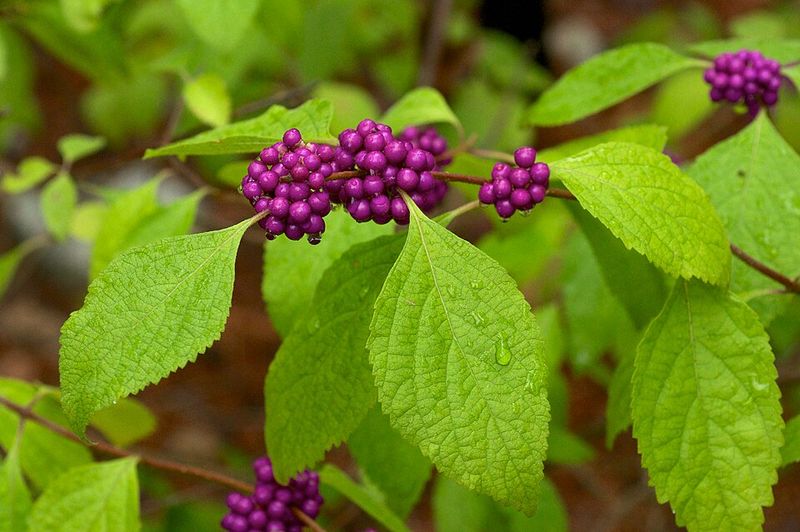
Last fall, your Beautyberry branches drooped under the weight of clusters of brilliant purple berries, and now those same branches offer perfect material for propagation. January pruning keeps this native shrub compact and encourages bushier growth, and every stem you remove can become a new plant.
Cut sections eight to ten inches long from healthy branches, choosing wood from last year’s growth rather than the newest green tips.
Remove leaves from the lower two-thirds of each cutting, and insert them into moist potting mix or directly into a shaded garden bed. Some gardeners dip the cut end in rooting hormone, but Beautyberry roots so readily that this step is optional.
Keep the soil evenly moist and protect cuttings from cold snaps if you are in North Florida.
Within four to six weeks, you will notice new leaves emerging, a sure sign that roots have formed below the soil. Central Florida’s mild January weather speeds this process, while South Florida gardeners often see results even faster.
By the time spring arrives, your new Beautyberry plants will be ready to transplant into their permanent homes, where they will grow quickly and produce their own spectacular berry displays by next fall, feeding birds and adding unforgettable color to your landscape.
6. Pentas
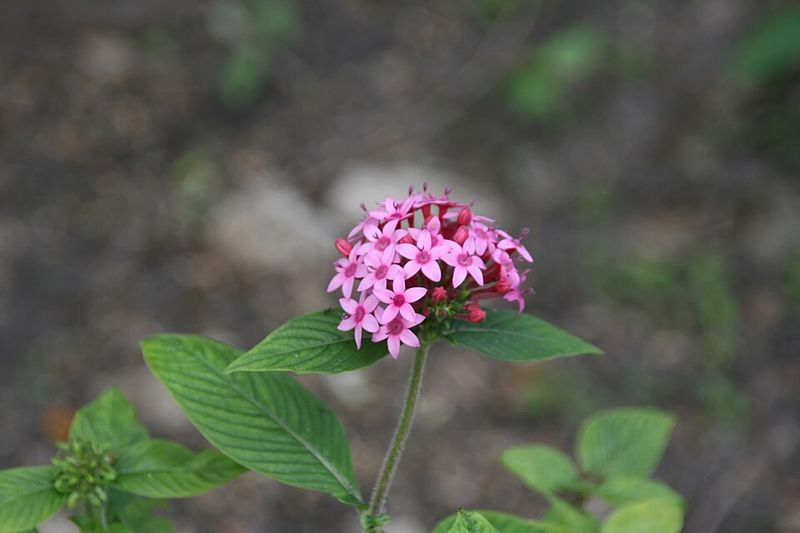
After months of continuous blooming, your Pentas plants probably look tired and leggy, with long stems and fewer flowers at the tips. January is the perfect time to refresh these pollinator favorites through propagation, turning rangy plants into compact, vigorous new ones.
Cut four to six inch sections from healthy stems, choosing pieces that have several sets of leaves and are neither too soft nor completely woody.
Pinch off the bottom leaves and any flowers or buds, leaving just two or three leaf sets at the top. Stick the cuttings into small pots filled with moist potting soil, or place several around the edge of a larger container.
The cool January temperatures prevent wilting and encourage steady root development without the stress of summer heat.
Keep the soil consistently moist but not soggy, and place your cuttings in bright shade or filtered sunlight. Within two to three weeks, you will see fresh green growth at the tips, signaling successful rooting.
South Florida gardeners may see roots even faster, while North Florida should protect cuttings from unexpected cold. By late February, your new Pentas will be ready to plant in sunny spots where they will bloom heavily through spring and summer, attracting butterflies and hummingbirds to your garden every single day.
7. Salvia
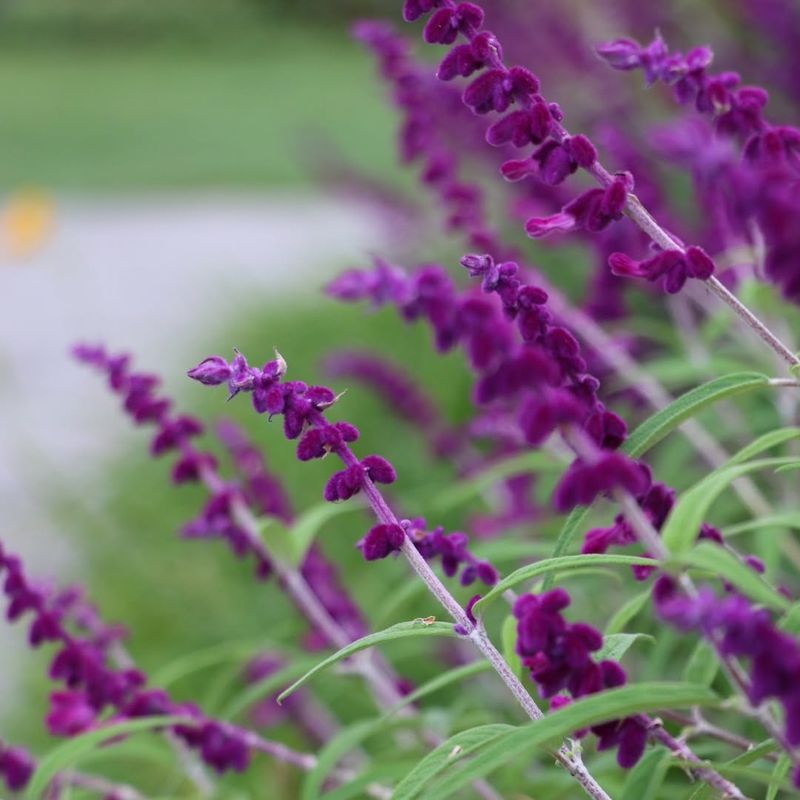
Your Salvia plants have been blooming since last spring, and now they are showing signs of becoming woody at the base with fresh green growth at the tips. This combination makes January ideal for taking cuttings that root quickly and grow into vigorous new plants.
Choose stems that are semi-hardwood, neither completely soft nor fully woody, and cut sections four to six inches long just below a leaf node.
Remove the lower leaves, leaving just one or two pairs at the top, and strip off any flowers or buds to help the cutting focus energy on root development. Insert the prepared cuttings into moist potting mix or well-drained garden soil in a spot with morning sun and afternoon shade.
The mild January weather provides ideal rooting conditions without the wilting stress of summer heat.
Water regularly to keep the soil moist but never waterlogged, and avoid overwatering which can cause rot before roots form. Within three weeks, new leaf growth will appear, indicating successful root development.
North Florida gardeners should watch for cold snaps and cover cuttings if temperatures drop below freezing. Central and South Florida conditions are nearly perfect for this process.
By early spring, your new Salvia plants will be ready for full sun locations, where they will produce spikes of colorful flowers that attract hummingbirds and add vertical interest to your garden beds.
8. Blanket Flower
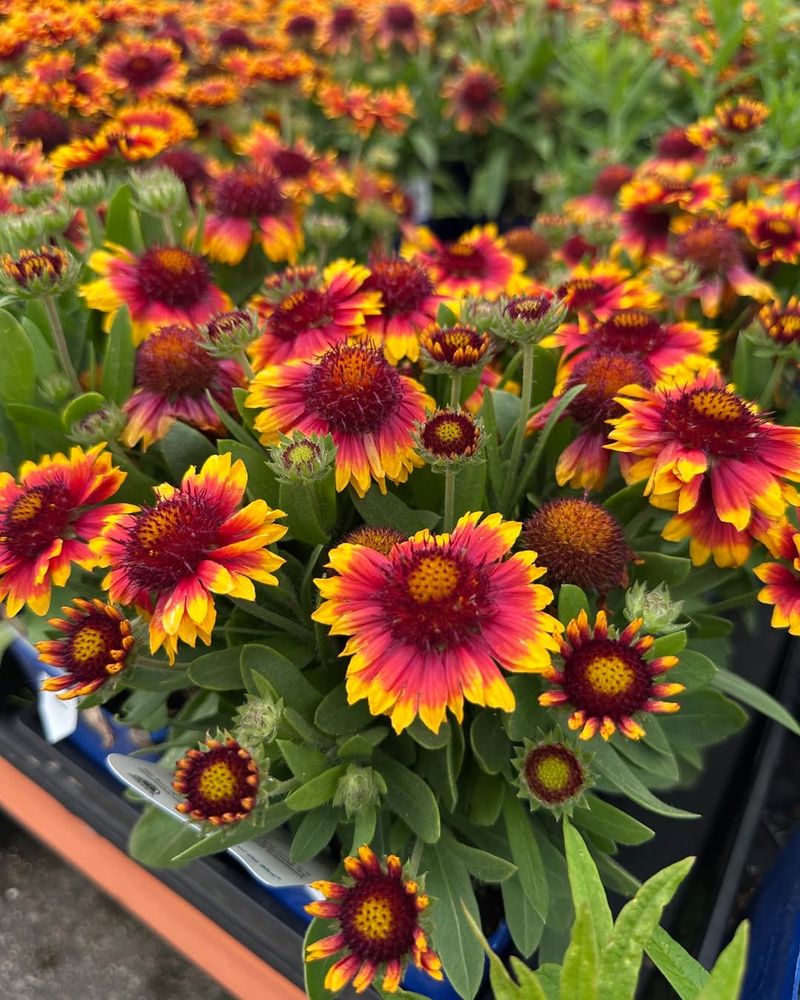
Your established Blanket Flower clumps have spread nicely, forming dense mats of foliage that now offer the perfect opportunity for division. January timing allows you to multiply these cheerful native wildflowers before their main blooming season begins in spring.
Dig up entire clumps carefully, trying to keep as much root mass intact as possible, and shake off excess soil so you can see the individual crowns clearly.
Pull or cut the clump into sections, making sure each division has several shoots and a good portion of healthy roots. Blanket Flower tolerates division well, so do not worry about being too precise.
Replant each division at the same depth it was growing before, spacing them twelve to eighteen inches apart to allow room for spreading.
Water thoroughly after planting, and keep the soil moderately moist for the first two weeks while roots reestablish. The cooler January temperatures reduce transplant shock significantly.
North Florida gardeners will see slower initial growth than South Florida, but all regions should have blooming plants by April, though in wetter areas some plants may behave more like short-lived perennials. These tough perennials tolerate heat, drought, and poor soil once established, and their bright red and yellow daisy-like flowers will bring cheerful color to your garden for months, proving that free plants can be just as beautiful as expensive ones.
9. Coreopsis (Tickseed)
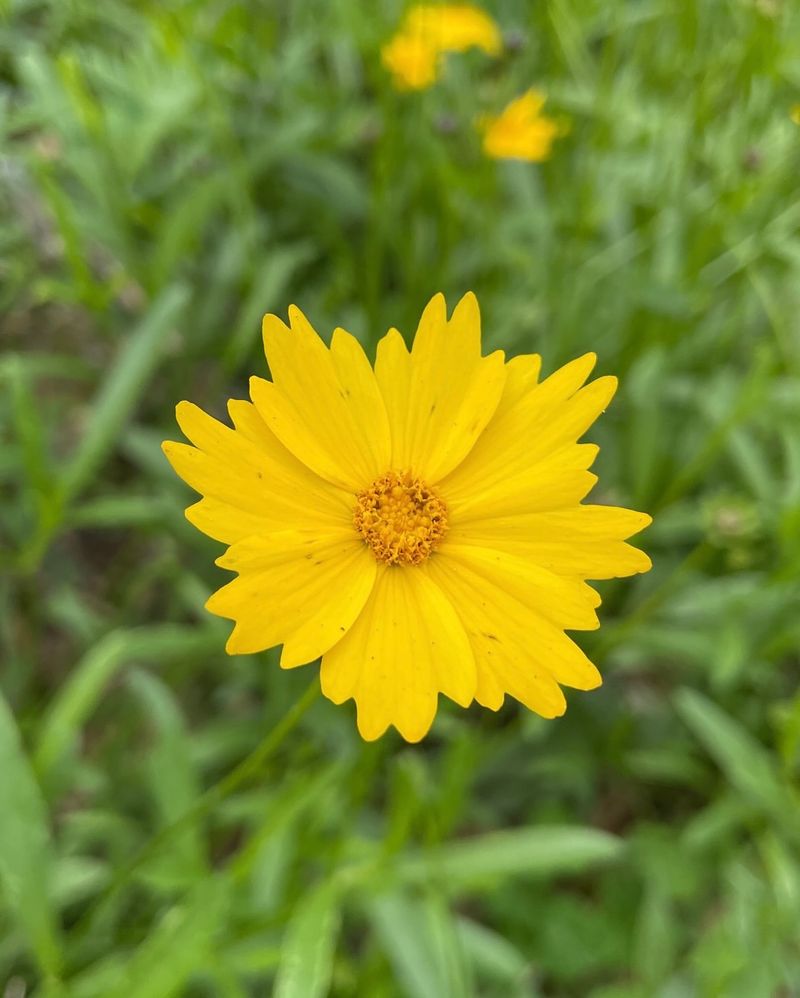
Walk past your Coreopsis patch in January, and you will likely find it has formed a thick mat of foliage with multiple crowns ready for division. This Florida native perennial responds beautifully to propagation through division, and the cool winter weather ensures success with minimal effort.
Dig up clumps carefully using a garden fork, lifting from underneath to preserve as many roots as possible.
Once you have the clump out of the ground, you can easily separate it into smaller sections by pulling gently with your hands or using two hand forks back to back. Each division should have at least three or four stems and a healthy root system.
Replant immediately at the same depth, spacing divisions about twelve inches apart to allow for natural spreading.
Water well after planting, and keep the soil evenly moist for the first week or two while new roots establish. January’s mild temperatures and occasional winter rains make this process almost foolproof across all Florida regions.
North Florida divisions may take longer to show new growth than those in Central or South Florida, but all will be blooming by late spring.
The cheerful yellow flowers will appear in abundance, attracting butterflies and goldfinches while adding bright, carefree color to your landscape, all from plants you created yourself at no cost.
10. Mexican Heather
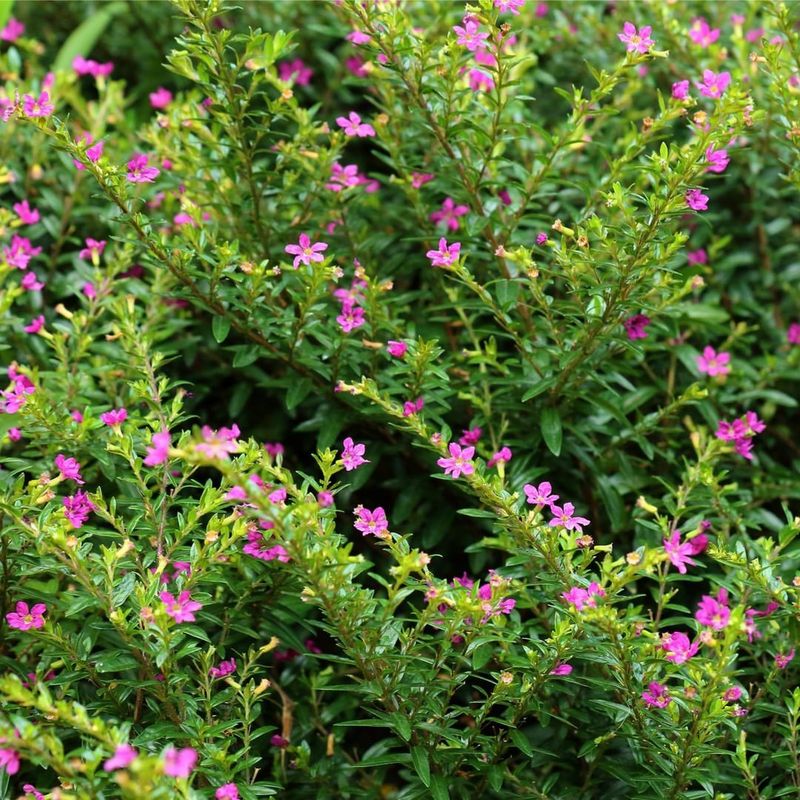
Your Mexican Heather has grown into a dense mound of tiny leaves and delicate flowers, and January offers the perfect opportunity to create new plants from this reliable groundcover. This plant propagates easily from cuttings, and the cool winter weather ensures high success rates.
Cut three to four inch sections from healthy stems, choosing pieces that have several leaf nodes but are not flowering heavily right now.
Strip the leaves from the lower half of each cutting, and insert them into moist potting soil or directly into prepared garden beds in partial shade. Mexican Heather roots quickly when kept consistently moist, so check your cuttings daily and water as needed.
The mild January temperatures prevent the delicate cuttings from drying out before roots can form.
Within two to three weeks, you will notice fresh green growth at the tips, indicating that roots have developed below the soil. South Florida gardeners often see even faster results, while North Florida should protect cuttings during cold snaps.
By early spring, your new Mexican Heather plants will be ready to transplant into borders, along pathways, or as edging where their fine texture and continuous tiny purple, pink, or white flowers will add delicate charm to your landscape, proving once again that the best things in gardening really can be free.