15 Hardy Plants That Thrive In Clay Soil Gardens Across Texas
Clay soil has a reputation for being stubborn, but Texas gardeners are proving it doesn’t have to be a deal-breaker.
The key is choosing plants that thrive in dense, moisture-holding soil rather than fighting against it.
These hardy plants develop strong root systems that handle clay’s challenges with ease.
They tolerate compaction, improve soil structure over time, and stand up to Texas heat and drought once established.
Instead of endless amendments and frustration, gardeners who plant wisely see success faster—and with less effort.
These plants work with clay soil, not against it.
For Texas homeowners tired of battling their dirt, these tough performers offer a welcome shift: less struggle, more growth, and gardens that finally feel cooperative.
1. Turk’s Cap
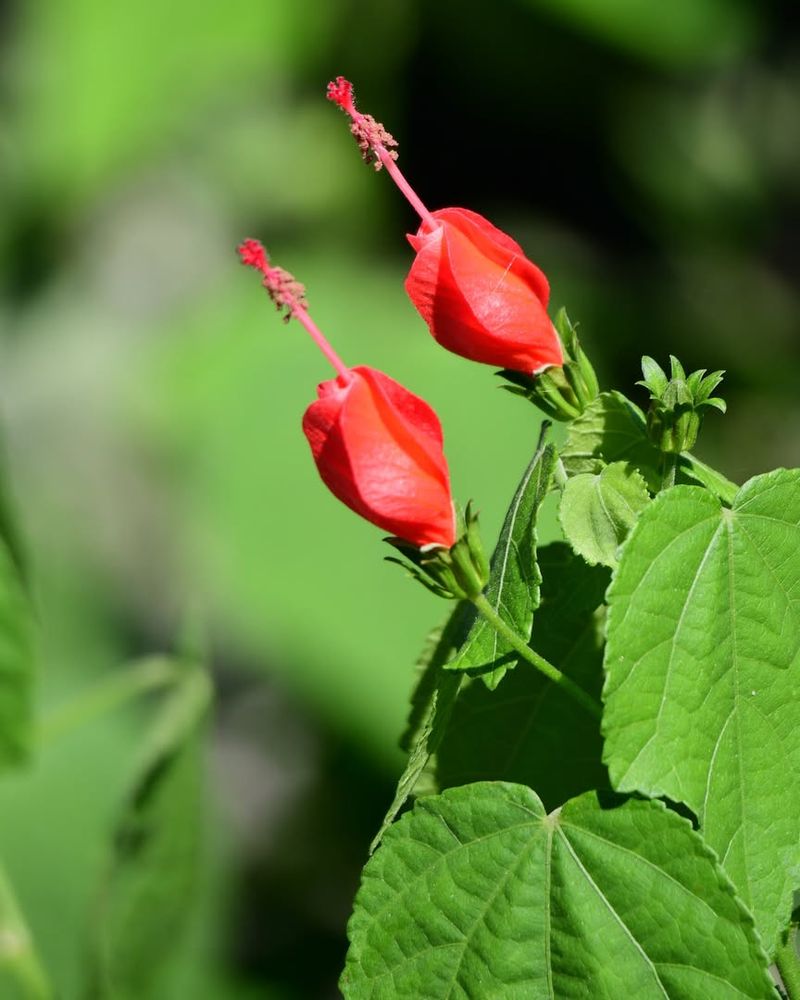
Turk’s cap is a Texas garden hero that laughs in the face of heavy clay.
This perennial shrub sends up bright red, tubular flowers from summer through fall, attracting hummingbirds and butterflies without demanding much from you.
Its roots dig deep into compacted soil, breaking through layers that would stop less determined plants.
Heat and humidity don’t slow it down one bit.
In fact, Turk’s cap seems to thrive when temperatures climb and the air feels thick.
You won’t need to amend your soil or fuss with fertilizers to keep this plant happy.
It returns reliably each spring, even after a hard freeze, and quickly fills out into a lush, leafy mound.
Partial shade suits it best, but it tolerates sun as long as moisture is available.
The blooms resemble little red turbans, which is how the plant earned its charming name.
Birds love the small fruits that follow the flowers, adding another layer of wildlife appeal.
If your clay garden feels like a lost cause, Turk’s cap will prove you wrong.
It’s forgiving, colorful, and practically indestructible once established.
Plant it near pathways or under trees where other plants struggle, and watch it transform tough spots into vibrant garden features.
2. Gregg’s Mistflower

Gregg’s mistflower brings clouds of soft blue-purple blooms to gardens where clay soil dominates.
This low-growing perennial spreads gently, filling in bare spots without becoming aggressive or invasive.
Compacted soil doesn’t intimidate it.
Instead, mistflower uses its fibrous roots to work through dense layers, establishing a strong foothold over time.
Pollinators adore the fluffy flower clusters that appear in late summer and fall, making it a magnet for butterflies and native bees.
You’ll see monarchs, swallowtails, and a variety of smaller pollinators visiting daily when this plant is in full bloom.
It thrives in both sun and light shade, adapting to whatever conditions your yard provides.
Watering needs are minimal once roots settle in, and it bounces back quickly after dry spells.
The foliage stays neat and green throughout the growing season, providing a soft backdrop even before flowers arrive.
Gregg’s mistflower works beautifully as a border plant or groundcover in tricky areas where grass won’t grow.
It pairs well with other native perennials and complements ornamental grasses.
If you’re looking for a plant that handles tough soil while supporting local ecosystems, this is a top choice.
Plant it once, and it will reward you for years.
3. Autumn Sage (Salvia Greggii)

Autumn sage is a showstopper that thrives in Texas heat and adapts beautifully to clay soil when drainage is decent.
This woody perennial blooms almost nonstop from spring through frost, offering flowers in shades of red, pink, coral, white, or purple depending on the variety you choose.
Hummingbirds can’t resist the tubular blooms, and you’ll often see them hovering around the plant throughout the day.
Clay soil works fine as long as water doesn’t pool around the roots for extended periods.
A slight slope or raised bed helps, but many gardeners have success planting it directly into unimproved clay.
Once established, autumn sage requires almost no water beyond rainfall, making it perfect for low-maintenance landscapes.
It tolerates intense sun and high temperatures without wilting or fading.
The foliage releases a pleasant fragrance when brushed, adding sensory appeal to your garden.
Pruning it back in late winter encourages fresh, bushy growth and more blooms.
Autumn sage looks stunning when planted in groups or mixed with ornamental grasses and other perennials.
It’s also deer-resistant, which is a bonus in rural or suburban areas where browsing animals are common.
If you want color, resilience, and wildlife appeal all in one plant, autumn sage delivers without demanding much in return.
Plant it in full sun and enjoy the show.
4. Black-Eyed Susan
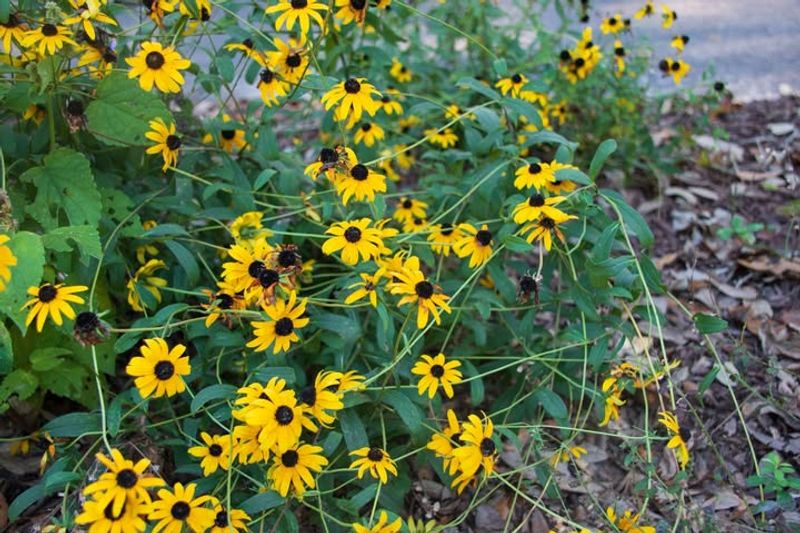
Black-eyed Susans are cheerful, reliable performers that handle clay-heavy soils with surprising ease.
Their bright yellow petals and dark centers bring instant sunshine to any garden, blooming from early summer well into fall.
Deep taproots allow these perennials to push through compacted layers, accessing moisture and nutrients that shallow-rooted plants can’t reach.
This root system also helps them survive drought and extreme heat, which are common challenges across Texas.
You won’t need to baby black-eyed Susans or amend your soil heavily to see great results.
They adapt to a wide range of conditions and actually prefer soils that aren’t overly rich.
Plant them in full sun for the best bloom production, though they tolerate light shade.
Pollinators flock to the flowers, and goldfinches love the seed heads that form later in the season.
Leaving the seed heads in place through winter provides food for birds and adds texture to the garden.
Black-eyed Susans self-seed gently, so you’ll often see new plants popping up nearby without any effort on your part.
They’re perfect for naturalized areas, wildflower meadows, or traditional garden beds.
Their easygoing nature and bright blooms make them a favorite among beginners and experienced gardeners alike.
Plant a few, and they’ll reward you with color and life for years to come.
5. Coneflower (Echinacea)
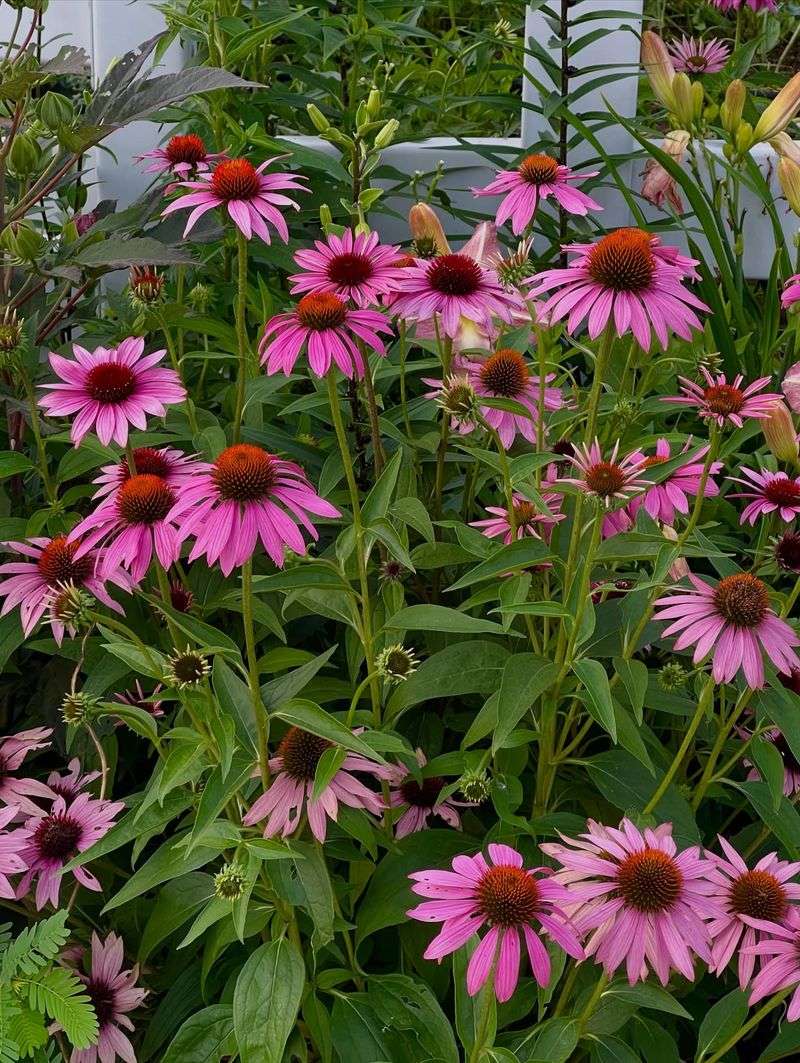
Coneflowers are staple perennials across Texas, loved for their bold blooms and ability to tolerate clay soil once they settle in.
The classic purple coneflower is most common, but you can also find varieties in white, yellow, orange, and pink.
Each flower features a prominent central cone surrounded by drooping petals, creating a distinctive look that stands out in any garden.
Clay soil doesn’t faze coneflowers as long as they’re given time to establish strong root systems.
Water them regularly during their first growing season, then step back and let them do their thing.
They’re incredibly drought-tolerant once mature and handle Texas heat without complaint.
Butterflies, bees, and other pollinators visit the blooms constantly, making coneflowers a key player in supporting local wildlife.
Goldfinches arrive in late summer to feast on the ripening seeds, adding movement and song to your garden.
Coneflowers bloom for weeks, and deadheading spent flowers encourages even more blooms.
However, leaving some seed heads in place benefits birds and adds winter interest.
These perennials grow well in full sun and pair beautifully with grasses, salvias, and other native plants.
They’re also deer-resistant, which is helpful in areas where browsing is an issue.
Coneflowers bring color, resilience, and ecological value to clay gardens across the state.
Plant them once, and they’ll become a garden favorite you can count on.
6. Yarrow

Yarrow is a tough, adaptable perennial that actually helps improve compacted clay soil over time.
Its fibrous roots work through dense layers, breaking up hard soil and allowing air and water to penetrate more easily.
This makes yarrow not just a beautiful plant, but a helpful one for gardeners dealing with difficult soil conditions.
Flat-topped flower clusters appear in shades of white, yellow, pink, or red, depending on the variety you choose.
Pollinators love the blooms, and the foliage releases a pleasant, herbal scent when touched.
Yarrow thrives in full sun and tolerates extreme heat and drought once established.
It’s one of those plants that seems to get by on neglect, performing better when left alone than when fussed over.
Clay soil suits it well, especially in areas that dry out between rains.
Yarrow spreads slowly but steadily, filling in gaps without becoming invasive.
It’s perfect for naturalized areas, wildflower gardens, or mixed perennial beds.
The flowers dry beautifully and can be used in arrangements, adding another layer of usefulness.
Deer and rabbits typically avoid yarrow, so it’s a good choice for gardens where wildlife browsing is common.
Cut it back after the first flush of blooms to encourage a second round of flowers.
Yarrow is low-maintenance, hardworking, and attractive, making it a smart addition to any clay garden in Texas.
7. Lantana

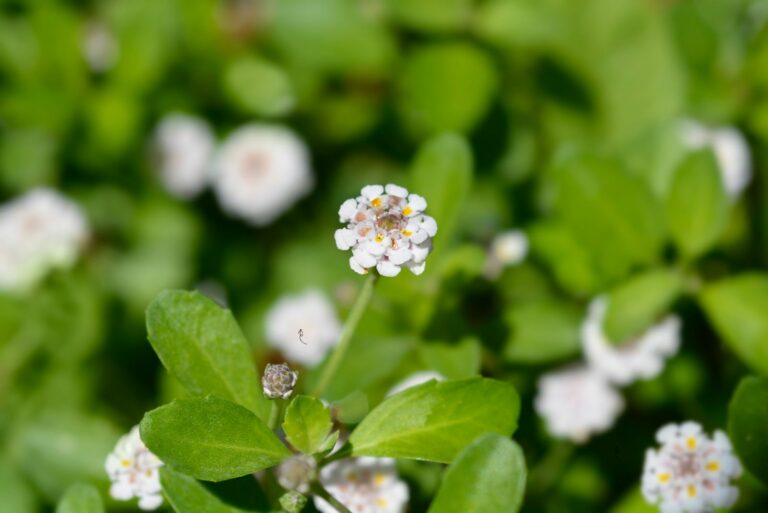
Lantana is a Texas gardening staple that performs beautifully in clay soil once its roots take hold.
This tough perennial produces clusters of tiny flowers in vibrant color combinations, including red, orange, yellow, pink, purple, and white.
The blooms change color as they age, creating a multi-toned effect that adds visual interest throughout the season.
Butterflies and hummingbirds visit lantana constantly, making it one of the best plants for attracting pollinators.
Heat doesn’t slow it down.
In fact, lantana seems to bloom more profusely as temperatures climb, making it ideal for hot Texas summers.
Clay soil works well as long as water doesn’t sit around the roots for too long.
A bit of slope or raised planting helps, but many gardeners plant lantana directly into unimproved clay with great success.
Once established, it needs very little water and can survive long dry spells without wilting.
Lantana grows as a low shrub or sprawling groundcover, depending on the variety and how you prune it.
It’s perfect for borders, containers, or mass plantings in tough spots where other plants struggle.
Deer tend to avoid lantana, which is a bonus in areas where browsing animals are common.
Trim it back in late winter to encourage fresh growth and more blooms.
With its bright colors, heat tolerance, and minimal care requirements, lantana is a reliable performer in clay gardens across the state.
8. Mexican Feather Grass
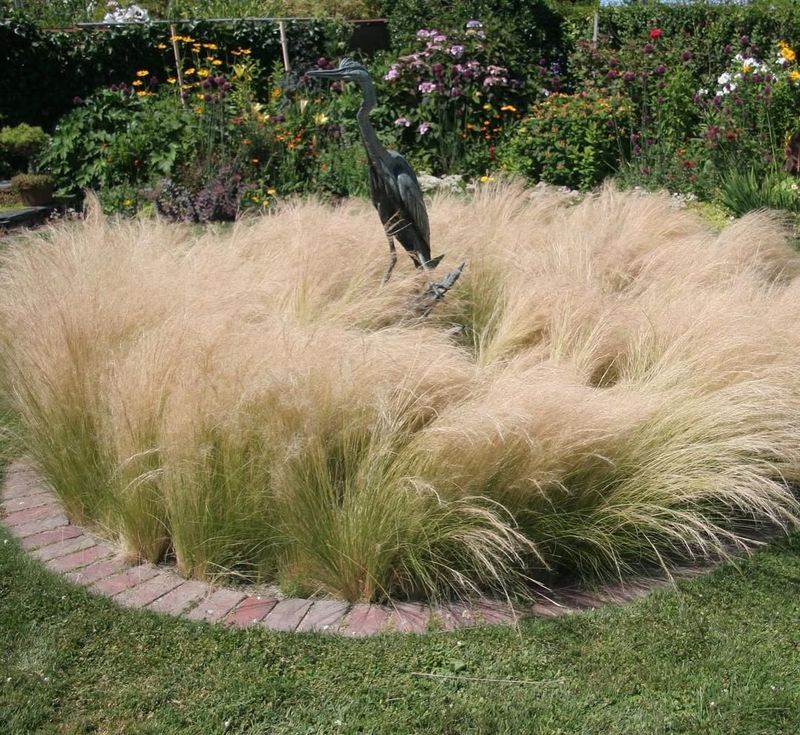
Mexican feather grass is an ornamental grass that brings movement and softness to gardens with clay soil.
Its fine, thread-like foliage sways gracefully in the breeze, creating a sense of motion and lightness that contrasts beautifully with bold perennials.
The foliage starts out green and shifts to golden tan as summer progresses, adding warm tones to the landscape.
Clay soil works well for this grass as long as drainage is managed and water doesn’t pool around the roots.
Plant it on a slight slope or in a raised bed if your soil tends to stay wet.
Mexican feather grass tolerates heat and drought once established, requiring very little water beyond rainfall.
It’s perfect for adding texture to perennial beds, lining pathways, or planting in groups for a naturalized look.
The grass grows in tidy clumps that reach about two feet tall, making it easy to incorporate into smaller spaces.
It pairs well with salvias, coneflowers, and other drought-tolerant perennials.
Mexican feather grass self-seeds freely, so you may see new plants popping up nearby.
Some gardeners love this trait, while others prefer to trim off seed heads before they mature.
Either way, the grass is easy to manage and adds a soft, airy quality to tough planting areas.
It’s low-maintenance, beautiful, and well-suited to the challenges of clay gardens across Texas.
Plant it once, and enjoy the graceful movement it brings to your landscape.
9. Red Yucca
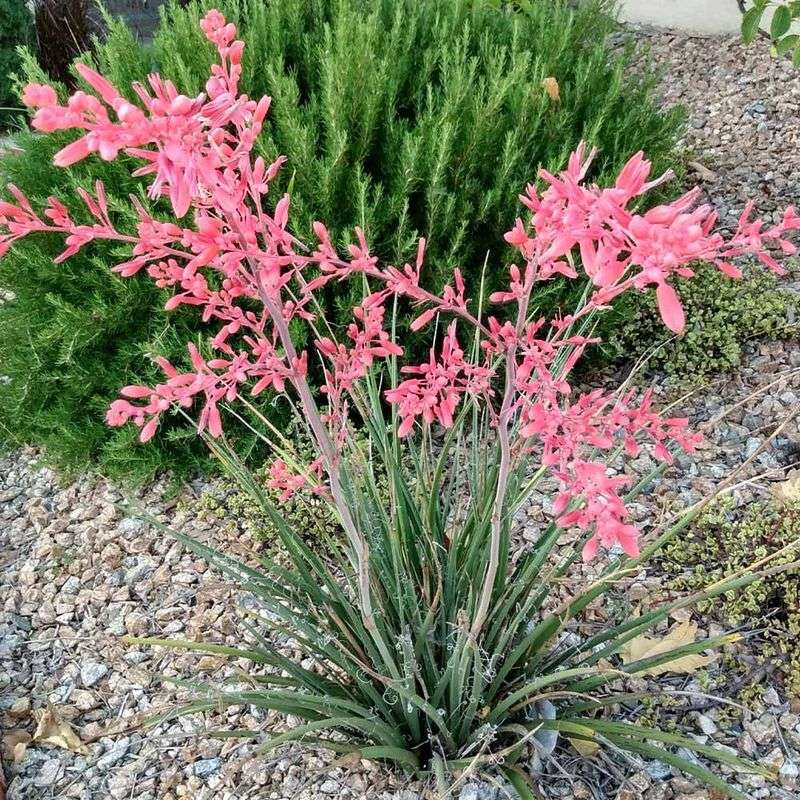
Red yucca is a striking, drought-tolerant perennial that thrives in clay soil and handles temperature extremes with ease.
Despite its name, it’s not a true yucca but a member of the agave family.
The plant forms a clump of narrow, arching leaves that stay evergreen year-round, providing structure and color even in winter.
Tall flower spikes emerge in late spring and early summer, covered in tubular blooms that range from coral to pink to yellow depending on the variety.
Hummingbirds visit the flowers constantly, often returning daily throughout the blooming season.
Red yucca tolerates heat, drought, and poor soil without complaint, making it one of the toughest plants you can grow in Texas.
Clay soil suits it well, especially in areas that dry out between rains.
Once established, it needs almost no water and requires very little maintenance.
The foliage has a spiky appearance but isn’t as sharp as true yuccas, making it safer to plant near pathways and seating areas.
Red yucca works beautifully in rock gardens, xeriscapes, or mixed perennial beds.
It pairs well with ornamental grasses, salvias, and other drought-tolerant plants.
Deer and rabbits typically leave it alone, which is helpful in areas where wildlife browsing is common.
Red yucca is a low-maintenance, high-impact plant that brings color, texture, and wildlife appeal to clay gardens across the state.
10. Gulf Coast Muhly Grass

Gulf Coast muhly grass is a stunning ornamental grass that tolerates clay soil and seasonal moisture while providing structure and fall color.
This grass forms dense, fountain-like clumps of fine green foliage that stay attractive throughout the growing season.
The real magic happens in fall when airy, pink-purple flower plumes emerge, creating a soft, cloud-like effect that seems to glow in the sunlight.
These plumes last for weeks, adding color and texture to the garden when many other plants are winding down.
Clay soil works well for muhly grass, especially in areas that receive regular moisture during the growing season.
It tolerates both wet and dry conditions better than many other ornamental grasses, making it versatile and reliable.
Plant it in full sun for the best bloom production and color.
Muhly grass grows to about three feet tall and wide, making it perfect for borders, mass plantings, or as a focal point in mixed beds.
It pairs beautifully with salvias, coneflowers, and other perennials that bloom in late summer and fall.
The grass requires minimal maintenance.
Simply cut it back to a few inches above the ground in late winter before new growth begins.
Gulf Coast muhly grass is deer-resistant and attracts few pests or diseases.
Its fall display is breathtaking, and it’s one of the best grasses for adding seasonal interest to clay gardens across Texas.
11. Buttonbush
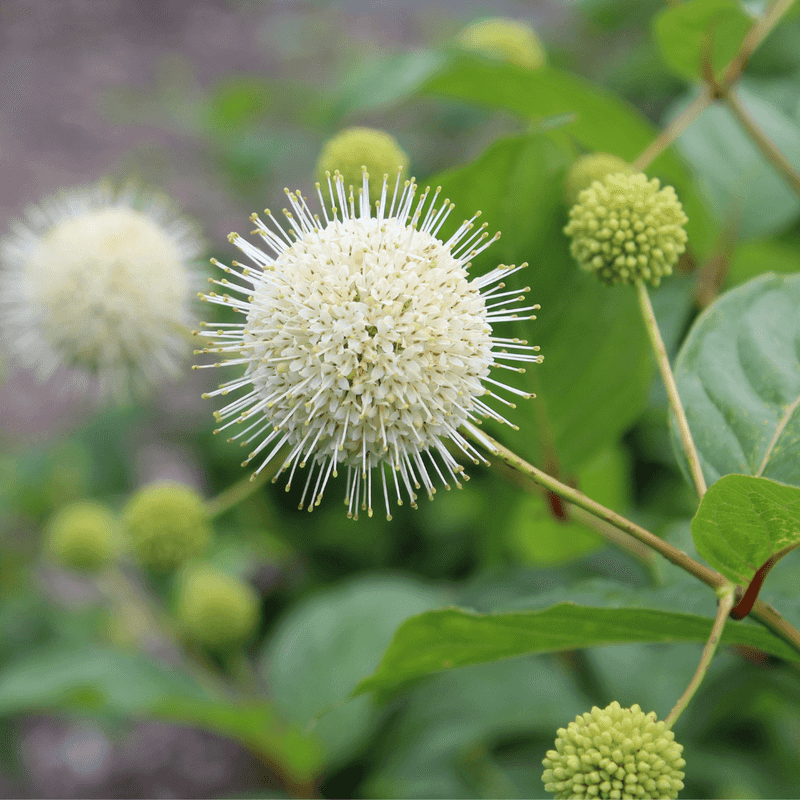
Buttonbush is a native shrub that naturally grows in dense, moisture-holding soils, making clay a perfect match for its needs.
This deciduous shrub produces round, white flower clusters that resemble pin cushions, blooming in late spring and early summer.
The flowers attract a wide variety of pollinators, including butterflies, bees, and hummingbirds.
Birds love the seed balls that follow the blooms, feeding on them throughout fall and winter.
Buttonbush thrives in areas where water collects or soil stays consistently moist, such as low spots, pond edges, or drainage areas.
Clay soil actually benefits this plant by holding moisture and providing the conditions it prefers.
It grows well in full sun to partial shade and tolerates flooding better than most other shrubs.
Buttonbush can reach six to twelve feet tall, making it a good choice for screening or creating a naturalized backdrop in larger gardens.
The foliage stays lush and green throughout the growing season, and the unique flowers add interest during the summer months.
It’s perfect for rain gardens, wetland plantings, or areas where other plants struggle due to heavy, wet soil.
Buttonbush is low-maintenance once established and requires little pruning or care.
If you have a clay garden with drainage challenges, this shrub will turn a problem area into a thriving habitat for wildlife.
Plant it once, and it will reward you with blooms, structure, and ecological value for years.
12. Goldenrod

Goldenrod is a cheerful, easy-to-grow perennial that thrives in compacted soils and spreads easily in clay-based Texas gardens.
Bright yellow flower plumes appear in late summer and fall, providing a burst of color when many other plants are fading.
Pollinators adore goldenrod, and you’ll see bees, butterflies, and other beneficial insects visiting the blooms daily.
Despite its reputation, goldenrod does not cause allergies.
Ragweed, which blooms at the same time, is the real culprit.
Goldenrod’s deep roots allow it to break through compacted clay layers, accessing water and nutrients that other plants can’t reach.
This makes it incredibly resilient during droughts and hot spells.
It grows well in full sun and tolerates poor soil without complaint.
Goldenrod spreads through underground rhizomes, filling in gaps and creating a naturalized look over time.
Some gardeners love this spreading habit, while others prefer to keep it contained in designated areas.
Either way, it’s easy to manage and control if needed.
The plant works beautifully in wildflower meadows, naturalized borders, or mixed perennial beds.
It pairs well with asters, coneflowers, and ornamental grasses.
Goldenrod is low-maintenance and deer-resistant, making it a smart choice for gardens where wildlife browsing is common.
Cut it back in late winter to encourage fresh growth and more blooms.
If you want late-season color and pollinator support in a clay garden, goldenrod delivers without demanding much in return.
13. Rudbeckia Maxima (Giant Coneflower)
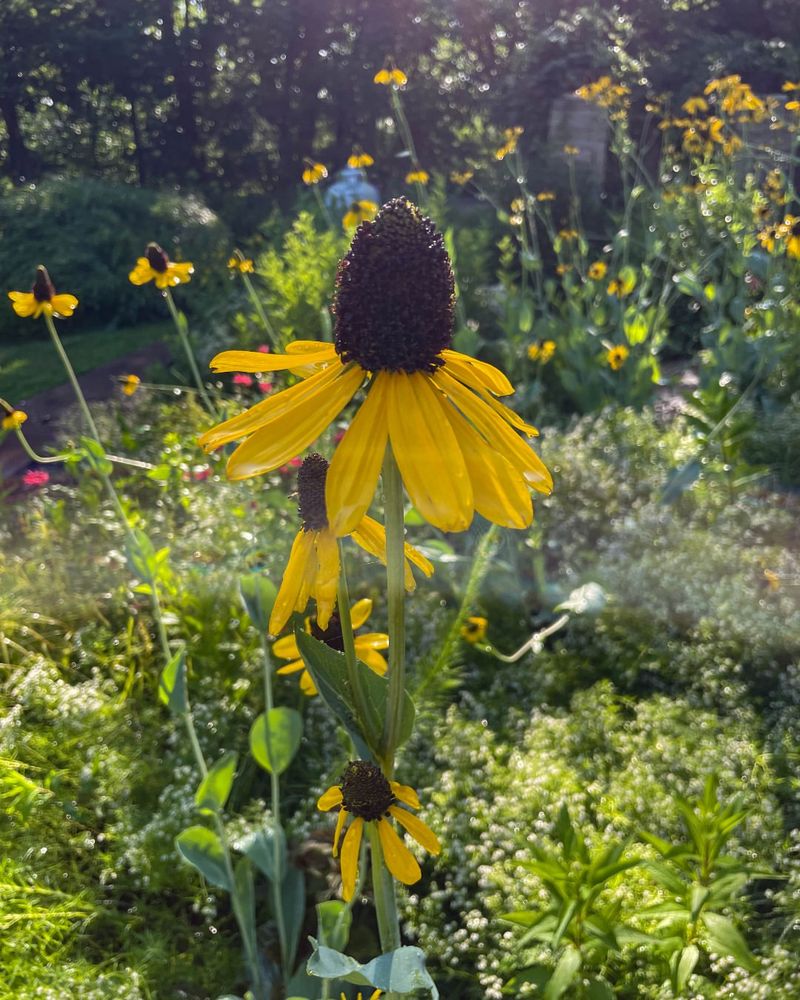
Rudbeckia maxima, commonly called giant coneflower, is a dramatic perennial with a deep taproot that breaks through clay layers and survives extreme Texas conditions.
This plant stands out in any garden with its tall flower stalks that can reach five to six feet high.
Large, yellow petals droop gracefully around a dark, cone-shaped center, creating a bold architectural presence.
The foliage forms a low rosette of broad, blue-green leaves that stay attractive even when the plant isn’t blooming.
Clay soil works perfectly for giant coneflower, especially in areas that receive full sun.
The deep taproot allows it to access moisture and nutrients far below the surface, making it incredibly drought-tolerant once established.
It handles heat, humidity, and poor soil without complaint.
Pollinators visit the blooms, and goldfinches feast on the seed heads in late summer and fall.
Leaving the seed heads in place through winter provides food for birds and adds striking structure to the garden.
Giant coneflower works beautifully as a focal point or planted in groups for a naturalized effect.
It pairs well with ornamental grasses, salvias, and other tall perennials.
The plant requires minimal maintenance and rarely suffers from pests or diseases.
Water it regularly during its first growing season, then step back and let it thrive.
If you want a bold, low-maintenance perennial that handles clay soil with ease, Rudbeckia maxima is an excellent choice.
14. Texas Sage (Cenizo)
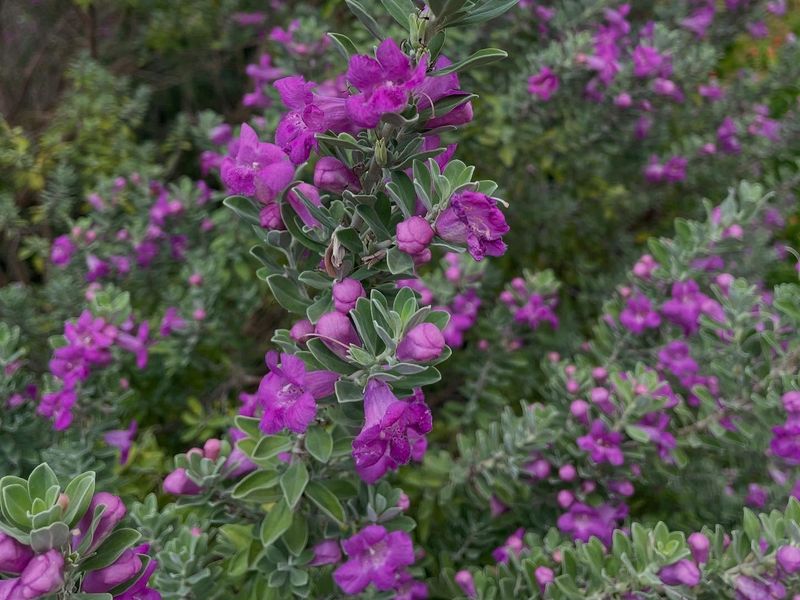
Texas sage, also known as cenizo, is a tough, drought-tolerant shrub that tolerates clay soils in hot, dry regions and responds dramatically to rainfall.
This evergreen shrub features silvery-gray foliage that provides year-round color and texture in the landscape.
After summer rains, it bursts into bloom with clusters of tubular flowers in shades of purple, pink, or white, depending on the variety.
The sudden appearance of blooms following a storm has earned it the nickname “barometer bush.”
Texas sage thrives in full sun and handles intense heat without wilting or fading.
Clay soil works well as long as drainage is adequate and water doesn’t pool around the roots.
Once established, it needs very little water and can survive long dry spells without complaint.
The shrub grows to about four to six feet tall and wide, making it perfect for foundation plantings, hedges, or mass plantings in tough areas.
It pairs beautifully with red yucca, lantana, and other drought-tolerant plants.
Texas sage is deer-resistant and attracts few pests or diseases.
Prune it lightly after blooming to maintain shape, but avoid heavy pruning, which can reduce flowering.
The silvery foliage provides a soft contrast to green-leaved plants and adds a cool tone to hot, sunny landscapes.
If you want a low-maintenance shrub that handles clay soil and Texas heat with ease, Texas sage is a reliable, beautiful choice.
15. Switchgrass
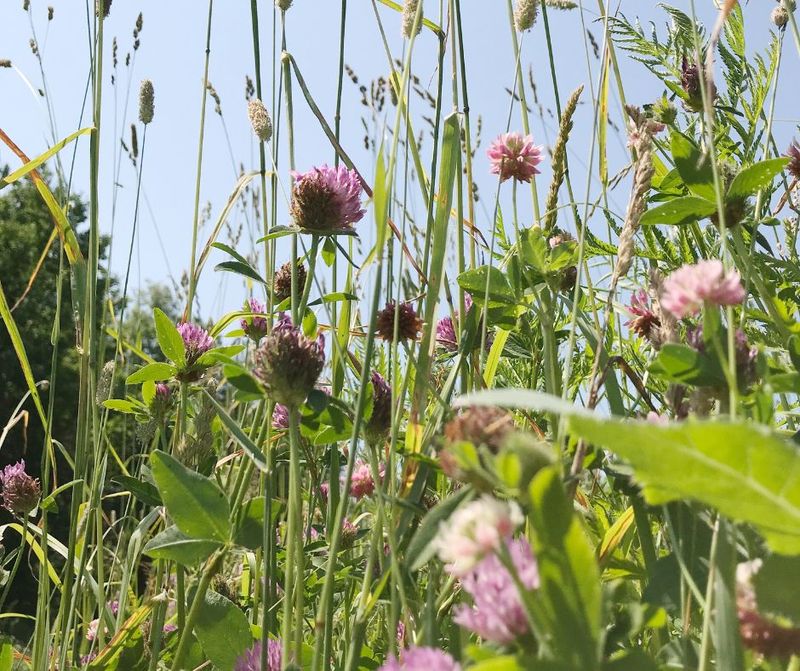
Switchgrass is a native prairie grass that handles clay soil compaction exceptionally well and provides long-term structure with little intervention.
This tall, upright grass forms dense clumps of blue-green or green foliage that sway gracefully in the breeze.
In late summer, airy flower panicles emerge above the foliage, adding texture and movement to the garden.
The foliage shifts to warm shades of gold, orange, and red in fall, providing stunning seasonal color.
Clay soil suits switchgrass perfectly, and it actually prefers heavier soils over sandy or amended ones.
Deep roots allow it to access moisture and nutrients far below the surface, making it incredibly drought-tolerant once established.
It handles heat, humidity, and extreme weather without complaint.
Switchgrass works beautifully as a backdrop for perennial beds, a privacy screen, or a focal point in naturalized areas.
It pairs well with coneflowers, black-eyed Susans, and other prairie perennials.
The grass grows four to six feet tall, depending on the variety, and requires minimal maintenance.
Simply cut it back to a few inches above the ground in late winter before new growth begins.
Birds feed on the seeds in fall and winter, adding wildlife value to your garden.
Switchgrass is deer-resistant and rarely suffers from pests or diseases.
If you want a low-maintenance, native grass that thrives in clay soil and provides year-round interest, switchgrass is a top choice.