Heart-Shaped Leaves In Indiana Lawns Are Easiest To Stop In Fall
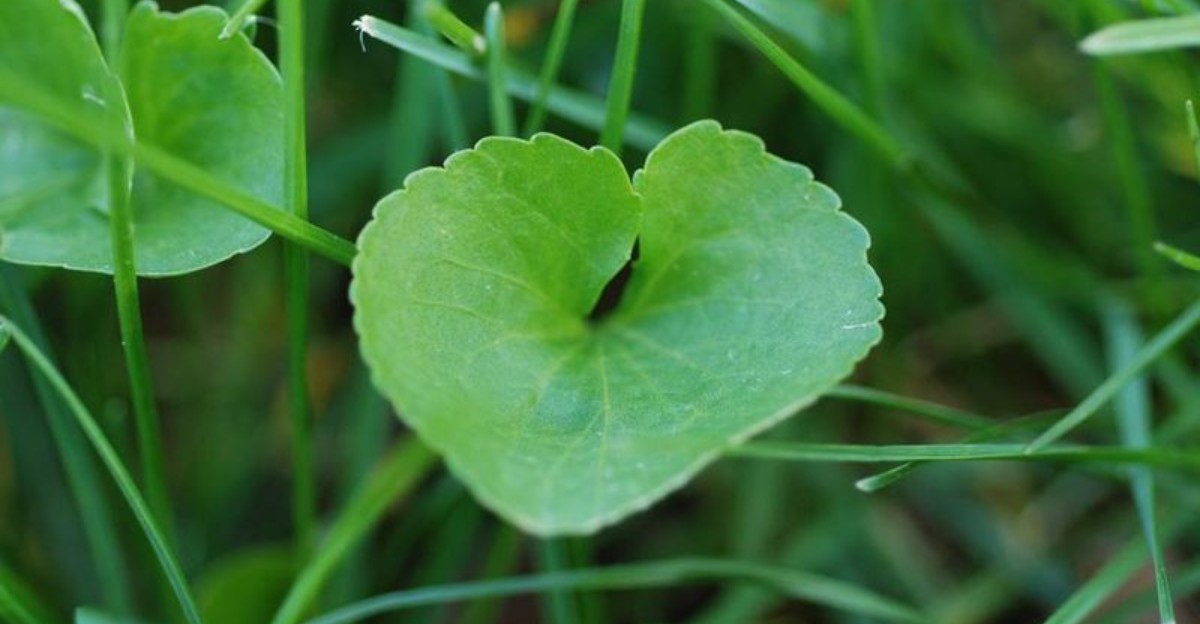
Crisp October mornings in Indiana come with sparkling dew and crunchy leaves underfoot. Then you spot little green hearts tucked between the grass blades, quietly spreading a little more each year.
Those cute leaves belong to a plant many homeowners admire at first and grumble about later. It hides low in the turf, slips under mower blades, and shrugs off quick fixes easily.
Treatments in warmer months often bounce right off, leaving many gardeners puzzled. Autumn works differently, because the plant starts pulling food and energy down into its roots.
That seasonal habit gives you a rare opening, and smart timing makes your efforts work harder. A little detective work on what to look for, where it hides, and how it spreads helps you plan ahead.
The Lawn Weed Behind Those Little Green Hearts
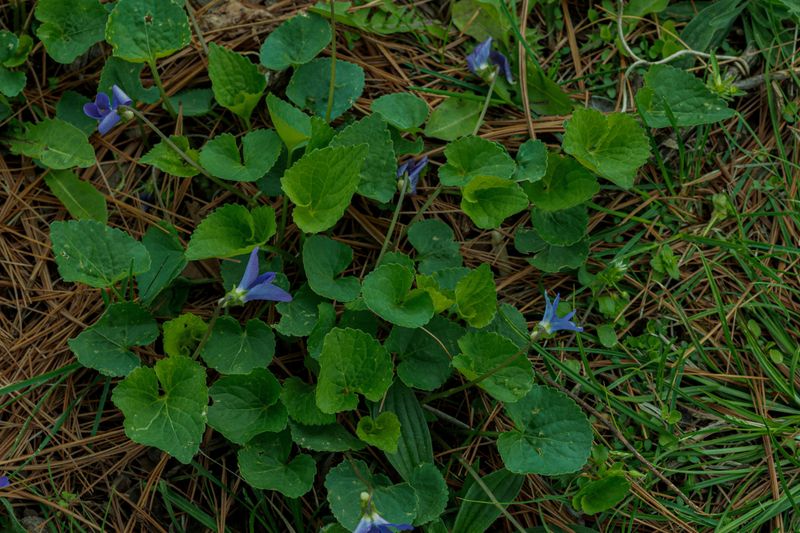
Those little green hearts belong to wild violet, and its fall routine explains why autumn is the best time to act. As days shorten in October, wild violets start sending sugars from their leaves down into their thick roots.
Think of a squirrel stuffing acorns into a hollow log before winter, and you will understand this routine. That downward flow is the secret behind fall success, because anything absorbed by the leaves rides along too.
A weed control product sprayed now can travel down toward the roots instead of only browning the top growth. During spring, the opposite happens, since the plant pushes energy upward to make fresh leaves and flowers.
Sprays applied in spring often damage only the leaves, while the roots survive and send up new growth. Cool nights in the forties and mild afternoons in the sixties signal that the fall shift is well underway.
Across Indiana, that pattern usually shows up from late September through October. Keep an eye on the leaves themselves, since they need to stay green and healthy to absorb treatments well.
Plants that look wilted, frosted, or brown will not move much product down toward the roots below. Some gardeners compare this season to a delivery truck heading home, carrying cargo back to storage.
Your job is to load the truck at the right moment, while the leaves are still busy working. Patience pays off here, since roots weakened in fall often struggle to bounce back when warm weather returns.
Mark your calendar now, and treat this short window as your best chance at long-term control. Even a few extra days of mild weather can make a noticeable difference in how much product reaches the roots.
Leaf Shape Clues That Separate It From Lookalikes
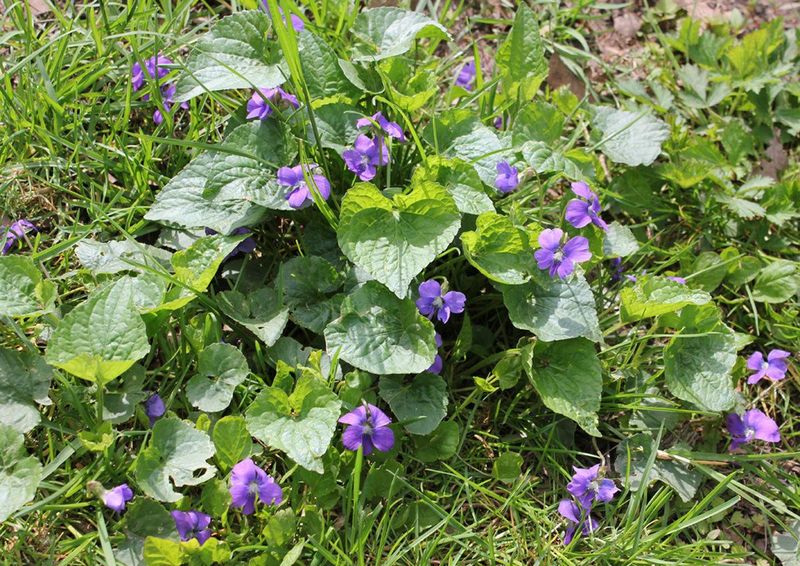
Not every heart-shaped leaf in your yard is the troublemaker you think, and a quick inspection saves wasted effort. Kneel down on the grass, pick one leaf, and look closely at its edges, stem, and overall texture.
Wild violet leaves have gently scalloped edges, a smooth green surface, and a shape like a rounded valentine. Each leaf grows on a long stalk that rises straight from the base of the plant.
Your Indiana Garden Changes Every Week. Your Plan Should Too.
Gardening in Indiana changes quickly throughout the season. Every Friday you’ll receive a simple weekly plan showing exactly what to plant, prune, fertilize, harvest, and protect so you never miss the right timing.
Ground ivy, often called creeping Charlie, looks similar at first glance but grows along square, trailing stems. Crush a leaf of ground ivy, and you will notice a strong minty smell that violets do not have.
Common mallow is another lookalike, with rounder leaves, longer stems, and a deep taproot. Violets grow in tight clumps from a central crown, while mallow tends to sprawl outward in loose patches.
Getting the identity right matters, because different weeds respond better to different products and timing plans. Ground ivy and mallow, for example, can call for a different product or timing than violets, so always read the label for the weed you have.
Snap a few clear photos on your phone and compare them with pictures from Purdue Extension resources online. Local garden centers can also help, and staff members often enjoy solving these little backyard mysteries for customers.
Once you learn the clues, violets become much easier to spot. That confidence helps you choose the right plan and avoid spraying plants that pose no real problem.
Hidden Flowers That Keep Seeds Coming
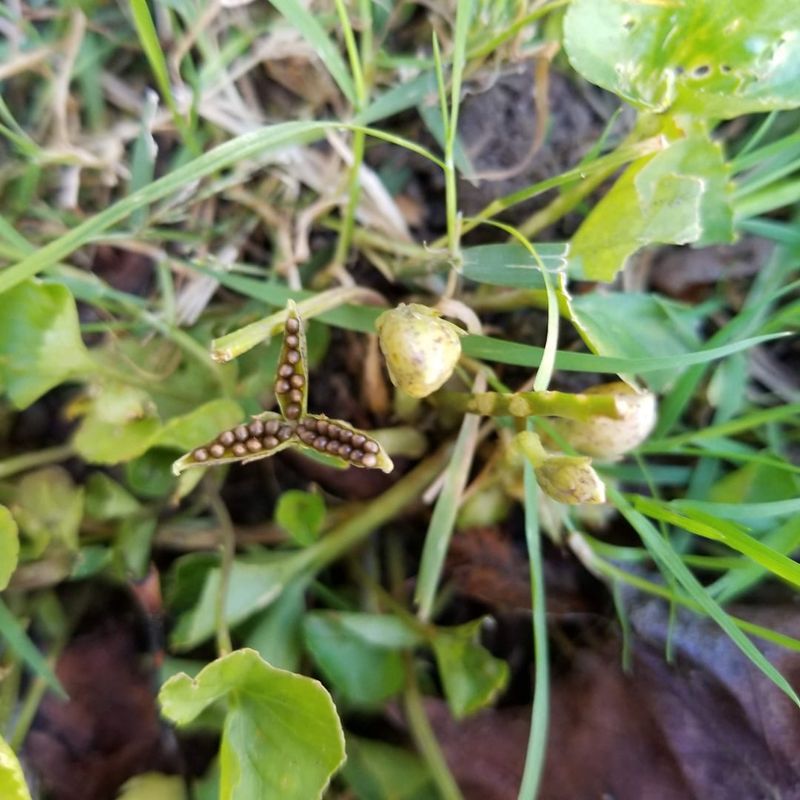
Those purple blooms you noticed in spring were only half the story behind your growing violet problem. Wild violets also produce sneaky flowers that stay closed, tucked low near the soil where few people look.
Scientists call them cleistogamous flowers, a tongue-twisting word that simply means they pollinate themselves without opening up. No bees are needed, so the plant can keep making seeds well into late summer and early fall.
Once ripe, the tiny seed pods split open into three parts and fling seeds several feet across the lawn. Ants often carry those seeds even farther, because each one has a small, tasty treat attached to it.
Violets rely on ants to spread their seeds, rewarding them with a fatty snack attached to each one. That clever trick helps explain why new clumps pop up in flower beds, sidewalk cracks, and shady corners.
Mowing alone rarely stops this process, since the hidden flowers sit far below the reach of your blades. Even a freshly cut lawn can hide several seed pods quietly ripening under the leafy canopy.
Fall treatment helps here too, because weakening the parent plant can reduce next year’s seed supply at the source. Fewer mature plants in spring mean fewer hidden flowers, fewer flying seeds, and fewer surprise patches later.
Pull up any small seedlings you spot this October, especially near garden edges and along walkways and fences. Young plants have shallow roots, so a gentle tug after a rainy day usually removes them with ease.
Rhizome Networks Beneath Indiana Turf
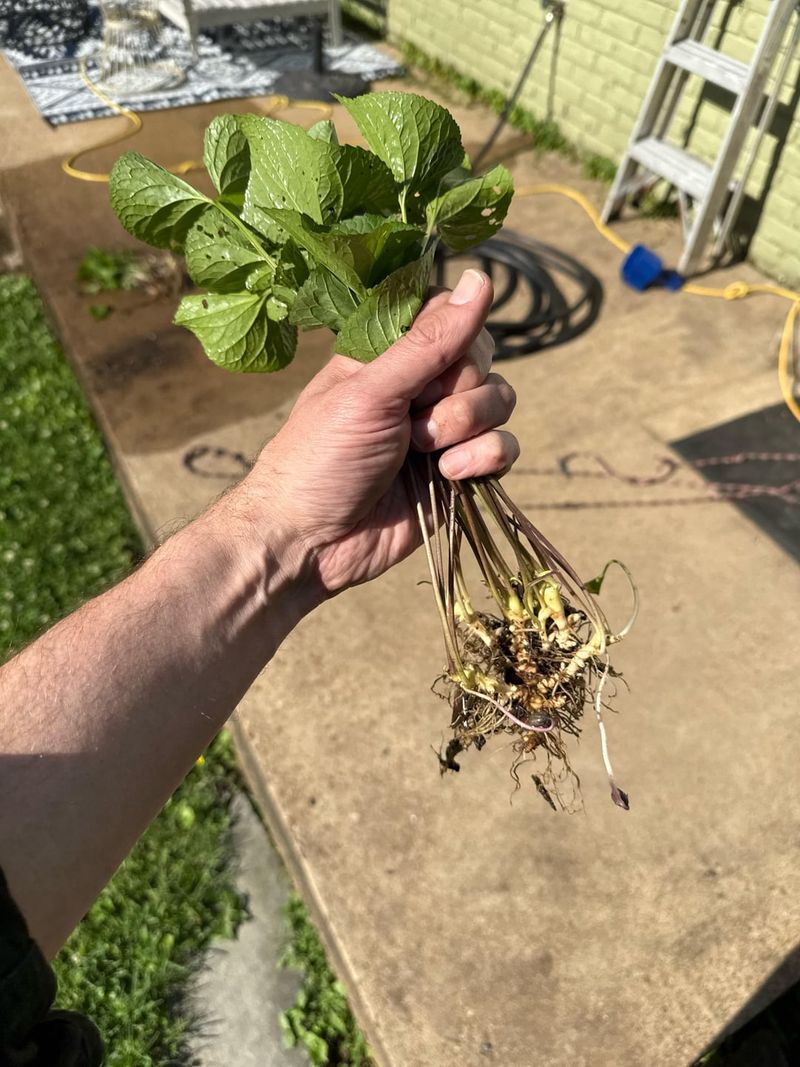
Underneath that patch of heart-shaped leaves lies a tangled web of thick, knobby stems called rhizomes. They look a bit like pale, twisted fingers, and they store enough food to help the plant regrow.
Rhizomes creep sideways just under the soil surface, popping up new plants a few inches away each season. Over several years, one small clump can quietly stretch into a dense mat that crowds out your grass.
Indiana soils, especially the heavy clay found in many neighborhoods, hold moisture that violets truly love. Shady yards under big maples and oaks give these plants an even bigger advantage over sun-loving turfgrass.
Hand pulling often fails here, since tiny rhizome pieces left behind can sprout into fresh plants by spring. If you dig, use a garden fork and loosen the soil gently to lift out as much as possible.
That stubborn underground system explains why fall timing matters so much for anyone hoping to reduce violets. When the plant sends food downward, treatments follow the same path and reach the rhizomes much more directly.
Picture it like watering the roots of a houseplant instead of misting the leaves and hoping for results. Reaching the hidden network is what separates a short pause from real, lasting progress in your lawn.
Expect a few holdouts after one round, since established rhizome networks can take two seasons to fade. Steady effort over consecutive autumns mostly brings these patches down to a manageable, much smaller size.
Herbicide Timing Windows For Indiana Lawns
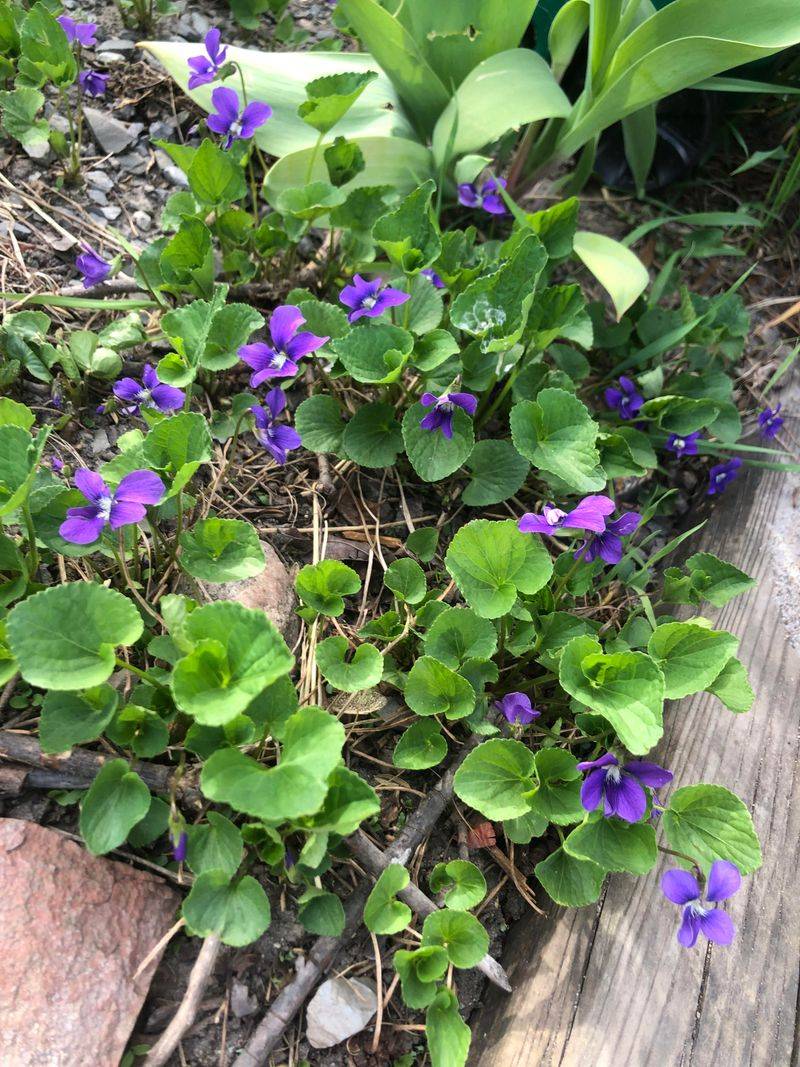
Extension turf specialists, including those at Purdue, point to fall as prime time for tackling tough broadleaf weeds like violets. In most of Indiana, the sweet spot runs from late September through October, depending on weather.
Products containing triclopyr tend to work best on violets, often mixed with other ingredients like 2,4-D or dicamba. Read the label carefully, and follow every instruction about mixing rates, safety gear, and lawn types.
Aim for a calm day with temperatures between roughly fifty and eighty-five degrees for the best absorption. Wind can carry spray onto flowers, shrubs, and vegetable gardens, so breezy afternoons are a poor choice.
Check the forecast too, because rain within a few hours can wash product off the leaves too soon. Many labels suggest waiting a couple of days after mowing so the leaves have more surface area.
Violets have a waxy coating that helps spray bead up and roll away like raindrops on a car hood. Adding a surfactant, if the label allows it, helps the product stick and soak in more effectively.
Plan on a second application about two to three weeks after the first one if the label allows it, while weather stays mild. Spot spraying individual patches saves money and keeps more of your lawn free from unnecessary chemicals overall.
Once a hard frost turns the leaves brown and limp, the window mostly closes until next fall. Acting in early October gives you the widest margin for success before winter settles over the state.
Lawn Density Habits That Hold Back Regrowth
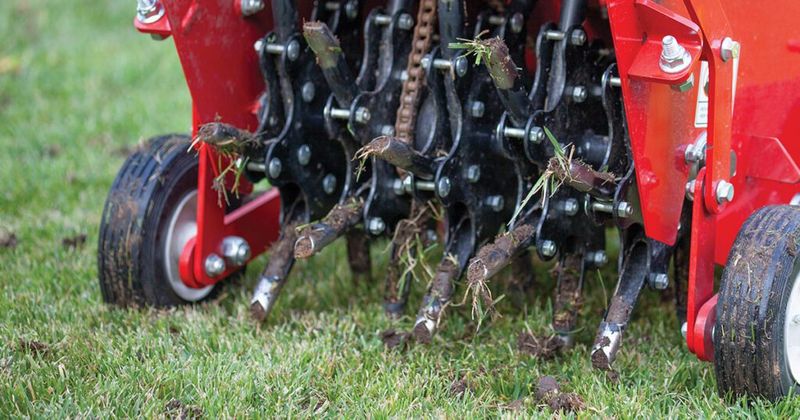
A thick, healthy lawn works like a crowded bus where violets simply cannot find an empty seat. Once you thin out the weeds this fall, filling those bare gaps quickly becomes your next big project.
Early fall is the best time for overseeding cool-season grasses like tall fescue and Kentucky bluegrass, though October is later than ideal. Check the herbicide label for its waiting period before seeding, and consider waiting until spring if the window has passed.
Shady spots deserve special attention, since violets thrive where grass struggles to soak up enough sunlight. Try fine fescue blends made for shade, and consider trimming low tree branches to let more light through.
Raise your mower deck to about three or four inches, because taller grass shades the soil and blocks seedlings. Short scalped lawns let sunlight reach the ground, which gives weed seeds a cozy place to sprout.
Feeding the lawn in fall matters too, and many Indiana lawn programs include a nitrogen feeding in early fall and another in November. The November feeding helps roots store energy and green up faster when the weather warms.
Soggy soil gives violets a head start, so improving drainage with core aeration can tip the balance. Pulling small plugs of soil loosens heavy clay and helps air, water, and nutrients reach grass roots.
Think of these habits as a friendly neighborhood watch that keeps unwanted guests from moving back in. Pair smart fall treatments with steady lawn care, and your yard will mostly stay green, full, and welcoming.