7 Heat-Loving Crops To Plant By The Moon In Texas
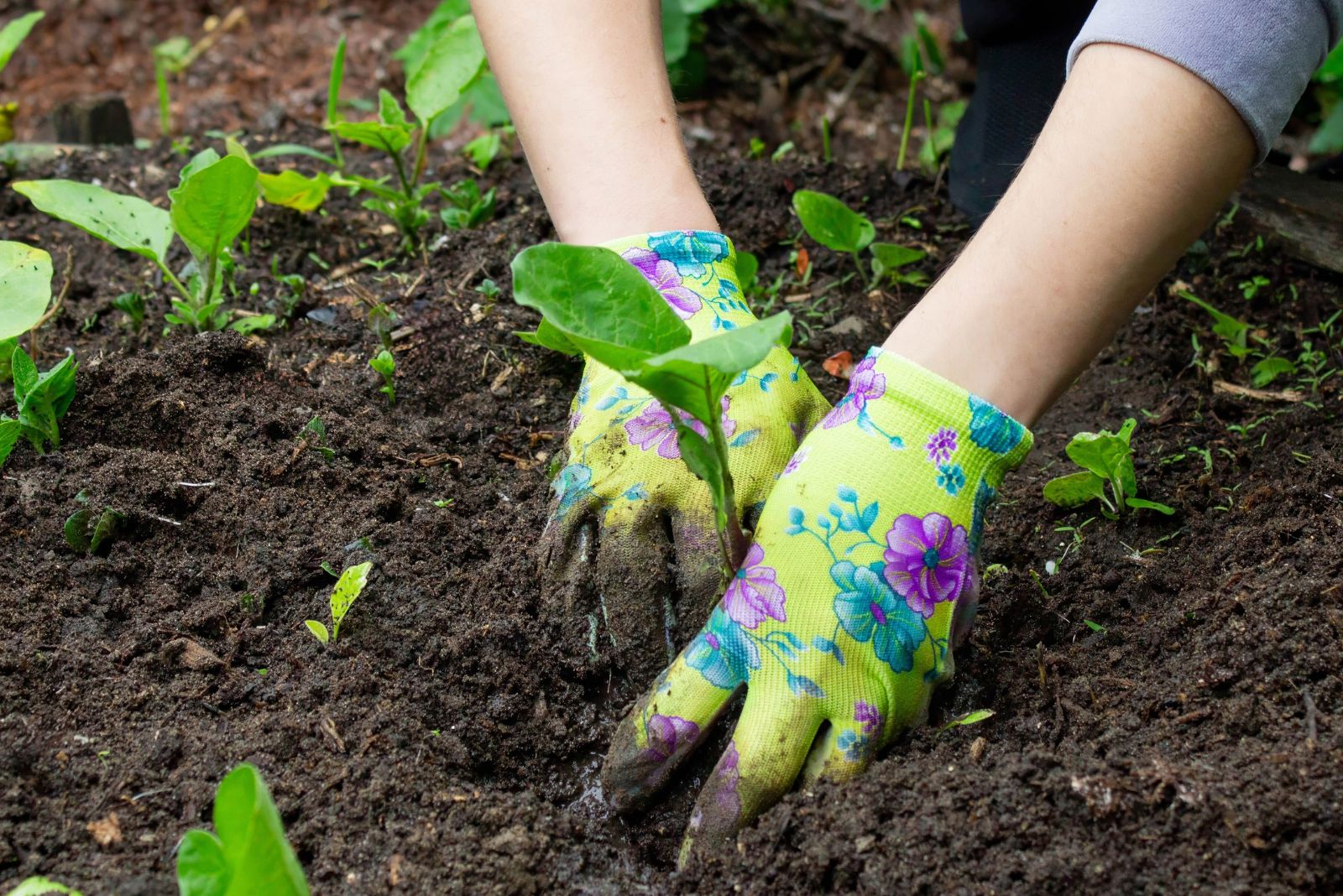
Texas gardens can be full of surprises, and planting by the moon is one tradition that many gardeners swear by for timing crops perfectly. Certain heat-loving vegetables thrive when sown in sync with lunar phases, giving your plants a natural boost as they grow.
The idea is simple: the moon affects water in the soil, and some gardeners believe planting during specific phases can improve germination, root development, and overall vigor.
Crops like peppers, tomatoes, okra, and eggplant respond well to Texas sun and warmth, making them ideal candidates for this method.
Timing sowing or transplanting with the moon can also help you plan for a steady harvest, ensuring your garden stays productive throughout the season.
By combining lunar timing with the natural heat-loving tendencies of these crops, you can give your Texas garden a head start and enjoy vibrant, robust plants from early summer into fall.
1. Tomatoes
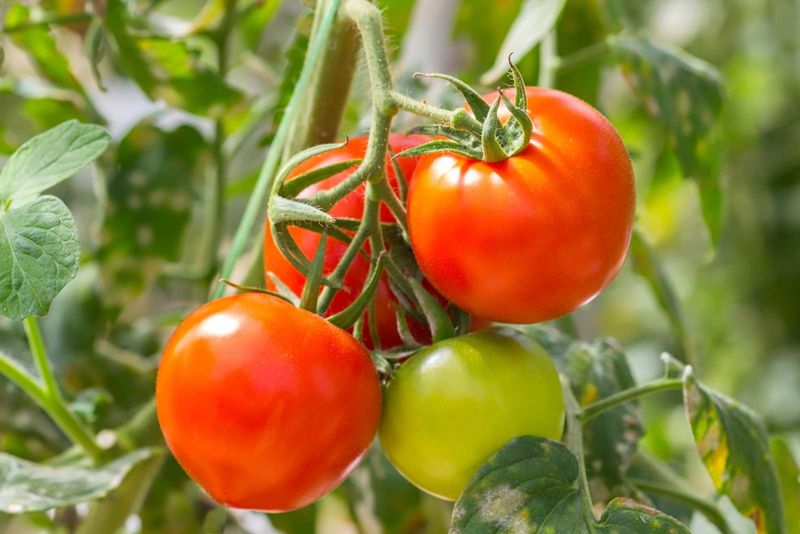
Growing tomatoes in Texas means choosing varieties bred to handle extreme heat and timing your planting perfectly. Plant tomato seeds or transplants during the waxing moon, specifically between the new moon and full moon phases.
This timing encourages strong leaf development and vigorous above-ground growth that tomatoes need to produce heavy fruit loads.
Texas gardeners should focus on heat-tolerant varieties like Phoenix, Heatwave II, or Surefire, which continue setting fruit even when temperatures exceed 95 degrees.
Regular tomatoes often stop producing when nights stay above 75 degrees, but these special varieties keep going strong.
Plant them in full sun locations where they’ll receive at least eight hours of direct sunlight daily.
The soil temperature matters just as much as air temperature for tomatoes in Texas. Wait until soil reaches at least 60 degrees before transplanting, which usually happens in March or April across most of the state.
In South Texas, you can start even earlier, sometimes as early as February. Water deeply but infrequently to encourage deep root systems that can access moisture during hot spells.
Mulch heavily around plants with straw or wood chips to keep soil temperatures cooler and moisture levels more consistent. Feed your tomatoes every two weeks with a balanced fertilizer once they start flowering.
Stake or cage your plants early to support the heavy fruit production you’ll get from healthy plants. Prune suckers regularly to direct energy into fruit production rather than excessive leaf growth, which helps plants cope better with Texas heat.
2. Peppers
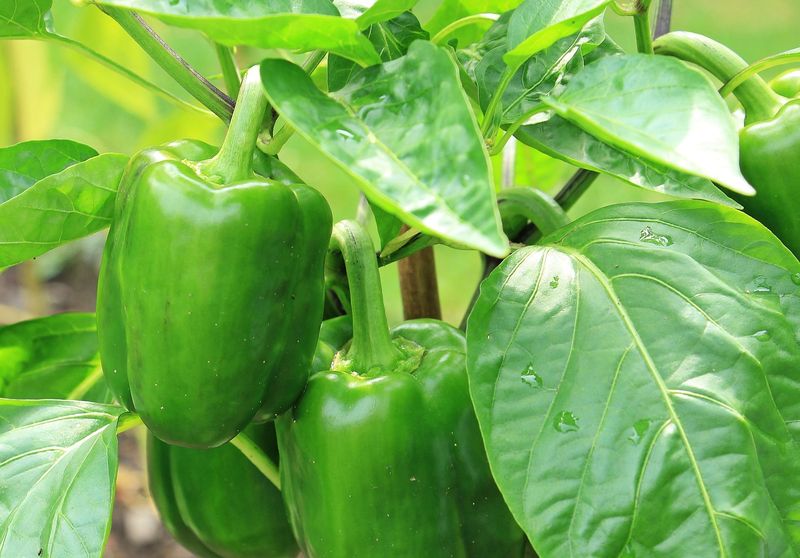
Peppers absolutely love the heat that Texas summers deliver, often producing their best yields when other vegetables struggle. Both sweet bell peppers and hot varieties like jalapenos thrive in temperatures that would stress most garden plants.
Plant pepper seeds or transplants during the waxing moon phase to maximize leaf and fruit development.
Start peppers indoors about eight weeks before your last expected frost date, or purchase transplants from local nurseries. In Texas, this means starting seeds in January or February for most regions.
Peppers need warm soil to establish properly, so don’t rush to plant them outside until nighttime temperatures consistently stay above 55 degrees.
Choose a planting location that receives full sun throughout the day. Peppers produce more fruit when they get plenty of direct sunlight and heat.
Space plants about 18 inches apart to allow good air circulation, which helps prevent disease problems common in humid Texas climates.
Water consistently to keep soil evenly moist but never waterlogged. Peppers develop bitter flavors or drop blossoms when stressed by inconsistent watering.
Apply a thick layer of organic mulch around plants to regulate soil temperature and retain moisture during the hottest months.
Feed pepper plants with a balanced fertilizer every three weeks once they begin flowering. Too much nitrogen creates leafy plants with few peppers, so choose fertilizers with equal or higher phosphorus and potassium numbers.
Harvest peppers regularly to encourage continued production throughout the long Texas growing season, which often extends well into October.
3. Eggplant
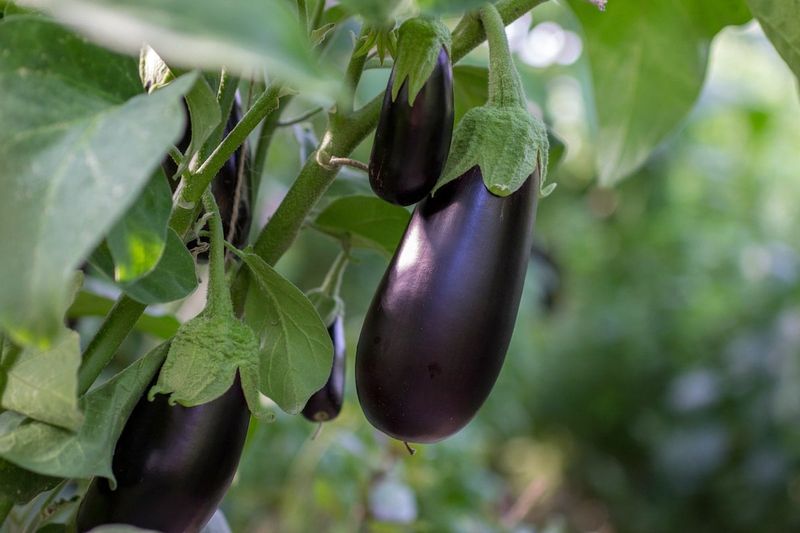
Eggplant ranks among the most heat-tolerant vegetables you can grow in Texas gardens. This Mediterranean native actually produces better fruit quality and quantity when temperatures soar above 90 degrees.
Plant eggplant during the waxing moon to support the vigorous top growth this productive vegetable requires.
Start with transplants rather than seeds for faster results in Texas. Plant them after all danger of frost passes and soil temperatures reach at least 70 degrees.
In most Texas regions, late April through May provides ideal planting windows. South Texas gardeners can plant earlier, sometimes as early as March.
Select varieties specifically bred for hot climates like Black Beauty, Ichiban, or Florida Market. These varieties resist common problems that affect eggplants in humid, hot conditions.
Plant in locations receiving full sun and prepare soil with plenty of compost to ensure good drainage and fertility.
Space eggplants about 24 inches apart because they grow into substantial bushes that need room for air circulation.
Stake taller varieties to prevent branches from breaking under the weight of developing fruit. The plants can become top-heavy once multiple eggplants begin forming.
Water deeply once or twice weekly rather than frequent shallow watering. This encourages deep root development that helps plants access moisture during extremely hot Texas days.
Apply organic mulch around plants to moderate soil temperature and suppress weeds that compete for water and nutrients.
Harvest eggplants when they reach full size but before the skin loses its glossy appearance. Regular harvesting encourages plants to continue producing new fruit throughout the summer and early fall in Texas.
4. Okra
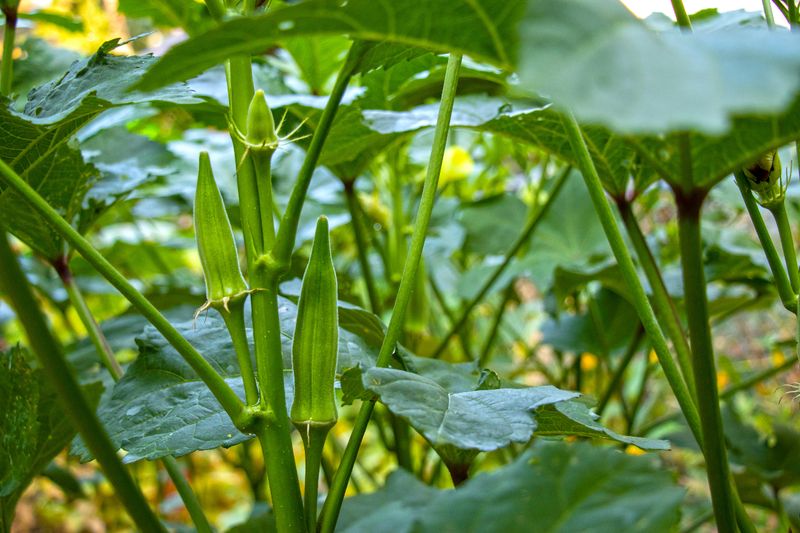
Nothing says Texas summer gardening quite like okra, a vegetable that actually prefers temperatures above 90 degrees. This Southern favorite produces prolifically in conditions that would stress most other crops.
Plant okra seeds during the waxing moon for best germination and early growth, though okra is remarkably forgiving about planting times.
Direct seed okra into your Texas garden after soil temperatures reach 65 degrees, usually in late April or May for most regions. Okra seeds germinate poorly in cool soil, so patience pays off.
Soak seeds overnight before planting to speed germination, or nick the hard seed coat with a file to help moisture penetrate.
Plant seeds about one inch deep and six inches apart in rows spaced three feet apart. Once seedlings reach four inches tall, thin them to stand 12 to 18 inches apart.
Okra grows tall, often reaching five to six feet in Texas gardens, so plant it on the north side of your garden where it won’t shade shorter crops.
This vegetable tolerates poor soil better than most crops, but adding compost improves yields significantly.
Okra needs full sun and handles drought conditions better than excessive moisture. Water during extended dry spells, but avoid overwatering which can lead to root problems.
Harvest okra pods when they’re three to four inches long for the most tender texture. Check plants daily during peak production because pods grow quickly in Texas heat.
Regular harvesting keeps plants producing new flowers and pods continuously until fall temperatures arrive, often giving you harvests well into October.
5. Cantaloupe
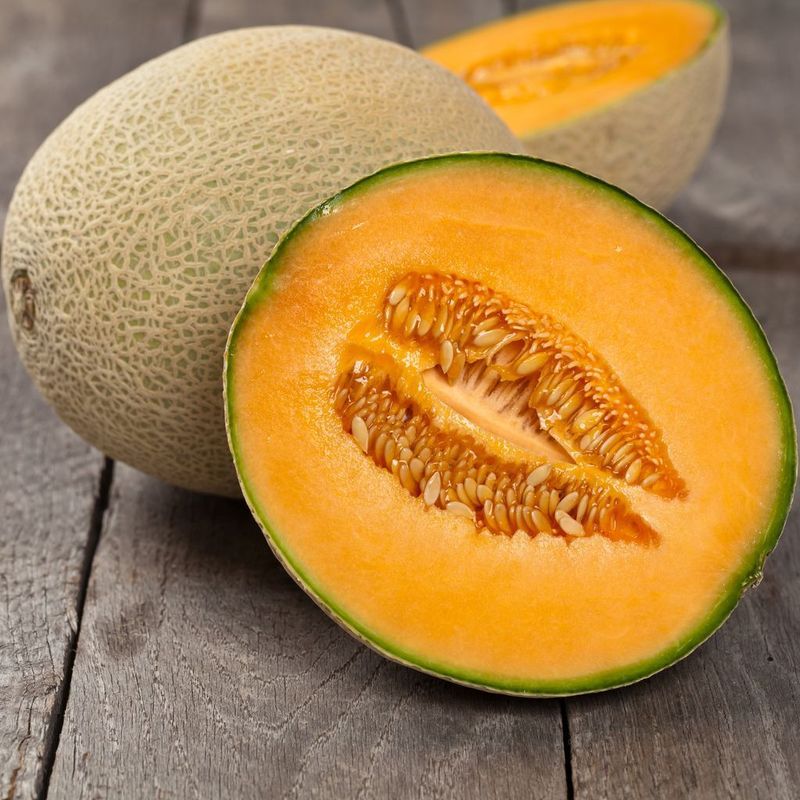
Cantaloupes thrive in the long, hot Texas growing season, developing their sweetest flavor when temperatures climb. These melons need both heat and time to develop their characteristic sweetness and aroma.
Plant cantaloupe seeds during the waxing moon, ideally near the new moon, to encourage strong vine growth and fruit development.
Wait until all frost danger passes and soil temperatures reach at least 70 degrees before planting cantaloupe in Texas. For most areas, this means planting in April or early May.
Direct seed into garden beds or hills, planting seeds one inch deep and spacing them 18 inches apart in rows four to six feet apart.
Cantaloupes need plenty of space because vines spread extensively as they grow. Each plant can cover 15 to 20 square feet, so plan your garden layout accordingly.
Choose a location with full sun exposure and well-draining soil enriched with compost or aged manure.
Water consistently during vine growth and early fruit development, providing about one inch per week.
Once fruits begin ripening, reduce watering to concentrate sugars and enhance flavor. Inconsistent watering causes fruit to crack or develop poor flavor in Texas conditions.
Mulch around plants with straw to keep developing melons off direct soil contact, preventing rot and pest problems. The mulch also helps regulate soil temperature and moisture.
Watch for the characteristic signs of ripeness: the stem slips easily from the fruit, the blossom end softens slightly, and you can smell the sweet cantaloupe aroma.
Texas-grown cantaloupes often ripen in July and August, providing delicious harvests during the hottest months.
6. Watermelon
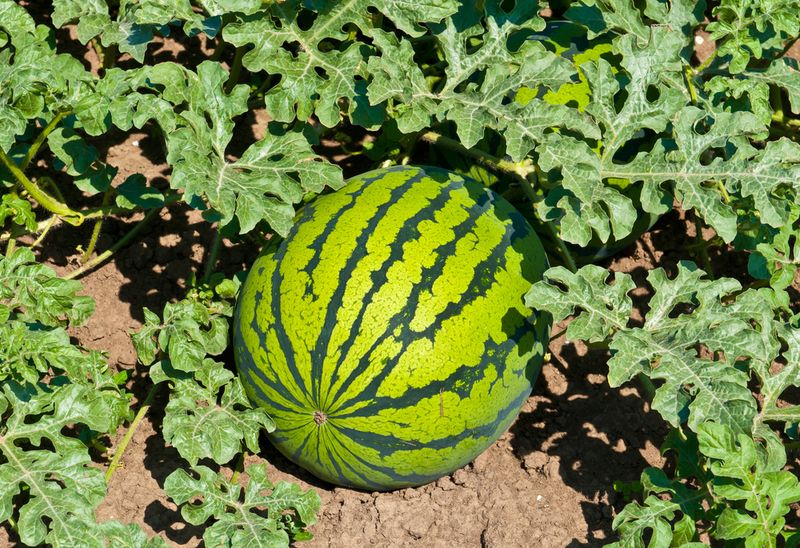
Watermelons represent the ultimate heat-loving crop for Texas gardens, requiring both scorching temperatures and a long growing season to develop properly. These thirsty plants produce the juiciest, sweetest fruit when grown in Texas summer conditions.
Plant watermelon seeds during the waxing moon phase, which supports the extensive vine growth watermelons need.
Direct seed watermelons into your Texas garden after soil temperatures reach 70 degrees and all frost danger passes. Most Texas regions can plant in late April or May.
Plant seeds one inch deep in hills or rows, spacing them three feet apart with six to eight feet between rows to accommodate the sprawling vines.
Select varieties suited to your available space and growing season length. Smaller icebox types like Sugar Baby mature faster and work well in smaller Texas gardens.
Larger varieties like Crimson Sweet or Jubilee need more space but produce impressive melons in the long Texas growing season.
Watermelons need consistent moisture during vine growth and fruit development but require less water as melons ripen. Irregular watering causes hollow heart or cracked fruit.
Apply water directly to the soil rather than overhead to prevent fungal diseases common in humid Texas climates.
Spread straw mulch under developing melons to prevent soil contact that can cause rot or flat spots. The mulch also helps retain soil moisture during hot spells.
Watch for signs of ripeness: the tendril nearest the melon turns brown, the bottom spot where the melon touches ground changes from white to creamy yellow, and the melon sounds hollow when thumped. Texas watermelons typically ripen 80 to 100 days after planting.
7. Zucchini
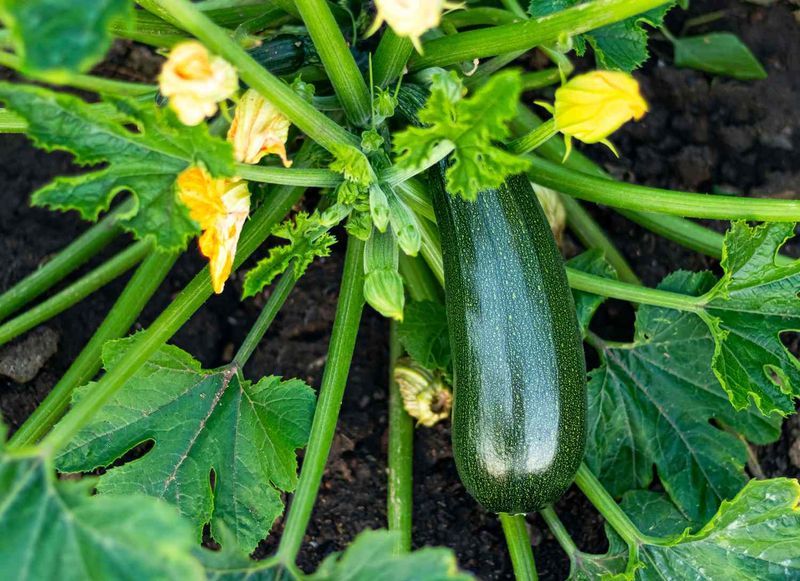
Zucchini grows so vigorously in Texas heat that gardeners often joke about having too much of this prolific squash. While zucchini produces well in many climates, Texas heat actually extends its productive season when you plant heat-tolerant varieties.
Plant zucchini seeds during the waxing moon for the strongest vine growth and earliest fruit production.
Direct seed zucchini into your Texas garden after the last frost date when soil temperatures reach at least 65 degrees. Plant seeds one inch deep, spacing them 24 to 36 inches apart in rows or hills.
Zucchini develops large leaves and needs adequate space for good air circulation, which helps prevent powdery mildew problems common in Texas humidity.
Choose varieties bred for heat tolerance and disease resistance. Many standard zucchini varieties slow production when temperatures exceed 95 degrees, but newer heat-tolerant types keep producing throughout Texas summers.
Plant in full sun locations with rich, well-draining soil amended with plenty of compost.
Water deeply and consistently, providing about one inch per week through rainfall or irrigation. Zucchini has shallow roots and needs regular moisture to support its rapid growth and heavy fruit production.
Mulch around plants to conserve moisture and keep soil temperatures more moderate during extreme heat.
Harvest zucchini when fruits reach six to eight inches long for the best flavor and texture. Check plants daily during peak production because fruits grow remarkably fast in Texas heat.
Regular harvesting encourages continued flowering and fruit set. One or two plants usually provide plenty of zucchini for most Texas families throughout the summer growing season.