21 Heat-Loving Ground Covers That Thrive And Spread All Summer
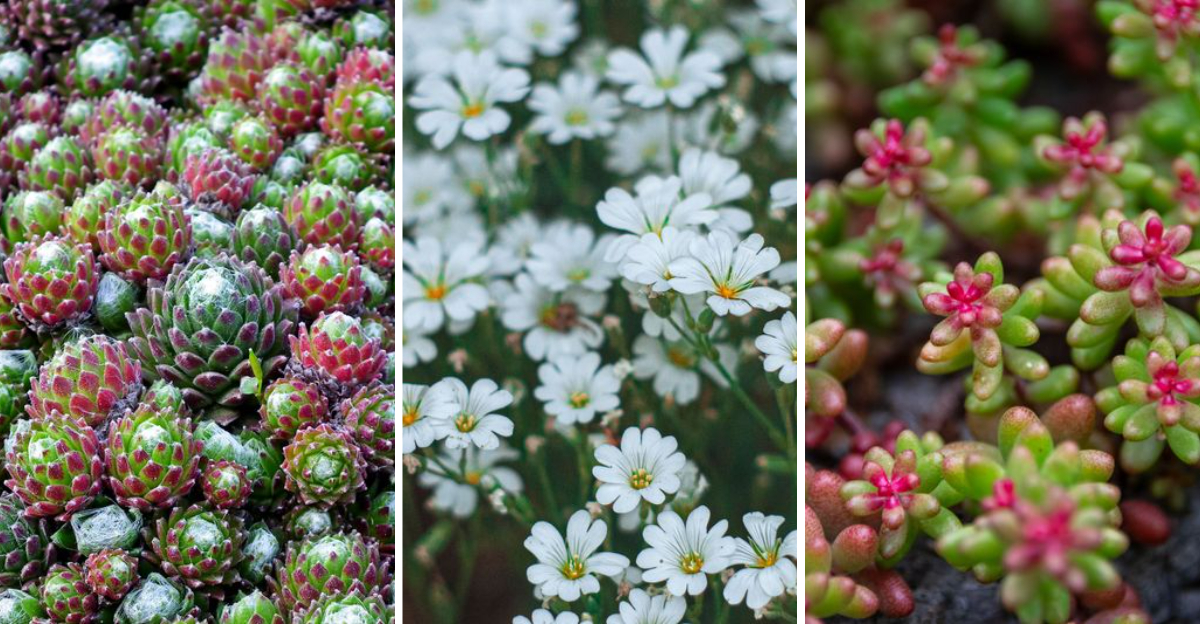
Heat can quietly outsmart your entire garden plan. Ordinary plants struggle when temperatures climb without mercy. Soil turns dry, dense, and quite stubborn by midafternoon.
Many gardeners feel quite discouraged and reach for extra water. Smart growers choose ground covers built for endurance instead. These plants do not fade, they multiply.
Sunlight becomes an advantage instead of a challenge. Roots spread sideways, gripping loose earth and holding it together.
Slopes stop shifting almost immediately under proper coverage. Weeds lose their foothold entirely. Color spreads where nothing else thrives.
Texture builds where grass once struggled. Gardeners everywhere are quietly switching strategies this season.
Nothing about this approach feels ordinary or timid. Everything here moves, spreads, and claims new ground constantly. Stubborn heat becomes your greatest gardening advantage this year.
Results appear much faster than expected, without extra effort required. You cannot look away now, because everything ahead reshapes how you garden forever.
1. Creeping Thyme
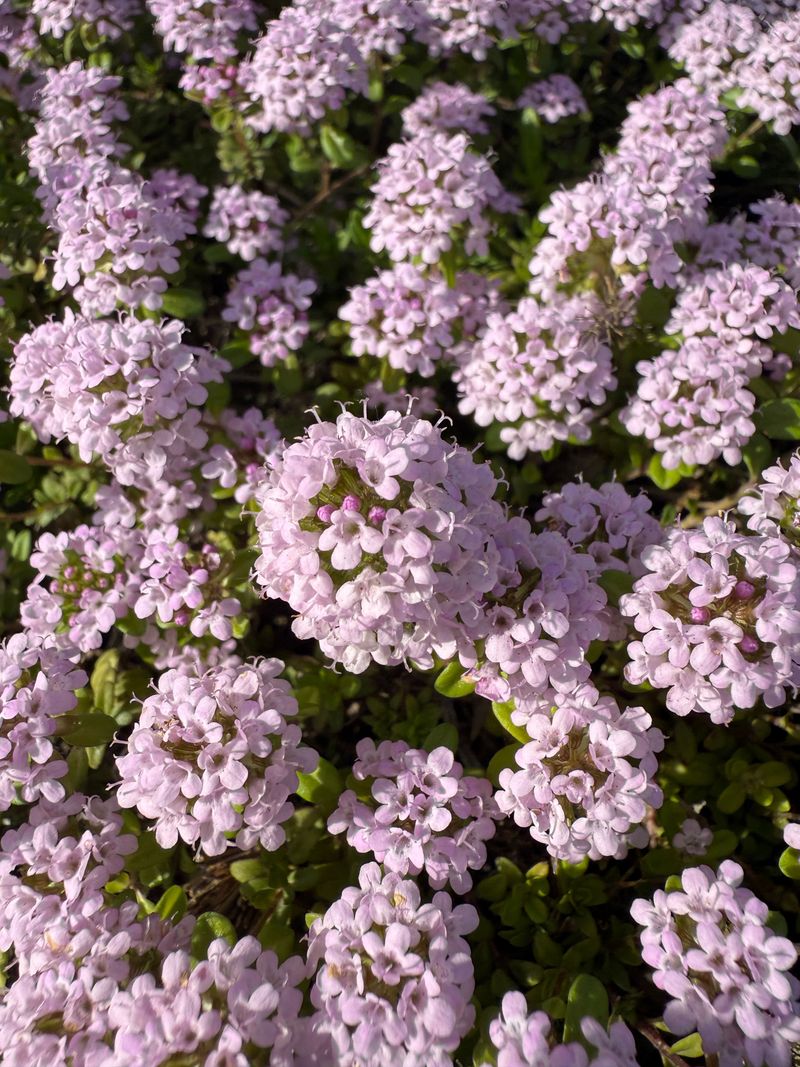
Creeping thyme is the overachiever of heat-loving ground covers. It tolerates drought well, withstands foot traffic, and blooms with tiny purple flowers in summer.
Plant it between stepping stones or along a sunny border. It spreads steadily and smells amazing when you brush against it.
Bees go absolutely wild for the blossoms. Give it full sun and lean soil, and this low grower will reward you with a carpet of color all season long.
2. Ice Plant
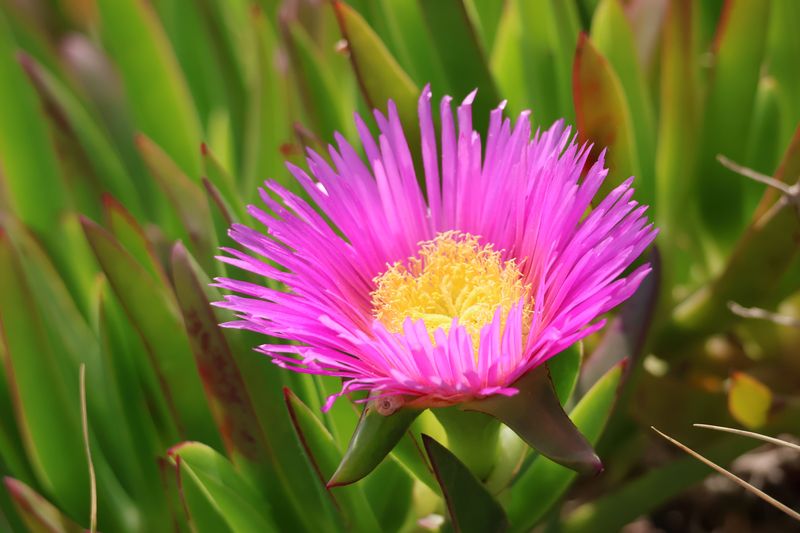
Few plants put on a show like ice plant in full summer sun. The daisy-like blooms in hot pink, orange, and yellow practically glow against the green foliage.
Ice plant thrives in sandy, well-drained soil where other plants struggle. It is drought-tolerant and spreads quickly along slopes and dry embankments.
Originating from South Africa, this tough ground cover handles coastal winds and searing heat without missing a beat. Plant it once, and it will fill the space faster than you expect.
3. Sedum
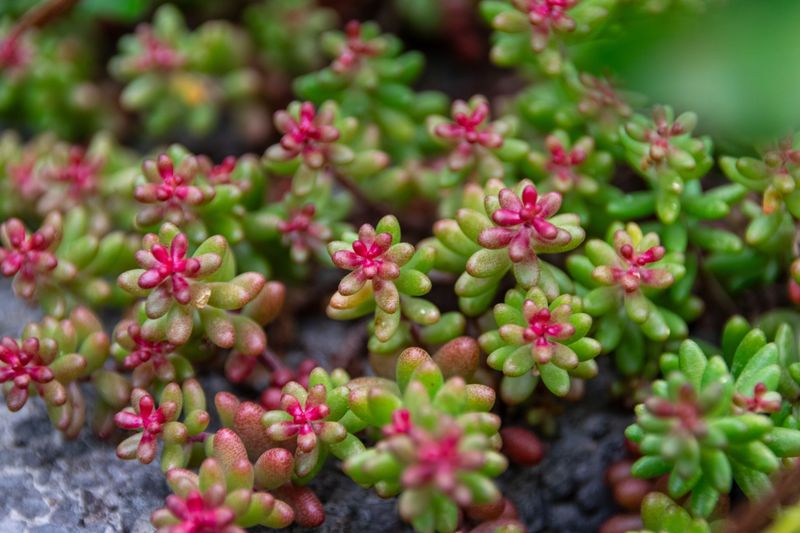
Sedum earned the nickname stonecrop because it grows where stones are. Rocky, dry, and blazing hot? That is its happy place.
Dozens of varieties exist, from golden mounds to red-tipped rosettes. Most spread by sending out new shoots that root wherever they touch soil.
One underrated trick: break off a piece and press it into bare soil. It will root and spread on its own.
Sedum is one of those heat-loving ground covers that asks for almost nothing and gives back a whole lot of beauty.
4. Moss Rose
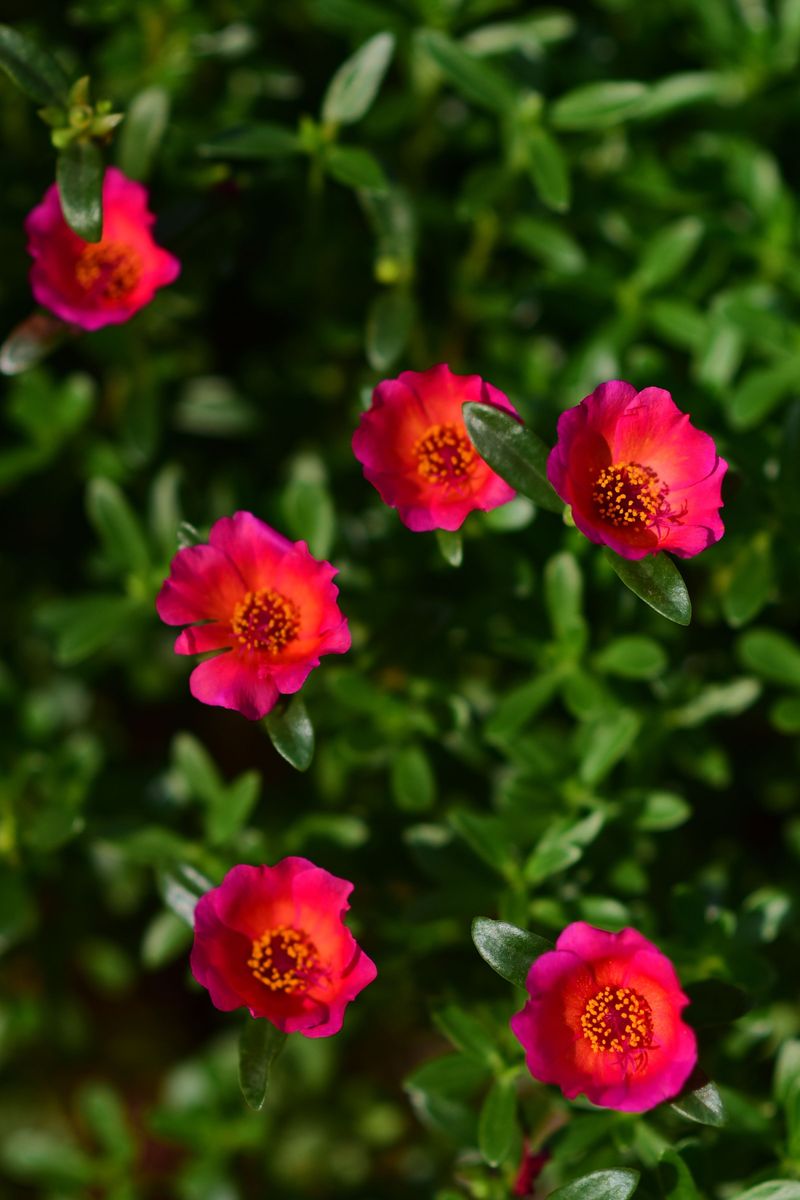
Moss rose is the plant that blooms harder the hotter it gets. Sandy soil, full sun, and little rain? No problem for this summer superstar.
The flowers close at night and pop back open each morning in shades of red, orange, yellow, and pink. It self-seeds generously, so expect more plants every year.
Gardeners in hot climates often call portulaca their secret weapon. It is fast-spreading, cheerful, and almost impossible to mess up, making it a top pick among heat-loving ground covers for beginners and pros alike.
5. Lantana
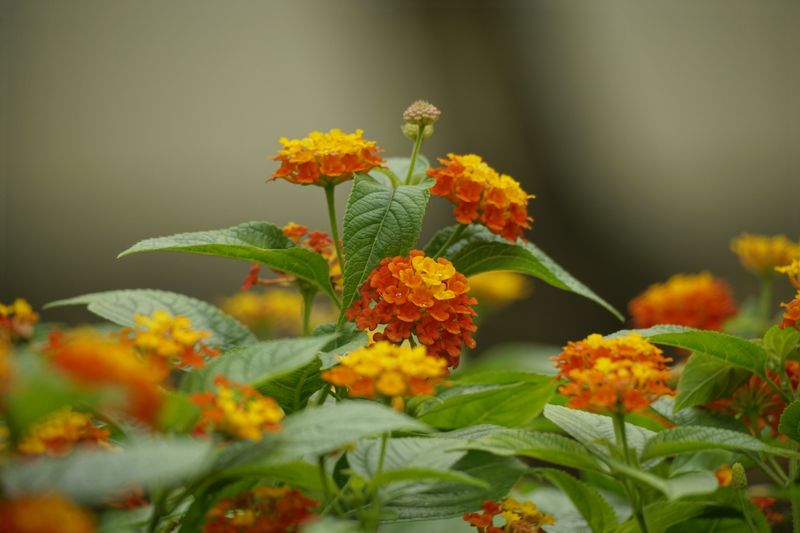
Lantana is basically unstoppable once summer arrives. It spreads quickly, blooms in clusters of fire-toned flowers, and butterflies cannot resist it.
The trailing varieties work perfectly as ground cover on slopes or in large open beds. Heat only makes lantana more determined to grow.
Fun fact: lantana changes flower color as blooms age, giving each cluster a multicolored look. Avoid planting it near edible gardens since the berries are toxic.
For pure summer impact, though, few spreading plants can match lantana’s bold energy and rapid coverage.
6. Verbena
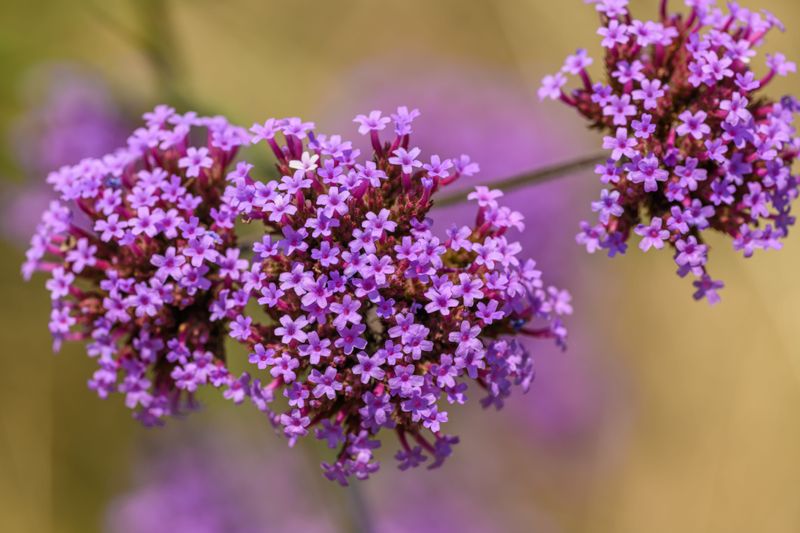
Trailing verbena spreads quickly in multiple directions. Stems reach outward in every direction, rooting as they go and creating a dense, flower-covered mat.
It blooms from spring straight through fall, with little clusters of purple, pink, red, or white blossoms. Full sun and moderate water keep it at its best.
Verbena pairs beautifully with other heat-loving ground covers in mixed plantings. Removing spent blooms encourages even more flowers.
If you want a ground cover that never takes a summer break, verbena deserves a spot in your yard.
7. Vinca
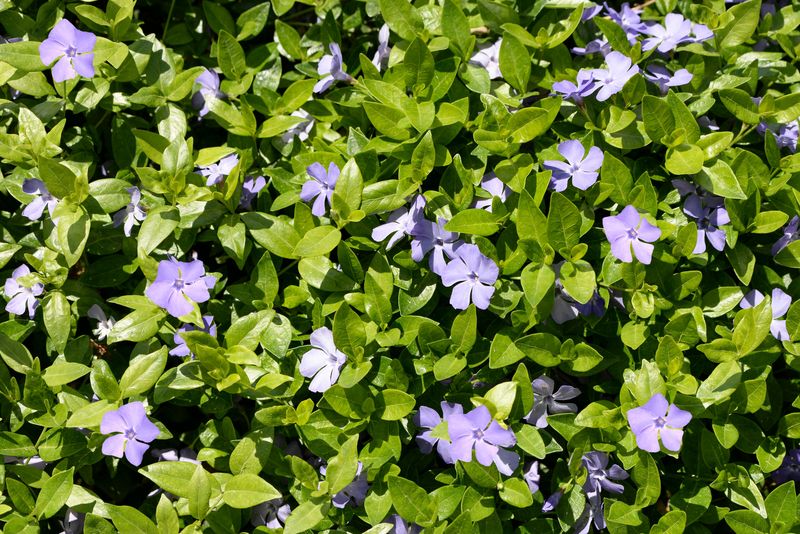
Vinca is the reliable performer of shady and partly sunny spots. It spreads by sending out long runners that root at each node, doubling its coverage fast.
The glossy leaves stay green even in summer heat, and the periwinkle-blue flowers add a soft pop of color. It handles drought and poor soil better than most.
One thing to know: vinca can spread beyond its boundaries if left unchecked. Trim the edges each season to keep it contained. As heat-loving ground covers go, vinca offers reliable beauty with very little fuss involved.
8. Creeping Phlox
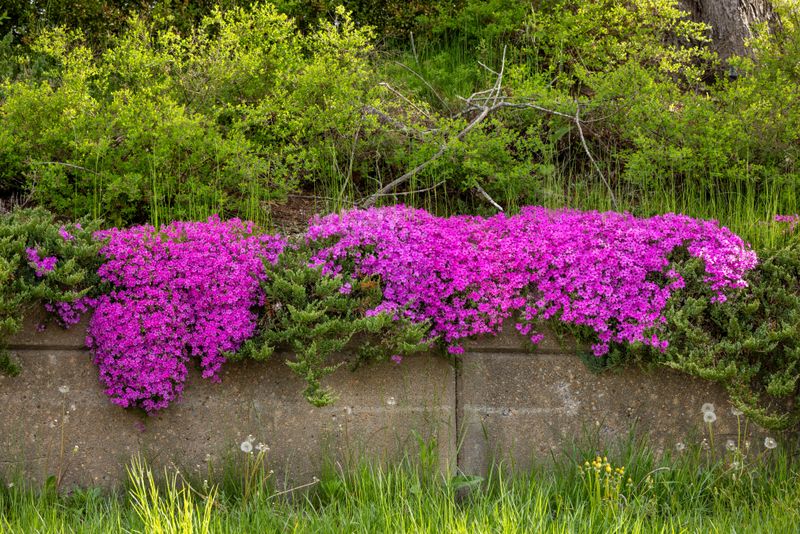
Creeping phlox puts on its biggest show in spring, but it earns its keep all summer long as a spreading, mat-forming ground cover. The foliage stays dense and tidy even after the blooms fade.
It handles full sun and rocky or sandy soil without complaint. Slopes and retaining walls are where creeping phlox truly shines.
After flowering, give it a light trim to encourage compact growth. By midsummer, the plant spreads noticeably wider than it was in spring.
Gardeners who want year-round coverage with a spectacular seasonal bloom should put creeping phlox at the top of their list.
9. Sweet Potato Vine
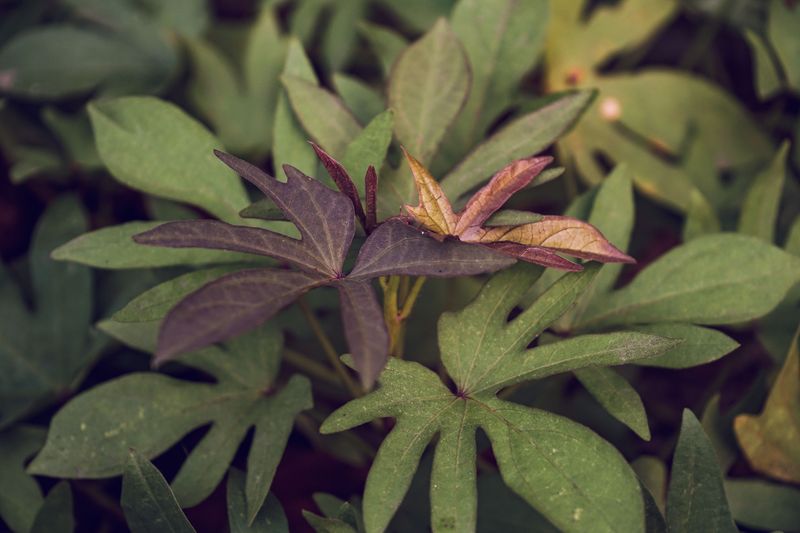
Sweet potato vine is a summer showoff that grows faster than most people expect. In hot weather, the vines can spread several feet in just a few weeks.
The heart-shaped leaves come in deep purple, bright lime green, or bronze, giving you bold color without a single flower. It thrives in containers, raised beds, or open garden spaces.
Pull back the vines occasionally to redirect growth. At the end of the season, some varieties may produce small tubers underground, though most ornamental types aren’t bred for eating.
Among heat-loving ground covers, sweet potato vine offers the most strong visual impact for the least amount of effort.
10. Lamb’s Ear
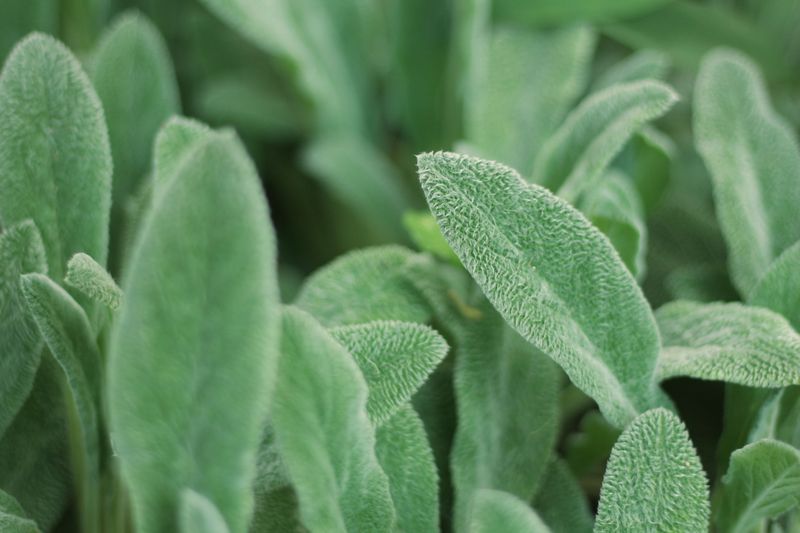
Running your hand across lamb’s ear leaves feels like petting a velvet cushion. The silver-gray foliage spreads steadily through summer, creating a soft, woolly mat that reflects heat beautifully.
It handles poor, dry soil without fuss and prefers good drainage over moisture. Full sun brings out the best silver color in the leaves.
Lamb’s ear rarely needs fertilizer and resists most pests. The fuzzy coating on each leaf actually repels water, helping the plant survive dry spells.
For gardeners who want texture and toughness in equal measure, this is a ground cover worth knowing.
11. Creeping Jenny
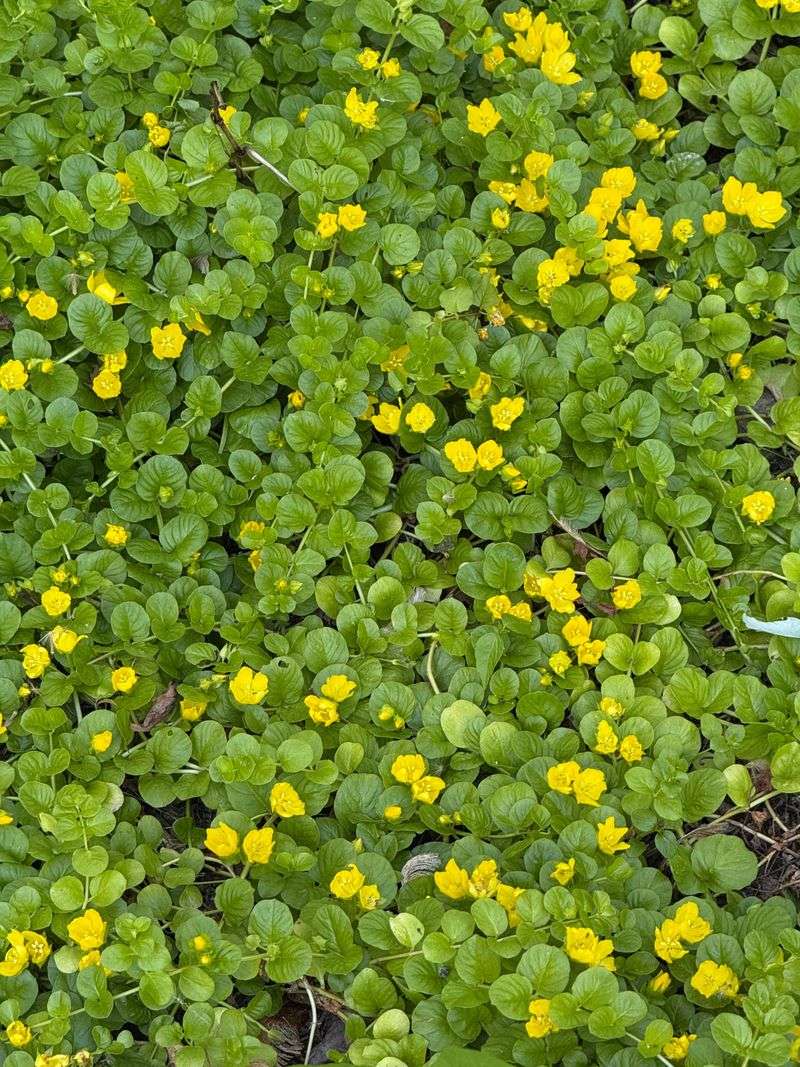
Creeping Jenny moves fast once warm weather arrives. The bright chartreuse or golden leaves spill over edges, cascade down slopes, and fill bare ground with cheerful color.
It grows best in moist soil but adapts to average conditions in summer heat. Partial shade keeps the color vivid; too much full sun can fade the leaves slightly.
This plant is especially stunning near water features or along pathways where it can drape naturally. Pair it with darker foliage plants for maximum contrast.
Creeping Jenny is one of those heat-loving ground covers that makes a garden look professionally designed with minimal effort.
12. Dichondra

Dichondra is the underdog of ground covers that deserves way more attention. The silver variety, in particular, creates a shimmering carpet that reflects sunlight and looks almost metallic.
It spreads quickly in summer heat and handles drought with ease. Full sun and sandy or loamy soil are all it needs to take off.
Silver dichondra also works beautifully in hanging baskets, where it cascades like a waterfall of tiny coins. In garden beds, it fills gaps between larger plants naturally.
If you want something unexpected and striking, dichondra brings a level of elegance that most ground covers simply cannot match.
13. Trailing Rosemary
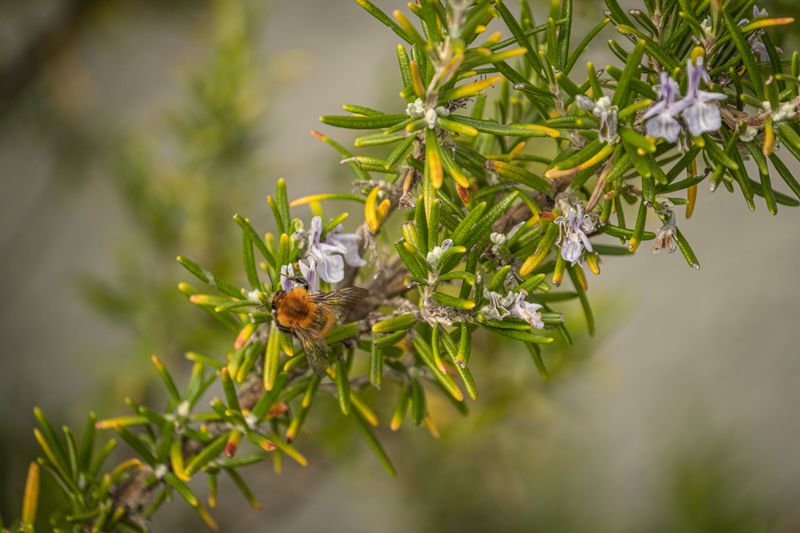
Trailing rosemary is where function meets beauty in the most fragrant way possible. Unlike upright rosemary, the trailing variety spreads horizontally, making it ideal for slopes, walls, and open beds.
It handles blazing summer heat, poor soil, and long dry stretches without skipping a beat. The blue flowers appear in waves throughout the warm months, attracting bees constantly.
Brush against it while gardening and the whole area fills with that classic herbal scent. Trailing rosemary also works as a living mulch, shading the soil and reducing moisture loss. For edible and ornamental gardens alike, this plant delivers on every level.
14. Bermuda Grass

Bermuda grass has a reputation for being aggressive, and honestly, that reputation is well earned. In summer, it spreads by both above-ground runners and underground rhizomes, doubling coverage at a remarkable pace.
It handles foot traffic, heat, and drought better than most other turf options. Full sun is non-negotiable; shade will thin it out quickly. For lawns, sports fields, or large open areas, Bermuda grass is a popular, durable choice.
Keep it edged regularly or it will creep into flower beds without hesitation. Among heat-loving ground covers, nothing spreads faster or recovers from stress more reliably than Bermuda grass.
15. Purslane
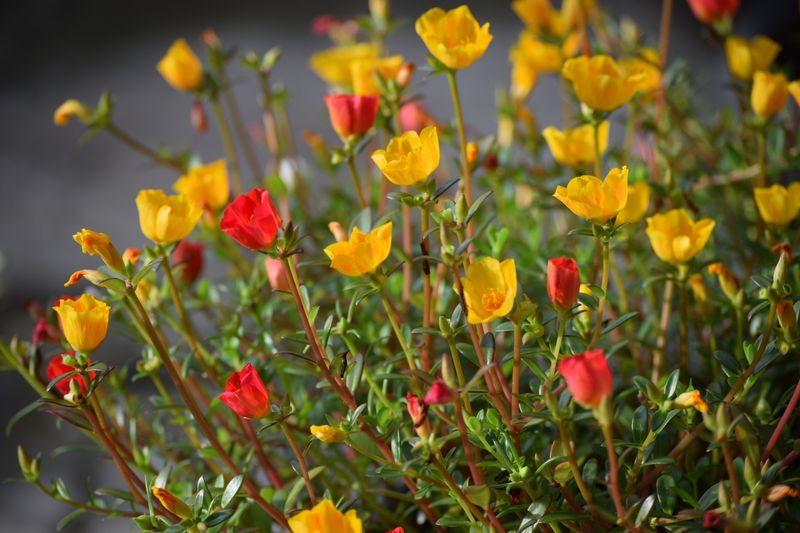
Purslane might surprise you. Most gardeners spend their summers pulling it out, not realizing it is actually a nutrient-packed edible plant with gorgeous flowers.
The ornamental varieties come in pink, orange, red, and yellow blooms that open wide in full sun. It spreads fast across bare soil and handles extreme heat without wilting.
Purslane is loaded with omega-3 fatty acids, making it one of the more nutritious plants you’ll find growing wild.
Use ornamental types in garden beds and enjoy edible types in salads. Either way, this summer spreader is worth a second look from anyone who wants coverage fast.
16. Blue Star Creeper
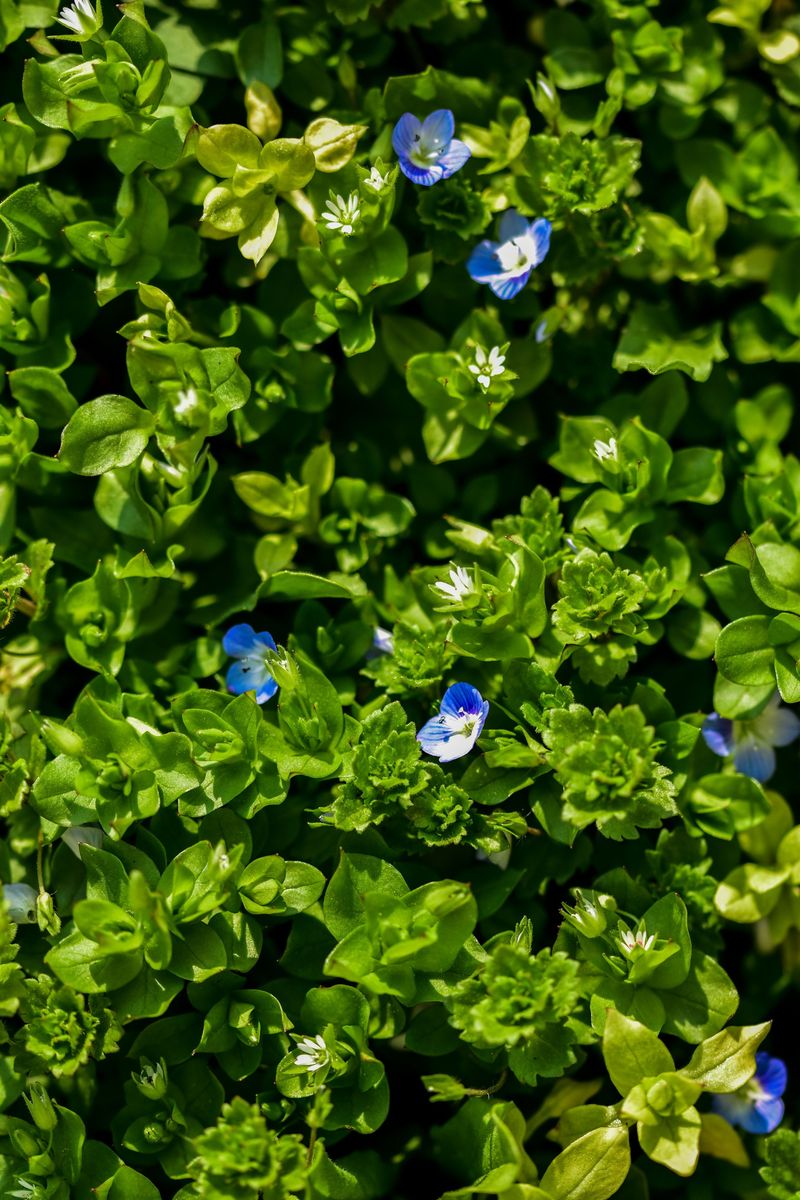
Blue star creeper is small in size but massive in charm. The tiny star-shaped blue flowers appear in waves all summer long, creating a delicate carpet between pavers and stones.
It handles moderate foot traffic and spreads steadily without becoming invasive. Partial sun to full sun works well, and it adapts to a range of soil types.
Plant it between stepping stones for a cottage-garden look that practically maintains itself. Blue star creeper stays low, rarely exceeding two inches in height.
For gardeners who want something subtle and sweet rather than bold and dramatic, this little spreader is a hidden gem.
17. Snow-In-Summer
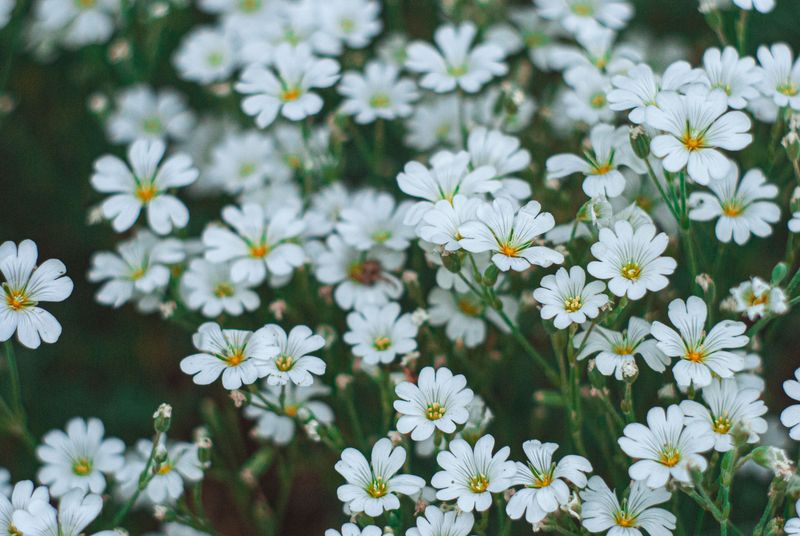
Snow-in-summer is named for the blanket of white blooms that covers the plant like fresh snowfall in late spring and early summer.
It spreads quickly in full sun and thrives in dry, rocky, or sandy soil. Poor drainage is its only real enemy.
Trim it back after flowering to encourage a second flush of blooms and keep the mat compact. Snow-in-summer looks spectacular tumbling over rock walls or filling in sunny borders.
Among heat-loving ground covers, few offer this level of visual drama in such a low-maintenance package.
18. Hens And Chicks
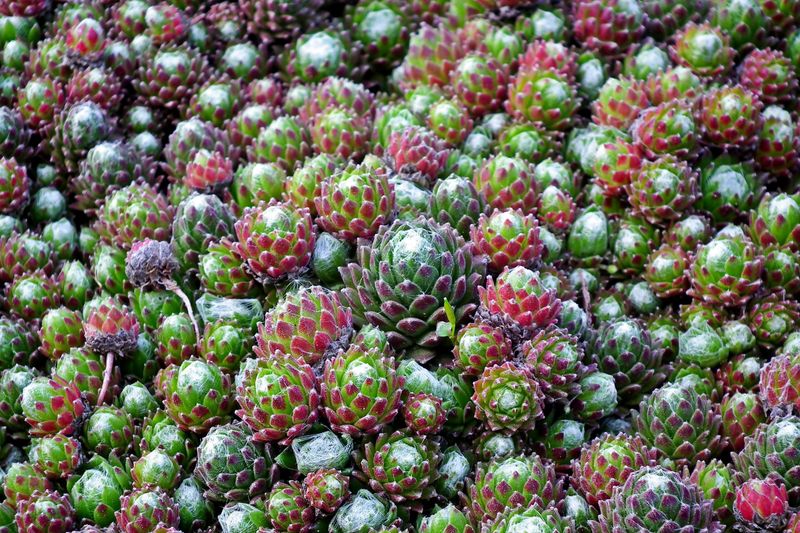
Hens and chicks multiply like they are trying to win a contest. Each mother rosette, the hen, produces a ring of smaller offsets, the chicks, that spread outward and root independently.
They thrive in hot, dry conditions and look incredible in rock gardens or gravel beds. The rosettes come in green, red, purple, and silver tones depending on the variety.
Summer heat actually intensifies the colors in many cultivars. These succulents need almost no water once established and rarely require fertilizer.
For anyone building a low-water, high-style garden, hens and chicks are an absolute must-have spreading plant.
19. Ajuga
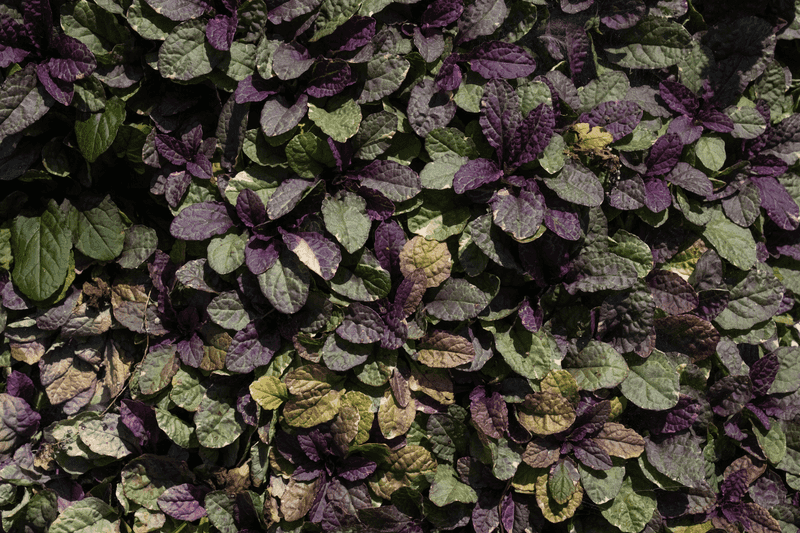
Ajuga is the ground cover that thrives where others struggle. Shade, heat, dry spells, and even foot traffic barely slow it down. The deep purple or bronze foliage stays colorful all season.
Blue flower spikes rise up in spring and early summer, drawing pollinators to the garden. After blooming, the plant focuses its energy on spreading wider.
Ajuga spreads by runners that root quickly, making it one of the faster-spreading options on this list. Use it under trees or along shaded borders where grass refuses to grow. This tough little plant fills problem areas with surprising elegance and speed.
20. Silver Ponyfoot
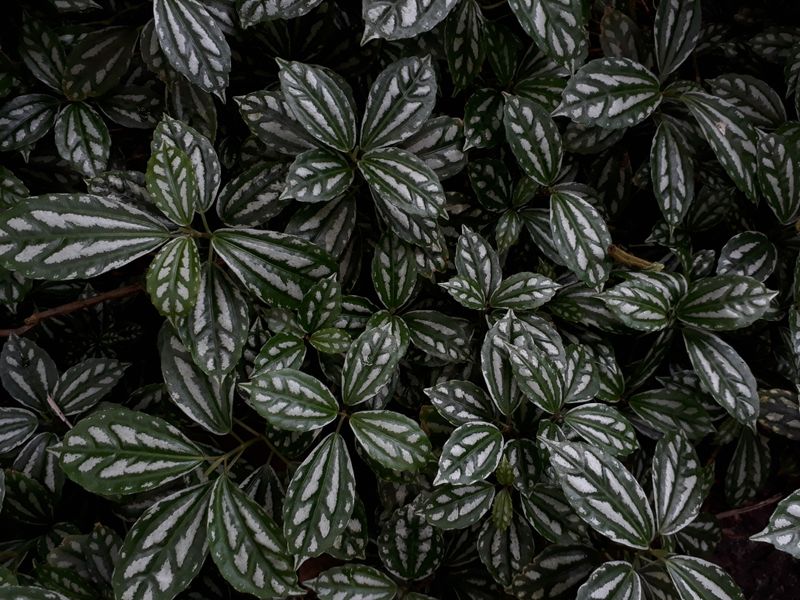
Silver ponyfoot looks like it belongs in a fairy garden. The small, round, silver-coated leaves shimmer in sunlight and cascade beautifully over walls, containers, and garden edges.
It spreads rapidly in summer heat and handles drought without drama. Full sun brings out the most intense silver coloring in the foliage.
Pair silver ponyfoot with bold, dark-leaved plants for a striking contrast that catches every eye. It is also a natural conversation starter when guests notice that unusual metallic ground cover spilling across your garden.
Among heat-loving ground covers, silver ponyfoot is one of the most underrated and visually rewarding choices available.
21. Gazania
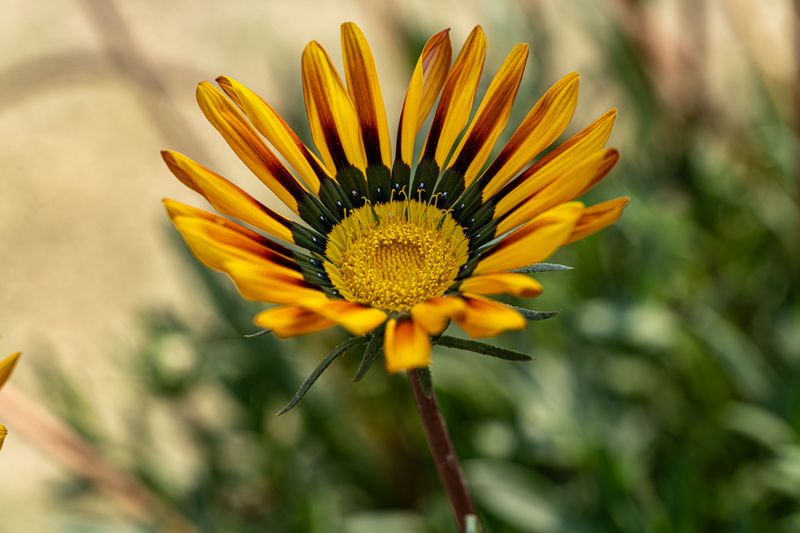
Gazania blooms like it is putting on a performance. The large, daisy-shaped flowers in vivid shades of orange, yellow, red, and pink open wide in full sun and close at night like clockwork.
It spreads through clumping growth and self-seeding, filling bare areas over time. Hot, dry conditions are exactly what gazania prefers to grow its best.
Native to South Africa, gazania was built for sun-baked summers. It pairs well with other heat-loving ground covers in mixed beds for a layered, colorful effect.
If your garden needs a bold, cheerful statement plant that handles summer like a pro, gazania delivers every single time.