9 Heat-Loving Vegetables For South Florida Summers
Step outside in a South Florida summer and the air feels thick before breakfast. The sun rises blazing, humidity clings to everything, and many backyard gardens wave the white flag by July.
Tomatoes fade, lettuce bolts, and peppers stall in the swelter. Yet this intense season is not a lost gardening season.
It is prime time for crops that crave blazing light, steamy afternoons, and warm soil that never cools down. South Florida offers a long, tropical growing window that rewards bold plant choices.
Heat-loving vegetables surge with energy during months that defeat traditional varieties. Strong vines stretch fast, glossy leaves stay lush, and harvest baskets fill when northern gardens struggle.
Success comes from choosing crops built for relentless sunshine and soaking summer rains.
Plant the right varieties and your garden transforms into a thriving, productive oasis even at the height of hurricane season.
Ready to grow through the hottest months of the year?
1. Plant Okra For Nonstop Summer Harvests
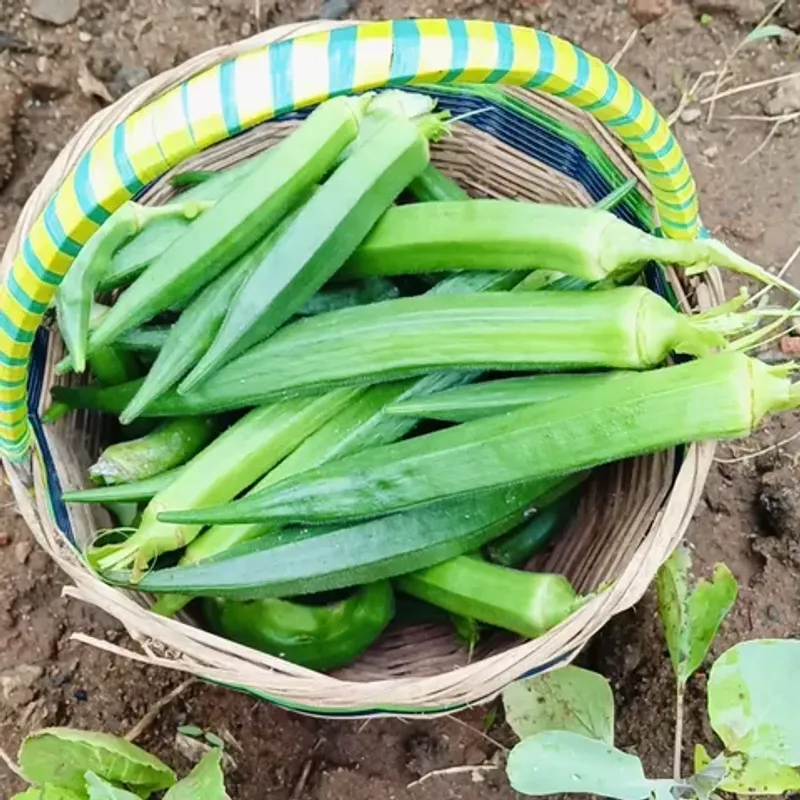
Few vegetables match okra’s enthusiasm for brutal summer heat. This African native actually performs better when temperatures soar into the 90s, producing tender pods at a pace that can overwhelm unprepared gardeners.
University of Florida IFAS Extension notes that okra thrives when soil temperatures reach at least 65 degrees, which happens reliably across South Florida by late March or early April.
Sandy soil requires some amendments before planting. Mix in compost to improve moisture retention, since okra needs consistent watering despite its drought tolerance.
Space plants about 12 to 18 inches apart in rows, giving them room to develop the strong root systems that support their impressive height.
Harvest becomes a daily ritual once pods start forming. Cut them when they reach 3 to 4 inches long, before they turn woody and fibrous.
Frequent picking signals the plant to produce more flowers and pods, keeping your harvest going strong through October.
Watch for stink bugs and aphids, common pests in humid South Florida summers. Inspect plants regularly and remove any damaged leaves to maintain good airflow.
The plants can grow 6 feet tall or more, creating an edible privacy screen that actually benefits from Miami’s intense sunshine and afternoon thunderstorms.
2. Grow Southern Peas That Thrive In Heat
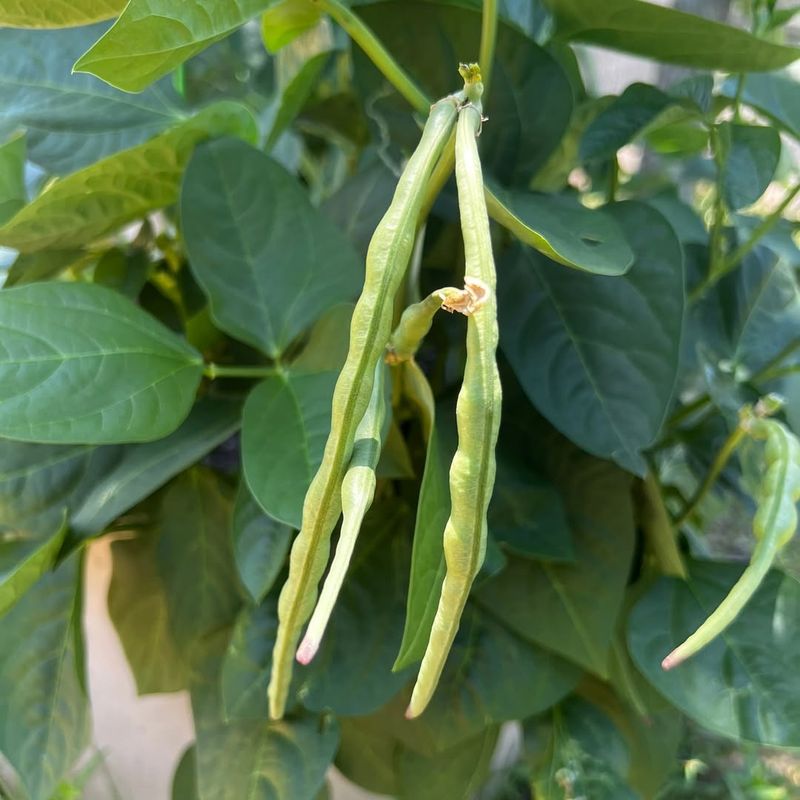
Cowpeas represent one of the most reliable warm-season crops for South Florida gardens. These legumes actually prefer temperatures that send other vegetables into decline, making them ideal companions for okra during the brutal summer months.
Their ability to fix nitrogen in sandy soil provides a bonus benefit, improving soil quality while producing edible pods and nutritious shelled peas.
Plant cowpeas from March through August in South Florida, spacing seeds about 3 to 4 inches apart. They germinate quickly in warm soil and establish deep roots that help them withstand both drought and the heavy afternoon rains common in Fort Lauderdale and Naples.
Bush varieties work well in smaller spaces, while pole types can climb trellises to save garden real estate.
University of Florida IFAS Extension recommends varieties like California Blackeye and Pinkeye Purple Hull for their reliable performance in humid conditions. These cultivars resist many common diseases that plague beans in wet weather, though good air circulation still helps prevent fungal issues.
Harvest pods when they reach full size but before they become overly mature and tough. Young pods can be eaten whole like snap beans, while mature seeds make excellent dried peas for cooking.
The plants continue producing for months if you keep them picked regularly and maintain consistent moisture during dry spells.
3. Add Calaloo For Greens That Love Humidity
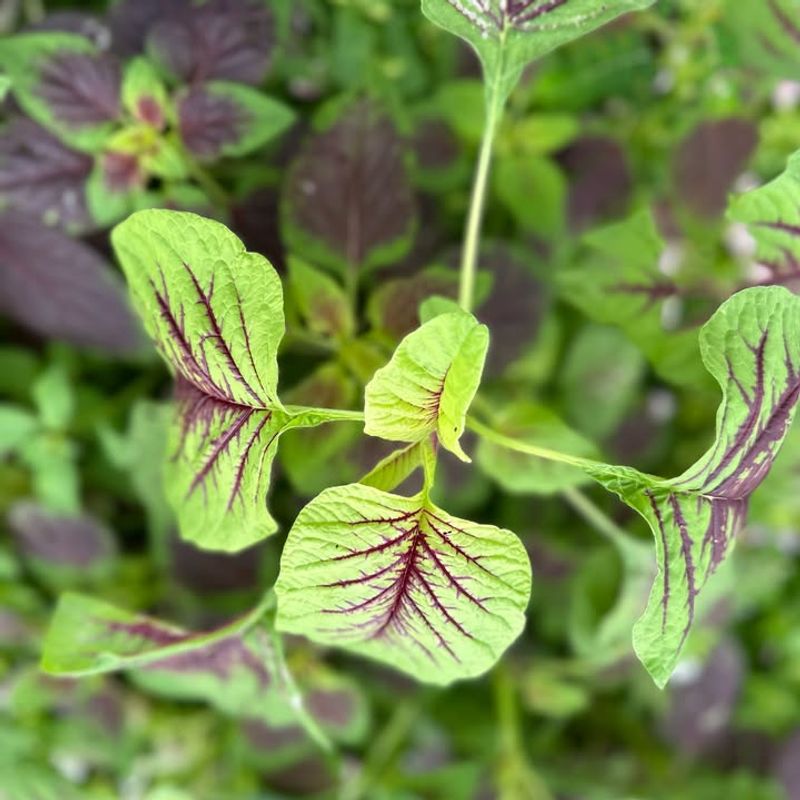
Amaranth varieties grown as calaloo offer the leafy greens that lettuce and spinach simply cannot provide during South Florida summers. These fast-growing plants actually appreciate the humidity that causes other greens to rot, producing tender leaves that taste similar to spinach with a slightly earthy flavor.
While lettuce wilts in West Palm Beach’s June heat, calaloo flourishes and keeps producing through September.
Seeds germinate within days when soil temperatures stay warm, and plants reach harvestable size in just three to four weeks. This quick turnaround lets you succession plant every two weeks for a continuous supply of fresh greens.
Scatter seeds thinly in rows or blocks, then thin seedlings to about 6 inches apart once they develop true leaves.
Harvest by pinching off the top 6 to 8 inches of young stems and leaves. This cut-and-come-again approach encourages branching and your harvest period significantly.
Plants can reach 3 feet tall if left unharvested, eventually producing seed heads that will scatter thousands of seeds across your garden.
Prevent excessive reseeding by harvesting before flowers form, or by pulling entire plants once they start to bolt. The seeds remain viable in soil for years, so stay vigilant about removing unwanted seedlings.
Regular harvesting keeps plants compact and productive throughout the summer growing season.
4. Start Sweet Potatoes For Easy Summer Growth
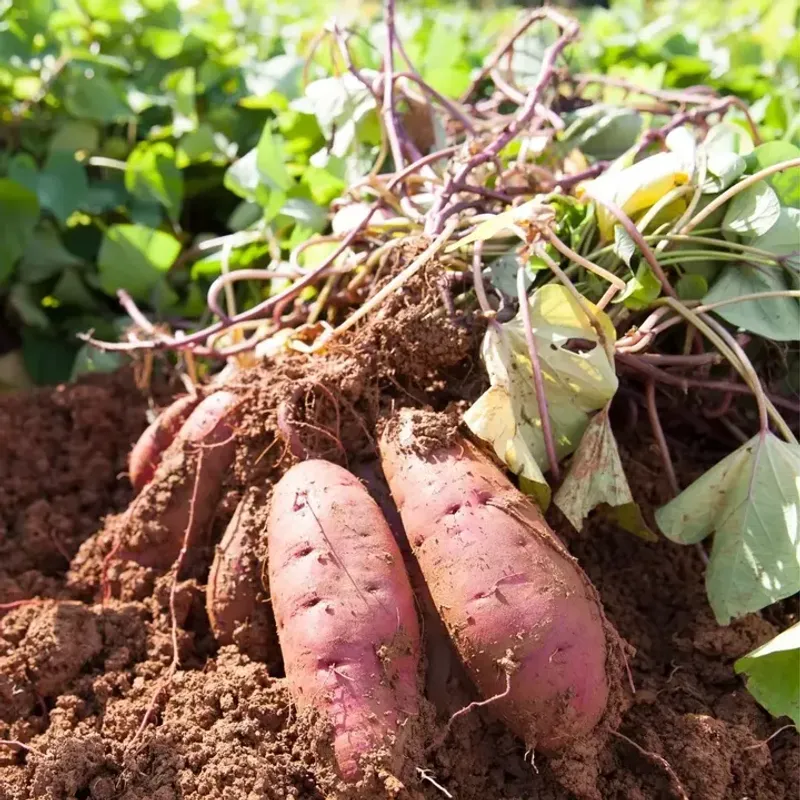
Sweet potatoes need South Florida’s long, hot growing season to develop their underground tubers fully. Unlike Irish potatoes that prefer cooler weather, sweet potatoes actually demand heat and have no problem with the extended warm period from spring through fall.
The vines provide edible greens as a bonus crop while the roots slowly swell beneath sandy soil.
Start with certified slips rather than grocery store tubers, which often carry diseases or have been treated to prevent sprouting. Plant slips from March through June, burying the roots and lower stem while leaving several leaves above soil level.
Space plants about 12 inches apart in raised rows or mounds that improve drainage during heavy summer rains.
The vines spread aggressively, sometimes covering 20 square feet or more per plant. University of Florida IFAS Extension suggests giving them plenty of room or training them onto trellises if space is limited.
Young leaves and growing tips make excellent cooked greens, and regular harvesting helps control vine spread without harming tuber development.
Sweet potatoes typically need 100 to 120 days to mature, though you can harvest smaller tubers earlier if needed. Watch for yellowing leaves in fall as a sign that tubers have reached full size.
Cure freshly dug roots in warm, humid conditions for about 10 days to improve their sweetness and storage life.
5. Keep Eggplant Producing In Hot Weather
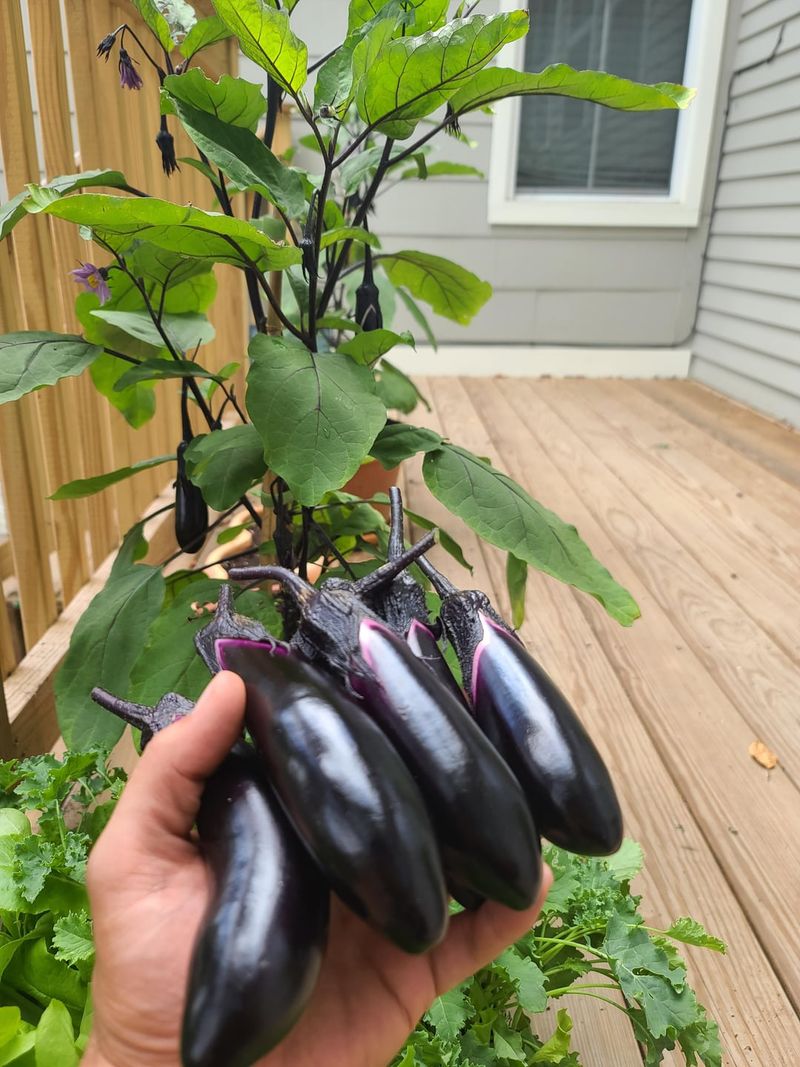
Eggplant handles South Florida’s summer heat far better than its relatives tomatoes and peppers. The plants actually increase fruit production when temperatures climb, making them one of the most reliable warm-season crops from Miami to Naples.
Choose varieties specifically suited to humid conditions, such as Asian types that resist the fungal diseases common in Florida’s wet summers.
Plant seedlings after the last spring cold snap, typically by March in most of South Florida. Amend sandy soil with compost and ensure good drainage, since eggplants need consistent moisture but hate waterlogged roots.
Space plants about 24 inches apart to allow air circulation, which helps prevent fungal issues during humid weather.
Flowers pollinate successfully even in high humidity, unlike tomatoes that often drop blossoms when conditions get too hot and muggy. Stake plants to keep fruit off the ground and improve airflow around leaves and stems.
This simple step dramatically reduces disease problems during afternoon thunderstorms.
Feed plants every three to four weeks with a balanced fertilizer to support continuous fruiting. University of Florida IFAS Extension recommends harvest when fruits reach full color but before skin becomes dull, indicating overmaturity.
Regular picking encourages more flower production and extends your harvest well into fall. Watch for flea beetles early in the season, covering young plants with row covers if these tiny pests become problematic.
6. Train Yardlong Beans For Big Summer Yields
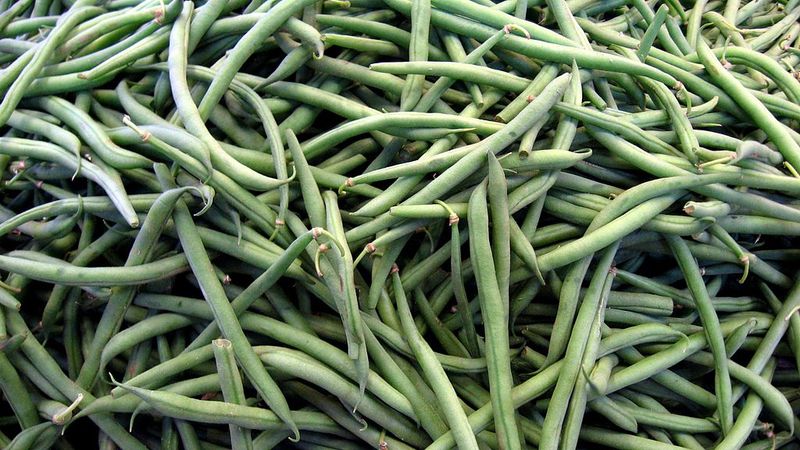
Yardlong beans outperform traditional bush beans in South Florida’s summer heat by a wide margin. These Asian climbing beans actually prefer the hot, humid conditions that cause snap beans to struggle, producing long, slender pods continuously from June through September.
Growing them vertically on sturdy trellises maximizes garden space while improving air circulation around the vines.
Install supports before planting, using stakes, poles, or fencing at least 6 feet tall. The vigorous vines climb readily and can reach 8 to 10 feet in ideal conditions.
Sow seeds directly in the garden after soil warms thoroughly, spacing them about 6 inches apart along the base of your trellis.
Pods develop quickly once flowering begins, sometimes reaching 18 inches or longer. Harvest them when they’re about pencil-thick and still tender, typically around 12 to 15 inches long.
Waiting too long results in tough, stringy beans that lose their sweet flavor and crisp texture.
Monitor plants for signs of fungal diseases, which can develop during extended rainy periods common in Fort Lauderdale and West Palm Beach. Remove any yellowing leaves promptly and avoid overhead watering when possible.
The beans continue producing for months if you maintain consistent harvesting and provide support for the heavy vines laden with pods. Their heat tolerance and disease resistance make them far superior to bush beans during Florida summers.
7. Grow Hot Peppers That Love Florida Heat
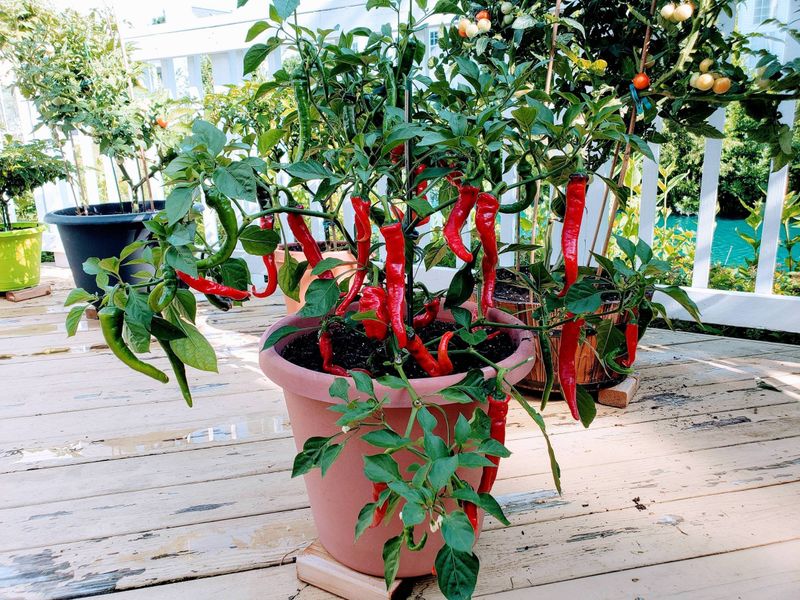
Tropical pepper varieties excel in South Florida’s summer conditions in ways that bell peppers simply cannot match. Habaneros, Thai chiles, and other hot types actually originate from regions with similar heat and humidity, making them perfectly adapted to Miami’s climate.
They continue setting fruit throughout summer while sweet peppers often struggle with blossom drop during the hottest months.
Plant seedlings in spring once nighttime temperatures stay consistently above 60 degrees. Sandy soil needs amendment with organic matter to retain moisture, since peppers require even watering to prevent blossom end rot and bitter-tasting fruits.
Space plants about 18 inches apart in full sun locations.
Consistent moisture becomes critical during summer’s heat. Water deeply two to three times weekly, adjusting based on rainfall and soil conditions.
Mulch around plants to conserve moisture and keep roots cooler during intense afternoon sun.
University of Florida IFAS Extension notes that extreme heat above 95 degrees can cause temporary blossom drop even in heat-tolerant varieties. Provide afternoon shade during the absolute hottest weeks if possible, or accept a brief slowdown in fruit set during peak summer.
Production picks up again as temperatures moderate slightly in late summer and fall. The plants often continue producing well into winter across South Florida, giving you months of fresh hot peppers from a single planting.
8. Plant Seminole Pumpkin For A Tough Summer Vine
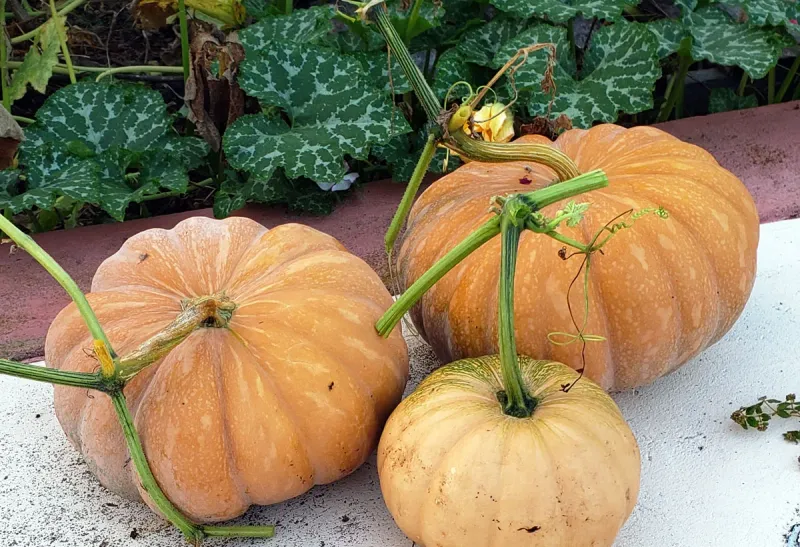
Seminole pumpkin represents a true Florida heirloom, cultivated by indigenous peoples for centuries before European contact. This remarkable squash thrives in conditions that devastate other cucurbits, showing remarkable resistance to squash vine borers and other pests that plague zucchini and butternut squash.
The vigorous vines tolerate extreme heat, humidity, and even occasional flooding during summer thunderstorms.
Give these sprawling plants plenty of space, as a single vine can easily cover 100 square feet or more. Plant seeds directly in garden soil from March through July, placing three to four seeds per hill and thinning to the strongest two seedlings.
Hills should be spaced at least 6 feet apart in all directions.
The plants essentially take care of themselves once established. They climb trees, fences, or anything else in their path while producing small to medium-sized pumpkins with sweet, dense orange flesh.
University of Florida IFAS Extension notes their exceptional pest resistance compared to commercial squash varieties, making them ideal for organic gardens.
Harvest pumpkins when the stem begins to dry and the fruit develops a hard rind that resists fingernail pressure. Cure them in a warm, dry location for two weeks to improve flavor and storage life.
Properly cured Seminole pumpkins keep for months without refrigeration, providing a taste of summer well into winter across South Florida.
9. Choose Malabar Spinach For Heatproof Greens
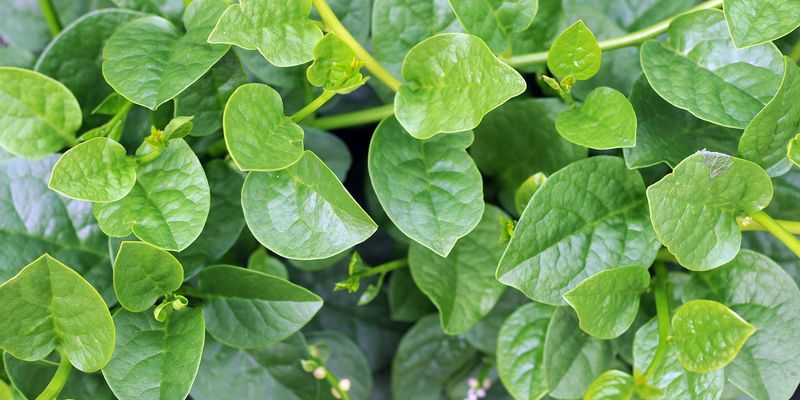
Malabar spinach grows as a climbing vine rather than a compact rosette, distinguishing it immediately from true spinach. This tropical plant laughs at South Florida’s summer heat, producing thick, succulent leaves continuously while regular spinach wouldn’t survive a single day in June.
The vines can climb 10 feet or more when given proper support, turning a vertical trellis into a productive wall of edible greens.
Install a sturdy trellis or fence before planting, as the vines grow quickly once warm weather arrives. Sow seeds directly after soil warms in spring, or start transplants indoors for an earlier harvest.
Space plants about 12 inches apart along your support structure.
The leaves have a slightly mucilaginous texture when cooked, similar to okra, making them perfect for soups and stews. Harvest young leaves and growing tips regularly to encourage branching and prevent the vines from becoming too woody.
Older leaves turn tough and lose their appealing texture.
Two types exist: green-stemmed and red-stemmed, with the red variety offering attractive purple stems and leaf veins. Both grow with equal vigor in Fort Lauderdale and Naples, producing heavily throughout summer.
The plants can become almost too vigorous, requiring regular pruning to keep them within bounds. Fortunately, every pruning provides another harvest of tender leaves perfect for salads or light cooking in South Florida’s summer kitchen.