4 Heat-Tolerant Annuals To Plant In Texas This March And 3 That Need More Time
Are you ready to make your Texas garden burst with color this March without worrying about the heat? Early spring is the perfect time to start planting, but not all annuals are ready for the warm Texas sun just yet.
Choosing the right plants now can save time, prevent frustration, and keep your garden looking vibrant all season long.
Heat-tolerant annuals like zinnias, marigolds, and vinca can handle the strong sun and dry conditions common in Texas, producing bright blooms that last for months. These flowers thrive when planted early, giving you a colorful head start.
Other annuals, such as impatiens or begonias, prefer warmer soil and may struggle if planted too soon. Waiting for the right conditions ensures they grow strong and healthy.
Knowing which annuals to plant now and which to hold off on helps Texas gardeners create a thriving, long-lasting display of flowers that handle the heat and shine throughout spring and summer.
1. Zinnias
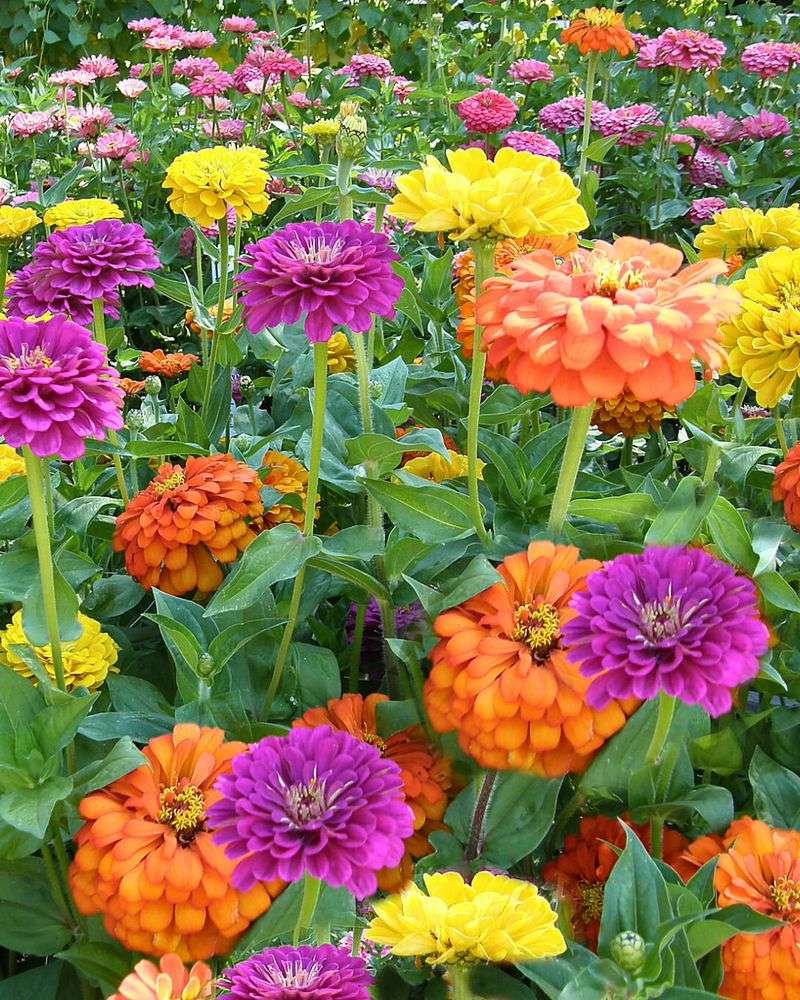
If there is one annual that was practically made for Texas gardens, it is the zinnia. These cheerful, colorful flowers have been a backyard favorite across the Lone Star State for generations.
They love the heat, they love the sun, and once they get going, they do not slow down.
Zinnias germinate best when soil temperatures reach around 65 degrees Fahrenheit, which is why mid to late March is the sweet spot for most of Texas. If you are gardening in South Texas, you might even get a head start a little earlier in the month.
Direct sowing seeds right into the ground is the easiest method, and the plants often sprout within a week.
Full sun is a must for zinnias. They struggle in shady spots, but give them a sunny bed with well-drained soil and they will reward you with blooms from spring all the way into fall.
Few plants match their staying power in the Texas heat.
Another big plus is how fast they grow. Within about two months of planting, most zinnia varieties are already showing off their blooms.
They also come in a wide range of sizes, from compact border plants to tall, dramatic statement flowers that can reach two to three feet high.
Cutting zinnias regularly actually encourages more blooms, so do not be shy about snipping some for a vase. The more you cut, the more they produce.
For Texas gardeners looking for an easy, rewarding win this March, zinnias are the clear first choice.
2. Cosmos (Cosmos Sulphureus)
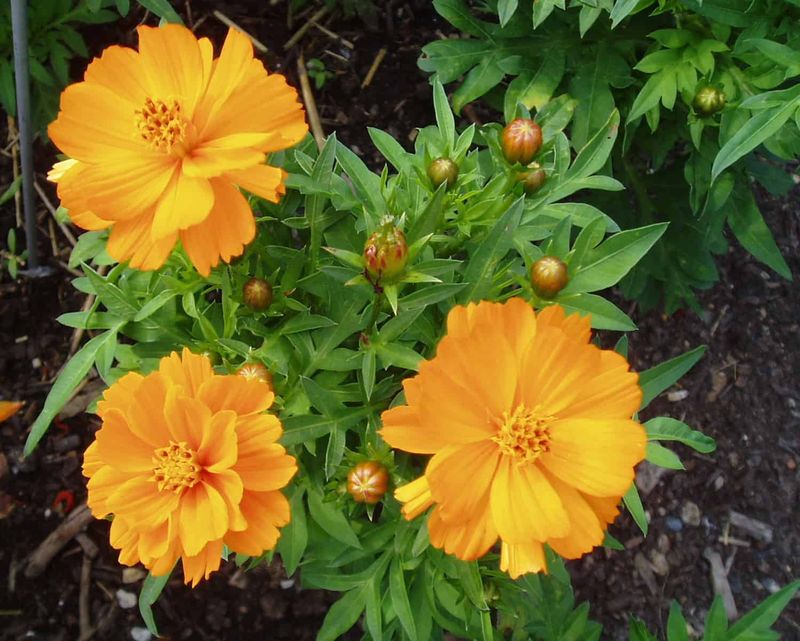
Not every flower can handle poor soil, scorching sun, and dry spells without complaining. Cosmos sulphureus, also known as sulphur cosmos, handles all three without missing a beat.
This tough little annual is one of the best-kept secrets in Texas gardening, and March is the perfect time to get it in the ground.
Unlike its more delicate cousin, Cosmos bipinnatus, sulphur cosmos was built for heat and drought. It actually performs better in lean, low-nutrient soils than in rich, heavily amended beds.
Overwatering or over-fertilizing can cause leggy growth with fewer blooms, so less really is more with this plant.
Germination happens quickly once the soil starts warming up in spring across Texas. Seeds sprout in just five to ten days, and plants can begin blooming in as little as six to eight weeks.
The flowers come in bold shades of orange, yellow, and red, making them a striking addition to any garden bed or border.
One of the best things about sulphur cosmos is how continuously it blooms. Unlike some annuals that peak and fade, this one keeps pushing out new flowers all season long.
It also self-seeds freely, which means you may find it coming back on its own next year with very little effort on your part.
Pollinators absolutely love cosmos, so planting them near vegetables or fruit trees in Texas can give your whole garden a boost. For a low-maintenance, high-reward annual this March, sulphur cosmos belongs at the top of your list.
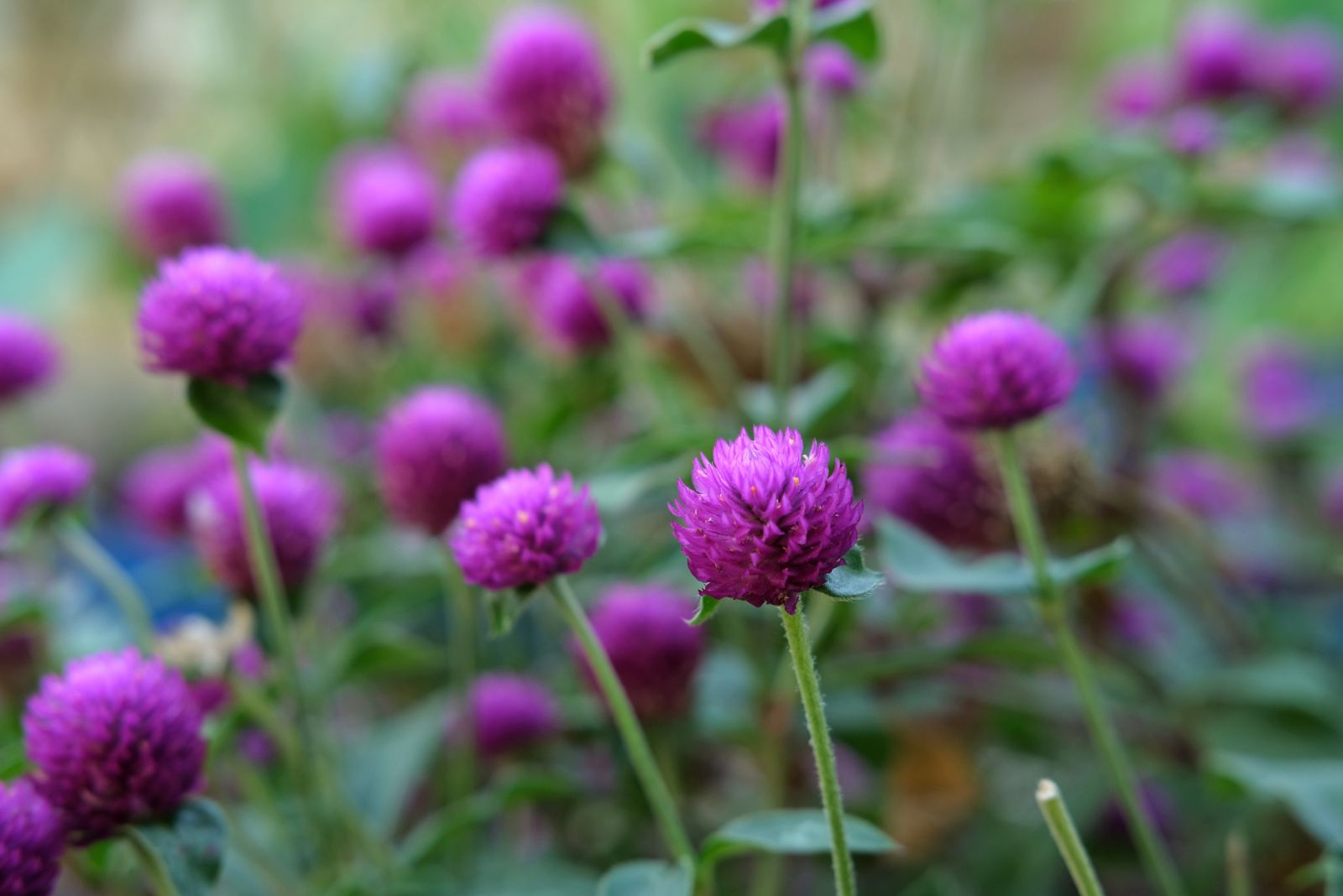
3. Gomphrena (Globe Amaranth)
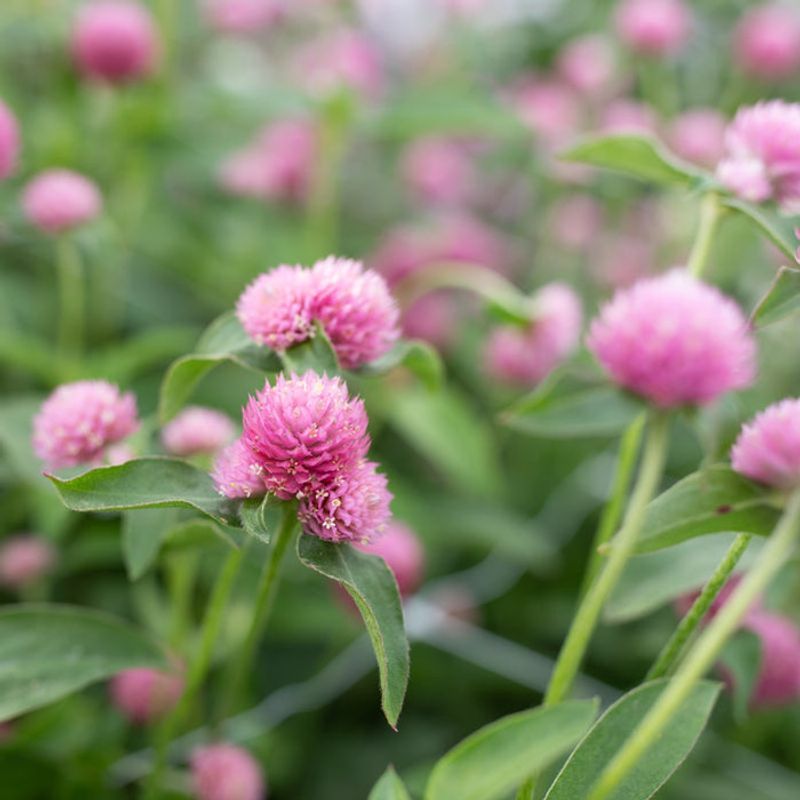
Round, papery blooms that look almost too perfect to be real, gomphrena is one of those plants that surprises people the first time they see it.
Also called globe amaranth, this annual thrives in the kind of hot, dry conditions that send other flowers into a tailspin. In Texas, that makes it practically a superhero.
Gomphrena loves full sun and well-drained soil. It handles drought like a champ and actually prefers not to be babied with too much water.
Once established, it is one of the least demanding annuals you can grow in Texas, making it a smart pick for gardeners who want color without constant upkeep.
The blooms, which look like small clover heads, come in shades of purple, pink, white, and red.
They hold their color for a long time, even after cutting, which makes gomphrena a favorite for dried flower arrangements. Few annuals look as good in a vase weeks after being picked.
Planting in March works well across most of Texas, since gomphrena germinates when soil temperatures are reliably warm. Seeds can be a little slow to sprout, so some gardeners prefer to start with transplants from a local nursery to get a jump on the season.
Another great thing about gomphrena is that it blooms from summer all the way through the first cool snap of fall.
Butterflies and bees visit the flowers regularly, adding extra life to the garden. For Texas gardeners who want tough, long-lasting color, globe amaranth never disappoints.
4. Sunflowers (Annual Types)
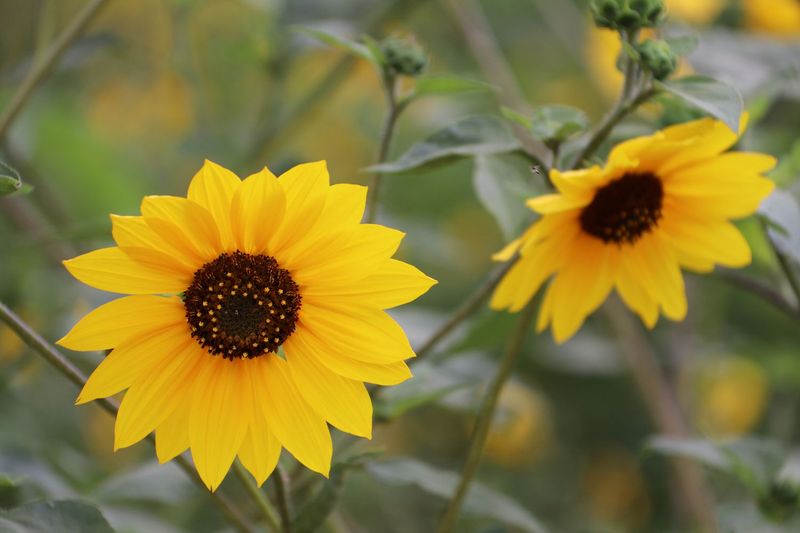
Few sights are more cheerful than a row of sunflowers stretching toward the Texas sky. Annual sunflowers are one of the easiest plants to grow from seed, and March is an ideal time to direct sow them across most parts of the state.
They grow fast, handle heat well, and make even the most basic garden look spectacular. Sunflowers are not picky about soil, but they do demand full sun. Give them at least six to eight hours of direct light per day and they will reward you with rapid, steady growth.
Most annual varieties go from seed to first bloom in about sixty to seventy-five days, so planting in March often means flowers by late May or early June in Texas.
One thing to know about sunflowers is that they do not like to be transplanted. Direct sowing is always the better approach.
Press a seed about an inch deep into the soil, water it in, and let the Texas sun do the rest. Germination usually happens within seven to ten days.
Annual sunflowers come in a wide range of sizes and colors. Classic tall varieties can reach six feet or more, while dwarf types stay compact and work well in containers or small beds.
There are also branching varieties that produce multiple blooms per plant, giving you more flowers over a longer period.
Birds love sunflower seeds, so leaving a few spent flower heads on the plant at the end of the season is a great way to attract wildlife to your Texas garden. Sunflowers truly give back in every direction.
5. Vinca / Periwinkle (Catharanthus Roseus)
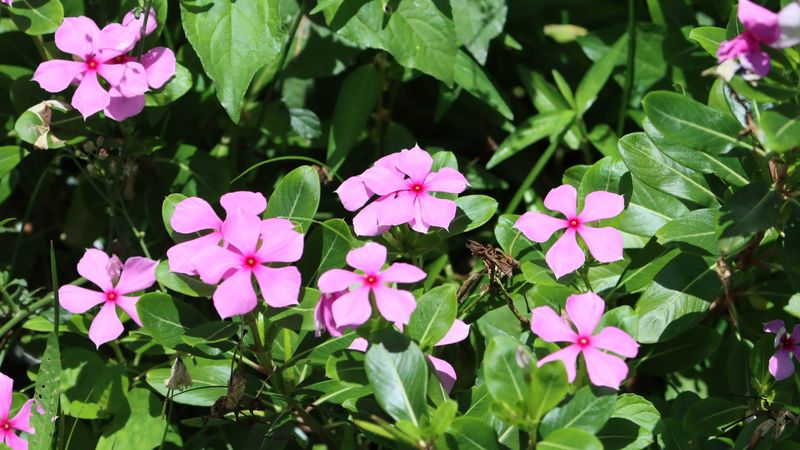
Vinca is one of the toughest, most heat-resistant annuals you can grow in Texas, but here is the catch: it absolutely cannot stand cold soil.
Plant it too early in spring and it will sit there looking miserable, barely growing, or worse, rotting at the roots before it ever has a chance to shine.
March in Texas can still bring cool nights, especially in Central, North, and West Texas. Vinca needs soil temperatures consistently above 65 degrees Fahrenheit to establish well, and nighttime temperatures should ideally stay above 50 degrees.
When those conditions are not met, the plant stalls out and becomes vulnerable to root problems.
For most of Texas, late April through May is a much safer planting window for vinca. Gardeners in South Texas may be able to push it a little earlier if temperatures are cooperating, but patience pays off with this particular annual.
A plant put in the ground at the right time will outgrow an early-planted one within just a few weeks.
Once the weather is warm and settled, vinca is almost unstoppable. It thrives in full sun, handles drought reasonably well once established, and blooms continuously throughout the hot Texas summer.
The flowers come in shades of red, pink, white, lavender, and coral, often with a contrasting center.
Vinca is also resistant to many common pests and diseases, which makes it a low-fuss choice for busy gardeners. Just give it the warm conditions it craves and it will perform beautifully all season long in Texas gardens.
6. Portulaca / Moss Rose
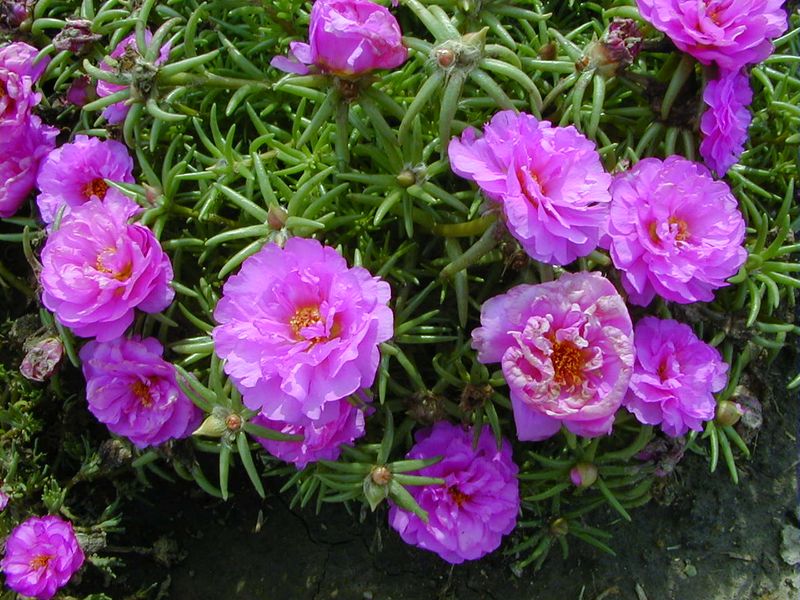
Portulaca, also called moss rose, is the annual that seems almost too good to be true. It thrives in blazing heat, survives on very little water, and produces silky, jewel-toned flowers that open wide in the sunshine.
But as tough as it is in summer, portulaca is surprisingly fussy about one thing: soil temperature at planting time.
Cool spring soil is portulaca’s weakness. If you put it in the ground too early in March when the soil is still cold from winter, the plant will barely move.
Growth slows to a crawl, roots struggle to establish, and the plant can develop problems that prevent it from ever bouncing back. Waiting for genuinely warm soil makes a world of difference.
Across most of Texas, mid to late April is a more reliable time to plant portulaca. In South Texas, where the ground warms up faster, you might get away with late March planting if conditions are right.
The key is to check soil temperature rather than just air temperature before putting transplants or seeds in the ground.
Once the soil is warm and portulaca is established, it is one of the most carefree annuals in the Texas garden.
It thrives in sandy or rocky soil with poor fertility, making it perfect for spots where other plants struggle. It also self-seeds readily, often returning year after year with minimal effort.
The flowers close at night and on cloudy days, which is a fun quirk that kids especially enjoy noticing. For a drought-tough, heat-loving annual in Texas, portulaca is well worth the wait.
7. Celosia
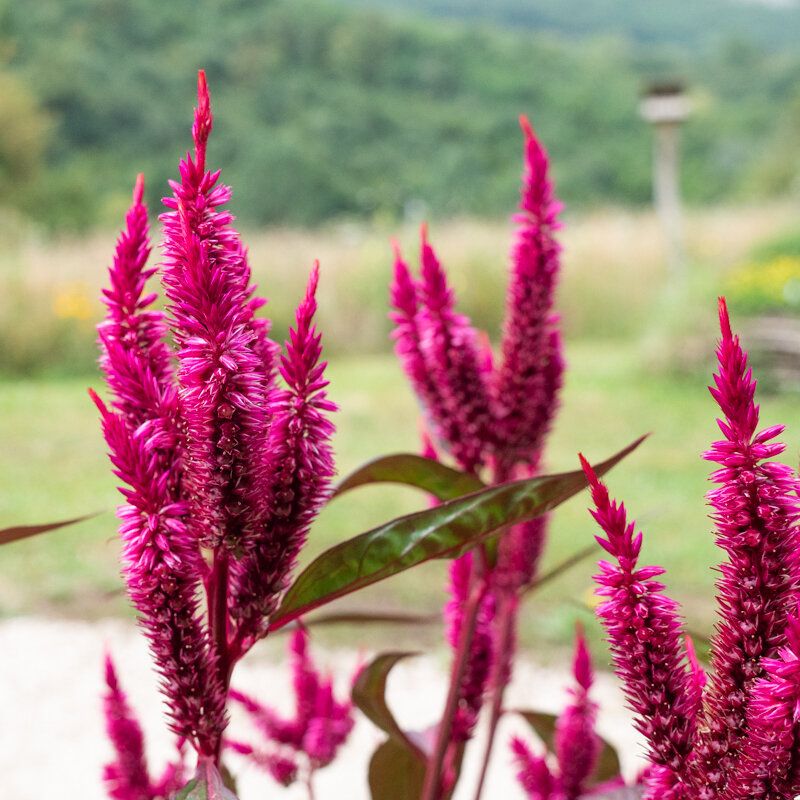
Celosia is one of the most visually dramatic annuals you can grow, with feathery plumes or velvety crested heads that look almost like flames rising from the garden bed. It is a showstopper, no question.
But celosia has a strong opinion about when it wants to be planted, and March in Texas is often too early to make it happy.
Cool soil and chilly nights cause celosia to stall. The plant may look fine sitting in a pot from the nursery, but once it goes into cold ground, growth stops and the plant can become stressed.
Stressed celosia often bolts quickly to seed without producing the lush, full display that gardeners are hoping for.
Celosia wants consistent warmth, both in the soil and in the air. Nighttime temperatures should be reliably above 55 to 60 degrees Fahrenheit before transplanting.
In most parts of Texas, that means waiting until late April or even early May for the best results. South Texas gardeners may be able to plant a bit earlier if the season is running warm.
When conditions are right, celosia grows quickly and rewards patience with months of vivid color. It handles Texas heat and humidity better than many other annuals and keeps blooming without much fuss.
Deadheading spent flowers encourages fresh new growth and extends the display well into fall.
Celosia also makes a stunning cut flower and holds its color even when dried. Growing it in Texas gardens is absolutely worth it, just make sure the timing is right before you plant.