Heat-Tolerant Flowers To Plant In Pots Before Summer In Pennsylvania
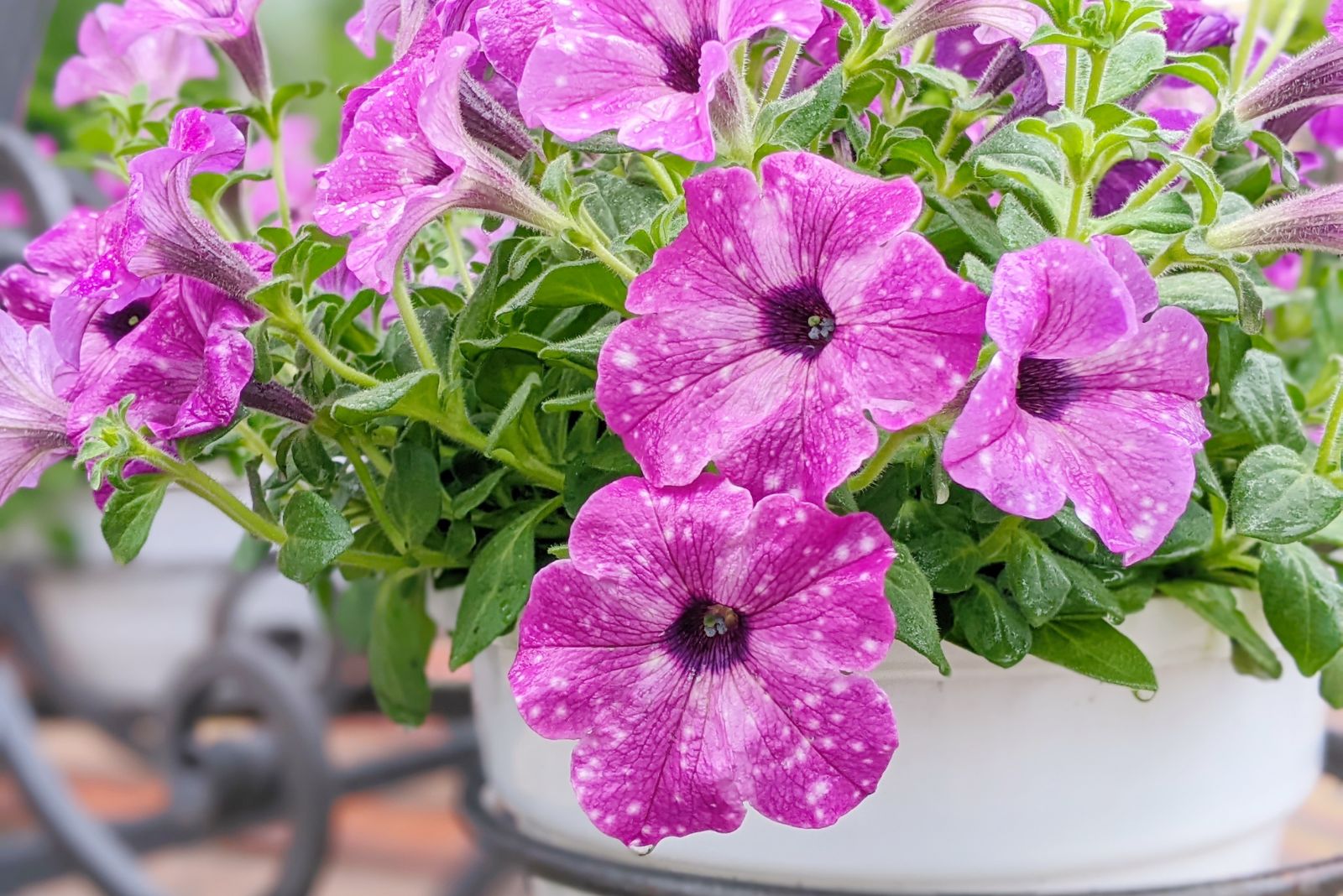
Container gardens in Pennsylvania have a way of stealing the show once summer arrives. A bright pot by the front door, a row of planters on the patio, or a few colorful containers tucked around the yard can make the whole space feel more cheerful.
The challenge, of course, is keeping those pots looking good once the heat starts building. Containers dry out faster than garden beds, and not every flower is ready to handle long sunny days, warm afternoons, and the occasional stretch without rain.
That is why choosing heat-tolerant flowers before summer really pays off. Planting the right flowers now gives them time to settle in and start growing before the hottest weather rolls through.
It also means less stress later when weaker plants begin to fade and the hardier ones keep going.
For Pennsylvania gardeners who want pots that stay lively well into summer, this is the moment to think ahead. A smart mix of heat-loving blooms can keep containers colorful, fresh-looking, and far more enjoyable when the season reaches its hottest point.
1. Petunias
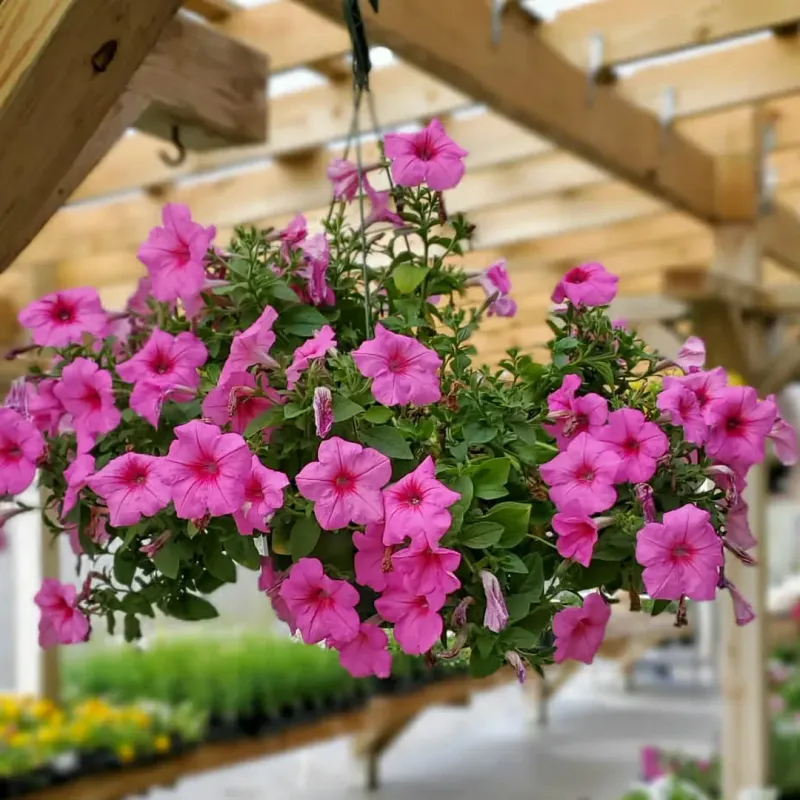
Few flowers put on a show quite like petunias do. Walk through any Pennsylvania neighborhood in June or July, and you’ll almost always spot these cheerful blooms spilling out of pots and window boxes.
They come in just about every color you can imagine, from deep purple to bright coral to soft white, and they don’t slow down when the temperature rises.
Modern petunia varieties like Wave, Supertunia, and Tidal Wave were specially bred to handle heat without skipping a beat. These types spread wide and bloom continuously, making them ideal for larger containers or hanging baskets.
They love full sun, so place your pots somewhere that gets at least six hours of direct sunlight each day.
One of the best things about growing petunias in Pennsylvania is how low-maintenance they can be once they get going. Water them regularly at the base of the plant, not on the leaves, to keep fungal issues away.
Deadheading spent blooms, which just means pinching off the old flowers, encourages fresh ones to keep coming.
Feed your petunias every couple of weeks with a balanced liquid fertilizer to keep them strong and blooming through August and even into September. Use a well-draining potting mix so roots never sit in soggy soil.
With just a little attention, petunias will reward you with months of nonstop color that makes any outdoor space in Pennsylvania feel like a garden showroom.
2. Geraniums (Pelargoniums)
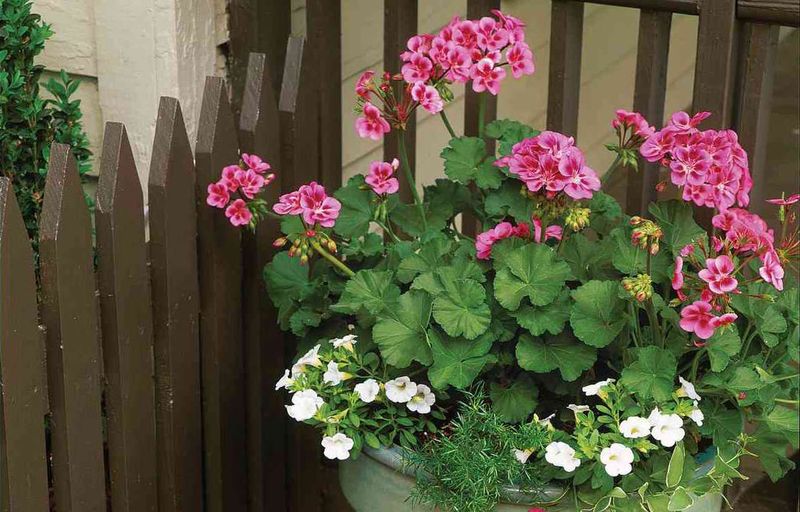
Geraniums have been a go-to container flower for generations, and there’s a very good reason for that. These plants are incredibly tough.
They handle heat, full sun, and even the occasional missed watering without much drama. In Pennsylvania, where summer temperatures can climb into the 90s, that kind of reliability is hard to beat.
Technically called pelargoniums, geraniums bloom steadily from late spring all the way through summer. Their flowers come in bold shades of red, pink, salmon, white, and lavender.
Your Pennsylvania Garden Changes Every Week. Your Plan Should Too.
Gardening in Pennsylvania changes quickly throughout the season. Every Friday you’ll receive a simple weekly plan showing exactly what to plant, prune, fertilize, harvest, and protect so you never miss the right timing.
The rounded clusters of blooms sit on top of sturdy stems and look stunning in both traditional clay pots and modern planters. They also work beautifully in window boxes if you want to add color to the front of your home.
Geraniums prefer well-draining soil and do best when you let the top inch of soil dry out between waterings. Overwatering is actually a more common problem than underwatering with these plants, so don’t be too heavy-handed with the hose.
Deadhead the old flower clusters regularly to encourage new blooms to form. In Pennsylvania, you can start planting geraniums in pots once the last frost has passed, usually around late April or early May.
Give them a sunny spot on your porch or patio, and they’ll thrive all season. A slow-release granular fertilizer worked into the potting mix at planting time can give them a great head start without needing constant feeding throughout the summer months ahead.
3. Calibrachoa (Million Bells)
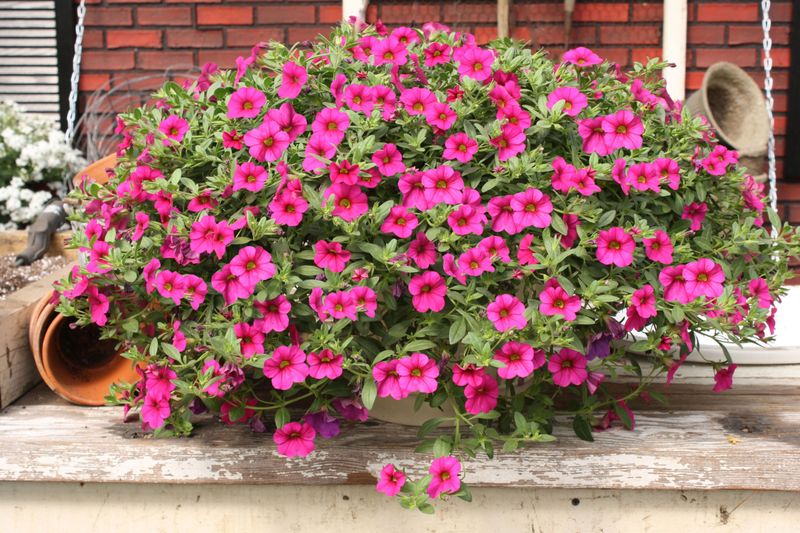
If you’ve never grown calibrachoa before, get ready to fall in love. Nicknamed Million Bells because of the sheer number of tiny, bell-shaped flowers it produces, this plant is an absolute powerhouse in containers.
The blooms look like miniature petunias and come in a dazzling range of colors including yellow, orange, pink, red, purple, and white. Some varieties even have two-toned or striped patterns.
One of the coolest things about calibrachoa is that it’s self-cleaning. Unlike petunias, you don’t have to deadhead it to keep the blooms coming.
The old flowers just drop off on their own, and new ones take their place almost immediately. This makes it a fantastic option for busy gardeners in Pennsylvania who want beautiful containers without a lot of daily upkeep.
Calibrachoa performs best in full sun and warm temperatures, which makes it a natural fit for Pennsylvania’s summer climate. It grows in a trailing habit, so it looks especially gorgeous in hanging baskets or spilling over the edges of tall pots.
Pair it with upright plants like zinnias or geraniums for a layered, professional-looking container arrangement.
Water calibrachoa consistently and feed it every week or two with a liquid fertilizer formulated for flowering plants. It prefers slightly acidic soil, so using a potting mix designed for acid-loving plants can make a noticeable difference.
Plant it in late April or early May in Pennsylvania, and it will bloom reliably right through the hottest stretch of summer without missing a single beat.
4. Lantana
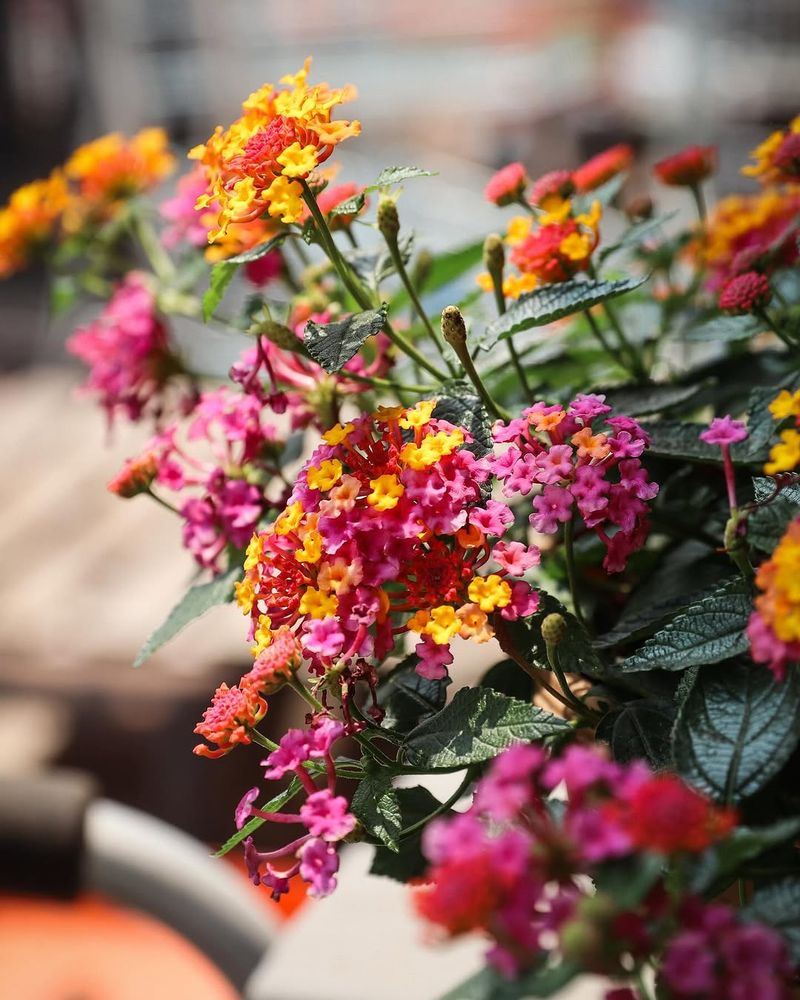
Lantana is the kind of plant that seems almost too good to be true. It thrives in blazing heat, tolerates dry spells like a champ, and produces clusters of colorful flowers that butterflies and hummingbirds absolutely cannot resist.
If you want a container plant that works hard and looks stunning on a hot Pennsylvania patio, lantana should be at the top of your list.
The flowers are one of lantana’s most charming features. Each cluster contains tiny blooms in multiple shades at once, so a single flower head might show yellow, orange, pink, and red all together.
As the flowers age, the colors shift, giving the plant a constantly changing, jewel-toned look. Popular varieties include Miss Huff, Bandana series, and Patriot, all of which perform well in Pennsylvania’s summer heat.
Lantana loves full sun and actually blooms more intensely the hotter it gets. It’s one of those plants that seems to wake up as summer heats up, producing more and more flowers as temperatures climb.
Plant it in a large container with well-draining potting mix, and water it deeply but infrequently once it’s established.
To get the most out of lantana in Pennsylvania, trim it back lightly if it starts to look leggy, and remove any dried-up flower clusters to encourage fresh growth. Fertilize monthly with a balanced granular fertilizer.
Because lantana is a tropical plant, it won’t survive Pennsylvania winters outdoors, but you can enjoy it as a stunning warm-season annual that delivers color from May all the way through fall.
5. Verbena
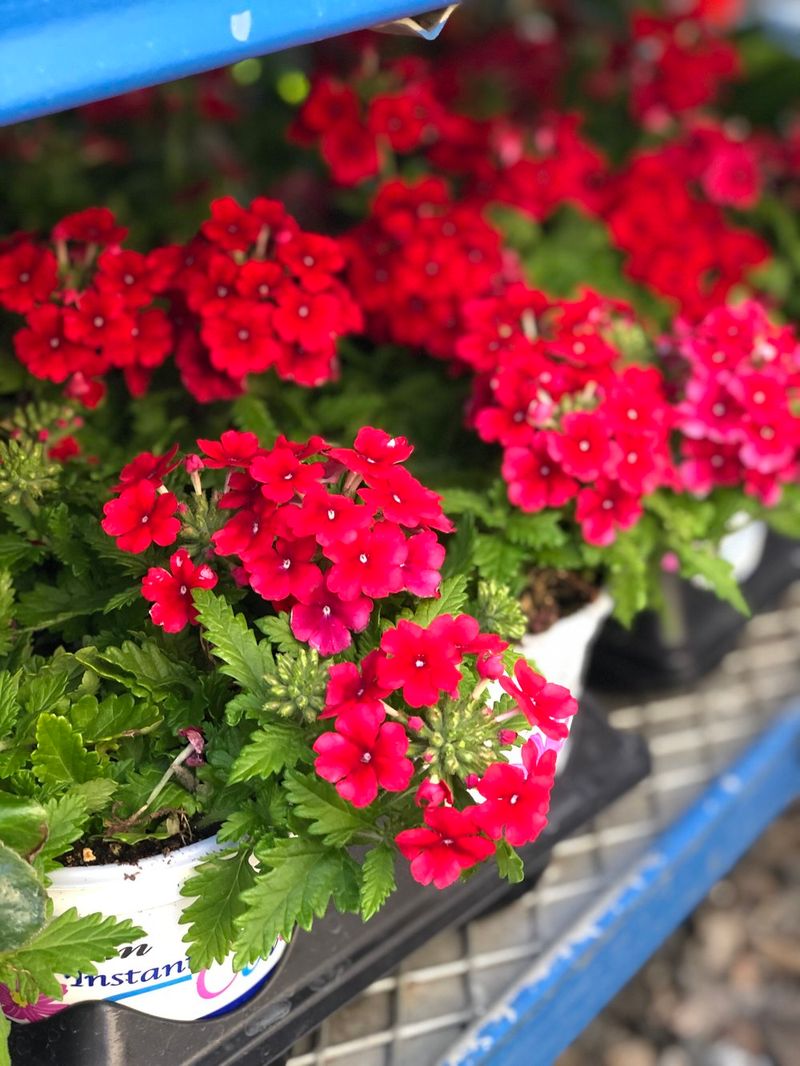
Verbena doesn’t always get the spotlight it deserves, but gardeners who know it swear by it. This tough, spreading plant handles summer heat with ease and keeps pumping out flowers even when temperatures soar.
In Pennsylvania, where July and August can feel relentless, verbena is a container plant you can count on to stay colorful and full all season long.
The flowers come in rich shades of purple, red, pink, coral, and white, and they grow in rounded clusters that sit just above the foliage.
Verbena has a low, spreading growth habit, which makes it ideal for trailing over the edges of pots or filling in the front of a mixed container arrangement.
It pairs beautifully with taller plants like zinnias or upright geraniums for a layered, lush look.
Full sun is a must for verbena. Give it at least six hours of direct sunlight a day, and it will reward you generously.
It prefers well-draining soil and doesn’t like to sit in wet conditions, so make sure your pots have good drainage holes. Water it when the top inch of soil feels dry, and avoid getting the leaves wet to reduce the risk of powdery mildew.
Did you know verbena is also a magnet for butterflies? Planting it on your Pennsylvania porch or patio can turn your container garden into a mini pollinator haven.
Deadhead spent blooms every week or so to keep new flowers forming. Feed every two weeks with a liquid fertilizer, and verbena will stay vibrant from late spring straight through the heat of summer.
6. Zinnias
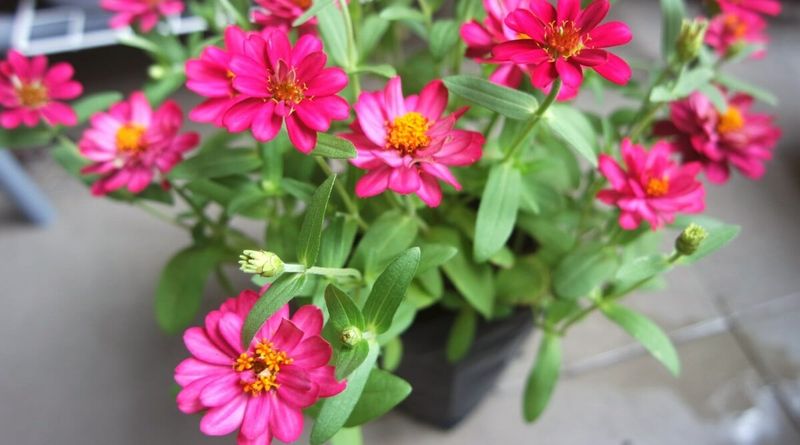
Zinnias are summer in a flower. Bold, bright, and completely unbothered by heat, these plants were practically made for Pennsylvania’s warm growing season.
They come in just about every color except blue, and their big, round blooms look like something straight out of a painting. Gardeners love them because they’re easy to grow, fast to bloom, and incredibly generous with their flowers.
You can start zinnias from seed or pick up transplants from a local nursery in Pennsylvania. If starting from seed, sow them directly into pots after the last frost, usually around late April or early May in most parts of the state.
They sprout quickly and start blooming in as little as eight weeks. For bigger, bushier plants in containers, choose dwarf or compact varieties like Zahara or Profusion, which are bred specifically to thrive in hot, sunny conditions.
Zinnias need full sun to perform their best. Place your pots in the sunniest spot on your porch or patio, and these flowers will absolutely shine.
They prefer to dry out slightly between waterings, so avoid overwatering. Water at the soil level rather than overhead to prevent powdery mildew from forming on the leaves.
Another reason to love zinnias in Pennsylvania is how long they bloom. With regular deadheading, they’ll keep producing fresh flowers from early summer all the way through the first frost.
They also attract butterflies and even hummingbirds, making them a wonderful choice for anyone who wants to support pollinators while enjoying a gorgeous, low-fuss container garden all season long.
7. Portulaca (Moss Rose)
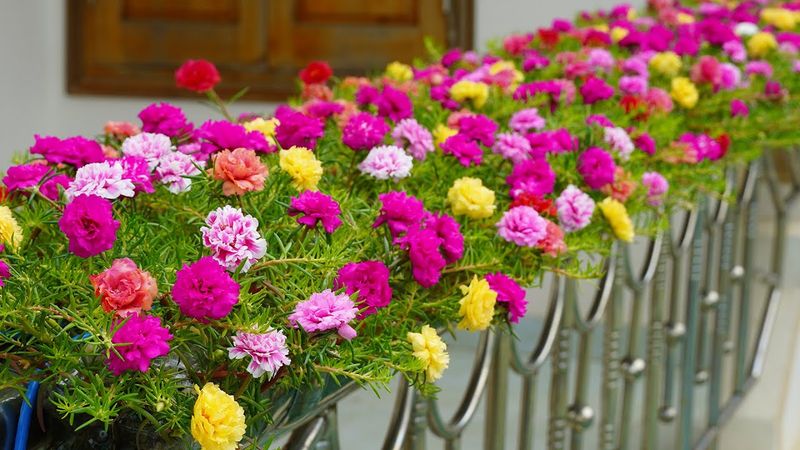
When summer in Pennsylvania feels like a furnace, portulaca just keeps going. Also known as moss rose, this cheerful little flower is one of the most heat- and drought-tolerant options you can put in a pot.
Its thick, succulent-like leaves store water, which means it can handle dry spells that would wilt most other flowers without a second thought.
Portulaca produces silky, rose-like blooms in vivid shades of pink, red, orange, yellow, white, and magenta. Some varieties even have double blooms that look luxuriously full and ruffled.
The flowers tend to open in the morning sun and close in the evening or on cloudy days, which gives them a charming, almost magical quality. They’re a wonderful choice for shallow pots or dish gardens where other plants might struggle.
One of the biggest perks of growing portulaca in Pennsylvania is how little attention it needs once it’s planted. It thrives in poor, sandy, or dry soil conditions that would challenge most flowers.
Use a well-draining potting mix, and don’t worry too much about fertilizing heavily. Too much fertilizer actually encourages leafy growth at the expense of blooms, so a light feeding once a month is plenty.
Plant portulaca in your sunniest containers, whether that’s a south-facing porch, a sunny balcony, or a hot driveway border in Pennsylvania. It self-seeds readily, which means you might find bonus plants popping up near your pots next season.
For a nearly maintenance-free container that blazes with color all summer, portulaca is an absolute winner from late spring through the end of the warm season.