Heat-Tough Border Plants North Carolina Gardeners Can Use Instead Of Boxwood
Boxwood has long been a go to border plant, but several heat tough alternatives handle North Carolina summers with far less struggle.
Dwarf yaupon holly offers that same tidy, evergreen structure while tolerating heat and humidity much better than traditional boxwood varieties.
Loropetalum brings similar year round structure along with attractive foliage color that boxwood simply cannot match. Distylium is another strong option, known for its resilience against both heat stress and common pest problems that plague boxwood.
These alternatives also tend to resist boxwood blight, a fungal disease that has damaged plantings across the region in recent years.
Choosing heat tough natives or adapted varieties reduces the constant maintenance boxwood often demands during peak summer months.
Many of these options require less frequent watering once properly established. Switching borders now can save gardeners significant frustration during future hot, humid summers.
1. Dwarf Yaupon Holly Handles Sun And Summer Dryness
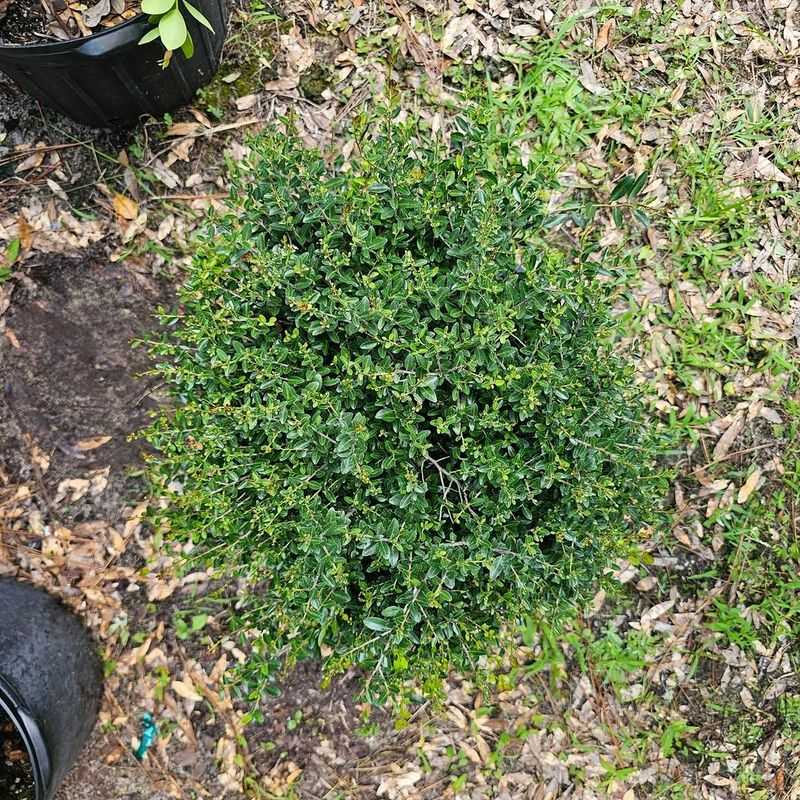
Native plants have a way of making gardening look easy, and dwarf yaupon holly is a perfect example of that.
Ilex vomitoria is native to the eastern United States, which means it evolved right alongside the heat, humidity, and occasional dry spells that North Carolina summers are famous for.
Once it settles in, this plant is remarkably self-sufficient. Its naturally rounded shape and small, glossy leaves give it a clean, polished look that works beautifully as a low hedge, a foundation shrub, or a repeated accent along a border.
You can line a walkway with it, anchor a corner planting, or mix it into a pollinator-friendly bed. It holds its shape well without demanding constant pruning.
Dwarf yaupon holly tolerates full sun and partial shade, handles salt spray near coastal properties, and can even handle occasional wet soil without throwing a fit. It is especially well-suited to the Coastal Plain and Piedmont regions of North Carolina.
Gardeners dealing with urban conditions, compacted soil, or reflected heat from driveways will find it surprisingly forgiving.
One thing worth knowing before you buy: not all dwarf cultivars are created equal. Some so-called dwarf forms still reach three to five feet tall and wide at maturity, so always check the plant tag or ask your nursery for the expected mature size.
During the first season or two, water regularly to help roots establish deeply. After that, well-drained soil and natural rainfall will carry it through most summers without much help from you.
2. Compact Distylium Offers Dense Evergreen Structure
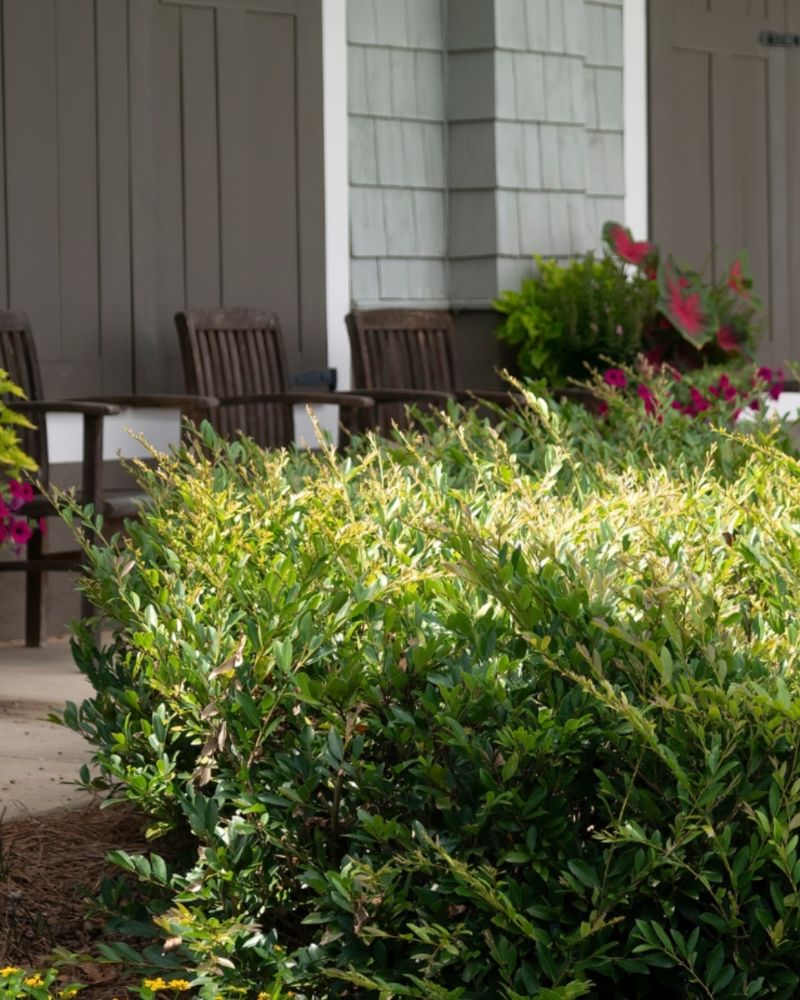
If you have ever spent a summer worrying about boxwood blight or spider mites, distylium might just become your new favorite shrub.
Compact distylium cultivars have earned serious attention from landscape professionals and home gardeners alike because they check nearly every box a North Carolina gardener needs. Heat? Handled.
Drought after establishment? No problem. Serious insect or disease pressure? Rarely an issue. The foliage is dense, evergreen, and attractive throughout the year.
Depending on the cultivar, leaf color can range from deep green to a blue-green hue, and the branching habit stays tight enough to give borders a structured, well-groomed look without aggressive shearing.
Your North Carolina Garden Changes Every Week. Your Plan Should Too.
Gardening in North Carolina changes quickly throughout the season. Every Friday you’ll receive a simple weekly plan showing exactly what to plant, prune, fertilize, harvest, and protect so you never miss the right timing.
That density is what makes it such a convincing replacement for boxwood in formal and semi-formal garden designs.
Choosing the right cultivar matters more with distylium than with almost any other shrub on this list. Some selections stay under two feet tall, while others can reach four or five feet or spread wider than expected.
Before planting, measure your border space carefully and match the cultivar to the front, middle, or back of the bed based on its mature dimensions. Full sun or partial shade both work well, but the soil must drain reliably.
Water consistently during the first growing season to help roots reach deep into the soil. Avoid planting the crown too deeply, as burying the base of the stem can cause long-term problems.
Gardeners in the colder mountain regions of North Carolina should confirm the winter hardiness rating of their chosen cultivar before committing to a full planting.
3. Rose Creek Abelia Adds Flowers To A Low Border
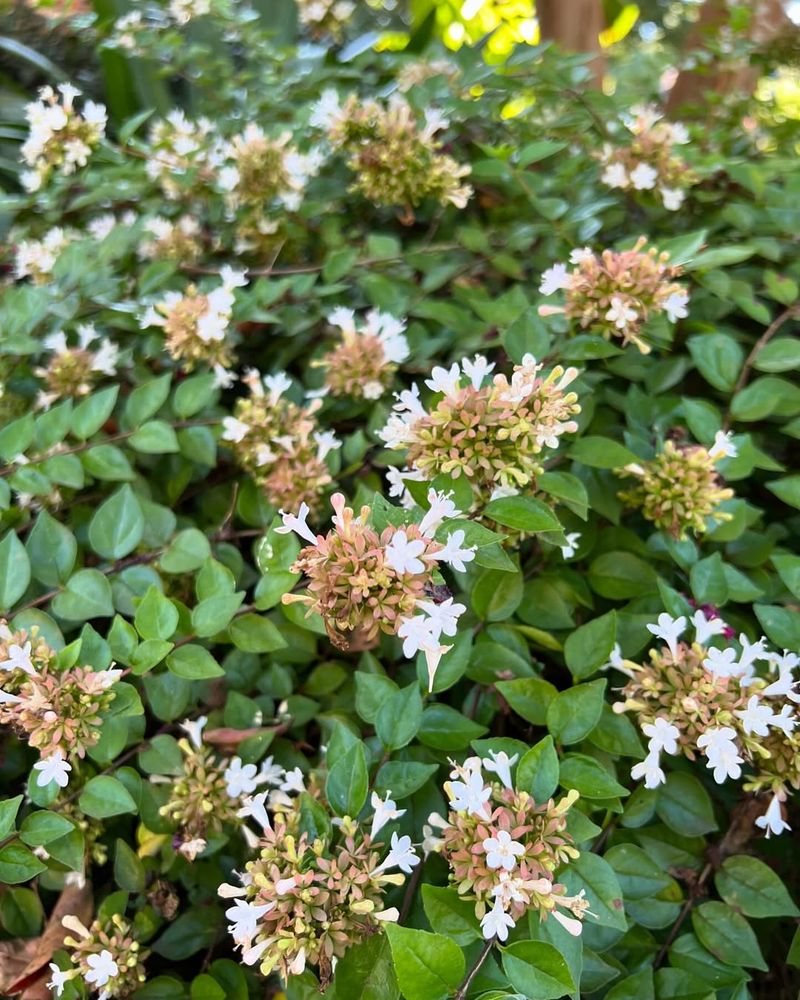
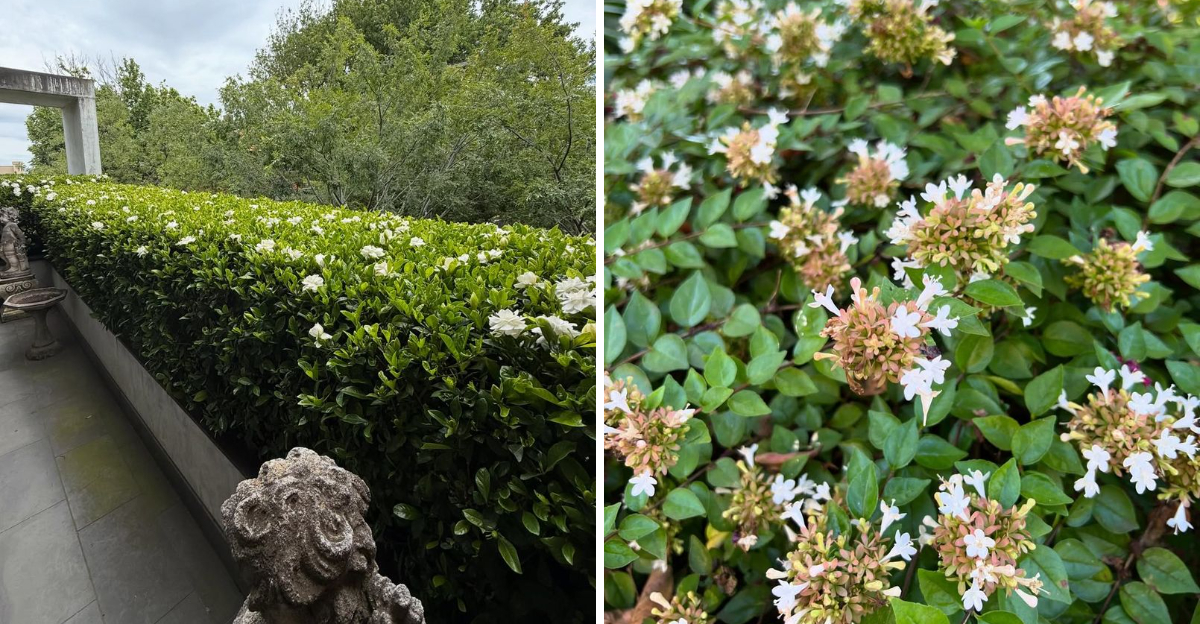
Fragrance, flowers, and foliage all in one compact package sounds almost too good to be true, but Rose Creek glossy abelia delivers exactly that.
Unlike plain evergreen shrubs that rely entirely on leaf texture for visual interest, this abelia brings white tubular flowers that bloom through summer and into fall.
Even after the petals drop, the rosy pink flower parts that remain add a soft blush of color that keeps the plant looking lively.
The small, glossy leaves stay attractive through most of the year, and the plant naturally holds a low, rounded form that suits the front of a border without demanding constant trimming.
You can tuck it beside a pathway, use it along a foundation, or weave it through a pollinator garden where bees and butterflies will thank you for it.
Established plants handle drought with real toughness, bouncing back from dry stretches that would stress less resilient shrubs.
Full sun brings out the densest growth and the strongest flowering, so choose your sunniest spots for the best show.
In locations where afternoon heat is especially intense, a bit of shade during the hottest hours can reduce stress without sacrificing much of the bloom display.
Rose Creek abelia generally stays evergreen in the warmer parts of North Carolina, including the Coastal Plain and much of the Piedmont.
In colder mountain locations, some leaf loss or minor stem damage may occur during harsh winters, but established plants typically recover well when spring arrives.
Planting in a sheltered spot with good drainage gives it the best chance of coming through cold snaps looking its best.
4. Duke Gardens Plum Yew Thrives In Warm Shade
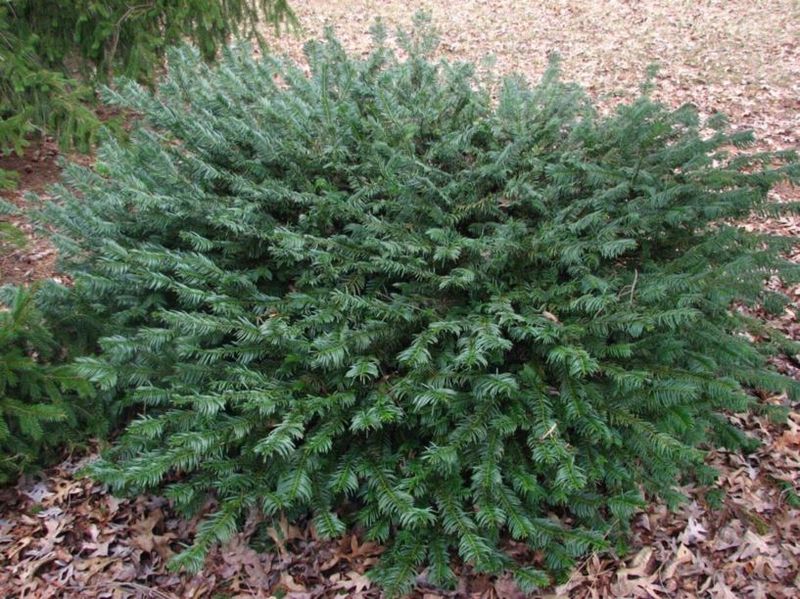
Shady borders can be the hardest spots to fill with something that looks polished and stays evergreen, but Duke Gardens plum yew was practically made for that challenge.
Cephalotaxus harringtonia Duke Gardens is a compact, mounding shrub with dark, rich green needles that hold their color even through the heat and humidity of a North Carolina summer.
Most conifers struggle in the Southeast, but this one thrives where others falter. Its low, spreading mound works beautifully beneath trees, along shaded foundation walls, and in woodland border settings where sun-loving shrubs simply cannot perform.
The texture of the fine needles contrasts nicely with broader-leaved shade plants, making it a versatile design element that elevates any shaded planting scheme.
Established plants develop a real tolerance for dry periods, which is a genuine advantage under mature trees where roots compete for moisture.
Deer tend to leave plum yew alone, which is a significant benefit for gardeners in suburban or rural areas of North Carolina where deer browsing is a constant frustration.
That resistance makes it a smarter long-term investment in landscapes where other shrubs regularly get nibbled down to stubs.
Soil with reliable drainage is important, even in shaded spots where the ground may stay moist longer. Avoid planting in areas where water pools after rain.
Intense full sun, especially in the afternoon during midsummer, can scorch the foliage and stress the plant significantly.
Morning light or dappled shade throughout the day suits it best, and a layer of mulch helps moderate soil temperature and retain steady moisture during establishment.
5. Dwarf Loropetalum Brings Purple Foliage And Spring Flowers
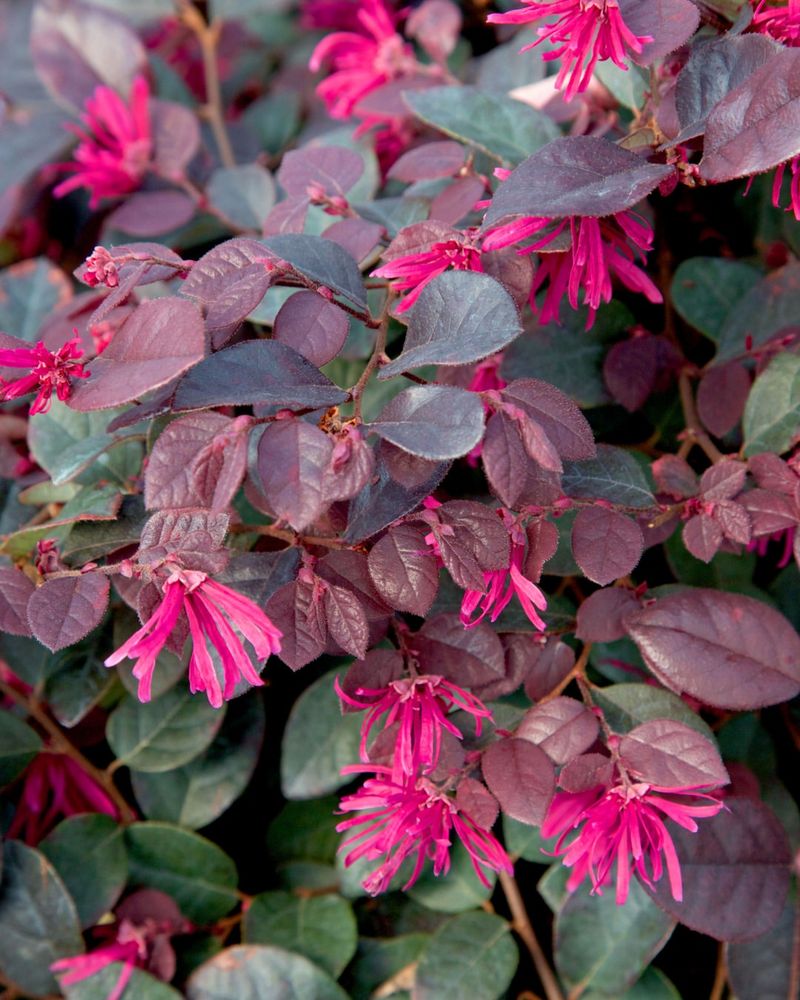
Plain green hedges do the job, but why settle for plain when you can have rich burgundy, deep purple, or warm bronze foliage from the first day of planting?
Compact loropetalum cultivars bring a level of color drama to the border that boxwood simply cannot match.
Come spring, the ribbon-shaped flowers in shades of hot pink and magenta add another layer of visual excitement that stops people in their tracks.
Beyond the showmanship, these plants are genuinely tough. Established compact loropetalum handles heat well and can push through dry stretches when planted in acidic, well-drained soil.
North Carolina soil tends to be naturally acidic in many areas, which gives this plant a comfortable home in most parts of the state. The key is making sure drainage is solid, because soggy roots will undermine an otherwise healthy plant quickly.
Full sun encourages the strongest foliage color, but some afternoon shade in the hottest locations can prevent summer stress without washing out that signature purple hue.
Aim for a spot that gets morning sun and some relief from the harshest midday rays if your garden runs particularly hot.
The color stays most vivid when the plant is not overwatered or over-fertilized with nitrogen.
Shopping for a compact cultivar requires some attention, because standard loropetalum can easily reach six feet tall or more, which is far too large for most border situations.
Read plant tags carefully and look for selections specifically bred for small spaces. In colder parts of North Carolina, protect young plants from harsh winter wind, and avoid alkaline soil at all costs since it causes the foliage to turn an unhealthy yellow.
6. Radicans Gardenia Creates A Fragrant Southern Border
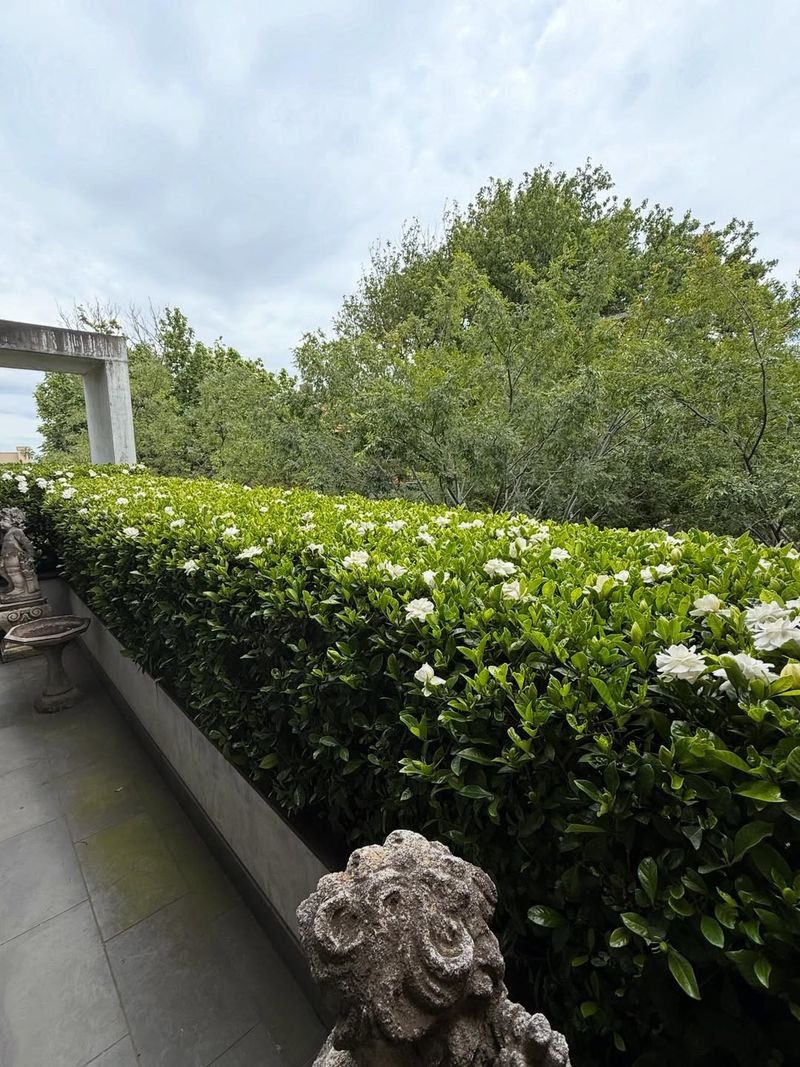
Few things say “Southern garden” quite like the sweet, unmistakable scent of gardenia drifting through warm evening air.
Radicans gardenia brings that beloved fragrance in a compact, low-spreading form that works beautifully along paths, patios, and front border edges where you want both beauty and scent within easy reach.
The glossy, deep green foliage looks sharp all year in the right climate, and the white flowers that appear in late spring and early summer are genuinely stunning up close.
After establishment, this gardenia tolerates summer heat and handles short dry periods without collapsing. However, it does have preferences that are worth respecting.
Acidic soil rich in organic matter is a must, and drainage needs to be dependable. Soggy soil and gardenia roots are a combination that never ends well, so raised beds or amended planting areas can make a real difference in challenging sites.
Light matters more with this plant than with most others on this list. Bright filtered light, morning sun, or a spot with sun in the morning and shade in the afternoon gives the best results.
Intense, all-day direct exposure can scorch the leaves and reduce the number of flower buds the plant sets, which is a frustrating outcome for a plant you chose specifically for its blooms.
Radicans gardenia is sensitive to hard freezes and performs most reliably in the Coastal Plain and in sheltered Piedmont locations with good microclimates. Mountain gardens and exposed sites with cold winter winds are not ideal for this plant.
A protected courtyard or south-facing foundation planting gives it the warmth and shelter it needs to thrive season after season.
7. Creeping Juniper Covers Hot Dry Border Edges
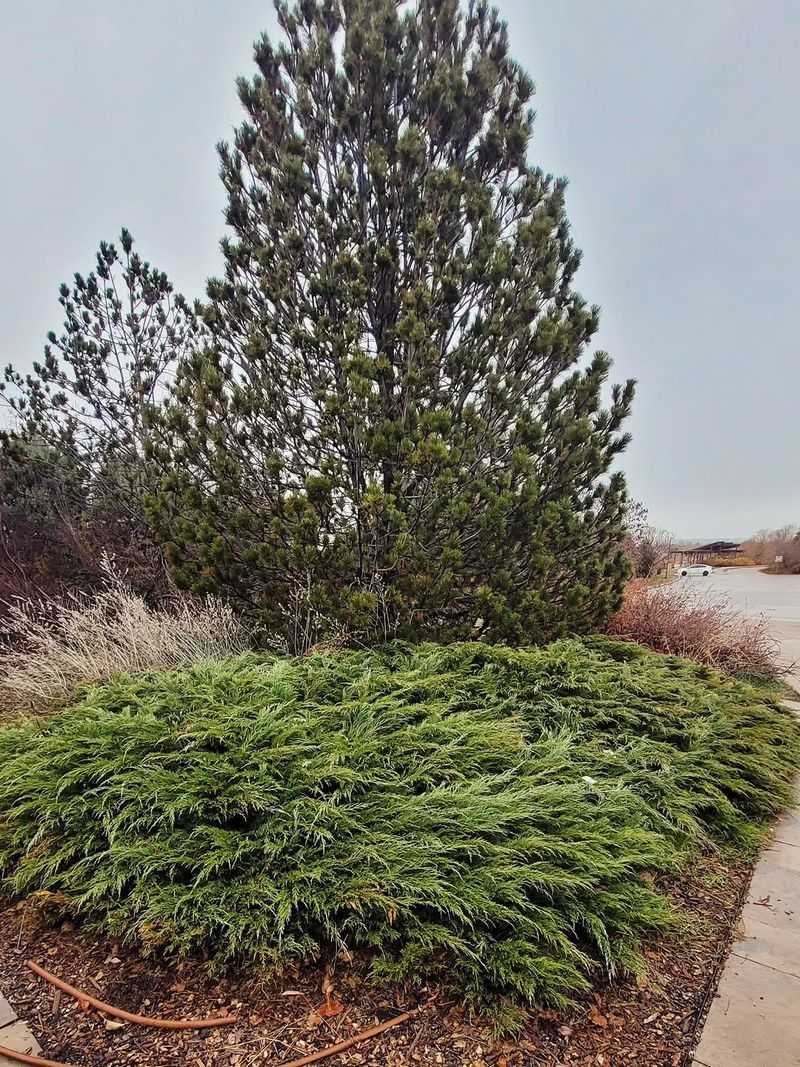
Some garden spots are just plain brutal. Full sun all day, reflected heat from a wall or driveway, soil that drains fast and stays dry for weeks at a time.
Most shrubs wave a white flag in those conditions, but creeping juniper practically thrives on the challenge.
This low, spreading evergreen brings textured blue-green or silver-green foliage to spots where almost nothing else performs reliably, and it asks for very little in return.
Along walkways, at the top of retaining walls, on slopes that are tricky to mow, in rock gardens, and beside dry foundation edges, creeping juniper earns its place by staying attractive through conditions that would stress most other plants.
Deer tend to avoid it, which is a welcome bonus in neighborhoods where browsing pressure is high.
Once established, it needs almost no supplemental water in most North Carolina summers, making it one of the most genuinely low-maintenance options on this entire list.
Full sun is where this plant performs best. It needs good air circulation and soil that drains freely, and it is not a candidate for heavy wet clay or areas where water pools after a rainstorm.
Crowded, humid planting conditions can encourage root and foliage problems, so give each plant plenty of room to spread naturally without being crammed against other shrubs or structures.
Before buying, look at the mature spread of the cultivar you choose, because some selections can reach six to eight feet wide over time.
Leave enough space for the plant to grow into its full footprint rather than repeatedly cutting it back into a narrow strip. Letting it spread freely keeps it healthiest and most attractive for the long term.