Heavy Snow Can Snap Your New York Shrubs. Here’s How To Help Them
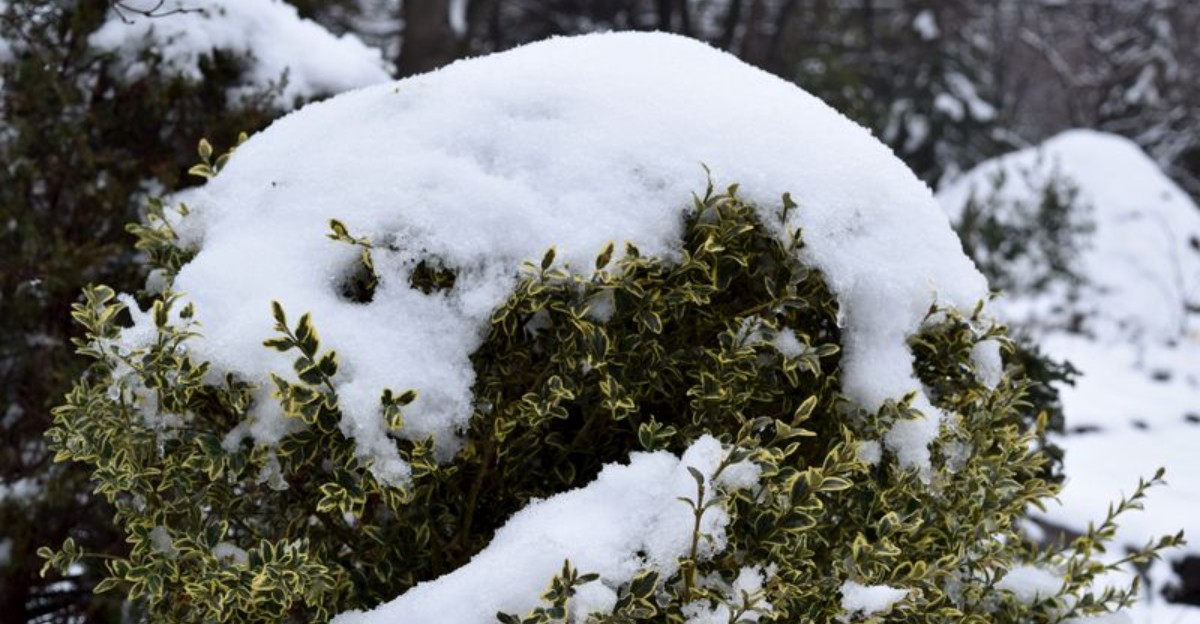
That sharp sound on a quiet winter night might be your favorite shrub buckling under heavy snow. A single storm can turn a tidy hedge into a tangle of bent and broken branches.
The good news is that protecting your plants doesn’t take fancy tools. A broom, some soft twine, and good timing can make all the difference.
Believe it or not, some snow actually helps your garden. The trick is knowing which snow to clear and which to leave alone.
Below are simple steps New York gardeners can take before, during, and after a big storm. Your shrubs will thank you come spring.
Heavy, Wet Snow Can Bend And Break Branches
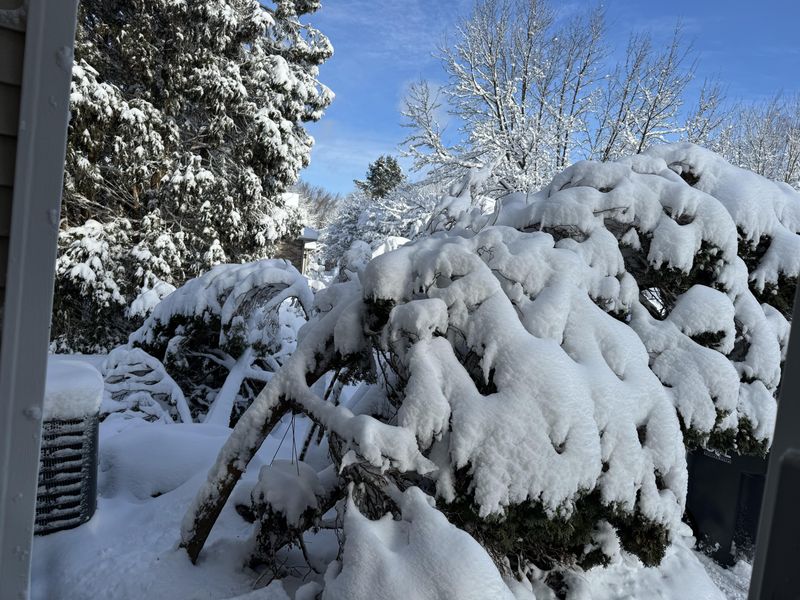
Picture a snowball you pack with your hands, then imagine thousands of them sitting on a single shrub. Wet snow is dense and surprisingly heavy, and branches feel every ounce.
A single cubic foot of wet snow can weigh around 15 to 20 pounds. Fluffy snow might weigh only a few pounds in the same space.
Across New York, storms that roll in near freezing tend to drop the sticky, soggy kind. It clings to needles and twigs instead of sifting through to the ground.
Evergreens take the biggest hit because their leaves stay on all winter. Every needle acts like a tiny shelf that catches and holds snow.
Multi-stemmed shrubs, like yews and boxwoods, are also at risk. Their stems can spread outward and crack where they join near the base.
Early season storms bring extra trouble for deciduous plants. Shrubs that still hold their autumn leaves trap far more snow than bare branches.
Long, flat branches that grow sideways collect more weight than upright ones. Think of them as open arms waiting to catch a heavy load.
Old wounds and poor pruning cuts create weak spots too. A branch with a hidden crack is more likely to snap when snow piles on.
Here is a helpful habit to build this season. Walk your yard in fall and note which shrubs have weak, wide, or damaged limbs.
Those plants deserve your attention first when the forecast calls for heavy snow. A quick check now can save you a lot of heartbreak later.
Brush Snow Off Gently With A Broom
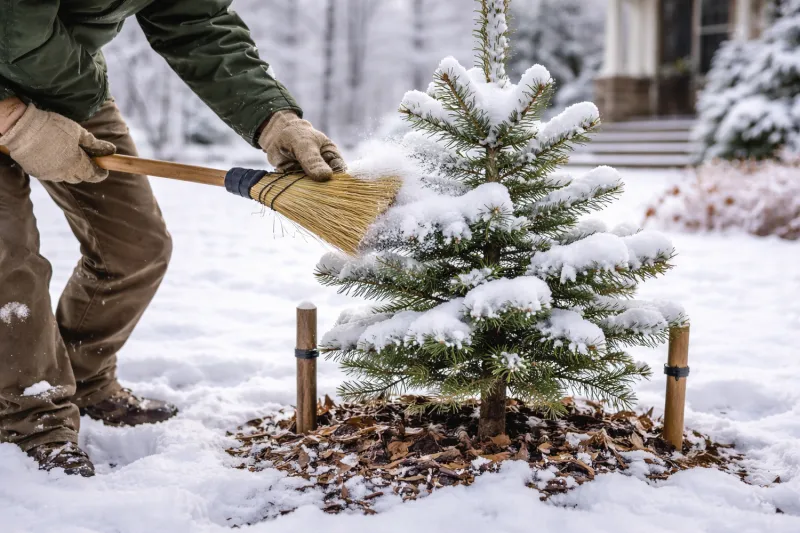
Your kitchen broom has a secret second job in winter. It might be the best shrub-saving tool you already own.
Once the snow stops falling, head outside and look for branches that are sagging. Those are the ones that need your help first.
A soft-bristled broom works beautifully for most shrubs. A flexible leaf rake with plastic tines can also do the trick for taller plants.
Use light, sweeping motions to slide snow off the branches. Imagine dusting a fragile shelf of glass ornaments, and you will have the right touch.
Winter branches are much more brittle than summer ones. Cold temperatures make wood stiff, so a hard whack can crack it easily.
Resist the urge to beat the shrub to knock snow loose. Swinging the broom like a bat often causes the very damage you want to prevent.
Timing matters as well. Fresh snow is easier to move than snow that has sat for a day and started to freeze.
During long storms, you may want to clear shrubs more than once. Removing a few inches at a time keeps the load from building too high.
Many homeowners keep a dedicated broom right by the back door all winter. That way, it is ready the moment the flakes slow down.
Stay safe while you work by watching your footing on icy steps. Your shrubs need you upright and healthy too.
Push Upward Instead Of Shaking Down
Ever watched someone shake a snowy bush like a soda can? It looks satisfying, but the shrub is quietly suffering.
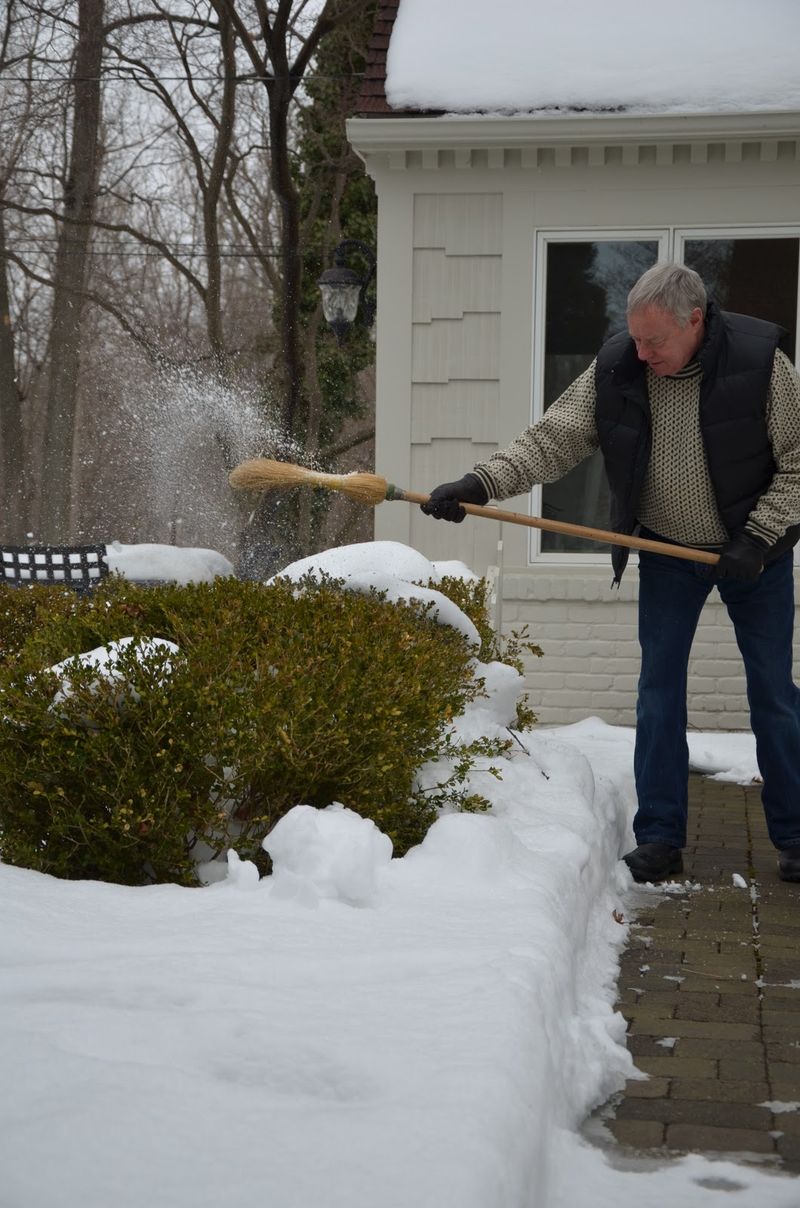
Direction makes a huge difference when you clear snow. Start at the bottom of the shrub and push the snow upward and off.
Lower branches often carry the heaviest load. When you clear the top first, the falling snow lands on them and adds even more weight.
Working from below lets each branch lift a bit as it gets lighter. The plant can slowly return toward its natural shape.
Shaking is risky during frigid winters. Frozen wood is stiff, and a sudden jolt can snap a limb right off.
Branches can also spring back too fast once released. That sharp rebound may tear bark or crack tissue deep inside the stem.
Try this simple method next time. Slide the broom under a branch, then gently lift and let the snow tumble away.
Move around the shrub in a slow circle as you go. Clearing one side only can leave the plant lopsided and stressed.
If a branch is bent almost to the ground, take extra care. Lift it a little at a time rather than in one big push.
Patience pays off with this chore. A few calm minutes of upward sweeps can protect years of slow, steady growth.
Leave Ice-Coated Branches Alone
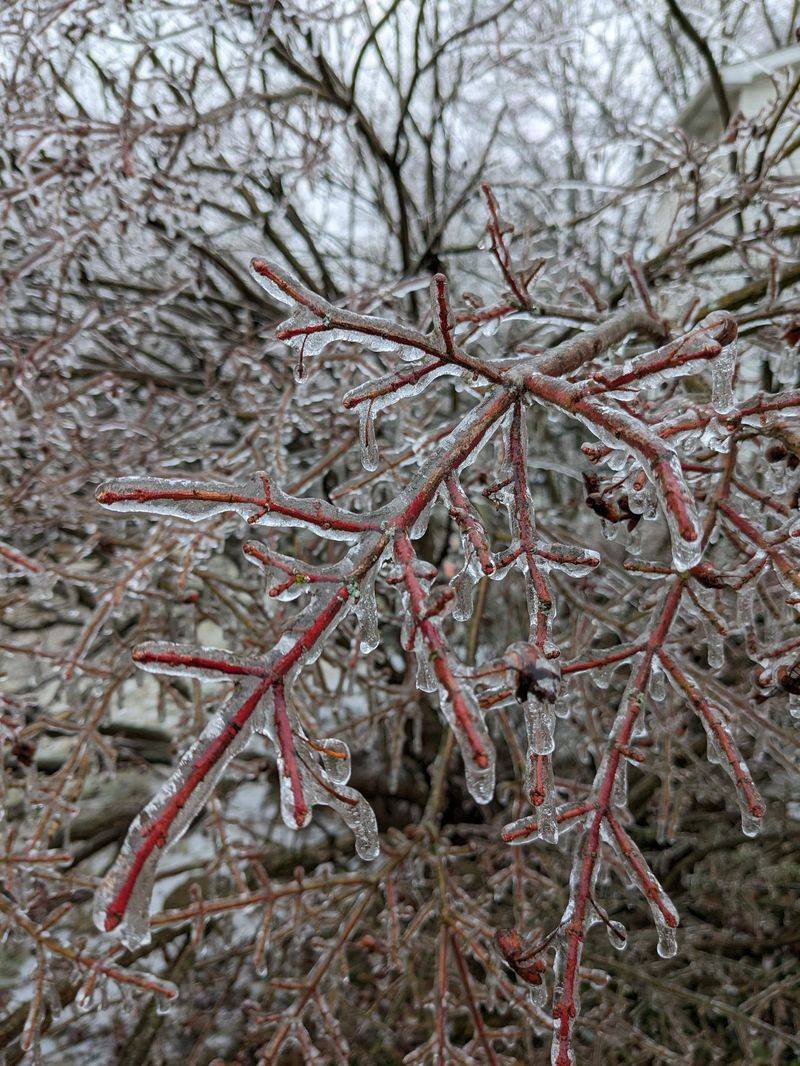
After an ice storm, shrubs can look like glass sculptures sparkling in the sun. As tempting as it is to help, this is the moment to step back.
Ice is not like snow. It bonds tightly to bark and twigs, so you cannot simply brush it away.
Frozen branches are extremely brittle under a glaze of ice. Even a light tap can snap them or peel off strips of bark.
Some people try spraying shrubs with a hose to melt the ice. Cold water usually freezes again and adds even more weight.
Hot water is no better for your plants. It can scald tender tissue and cause lasting injury.
De-icing salt is another thing to keep away from shrubs. Salt harms roots and leaves, and the damage may not show until spring.
The kindest choice is to let nature handle the melting. Sunshine and warmer air will free the branches gently over time.
Many branches that sag under ice will spring back once it melts. Give them a few days before deciding whether anything needs cutting.
Safety matters for you too during ice storms. Avoid standing under icy trees, since chunks of ice and limbs can fall without warning.
Enjoy the view from a warm window instead. Your shrubs will thank you for the hands-off approach.
Tie Up Arborvitae To Prevent Splaying
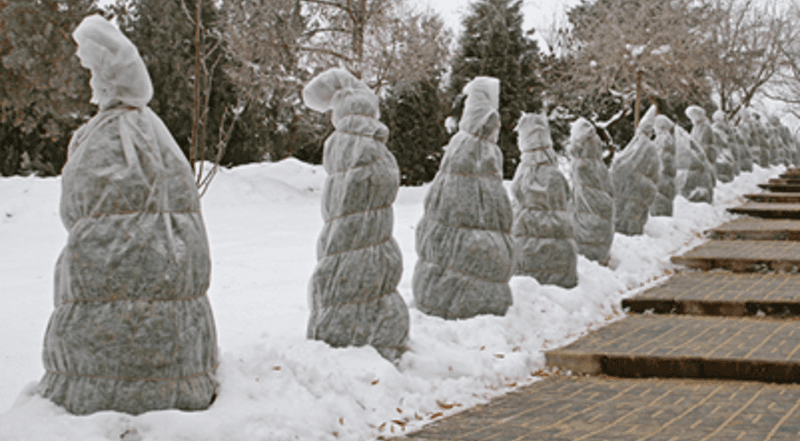
Few sights disappoint a gardener more than an arborvitae flopped open like a blooming flower. Gardeners call it splaying, and it happens fast under heavy snow.
Arborvitae, upright junipers, and similar evergreens grow with several tall stems. Snow wedges between those stems and pushes them apart.
Once split, some stems may not stand straight again. A little prep work in late fall can prevent the whole problem.
Grab soft twine, strips of old cloth, or burlap. Wide, gentle materials work best because thin wire can cut into the bark.
Tie the twine near the base, then wrap upward in a loose spiral. Keep it snug enough to hold the stems together but not tight.
Think of it like a cozy scarf rather than a corset. The plant still needs room to breathe and move a little in the wind.
Some garden centers sell foam-covered wire or stretchy landscape ties. Many gardeners like them because they are easy to reuse each year.
Fun fact: arborvitae means tree of life in Latin. Early settlers reportedly used it as a remedy for scurvy.
Set a reminder to remove the ties in spring. Left on too long, they can squeeze growing stems and cause harm.
A few minutes with twine now can save a tall, handsome hedge. Your privacy screen will stay full and upright all year.
Keep Roof Snow From Sliding Onto Shrubs
Whoosh! One warm afternoon, a whole sheet of snow slides off the roof and buries the bushes below.
Roof avalanches are a serious threat to foundation plantings. Snow from a roof falls fast and lands hard, often snapping branches instantly.
Look at where water drips from your roof in fall. Shrubs in that drop zone are the ones most likely to get hit.
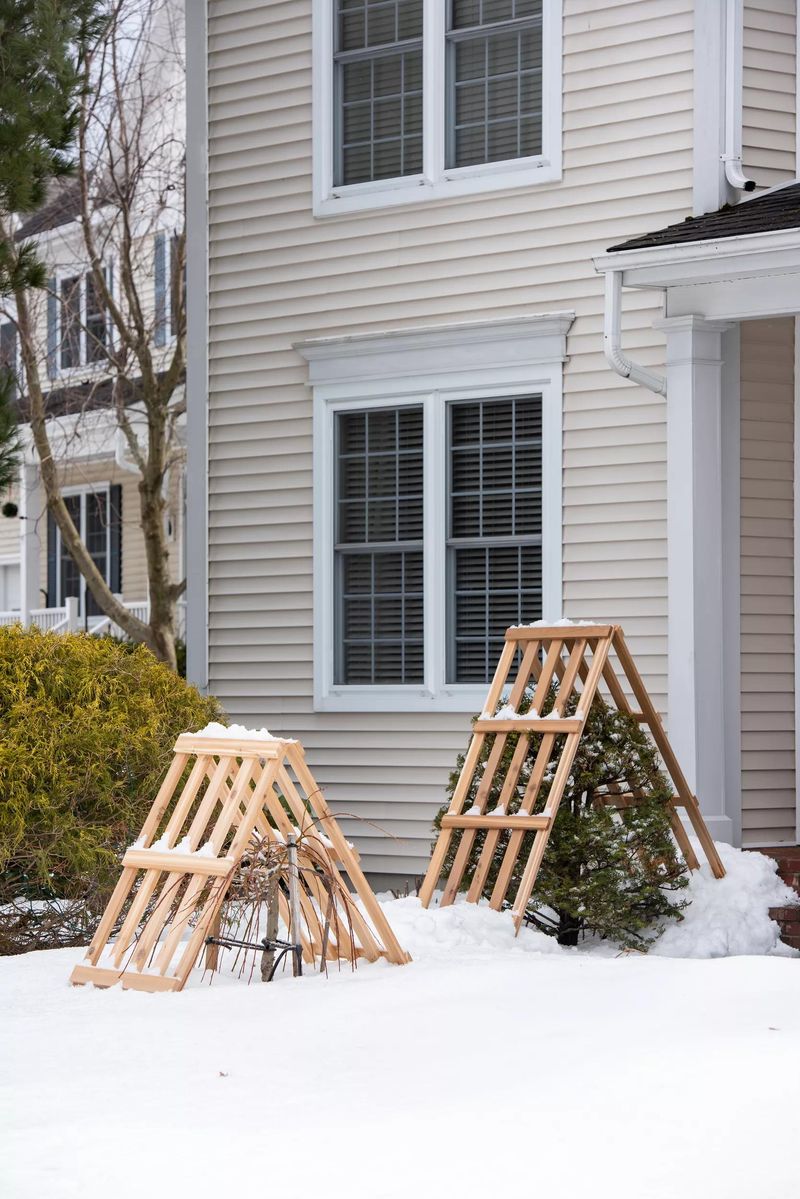
A simple wooden A-frame can work wonders. Place it over vulnerable plants before winter, and falling snow slides harmlessly off the sides.
Plywood and a few boards are usually all you need. Some gardeners use sturdy lattice panels propped together like a small tent.
Shoveling habits matter too. Across New York, many shrubs get crushed by snow tossed from driveways and walkways.
Wet, heavy snow from a shovel can pile up quickly. Add road salt to the mix, and plants face both weight and chemical damage.
Pick a snow storage spot away from your garden beds. An open patch of lawn often makes a great dumping ground.
If you plant new shrubs, think ahead about their location. Keeping them a few feet from the roofline can prevent years of winter trouble.
Planning now beats repairing later. A little foresight keeps your foundation plants looking full and healthy come spring.
Light, Fluffy Snow Actually Insulates Plants
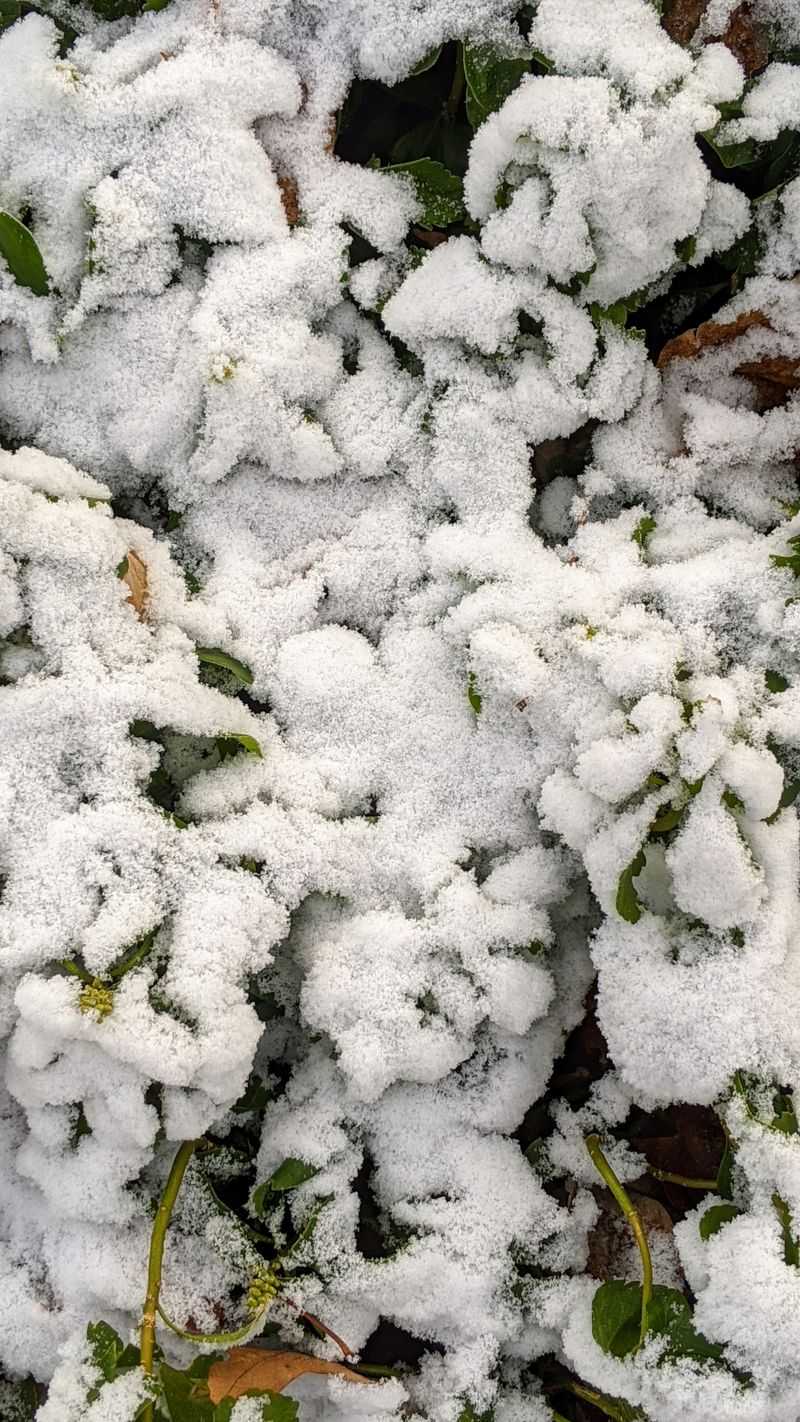
Not all snow is the bad guy in this story. Light, powdery snow can be one of the best gifts your garden receives all winter.
Gardeners sometimes call it white mulch. It forms a soft blanket over the soil and the lower parts of plants.
Fluffy snow is full of tiny air pockets. Those pockets trap heat rising from the ground, much like a down jacket.
Soil under a deep layer of snow can stay much warmer than the air above. Dormant roots stay safer from brutal cold snaps.
Snow cover also blocks harsh, drying winter winds. Without it, evergreens and plant crowns can lose moisture and turn brown.
Another bonus is protection from freeze-thaw cycles. Repeated freezing and thawing can heave small plants right out of the ground.
As snow melts slowly, it soaks into the soil. Your garden gets a gentle drink without you lifting a hose.
Fun fact: snow may carry small amounts of nitrogen from the air. Some gardeners call it poor man’s fertilizer.
Early snow in New York can be especially helpful. It locks in warmth and moisture before the deepest cold arrives.
So go ahead and let fluffy snow rest on low shrubs and beds. Save your broom for the heavy, wet stuff that truly causes trouble.
Prune Broken Branches Once The Weather Warms
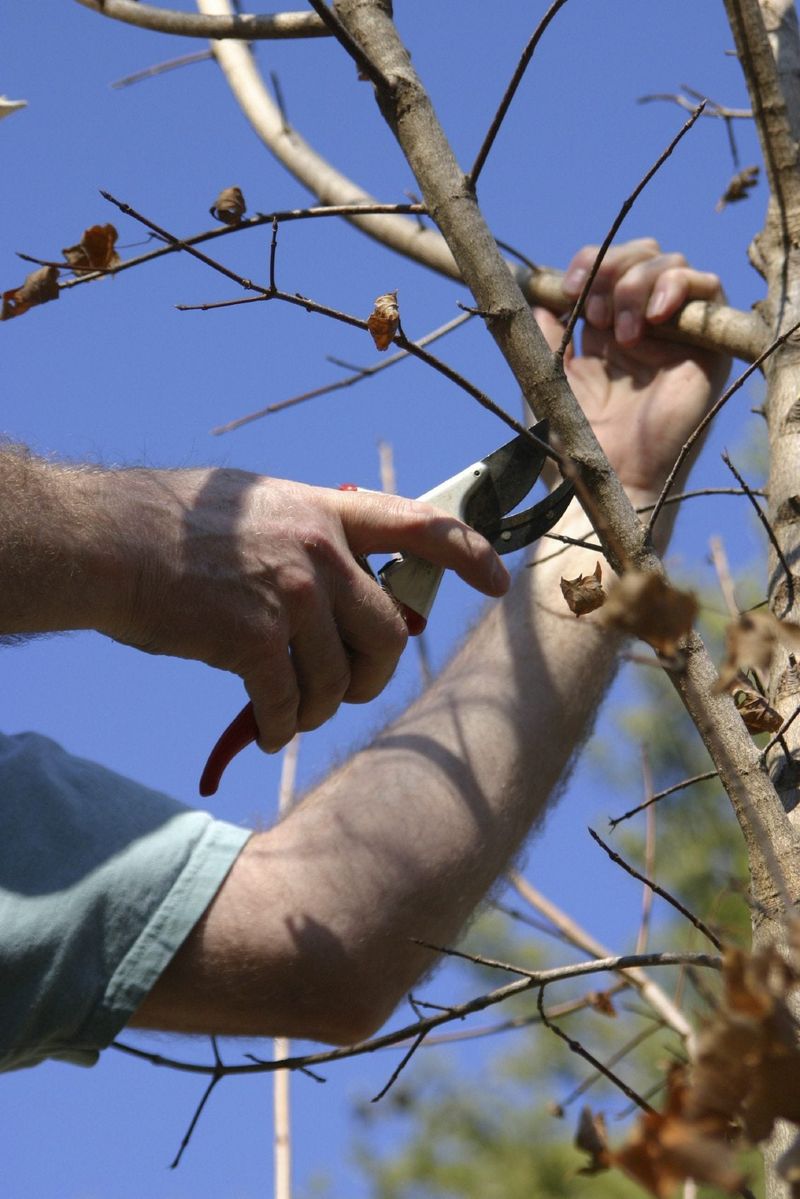
Spring has a way of revealing winter’s secrets. As snow melts, you may spot cracked, dangling, or bent branches on your shrubs.
Right after a storm, remove only what poses a danger. Hanging limbs that could fall or snag someone should come off promptly.
Bigger pruning jobs can wait a while. In New York, late winter or early spring is often the best window for repairs.
Choose a day when temperatures sit above freezing. Wood cuts more cleanly, and you will be more comfortable working outside.
Make each cut just outside the branch collar. That slightly swollen ring where a branch meets the stem helps wounds seal.
Avoid flush cuts that slice right against the main stem. Those cuts remove the collar and make healing much harder.
Bent branches that did not break may surprise you. Many slowly lift back into place once the weight is gone.
Torn bark needs a little cleanup too. Trim ragged edges back to firm, healthy bark using a sharp, clean tool.
Large limbs or heavily damaged shrubs may need an expert. A certified arborist can handle tough cuts safely and correctly.
Skip pruning in late summer, though. Fresh growth from late cuts may not toughen up before the next winter arrives.