10 Herbs Texas Gardeners Are Planting By Front Doors For Maximum Beauty And Flavor
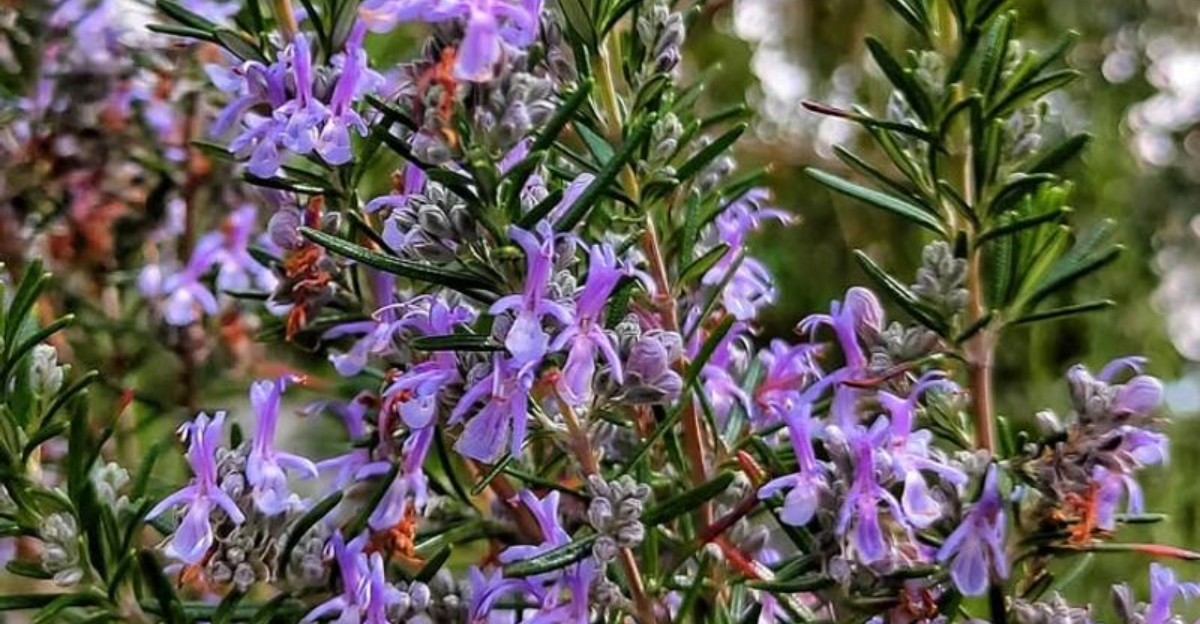
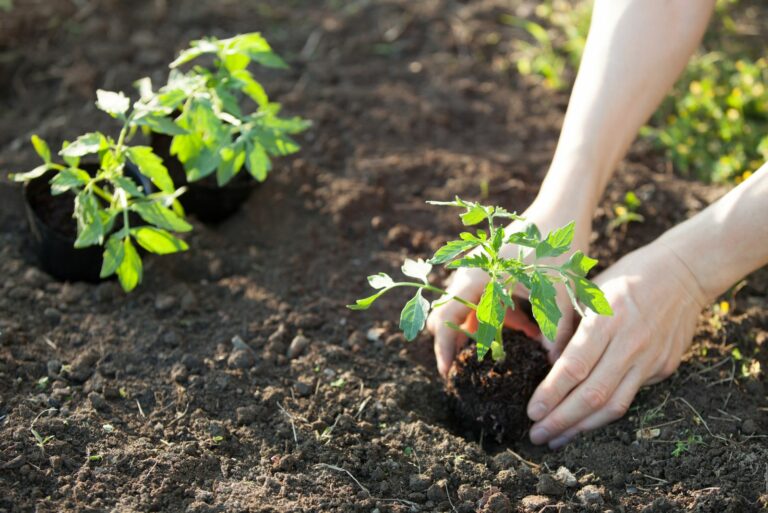
Texas gardeners are discovering that herbs do more than enhance meals—they can also boost curb appeal when planted near the front door.
Fragrant, colorful, and low-maintenance, these herbs create a welcoming atmosphere while providing fresh ingredients for cooking. Your entryway can be both beautiful and delicious with the right plants.
These herbs thrive in Texas climates, combining visual appeal with culinary use. From vibrant basil and savory rosemary to fragrant thyme and ornamental chives, they offer texture, color, and fragrance that greet guests and attract pollinators.
Placing herbs by the front door makes harvesting convenient and enhances your home’s outdoor aesthetic. Herbs can transform your porch or entryway into a stylish, functional garden.
Texas homeowners who plant herbs strategically enjoy a combination of beauty, scent, and flavor that enriches both meals and landscaping. Grow herbs by your front door and enjoy charm, aroma, and taste all at once.
1. Basil (Ocimum Basilicum)
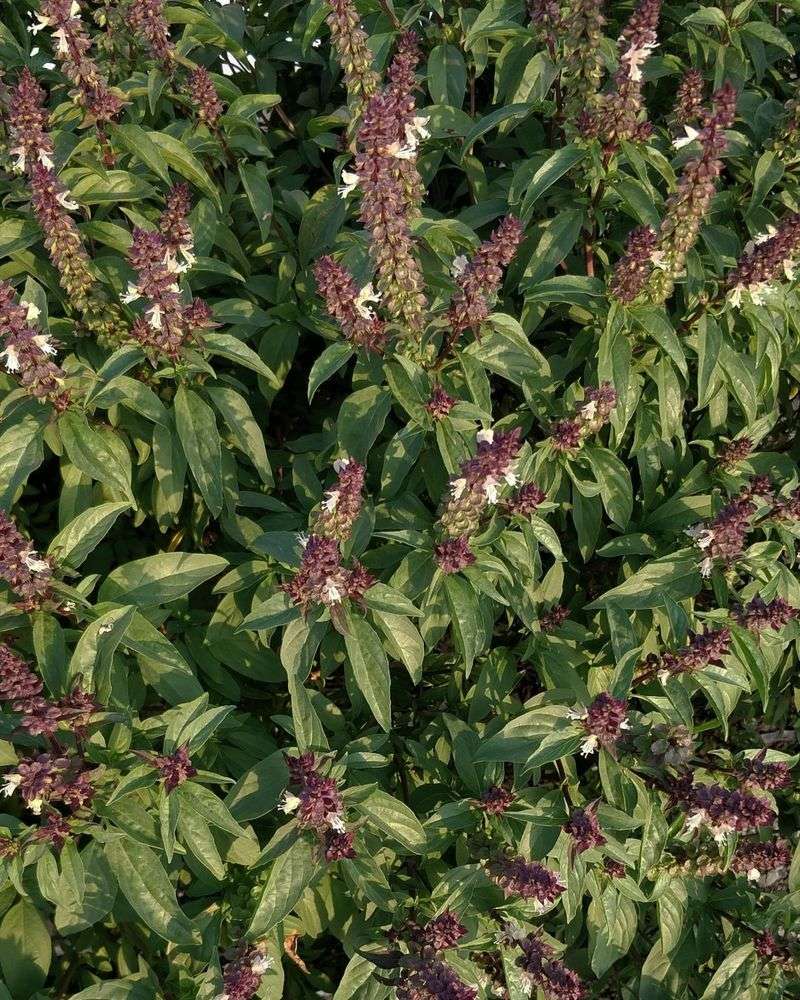
Imagine stepping out your front door and being greeted by the sweet, peppery aroma of fresh basil wafting through the air on a warm Texas evening.
Basil brings an irresistible combination of lush, vibrant foliage and incredible fragrance that makes any entryway feel like a Mediterranean paradise.
The leaves range from deep emerald green to striking purple, depending on the variety you choose, creating a visual feast that complements both traditional and modern home styles.
Container gardening with basil near your front door offers flexibility and convenience, allowing you to move pots to capture the perfect amount of sunlight throughout the day.
Texas summers can be intense, so providing afternoon shade helps prevent the leaves from scorching while maintaining their tender texture and robust flavor.
Regular harvesting actually encourages bushier growth, meaning the more you snip for your favorite recipes, the fuller and more attractive your basil plants become.
Whether you’re growing classic Genovese for pesto, Thai basil for Asian cuisine, or purple varieties for ornamental appeal, this herb adapts beautifully to container life.
Pairing basil with complementary plants like petunias or marigolds creates stunning color combinations while the fragrance helps deter unwanted pests.
Your guests will appreciate the welcoming scent, and you’ll love having fresh basil within arm’s reach whenever inspiration strikes in the kitchen.
2. Rosemary (Rosmarinus Officinalis)
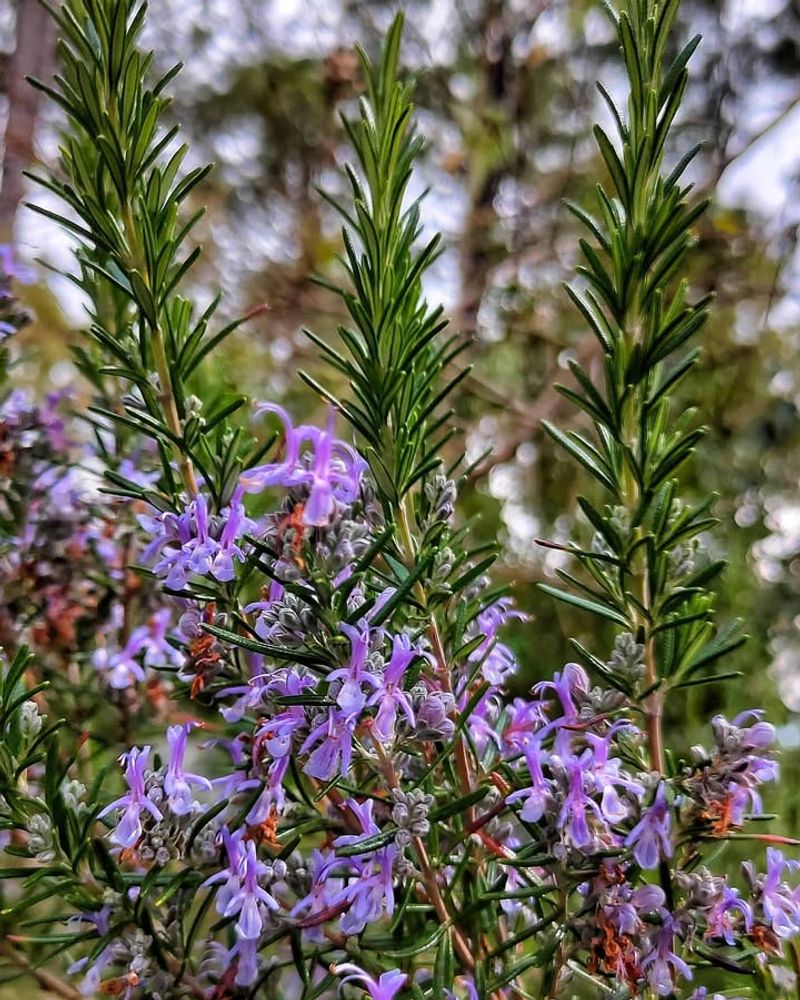
Few herbs command the presence and year-round reliability that rosemary offers Texas gardeners seeking both structure and fragrance by their front doors.
With its evergreen needle-like foliage and woody stems that develop character over time, rosemary functions almost like a small shrub, providing architectural interest even during winter months when many other plants retreat.
The silvery-green needles release their distinctive piney aroma whenever brushed against, creating a sensory experience that welcomes visitors before they even ring the doorbell.
Texas heat rarely fazes this Mediterranean native, which thrives in full sun and well-drained soil that many other herbs find challenging. Rosemary’s drought tolerance makes it an excellent choice for busy gardeners who want beauty without constant maintenance.
The plant produces delicate blue, purple, or white flowers in late winter and spring, adding unexpected color when the garden needs it most while attracting early-season pollinators to your landscape.
Training rosemary into different forms offers creative possibilities for entryway design, from upright columns flanking doorways to cascading varieties spilling over decorative urns.
The culinary applications are endless, from seasoning roasted vegetables to flavoring bread and marinades, ensuring your front-door herb garden serves both aesthetic and practical purposes.
Mature plants develop gnarled, twisted trunks that add an almost sculptural quality to your entrance, becoming conversation starters in their own right.
3. Thyme (Thymus Vulgaris)
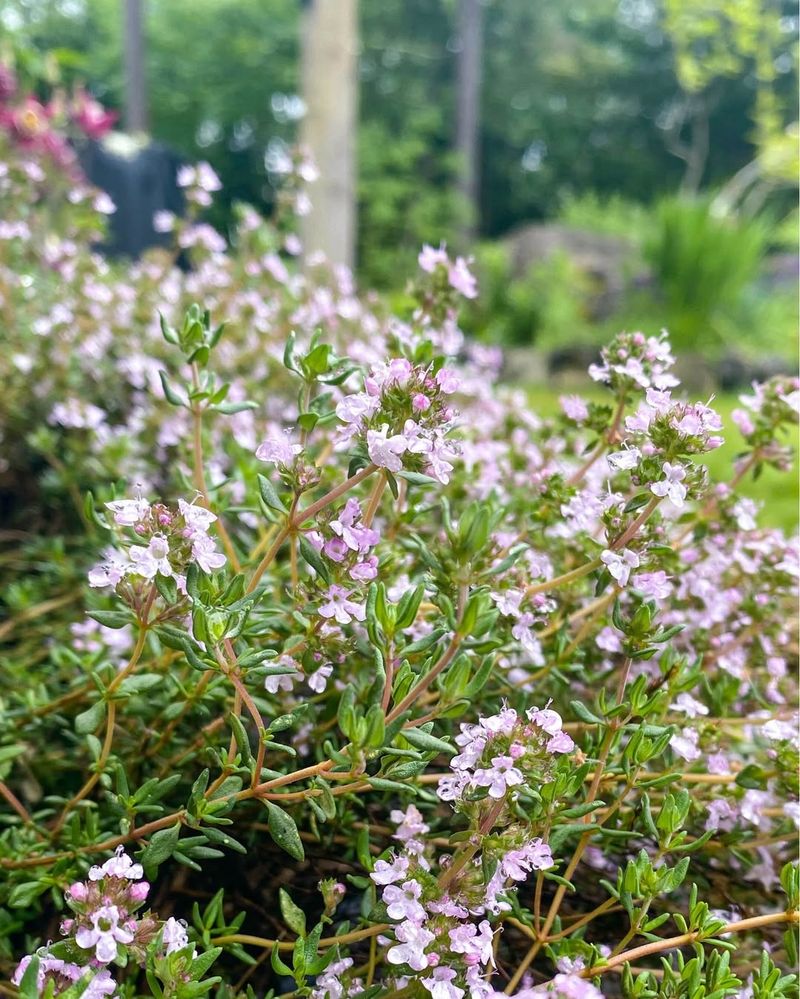
Don’t underestimate the charm and versatility that low-growing thyme brings to the front entrance of your Texas home.
This petite powerhouse spreads into attractive mats of tiny, aromatic leaves that create living groundcover in containers or spill gracefully over pot edges.
When summer arrives, thyme surprises with delicate flowers in shades of pink, purple, or white that attract beneficial pollinators while adding a cottage-garden softness to your entryway design.
The beauty of thyme lies in its ability to thrive where other herbs might struggle, tolerating poor soil and scorching Texas sun with remarkable resilience.
Its compact growth habit makes it perfect for mixing with taller herbs in layered container arrangements, filling in gaps and adding textural contrast.
The fragrance released when you brush past or trim the plants adds another dimension to your entrance, with scents ranging from traditional culinary thyme to lemon, caraway, or even coconut variations.
In the kitchen, thyme proves indispensable for seasoning everything from grilled meats to roasted vegetables, soups, and sauces, making it one of the most practical herbs you can grow.
The leaves retain their flavor beautifully when dried, allowing you to preserve your harvest for year-round use.
Creeping varieties work wonderfully in mixed plantings, weaving between other herbs and flowering plants to create tapestry-like effects that transform ordinary pots into miniature landscapes brimming with life and flavor.
4. Lavender (Lavandula Spp.)
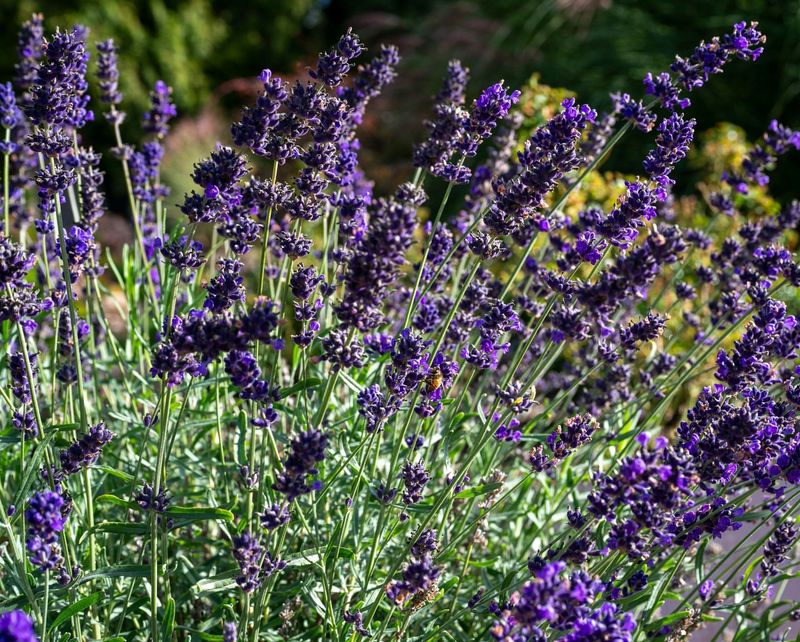
There’s something magical about lavender that transforms an ordinary entryway into a sensory sanctuary, and Texas gardeners are discovering varieties that thrive in the state’s challenging climate.
The fragrant purple flower spikes rising above silvery-gray foliage create a romantic, European-inspired aesthetic that pairs beautifully with everything from rustic farmhouse doors to sleek modern entrances.
Beyond its stunning visual appeal, lavender serves as a pollinator magnet, drawing butterflies and bees that add movement and life to your front garden.
Selecting heat-tolerant varieties like Spanish lavender or Phenomenal lavender ensures success in Texas conditions where traditional English lavender might struggle.
These tougher cultivars handle summer heat and humidity better while still delivering the beloved fragrance and blooms that make lavender so desirable.
Planting lavender in containers with excellent drainage prevents root rot, which can be a concern during occasional heavy rainfall periods.
The aromatic qualities of lavender extend beyond simple fragrance, as the scent is known for promoting relaxation and even deterring mosquitoes from gathering near your entrance.
Harvesting flower stems for sachets, wreaths, or culinary experiments adds another layer of enjoyment to growing this versatile herb.
The gray-green foliage provides year-round interest, maintaining its color even when not in bloom and creating beautiful contrasts with darker-leaved herbs or bright flowering annuals in mixed container designs.
5. Sage (Salvia Officinalis)
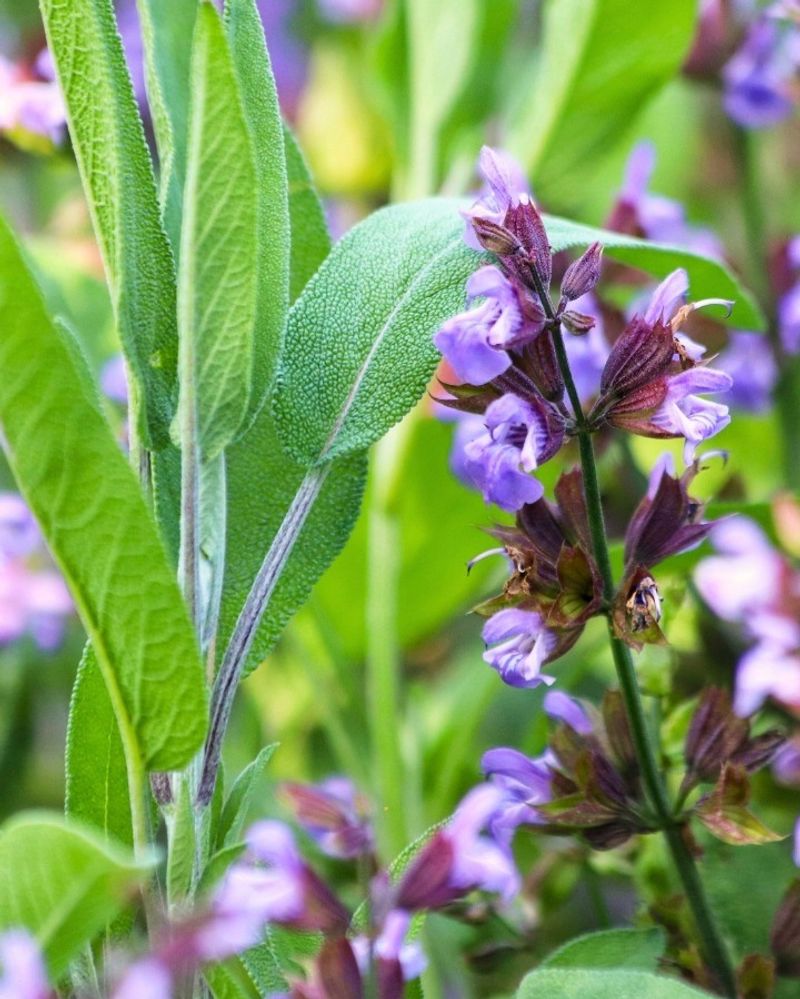
Sage brings an understated elegance to front-door herb gardens with its velvety, textured leaves that feel as interesting as they look.
The soft gray-green foliage creates a calming backdrop for more colorful companions while standing strong on its own as a focal point in minimalist designs.
Texas gardeners appreciate sage’s remarkable ability to handle full sun and heat without complaint, making it one of the most reliable herbs for south-facing entrances that receive intense afternoon light.
Varieties extend far beyond common culinary sage, offering gardeners options with purple, golden, or variegated foliage that introduce unexpected color variations to the traditional herb palette.
These ornamental selections maintain the same hardy growth characteristics while adding artistic flair to container compositions.
When mature, sage develops slightly woody stems that give the plant structure and permanence, transforming it from a simple herb into a landscape feature with genuine presence.
The culinary applications of sage are legendary, especially for seasoning poultry, pork, and hearty fall dishes that bring comfort on cooler evenings.
Fresh sage leaves can also be fried until crispy for a garnish that impresses dinner guests with both flavor and presentation.
In late spring, sage produces spikes of tubular flowers in shades of blue, purple, or white that hummingbirds find irresistible, adding another reason to position this beautiful herb where you can observe its interactions with wildlife from your doorway.
6. Oregano (Origanum Vulgare)
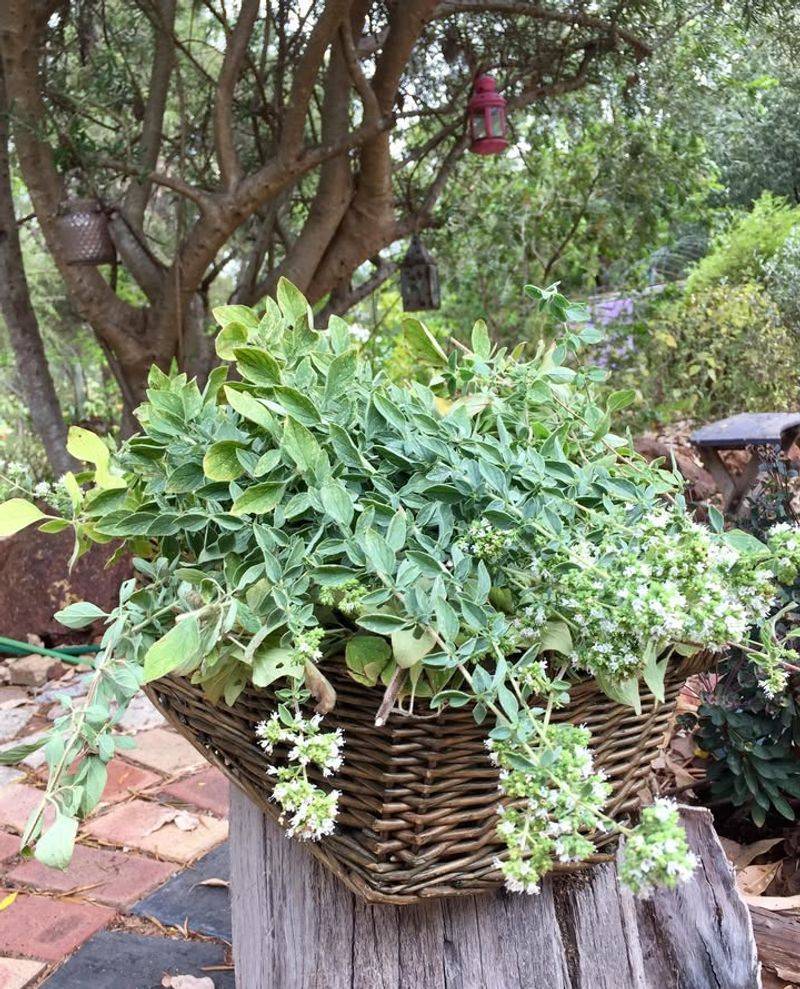
Oregano might be best known as a pizza and pasta seasoning, but this enthusiastic grower offers so much more when planted by your front door in Texas.
The plant spreads quickly into a mounded form covered with small, rounded leaves that release their pungent aroma at the slightest touch.
During summer months, clusters of tiny white or pink flowers appear, creating a cloud-like effect that softens the edges of containers and attracts beneficial insects to your entrance garden.
What makes oregano particularly valuable for Texas gardeners is its incredible heat tolerance and ability to bounce back from occasional neglect.
Even if you forget to water during a busy week, oregano typically recovers quickly once moisture returns, making it forgiving for gardeners juggling multiple responsibilities.
The spreading habit means you’ll get excellent coverage in pots, with stems cascading over edges to create a lush, abundant appearance that belies how easy the plant is to maintain.
Harvesting oregano regularly keeps the plant compact and encourages fresh, tender growth that’s perfect for cooking.
The flavor intensifies when leaves are dried, so you can preserve your bounty for seasoning throughout the year.
Greek oregano offers the most robust culinary flavor, while varieties like golden oregano add bright chartreuse foliage that illuminates shady corners near your entrance.
Pairing oregano with upright herbs like rosemary creates pleasing height variations in mixed container plantings.
7. Chives (Allium Schoenoprasum)
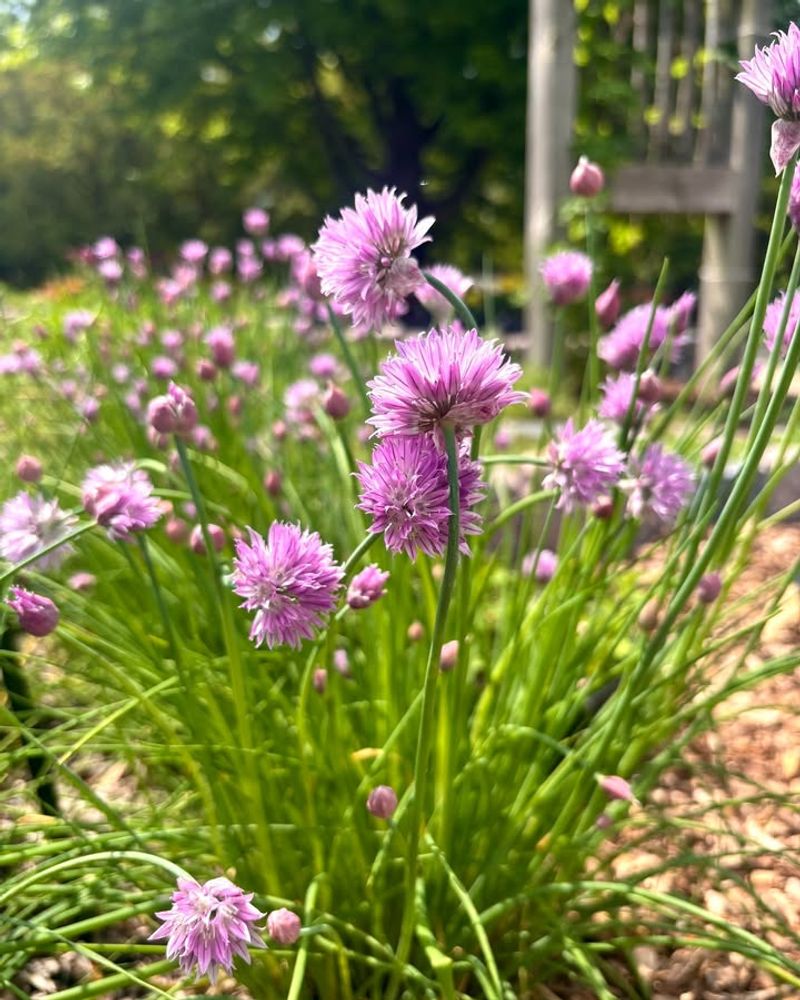
Chives form dense, upright clumps of hollow, grass-like leaves that add vertical interest to container arrangements without overwhelming neighboring plants.
Texas gardeners love how these dependable herbs return year after year, sending up fresh green shoots in early spring that signal the garden’s awakening.
The real showstopper arrives when globe-shaped purple flowers emerge atop slender stems, creating pompom effects that look charming in front-door displays while also being completely edible and surprisingly flavorful.
Growing chives in containers near your entrance offers the practical advantage of having fresh garnish always within reach for baked potatoes, salads, omelets, and cream cheese spreads.
Both the leaves and flowers add mild onion flavor to dishes, with the blossoms providing a beautiful pop of color when scattered over finished plates.
Regular harvesting by snipping leaves near the base encourages continuous production and prevents the clumps from becoming too dense or messy-looking.
The flowers attract pollinators in droves, particularly bees and butterflies that appreciate the nectar-rich blooms during late spring and early summer.
After flowering, you can either remove the spent blooms to encourage more leaf production or allow them to set seed, which often results in new chive plants appearing in your containers the following season.
Chives tolerate partial shade better than many herbs, making them suitable for east-facing entrances that receive morning sun but afternoon protection from Texas’s intense heat.
8. Mint (Mentha Spp.) Contained
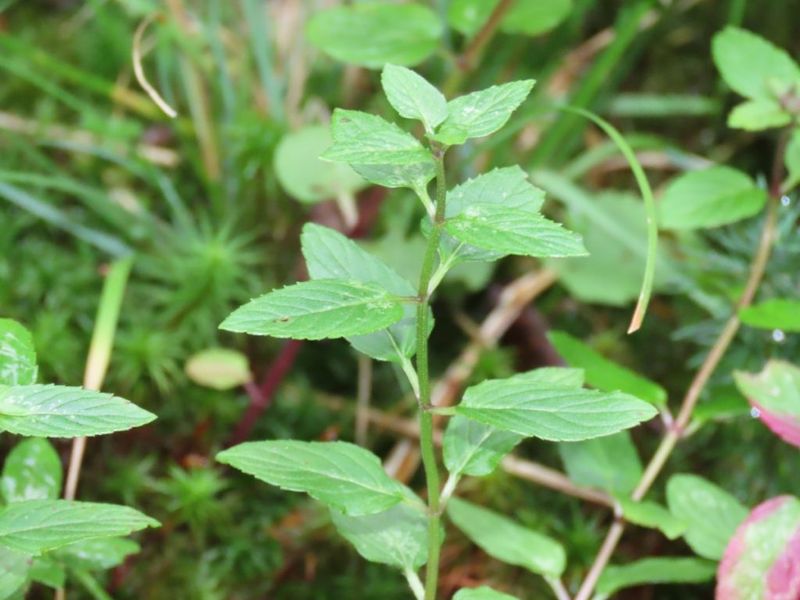
Anyone who has planted mint directly in the ground knows it can quickly become an enthusiastic colonizer, spreading through underground runners until it dominates entire garden beds.
That’s exactly why smart Texas gardeners keep mint confined to containers near their front doors, where its vigorous growth becomes an asset rather than a problem.
The aromatic leaves release their refreshing scent whenever brushed, creating an invigorating welcome for visitors and a pleasant experience every time you come and go.
Container culture allows you to grow multiple mint varieties without them cross-pollinating or competing for space, letting you enjoy spearmint for mojitos, peppermint for tea, chocolate mint for desserts, and even pineapple or apple mint for unique flavor experiences.
The lush, green foliage remains attractive throughout the growing season, and mint’s tolerance for partial shade makes it perfect for entryways that don’t receive full sun all day.
Regular harvesting keeps plants bushy and productive while providing you with fresh leaves for beverages, salads, and culinary experiments.
Mint flowers in summer with small spikes of white or purple blooms that pollinators appreciate, though many gardeners pinch these off to redirect energy into leaf production.
The cooling sensation mint provides makes it especially refreshing during hot Texas summers, whether you’re adding it to iced tea or simply crushing a leaf to enjoy its aroma.
Placing mint pots on saucers helps maintain consistent moisture, as this herb prefers slightly damper conditions than most Mediterranean herbs.
9. Lemon Balm (Melissa Officinalis)
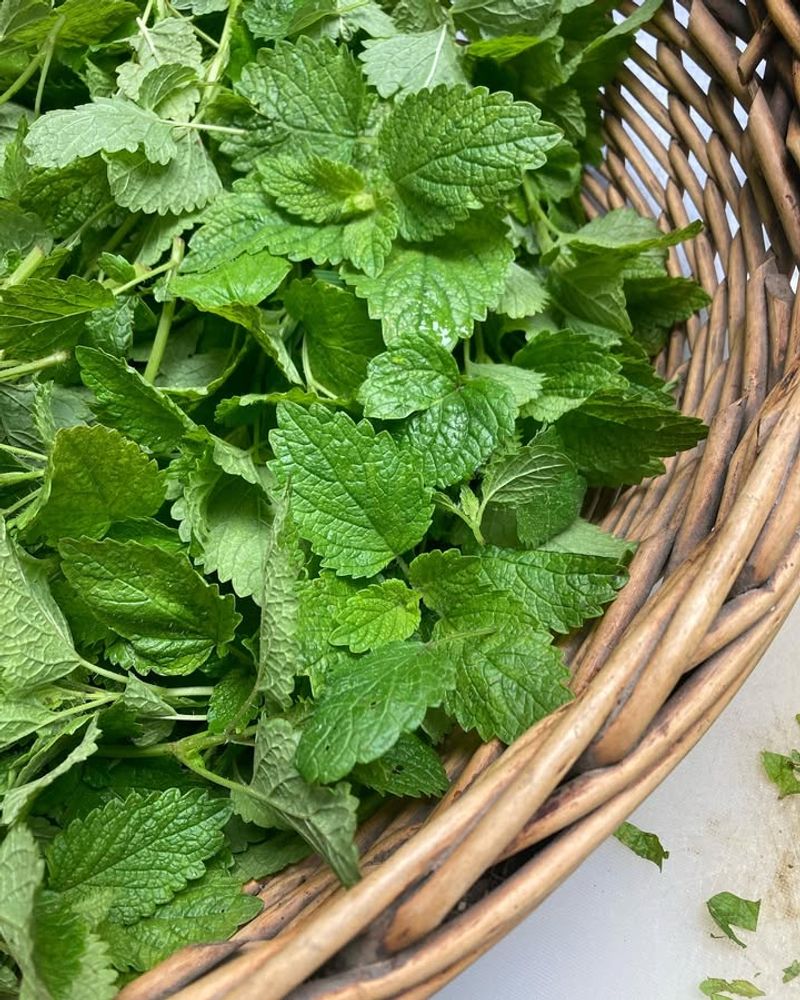
Lemon balm brings a gentle, citrus-scented presence to front-door herb gardens, with soft green leaves that look delicate but prove surprisingly hardy in Texas conditions.
The foliage releases a wonderful lemony fragrance when touched, creating an uplifting sensory experience that brightens moods and makes coming home feel special.
This member of the mint family shares its relative’s vigorous growth habit, which is why container planting keeps it well-behaved while still allowing you to enjoy its many benefits.
Pollinators absolutely adore lemon balm, with bees finding the small white flowers particularly attractive during summer blooming periods.
Watching these beneficial insects work the flowers from your doorstep provides entertainment and the satisfaction of supporting local pollinator populations.
The plant tolerates partial shade better than many herbs, making it ideal for entrances with limited sun exposure or for tucking into spots where other herbs might struggle.
Culinary uses for lemon balm include brewing into calming herbal teas, adding fresh leaves to fruit salads, or incorporating into desserts where a subtle lemon flavor enhances other ingredients without overwhelming them.
The leaves also make wonderful additions to cold water infusions during hot Texas afternoons, providing refreshment without added sugars or calories.
Lemon balm’s soft texture and bright green color create beautiful contrasts when planted alongside herbs with silver or purple foliage, helping to build visually interesting container combinations that welcome guests with style and fragrance.
10. Parsley (Petroselinum Crispum)
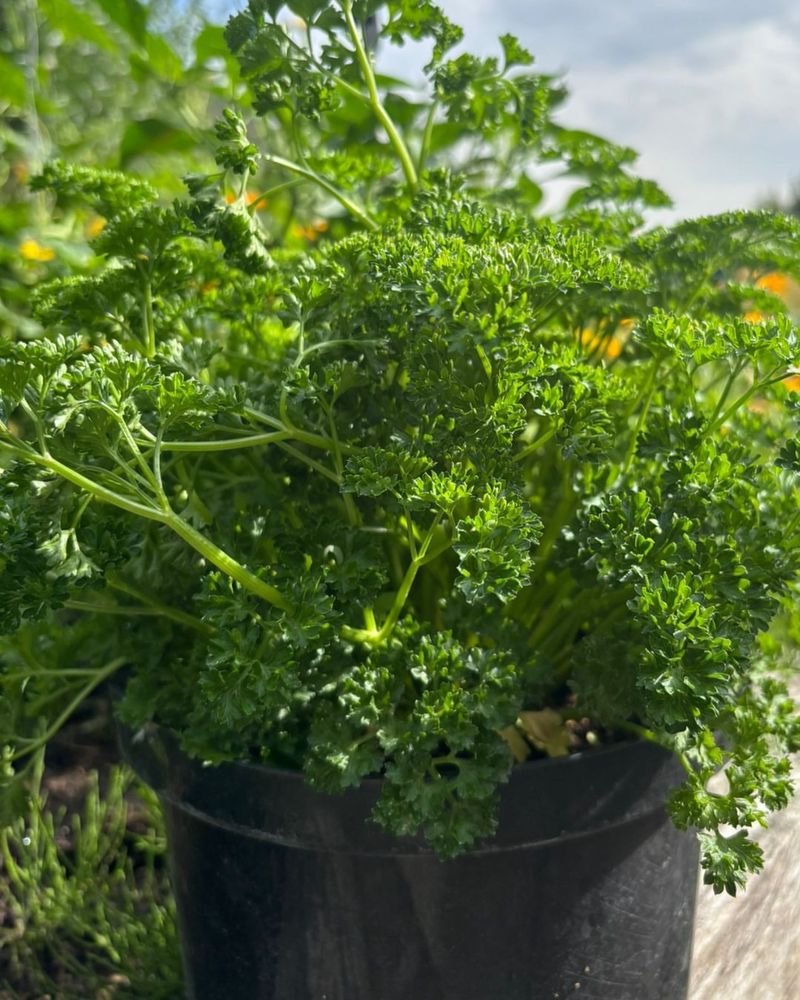
Parsley often gets dismissed as mere garnish, but Texas gardeners planting it by their front doors know better.
The bright, cheerful green foliage provides vibrant color that contrasts beautifully with flowering plants and darker-leaved herbs, creating visual interest throughout the year.
Both curly and flat-leaf varieties thrive in Texas, with curly parsley offering ornamental ruffled leaves that add texture, while flat-leaf Italian parsley delivers more robust flavor for culinary applications.
This biennial herb treats Texas gardeners to lush foliage during its first year, making it worth replanting annually for continuous fresh harvests.
Parsley tolerates cooler temperatures better than many herbs, continuing to produce fresh leaves well into fall and winter when other herbs slow down or go dormant.
This extended season makes it particularly valuable for front-door plantings, ensuring your entrance maintains its green, welcoming appearance even as temperatures drop.
The culinary versatility of fresh parsley cannot be overstated, from essential ingredient in tabbouleh and chimichurri to flavor booster in soups, sauces, and marinades.
Having it steps from your kitchen means you’ll use it more often, elevating everyday meals with fresh, bright flavors.
Parsley also serves as a host plant for swallowtail butterfly caterpillars, so don’t be surprised if you notice these beautiful insects visiting your front door.
Sharing a few leaves with caterpillars contributes to the local ecosystem while still leaving plenty for your own kitchen needs.