7 May Garden Tasks Arizona Homeowners Should Handle Before Extreme Heat Hits
May in Arizona does not ease in gently. One minute your garden feels manageable, and the next the sun is cranking up and the soil is drying out before lunch.
It is that moment when even tough desert plants start to feel the pressure, and your yard quietly asks for a little extra attention. This is actually a great time to step in and help things along.
A few smart moves now can make your landscape look a lot happier once those triple-digit days settle in. Think of it as giving your plants a head start before summer really flexes.
Arizona yards come in all styles, from gravel-heavy designs to leafy garden beds and patio containers soaking up the sun. No matter what you are working with, a little effort this month can go a long way.
1. Switch To A Summer Watering Schedule
Desert soil loses moisture at a surprising rate once Arizona temperatures start pushing past 90 degrees, and May is exactly when that shift begins to accelerate.
Watering habits that worked well through March and April are no longer enough to keep plants healthy as the heat builds.
Adjusting your irrigation schedule now, before the real summer heat arrives, gives your plants time to adapt gradually rather than struggling through a sudden change.
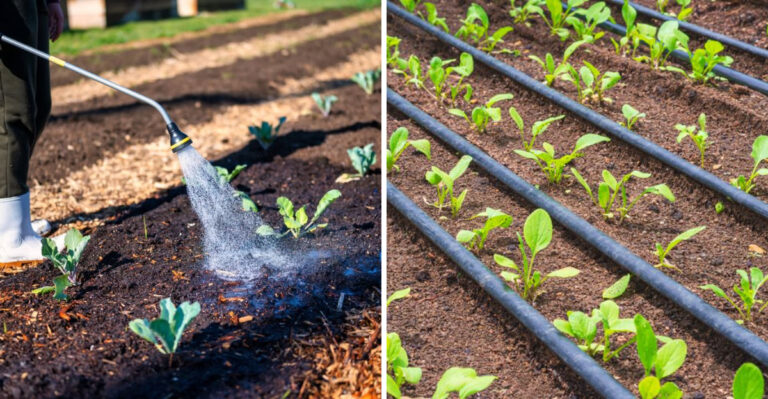
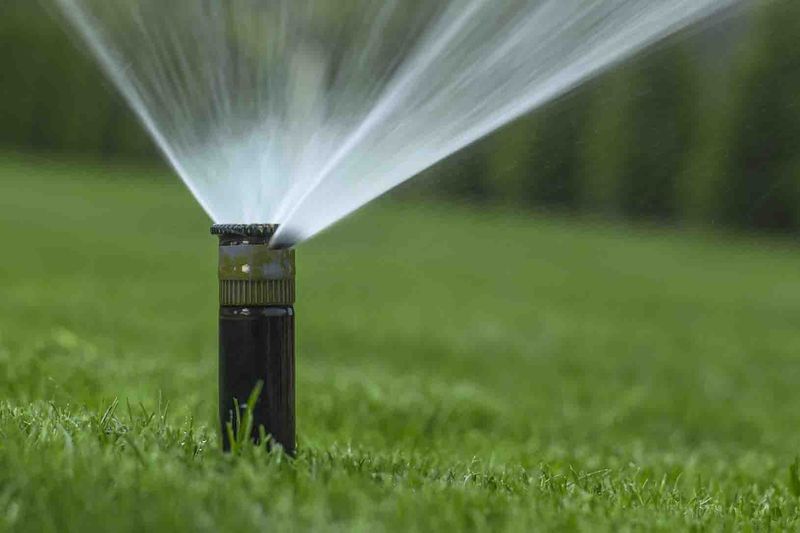
For most Arizona landscapes, this means increasing watering frequency while also watering deeper. Deep, infrequent watering encourages roots to grow further down into the soil where temperatures stay cooler and moisture lasts longer.
Shallow watering keeps roots close to the surface where they are far more vulnerable to heat stress.
Trees and large shrubs in Arizona yards generally benefit from watering every seven to ten days in May, depending on soil type and sun exposure. Smaller shrubs and perennials may need water every four to five days as temperatures climb.
Container plants dry out much faster than in-ground plants, so check those daily during warm stretches.
Early morning is the most effective time to water in Arizona because less moisture is lost to evaporation before plants can absorb it. Watering at night can leave foliage damp for too long, which can encourage fungal problems in some plants.
Checking soil moisture a few inches below the surface before watering helps avoid both overwatering and underwatering as conditions shift.
2. Apply Mulch Around Trees, Shrubs, And Garden Beds
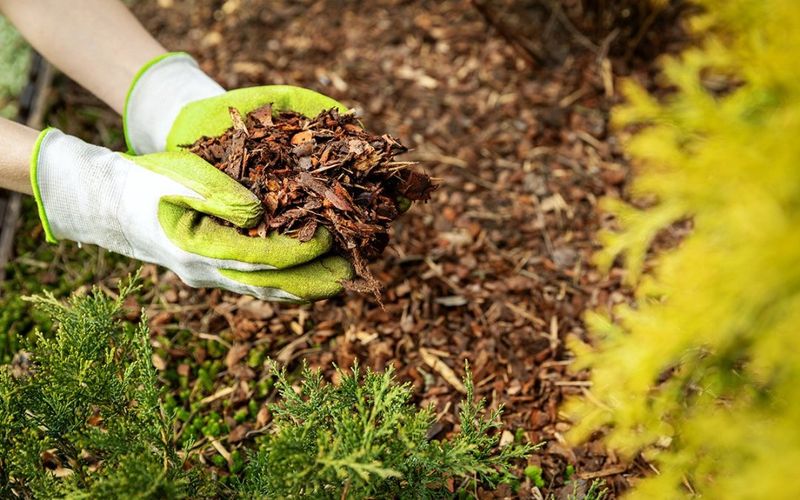
One of the most practical things an Arizona homeowner can do in May is lay down a fresh layer of mulch across garden beds, around tree bases, and along shrub borders.
Mulch acts like a protective blanket over the soil, slowing down moisture evaporation and keeping root zones noticeably cooler during the hottest parts of the day.
The difference in soil temperature between mulched and bare ground in an Arizona yard can be dramatic.
Organic mulches such as wood chips, shredded bark, or straw decompose over time and gradually improve soil structure and nutrient content. A layer of about three to four inches is typically effective for most Arizona garden beds.
Your Arizona Garden Changes Every Week. Your Plan Should Too.
Gardening in Arizona changes quickly throughout the season. Every Friday you’ll receive a simple weekly plan showing exactly what to plant, prune, fertilize, harvest, and protect so you never miss the right timing.
Keeping mulch a few inches away from plant stems and tree trunks helps prevent moisture buildup that could lead to rot or pest problems near the base of the plant.
Inorganic mulches like gravel or decomposed granite are already common in many Arizona yards and do help reduce evaporation, though they absorb and radiate heat more than organic options.
For vegetable gardens and raised beds, organic mulch is usually the better choice because it supports healthy soil biology and helps regulate temperature more effectively.
Applying mulch in May means it is in place before the most intense heat arrives, giving your soil and plant roots the best possible buffer. Refreshing old mulch that has thinned out over winter is just as important as adding new mulch to bare areas of the yard.
3. Wrap Up Cool-Season Vegetable Harvests
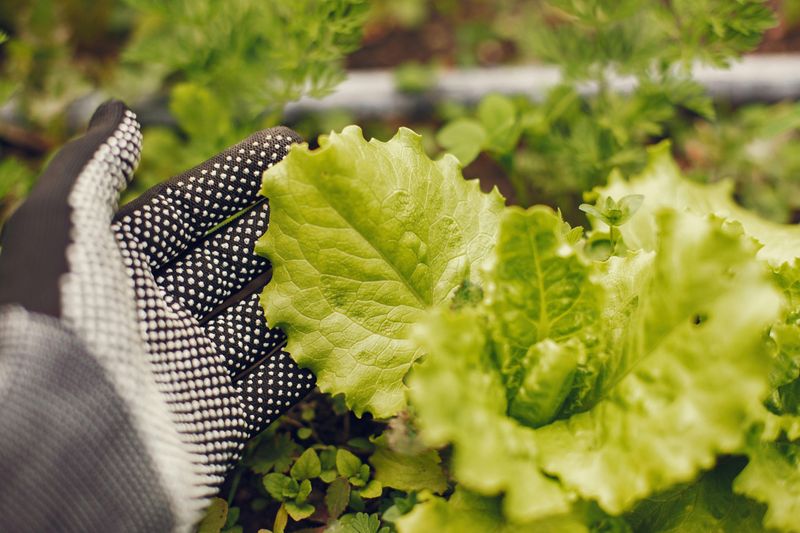
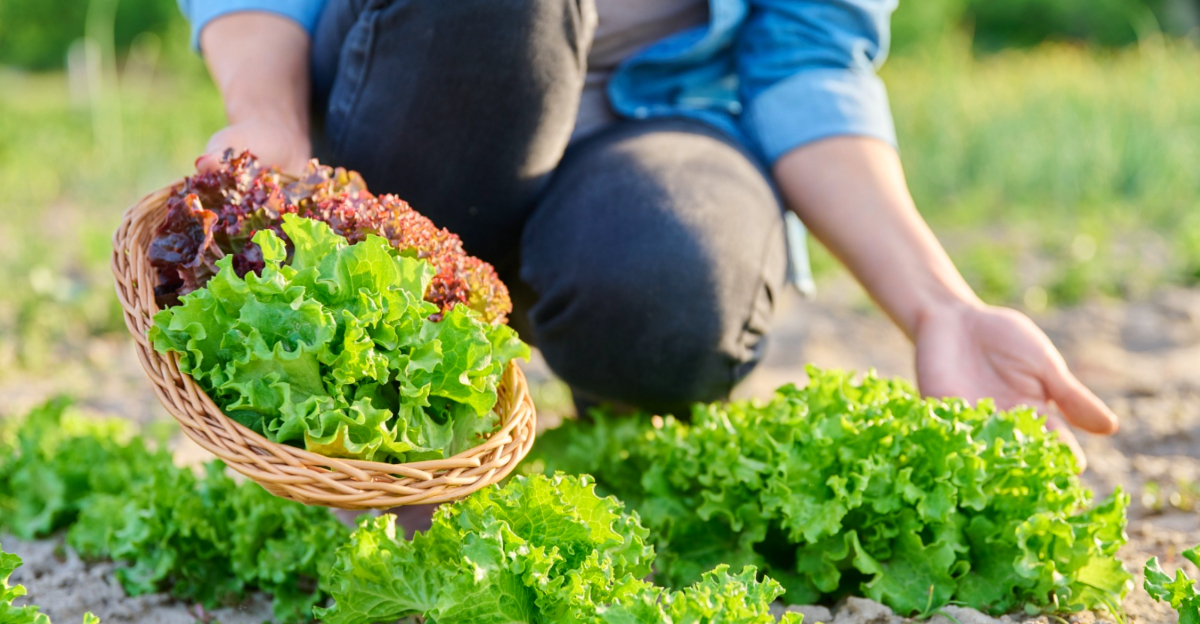
Lettuce, spinach, broccoli, and other cool-season vegetables are running out of time in Arizona once May arrives.
These crops were built for mild weather, and as daytime temperatures consistently reach the upper 80s and 90s, they begin to bolt, turning bitter and going to seed quickly.
Checking your raised beds and garden rows now and harvesting whatever remains is a smart move before heat stress takes over.
Bolting happens when cool-season plants sense rising temperatures and shift their energy toward producing seeds rather than edible leaves or heads. Lettuce becomes bitter and tough almost overnight when this happens.
Pulling these plants out promptly clears space in your garden beds and gives you time to amend the soil before planting warm-season crops.
After pulling cool-season vegetables, work a few inches of compost into the bed. Arizona soils can be low in organic matter, and replenishing nutrients now sets the stage for heat-tolerant summer crops.
Letting beds sit bare in the summer sun without cover can bake the soil and reduce its quality over time, so planning your next planting quickly is a good idea.
If some of your cool-season plants have already bolted, you can still collect seeds from open-pollinated varieties to use in next year’s fall garden. Seed saving is a rewarding and resourceful habit that many experienced Arizona gardeners rely on.
Wrap up these harvests with intention so your garden space is ready for the warm-season transition ahead.
4. Plant Heat-Tolerant Summer Vegetables
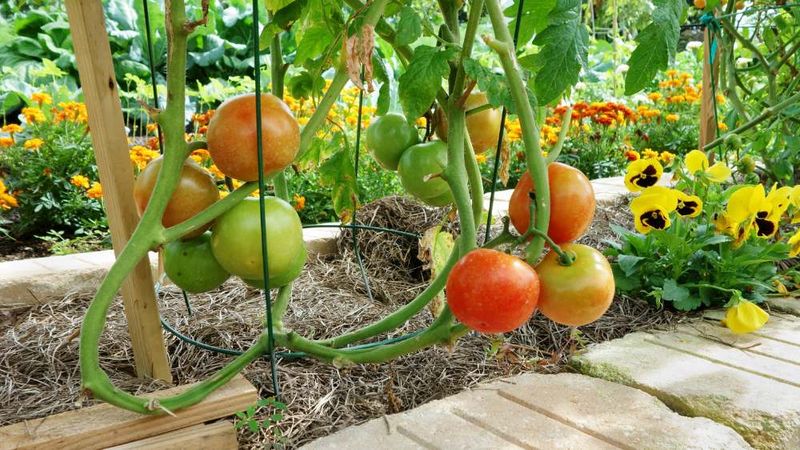
May offers Arizona gardeners a narrow but productive planting window for warm-season vegetables before the summer heat becomes too extreme for transplanting.
Crops like squash, okra, black-eyed peas, Armenian cucumber, and sweet potatoes are well-suited to Arizona summers and can be established this month while nighttime temperatures are still mild enough to support root development.
Tomatoes and peppers that were started in late winter or early spring should already be in the ground and producing by now.
If you have not planted peppers yet, early May can still work in most parts of Arizona, especially in higher elevation areas like Prescott or Flagstaff where summer heat arrives later.
In the low desert regions around Phoenix and Tucson, get transplants in the ground as early in May as possible.
Starting seeds directly in the soil works well for heat-loving crops like squash, beans, and cucumbers. These plants often prefer direct sowing and establish quickly in warm Arizona soil.
Providing afternoon shade cloth over new transplants during the first week or two can ease the transition and reduce transplant shock significantly.
Raised beds warm up faster than in-ground plots, which benefits germination but also means they dry out more quickly. Checking soil moisture daily in raised beds during May is a sensible habit.
Choosing varieties labeled as heat-tolerant or specifically recommended for Arizona desert climates improves your chances of a successful and productive summer garden season considerably.
5. Inspect And Service Your Drip Irrigation System
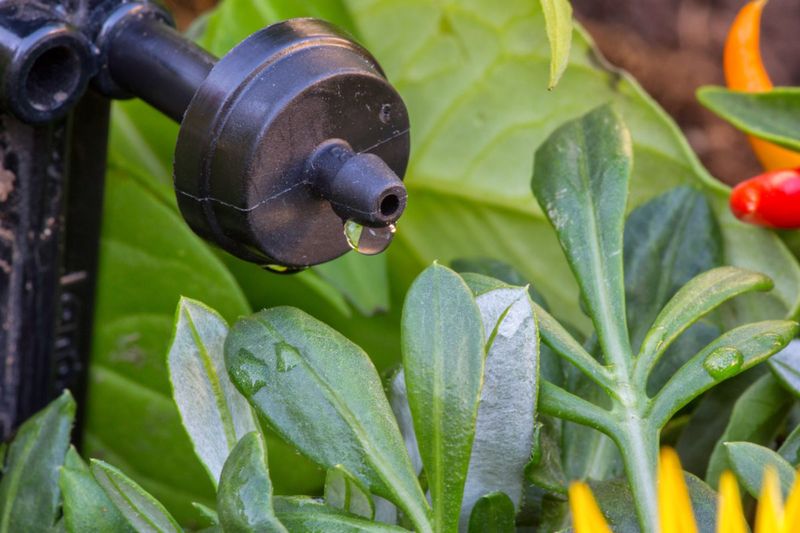
A drip irrigation system works quietly in the background most of the year, but May is the right time to give it a thorough check before it carries the full burden of keeping your landscape alive through an Arizona summer.
Small problems that were easy to overlook in cooler months can become serious issues once temperatures rise and every drop of water counts.
Walk your entire irrigation layout and look for clogged emitters, cracked tubing, and loose fittings. Emitters can become blocked with mineral deposits from Arizona’s hard water, reducing or stopping water flow entirely.
A clogged emitter near a tree or shrub can go unnoticed for weeks while the plant quietly experiences stress from lack of moisture.
Check that each emitter is positioned correctly and delivering water near the plant’s root zone rather than onto bare gravel or pavement. Over time, tubing shifts, stakes loosen, and emitters end up pointed in the wrong direction.
Adjusting placement now takes only a few minutes but can meaningfully improve water efficiency across your whole yard.
Running your system manually and watching each zone closely is the most reliable way to catch problems. Look for signs of pooling water, which can indicate a cracked line or stuck emitter.
Also check your irrigation timer or controller to confirm the schedule is programmed correctly for summer watering needs. Replacing worn emitters before summer arrives is far less stressful than troubleshooting a failed system during a heat wave.
6. Hold Off On Heavy Pruning Of Desert Trees And Shrubs
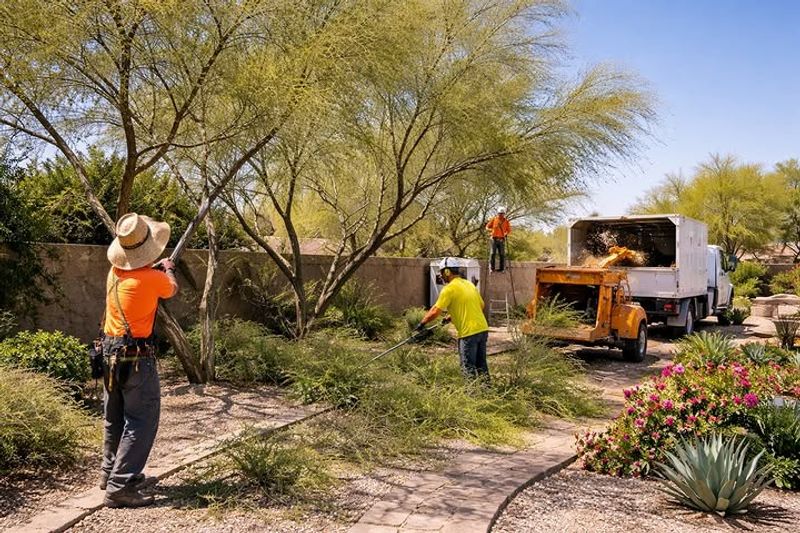
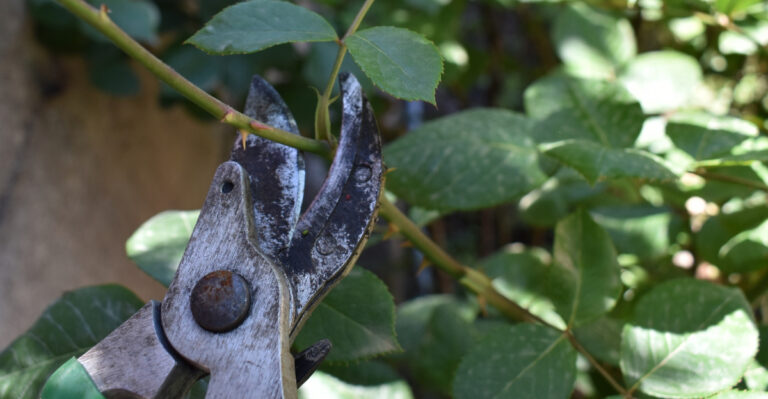
Pruning feels like a productive garden task, but timing matters enormously in Arizona, and May is not the month to cut back desert trees and shrubs heavily.
Plants like palo verde, mesquite, desert willow, and brittlebush have spent the spring building up foliage and canopy that now serves a critical purpose: providing shade for their own trunks, branches, and root zones during summer heat.
Removing large amounts of foliage in late spring strips away the natural protection these plants rely on.
Exposed bark and interior branches that are suddenly hit with direct Arizona sun can suffer from sunscald, a type of heat damage that causes bark to crack and weaken.
Recovery from sunscald is slow and can leave plants more vulnerable to insects and disease over the following months.
Light, targeted pruning is still acceptable in May. Removing damaged wood, crossing branches, or growth that poses a safety hazard around structures is reasonable and will not stress a healthy plant.
The goal is to avoid removing more than about a quarter of the plant’s canopy at one time, and ideally much less during the warmer months.
Major pruning of most Arizona desert trees and shrubs is better suited to late fall or very early spring when plants are not under heat stress and have time to recover before temperatures climb again.
If a tree or shrub needs significant shaping or structural work, note it now and schedule that project for cooler weather when the plant can heal more comfortably and efficiently.
7. Fertilize Palms And Warm-Season Lawn Grasses
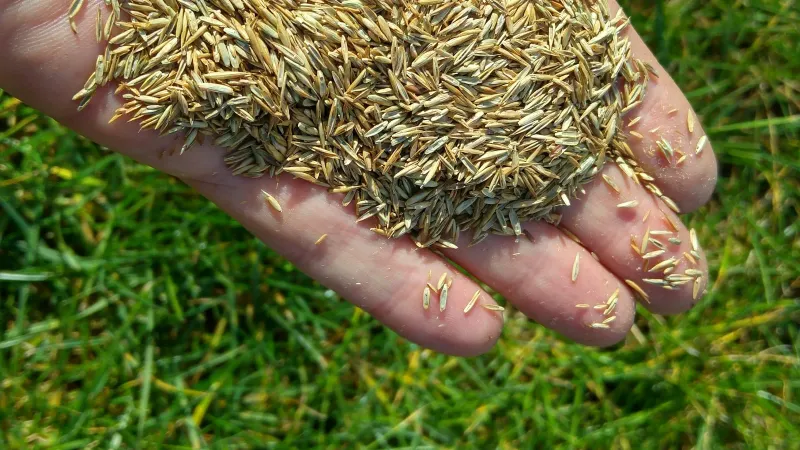
Warm soil temperatures signal to palms and warm-season grasses that their active growing period has arrived, and May is one of the best months to give them a nutritional boost before the heat of summer peaks.
Fertilizing at the right time helps these plants build strength and resilience that carries them through the most demanding months of the Arizona year.
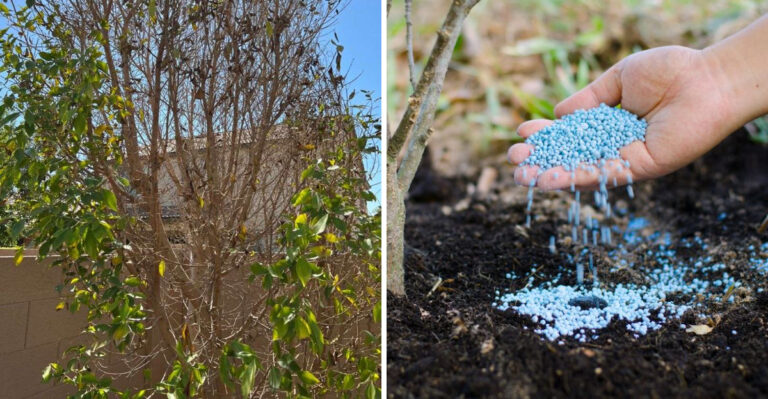
Palms in Arizona landscapes benefit from a fertilizer formulated specifically for palms, often labeled as a palm and tropical fertilizer with a balanced ratio of nitrogen, potassium, and magnesium.
Potassium and magnesium deficiencies are relatively common in Arizona palms, showing up as yellowing or frizzled fronds.
Using the right fertilizer addresses these deficiencies before they become visible and more difficult to correct.
Bermuda grass, which is the most common warm-season lawn grass across Arizona’s low desert regions, responds well to nitrogen fertilizer in May as it enters its peak growing phase.
Applying a slow-release nitrogen fertilizer helps support steady, even growth without pushing excessive flushes of soft new growth that can be more vulnerable to heat stress and pests.
Zoysia and other warm-season turf varieties grown in parts of Arizona also benefit from a May feeding. Water your lawn thoroughly after applying granular fertilizer to help it move down to the root zone and reduce the risk of fertilizer burn on dry grass blades.
Timing fertilizer applications with a scheduled watering day makes the process easier and more effective overall.