9 Herbs That Grow Better With Regular Pruning In Georgia
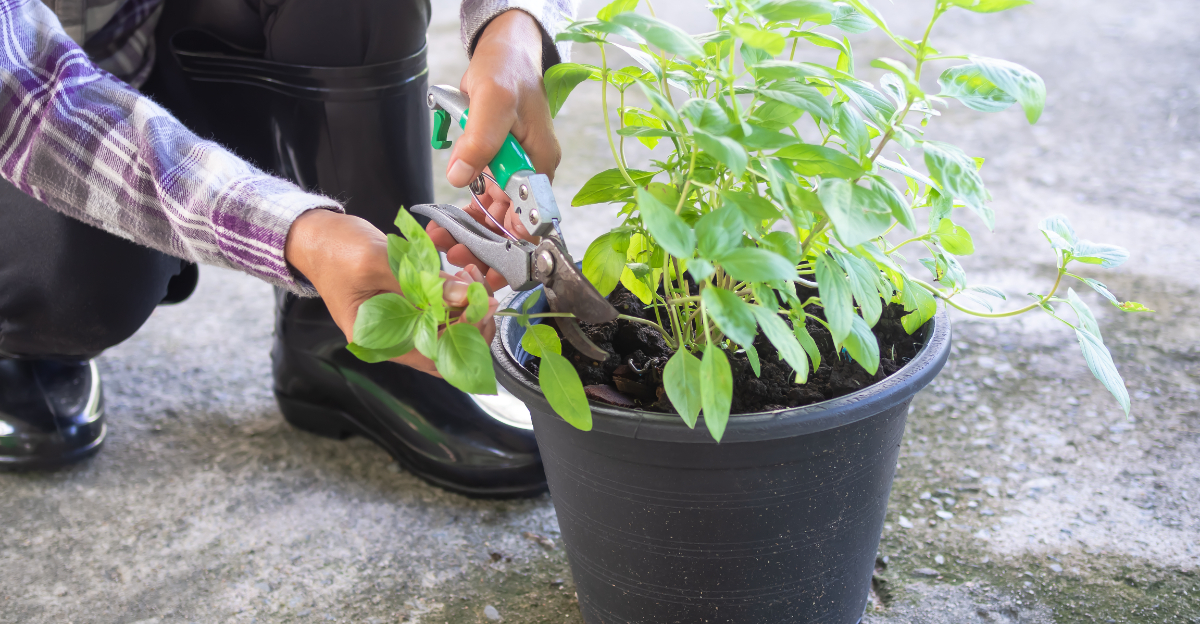
Herbs in Georgia can start off full, fresh, and ready to use, then slowly lose that same strength as the season moves on. Leaves get thinner, stems stretch out, and the plant stops producing the way it did at the beginning.
It can feel frustrating when the change shows up without a clear reason.
What happens next depends on how those plants are handled once growth starts to shift. Some herbs respond in a strong way when they are cut back at the right moments, and that can keep them fuller and more productive for much longer.
A few small changes in how they are managed can keep that steady supply going instead of watching it fade too soon.
1. Basil Produces More Leaves With Frequent Pinching
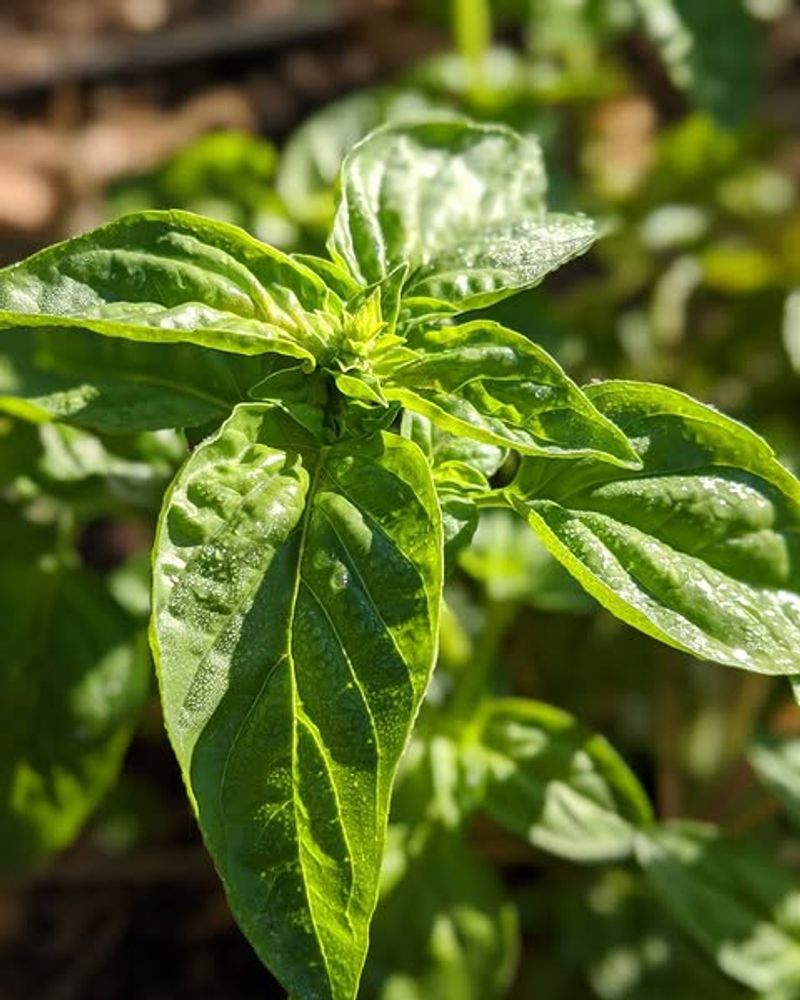
Pinch the top off your basil before it flowers, and you will get a bushier plant with way more leaves to harvest. Georgia summers push basil hard toward flowering, especially from June onward, and once those flowers open, leaf production slows down noticeably.
Staying ahead of that cycle is what keeps basil useful all season.
Focus your pinching just above a leaf node, which is where two leaves branch off the stem. Doing this every week or two encourages the plant to split into two new stems instead of one tall, spindly stalk.
Over a few weeks, a single basil plant can go from scraggly to impressively full.
Container basil on a Georgia patio actually responds well to frequent pinching because the heat speeds up growth, giving you more opportunities to harvest. Pinch off any flower buds the moment you spot them, even tiny ones.
Letting even one flower head open can shift the whole plant’s energy away from leaf production. Consistent pinching through the summer keeps flavor strong and leaves coming steadily until the first cool snap arrives in fall.
If the plant has already started to flower, cutting it back by a few inches can reset growth and bring it back to producing tender new leaves.
Morning harvesting works best in Georgia heat since leaves hold the most moisture and flavor before the sun starts pulling it out of the plant.
2. Mint Stays Full And Spreads Better With Regular Cutting
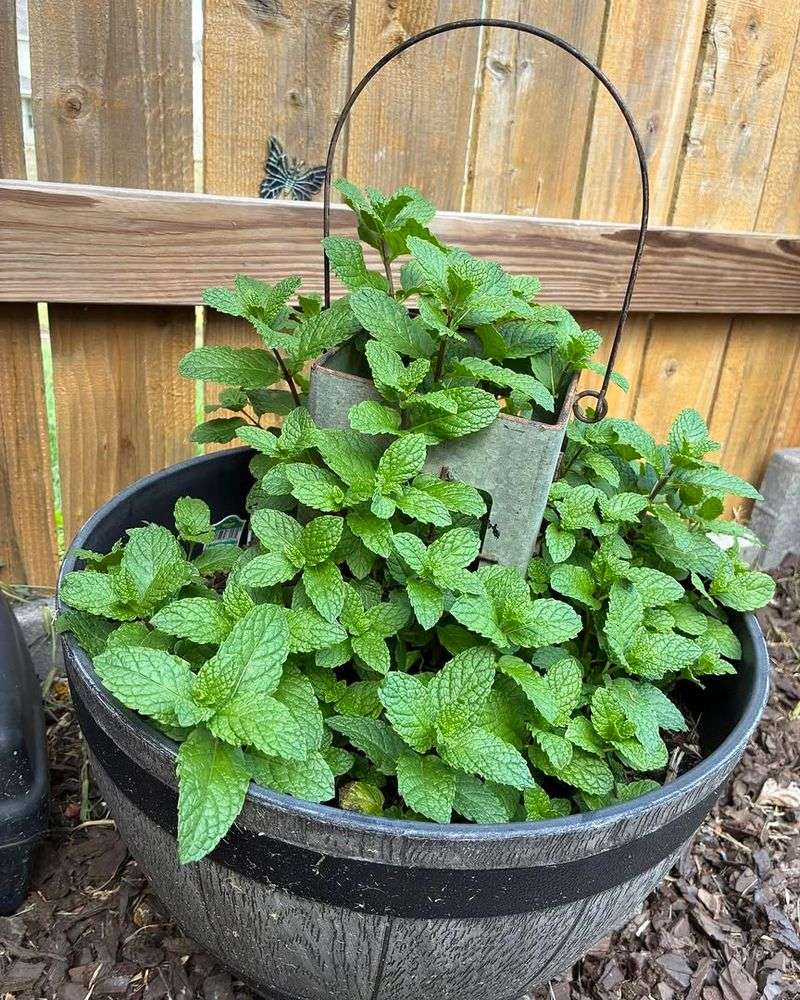
Mint left alone in a Georgia garden will stretch tall, flop over, and spread in all directions without producing much of the dense, leafy growth that makes it worth growing.
Cutting it back regularly, by about one-third of the stem length every couple of weeks, keeps it compact and encourages thicker regrowth from the base.
Start trimming mint in early spring when new growth appears, and keep at it through summer. Georgia’s warm nights give mint enough energy to bounce back quickly after a good cutting.
You will notice fresh, tender shoots appearing within days of trimming, especially if the plant is getting consistent water.
Mint spreads through underground runners, not just from the top growth, so pruning the stems does not stop it from expanding sideways. To manage spread, consider growing mint in a container buried partway into the ground.
Your Georgia Garden Changes Every Week. Your Plan Should Too.
Gardening in Georgia changes quickly throughout the season. Every Friday you’ll receive a simple weekly plan showing exactly what to plant, prune, fertilize, harvest, and protect so you never miss the right timing.
Cutting back the top growth regularly still matters because it keeps the plant producing flavorful leaves rather than going to seed. Snip stems just above a leaf pair, and your mint will stay productive well into Georgia’s fall season without turning into an unmanageable tangle.
3. Oregano Grows Denser When Trimmed Often
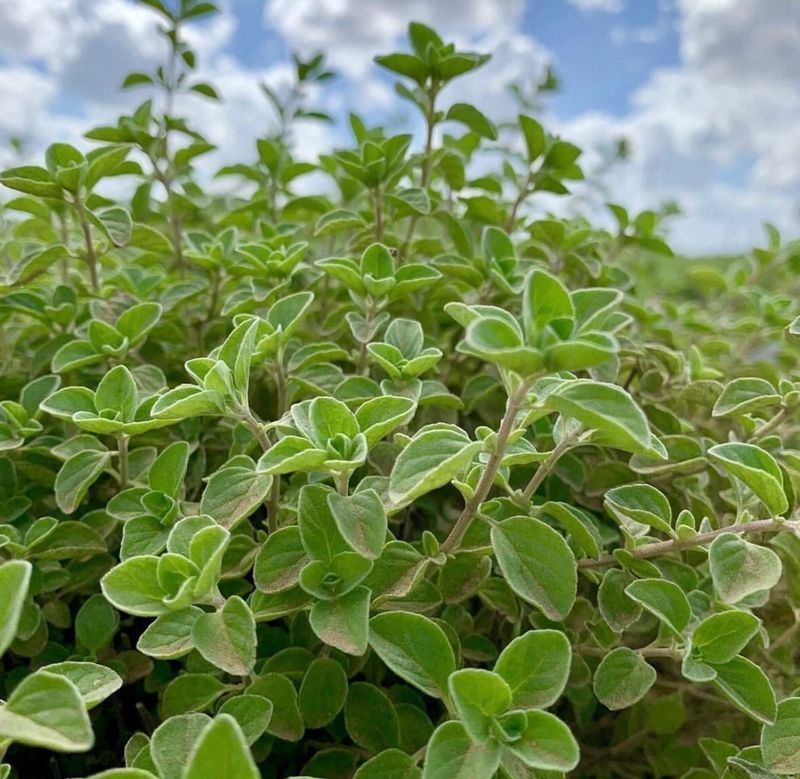
Oregano has a tendency to get woody and open in the center if you leave it alone too long, especially in Georgia’s warm climate where it grows fast from spring through early summer.
Cutting it back by about two-thirds before it flowers keeps the plant from heading down that path and pushes out fresh, flavorful stems instead.
Aim to trim oregano at least once a month during the growing season. Cut back to just above a leaf node, and avoid going all the way down to bare, woody stems.
New growth comes from the green portions, so keeping some leafy material on the plant when you prune gives it a better starting point for recovery.
In Georgia, oregano can sometimes survive winter in the ground, depending on how far north you are and what kind of winter rolls through. Giving it a light trim in late fall, rather than a hard cut, helps it hold up better through cold snaps.
Come spring, remove any winter-damaged tips before new growth gets going. Consistent trimming through the warm months builds a plant that stays productive and flavorful rather than turning into a tangled, half-bare clump by midsummer.
4. Thyme Becomes Thicker With Light Pruning
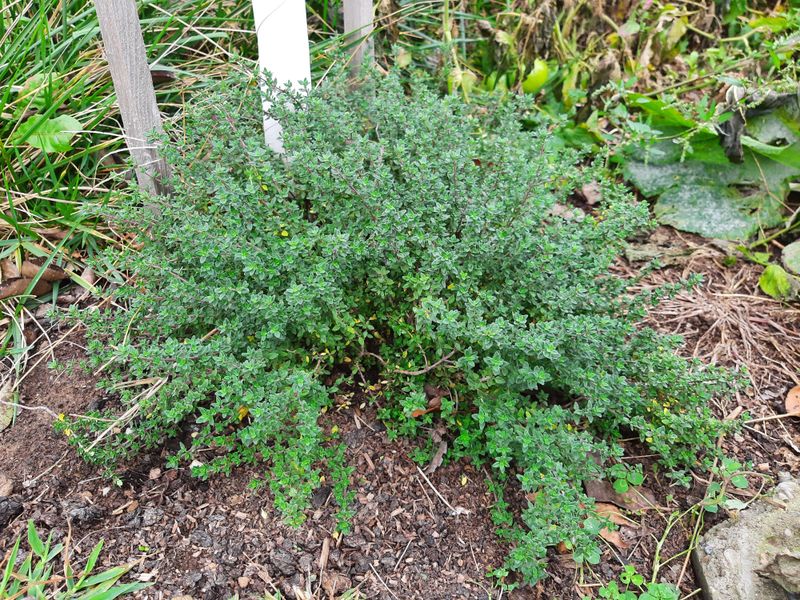
Thyme has a sneaky habit of looking fine on the outside while quietly going woody and hollow in the center. Light pruning a few times during the growing season keeps that from happening and encourages the plant to stay thick and leafy from the base up.
Snip off the top two to three inches of each stem, focusing on the soft green growth and leaving the older woody portions alone. Cutting into the hard wood rarely produces new growth and can stress the plant more than it helps.
Georgia’s heat means thyme grows in bursts, especially in spring and early summer, so those are the best windows to stay on top of trimming.
After thyme flowers in late spring, give it a moderate trim to remove the spent flower stems and encourage a fresh flush of leafy growth.
Leaving the flowers on too long shifts the plant’s energy away from producing the aromatic leaves that make thyme worth growing.
A light hand with the scissors, done consistently, builds a plant that stays dense and productive rather than sprawling and sparse. Even small container thyme plants on a Georgia porch respond noticeably to this kind of regular, careful attention.
5. Rosemary Keeps A Strong Shape With Regular Trimming
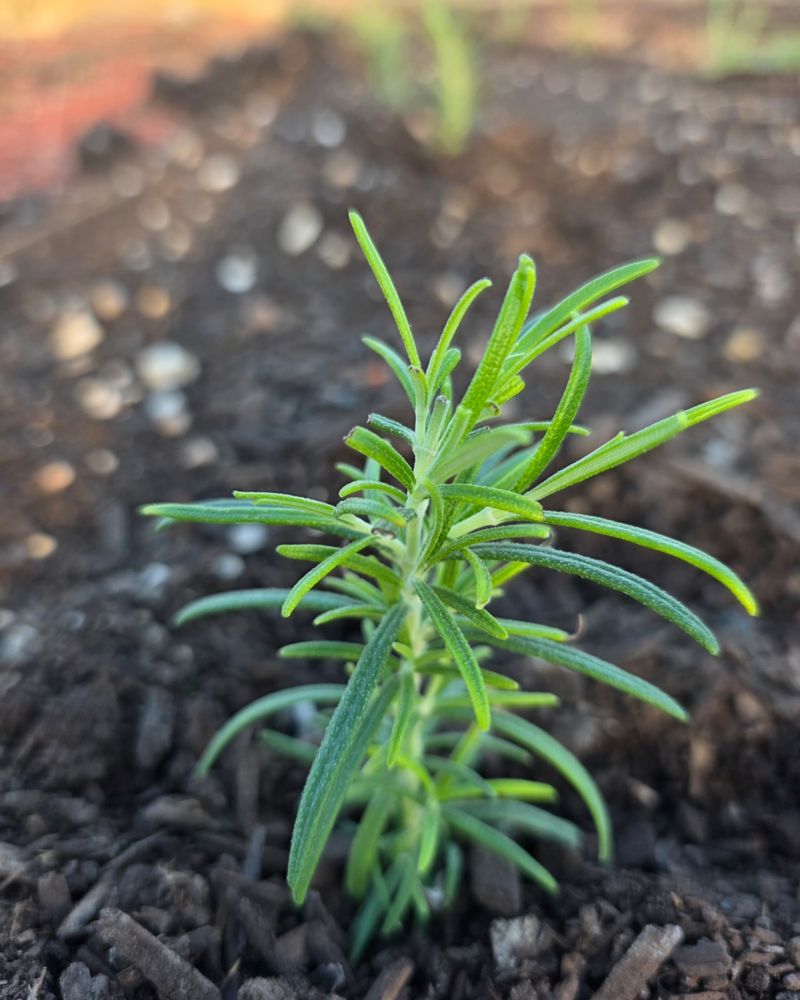
Rosemary can grow into a sprawling, uneven shrub in Georgia’s mild winters and hot summers if you do not trim it back on a regular schedule.
Shaping it a few times a year keeps growth even and prevents the plant from getting so large and open that the center loses airflow, which can invite fungal problems in humid Georgia summers.
Trim young, green stems by about one-third, working around the whole plant to maintain a balanced shape. Avoid cutting back into the older, grayish-brown woody stems unless you are trying to rejuvenate a seriously overgrown plant, and even then, do it gradually over a season rather than all at once.
Rosemary does not always push new growth from old wood reliably, so restraint with heavy cuts is the smarter approach.
Spring is the best time for a more thorough shaping session, right before new growth kicks into gear. Light follow-up trims through summer help maintain the shape without stressing the plant during the hottest months.
In coastal Georgia or other areas with mild winters, rosemary can grow nearly year-round, which makes staying on top of trimming even more important. A well-maintained rosemary plant can anchor an herb garden for several years with the right care.
6. Sage Produces Fresh Growth When Pruned Back
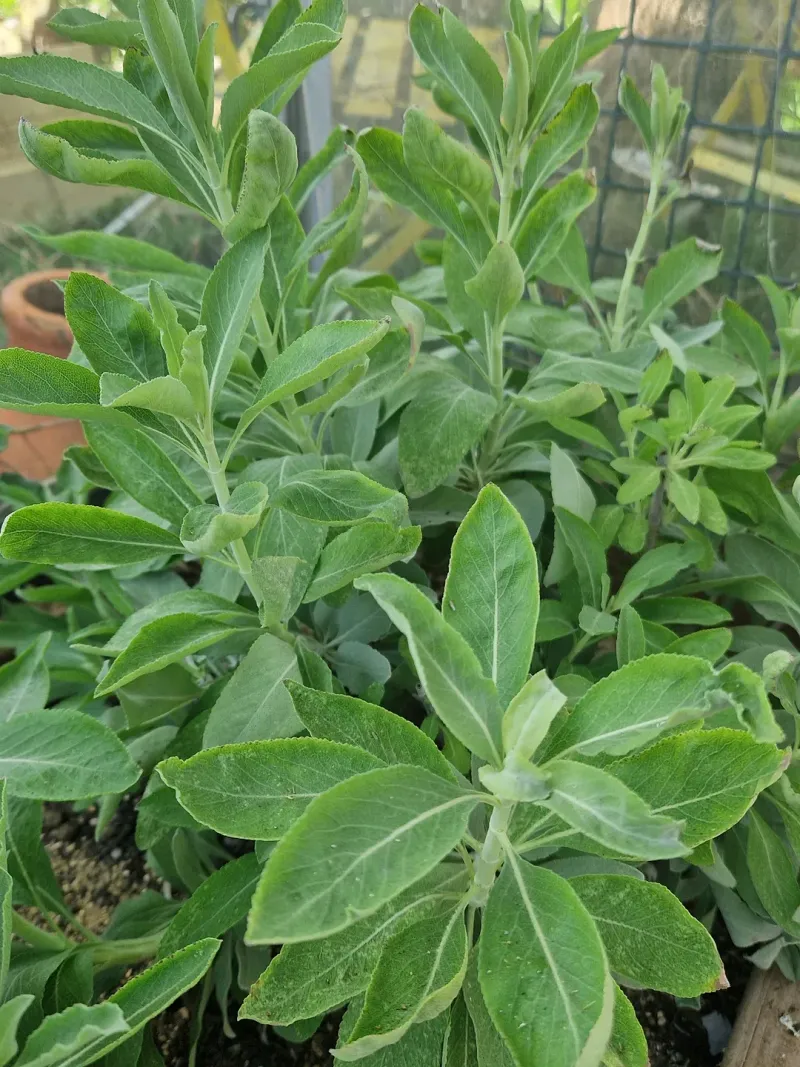
Sage gets leggy and lopsided fast if you let it run without any trimming, particularly after it flowers in late spring. Cutting it back by about one-third right after flowering redirects energy into fresh leaf growth and keeps the plant looking full rather than stretched out and tired.
During the growing season, light pruning every few weeks removes older leaves and encourages younger, more flavorful growth to take their place.
Sage leaves are most aromatic before the plant flowers, so harvesting regularly through spring actually helps you get the best flavor while also keeping the plant in check.
In Georgia, that window runs roughly from March through May before the heat really sets in.
Avoid heavy pruning during the hottest part of summer, particularly in July and August, when the combination of heat and stress from cutting can slow recovery. Stick to light shaping during those months and save more significant trimming for early fall when temperatures ease up.
Sage planted in well-drained soil in Georgia tends to handle pruning well and can last several seasons with consistent care.
A plant that gets regular attention through the season stays more compact, produces better leaves, and holds up more reliably through Georgia’s variable winters.
7. Chives Regrow Quickly After Being Cut Back
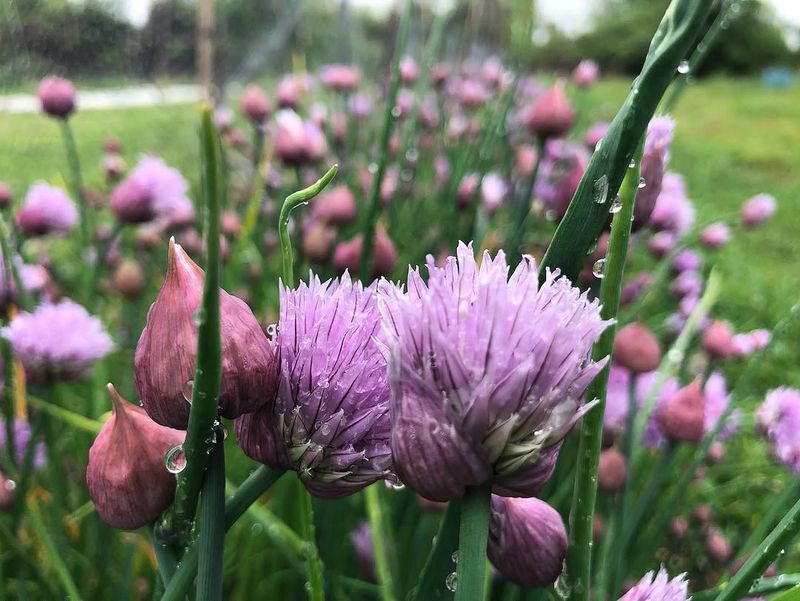
Cut chives down to about one to two inches above the soil, and within a week or two, fresh green shoots will be pushing back up.
Georgia’s growing season is long enough that you can repeat this cycle multiple times from spring through fall, getting several rounds of harvest from a single planting.
After chives flower in late spring, the leaves can turn a bit tough and less flavorful. Cutting the whole plant back low right after flowering refreshes it completely and gets you back to tender, mild-flavored leaves fairly quickly.
Leave the flower heads if you enjoy the purple blooms, but know that removing them and cutting back the foliage gives you better-tasting chives sooner.
Chives grown in containers on a Georgia porch or patio can be cut back just as aggressively as those in the ground. Make sure the soil stays consistently moist after a hard cut since the plant needs water to push new growth efficiently.
Dividing chive clumps every couple of years also helps keep the plants vigorous and prevents the center from getting crowded and weak.
Regular cutting, combined with decent soil and consistent moisture, makes chives one of the most reliably productive herbs you can grow in Georgia.
8. Lemon Balm Stays Bushy With Frequent Harvesting
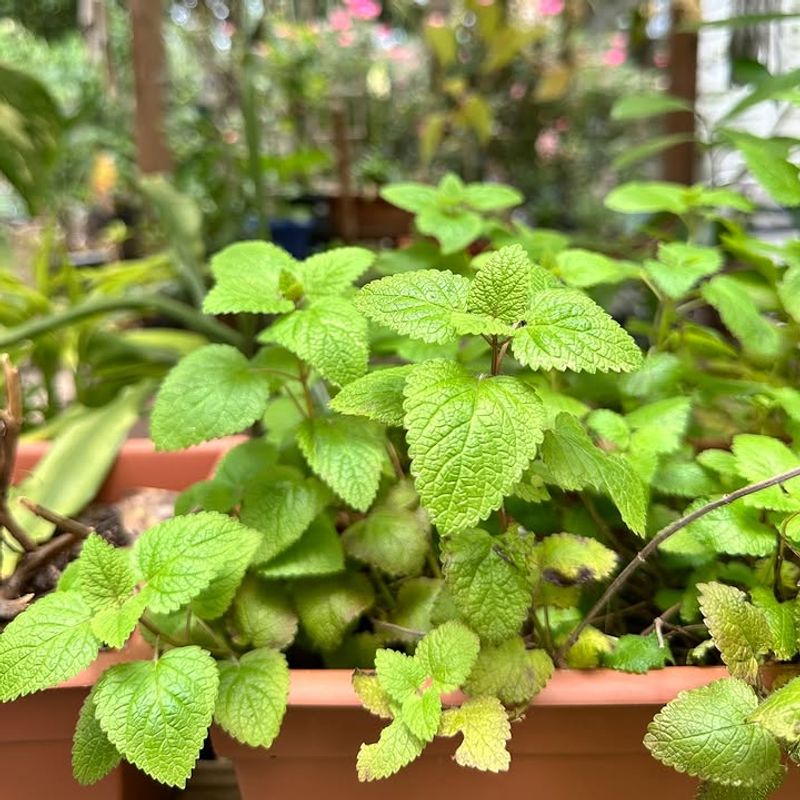
Lemon balm grows fast in Georgia, sometimes almost aggressively fast during warm, wet stretches in spring and early summer.
Without regular harvesting, it shoots up tall, flowers quickly, and loses much of the fresh lemon scent that makes it worth growing in the first place.
Cutting stems back by about half every two to three weeks keeps the plant low and bushy instead of tall and open. Always cut just above a leaf node so the plant has a clear point from which to branch out again.
Frequent harvesting does double duty here, giving you fresh lemon balm for teas or cooking while simultaneously keeping the plant in a shape that keeps producing.
Lemon balm will self-seed aggressively if you let it flower and set seed, which can become a real issue in Georgia’s warm soil where seeds sprout readily. Cutting back before flowering limits this spread without stopping the plant from growing vigorously.
If you do want to keep it contained to one area of the garden, frequent harvesting combined with removing any flower buds as they appear is the most practical approach.
Lemon balm handled this way stays productive and fragrant through much of Georgia’s long growing season.
9. Parsley Produces New Growth With Regular Cutting
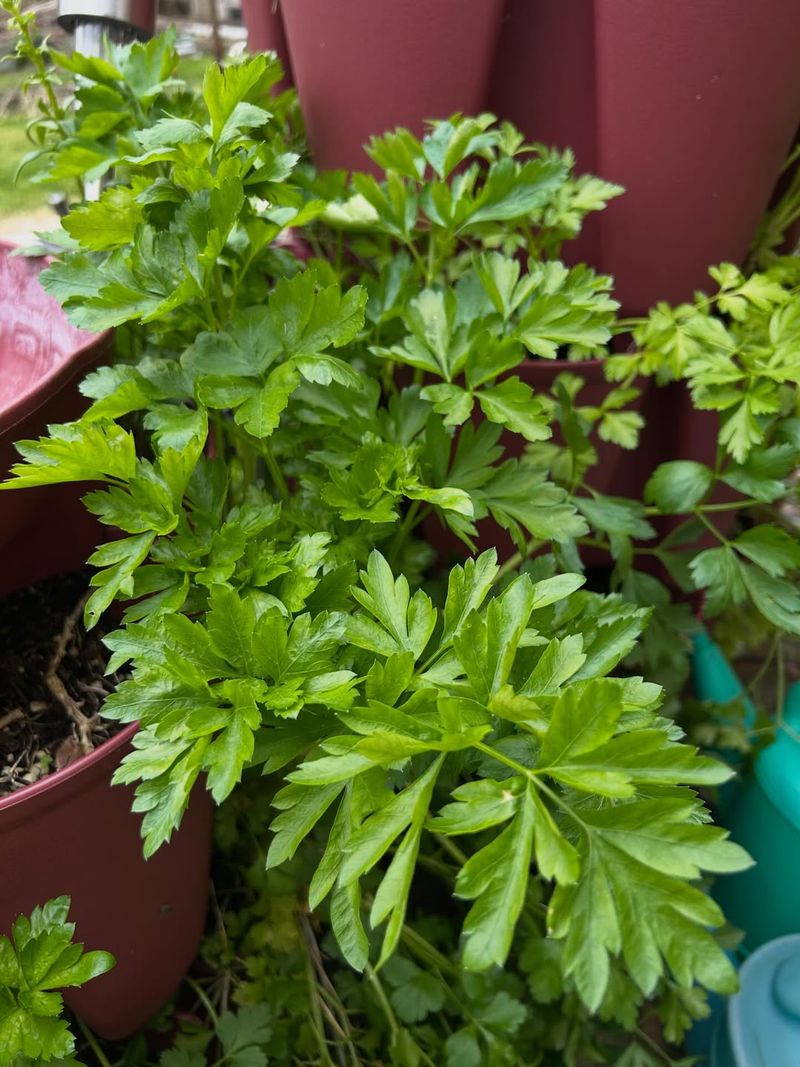
Parsley rewards you for cutting it, but only if you cut from the right place. Snipping stems from the outside of the plant at the base, rather than grabbing from the center or trimming the tops, keeps the inner growth protected and encourages the plant to keep pushing out new stems from the middle.
In Georgia, parsley grows best in the cooler months, from fall through spring, since the summer heat can push it to bolt relatively quickly.
Getting into a regular cutting habit during those productive cooler months means you will have a steady supply of fresh parsley rather than a plant that bolts before you get much use from it.
Cutting every one to two weeks during active growth keeps the plant focused on leaf production.
Flat-leaf parsley tends to be more heat-tolerant than curly varieties, so if you are growing in Georgia, flat-leaf is usually the better choice for extending your harvest window. Either way, consistent harvesting from the outside in is the key technique.
Letting parsley sit untouched for too long encourages it to put energy into flowering rather than leaves. Regular cutting, done with a clean pair of scissors or snips, keeps parsley productive and flavorful for as long as the season allows.