Top Perennial Veggies You Can Plant In Texas Once And Harvest For Years
Annual vegetables get all the attention, and it’s easy to understand why. You plant them, you harvest them, and there’s something satisfying about that complete cycle from seed to table.
But if you’ve ever done the math on how much time, money, and effort goes into replanting your vegetable garden from scratch every single year, the appeal starts to wear off pretty quickly. Perennial vegetables flip that whole model on its head.
You put them in the ground once, give them a season to establish, and then they just keep producing year after year without asking much from you in return.
In Texas, where the growing conditions are intense and the gardening season is long, having vegetables that come back reliably is more than just convenient – it’s genuinely smart gardening.
Some of these plants will outlive your current garden layout by decades, producing harvests every season while you spend your energy on other things.
1. Asparagus
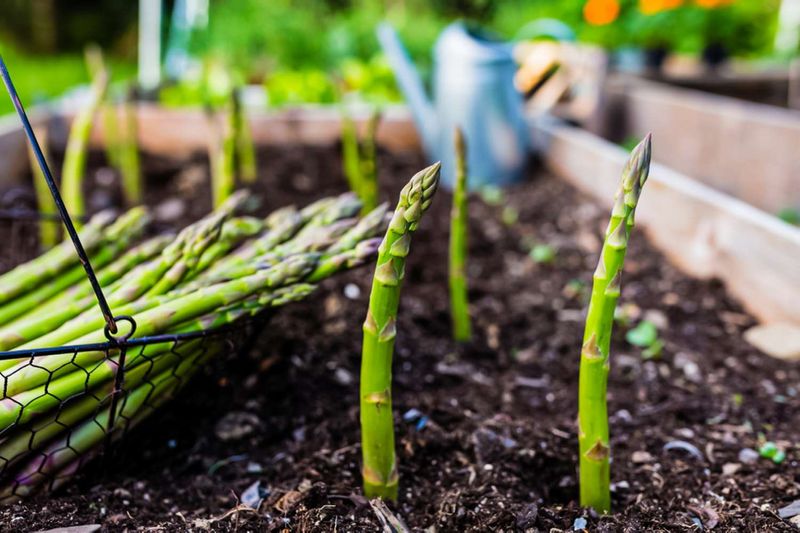
Planting asparagus feels like making a long-term promise to your garden, and it is absolutely worth it. Once established, an asparagus bed in Texas can produce fresh spears every spring for 20 years or more. That kind of return on a single planting is hard to beat.
Asparagus grows best in the northern and central parts of Texas, where winters are cool enough to give the plant the dormancy it needs. You will want to start with crowns rather than seeds.
Crowns are one-year-old root systems that cut your waiting time down significantly. Plant them in late winter, around January or February, in a spot that gets full sun.
Dig a trench about 12 inches deep and work in plenty of compost before laying the crowns down. Space them about 18 inches apart.
The first year, do not harvest anything. Let the plants grow tall and feathery so they can build strong root systems underground.
By the second or third year, you can start picking those tender green spears. Harvest in the spring when the spears are about 6 to 8 inches tall.
Snap them off at the base or use a sharp knife. Stop harvesting after about 6 to 8 weeks so the plant can recharge for next year.
Asparagus does not love the extreme heat of South Texas summers, but with deep watering and a thick layer of mulch, it can handle the warm seasons just fine. A little patience in the beginning pays off with years and years of delicious harvests.
2. Walking Onion
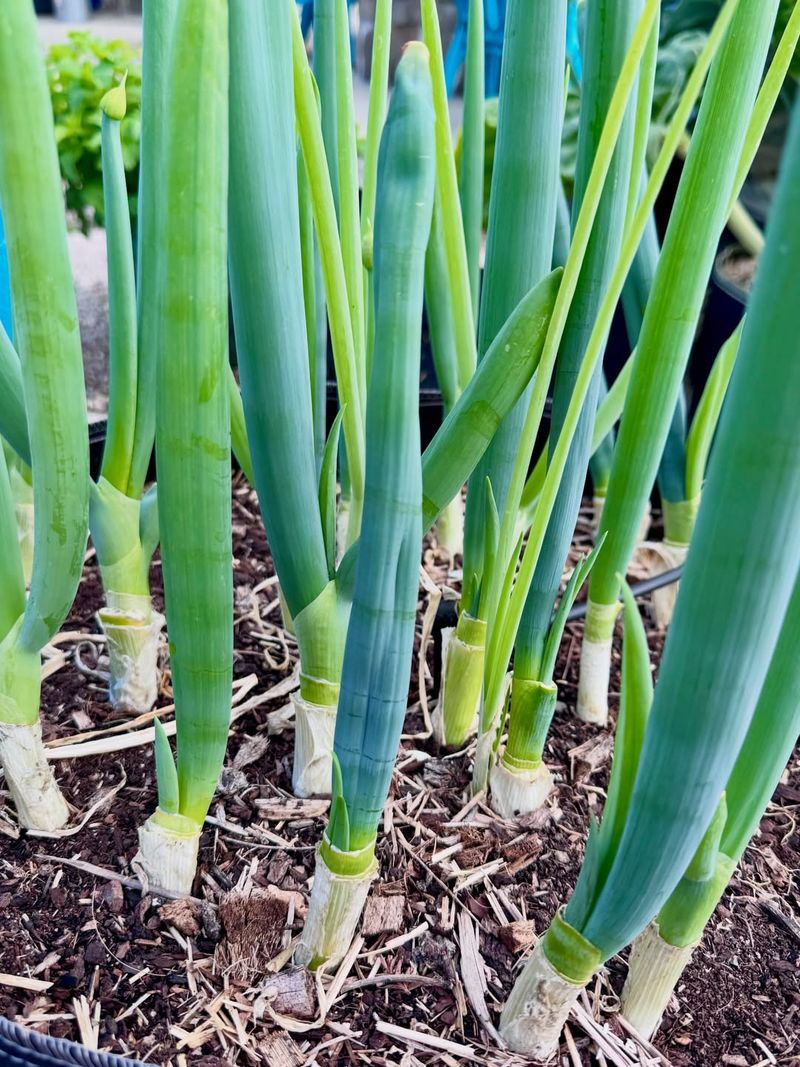
If you have never heard of walking onions, you are in for a treat. Also called Egyptian walking onions or tree onions, these quirky plants get their name from the way they literally walk across your garden.
The plant grows a cluster of small bulblets at the very top of its stalk, and when the stalk gets heavy enough, it bends over and plants those bulblets right into the ground nearby. Year after year, the onion slowly walks across your garden bed.
Texas gardeners love walking onions because they are incredibly tough. They can handle the brutal Texas heat in summer and bounce back after cold snaps in winter.
Your Texas Garden Changes Every Week. Your Plan Should Too.
Gardening in Texas changes quickly throughout the season. Every Friday you’ll receive a simple weekly plan showing exactly what to plant, prune, fertilize, harvest, and protect so you never miss the right timing.
Once you plant them, they pretty much take care of themselves. They are one of the few vegetables that thrive across most of Texas, from the Panhandle down to the Gulf Coast.
You can eat almost every part of the walking onion plant. The green tops taste just like scallions and can be snipped off throughout the growing season.
The underground bulbs have a stronger, more pungent onion flavor and are great for cooking. The small topset bulblets are also edible and can be pickled or used fresh.
Plant the topset bulblets in fall for best results. Place them about an inch deep and 6 inches apart in a sunny spot with well-drained soil.
They will start growing quickly and establish themselves before the heat of summer arrives.
Walking onions are a fantastic conversation starter too. Guests in your Texas garden will always want to know the story behind the plant that moves on its own.
3. Chives
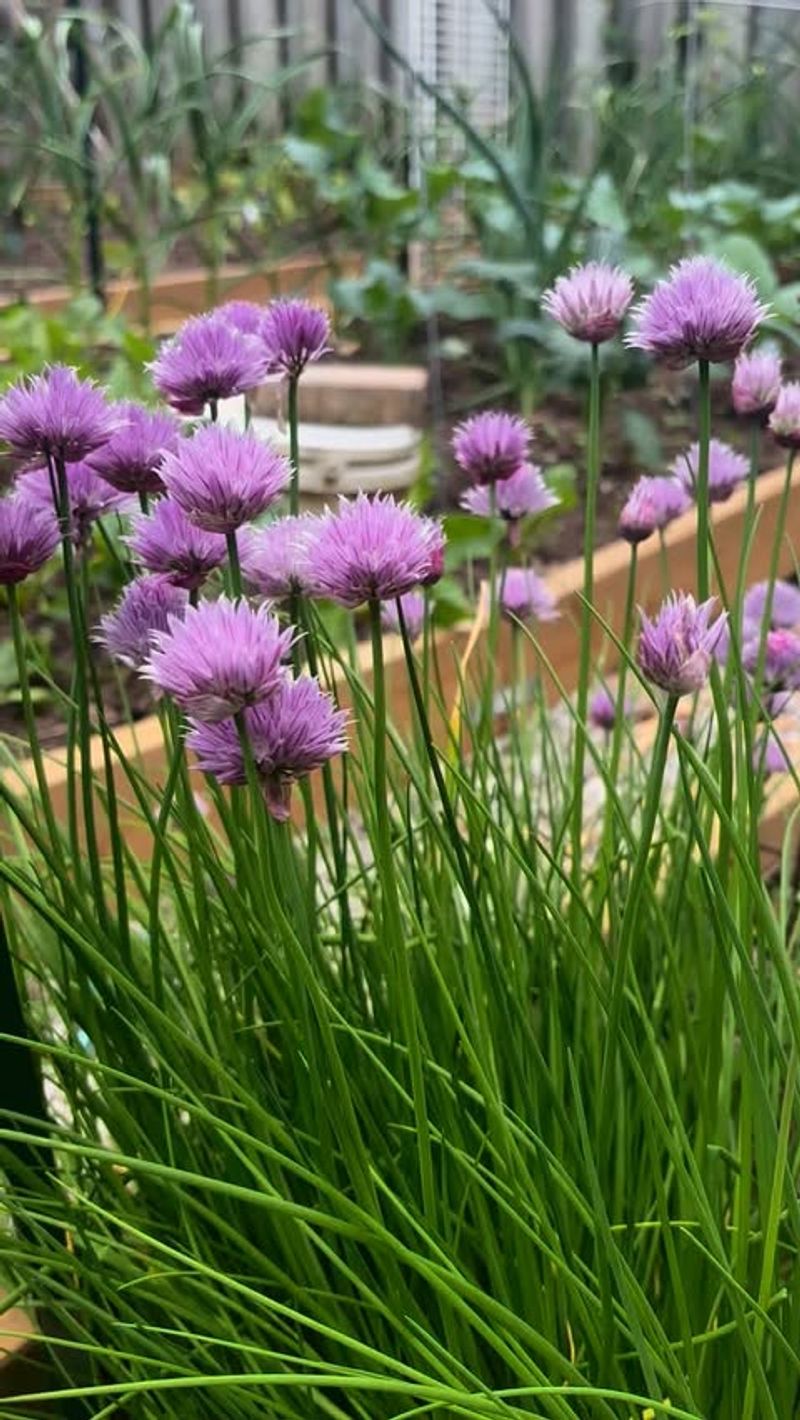
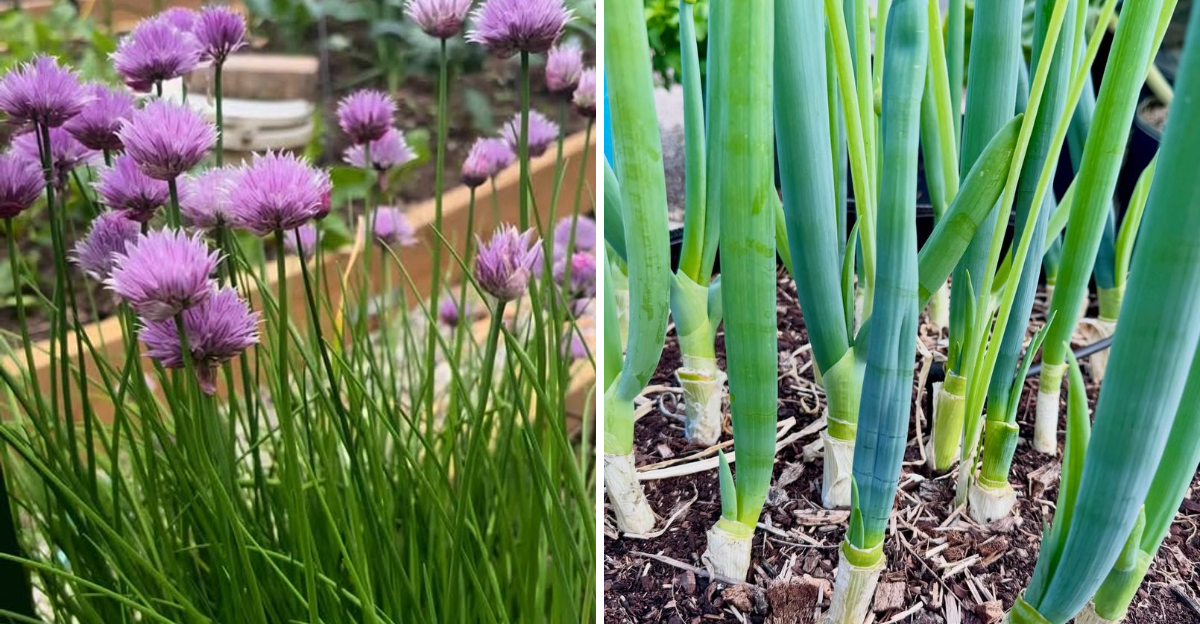
Chives are one of those garden plants that make you wonder why everyone does not grow them. They are easy, useful, beautiful, and they come back year after year without much fuss at all.
In Texas, chives behave slightly differently than in cooler climates, but they still perform wonderfully as a perennial in most parts of the state.
During the hottest months of a Texas summer, chives may go dormant and look a little sad. Do not panic.
They are just resting underground and will bounce back when temperatures cool down in fall. In milder parts of Texas, like the Hill Country or East Texas, chives may stay green almost year-round with just a little extra watering during dry spells.
Growing chives is straightforward. You can start from seeds, but buying small transplants from a nursery is faster and easier.
Plant them in a sunny spot with rich, well-drained soil. Water them regularly but avoid letting the soil stay soggy. Once established, chives are surprisingly drought-tolerant for short periods.
Harvest chives by snipping the green stalks with scissors, cutting about an inch above the soil level. The more you cut, the more they grow.
In spring, chives produce gorgeous purple or pink globe-shaped flowers that are also edible and look stunning in salads.
Beyond cooking, chives are known to repel certain garden pests, making them a smart companion plant for tomatoes, carrots, and roses.
A clump of chives tucked into your Texas garden does double duty as both a food source and a natural pest deterrent. Fresh, flavorful, and nearly effortless to grow.
4. Artichoke
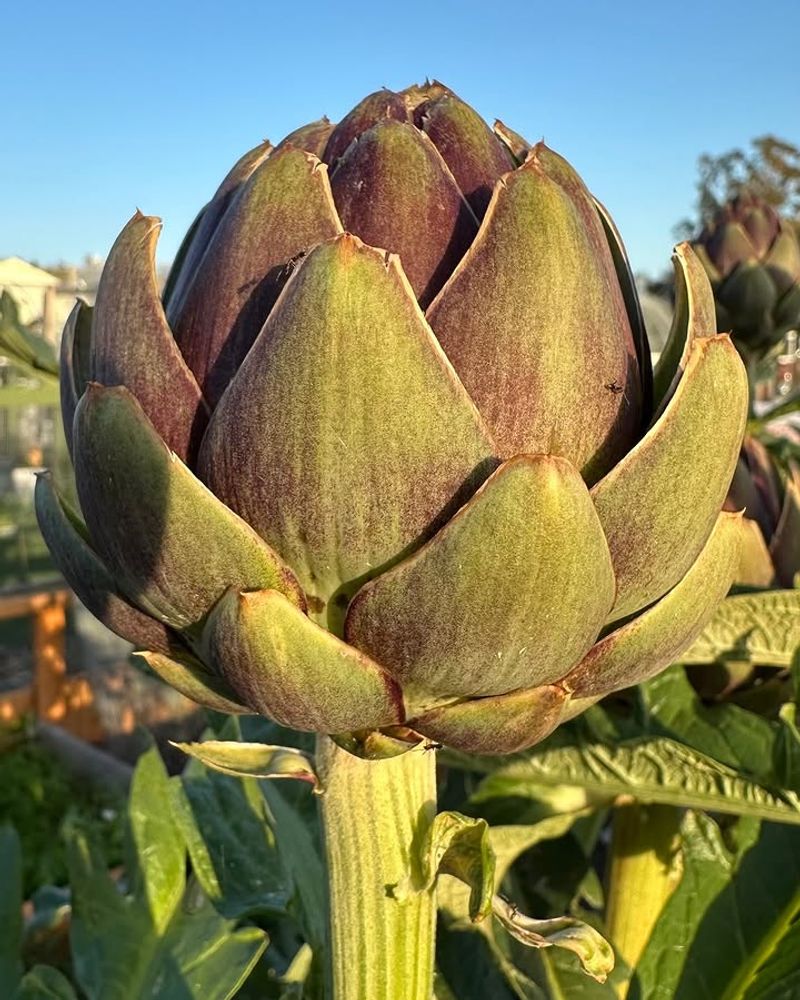
There is something almost dramatic about an artichoke plant. It grows tall, spreads wide, and produces those beautiful globe-shaped buds that look like something out of a botanical garden.
In Texas, artichokes can act as perennials, especially in the southern and coastal regions where winters stay mild.
Globe artichokes thrive in areas like the Rio Grande Valley, Houston, and other parts of South and Central Texas. In North Texas, they may need a little extra protection during hard freezes, but they often come back from their roots even after cold winters.
Mulching heavily around the base of the plant before winter is a simple trick that helps protect the root system.
Artichokes prefer full sun and rich, well-draining soil. They are big feeders, so mix plenty of compost into your planting area before getting started.
Water deeply and consistently, especially during dry Texas summers. These plants can grow 4 to 6 feet tall and equally wide, so give them plenty of space in the garden.
The edible part of the artichoke is the flower bud, harvested before it opens into a bloom. Cut the bud with about an inch of stem attached when it is firm and tightly closed.
Each plant can produce multiple buds per season, and once a plant matures, it can yield harvests for 5 years or longer.
Did you know artichokes are actually a type of thistle? Ancient Romans considered them a luxury food reserved for the wealthy.
Growing your own in Texas means you get to enjoy that same delicious vegetable fresh from the garden, without the ancient price tag.
5. Rhubarb
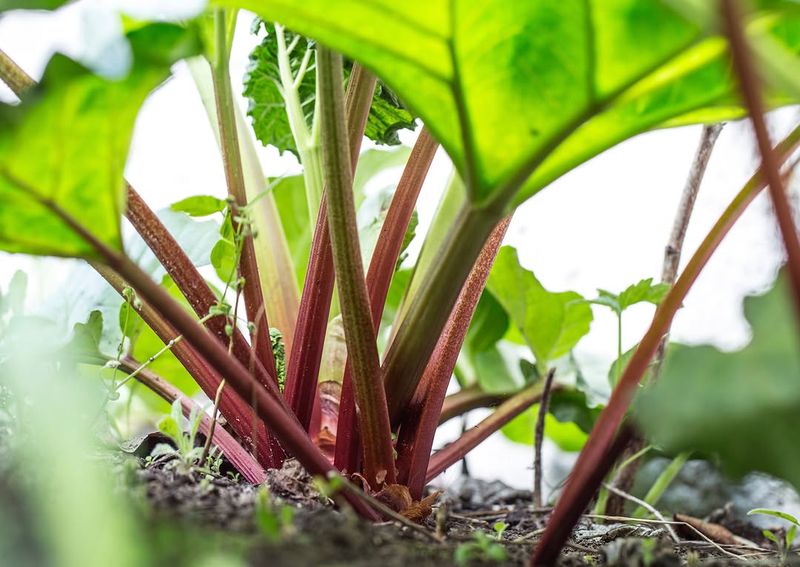
Rhubarb has a reputation for being a cool-climate plant, and honestly, that reputation is mostly deserved. Growing rhubarb in Texas takes a bit more planning than growing it up north, but it is absolutely possible in the right parts of the state.
Gardeners in North Texas, the Texas Panhandle, and higher elevation areas like the Davis Mountains have the best shot at growing rhubarb as a true perennial.
The key to rhubarb success in Texas is choosing the right location and giving the plant some shade during the hottest part of the day. Morning sun with afternoon shade works really well.
Rhubarb needs a period of cold dormancy each winter to recharge, so areas of Texas that experience regular freezing temperatures are better suited for long-term rhubarb growing.
Plant rhubarb crowns in late winter or early spring, about 3 to 4 weeks before your last expected frost. Work lots of compost into the soil before planting, as rhubarb is a heavy feeder that loves rich, fertile ground.
Space crowns about 3 feet apart and water them in well. One important note: only the stalks of rhubarb are edible. The large leaves contain oxalic acid and should never be eaten.
Stick to harvesting the thick, colorful stalks, which have a wonderfully tart flavor perfect for pies, jams, and sauces.
In the first year, avoid harvesting so the plant can build strength. By year two, you can pull a few stalks.
By year three and beyond, a healthy rhubarb plant in the right Texas climate will reward you with generous harvests of those gorgeous, tangy stalks every spring.
6. Sorrel
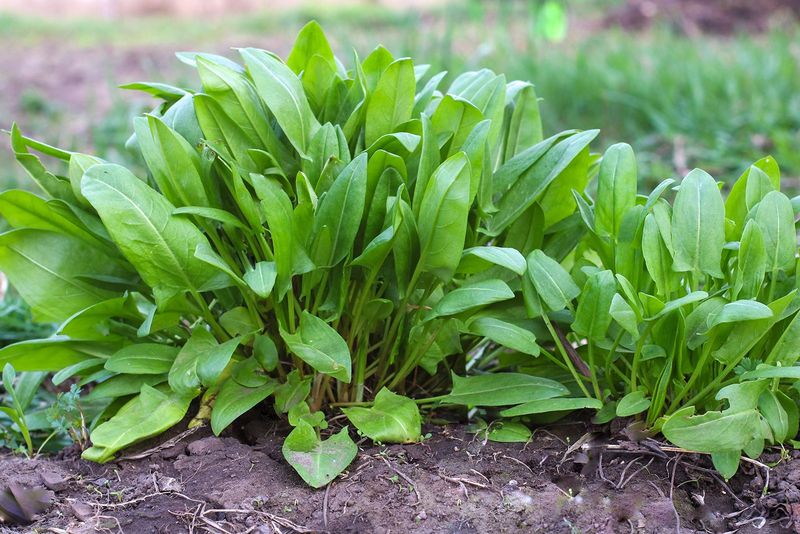
Sorrel is one of the most underrated perennial vegetables you can grow in Texas, and once you taste it fresh from the garden, you will wonder why it took you so long to plant it. This leafy green has a bright, lemony, slightly sour flavor that wakes up salads, soups, and sauces in a way that few other greens can match.
Common sorrel and French sorrel are the two varieties most popular with home gardeners. French sorrel is slightly milder in flavor and handles heat a bit better, making it a smart choice for Texas gardens.
Both varieties are perennials that come back year after year, spreading slowly into fuller, more productive clumps over time.
Sorrel is remarkably adaptable across Texas. It grows well in full sun but actually appreciates some afternoon shade during the scorching summer months.
In Central and South Texas, a shaded afternoon spot can mean the difference between a thriving plant and a struggling one. In North Texas, full sun works great for most of the growing season.
Plant sorrel from seed or transplants in early spring or fall. It prefers slightly acidic, well-drained soil with regular moisture.
Once established, sorrel is fairly drought-tolerant and bounces back quickly after dry spells. Harvest leaves regularly by snipping the outer leaves first, which encourages fresh new growth from the center of the plant.
Sorrel is also packed with vitamins C and A, making it a nutritious addition to your Texas garden and your dinner table. A single planting can keep producing flavorful, tangy leaves for many years with very little effort on your part.