10 Herbs That Thrive When You Prune Them Regularly
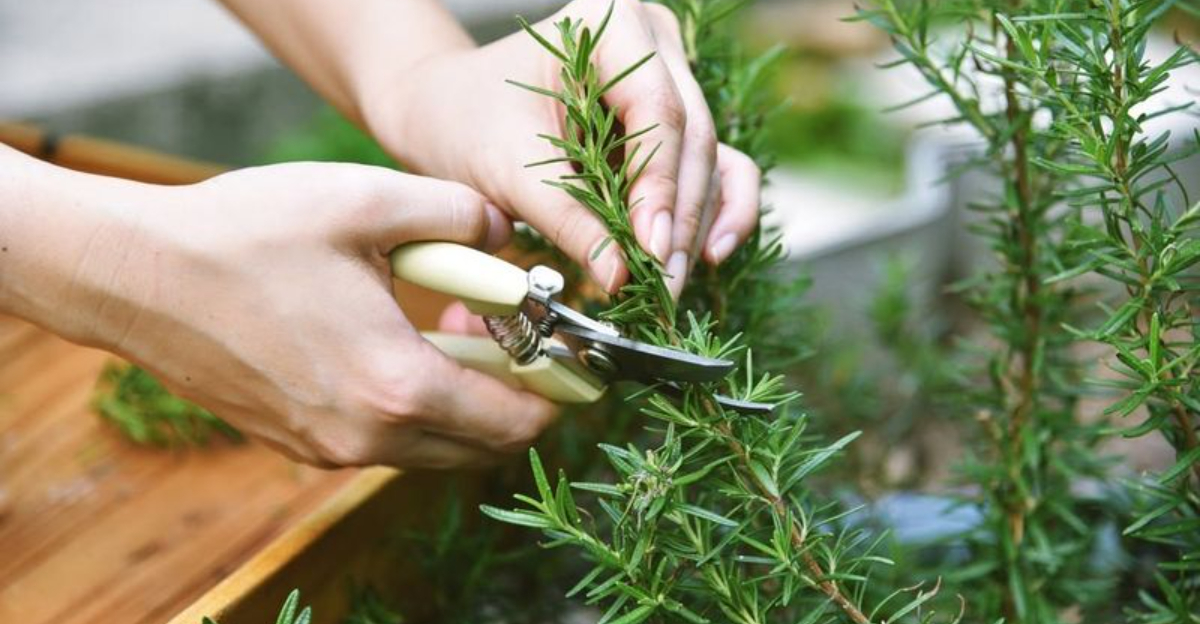
I used to think pruning meant stress for plants, but herbs quickly changed my mind.
Once I began trimming them on a regular schedule, growth improved, flavor deepened, and plants stayed full instead of leggy.
Many common herbs respond to pruning as a signal to branch out and produce more usable leaves.
With the right approach, a simple snip can make the difference between a struggling plant and a thriving one.
I like how pruning keeps herbs productive and manageable at the same time.
Regular cuts help prevent early flowering, which preserves taste and texture.
They also encourage fresh shoots that remain tender and aromatic.
Over time, I learned which herbs handle frequent trimming best and how timing affects results.
Pruning no longer feels like guesswork. It feels like a conversation with the plant.
With consistency and care, herbs reward attention with stronger growth and a steady supply of kitchen-ready leaves.
1. Basil
You know that amazing smell when you brush past a basil plant on a warm summer day?
That’s the scent of one of the most rewarding herbs to grow, especially when you prune it regularly.
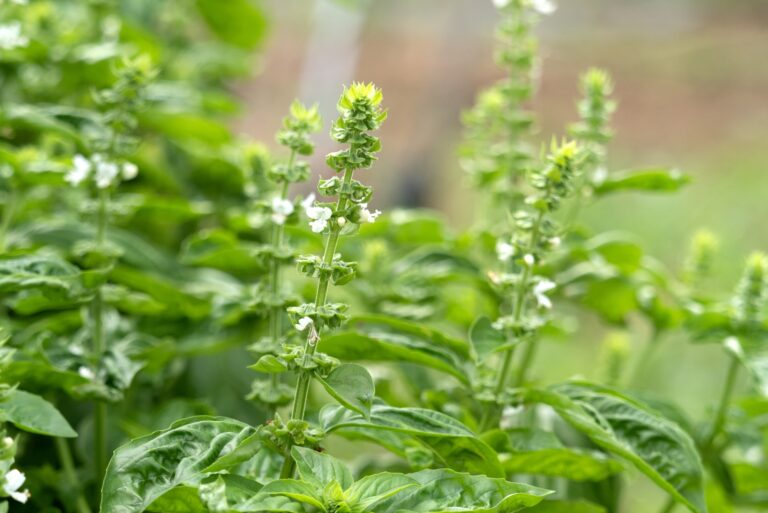
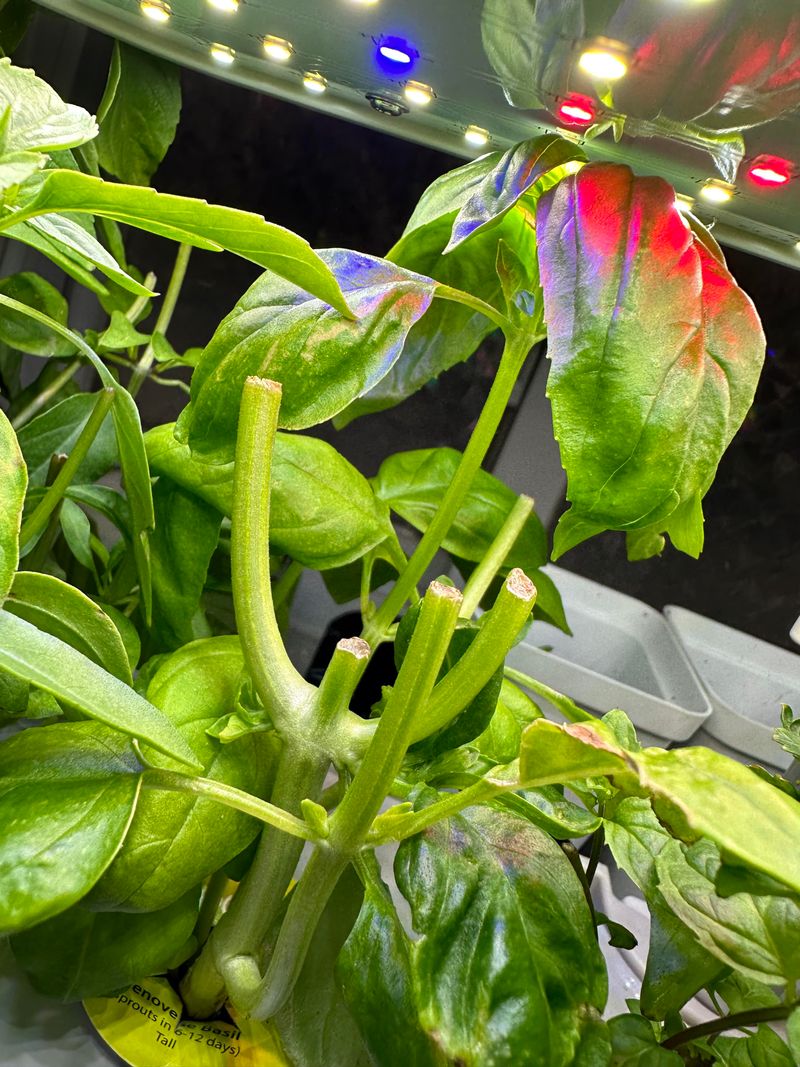
Basil actually needs you to pinch it back often, or it’ll shoot up tall, get woody, and try to flower way too early.
When you trim the top leaves and stems every week or so, you’re telling the plant to focus its energy on making more leaves instead of seeds.
This keeps your basil bushy, tender, and packed with flavor.
Plus, you get fresh basil for pasta, salads, and pesto whenever you want.
Start pinching when your plant has about six leaves, and always cut just above a leaf node.
New shoots will sprout from that spot, doubling your harvest.
If you see flower buds forming, snip them off right away.
Once basil flowers, the leaves turn bitter and the plant stops producing as much.
Keep your scissors handy and treat your basil to regular trims.
You’ll be amazed at how full and productive it becomes, giving you armfuls of fragrant leaves all summer long.
2. Mint
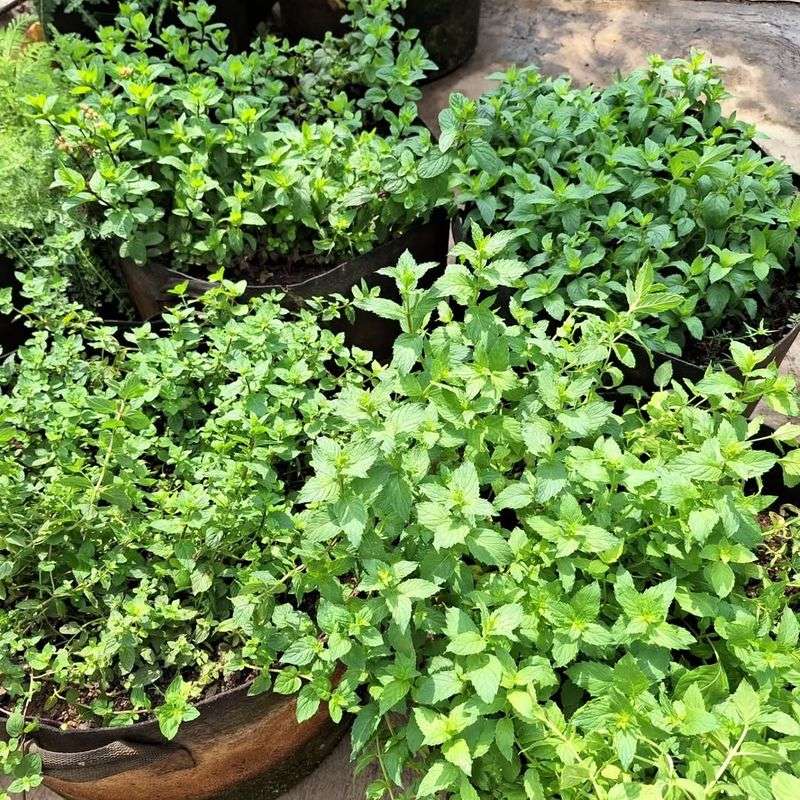
Mint has a reputation for taking over gardens, and honestly, that reputation is well-deserved.
This vigorous grower will spread like crazy if you let it, but regular pruning keeps it under control and actually makes it even more productive.
The more you cut mint back, the more it branches out and fills in with tender new growth.
Without pruning, mint gets tall and spindly, with leaves that lose their intense flavor.
When you trim it regularly, you’re encouraging compact, bushy growth with smaller, more flavorful leaves.
Cut stems back by about a third every few weeks during the growing season.
This prevents the plant from flowering, which is important because once mint flowers, the leaves become less aromatic.
Always cut just above a set of leaves, and new stems will sprout from that point.
You can be pretty aggressive with mint since it bounces back quickly.
Some gardeners even give it a hard cut back to just a few inches above the soil in midsummer.
This rejuvenates the plant and gives you a fresh flush of growth.
Whether you’re making mojitos, tea, or adding it to summer salads, pruned mint delivers the best flavor.
3. Oregano
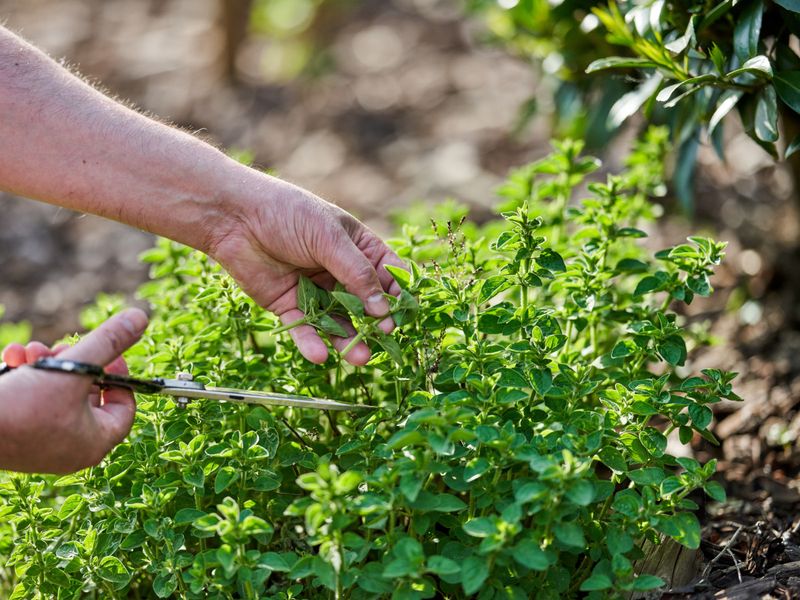
Oregano is one of those Mediterranean herbs that thrives on a little tough love.
It actually prefers lean soil and loves being cut back regularly, which might seem counterintuitive at first.
When you prune oregano throughout the growing season, it responds by producing more of those aromatic leaves that make Italian dishes sing.
Left unpruned, oregano becomes woody at the base and produces fewer flavorful leaves.
The plant focuses on flowering instead of foliage, and while the flowers are pretty, they’re not what you’re growing oregano for.
Start trimming when your plant reaches about four inches tall.
Cut back the stems by about half, always snipping just above a leaf node.
This encourages branching and keeps the plant compact and bushy.
During peak growing season, you can harvest oregano every two to three weeks.
Just before the plant flowers, give it a good haircut by cutting back about a third of the growth.
This is actually when oregano has its strongest flavor, so dry some for your spice cabinet.
Regular pruning also improves air circulation around the plant, which helps prevent fungal problems in humid climates.
4. Thyme
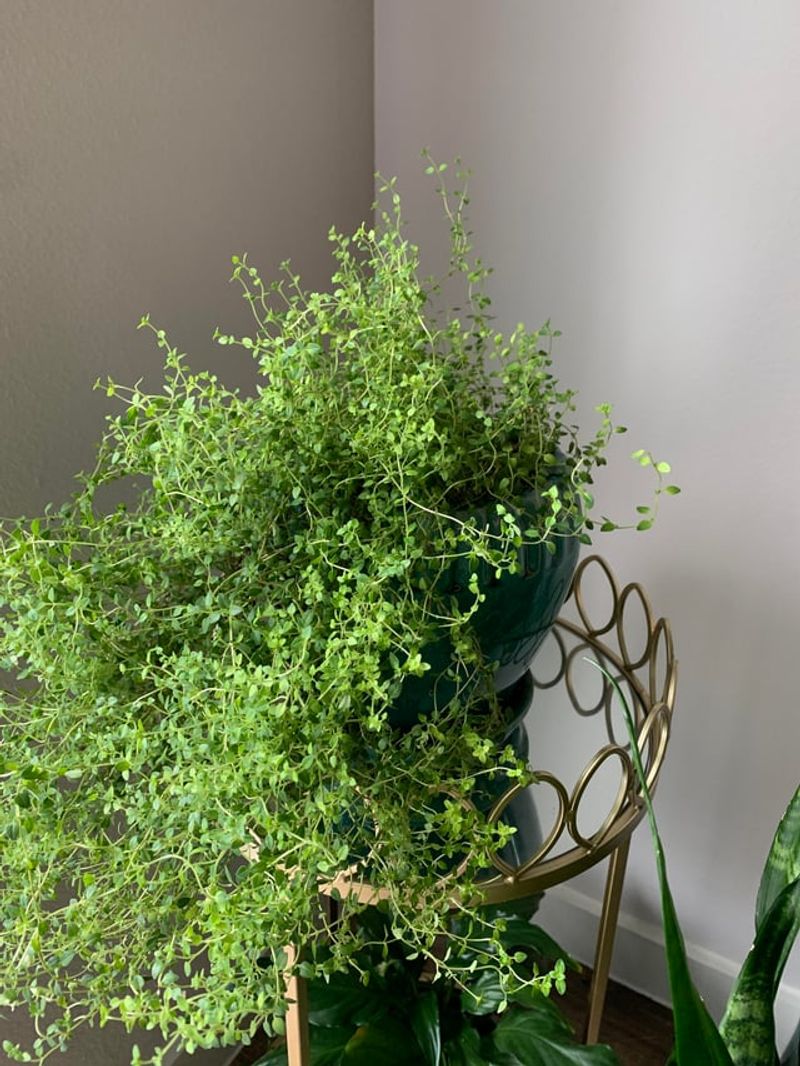
Thyme might look delicate with its tiny leaves and woody stems, but this little herb is tougher than it appears.
Regular pruning is essential to keep thyme from becoming a tangled mess of woody stems with sparse foliage.
When you trim thyme consistently, it stays compact, full, and produces those intensely flavored leaves that elevate roasted vegetables and meats.
Without pruning, thyme grows outward and upward, getting leggy and developing thick woody branches that don’t produce many leaves.
The key with thyme is to prune lightly but often during the growing season.
Snip off the tips of stems regularly, taking no more than a third of the plant at once.
Always cut into the green, leafy growth, not down into the woody parts.
Woody stems won’t regrow new leaves, so you want to encourage the plant to keep producing fresh green growth.
After thyme flowers in early summer, give it a more substantial trim to shape it and encourage a second flush of growth.
Use sharp scissors or pruning shears to avoid crushing the delicate stems.
Well-pruned thyme forms a lovely low mound that’s both productive and attractive in your garden.
5. Cilantro
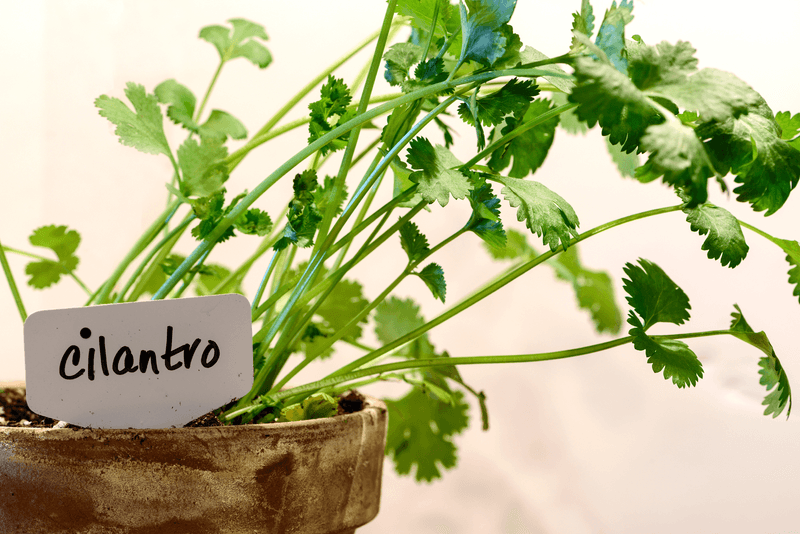
Cilantro has a mind of its own when it comes to bolting, which means it races to flower and set seed faster than almost any other herb.
This is frustrating if you love those fresh, citrusy leaves for salsa and guacamole.
Regular pruning is your best defense against premature bolting and the key to extending your cilantro harvest.
When you consistently snip the outer leaves and growing tips, you’re sending a signal to the plant to keep producing foliage instead of rushing into its reproductive phase.
Start harvesting cilantro when the plant has at least six inches of growth.
Always take leaves from the outside of the plant, working your way around rather than stripping one side.
Cut the stems close to the base, which encourages new growth from the center.
If you see a thicker central stem starting to form, that’s the beginning of bolting.
Pinch it out immediately to delay flowering for a few more weeks.
Even with regular pruning, cilantro will eventually bolt, especially in hot weather.
Plant successive crops every few weeks so you always have fresh leaves ready.
When your cilantro finally does flower, let it go to seed and harvest the coriander for cooking.
6. Parsley

Parsley is often treated as a garnish and forgotten on the side of the plate, but this herb deserves more respect in your garden.
Whether you grow curly or flat-leaf varieties, parsley responds beautifully to regular harvesting and pruning.
The plant is a biennial, which means it grows leaves the first year and flowers the second, but you can keep it productive longer with consistent trimming.
When you harvest parsley, always cut the outer stems first, taking them close to the base of the plant.
This allows the inner leaves to continue growing and keeps the plant producing fresh foliage.
Never just pick individual leaves from the top, as this weakens the plant and makes it look scraggly.
Cut entire stems, and new ones will grow from the center crown.
During the first growing season, you can harvest parsley heavily as long as you leave at least a third of the plant intact.
Regular pruning prevents the stems from getting tough and woody.
If you notice a thick flower stalk forming in the second year, cut it back to extend the harvest period.
Parsley’s flavor is most intense before flowering, so keep those scissors busy and enjoy fresh parsley in everything from tabbouleh to chimichurri.
7. Rosemary
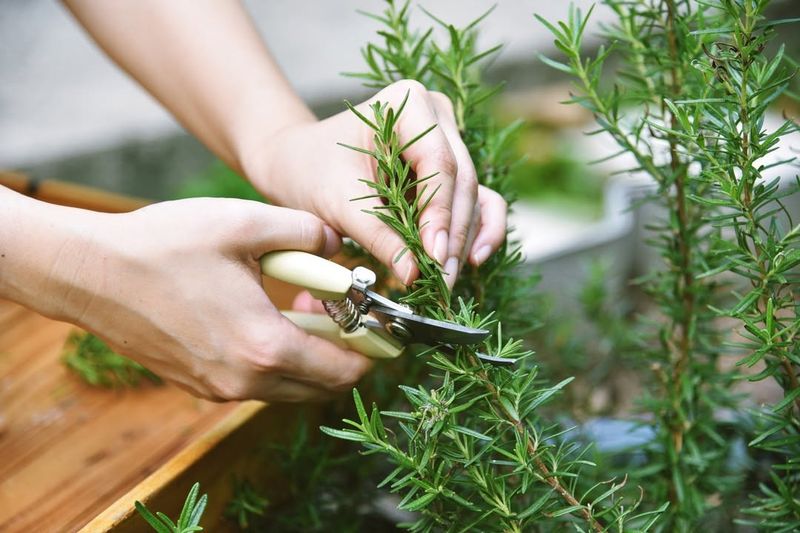
Rosemary brings a touch of the Mediterranean to any garden with its pine-scented leaves and woody structure.
This perennial herb can grow quite large if left unpruned, eventually becoming a sprawling shrub with bare, woody stems and foliage only at the tips.
Regular pruning keeps rosemary compact, bushy, and covered with those fragrant needles you love for roasting potatoes and lamb.
The best time to prune rosemary is in spring after the last frost, and then lightly throughout the growing season as you harvest.
Never cut back into the old, brown woody growth because rosemary rarely produces new growth from those areas.
Instead, trim the green, actively growing stems by no more than a third at a time.
This encourages branching and keeps the plant full.
When harvesting for cooking, cut sprigs from different areas of the plant rather than scalping one section.
This maintains the plant’s shape and health.
After rosemary flowers, give it a light trim to shape it and remove any straggly growth.
In regions with mild winters, you can prune rosemary more frequently, but in colder areas, avoid heavy pruning in late summer or fall.
This allows the plant to harden off before winter and improves its chances of surviving freezing temperatures.
8. Sage
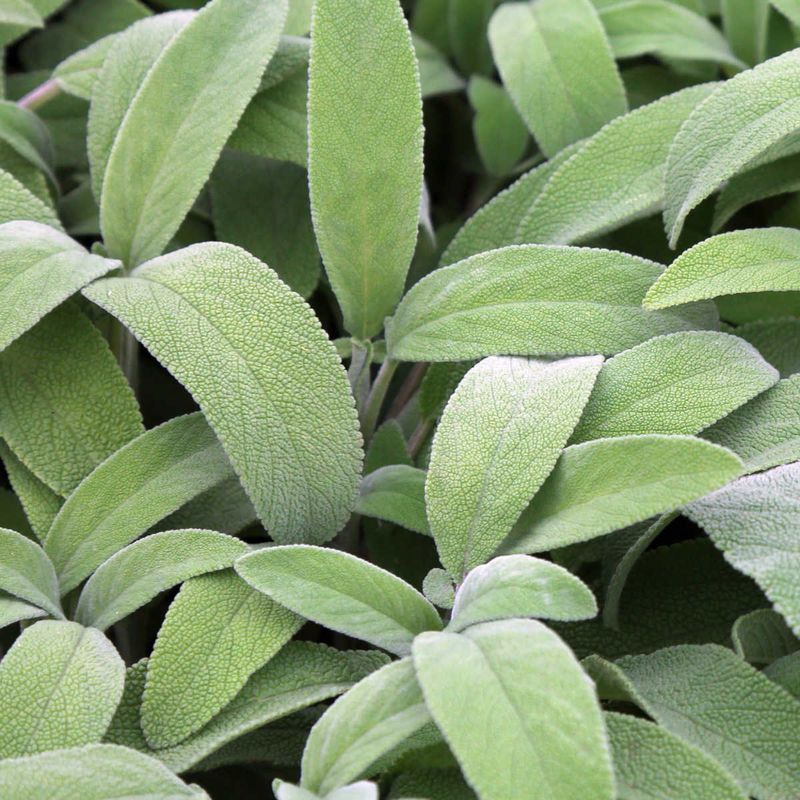
Sage has those beautiful velvety leaves that feel almost like soft fabric when you touch them.
This hardy perennial can live for years in the right conditions, but it needs regular pruning to stay productive and attractive.
Without trimming, sage becomes woody and leggy, with most of the foliage concentrated at the ends of long, bare stems.
Pruned sage, on the other hand, stays compact and produces abundant flavorful leaves for your Thanksgiving turkey and brown butter sauces.
The key to pruning sage is timing and restraint.
In early spring, before new growth begins, cut back about a third of the plant, focusing on the oldest, woodiest stems.
This rejuvenates the plant and encourages fresh growth from the base.
Throughout the growing season, harvest leaves regularly by cutting stems rather than picking individual leaves.
Always leave at least two-thirds of the plant intact so it can continue photosynthesizing and growing.
Avoid cutting into the woody parts of the stems, as sage doesn’t readily sprout from old wood.
After sage flowers in late spring or early summer, trim off the spent flower stalks and shape the plant.
This keeps energy focused on leaf production and prevents the plant from getting too leggy.
9. Lemon Balm
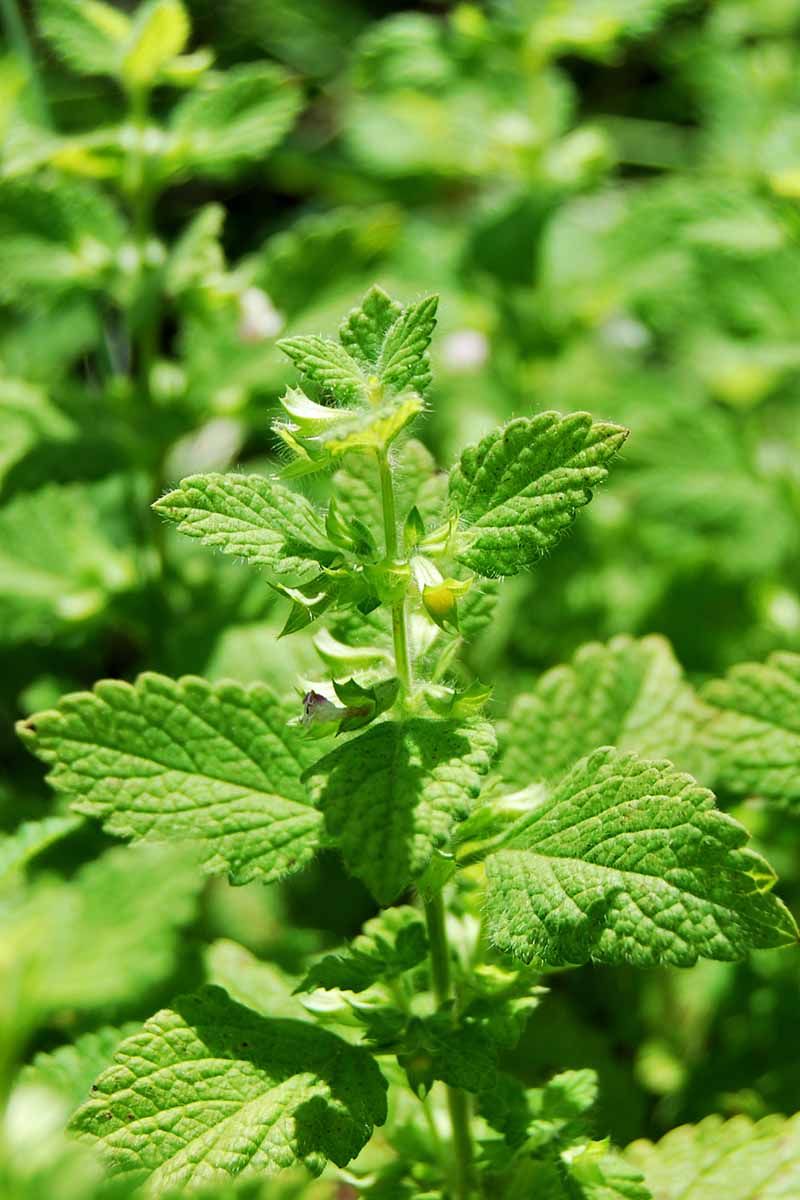
Lemon balm is like mint’s cheerful cousin, with leaves that smell like lemon candy when you crush them.
This herb is incredibly easy to grow, almost too easy, because it can take over your garden if you’re not careful.
Regular pruning is essential not just for keeping lemon balm productive, but also for preventing it from spreading everywhere and becoming a nuisance.
When you cut lemon balm back frequently, it stays bushy and compact, producing tender leaves perfect for tea and summer drinks.
Without pruning, it grows tall and straggly, then flowers and self-seeds all over your garden.
Start trimming when your lemon balm reaches about eight inches tall.
Cut the stems back by half, and the plant will branch out and become fuller.
Continue harvesting regularly throughout the season, taking stems from all around the plant.
If you see flower buds forming, pinch them off immediately unless you want lemon balm seedlings popping up everywhere next year.
Some gardeners give lemon balm a hard cut back to just a few inches above the ground in midsummer.
This seems drastic, but the plant recovers quickly and produces a fresh crop of tender leaves.
Keep your lemon balm well-pruned, and you’ll have lemony goodness without the garden invasion.
10. Chives
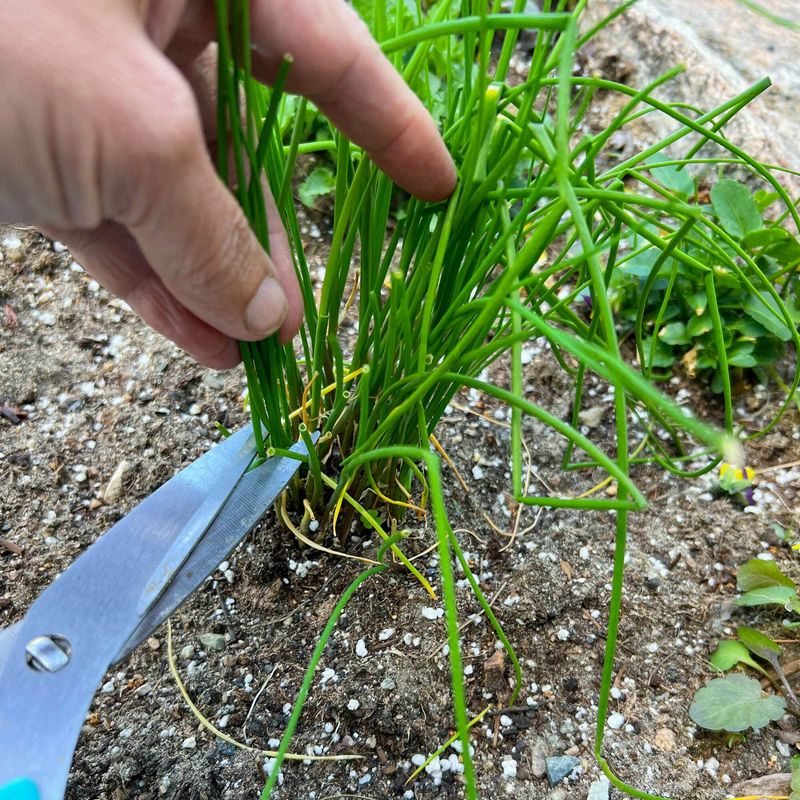
Chives are probably the easiest herb you can grow, and they’re one of the first to pop up in spring.
Those slender, hollow leaves add a mild onion flavor to everything from baked potatoes to scrambled eggs.
Regular pruning keeps chives producing tender new growth all season long and prevents them from getting tough and overgrown.
When you harvest chives, cut the leaves close to the base rather than snipping the tips.
This might seem harsh, but chives grow from the base, so cutting them down encourages fresh, tender shoots to emerge.
If you just trim the tips, you’re left with tough, cut ends that turn brown and look unappealing.
Harvest chives by cutting a small section of the clump at a time, working your way around the plant.
This gives you a continuous supply of fresh leaves.
Chives will flower in late spring with pretty purple pompom blooms that are actually edible and delicious in salads.
However, once chives flower, the leaves become tougher and less flavorful.
If you want to maximize leaf production, cut off the flower stalks as soon as they appear.
Every few years, divide your chive clumps to keep them vigorous and prevent overcrowding.