9 Herbs You Can Grow From Cuttings In Arizona This Spring
Growing herbs from cuttings has a way of making gardening feel more hands-on and rewarding.
In Arizona, where spring temperatures rise quickly, this method can save time and get plants established faster than starting from seed.
With a healthy stem and the right setup, roots can begin forming sooner than many people expect. It is a simple approach, but timing and plant choice make a noticeable difference.
Some herbs respond quickly as the weather warms, while others need a bit more attention to get started.
Before long, a single plant can turn into a small collection on your windowsill or patio, and a few standout herbs tend to surprise people with just how quickly they take off, filling in spaces faster than expected and adding fresh flavor right when you need it most.
1. Basil Fast Roots And Fresh Flavor
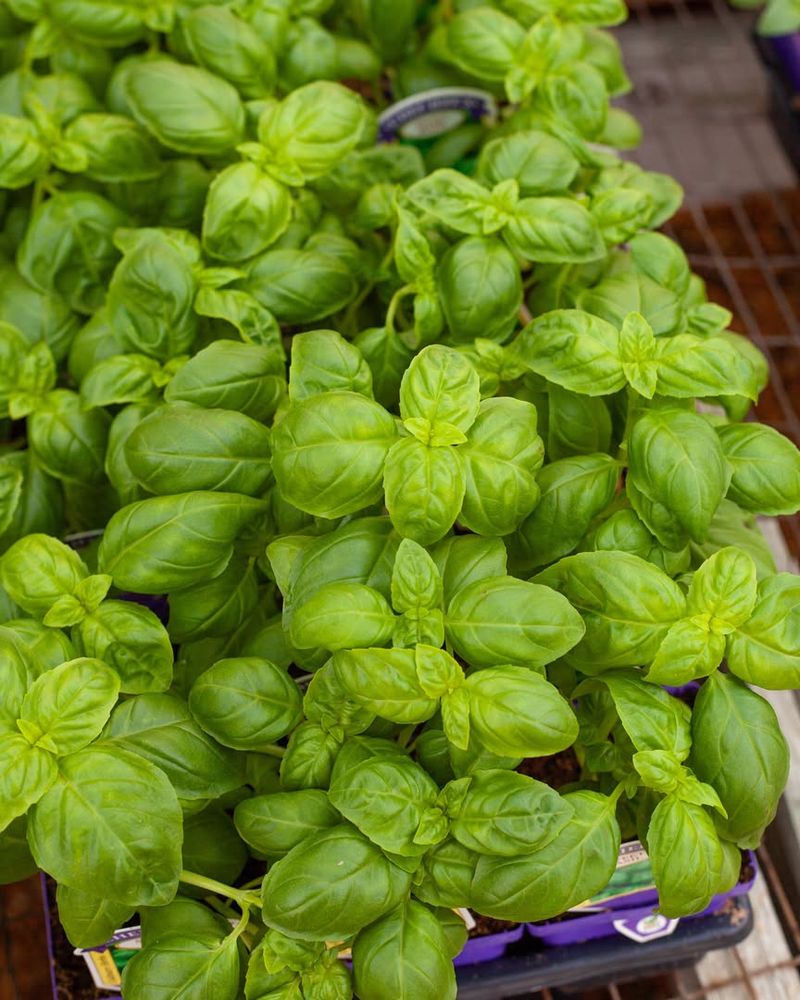
Few herbs smell as amazing as fresh basil, and the good news is that it is incredibly easy to grow from cuttings right here in Arizona. As a warm-season annual, basil absolutely loves the heat that Arizona delivers, making spring the perfect time to get your cuttings started before temperatures climb too high for rooting.
To propagate basil, snip a healthy stem about four to six inches long just below a leaf node. Strip the lower leaves and place the cutting in a glass of clean water near a bright, sunny window.
Roots usually appear within one to two weeks, and once they reach about an inch long, you can transplant them into a pot or garden bed.
Basil grows best in well-draining soil with full sun, which Arizona has in abundance. Water it regularly but avoid soaking the roots, since soggy soil can cause problems.
Once established, your basil plant will reward you with fragrant leaves perfect for salads, pasta, pesto, and so much more. Pinching off flower buds as they appear will keep your plant producing fresh leaves longer throughout the season.
Growing basil from cuttings also means you can multiply your plants at no extra cost, sharing starts with neighbors or filling multiple containers across your patio.
With Arizona’s warm spring days providing ideal conditions, basil cuttings root quickly and grow into lush, productive plants that make every meal taste a little better.
2. Mint That Spreads Quickly From Simple Cuttings
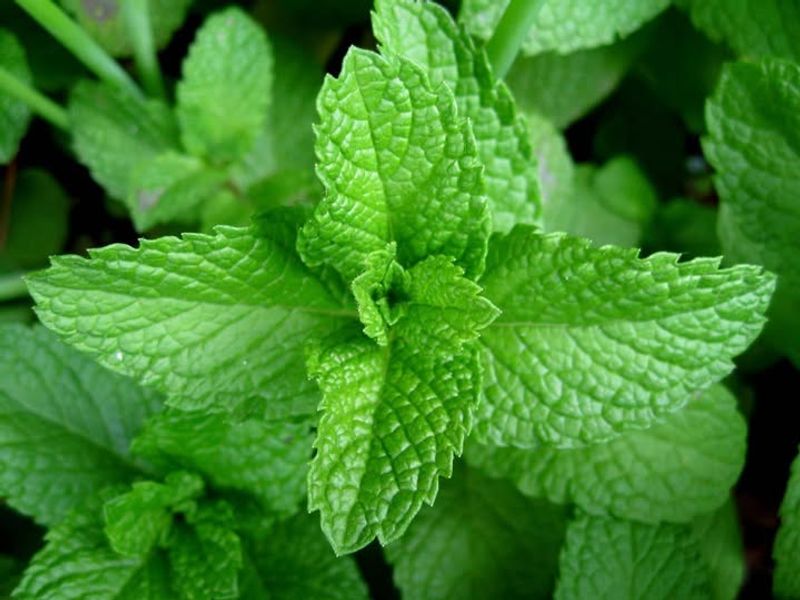
Mint is one of those herbs that practically wants to grow. Give it a cutting, a little water, and some warmth, and it will take off faster than almost any other herb in your Arizona garden.
Known for spreading enthusiastically, mint is best grown in containers here in the desert Southwest so it does not take over your entire garden bed.
Taking a mint cutting is straightforward. Choose a healthy stem about three to five inches long, remove the lower leaves, and either place it in water or stick it directly into moist potting mix.
Roots develop quickly, often within a week or two, especially in Arizona’s warm spring temperatures. Once rooted, mint thrives in partial shade, which is actually a benefit in the intense Arizona climate since too much direct afternoon sun can stress the plant.
Your Arizona Garden Changes Every Week. Your Plan Should Too.
Gardening in Arizona changes quickly throughout the season. Every Friday you’ll receive a simple weekly plan showing exactly what to plant, prune, fertilize, harvest, and protect so you never miss the right timing.
Spearmint and peppermint are both popular choices for Arizona gardens, and both propagate easily from cuttings. Mint loves consistent moisture, so check your containers regularly and water whenever the top inch of soil feels dry.
A pot with drainage holes is a must to keep roots healthy. Fresh mint leaves are incredibly versatile, adding bright flavor to teas, lemonades, salads, and even desserts.
Having a pot of mint growing on your porch means you are just a few steps away from a refreshing addition to any drink or dish. Starting your mint cuttings this spring sets you up for a productive growing season ahead.
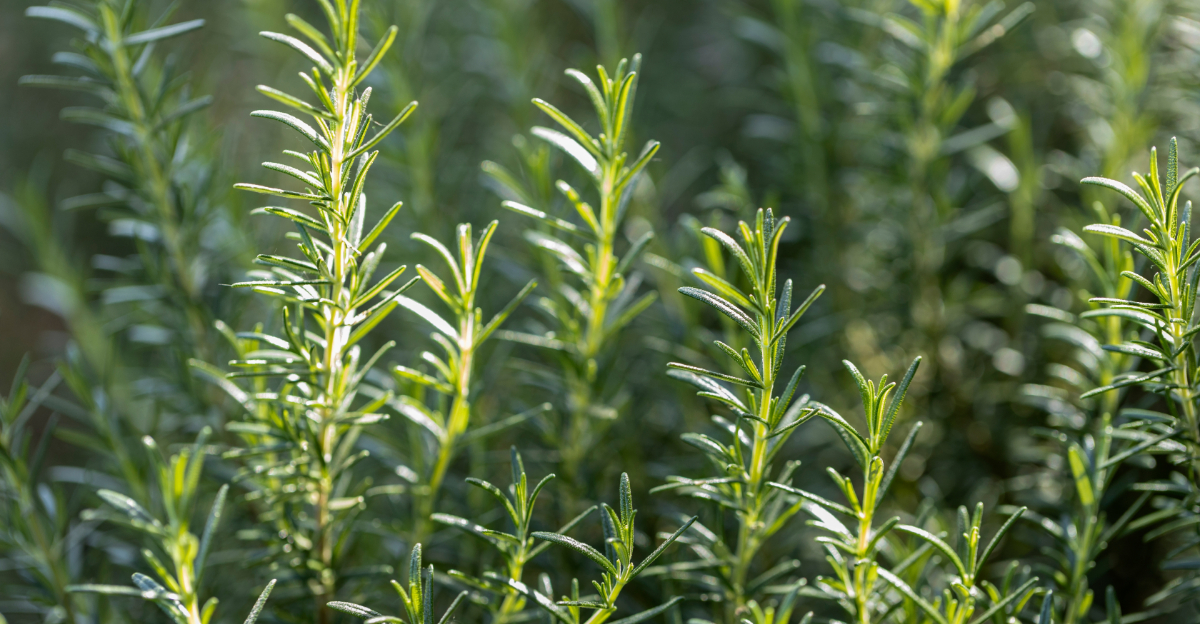
3. Rosemary Loving Warm And Dry Air
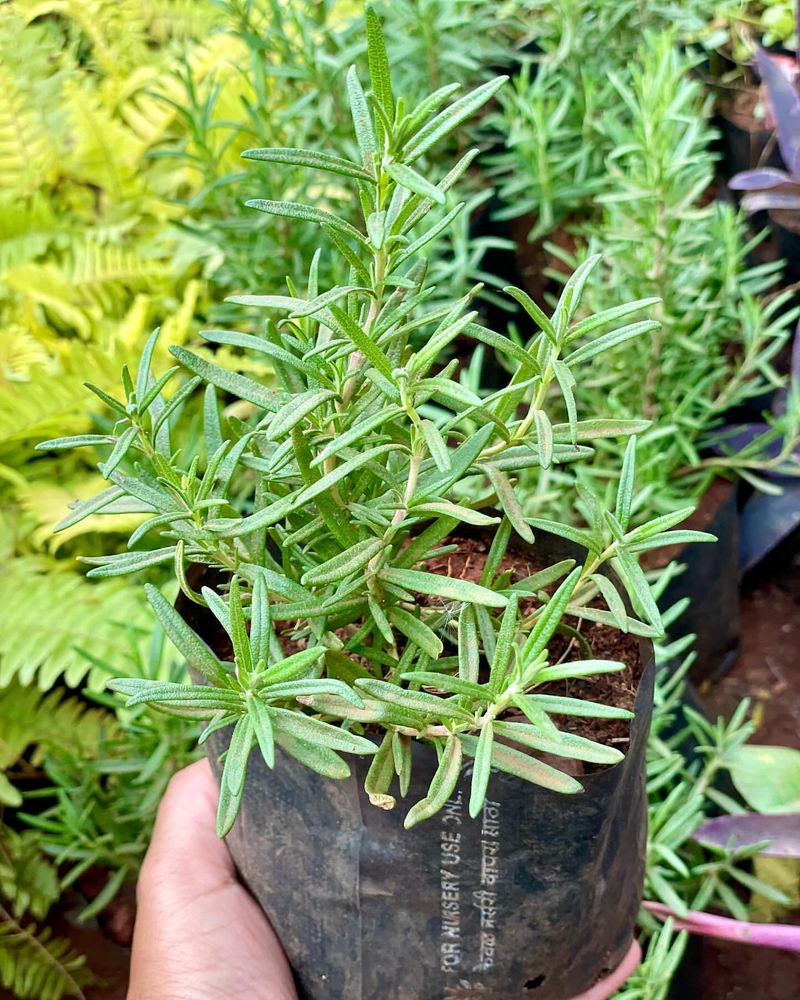
This tough, woody perennial thrives in dry heat, sandy soils, and full sun conditions that mirror its native Mediterranean homeland. Spring is the ideal time to take rosemary cuttings because the warming temperatures encourage strong root development before the peak of summer arrives.
To propagate rosemary, select a healthy stem about four to six inches long from new growth, not the older woody sections. Strip the lower two inches of leaves and dip the cut end in rooting hormone powder if you have it, though it is not strictly necessary.
Insert the cutting into a well-draining mix such as potting mix combined with perlite or sand, and keep the soil lightly moist.
Place it in a bright spot with indirect light while it roots, which typically takes three to four weeks.
Once established, rosemary is remarkably low-maintenance in the Arizona landscape. It handles drought conditions with ease and actually prefers to dry out a bit between waterings.
Overwatering is the most common mistake people make with rosemary, so resist the urge to water too frequently. Planted in the ground or in large containers, rosemary can grow into a beautiful shrub that provides a constant supply of fragrant, needle-like leaves year-round.
Use fresh rosemary to flavor roasted meats, vegetables, breads, and olive oil. Did you know rosemary has been used for centuries as a symbol of remembrance?
Growing it from cuttings connects you to a rich and flavorful gardening tradition right in your Arizona backyard.
4. Oregano Grows Strong With Minimal Effort
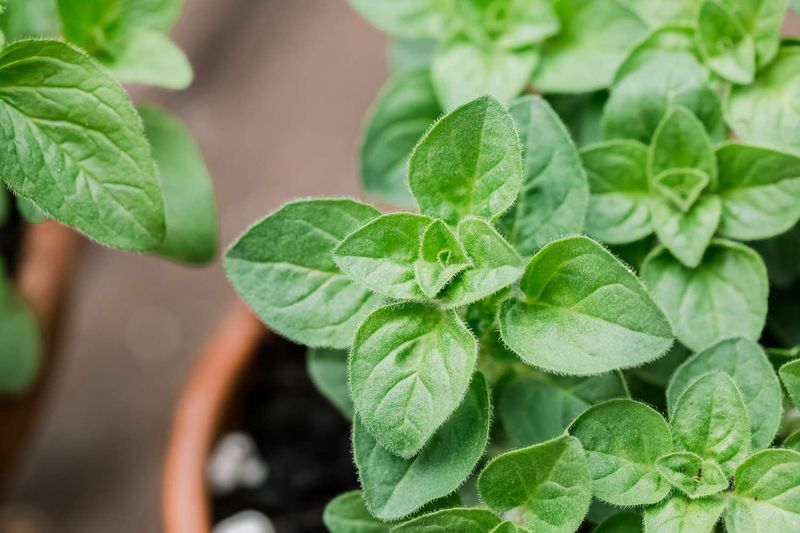
Bringing bold, earthy flavor to kitchens around the world, oregano is also one of the easiest herbs to propagate from cuttings in Arizona. As a perennial that handles heat and occasional drought without complaint, oregano fits right into the Arizona lifestyle.
Spring planting gives cuttings enough time to establish strong roots before summer temperatures peak.
Snip a stem about three to four inches long from a healthy oregano plant, making sure to choose soft, green growth rather than older woody sections. Remove the leaves from the bottom inch or two and either place the cutting in moist potting mix or root it in water.
Oregano roots reliably within two to three weeks when kept in a warm, bright location, which is easy to find in Arizona during spring.
Once your oregano cuttings take root, transplant them into a sunny garden spot or a container with good drainage. Full sun is best, and oregano actually produces more flavorful leaves when the soil is kept on the drier side.
Rich, heavily fertilized soil tends to dilute the essential oils that give oregano its signature punch, so lean toward leaner growing conditions. Greek oregano is particularly well-suited to Arizona’s climate and is prized for its intense flavor.
Fresh or dried, oregano elevates pizza, pasta sauces, marinades, and grilled vegetables. Growing your own from cuttings means you always have a fresh supply on hand, making every home-cooked meal taste just a little more special.
5. Thyme That Stays Compact And Fragrant
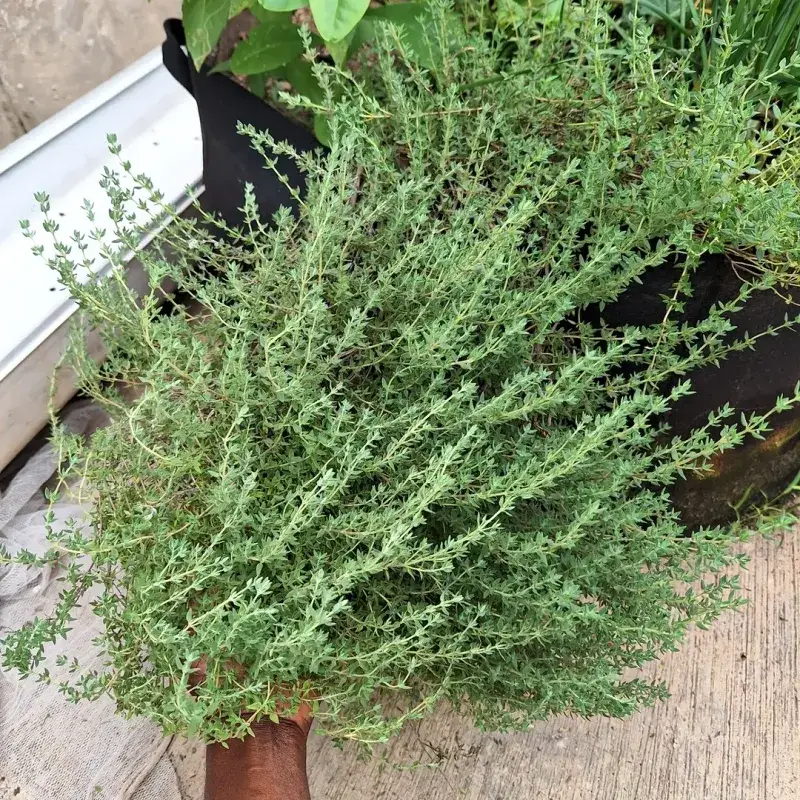
A low-growing powerhouse of flavor, thyme feels right at home in Arizona’s sun-drenched landscape. Its preference for dry, well-drained soil and full sunlight makes it one of the most naturally suited herbs for desert gardening.
Spring is a wonderful time to take thyme cuttings because the mild temperatures help cuttings settle in before the heat intensifies.
Taking thyme cuttings is simple and satisfying. Choose young, flexible stems about three inches long and strip the lower leaves.
You can root thyme in water, but it actually does very well when inserted directly into a mix of perlite and potting soil. Keep the mix lightly moist and place the pot in a warm, bright spot.
Roots typically form within three to four weeks, and you will notice new leaf growth as a sign that your cutting has successfully taken hold.
Thyme is wonderfully drought-tolerant once established, making it a practical and beautiful addition to Arizona gardens and patios. It also works as a low-growing ground cover between stepping stones or along garden borders, releasing a pleasant fragrance when brushed.
Several varieties thrive in Arizona, including English thyme, lemon thyme, and creeping thyme, each offering slightly different flavors and growth habits. In the kitchen, thyme pairs beautifully with roasted chicken, soups, stews, and herb butter.
Growing thyme from cuttings is a budget-friendly way to fill your garden with this reliable, aromatic herb that pulls double duty as both a culinary staple and a low-water landscaping plant perfect for the Arizona climate.
6. Sage Brings Soft Leaves And Bold Flavor
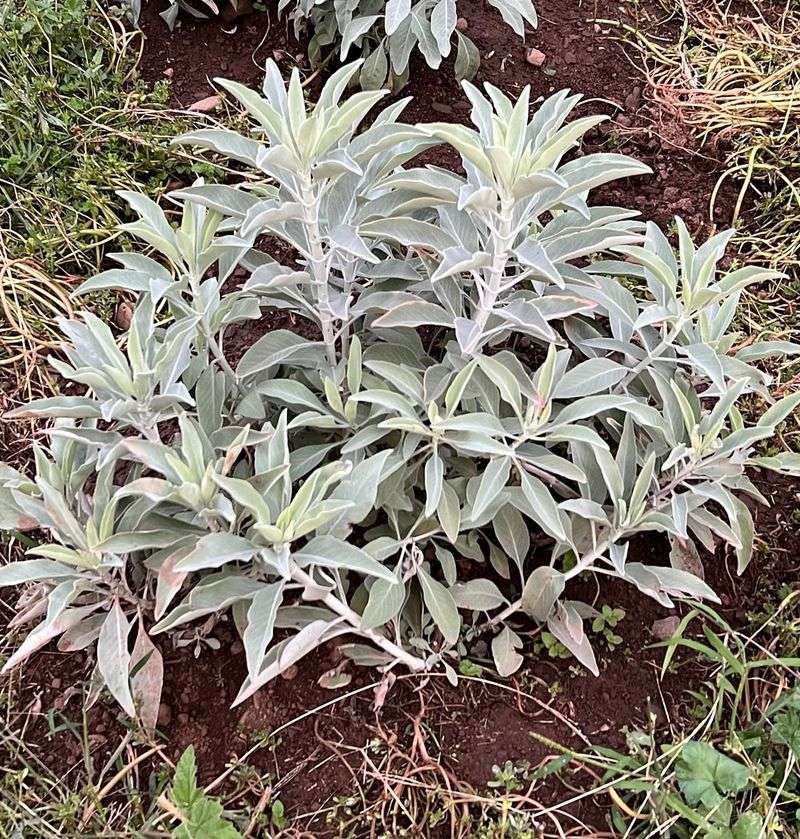
With its love of hot, dry conditions and well-drained soil, sage thrives in the desert environment like few other herbs. Starting cuttings in spring gives plants a strong foundation before the Arizona summer heat fully arrives.
To propagate sage, take a cutting about four inches long from a healthy, non-flowering stem. Remove the lower leaves and dip the cut end in rooting hormone if available, then plant it in a sandy, well-draining potting mix.
Keep the soil barely moist and place the pot in a warm, bright location. Sage can take a bit longer to root than some other herbs, usually around four to six weeks, so patience is key.
Once established, sage is remarkably self-sufficient in the Arizona landscape. It tolerates drought, reflects heat with its silvery leaves, and requires very little fertilizer to stay productive.
Avoid overwatering, as sage strongly dislikes wet roots and will struggle in consistently damp soil.
Common culinary sage is the most popular variety for cooking, but ornamental sages like pineapple sage also root well from cuttings and add beautiful color to Arizona gardens.
In the kitchen, fresh sage enhances butter sauces, roasted meats, stuffing, and pasta dishes. Growing sage from cuttings is a smart, economical choice that rewards Arizona gardeners with a long-lived, fragrant herb year after year.
7. Lemon Balm With Light Citrus Scent Indoors
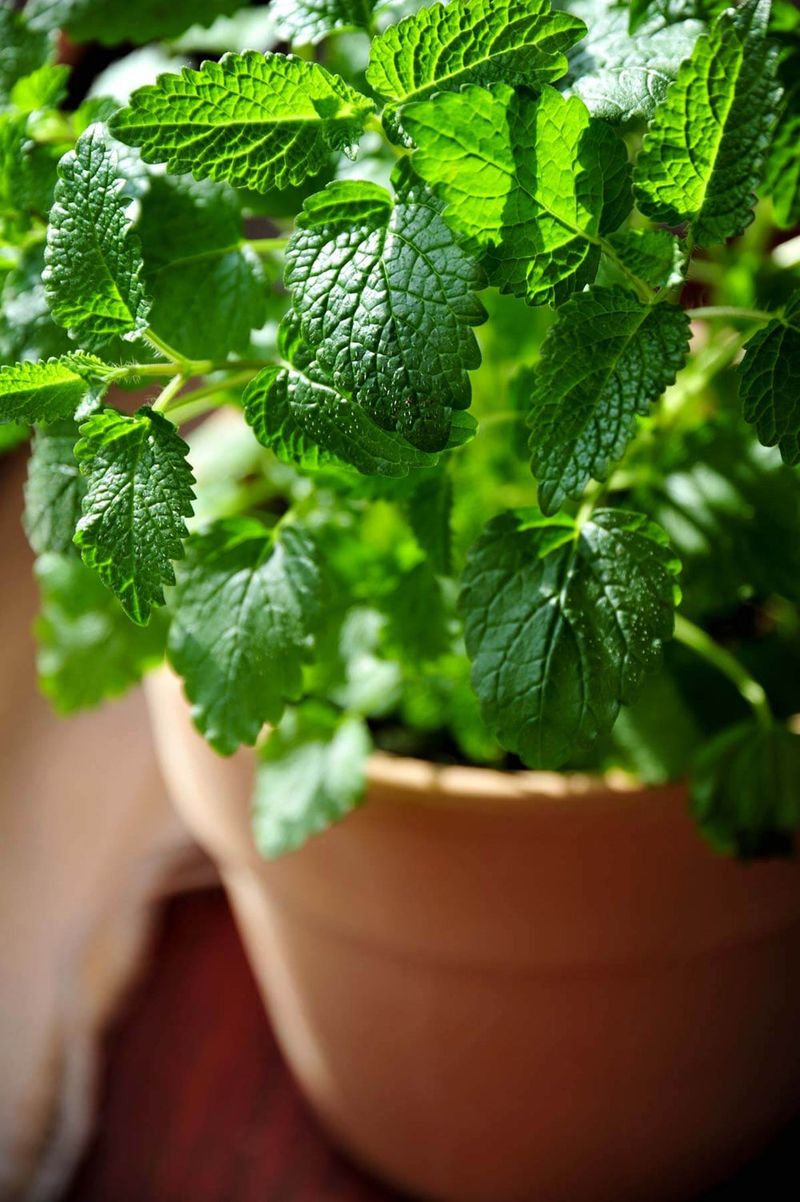
A member of the mint family, lemon balm shares some of the same easygoing rooting habits as its relative, making it a great choice for beginner gardeners across the state.
Spring is the sweet spot for getting cuttings started while temperatures are still comfortable.
To propagate lemon balm, cut a stem about four inches long just below a leaf node and remove the lower leaves. Place the cutting in a glass of water in a bright spot, and you should see roots beginning to form within one to two weeks.
Once the roots are about an inch long, move the cutting into a pot filled with moist, well-draining potting mix and watch it grow.
In Arizona, lemon balm does best with some afternoon shade to protect it from the most intense summer sun. It appreciates consistent moisture more than drought-tolerant herbs like rosemary or thyme, so check your container regularly and water when the top inch of soil feels dry.
Growing lemon balm in a container is a smart approach since it can spread enthusiastically if left unchecked in garden beds. The leaves are wonderful steeped in hot or cold tea, added to salads, or used to flavor desserts and lemonade.
Lemon balm also has a long history of use as a calming herb, making it a delightful and functional addition to any Arizona herb garden this spring.
8. Lavender Prefers Bright Dry Conditions
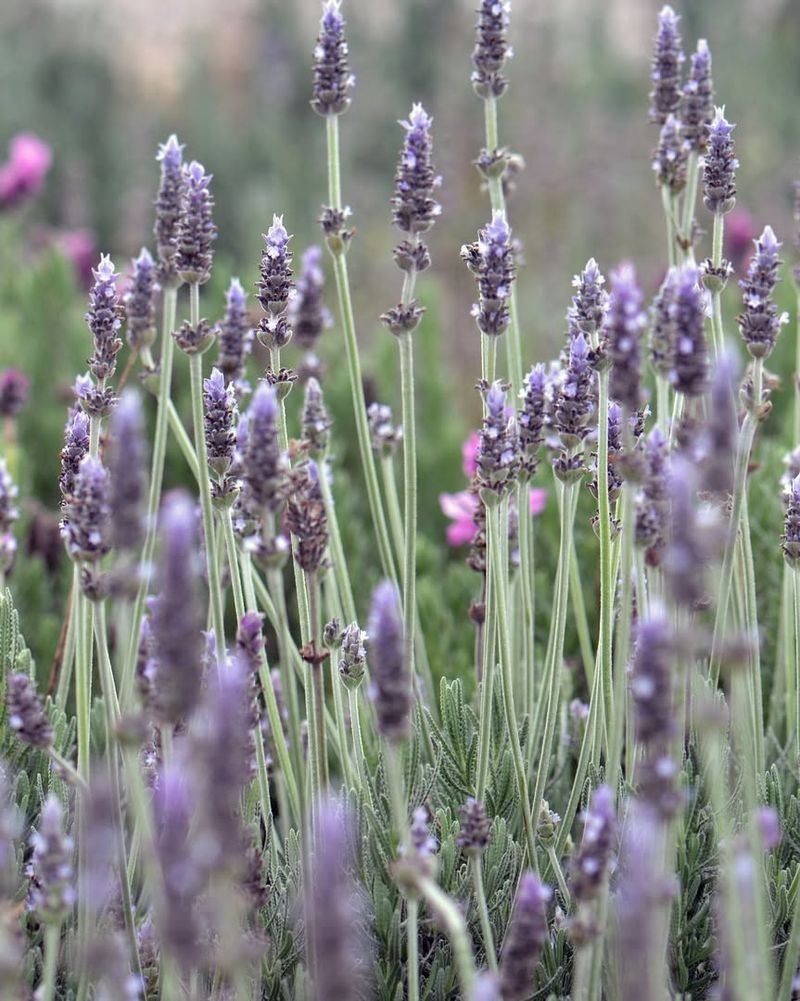
There is something almost magical about growing lavender from a simple cutting. The moment those first tiny roots appear, you know you are on your way to a fragrant, beautiful plant that will reward you for years.
Arizona’s warm, dry climate closely mirrors lavender’s native Mediterranean habitat, making it one of the best places in the country to grow this beloved herb.
Spring is the right time to take lavender cuttings because the soil is warm enough to encourage rooting but not yet scorching. Choose a healthy stem about three to four inches long from new, non-flowering growth.
Strip the lower leaves, dip the cut end in rooting hormone for best results, and insert it into a pot of sandy, well-draining mix. Lavender roots slowly compared to softer herbs, so expect to wait four to eight weeks before seeing solid root development.
Once rooted, lavender is one of the most drought-tolerant herbs you can grow in Arizona. Plant it in full sun with excellent drainage, and avoid watering too frequently.
Spanish lavender and Provence lavender are two varieties that perform especially well in Arizona’s heat.
Beyond its gorgeous purple flowers and soothing fragrance, lavender has practical uses in cooking, baking, teas, and homemade sachets.
Bees and pollinators adore it, which makes it a wonderful companion plant in any garden. Starting lavender from cuttings this spring means you will have established, blooming plants ready to impress by next season across your Arizona outdoor space.
9. Marjoram With Delicate Flavor And Easy Growth
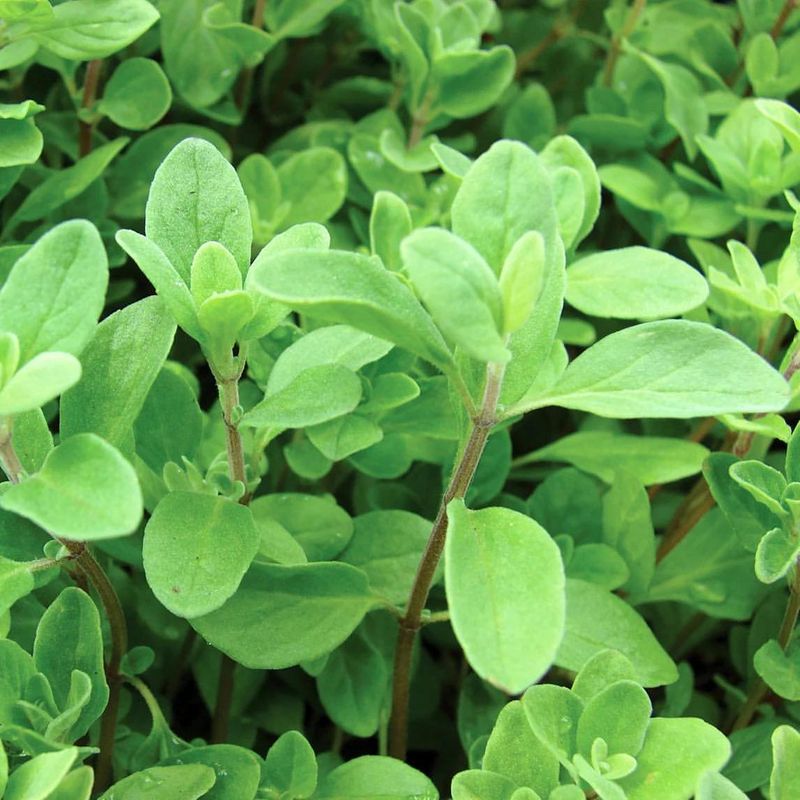
Marjoram is often called the sweeter cousin of oregano, and it deserves a lot more attention in Arizona herb gardens. With a milder, slightly floral flavor, marjoram adds a delicate touch to dishes that oregano might overpower.
It roots readily from cuttings and settles in beautifully during Arizona’s warm spring season, making it a smart and flavorful addition to any herb collection.
To take a marjoram cutting, choose a soft, green stem about three to four inches long and remove the lower leaves. You can root it in a small glass of water or plant it directly into moist, well-draining potting mix.
Keep the cutting in a warm spot with bright, indirect light while it develops roots, which usually happens within two to three weeks. Once rooted, move it to a sunnier location or transplant it into your garden.
Marjoram grows best in full sun and well-drained soil, conditions that Arizona naturally provides in abundance. It is somewhat drought-tolerant once established, though it appreciates regular watering during the hottest months.
In Arizona, growing marjoram in a container gives you flexibility to move it to a shadier spot during the peak of summer if needed. Harvest leaves regularly to encourage bushy, full growth and prevent the plant from going to seed too quickly.
Fresh marjoram is wonderful in soups, egg dishes, roasted vegetables, and herb blends like herbes de Provence.
Growing it from cuttings this spring is a simple, rewarding project that brings genuine culinary value to your Arizona kitchen garden.