What Mulberry Trees In Arizona Need In April For More Fruit
Ever feel like your mulberry tree is just waiting for a signal to explode into life? In Arizona, April is that starting gun.
As our desert soil heats up and the days stretch out, these trees shift into high gear, racing to set fruit before the true summer sizzle arrives.
But here’s the catch: our fast-draining soil and intense sun don’t leave much room for error.
Whether you’re gardening in the heat of the Phoenix Valley or the cooler elevations of Prescott, what you do right now determines if you’ll be harvesting handfuls of berries or a disappointing crop.
It’s time to give your tree exactly what it needs to thrive in the Grand Canyon State.
1. Pruning For Shape And Airflow
Early spring in Arizona moves fast, and by April, mulberry trees are already bursting with new shoots that can quickly crowd the canopy if left unchecked.
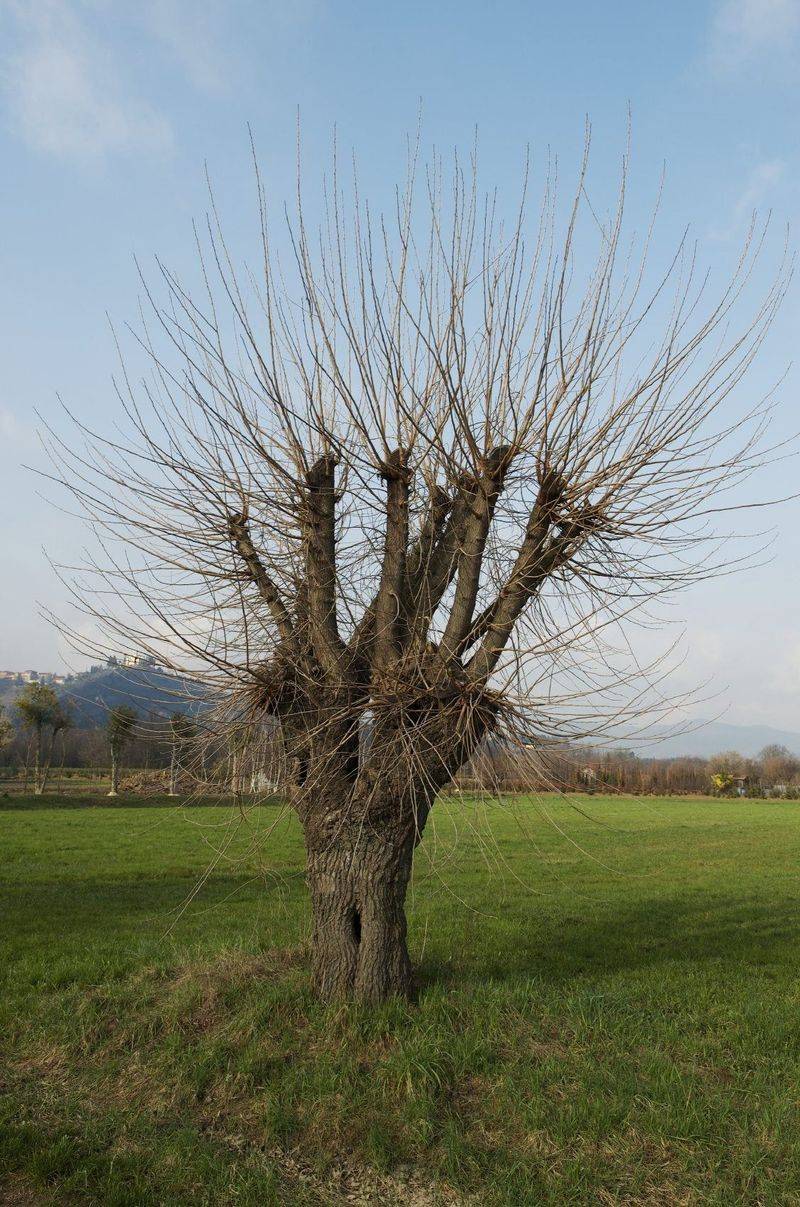
Light pruning at this stage helps open up the tree so sunlight and air can reach every branch, which directly supports better fruit development.
A well-shaped canopy means fewer shaded-out branches and more energy directed toward producing fruit rather than excess foliage.
Focus on removing any crossing branches, water sprouts growing straight up from main limbs, and any wood that looks weak or crowded. The goal is not to reshape the entire tree but to refine its structure so airflow moves freely through the interior.
Good airflow reduces humidity pockets where fungal problems can take hold, which matters especially during Arizona’s monsoon season later in the year.
In low desert areas like Phoenix, mulberry trees may have already leafed out significantly by early April, so keep pruning light and targeted rather than aggressive.
At higher elevations like Prescott, you may have a slightly wider window before full leaf-out.
Use clean, sharp tools and make cuts just outside the branch collar to encourage proper healing.
Removing no more than 10 to 15 percent of the canopy at this point keeps the tree healthy and productive without causing unnecessary stress during the active growing season.
2. Fertilization For Stronger Growth
Mulberry trees growing in Arizona’s sandy, alkaline desert soils often need a little nutritional help in spring to really perform well.
April is an ideal time to apply fertilizer because the tree is actively growing and can put those nutrients to work right away.
A balanced fertilizer with an NPK ratio of 10-10-10 is a solid starting point for most mulberry trees in the state.
Spread the fertilizer evenly under the tree’s canopy, roughly following the drip line where feeder roots are most active. Avoid piling fertilizer directly against the trunk, as this can cause bark irritation.
Water the area thoroughly after application so nutrients move into the root zone rather than sitting on the dry soil surface, which is especially important in Arizona’s low-humidity conditions where granules can linger without moisture to activate them.
For trees showing yellowing leaves, which sometimes signals iron or nitrogen deficiency in Arizona’s high-pH soils, a chelated iron supplement applied separately can help restore healthy green color.
Your Arizona Garden Changes Every Week. Your Plan Should Too.
Gardening in Arizona changes quickly throughout the season. Every Friday you’ll receive a simple weekly plan showing exactly what to plant, prune, fertilize, harvest, and protect so you never miss the right timing.
Organic options like compost, aged manure, or fish emulsion also work well and improve soil structure over time, which benefits desert-adapted trees in the long run.
Be mindful not to over-fertilize, since too much nitrogen late in spring can push excessive leafy growth at the expense of fruit set. One application in early April is typically enough to fuel strong, productive growth through the fruiting season.
3. Irrigation For Healthy Roots And Quality Fruit
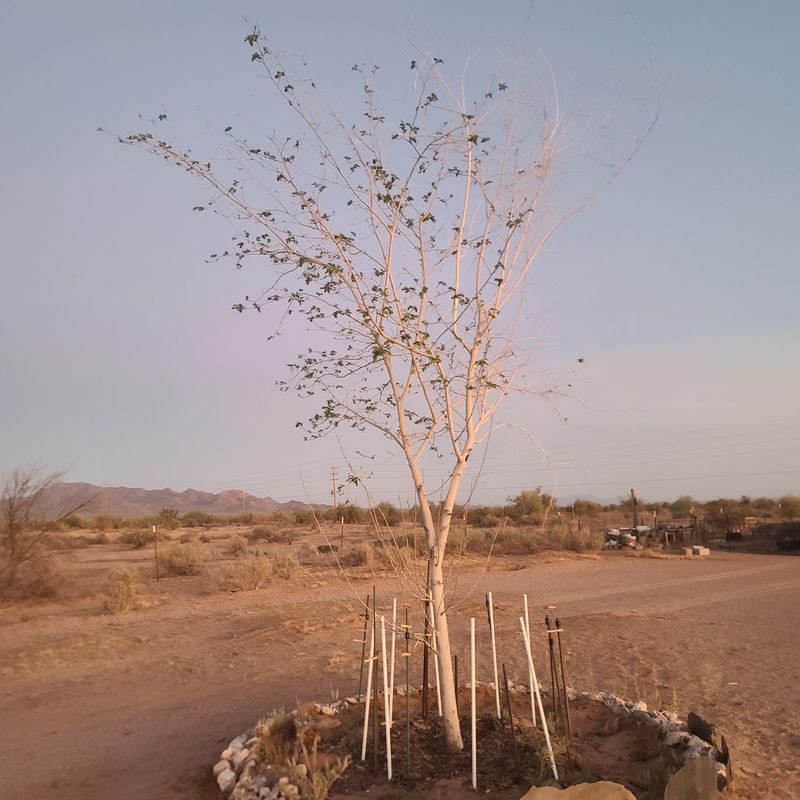
Arizona spring weather can feel mild, but the combination of low humidity, strong winds, and rapidly warming temperatures means mulberry trees are losing moisture faster than many gardeners realize.
April is the time to shift your irrigation schedule from winter conservation mode into a more active spring rhythm that supports fruit development.
Deep, infrequent watering encourages roots to grow downward, building a strong foundation that helps the tree handle Arizona’s brutal summer heat.
For established mulberry trees, watering deeply every seven to ten days in April is a reasonable starting point, though sandy soils may require more frequent attention than heavier clay-based soils.
Drip irrigation systems work particularly well in Arizona because they deliver water slowly and directly to the root zone, reducing evaporation loss.
Letting the soil dry out moderately between waterings also helps prevent root problems associated with consistently wet conditions.
One thing worth noting is that consistent soil moisture during fruit development directly influences fruit size and sweetness. Irregular watering during the fruiting window can lead to smaller, less flavorful berries or even cause fruit to split.
In Phoenix and other low desert communities, April temperatures can already push into the 90s, making consistent irrigation critical.
At higher elevations, soil moisture naturally holds a bit longer, but monitoring is still important.
Checking soil moisture a few inches below the surface before each watering session helps you avoid both underwatering and overwatering.
4. Mulching To Conserve Moisture And Protect Roots
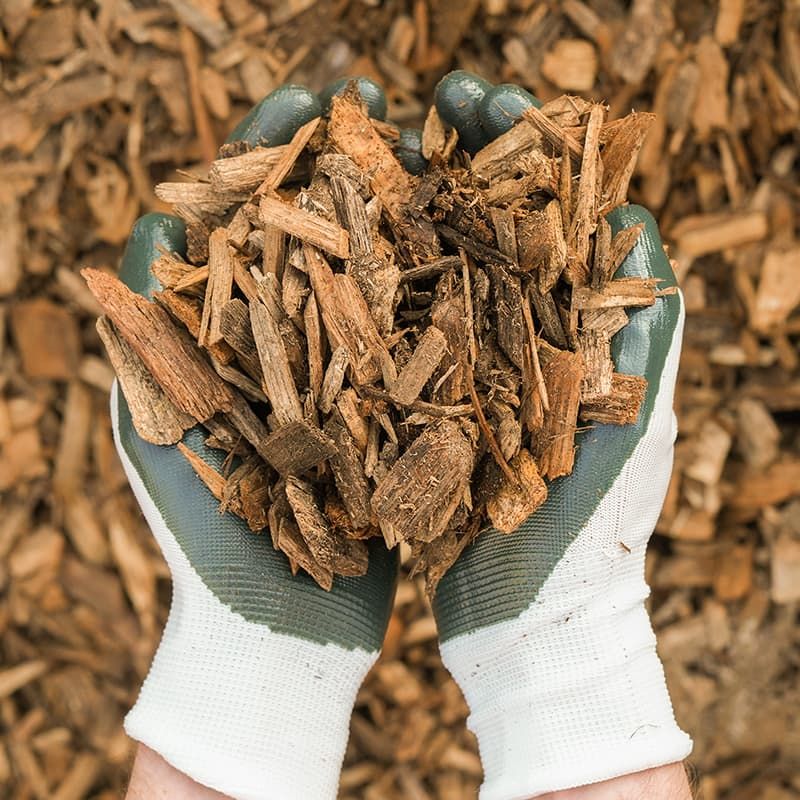
One of the most underrated spring gardening tasks in Arizona is adding a fresh layer of mulch around the base of fruit trees.
For mulberry trees in April, mulching serves multiple purposes at once: it slows soil moisture evaporation, moderates soil temperature as the days heat up, and gradually feeds the soil as organic matter breaks down.
In Arizona’s dry climate, that moisture-conserving benefit alone makes mulching well worth the effort.
Wood chips, straw, and shredded bark are all good mulching options for mulberry trees. Spread the mulch two to four inches deep in a wide ring around the tree, keeping it a few inches away from the trunk to prevent moisture buildup against the bark.
Extending the mulch layer out to or slightly beyond the drip line gives the feeder roots the most benefit, since that is where the tree actively absorbs water and nutrients.
Arizona gardeners who mulch consistently often notice that their trees need less frequent irrigation during the spring and early summer months, which is both convenient and better for the tree’s root health.
Fresh mulch applied in April also helps buffer soil temperatures as they climb toward summer extremes, protecting shallow roots from heat stress.
Compost mixed into the mulch layer adds a mild nutritional boost as well.
Refreshing the mulch layer once or twice per year keeps it effective and ensures the soil beneath stays biologically active and moisture-retentive throughout Arizona’s long, dry seasons.
5. Pest And Disease Monitoring
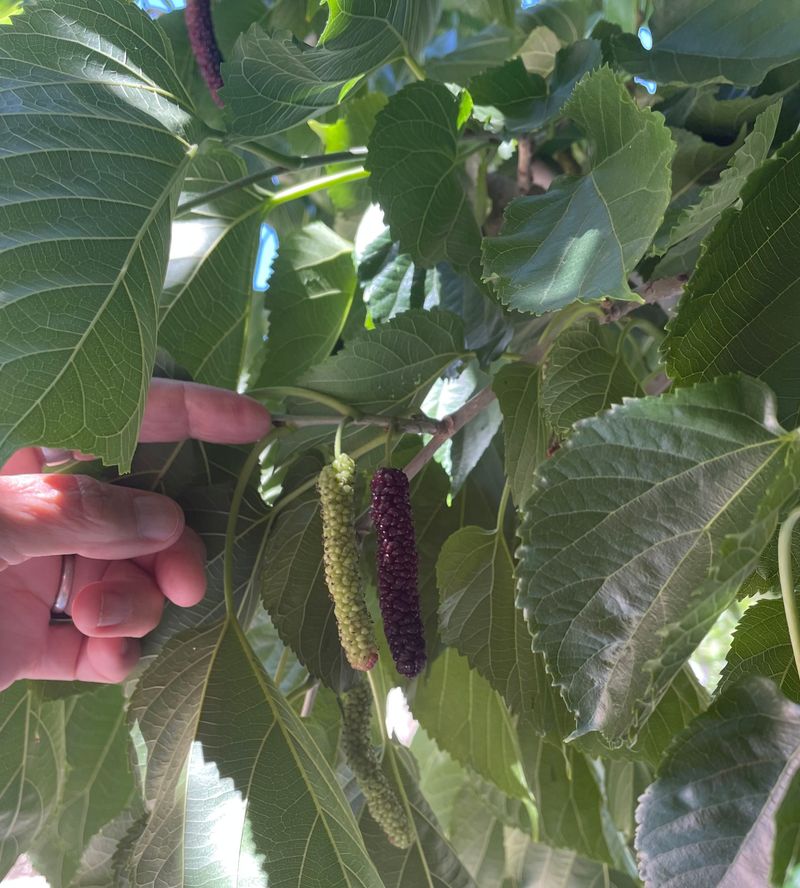
Warmer April temperatures in Arizona bring out more than just new plant growth. Insect populations that were quiet through winter start ramping up quickly as days lengthen and warm, and mulberry trees can become a target for several common pests.
Getting into the habit of checking your tree weekly during this period gives you the best chance of catching problems early, before they have a chance to affect fruit set or overall tree health.
Aphids are among the most common visitors to mulberry trees in spring. They cluster on new shoot tips and leaf undersides, feeding on tender growth and sometimes causing leaf curl.
A strong blast of water from a garden hose often dislodges them effectively without the need for chemical treatments. Spider mites can also show up during dry, warm Arizona spring weather, leaving tiny stippled marks on leaves.
Introducing beneficial insects like lacewings or ladybugs is a natural way to keep mite and aphid populations in check.
Scale insects sometimes appear on mulberry branches as well, looking like small bumps on bark. Horticultural oil applied carefully in early spring can help manage scale before populations grow.
On the disease side, powdery mildew occasionally appears on mulberry foliage during periods of fluctuating humidity, particularly in areas with overhead irrigation.
Improving airflow through light pruning, as mentioned earlier, reduces the conditions that favor fungal issues.
Staying observant through April sets your tree up for a cleaner, more productive fruiting season ahead.
6. Flower And Fruit Thinning
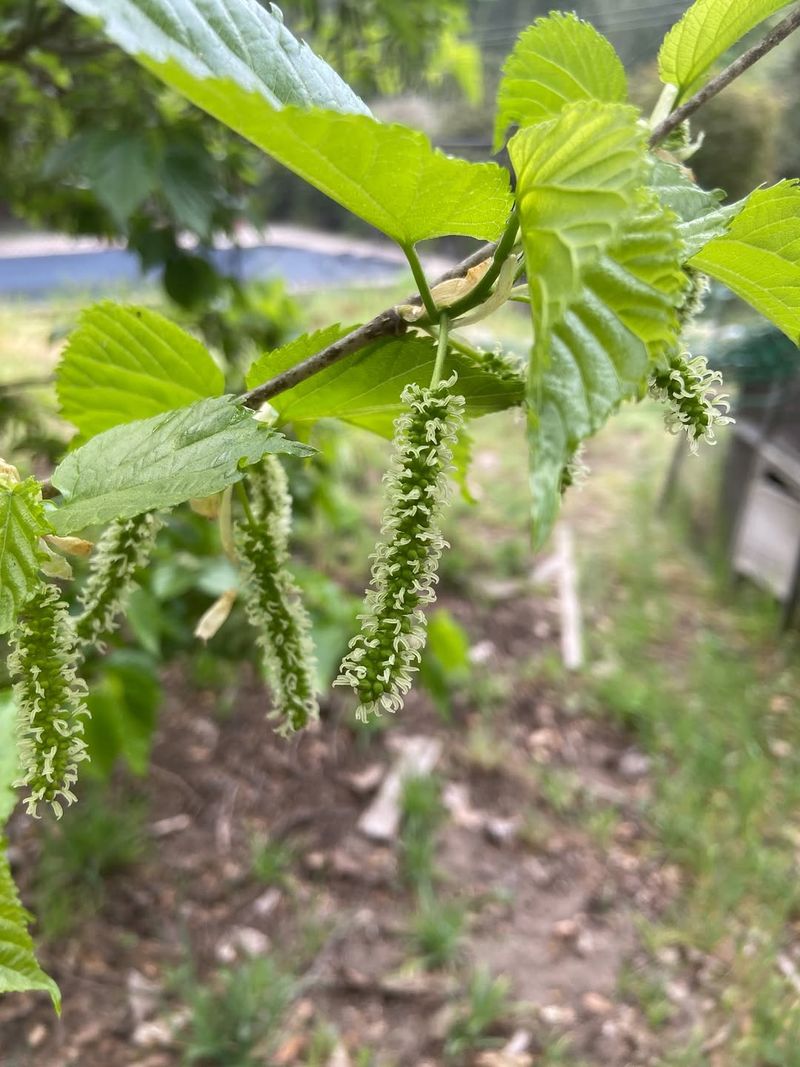
Mulberry trees in Arizona can set an impressive amount of fruit, and while that sounds like great news, an overloaded tree often produces smaller, less flavorful berries than one with a more manageable crop load.
April is when many mulberry varieties are actively flowering or setting their earliest fruit, making it a practical time to consider whether thinning would benefit your tree’s overall output.
Redirecting the tree’s energy toward fewer, better-developed fruits tends to produce a noticeably tastier harvest.
Fruit thinning is not always necessary for mulberries the way it is for peaches or apples, but trees carrying extremely heavy loads can sometimes show signs of branch stress.
Removing some of the smallest or most crowded developing fruits by hand helps distribute energy more evenly across the remaining crop.
Aim to leave fruits spaced a few inches apart along each branch where possible, focusing on the healthiest-looking specimens.
Encouraging pollinators during the flowering stage also plays a role in fruit quality. Planting pollinator-friendly companions like lavender, desert sage, or native wildflowers nearby draws bees and other beneficial insects to your yard.
Many mulberry varieties are self-pollinating, but increased pollinator activity often results in better fruit set and more uniform berry development.
In Arizona’s spring landscape, where flowering plants are abundant and bee populations are active, creating a pollinator-friendly environment around your mulberry tree is both easy and rewarding.
A little attention during the flowering and early fruit-set window pays off noticeably at harvest time.