Here’s Why Oregon Gardeners Are Quietly Removing These Shrubs
Some shrubs do not get pulled out after one bad season. They get removed after years of quiet disappointment.
They start as the reliable choice, the safe choice, the shrub everyone seems to plant without thinking twice. Then the pruning keeps piling up.
The shape goes awkward. The space feels crowded. Wildlife ignores it. Worst of all, the plant that was supposed to make the yard easier somehow becomes the one thing demanding the most attention.
That shift is happening in Oregon gardens more often than people realize. Gardeners are looking at older shrub choices with fresh eyes and asking a simple question: is this plant still earning its spot?
In many cases, the answer is no. Some shrubs bring more maintenance than beauty, some outgrow the space they were meant to improve, and some just do not fit the way Oregon gardeners want their yards to feel anymore.
A shrub can stay in the ground for years and still slowly prove it was the wrong call. Sometimes the real garden upgrade begins the moment a tired old favorite is finally shown the gate.
1. Butterfly Bush
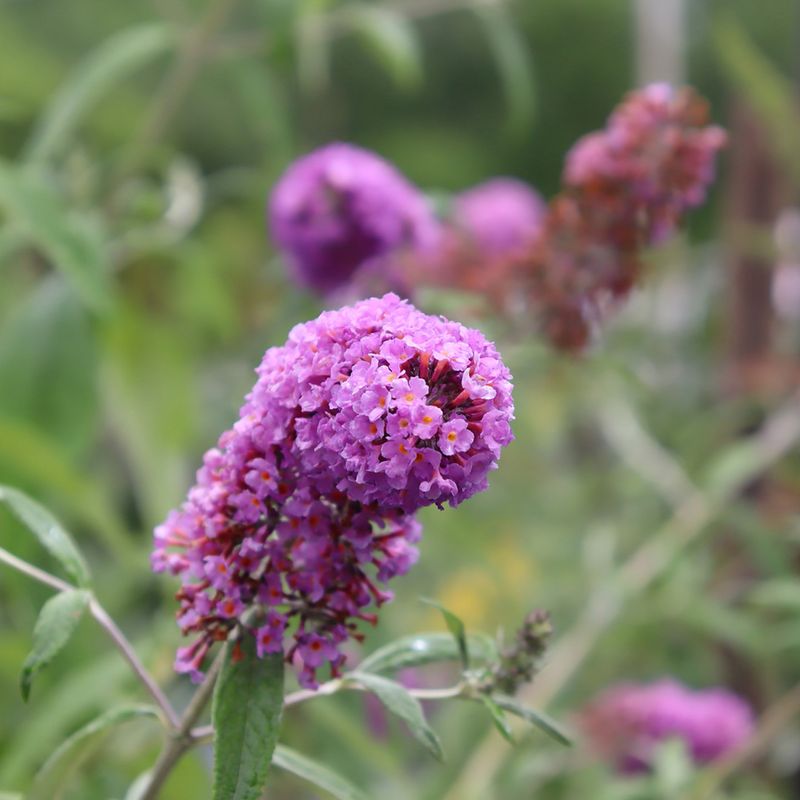
At first glance, butterfly bush seems like a dream plant. It blooms in long, colorful spikes and attracts butterflies and bees like a magnet.
Many Oregon gardeners planted it years ago without knowing what it would eventually do to nearby natural areas.
The problem is that butterfly bush spreads easily. Its tiny seeds travel on the wind and in water, landing along riverbanks, roadsides, and open ground throughout western Oregon.
Once it gets established outside the garden, it can crowd out native plants that local insects and birds actually need to survive.
Oregon State University and local weed experts have flagged it as an invasive concern, especially near waterways. Some Oregon counties have placed restrictions on its sale and planting.
Sterile varieties exist, but even those are not always guaranteed to stay put. If you still want to attract pollinators, try native options like ceanothus or Oregon sunshine instead.
Removing butterfly bush from your yard is a small step that makes a real difference for Oregon’s natural spaces. Many gardeners who have made the switch say they never looked back.
2. Spurge Laurel
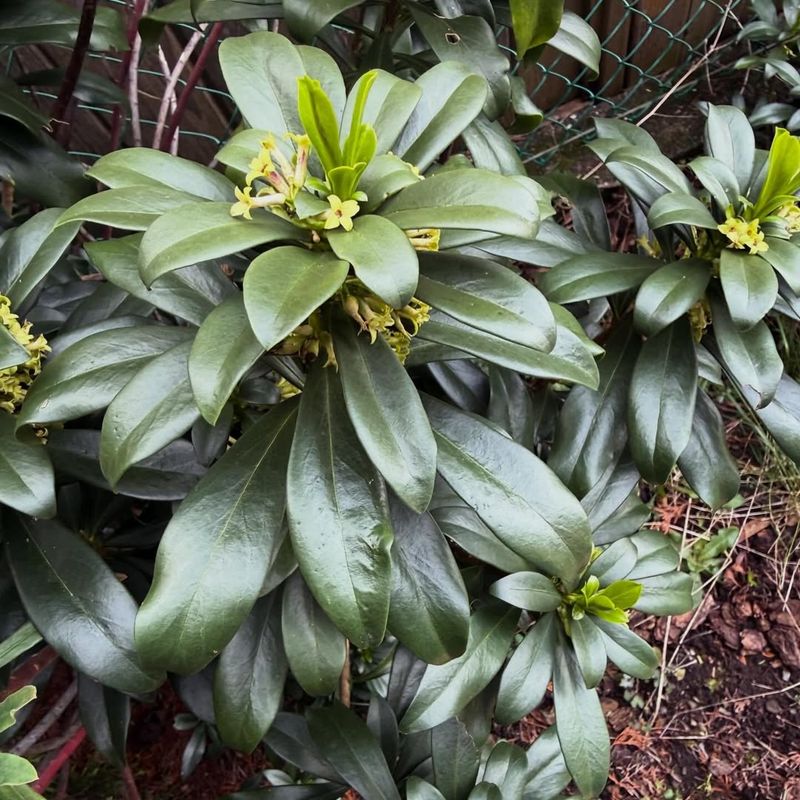
Spurge laurel looks elegant in a shaded garden setting. Its glossy dark leaves and low-growing form make it seem like a perfect woodland plant.
Many Oregon gardeners planted it under trees without realizing what they were welcoming into their landscape.
The trouble runs deeper than just spreading seeds. Every part of spurge laurel is toxic, including the berries, leaves, and sap.
The sap can cause skin irritation and blistering, which makes removal a job that requires gloves and protective clothing. Children and pets are especially vulnerable if they come into contact with the plant.
Beyond the safety concerns, spurge laurel invades forest understories throughout the Pacific Northwest. It forms dense stands in shaded areas where native plants like trillium and sword fern would otherwise thrive.
Once established, it is difficult to remove because it regrows from roots after cutting. Oregon weed experts recommend digging out the entire root system for best results.
Your Oregon Garden Changes Every Week. Your Plan Should Too.
Gardening in Oregon changes quickly throughout the season. Every Friday you’ll receive a simple weekly plan showing exactly what to plant, prune, fertilize, harvest, and protect so you never miss the right timing.
Wear long sleeves and wash your hands thoroughly after handling it. Native shade-tolerant plants like low Oregon grape or vanilla leaf make excellent replacements that support local wildlife without any of the risks that spurge laurel brings.
3. Scotch Broom
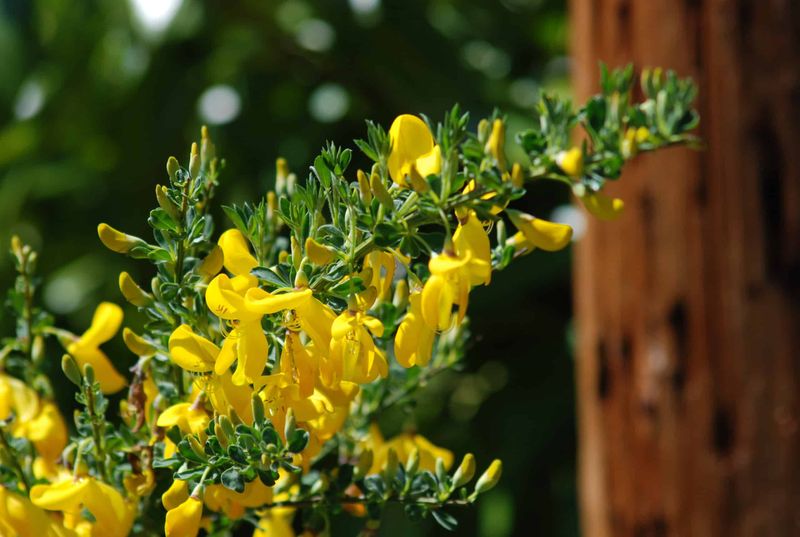
Few plants have caused as much frustration across Oregon as Scotch broom. Its cheerful yellow flowers might fool you into thinking it is harmless, but underneath that bright display is one of the state’s most aggressive invaders.
It was brought over from Europe as an ornamental plant, and it quickly made itself at home in ways nobody expected.
Scotch broom thrives in poor, disturbed soils, which makes roadsides, clear-cuts, and open fields easy targets. It grows fast, forms dense thickets, and produces thousands of seeds that can stay in the soil for decades.
Native grasses, wildflowers, and young trees simply cannot compete with it.
Oregon lists Scotch broom as a Class B noxious weed, meaning land managers are required to control it in certain areas. Gardeners who remove it help protect not just their own property but also the land around them.
Young plants are easier to pull than older ones, so early removal makes the job much more manageable. Replacing it with native flowering shrubs like red-flowering currant gives you beauty without the ecological headache.
Scotch broom removal events happen across Oregon every spring, and many communities welcome volunteers.
4. English Laurel
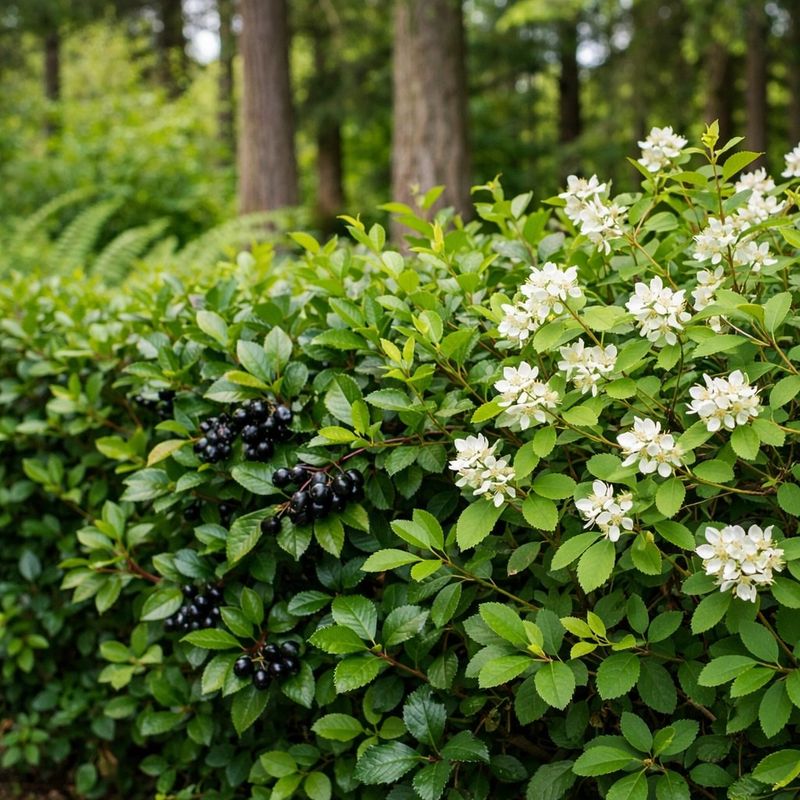
English laurel has been a go-to hedge plant in Oregon for generations. It grows fast, stays green year-round, and gives homeowners a thick privacy screen without much effort.
For a long time, it seemed like the perfect landscaping solution. The problem showed up later, in the wild areas surrounding Oregon neighborhoods.
Birds eat the berries and carry the seeds into forests, creek corridors, and parks. Once English laurel takes root in a natural area, it grows into a dense canopy that blocks light and pushes out native understory plants.
Species like native ferns, wildflowers, and shrubs simply cannot grow beneath it.
Land managers in the Portland metro area and across western Oregon have spent enormous resources trying to control escaped English laurel in parks and natural areas. Many gardeners are now choosing to remove their hedges and replace them with native alternatives.
Western red cedar, Oregon white oak, or native snowberry can provide similar screening benefits while actually supporting local birds and insects. If removing a large hedge feels overwhelming, start with one section at a time.
Even reducing the size of an English laurel hedge limits the number of berries it produces and slows its spread into nearby wild spaces.
5. French Broom
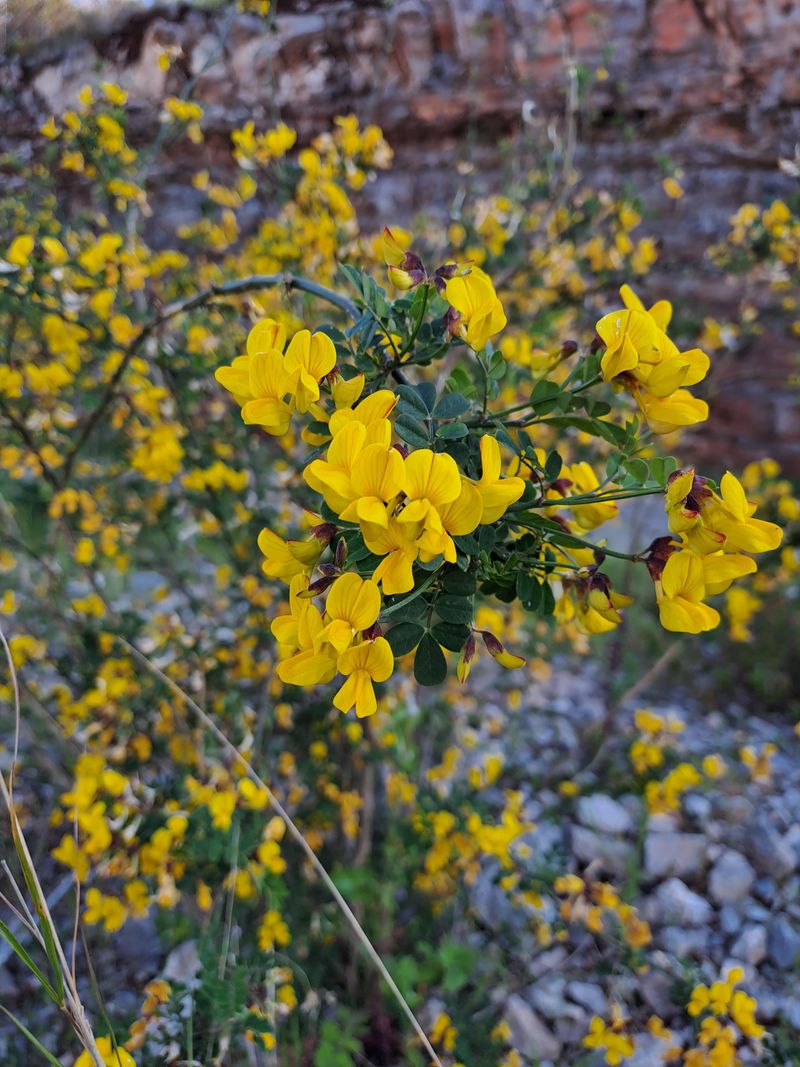
Not everyone realizes there is more than one type of broom causing problems in Oregon. French broom is closely related to Scotch broom, and it shares many of the same bad habits.
It was originally planted as an ornamental and erosion-control shrub, but it has long since escaped those intended roles.
Oregon’s noxious weed list includes French broom because of how quickly it moves into open land. It spreads by seed, and those seeds can remain viable in the soil for a very long time.
When it takes over an area, it shades out native plants and changes the structure of the landscape in ways that are hard to reverse.
Gardeners in southern and western Oregon are especially likely to encounter French broom. If you spot it in your yard or along your property edge, removing it sooner rather than later is the smarter move.
Hand-pulling works well for small plants, and cutting larger ones low to the ground weakens them over time. French broom also increases wildfire risk because it dries out in summer and becomes highly flammable.
Swapping it out for a native bunchgrass or shrub is a win for both your garden and Oregon’s broader ecosystem.
6. Portuguese Laurel
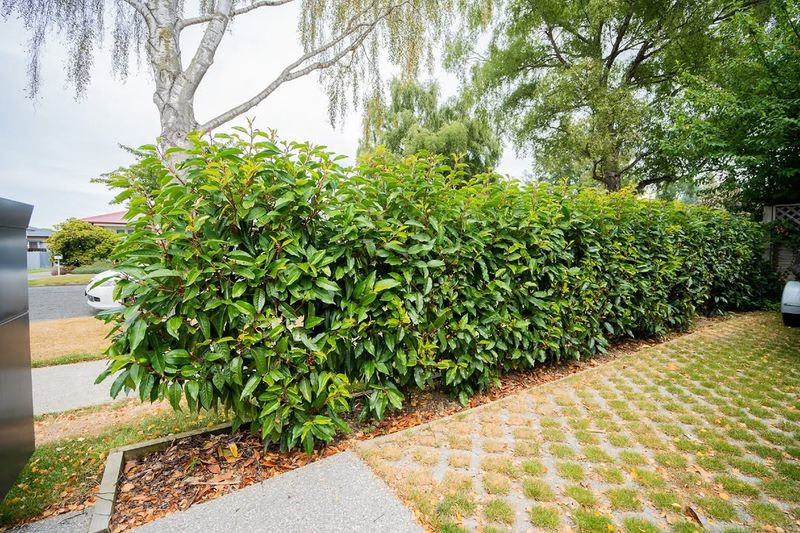
Portuguese laurel does not get as much attention as its English cousin, but it is quietly becoming a concern in Oregon landscapes. It shares similar growth habits and is also spread by birds that eat its small dark berries.
Like English laurel, it can move from a garden into nearby natural areas without much help from humans.
Oregon naturalists have documented Portuguese laurel naturalizing in several parts of the state, particularly in areas with mild, wet climates. It thrives in the same conditions that make western Oregon so lush and green.
Once it establishes in a natural area, it can grow into a dense shrub layer that crowds out native vegetation.
Gardeners who have Portuguese laurel as a hedge or accent shrub may not realize it is on the radar of Oregon weed managers. Checking whether your plant is producing berries is a good first step.
If birds are feeding on it regularly, seeds are likely spreading beyond your property. Replacing it with a native evergreen shrub like Pacific wax myrtle gives you a similarly attractive, year-round green plant that actually belongs in Oregon’s ecosystem.
Making the switch supports local biodiversity and reduces future maintenance headaches down the road.
7. Spanish Heath
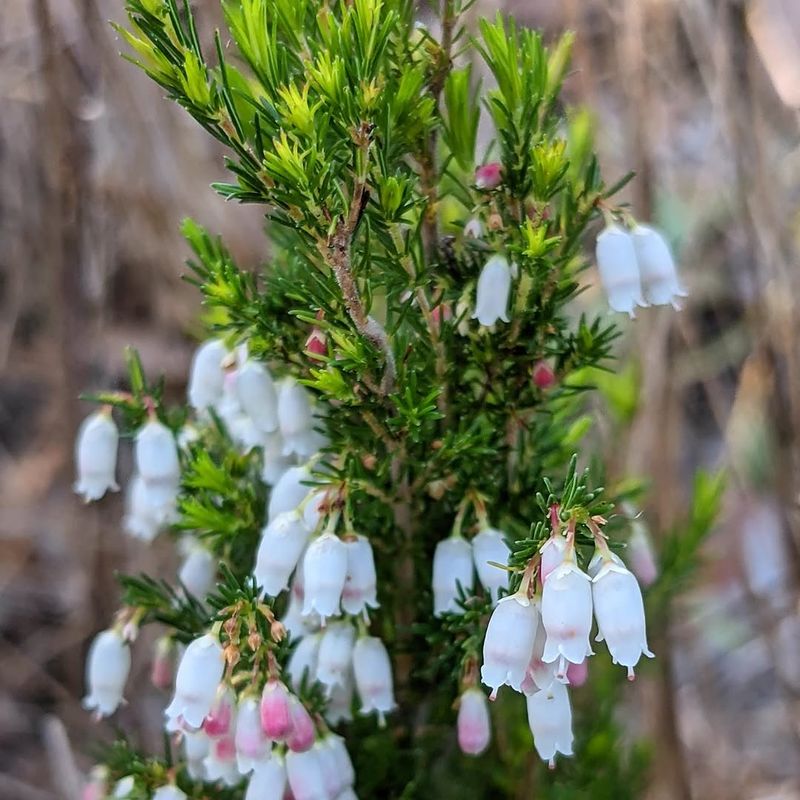
This plant indeed looks like a charming, low-maintenance groundcover with its tiny bell-shaped flowers and fine-textured foliage. It has been sold in Oregon garden centers for years and is popular in rock gardens and borders.
Most people who plant it have no idea that Oregon weed officials are watching it closely.
The concern is that Spanish heath can escape cultivation and spread into open habitats, particularly in areas with well-drained soils and mild temperatures. In its native range in the Iberian Peninsula, it grows across vast stretches of land.
Oregon officials worry that similar conditions here could allow it to spread in ways that are hard to control once it gets started.
Spanish heath is not yet as widespread as some other shrubs on this list, but that is exactly why early action matters. Removing it now, before it becomes a bigger problem, is the responsible choice for Oregon gardeners who care about the local environment.
Native groundcovers like kinnikinnick or creeping Oregon grape offer similar low-growing, evergreen beauty without any invasion risk. Both plants also support native pollinators and wildlife in ways that Spanish heath simply cannot.
Talking to your local nursery about native alternatives is a great starting point.
8. Sweetbriar Rose
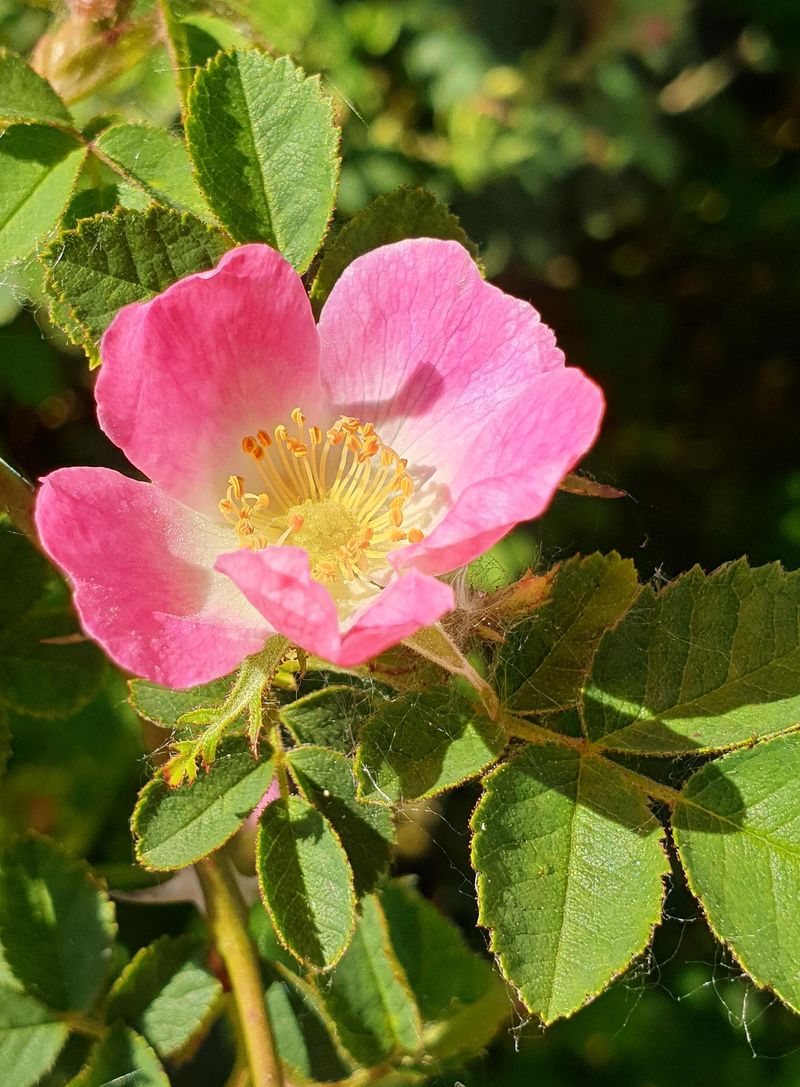
Sweetbriar rose has a romantic reputation. Its soft pink flowers smell wonderful, and its bright red hips add color to the garden in fall and winter.
For centuries, people have admired it in European hedgerows and cottage gardens. But in Oregon, that charm comes with a serious downside.
Oregon lists sweetbriar rose as a noxious weed concern because of how aggressively it spreads outside of garden settings. Birds and other wildlife eat the hips and scatter seeds across open land, roadsides, and pastures.
Once established, its thorny canes form dense, impenetrable thickets that are extremely difficult and uncomfortable to remove.
Farmers and land managers in eastern Oregon have dealt with sweetbriar rose taking over grazing land and open range. Even in western Oregon, escaped plants show up along fencerows and disturbed areas.
The thorns make manual removal tough, and the plant regrows stubbornly from its roots. Wearing heavy gloves and using long-handled tools makes the job safer.
Oregon gardeners who want a flowering rose with colorful hips should consider native alternatives like Nootka rose, which offers similar beauty and actually provides valuable habitat for Oregon’s native birds and insects. It is a swap that truly makes sense.
9. Dog Rose
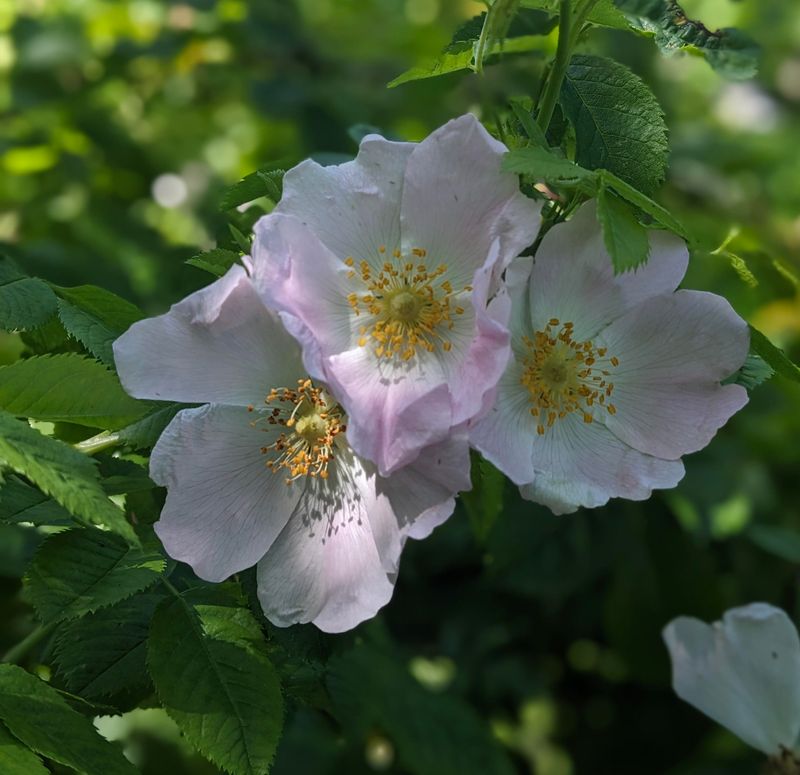
Dog rose is another Old World rose that has found its way into Oregon gardens and, unfortunately, well beyond them. It is a vigorous, arching shrub with pretty flowers and red hips that look lovely in autumn.
Gardeners have grown it for its toughness and its ability to thrive in difficult spots. That same toughness is exactly what makes it a problem in the wild.
Oregon weed officials have flagged dog rose as a noxious weed risk because it spreads readily and can displace native shrubs and grasses. It behaves similarly to sweetbriar rose, sending roots deep into the ground and bouncing back after cutting.
Birds spread its seeds widely, helping it colonize roadsides, open fields, and disturbed ground throughout the state.
If you have dog rose in your Oregon garden, keeping it from setting seed is a key first step. Regular pruning before hips form reduces how many seeds get spread by wildlife.
Full removal, including the root crown, is the most effective long-term solution. Nootka rose is again a great native replacement, offering similar structure and seasonal interest.
Wood’s rose is another native option that works well in drier parts of Oregon. Choosing native roses supports pollinators and keeps Oregon landscapes healthy and balanced for years to come.