7 Hidden Botanical Gardens In Florida You Need To Visit In February
Florida isn’t just beaches and theme parks. February unlocks a secret world of color, fragrance, and jaw-dropping garden escapes waiting to be discovered.
Imagine stepping into pathways bursting with orchids, tropical blooms glowing in winter sunshine, and quiet hideaways where flamingos pink up the water and butterflies swirl around you.
These seven hidden botanical gardens deliver peak-season beauty without the crowds, perfect for dreamy photos, peaceful strolls, and spontaneous weekend adventures.
From coastal sanctuaries to lush inland retreats, each spot brings its own magic, rare plants, and unforgettable scenery. If winter blues are creeping in, this is your instant mood upgrade.
Fresh air, vibrant colors, warm breezes, and nature doing its absolute best work. February is the sweet spot, mild weather, epic blooms, and that golden glow Florida does best.
Tap in, bookmark this list, and get ready for these gardens to take over your camera roll and your weekend plans!
1. Kanapaha Botanical Gardens: Bamboo Forest Escape
Tucked away in Gainesville at 4700 SW 58th Dr, Gainesville, FL 32608, Kanapaha Botanical Gardens spans an impressive 62 acres of pure botanical wonder. The moment you step onto the one-and-a-half-mile paved walkway, you’re transported into a world where nature takes center stage.
This garden houses 24 major collections that showcase everything from water lilies to camellias, but the real showstopper is Florida’s largest public bamboo display. Walking through the bamboo forest feels like entering another dimension.
The towering stalks create natural archways overhead, and the gentle rustling sounds provide a soothing soundtrack to your exploration. February weather makes this experience even more magical, with comfortable temperatures perfect for leisurely strolls.
The garden also features the Southeast’s largest herb garden, where you can learn about culinary and medicinal plants that thrive in Florida’s climate. Plant lovers will appreciate the garden’s dedication to education and conservation.
Each collection is carefully labeled, helping visitors understand the botanical significance of what they’re viewing. The garden includes specialized areas like a vinery, rock garden, and hummingbird garden that attracts these tiny jeweled birds throughout the season.
Families enjoy the spacious grounds that allow kids to explore safely while learning about nature. The paved paths make the garden accessible for strollers and wheelchairs, ensuring everyone can experience this botanical treasure.
Photography enthusiasts find endless inspiration here, with picture-perfect scenes around every corner.
The combination of diverse plant collections, peaceful atmosphere, and educational opportunities makes Kanapaha a must-visit destination for anyone exploring Gainesville’s natural beauty.
2. Heathcote Botanical Gardens: Bonsai Paradise
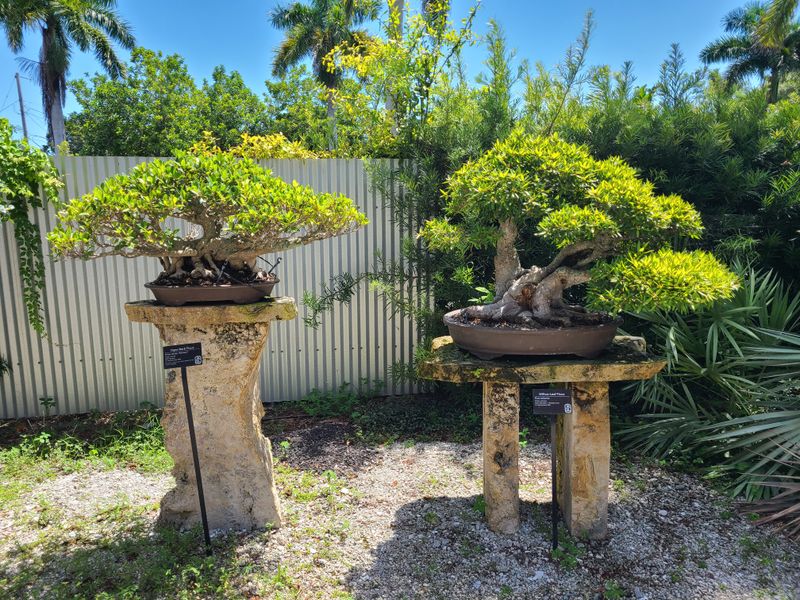
Fort Pierce holds a secret that bonsai enthusiasts dream about discovering. Heathcote Botanical Gardens may be compact compared to larger Florida gardens, but what it lacks in size, it makes up for in specialized charm.
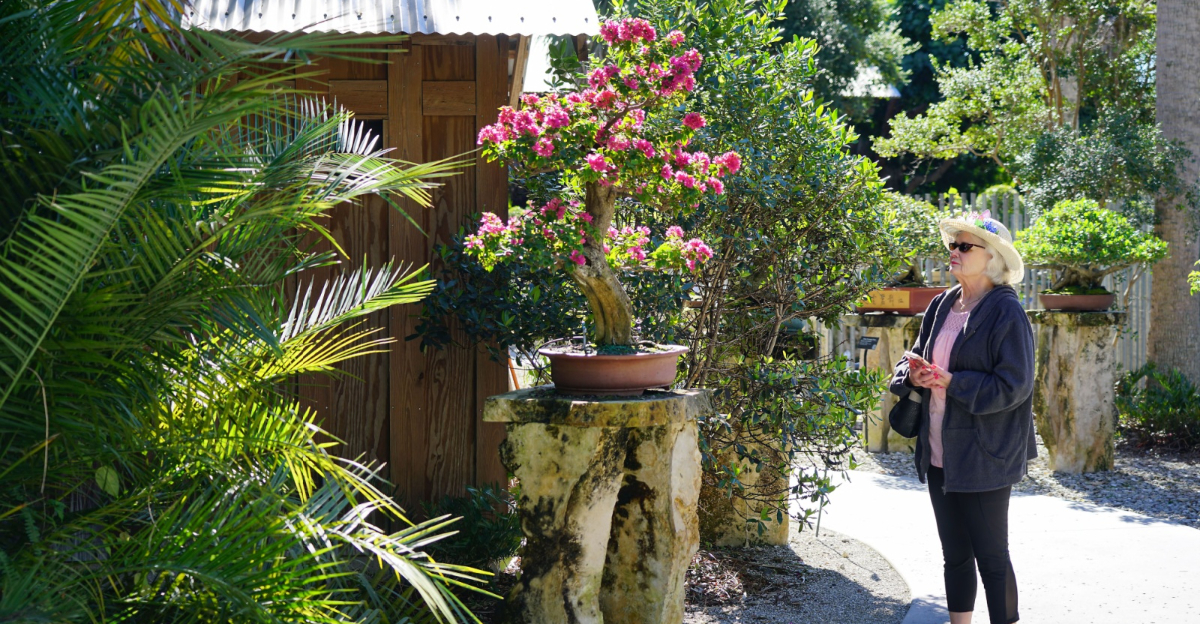
The bonsai collection here ranks among the finest in the entire state, featuring meticulously crafted miniature trees that represent years of patient cultivation. The Japanese garden section transports visitors to the Far East without leaving Florida.
Stone lanterns, carefully raked gravel, and a koi pond create an atmosphere of zen-like tranquility. February’s mild weather allows you to sit on benches throughout the garden, soaking in the peaceful ambiance while observing the intricate details of each bonsai specimen.
Beyond bonsai, Heathcote showcases native Florida plants in thoughtfully designed themed gardens.
The butterfly garden bursts with colorful blooms that attract monarchs and swallowtails, while the herb garden demonstrates how Florida gardeners can grow culinary treasures year-round.
The palm garden features rare varieties that demonstrate the incredible diversity within this plant family. Located at 210 Savannah Rd, Fort Pierce, FL 34982, Heathcote stands out for its intimate scale and personal touch.
Local volunteers pour their hearts into maintaining these gardens, and their passion shows in every perfectly placed stone and pruned branch. Educational programs teach visitors about bonsai techniques, butterfly gardening, and sustainable landscaping practices suited to Florida’s unique climate.
The garden’s location near Fort Pierce’s downtown makes it easy to combine your visit with exploring local shops and restaurants. This hidden gem proves that botanical beauty doesn’t require massive acreage—just dedication, expertise, and genuine love for plants.
3. McKee Botanical Garden: Tropical Time Capsule
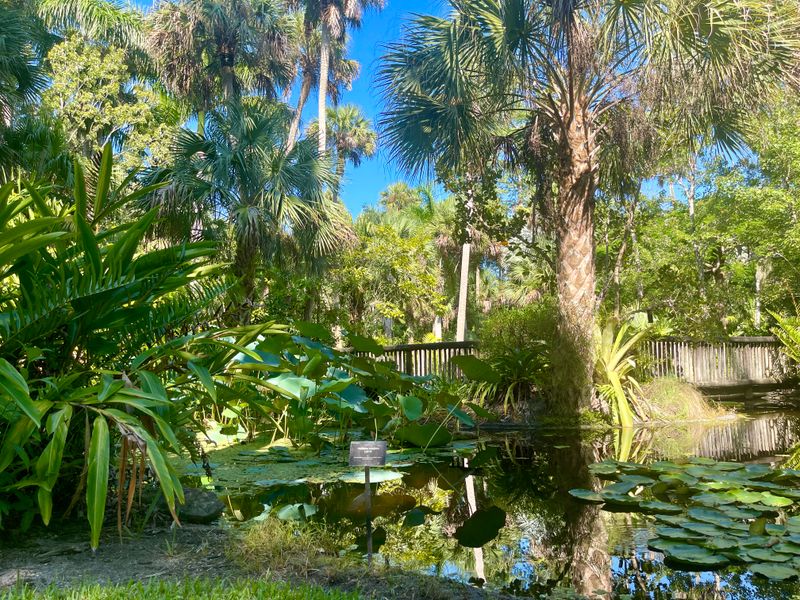
Step back into Florida’s golden age of tourism at McKee Botanical Garden, located at 350 US-1, Vero Beach, FL 32962. Originally opened in 1932, this 18-acre subtropical paradise once attracted thousands of visitors during Florida’s early tourism boom.
After years of neglect, dedicated preservationists restored McKee to its former glory, creating a living museum that celebrates both horticultural excellence and historical significance. The Hall of Giants stands as the garden’s architectural masterpiece.
This rustic building houses enormous driftwood sculptures and provides shelter during sudden February showers, which are rare but possible.
Surrounding the hall, native Florida plants mingle with rare exotics collected from tropical regions worldwide, creating a tapestry of textures and colors that photographers absolutely adore.
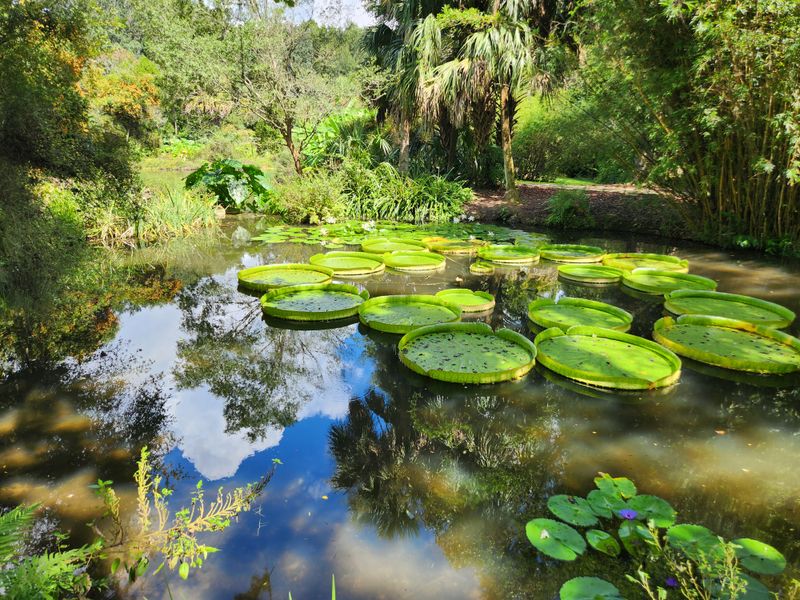
Water lily ponds scattered throughout the property showcase these aquatic beauties in full February bloom. The massive leaves float serenely on the water’s surface, some large enough to support small children in their native habitats.
Colorful koi swim beneath the lilies, adding movement and life to these tranquil water features. The Spanish Kitchen, an outdoor cooking area from the garden’s original era, demonstrates how Floridians once entertained guests in outdoor spaces.
Massive live oaks draped with Spanish moss provide natural shade, while carefully maintained pathways lead visitors through distinct garden rooms, each with its own personality and plant palette.
Educational signage throughout McKee helps visitors understand the botanical and historical significance of what they’re experiencing.
February visitors enjoy the garden at its most comfortable, with blooming orchids, vibrant bromeliads, and flowering trees creating spectacular displays. This garden perfectly blends history, horticulture, and Florida’s unique natural beauty into one unforgettable destination.
4. Marie Selby Botanical Gardens: Orchid Waterfront
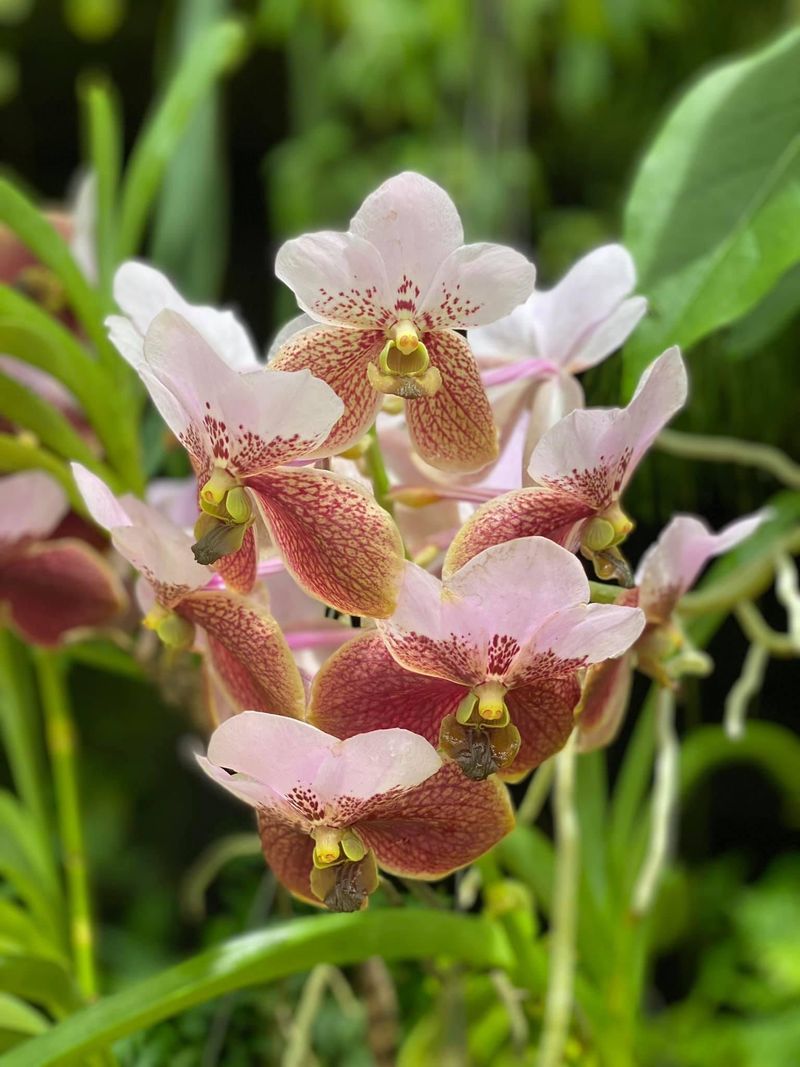
Perched on the shores of Sarasota Bay, Marie Selby Botanical Gardens, located at 1534 Mound St, Sarasota, FL 34236, combines world-class orchid collections with breathtaking waterfront views.
This 15-acre garden specializes in epiphytic plants; those fascinating species that grow on other plants rather than in soil.
The orchid collection here ranks among the most significant in the world, with thousands of specimens representing hundreds of species from tropical regions across the globe. February brings peak blooming season for many orchid varieties, making this the perfect month to witness nature’s most intricate flowers.
The greenhouse conservatory maintains ideal conditions for these delicate beauties, allowing visitors to see orchids that would never survive outdoors, even in Florida’s subtropical climate. Walking through the displays feels like exploring a tropical rainforest canopy, with orchids cascading from trees and suspended displays.
The outdoor gardens take full advantage of the spectacular bay location. Banyan trees create natural sculptures with their aerial roots, while carefully curated collections of bromeliads, ferns, and palms demonstrate the incredible diversity of tropical plants.
Waterfront pathways offer stunning views where garden beauty meets coastal scenery, creating photo opportunities that capture Florida’s essence perfectly. Selby’s research facilities contribute to global orchid conservation efforts, making your visit support important scientific work.
The garden’s educational programs teach visitors about orchid care, tropical plant cultivation, and the ecological importance of preserving these specialized species in their native habitats. Downtown Sarasota’s cultural attractions sit just minutes away, making it easy to combine your garden visit with exploring art galleries, restaurants, and shops.
The combination of scientific significance, natural beauty, and prime waterfront location makes Marie Selby a standout destination that appeals to serious botanists and casual nature lovers alike.
5. Key West Tropical Forest & Botanical Garden: Island Jungle Oasis
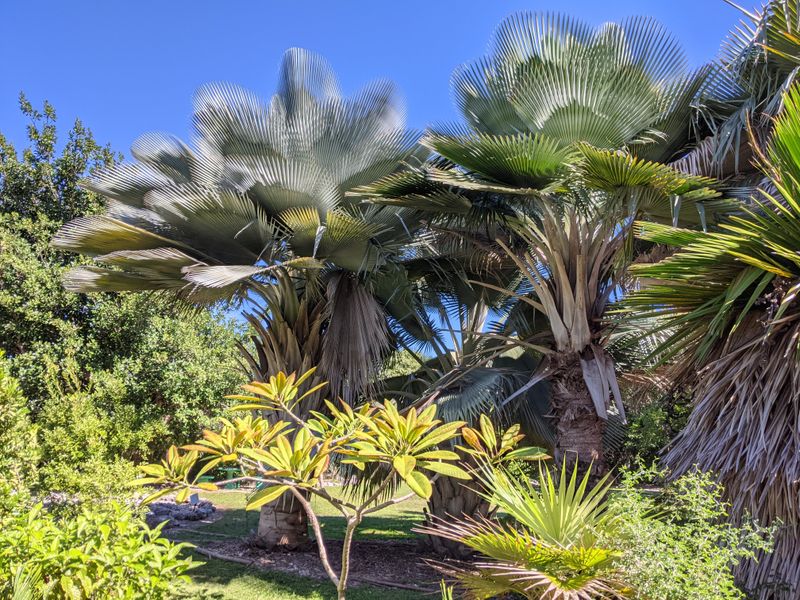
At the southernmost point of Florida’s continental territory, Key West Tropical Forest & Botanical Garden protects the last remaining hardwood hammock in the Keys. This isn’t your typical manicured botanical garden with perfectly trimmed hedges and organized flowerbeds.
Instead, it’s a wild, authentic slice of tropical forest that showcases how Florida’s natural ecosystems looked before development transformed the landscape. Located at 5210 College Rd, Key West, FL 33040, the garden’s 15 acres preserve rare and endangered plant species found nowhere else in the United States.
Native butterflies flit through the canopy, while birds sing from branches overhead, creating a symphony of natural sounds that drown out any thoughts of the busy tourist district just miles away.
February’s comfortable temperatures make hiking the garden’s trails pure pleasure, without the intense summer heat that can make outdoor exploration challenging.
Gumbo limbo trees with their distinctive peeling red bark line the pathways, earning their nickname as “tourist trees” because they look perpetually sunburned. Native orchids cling to tree branches, demonstrating how these plants thrive in their natural habitat.
The garden also features a butterfly garden specifically designed to attract and support the endangered Schaus’ swallowtail butterfly, a species found only in the Florida Keys. Educational programs focus on conservation and the unique challenges facing tropical ecosystems in an island environment.
Visitors learn about sustainable gardening practices adapted to salt spray, limited freshwater, and intense sun, knowledge that proves valuable for anyone gardening in coastal Florida. Unlike heavily touristed Key West attractions, this botanical garden offers peaceful solitude where you can connect with nature.
The combination of conservation importance, authentic tropical forest experience, and rare plant species makes this hidden gem essential for anyone interested in Florida’s natural heritage and ecological diversity.
6. The Kampong: Hidden Tropical Estate
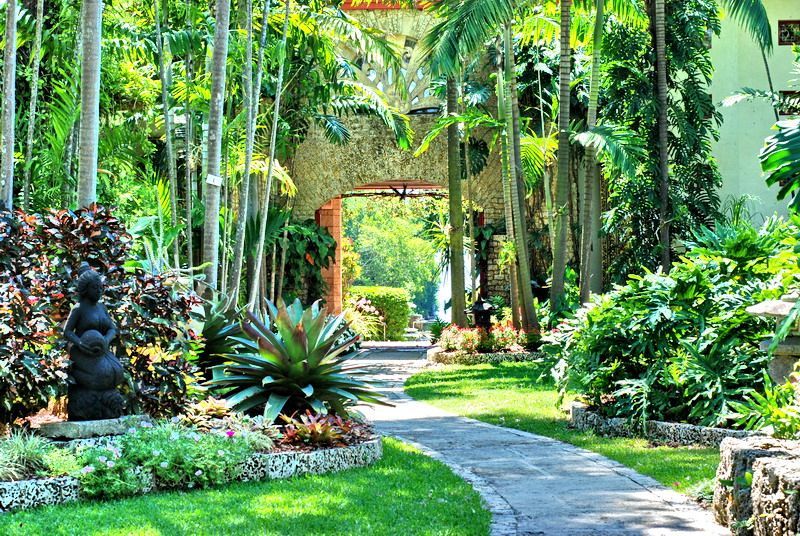
Hidden in Miami’s historic Coconut Grove neighborhood, The Kampong represents the life’s work of legendary plant explorer David Fairchild. This nine-acre botanical garden served as Fairchild’s winter home, where he cultivated an extraordinary collection of tropical fruit trees, flowering plants, and palms gathered from his worldwide expeditions.
The name “Kampong” comes from a Malay word meaning “village,” reflecting Fairchild’s travels throughout Southeast Asia. Walking through The Kampong feels like discovering a secret paradise that somehow survived Miami’s explosive urban development.
Rare mango varieties hang heavy on branches, while exotic fruit trees bearing names most Americans have never heard, like canistel, jaboticaba, and mamey sapote, demonstrate the incredible agricultural potential of South Florida’s tropical climate.
February visitors often see fruits in various stages of ripening, providing a living education in tropical agriculture.
Located at 4013 Douglas Rd, Miami, FL 33133, the garden’s position along Biscayne Bay creates microclimates that allow particularly tender tropical species to thrive.
Fairchild understood these subtle environmental differences and used them to his advantage, creating specialized growing areas throughout the property.
Historic structures, including Fairchild’s original home, add architectural interest and historical context to your botanical exploration. The Kampong operates as part of the National Tropical Botanical Garden network, ensuring professional management and ongoing research.
Guided tours reveal fascinating stories about Fairchild’s adventures and his contributions to American agriculture—he introduced countless important crops to the United States, including flowering cherries, mangoes, and dates.
Because The Kampong maintains its intimate residential scale, visiting feels like exploring a friend’s extraordinary private garden rather than a public institution.
This personal atmosphere, combined with the historical significance and rare plant collections, creates an experience that serious plant enthusiasts absolutely treasure. Reservations are typically required, adding to the exclusive feeling of this hidden Miami gem.
7. Washington Oaks Gardens State Park: Oceanfront Garden Views
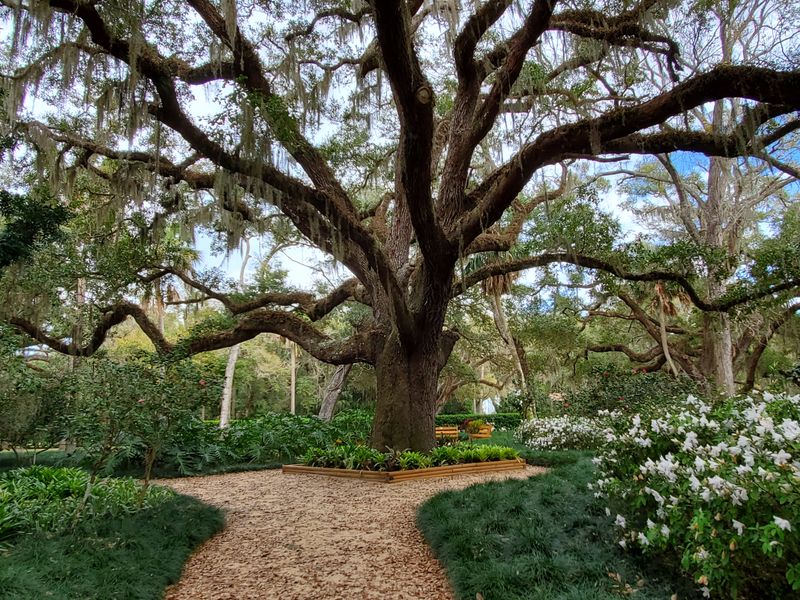
Where formal gardens meet wild Atlantic coastline, Washington Oaks Gardens State Park offers a unique combination rarely found in Florida.
Located between Palm Coast and Marineland at 6400 N Ocean Shore Blvd, Palm Coast, FL 32137, this 425-acre park preserves both carefully designed ornamental gardens and pristine coastal ecosystems.
The juxtaposition of manicured garden beds against rugged coquina rock formations creates dramatic scenery that captivates visitors seeking both horticultural beauty and natural coastal landscapes.
The formal gardens showcase azaleas, camellias, and bird of paradise plants thriving under a canopy of ancient live oak trees.
February marks prime blooming season for many of these ornamental species, painting the landscape with vibrant pinks, reds, and oranges. Spanish moss drapes from oak branches, adding that quintessential Old Florida atmosphere that photographers and artists find endlessly inspiring.
What makes Washington Oaks truly special is the short walk from formal gardens to the Atlantic shoreline. Coquina rock formations create tide pools teeming with marine life, while waves crash against the unique geological features found nowhere else on Florida’s east coast.
This combination allows visitors to experience two distinct Florida ecosystems in a single visit; subtropical gardens and dynamic coastal environments. The park’s historical significance adds another layer of interest.
The gardens were originally developed by Louise Powis Clark and her husband Owen Young in the 1930s, who transformed the property into a winter retreat showcasing exotic plants from around the world. Their vision and hard work created a legacy that continues enchanting visitors nearly a century later.
Well-maintained trails connect different garden areas and natural habitats, making exploration easy for all fitness levels.
Picnic areas provide spots to relax and enjoy your surroundings, while interpretive signs educate visitors about both the cultivated gardens and native plant communities.
This hidden state park proves that Florida’s botanical treasures extend far beyond traditional garden settings.