8 Host Plants That Attract Different Butterfly Species In Texas Gardens
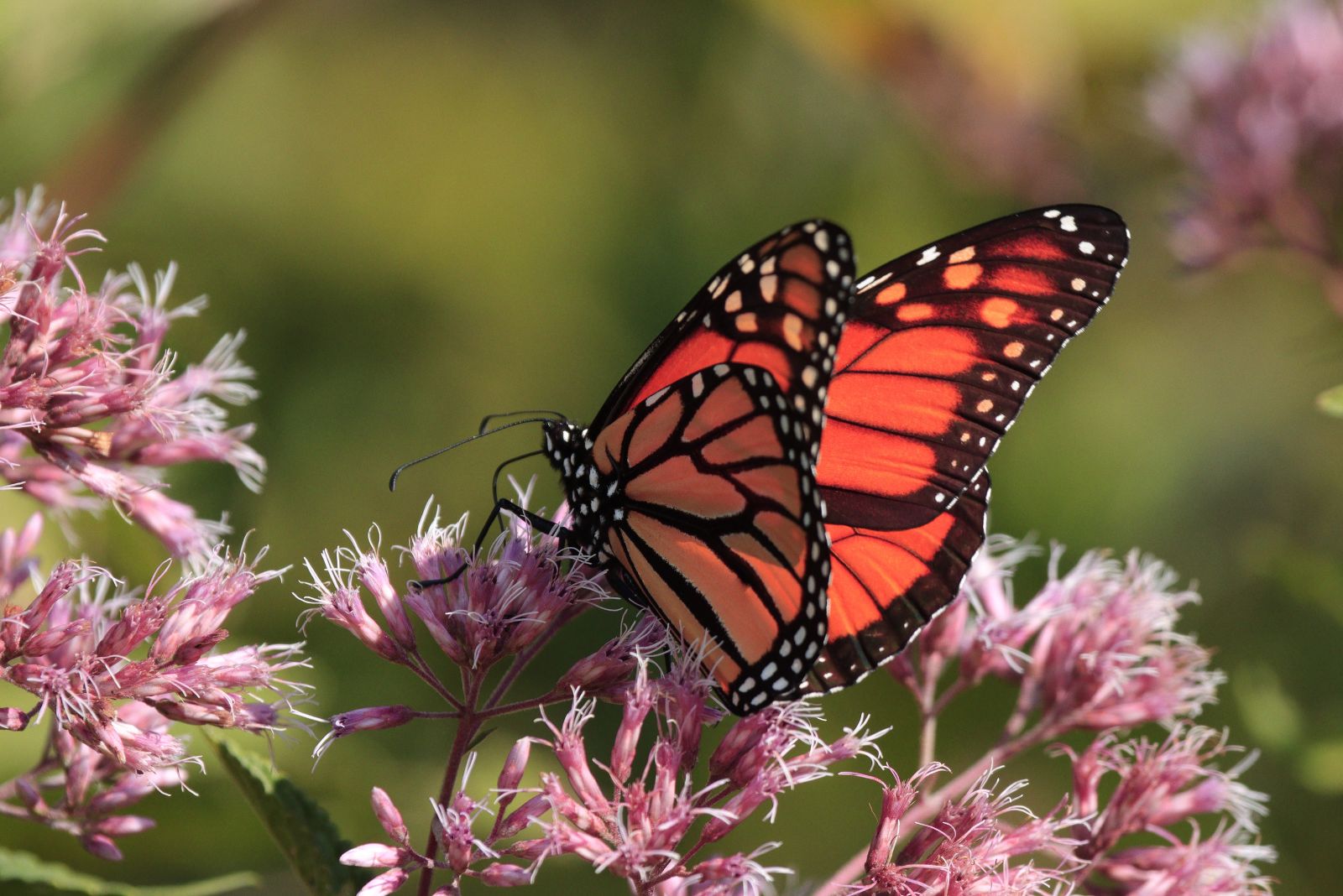
Ever wondered how to turn your Texas garden into a lively haven filled with fluttering wings and bright color? The secret often starts with the right host plants.
These special plants give butterflies a safe place to lay eggs and provide food for hungry caterpillars, helping complete their life cycle right in your yard. By choosing wisely, you can welcome a variety of beautiful species while creating a more natural and balanced garden.
Texas offers a perfect climate for many butterflies, and the right plants can draw them in season after season. From tiny eggs to graceful adults, you get to witness an amazing transformation up close.
Beyond beauty, butterflies also support pollination and garden health. With a thoughtful mix of host plants, your outdoor space can become vibrant, active, and full of life throughout the warmer months.
1. Milkweed
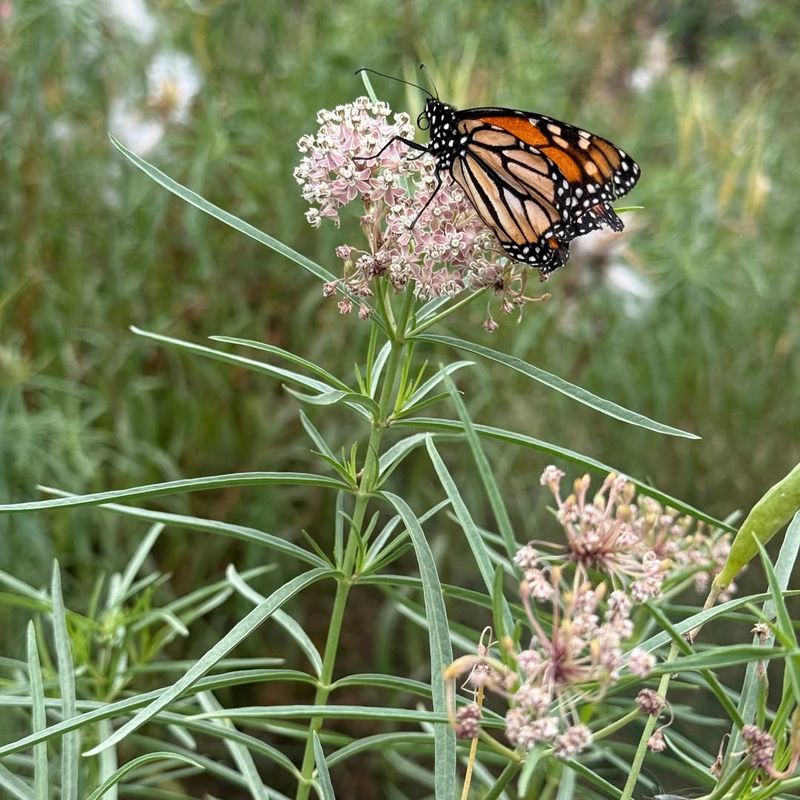
Monarch butterflies cannot survive without milkweed plants. Female monarchs search specifically for milkweed to lay their tiny white eggs on the undersides of leaves.
When caterpillars hatch, they feed exclusively on milkweed foliage for about two weeks before forming their chrysalis.
Texas gardeners have several native milkweed species to choose from depending on their region.
Antelope horns milkweed grows well in Central Texas while tropical milkweed thrives in South Texas. Swamp milkweed prefers moister areas in East Texas gardens.
Plant milkweed in full sun where it receives at least six hours of direct sunlight daily. These tough plants handle Texas heat beautifully once established. Make sure your soil drains well because milkweed roots rot in standing water.
Many Texas gardeners plant milkweed in clusters rather than single plants. This strategy gives monarchs more options for egg-laying and provides caterpillars with plenty of food. Space plants about 18 inches apart for best results.
Milkweed blooms attract adult butterflies with sweet nectar while supporting the next generation of monarchs. The flowers come in colors ranging from orange to pink to white depending on the species. Some varieties bloom from spring through fall in Texas climates.
Avoid using pesticides anywhere near your milkweed plants. Chemicals harm both caterpillars and adult butterflies even in small amounts.
2. Passionvine
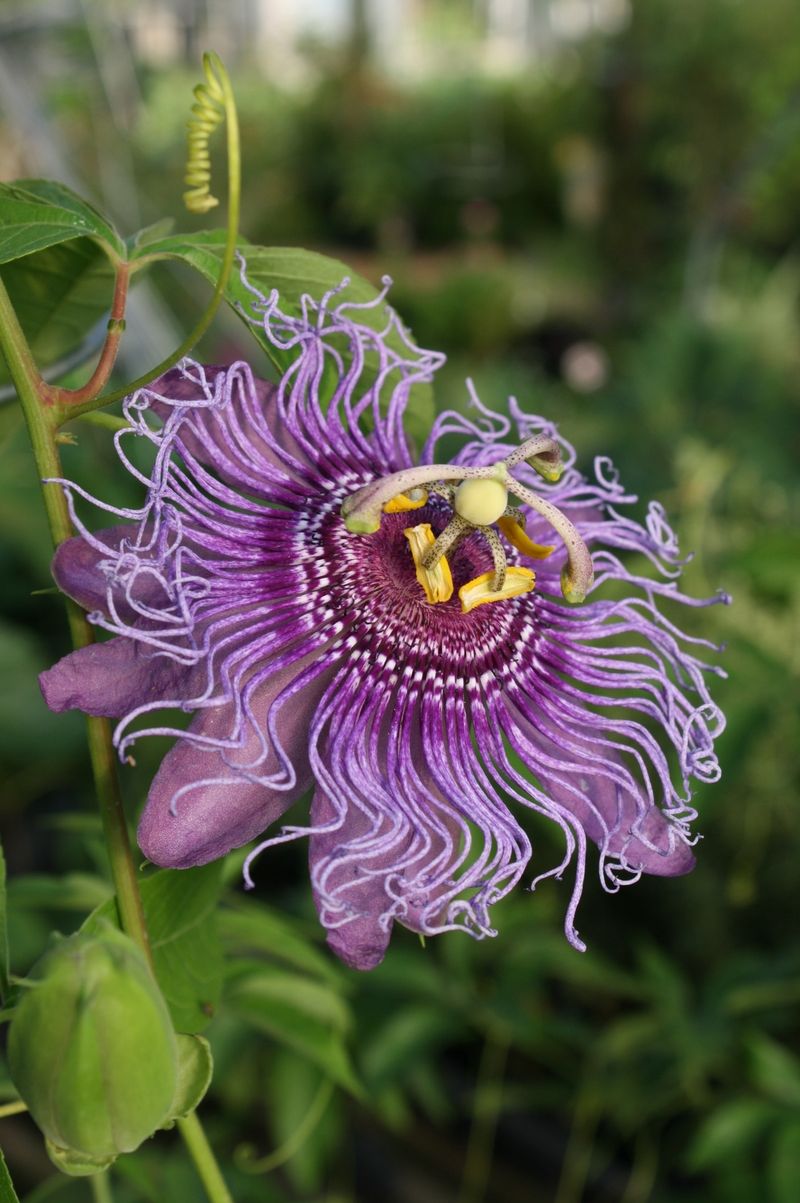
Few vines match the exotic beauty of passionflower blooms. These intricate purple and white flowers look almost alien with their complex structure. But gulf fritillary butterflies know exactly what these vines mean for their survival.
Gulf fritillaries lay bright yellow eggs on passionvine leaves and tendrils. The orange caterpillars with black spines feed on the foliage as they grow. Zebra longwings and julia butterflies also depend on passionvine as their only host plant.
Native Texas passionvines handle summer heat much better than imported varieties. Maypop passionflower grows wild across East and Central Texas. Yellow passionflower prefers shadier spots and stays smaller than its purple cousin.
Train your passionvine along fences, trellises, or arbors where it can climb freely. These fast-growing vines can cover a structure in just one growing season. Some gardeners let them ramble over shrubs for a natural look.
Passionvine grows from underground roots that survive Texas winters in most regions. The vine often appears late in spring after the soil warms up. New shoots emerge quickly once temperatures rise above 70 degrees consistently.
Caterpillars may strip some leaves bare during peak season. This damage is temporary and actually shows your garden is supporting butterfly reproduction successfully. The vine bounces back quickly with new growth.
3. Pipevine
Pipevine swallowtails rank among the most stunning butterflies in Texas with their iridescent blue-black wings.
These beauties depend entirely on pipevine plants for raising their young. No pipevine means no pipevine swallowtails in your garden.
Two native pipevine species grow well across different parts of Texas. Woolly pipevine tolerates more sun and heat in Central and South Texas. White-veined pipevine prefers shadier spots in East Texas gardens with more moisture.
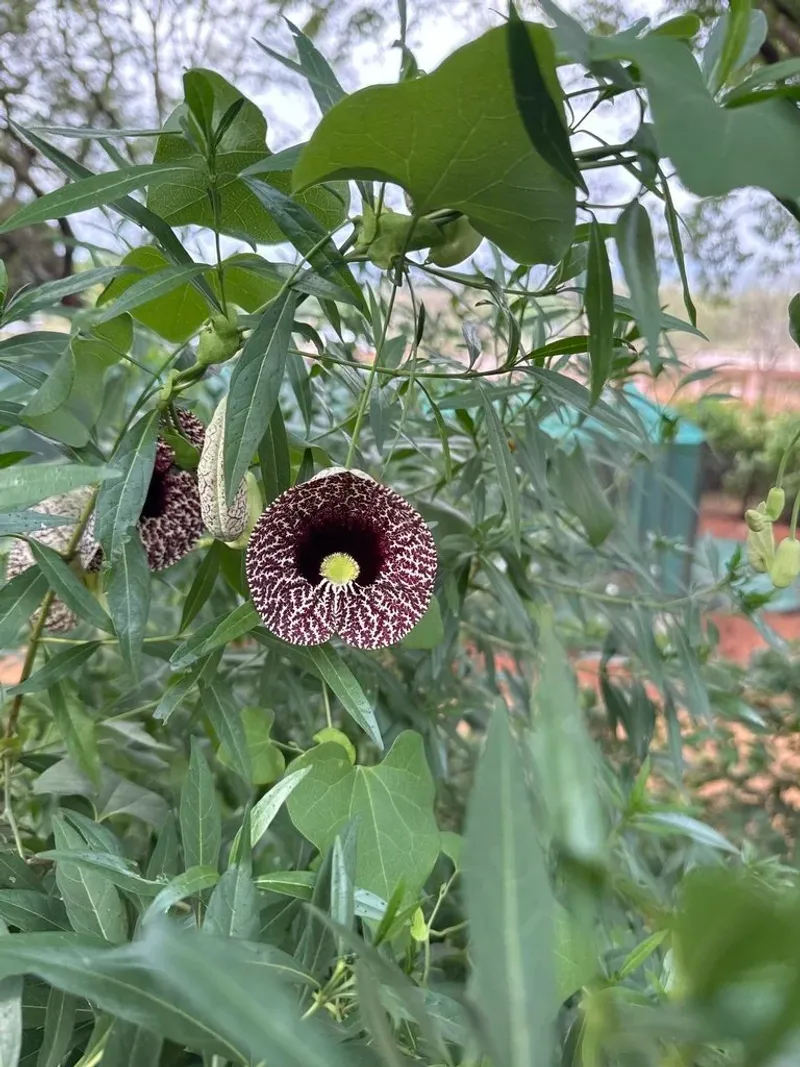
The unusual flowers of pipevine plants look like tiny curved pipes or saxophone shapes. These burgundy blooms smell slightly unpleasant to humans but attract pollinating flies. The flowers bloom from spring through summer in Texas.
Female swallowtails lay clusters of rust-colored eggs on pipevine leaves and stems. Black caterpillars with fleshy red spines emerge and feed together at first. As they grow larger, they spread out across the plant.
Pipevine plants contain compounds that make the caterpillars and adult butterflies taste terrible to predators.
Birds learn quickly to avoid eating these protected insects. This chemical defense system helps pipevine swallowtails survive in the wild.
Plant pipevine where it gets morning sun and afternoon shade for best growth in Texas. The vine climbs moderately and works well on small trellises or growing through shrubs. Established plants handle drought well once their roots reach deep into the soil.
4. Parsley
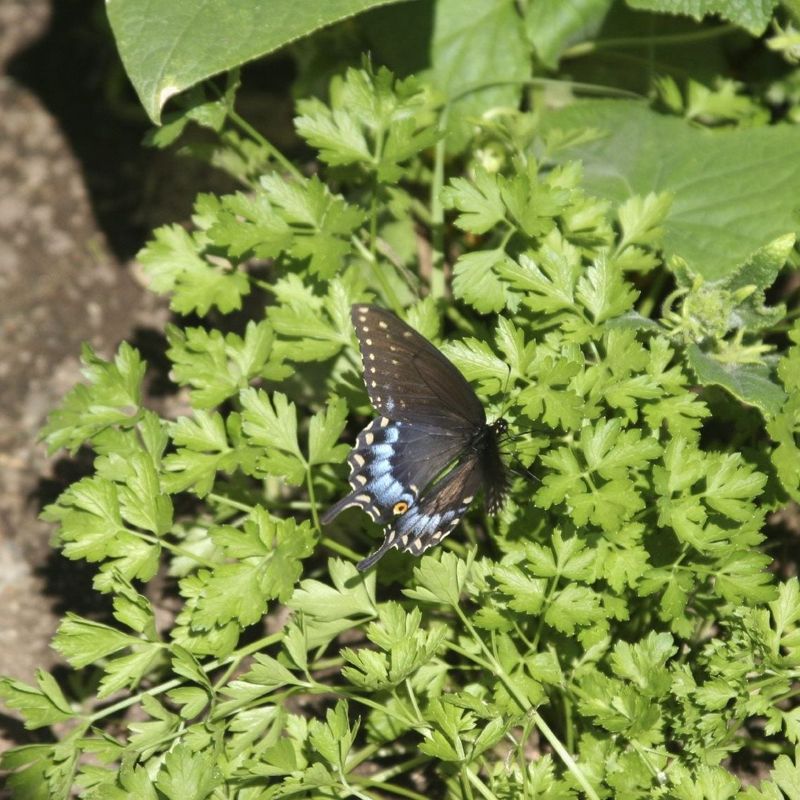
Your herb garden can double as a butterfly nursery when you plant parsley. Black swallowtail butterflies seek out parsley plants along with other members of the carrot family.
These elegant butterflies feature black wings decorated with rows of yellow spots and blue crescents.
Female black swallowtails lay single pale yellow eggs on parsley leaves. The tiny caterpillars start out looking like bird droppings for protection. As they grow, they develop beautiful green bodies with black bands and yellow dots.
Plant parsley in Texas gardens during spring and fall for best results. Summer heat often causes parsley to bolt and produce flowers rather than leafy growth. Fall-planted parsley often survives mild Texas winters and produces early spring growth.
Curly parsley and flat-leaf Italian parsley both work as host plants for black swallowtails. Many gardeners plant extra parsley specifically for caterpillars to eat. This way you can harvest some leaves for cooking while leaving plenty for the butterflies.
Caterpillars eat quite a bit of parsley foliage as they prepare for pupation. A single large caterpillar can strip several stems in just a few days. Consider this a success rather than a problem since you are helping butterflies thrive.
Parsley grows best in well-drained soil with regular watering during dry spells. Space plants about 8 inches apart in garden beds or containers. The herb tolerates partial shade in hot Texas locations.
5. Senna
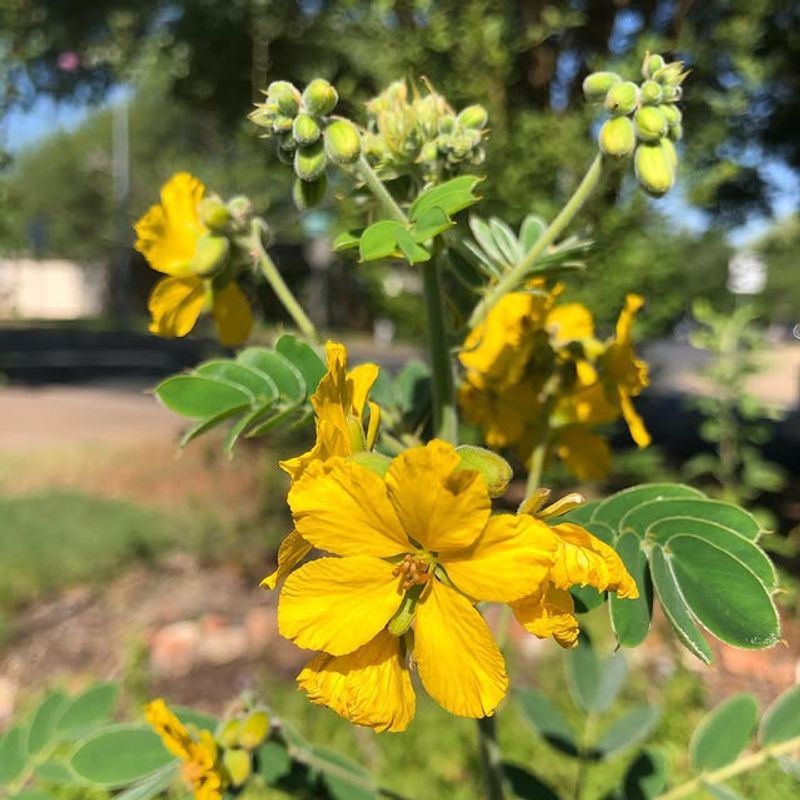
Bright yellow senna flowers light up Texas gardens from summer through fall. But senna plants offer more than just pretty blooms.
Sulphur butterflies including cloudless sulphurs and sleepy oranges need senna plants to complete their life cycles.
Several senna species thrive in Texas heat and drought conditions. Lindheimer senna grows wild in Central and South Texas with feathery leaves and golden flowers. Two-leaved senna stays more compact and works well in smaller garden spaces.
Female sulphur butterflies lay eggs on senna leaves where caterpillars will have plenty to eat. The green or yellow caterpillars blend in perfectly with senna foliage. They munch away quietly while growing larger each day.
Senna plants love full sun and actually perform better in hot, dry conditions than with too much water. These tough natives handle Texas summers without complaint. Once established, they need very little care or supplemental watering.
The cheerful yellow blooms attract adult butterflies seeking nectar along with bees and other pollinators. Flowers appear in clusters at the ends of branches. Each bloom has five rounded petals and prominent stamens.
Plant senna in well-drained soil where water does not collect after rains. These plants tolerate rocky or sandy soil that challenges many other garden plants.
Senna grows as a perennial in most of Texas, coming back from the roots each spring after freezes cut back the stems.
6. Hackberry Tree
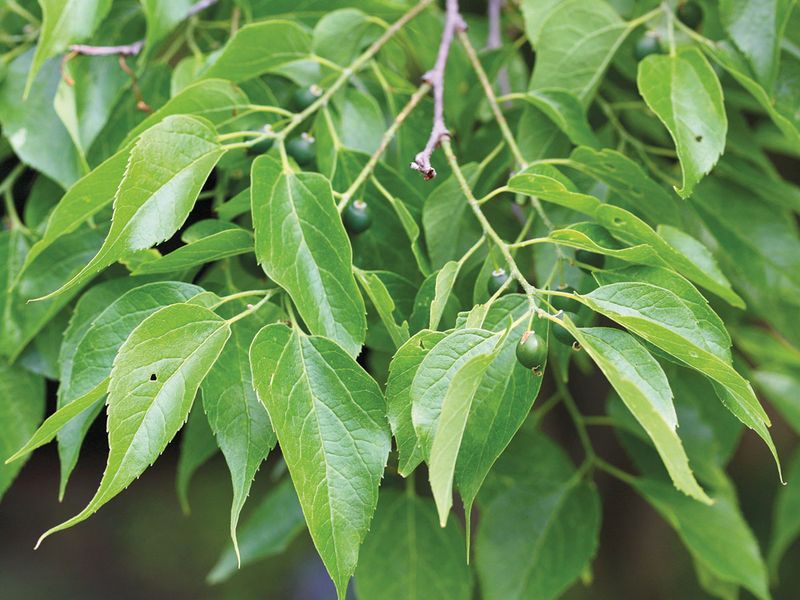
Hackberry trees might not win beauty contests, but butterflies absolutely adore them. These native Texas trees support multiple butterfly species that depend on hackberry leaves for their caterpillars.
Hackberry emperors, tawny emperors, and question mark butterflies all use hackberry as their host plant.
Sugar hackberry grows naturally across East and Central Texas in bottomlands and along streams. Common hackberry tolerates drier conditions and grows throughout the state. Both species develop into medium to large shade trees over time.
Adult hackberry emperor butterflies often land on people, attracted by salt in human sweat. These butterflies have brown wings with distinctive eyespots and white markings. They flutter around hackberry trees in large numbers during summer months.
Female butterflies lay eggs on hackberry leaves where caterpillars feed and grow. The caterpillars are green with small bumps and horns on their rear ends. They blend in well with the leaves they eat.
Hackberry trees handle urban conditions better than many native trees. They tolerate poor soil, drought, and air pollution without major problems. The trees grow at a moderate pace and eventually provide excellent shade.
Small purple berries appear on hackberry trees in fall and persist through winter. Birds love these fruits and help spread hackberry seeds to new locations.
The berries are edible for humans too though mostly seed with little flesh. Plant hackberry trees where they have room to grow large over many years.
7. Frogfruit
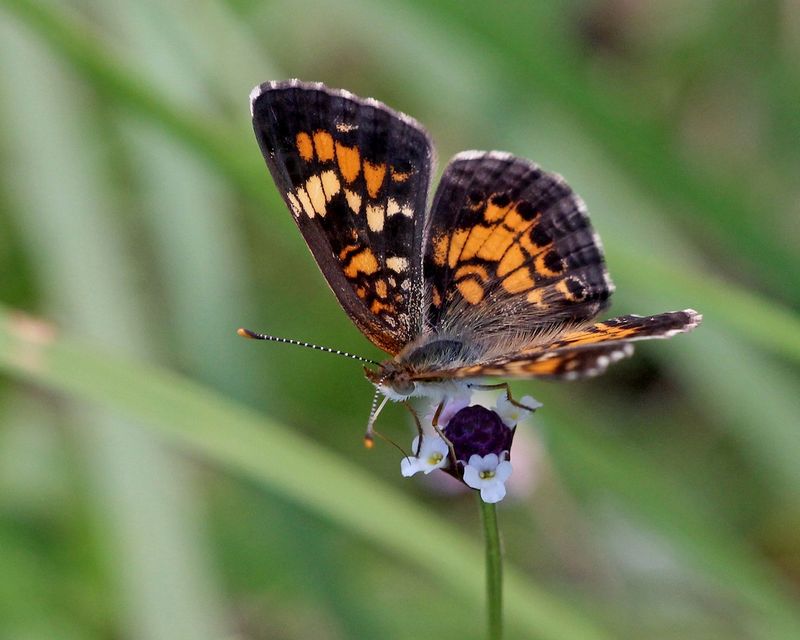
Forget traditional grass lawns and consider frogfruit instead. This native Texas groundcover stays low, needs little water, and supports several butterfly species.
Phaon crescents, white peacocks, and common buckeyes all use frogfruit as a host plant for their caterpillars.
Frogfruit spreads by runners that root wherever they touch the ground. The small oval leaves grow opposite each other on trailing stems.
Tiny white or pale purple flowers appear on short spikes above the foliage throughout warm months.
This tough little plant thrives in full sun and handles Texas heat without wilting. Frogfruit needs very little supplemental water once established in the landscape.
It actually grows more aggressively with regular moisture but survives drought periods easily.
Female butterflies lay eggs on frogfruit leaves where tiny caterpillars emerge and begin feeding. The caterpillars are often spiny and dark colored with intricate patterns.
Multiple generations of butterflies can develop on the same frogfruit patch during a single growing season.
Frogfruit works beautifully as a lawn replacement in areas with light foot traffic. The plant tolerates some walking but not heavy use like sports activities.
It stays green during warm months and may go dormant during winter in colder parts of Texas.
Plant frogfruit in areas where you want low-maintenance groundcover that benefits wildlife. Space starter plants about 12 inches apart and they will fill in within one season. The plant self-seeds readily and spreads to cover bare ground.
8. Elbowbush
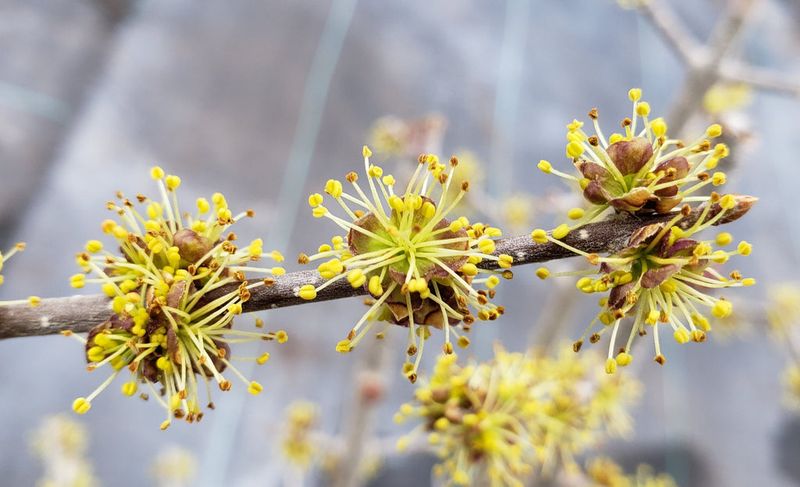
Elbowbush may sound like an odd name, but this native Texas shrub deserves a spot in butterfly gardens.
The Texas olive hairstreak depends on elbowbush and related species as its only host plant. These small butterflies are uncommon but delightful to observe when they appear.
The shrub gets its common name from the crooked, angular shape of its branches that look like bent elbows. Small oval leaves cover the stems during the growing season. Tiny flowers appear in early spring before leaves emerge fully.
Elbowbush grows naturally in dry rocky areas across Central and West Texas. The plant tolerates drought, poor soil, and harsh conditions that challenge many landscape plants. It fits perfectly in natural or wildlife-focused gardens.
Female Texas olive hairstreaks lay eggs on elbowbush foliage where caterpillars will feed. The small gray-green butterflies have intricate patterns on their wings and tiny tail-like projections. They fly quickly and often rest with wings closed.
This deciduous shrub typically grows 6 to 12 feet tall with an irregular spreading shape. It works well in informal hedges or mixed with other native shrubs in naturalized plantings. The plant requires no special care once established in appropriate conditions.
Elbowbush produces small purple fruits in summer that birds enjoy eating. The berries are edible for humans but quite bitter.
Male and female flowers appear on separate plants, so you need both for fruit production to occur in your landscape.