Hosta Care Hacks Every Pennsylvania Gardener Should Know
Hostas are one of Pennsylvania’s most forgiving garden plants, and many homeowners know it.
They come back reliably, they fill in beautifully, and they handle the shaded spots that defeat most other plants without much complaint. Many people grow them successfully without giving them a great deal of attention.
But there’s a significant difference between hostas that simply survive and hostas that genuinely thrive.
A handful of simple care habits, most of them taking very little time, make that difference consistently.
They’re not complicated, and they’re not widely known outside the gardening circles where hostas are taken seriously.
Once you know them, the results show up clearly in how the plants look, how quickly they establish, and how well they hold up through Pennsylvania’s most demanding growing conditions.
1. Pick The Right Shady Spot
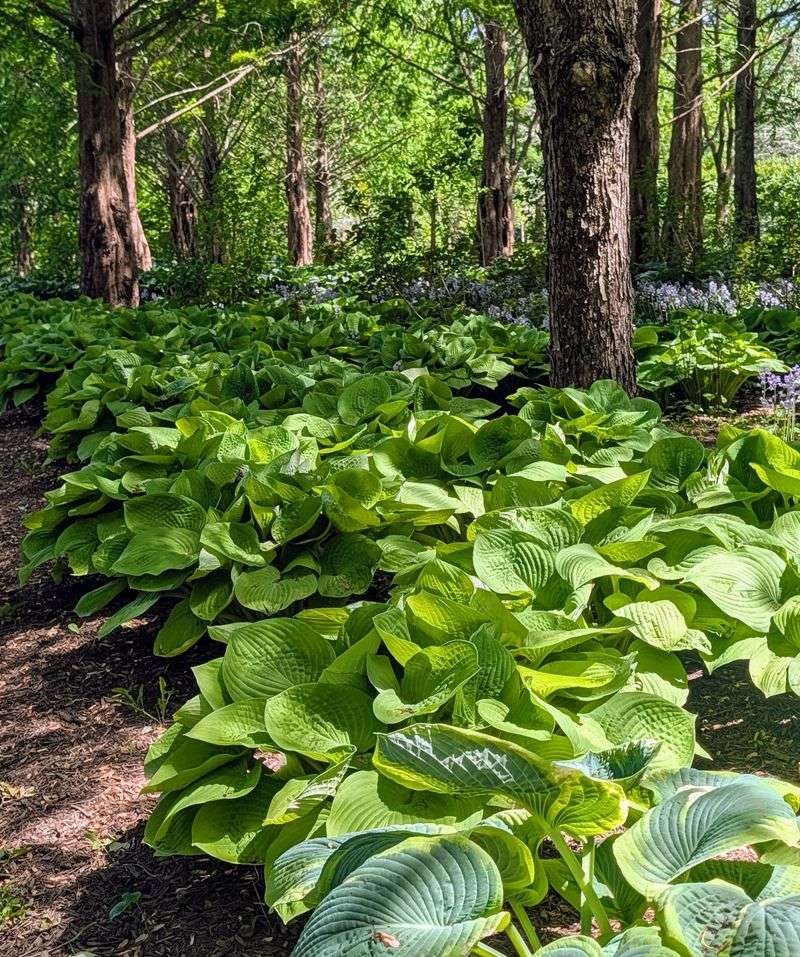
Location makes or breaks a hosta. These plants love shade, but not the pitch-black kind under a thick deck. Most hostas do best in dappled shade, where sunlight peeks through leaves for part of the day.
In Pennsylvania, morning sun with afternoon shade works wonderfully. Morning light is gentle and helps leaves stay strong.
Afternoon sun, especially in July and August, can scorch tender foliage and leave brown, crispy edges.
Blue hostas need the most shade because their waxy coating fades in strong light. Gold and yellow varieties can handle a bit more sun and often show brighter colors when they get some. Green hostas fall somewhere in the middle.
Before planting, watch your yard for a few days. Notice where the sun hits and when. Spots near the north or east side of your house often stay cool and shaded, which hostas adore.
Avoid planting right against tree trunks where roots compete for water. Instead, give your hostas a little breathing room a few feet away. This helps them soak up moisture without fighting big roots.
If your only open space gets bright sun, choose sun-tolerant types like Sum and Substance or August Moon. These handle heat better than most.
Good placement means less stress for you and your plants. A well-chosen spot cuts down on watering, sunburn, and disappointment.
Take your time picking the right home for each hosta, and it will reward you with full, healthy leaves for many seasons to come across your Pennsylvania garden.
2. Water Deep, Not Often
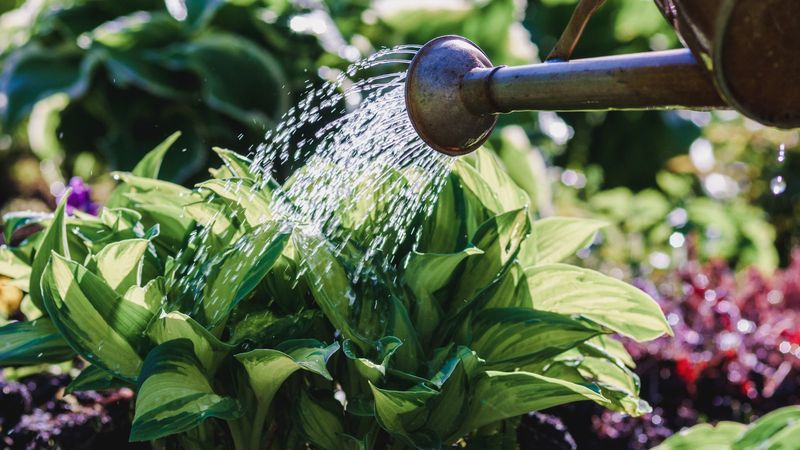
Think of hosta roots like straws reaching down into the soil. When you water deeply, those roots grow long and strong to find moisture. Light, quick sprinkles only wet the top and leave roots shallow and weak.
Aim to give your hostas about an inch of water each week. During Pennsylvania’s hot, dry summer stretches, they may need a bit more. A slow, soaking watering once or twice a week beats a daily splash.
The best time to water is early morning. Leaves dry off quickly in the sun, which helps prevent fungus and spots. Watering at night leaves moisture sitting around, and that invites trouble.
Your Pennsylvania Garden Changes Every Week. Your Plan Should Too.
Gardening in Pennsylvania changes quickly throughout the season. Every Friday you’ll receive a simple weekly plan showing exactly what to plant, prune, fertilize, harvest, and protect so you never miss the right timing.
Try to water at the base of the plant instead of over the leaves. Wet foliage in humid weather can lead to disease. A watering wand or soaker hose makes this job easy and keeps water where roots need it.
Stick your finger into the soil to check moisture. If the top two inches feel dry, it is time to water. If it still feels damp, wait a day.
Newly planted hostas need extra attention during their first year. Their roots are still settling in, so check them often, especially in warm weather.
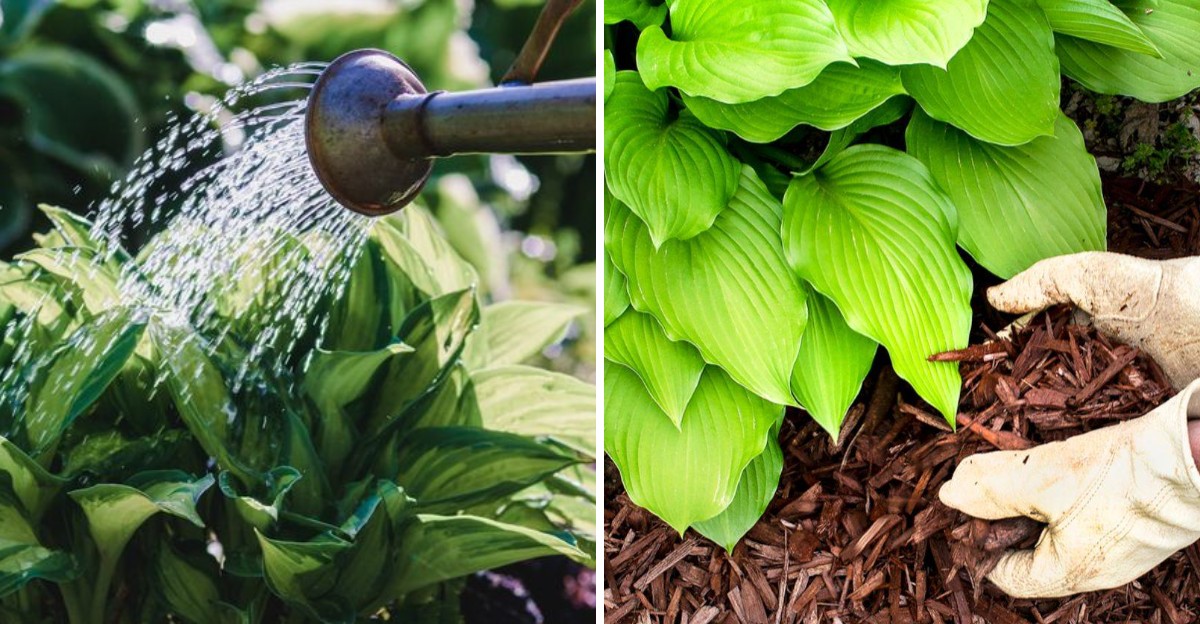
Mulch helps hold moisture in the ground so you water less. Come July, deep watering keeps your hostas full and green while others wilt.
Master this simple habit and you will spend less time dragging the hose around your yard all summer long, guaranteed.
3. Mulch Like A Pro
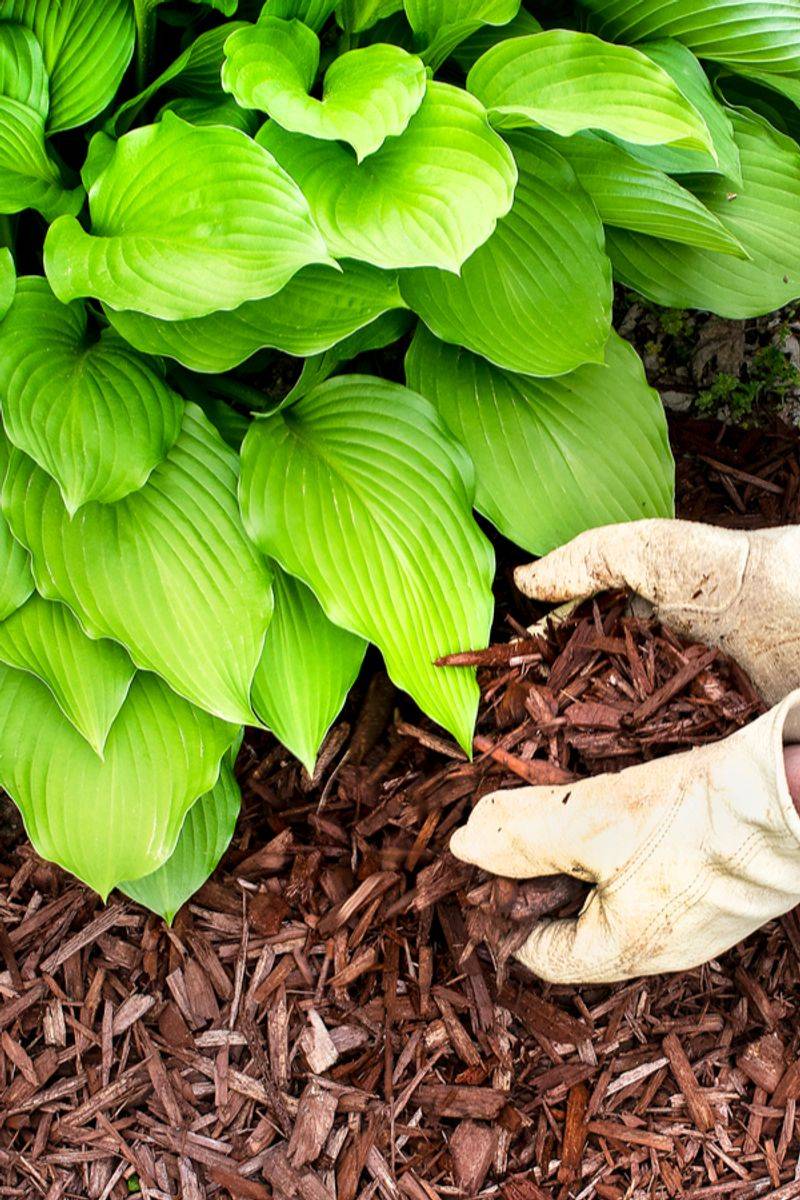
A good layer of mulch is like a cozy blanket for your hostas. It locks in moisture, keeps roots cool, and blocks weeds that steal water and nutrients. In Pennsylvania’s changing weather, mulch also protects roots from sudden temperature swings.
Spread two to three inches of shredded bark, leaf mold, or compost around each plant. Use organic materials that break down over time and feed the soil as they rot.
Leave a small gap around the crown, which is where the leaves meet the ground. Piling mulch against the stems traps moisture and can cause rot. A few inches of space keeps the plant healthy.
Spring is the perfect time to freshen up mulch, right after new shoots poke through the ground. This gives your hostas a clean, tidy start to the season.
Come fall, a light layer of mulch helps protect roots through the cold winter months. Our state’s frosty nights and thaws can heave plants out of the ground, but mulch keeps them snug.
Fallen leaves make excellent free mulch. Chop them up with a lawn mower, then spread them around your beds. Your wallet and your plants will both be happy.
Avoid using rocks or rubber mulch near hostas. These do not feed the soil and can heat up too much in the sun.
With the right mulch, you will water less, weed less, and watch your hostas thrive. It is one of the simplest jobs in the garden with the biggest payoff for busy Pennsylvania gardeners.
4. Outsmart Hungry Slugs
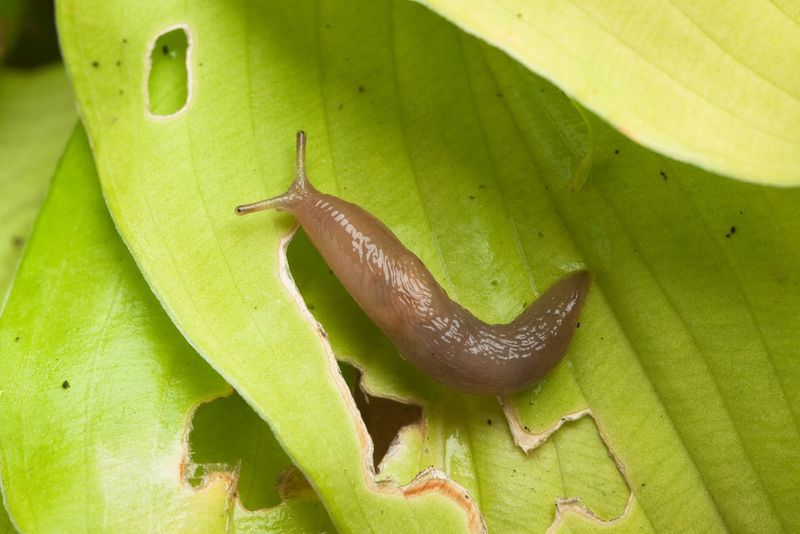
Slugs treat hosta leaves like an all-you-can-eat buffet. If you see holes and ragged edges on your plants, these slimy pests are usually to blame. They love the same cool, damp shade that hostas enjoy.
One easy trick is to scatter crushed eggshells or coarse sand around your plants. Slugs do not like crawling over sharp, gritty stuff, so it acts like a bumpy fence.
Beer traps work surprisingly well too. Sink a shallow dish into the soil and fill it with a little beer. Slugs are drawn to it, crawl in, and cannot climb out.
Watering in the morning instead of the evening keeps the ground drier at night, which is when slugs feast. A drier surface makes your garden less inviting to them.
Copper tape is another handy tool. Wrap it around pots or garden edges. The metal gives slugs a mild shock they hate, so they turn away.
For a natural helper, invite toads and birds into your yard. They snack on slugs and keep the numbers down without any chemicals.
Choosing thick-leaved hosta types like Sum and Substance also helps. Slugs struggle to chew through their tough foliage, so these varieties stay cleaner.
Check your plants in the early morning or after rain, when slugs are active. Handpicking them into a bucket of soapy water works if you only have a few.
With a mix of these tricks, your hostas will keep their smooth, pretty leaves all season long instead of looking like Swiss cheese.
5. Keep Deer Away
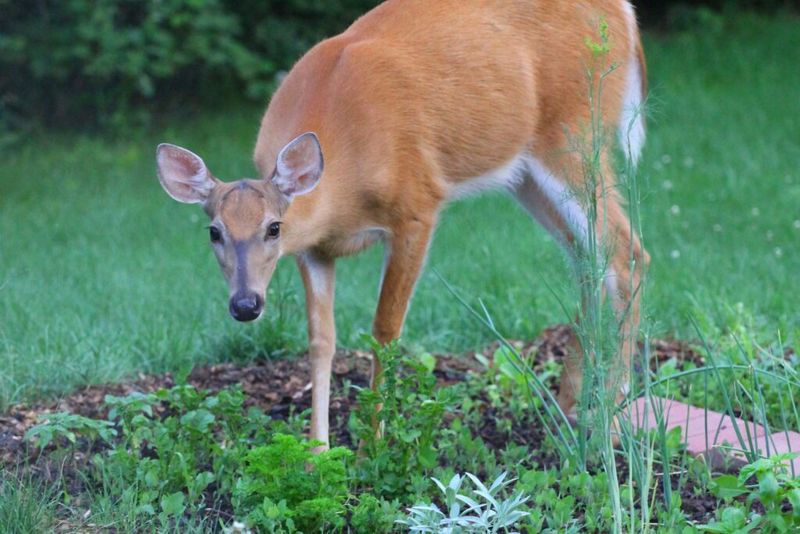
Deer think hostas are candy. In many Pennsylvania neighborhoods, a whole bed of lush leaves can vanish overnight if deer wander through. Protecting your plants is a must if you live near woods or open fields.
Smell-based repellents are a great first line of defense. Sprays made from garlic, eggs, or hot pepper make hostas taste and smell bad to deer. Reapply after heavy rain for best results.
Deer are creatures of habit but also easily spooked. Try hanging bars of strong-smelling soap or bags of human hair near your beds. These odd tricks can confuse and scare them off.
Motion-activated sprinklers give deer a sudden splash of water. That surprise sends them running and teaches them to avoid your yard.
Fencing is the most reliable option. Deer can jump high, so a fence needs to be at least seven or eight feet tall.
If that feels like too much, even a low fence with fishing line strung above it can throw off their jumping.
Planting strong-scented herbs like lavender, mint, or sage around your hostas can help mask their tempting smell. Deer often skip areas that confuse their noses.
Switch up your methods every few weeks. Deer get used to the same trick, so mixing things keeps them guessing.
Some gardeners plant hostas closer to the house where foot traffic and lights discourage visits. Deer prefer quiet, hidden corners.
With a little effort and some clever tactics, you can enjoy full, beautiful hostas without feeding the whole neighborhood herd.
6. Divide For More Plants
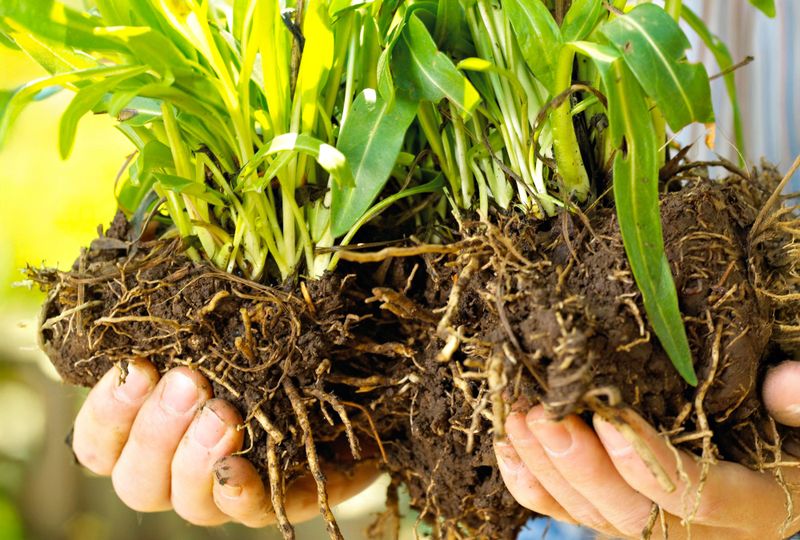
Here is a money-saving secret every gardener loves. When a hosta gets big and crowded, you can split it into several new plants for free. This is called dividing, and it keeps your hostas healthy while filling your garden.
Early spring is the best time to divide, right when the pointed shoots poke through the soil. Fall works too, as long as you do it a few weeks before the ground freezes.
Start by digging up the whole clump with a sharp spade. Try to keep as many roots attached as you can. Shake off extra dirt so you can see what you are working with.
Use a clean knife or spade to slice the clump into sections. Make sure each piece has both roots and a few leaf shoots. Even small divisions will grow into full plants over time.
Replant each section right away at the same depth it was growing before. Water it well and add a little mulch to help it settle in.
Dividing also keeps older plants from getting too crowded in the middle, where they can weaken. Fresh space lets them grow strong again.
You can use your new plants to fill bare spots, line a walkway, or share with neighbors and friends. Homegrown hostas make thoughtful gifts.
Do not worry if the plants look droopy for a few days. They usually bounce back quickly with a good drink of water.
Every few years, dividing gives you a whole garden of hostas without spending a dime at the store.
7. Prep For Winter Right
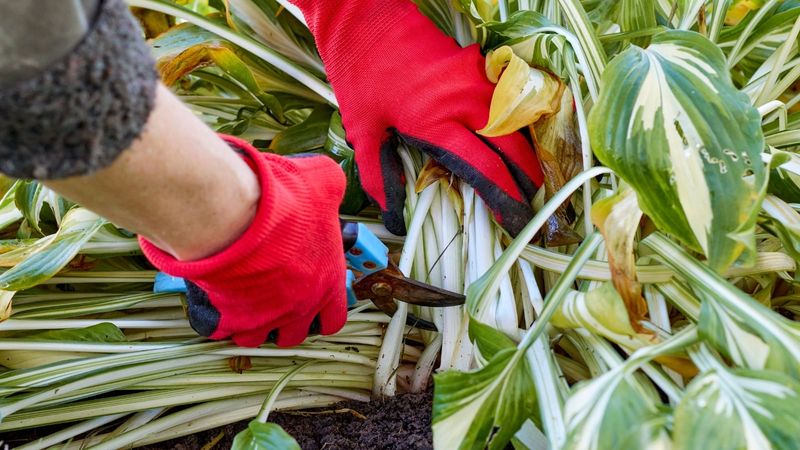
Pennsylvania winters can be rough, but a little fall prep keeps your hostas ready to bounce back in spring.
When the leaves turn yellow and flop over after the first frost, it is a sign the plant is going to sleep for the season.
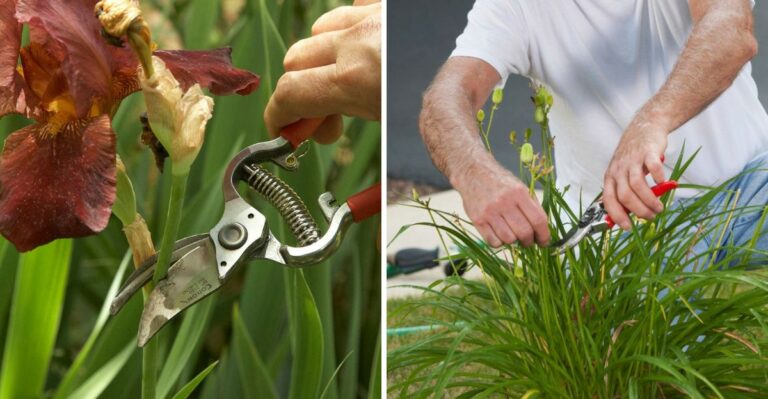
Once the foliage yellows, cut it back to about an inch above the ground. Removing old leaves stops slugs and pests from hiding out and laying eggs over the cold months.
Toss the trimmed leaves in the compost, unless they show signs of disease. Sick leaves should go in the trash so problems do not spread next year.
Add a fresh layer of mulch after the ground has cooled but before it freezes hard. This blanket protects roots from the freeze-and-thaw cycles common in our state, which can push plants right out of the soil.
Give the beds one last good watering before winter sets in, especially if fall has been dry. Roots stay healthier through the cold when the soil is not bone dry.
Avoid fertilizing in late fall. Feeding now pushes tender new growth that cannot survive the cold. Save the fertilizer for spring instead.
Potted hostas need extra care since their roots are more exposed. Move containers to a sheltered spot like a garage or bury the pots in the ground.
Come spring, pull back some of the mulch so new shoots can push through easily. With this simple routine, your hostas will wake up strong and ready for another beautiful growing season.