The Most Underrated Pennsylvania Native Vine That Blooms Through August Heat
August is when most Pennsylvania vines hit their post-bloom lull. The spring and early summer flowering is over, the foliage is thick and green, and the visual interest has shifted from flowers to form.
For gardeners who want something climbing their fence or trellis that still has color and life through the hottest stretch of summer, the options can feel frustratingly limited.
There is one native Pennsylvania vine that didn’t get the memo about August being a down month.
It blooms through the heat with a reliability that stands out when most other flowering vines have long since finished.
It draws in pollinators at a time when reliable nectar sources are becoming scarcer across the broader landscape, and it does all of this while handling Pennsylvania’s August conditions without extra watering or intervention of any kind.
Most gardeners have never considered it for a trellis or fence planting. It’s simply not on most people’s radar, which is a situation worth correcting.
Here’s the native Pennsylvania vine that keeps blooming through August and why it belongs in more yards than it’s currently in.
This Native Vine Blooms Through August Heat
Not every great garden plant comes from a nursery catalog. Some of the best ones have been growing wild in Pennsylvania for centuries, quietly doing their thing along creek banks and forest edges.
Virgin’s bower (Clematis virginiana) is one of those plants, and it might just be the most overlooked native vine in the entire state.
Also called woodbine and devil’s darning needles, this perennial climber is a true Pennsylvania original. It scrambles over fences, shrubs, and trellises with impressive speed, wrapping its leaf stalks around whatever support it can find.
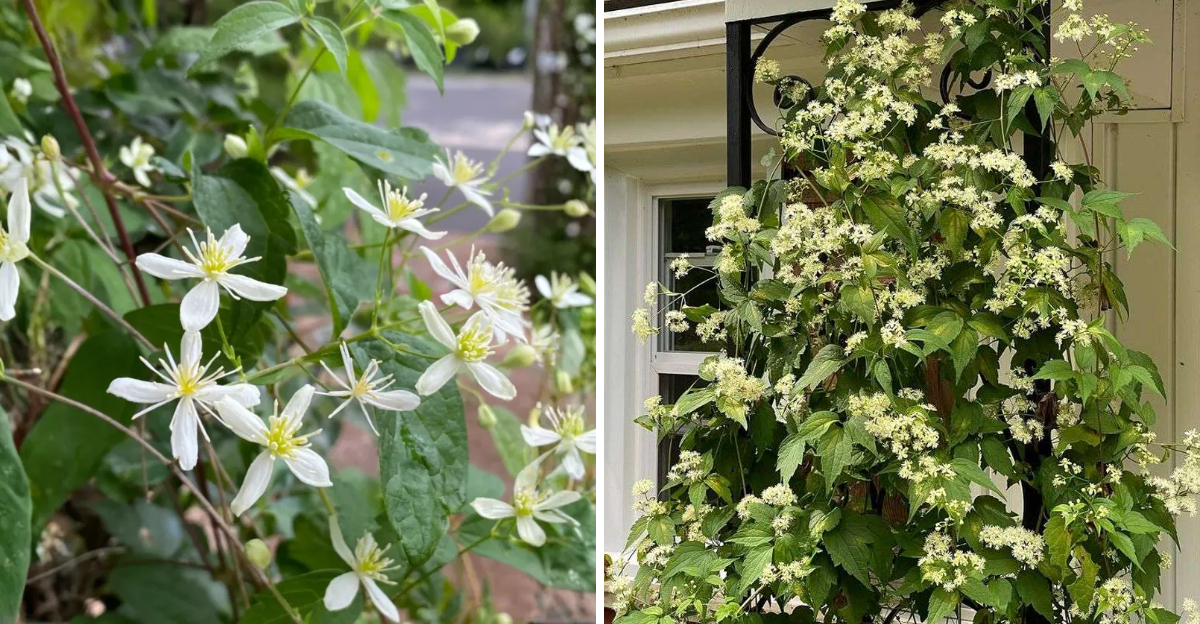
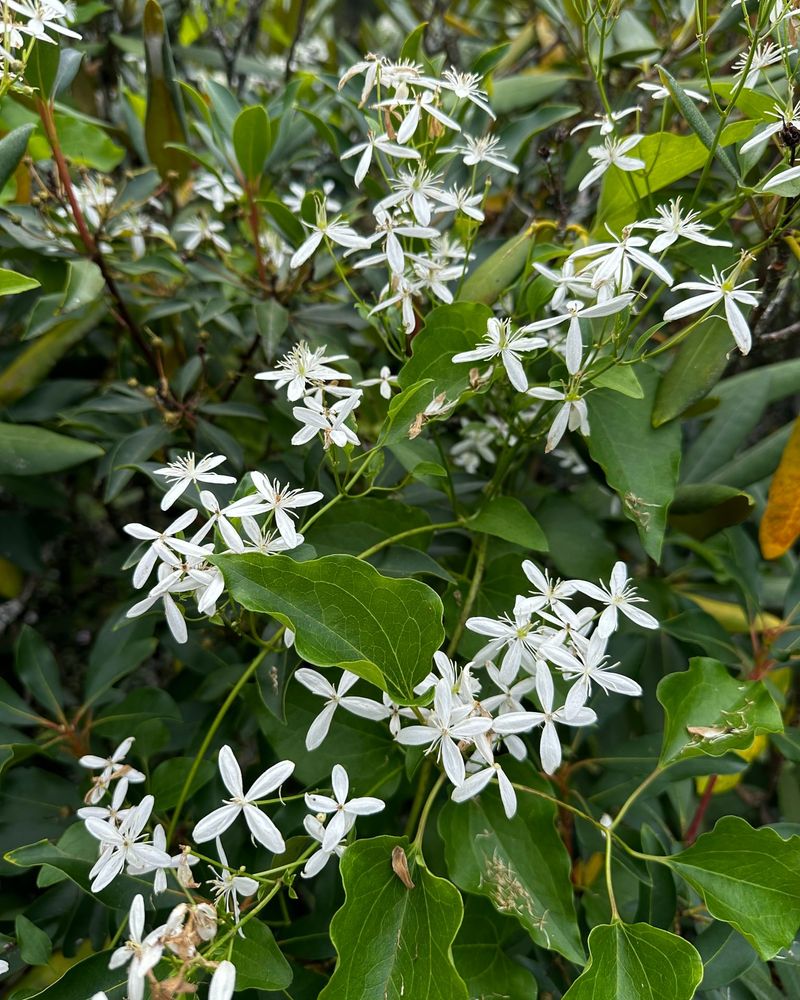
By late summer, the whole vine erupts in masses of tiny white flowers that smell faintly sweet and look like something out of a cottage garden dream.
What makes virgin’s bower so special is how well it fits into naturalistic landscapes. It thrives along woodland edges where other ornamental plants struggle.
It handles humidity without complaint. It does not need fancy soil or a lot of attention once it gets established.
Gardeners who want a low-maintenance plant that also supports local wildlife will find it hard to beat.
Beyond its looks, virgin’s bower plays a real role in the local ecosystem. Birds use its fluffy seed heads for nesting material.
Pollinators flock to its open blossoms. Its dense growth provides shelter for small animals during hot summer months.
Planting it is genuinely good for the environment around your home. If you have been searching for a native vine with real character and ecological value, you just found your answer.
It Flowers During The Hottest Part Of Summer
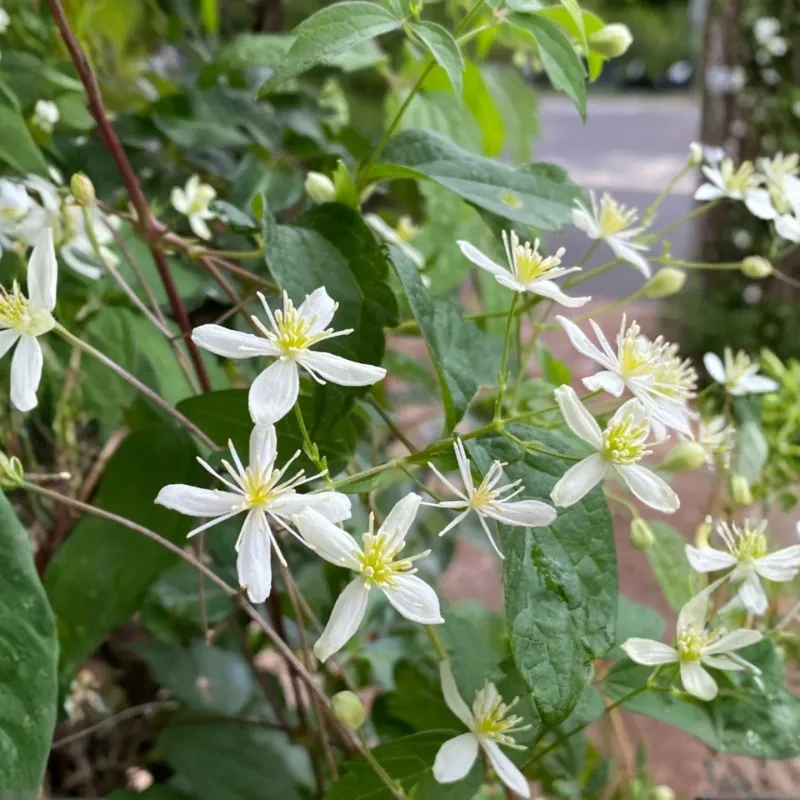
Timing is everything in the garden, and virgin’s bower has figured out a trick that most other flowering vines have not. While roses, wisteria, and trumpet vine wrap up their big show by early summer, virgin’s bower is just getting warmed up.
Your Pennsylvania Garden Changes Every Week. Your Plan Should Too.
Gardening in Pennsylvania changes quickly throughout the season. Every Friday you’ll receive a simple weekly plan showing exactly what to plant, prune, fertilize, harvest, and protect so you never miss the right timing.
Its main bloom period runs from July through September, with August being its absolute peak.
That timing matters more than most people realize. August is often the quietest month in a flowering garden. Spring bloomers are long finished. Many summer perennials are fading fast.
But virgin’s bower fills that gap with hundreds of small, star-shaped white blossoms that cluster along every stem. From a distance, the effect looks like a soft white cloud drifting across your fence or trellis.
Each individual flower is modest in size, maybe half an inch across. But the vine produces so many of them at once that the overall display is genuinely impressive. On a warm August morning, a mature plant in full bloom can stop people in their tracks.
Actual bloom timing can shift a little depending on where you live and what the weather has been like. Plants growing in shadier spots or in areas with more consistent rainfall may start blooming a bit later.
Those in full sun with drier conditions might push their flowers out a little earlier. Soil moisture also plays a role, so keeping the root zone from drying out completely during hot spells can help the plant maintain its bloom for as long as possible.
Either way, this vine delivers color when almost nothing else does.
The Flowers Support Late-Summer Pollinators
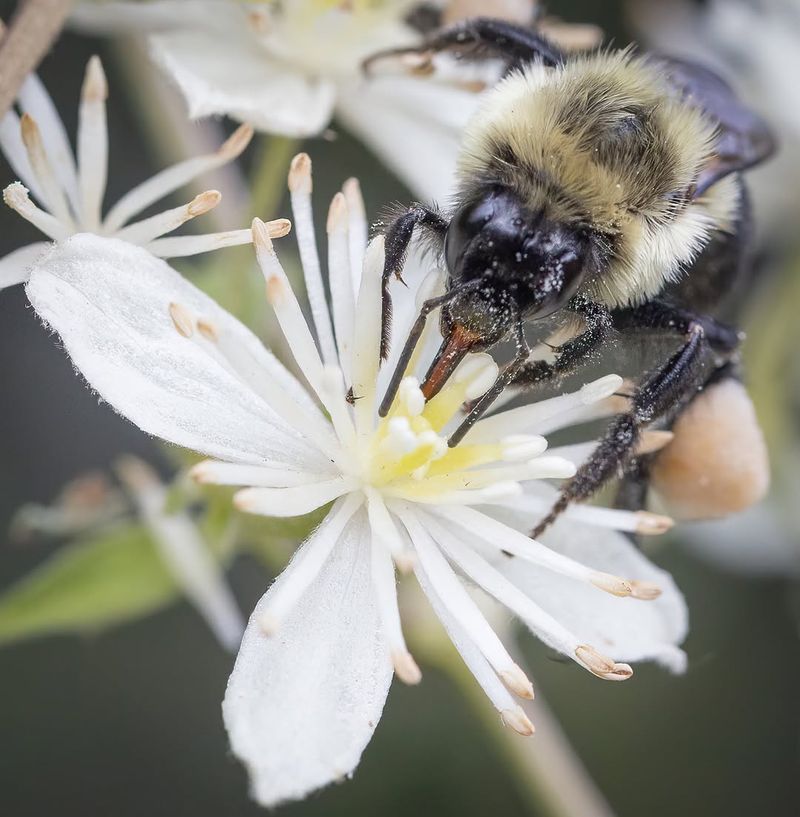
Walk up to a virgin’s bower in full bloom and listen. Chances are you will hear buzzing before you even see the flowers up close.
Bees absolutely love this plant, and they are not the only ones. Butterflies, native moths, and other beneficial insects flock to its open white blossoms throughout the late summer weeks.
The flower structure is part of why it works so well for pollinators. The blossoms are wide open and easy to access, which means even smaller insects with shorter mouthparts can reach the nectar and pollen without a struggle.
That accessibility makes virgin’s bower a reliable food source for a broad range of pollinator species, not just the big bumblebees.
Late summer is actually a critical time for many pollinator populations. A lot of native plants have already finished blooming by August, which can leave bees and butterflies scrambling for food right when they need energy most.
Virgin’s bower steps in and fills that seasonal gap with a generous supply of blossoms that keep coming for weeks.
Planting it near other late-season natives, like ironweed, goldenrod, or cardinal flower, can create a powerful pollinator habitat in your yard.
The combination of different flower shapes and bloom times gives insects more options and keeps your garden buzzing well into fall.
Even a single mature virgin’s bower can make a noticeable difference for local pollinator populations. If supporting wildlife is one of your gardening goals, few native plants offer as much return on such a small investment of time and effort as this one does.
Give It Moist Soil And Afternoon Protection
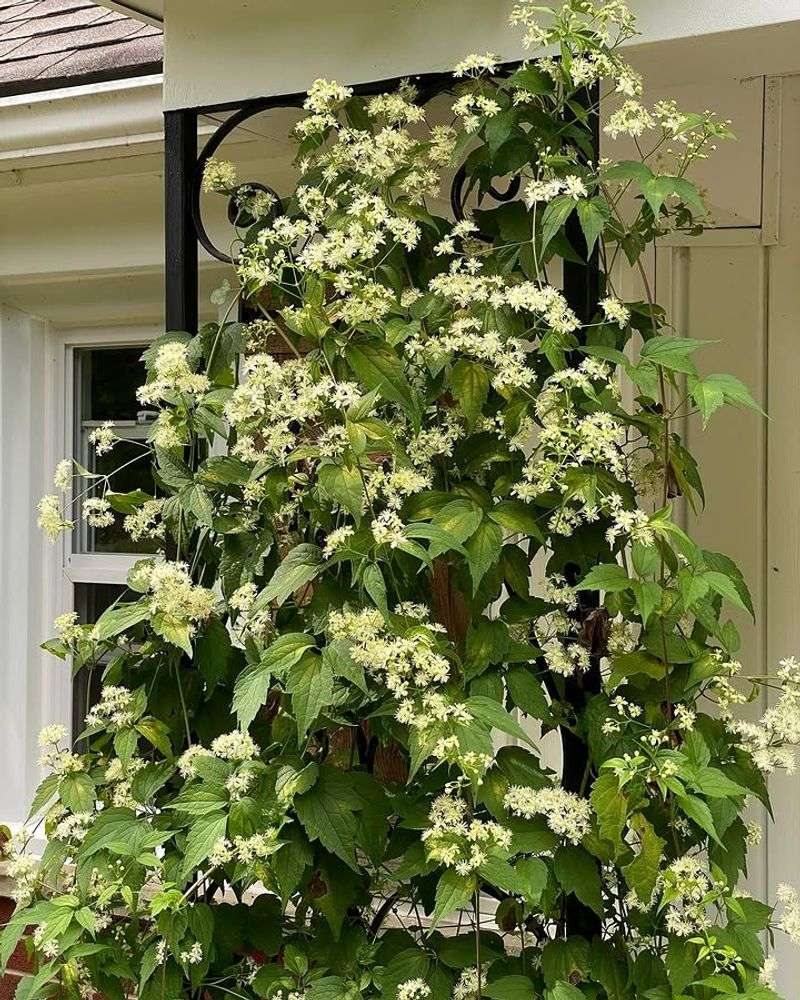
Virgin’s bower is tough, but it does have a few preferences worth knowing about before you plant it. Getting those conditions right from the start will save you a lot of trouble down the road and help the vine perform at its very best during the hottest part of summer.
Soil moisture is the biggest factor to keep in mind. This vine naturally grows near streams, woodland edges, and low-lying areas where moisture sticks around longer.
In a garden setting, it performs best in average-to-moist, well-drained soil. The roots should never sit in standing water, but they also should not be allowed to dry out completely during August heat waves.
A thorough watering once or twice a week during dry stretches goes a long way toward keeping the plant happy and blooming.
Sunlight is the other key variable. Virgin’s bower can handle full sun, but afternoon shade helps it manage heat stress much more effectively.
A spot that gets morning sun and some protection from the intense afternoon rays is close to ideal. This is especially true during Pennsylvania’s humid July and August stretches.
Mulch is one of the simplest tools you can use to support this vine during summer. A two-to-three-inch layer of organic mulch around the base keeps the root zone cooler and holds moisture in the soil longer between waterings.
Just make sure the mulch does not pile up against the base of the vine’s stems, since that can cause problems over time. Pull the mulch back a few inches from the crown and let the soil there breathe freely.
Provide A Strong Structure For Its Vigorous Growth
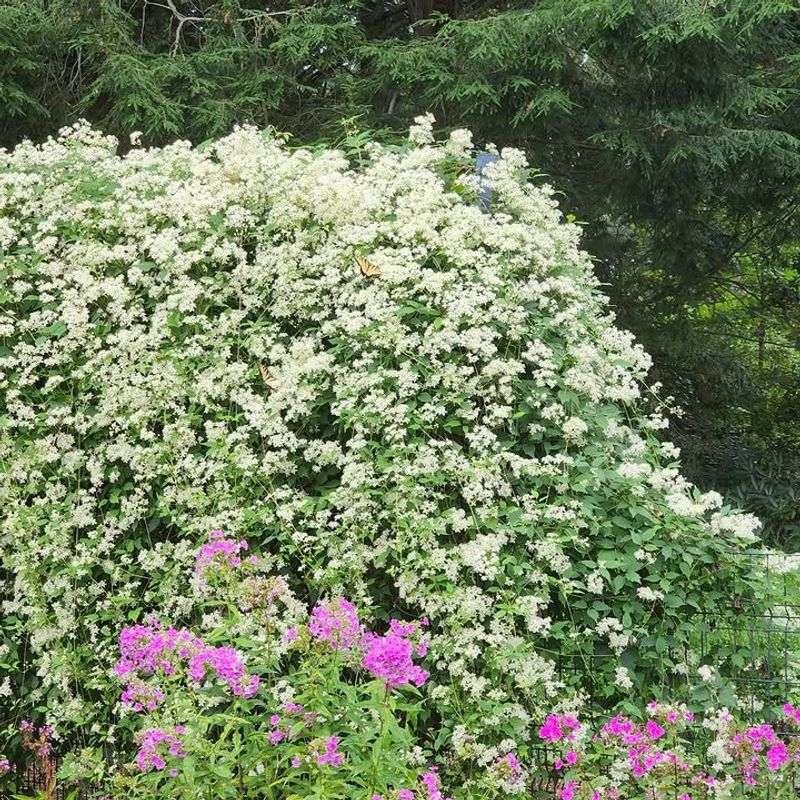
There is something almost energetic about the way virgin’s bower grows. Once it gets established, it moves fast.
New stems reach out constantly, searching for something to grab onto. If you do not give it a proper structure to climb, it will find its own support, and that might not be what you had in mind for your garden.
The vine climbs by twisting its leaf stalks around nearby objects. It is not a suction-cup climber like Virginia creeper, and it does not use tendrils the way grapes do.
Instead, it wraps the petioles, which are the small stems that connect leaves to the main vine, around fences, wire, twigs, and trellises. This method works well on structures with narrow surfaces it can actually grip.
A sturdy wooden or metal trellis, a wire fence, or a pergola post all make excellent supports for virgin’s bower. The key word there is sturdy.
A mature vine loaded with foliage and flowers can get quite heavy, especially after a rain. Flimsy plastic trellises or thin bamboo stakes will not hold up well over time.
One important thing to watch is where the vine wanders beyond its intended support. Young trees and delicate ornamental shrubs can be overwhelmed by a vigorous clematis if the vine is allowed to climb into them unchecked.
Check on the plant a few times during the growing season and redirect any stems that are heading somewhere unwanted. Light pruning to remove excessive growth is perfectly fine and helps keep the plant tidy without reducing its ability to bloom beautifully each summer.
Do Not Confuse It With Invasive Sweet Autumn Clematis
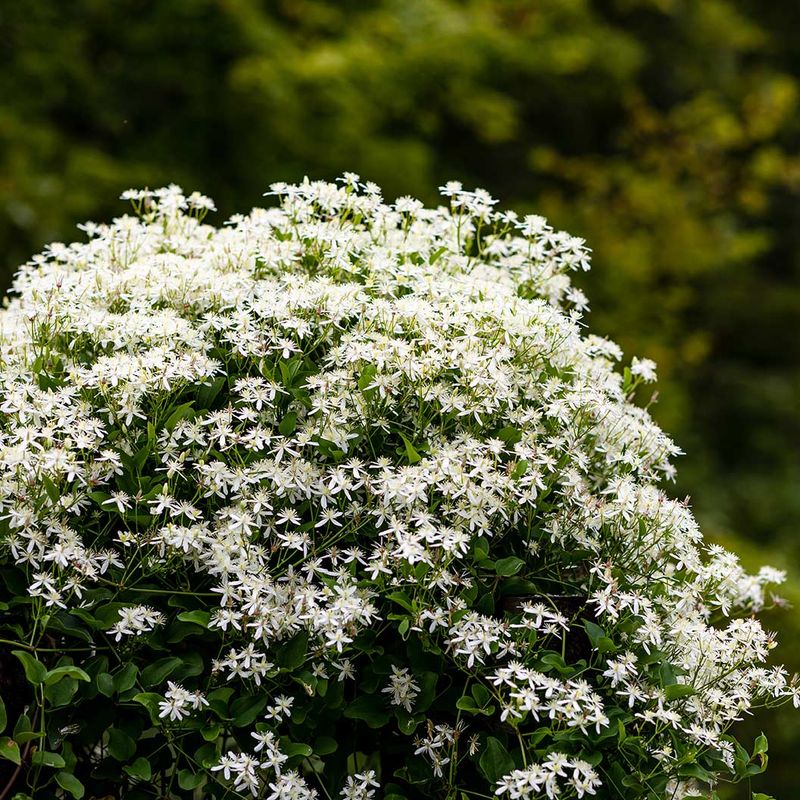
Here is something that trips up even experienced gardeners. Virgin’s bower and sweet autumn clematis (Clematis terniflora) look remarkably similar at first glance.
Both are vigorous vines. Both produce masses of small white flowers in late summer. Both can cover a fence or trellis in a single season. But they are very different plants with very different impacts on the environment.
Sweet autumn clematis is a non-native species originally from Asia. It has been widely sold in nurseries for years, and it has escaped into the wild across much of the eastern United States.
Once it gets into a natural area, it spreads aggressively and crowds out native plants. Pennsylvania considers it an invasive species, and for good reason.
Telling them apart requires a close look at the leaves. Native virgin’s bower has leaflets with clearly toothed or serrated edges, kind of like a jagged saw blade along the margins.
Sweet autumn clematis has leaflets with smooth, untoothed edges that feel almost waxy. That leaflet edge is the most reliable way to tell them apart when both are in bloom and the flowers look nearly identical.
Before you plant any clematis vine you find at a nursery or receive from a neighbor, check the leaves carefully. And if you spot a clematis growing wild along a trail or fence row, examine the foliage before assuming it is the native species.
Female virgin’s bower plants also develop feathery, silvery seed heads in fall that are genuinely beautiful and add another season of interest to the garden.
That fluffy seed display is a lovely bonus that sweet autumn clematis shares as well, making leaf identification even more important before bloom time.