11 Houseplant Resolutions I’m Not Giving Up On In 2026 In Illinois
Growing houseplants in Illinois comes with unique challenges that require patience, learning, and a commitment to keep your green friends thriving beautifully indoors.
Many plant lovers start the year with big goals but lose motivation when their beloved greenery struggles through harsh Midwest winters and unpredictable conditions.
This year feels different because sticking to smart resolutions can transform your indoor garden into a lush sanctuary that brings joy every single day.
These eleven resolutions focus on practical habits that actually work for Illinois homes, making plant care easier, more rewarding, and definitely worth continuing forever.
1. Watering Only When The Soil Feels Dry
Overwatering remains one of the biggest mistakes plant parents make, especially during Illinois winters when indoor heating reduces humidity but slows water absorption rates dramatically.
Checking soil moisture before watering prevents root rot and fungal problems that often destroy otherwise healthy plants in heated homes across the state.
Sticking your finger about two inches deep into the potting mix gives you accurate information about whether your plant truly needs water right now.
Different plant species have varying water requirements, so learning each one’s preferences helps you avoid guessing games that lead to soggy or bone-dry soil.
Succulents and cacti prefer drier conditions while ferns and tropical varieties appreciate consistent moisture without sitting in standing water that causes serious damage.
Setting phone reminders to check plants weekly creates a reliable routine that keeps you connected to your greenery without becoming overwhelming or time-consuming.
This simple resolution saves more plants than any fancy gadget ever could, making it absolutely worth maintaining throughout the entire year ahead.
2. Rotating Plants For Even Growth
Plants naturally lean toward light sources, creating lopsided growth patterns that look unbalanced and reduce overall health when left unaddressed for extended periods of time.
Rotating your pots a quarter turn every week ensures all sides receive equal sunlight exposure, promoting symmetrical development and stronger stems throughout the growing season.
Illinois winters offer limited natural light, making rotation even more critical since plants stretch desperately toward whatever sunshine streams through frosty windows each cold morning.
Forgetting this task seems minor until you notice your favorite fiddle leaf fig leaning dramatically sideways, requiring months of corrective care to straighten properly.
Marking pots with small stickers or using a consistent rotation direction helps you remember which way to turn each container during your weekly care routine.
This habit takes less than five minutes weekly but delivers impressive results that visitors always notice when admiring your beautifully balanced indoor jungle display.
Keeping plants upright and evenly leafed makes them look professionally maintained while supporting healthier photosynthesis and nutrient distribution throughout the entire plant structure consistently.
3. Dusting Leaves Monthly
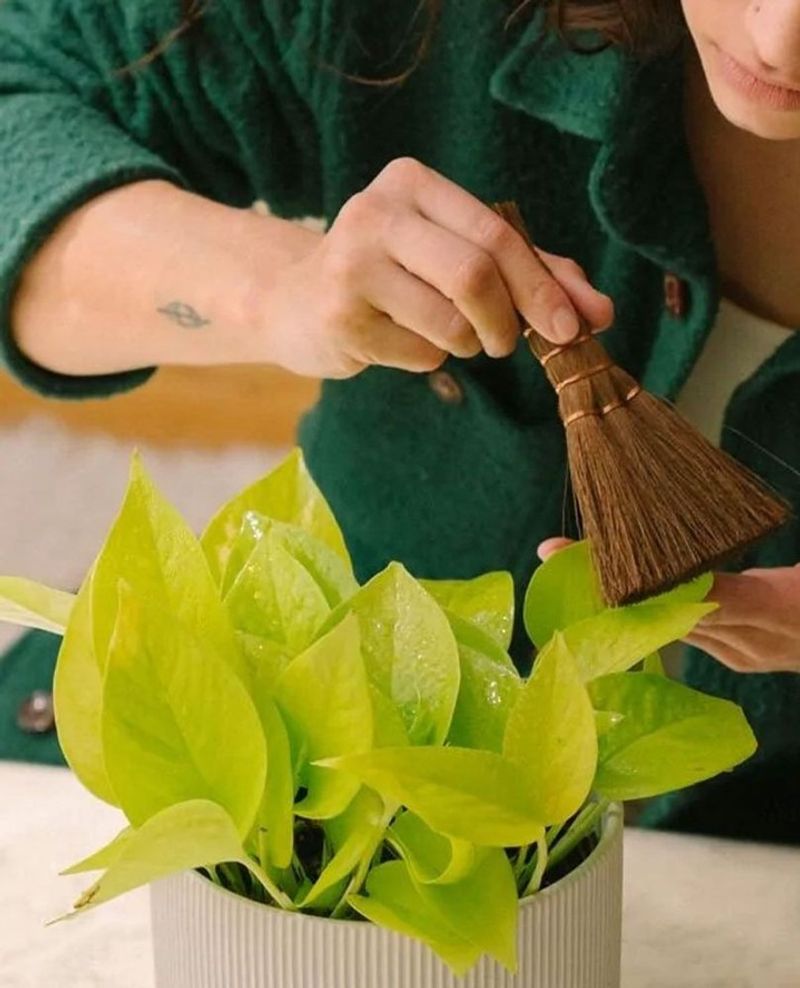
Dust accumulation on leaves blocks sunlight absorption and clogs tiny pores called stomata that plants use for breathing and transpiration throughout their daily photosynthesis processes.
Illinois homes collect plenty of dust from heating systems, outdoor allergens, and everyday living, making regular leaf cleaning essential for maintaining plant vitality year-round.
Using a damp microfiber cloth gently wiped across each leaf removes buildup without damaging delicate surfaces or leaving scratches that could invite pests later.
Larger plants with broad leaves like monsteras and rubber trees benefit most from this attention since their expansive surfaces catch more airborne particles daily.
Smaller plants with numerous tiny leaves work better with a gentle shower spray in the sink or bathtub, allowing water to rinse away accumulated grime.
This monthly ritual also provides perfect opportunities to inspect for pests, yellowing leaves, or early signs of disease that require immediate attention before spreading further.
Clean leaves photosynthesize more efficiently, leading to faster growth and brighter colors that make your entire collection look healthier and more vibrant throughout every season.
4. Fertilizing During Growing Season

Houseplants deplete nutrients from their potting soil over time, requiring supplemental feeding to maintain vigorous growth and vibrant foliage throughout active growing months each year.
Spring through early fall represents peak growing season in Illinois when longer days and warmer temperatures encourage plants to produce new leaves and roots rapidly.
Using balanced liquid fertilizer diluted to half strength every two weeks provides consistent nutrition without overwhelming roots with excessive chemical concentrations that cause burning.
Organic options like fish emulsion or compost tea offer gentle nourishment while improving soil structure and supporting beneficial microorganisms that enhance overall plant health naturally.
Avoiding fertilizer during winter months respects your plants’ natural dormancy period when growth slows dramatically due to reduced light and cooler indoor temperatures statewide.
Reading fertilizer labels carefully ensures you understand NPK ratios and application rates specific to your plant types, preventing costly mistakes from improper feeding schedules.
Well-fed plants develop stronger immunity against pests and diseases while producing lusher growth that makes your indoor garden feel like a tropical paradise year after year.
5. Repotting When Roots Outgrow Containers
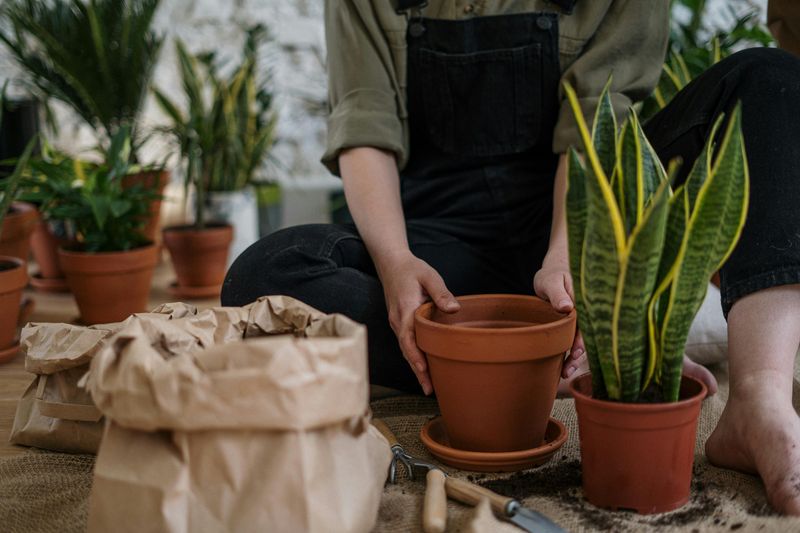
Rootbound plants struggle to absorb water and nutrients efficiently, leading to stunted growth and yellowing leaves that signal urgent need for larger living quarters soon.
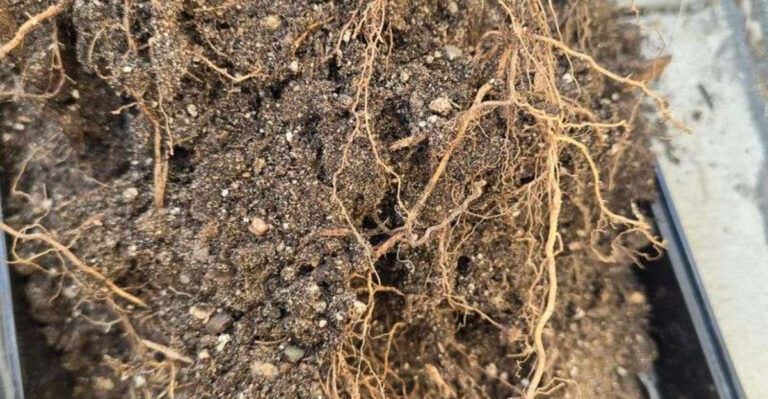
Checking root systems annually by gently sliding plants from their pots reveals whether roots circle densely around the outside, indicating repotting time has arrived.
Choosing containers one to two inches larger in diameter provides adequate space for root expansion without overwhelming plants with too much soil at once.
Fresh potting mix replenishes depleted nutrients and improves drainage, giving your plants a healthy foundation for another year of robust growth throughout Illinois seasons.
Spring represents the ideal repotting window since plants actively grow and recover quickly from the stress of root disturbance and soil changes during this period.
Adding drainage holes to decorative pots or using cache pots prevents water from pooling at the bottom, which causes root rot and other moisture-related problems.
This resolution might seem intimidating initially, but watching plants thrive after repotting makes the effort incredibly rewarding and motivates you to continue proper care indefinitely.
6. Monitoring Humidity Levels Carefully
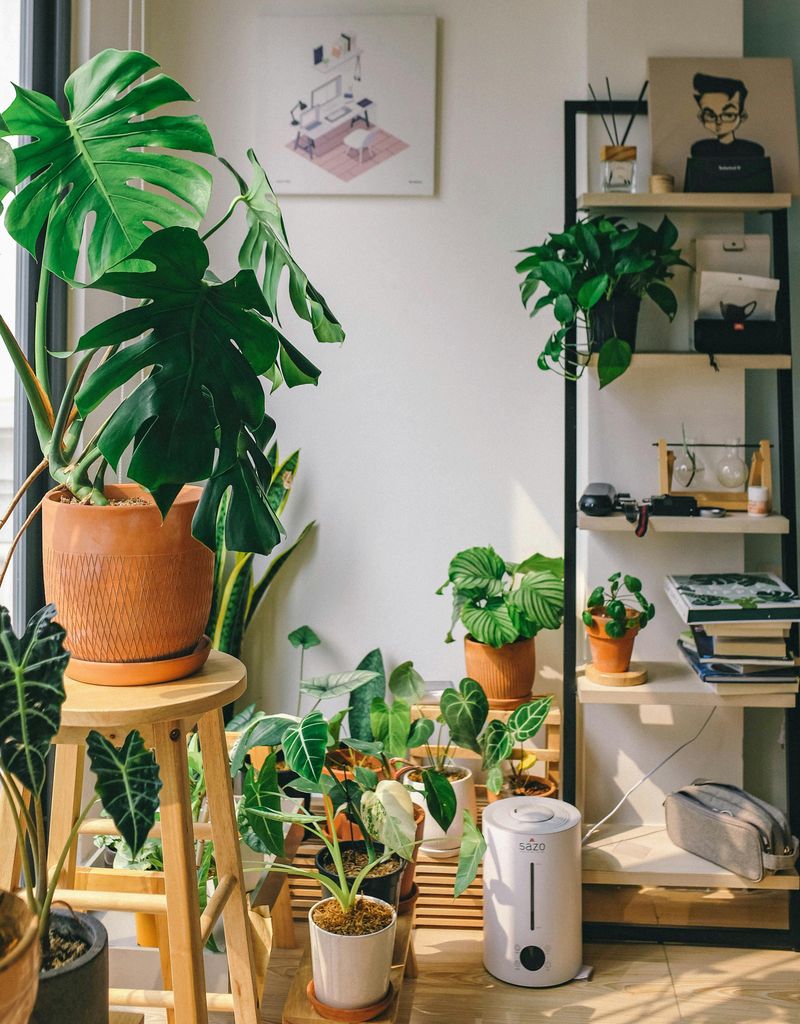
Central heating systems in Illinois homes drastically reduce indoor humidity during winter, creating desert-like conditions that stress tropical plants accustomed to moist environments naturally.
Brown leaf tips, crispy edges, and dropping foliage often indicate insufficient moisture in the air surrounding your plants throughout the coldest months of the year.
Placing humidifiers near plant groupings raises ambient moisture levels effectively, helping ferns, calatheas, and orchids maintain healthy tissue without constant misting.
Grouping plants together creates microclimates where transpiration from multiple specimens increases local humidity naturally, benefiting the entire collection simultaneously.
Pebble trays filled with water beneath pots add moisture to the air as water evaporates, offering a low-maintenance solution for smaller plant collections throughout winter.
Investing in an inexpensive hygrometer helps you monitor actual humidity percentages rather than guessing, allowing you to adjust strategies based on real data.
Maintaining humidity between forty and sixty percent keeps most houseplants comfortable while preventing mold growth that occurs when moisture levels climb excessively high indoors.
7. Providing Adequate Light Exposure
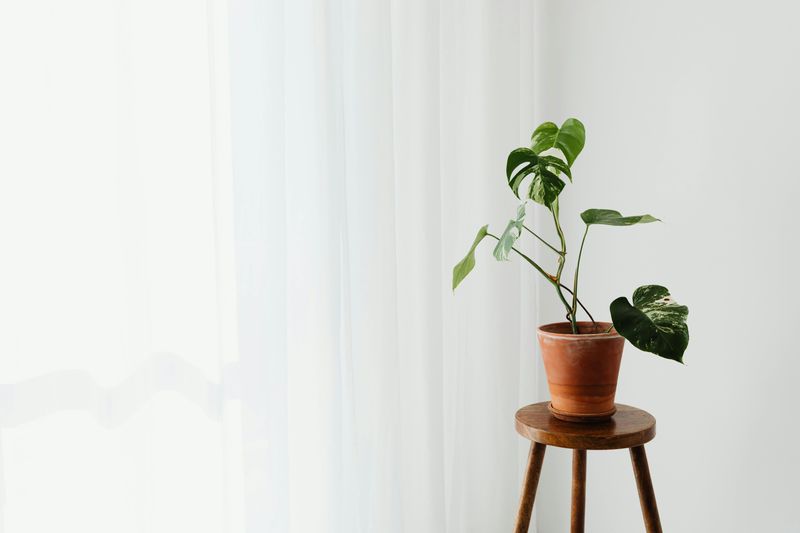
Light requirements vary dramatically among houseplant species, making proper placement near appropriate windows crucial for maintaining healthy growth and preventing weak stems.
South-facing windows in Illinois provide the brightest natural light, perfect for sun-loving succulents, cacti, and flowering varieties that need intense illumination.
East and west windows offer moderate light suitable for most common houseplants like pothos, philodendrons, and snake plants.
North-facing windows deliver low light that works well for shade-tolerant species including ZZ plants and certain ferns.
Supplementing with grow lights during short winter days prevents plants from becoming etiolated and losing their compact forms.
Observing how your plants respond to their current location guides adjustments, since yellowing leaves might indicate too much light.
This resolution requires experimentation to find perfect spots, but proper lighting makes care significantly easier long-term.
8. Inspecting For Pests Regularly

Tiny pests like spider mites, aphids, and mealybugs can multiply rapidly on houseplants, causing extensive damage before you notice their presence without regular inspection routines.
Checking undersides of leaves weekly reveals early infestations when populations remain small and manageable using simple organic treatments instead of harsh chemical interventions later.
Webbing between leaves, sticky residue on surfaces, or tiny moving specks signal pest problems requiring immediate attention to prevent spread throughout your entire plant collection quickly.
Isolating affected plants immediately stops pests from migrating to nearby healthy specimens, protecting your investment and reducing the overall treatment time required for complete eradication successfully.
Neem oil spray, insecticidal soap, or rubbing alcohol applied with cotton swabs effectively treats most common houseplant pests without harming plants when used correctly according to directions.
Maintaining good air circulation around plants and avoiding overwatering creates less hospitable conditions for pests that thrive in stagnant, overly moist environments found in crowded spaces.
Catching pest problems early saves plants from severe damage and preserves the beauty of your indoor garden, making this vigilant resolution absolutely essential for long-term success.
9. Pruning Withered Or Yellowing Leaves
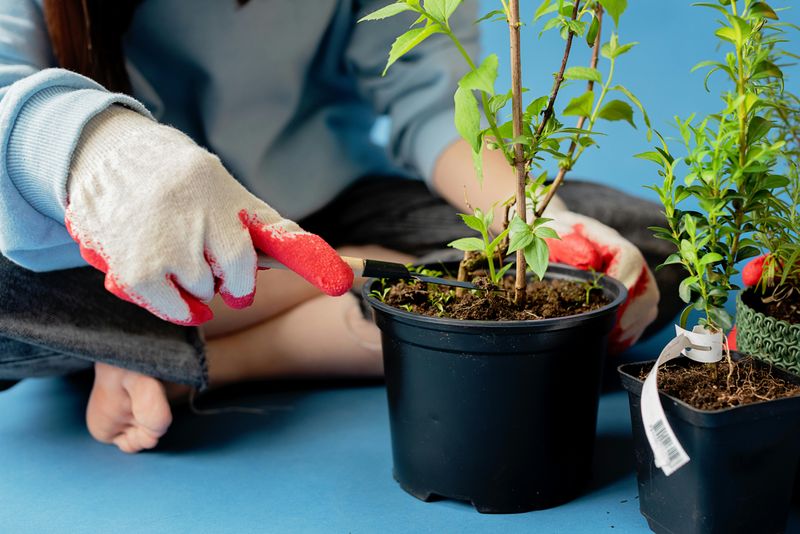
Removing withered and diseased foliage redirects plant energy toward healthy growth rather than maintaining damaged tissue that serves no beneficial purpose for overall vitality anymore.
Yellowing leaves rarely recover once the process begins, so cutting them off promptly prevents further nutrient drain and improves your plant’s overall appearance dramatically immediately.
Using clean, sharp scissors or pruning shears prevents ragged cuts that invite disease and ensures smooth healing where stems were removed from the main plant structure.
Cutting just above leaf nodes or where stems meet main branches encourages new growth to emerge from those points, creating fuller, bushier plants over time naturally.
Disposing of removed plant material in trash rather than compost bins prevents spreading potential diseases or pests that might have caused the original leaf decline initially.
Regular pruning also allows you to shape plants aesthetically, removing awkward growth patterns and encouraging balanced forms that look intentionally designed rather than wildly overgrown messily.
This satisfying task takes only minutes but yields immediate visual improvements that make your houseplants look professionally maintained and cared for throughout every season consistently year-round.
10. Researching Each Plant’s Specific Needs
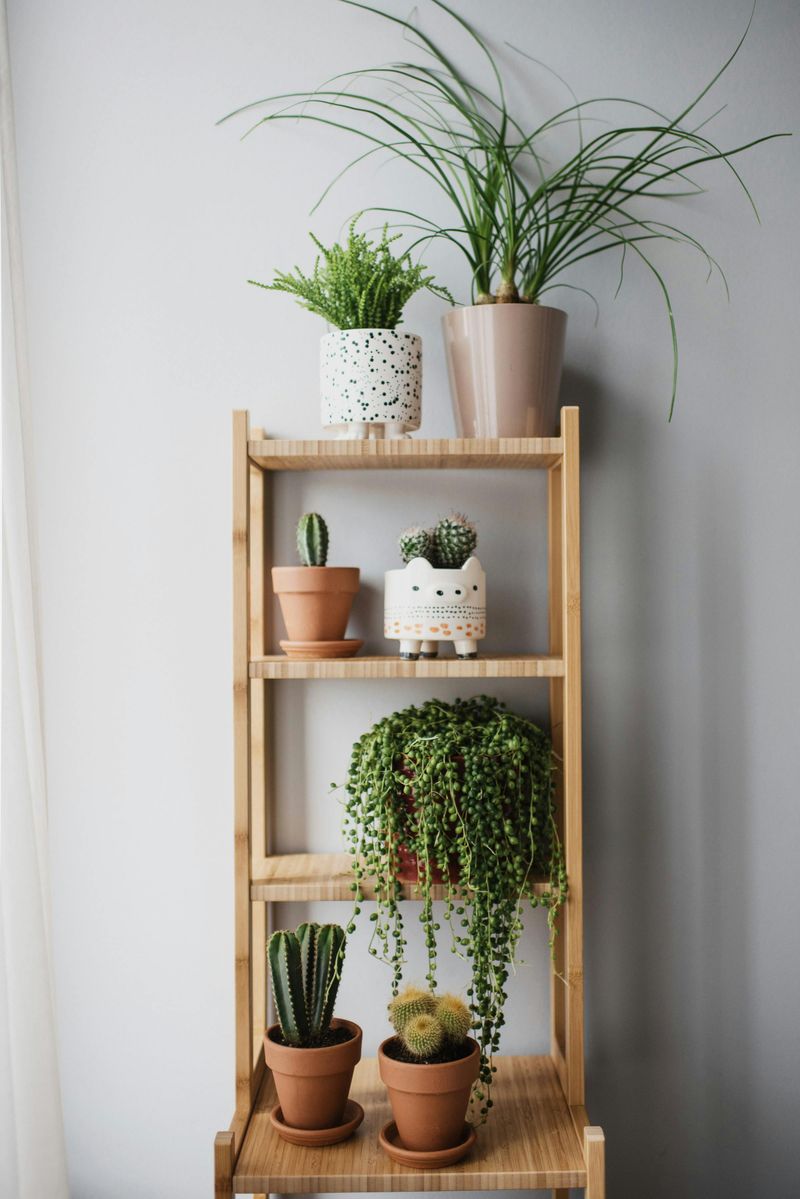
Every houseplant species evolved in different natural habitats with unique environmental conditions, meaning care requirements vary significantly between your collection members despite living together indoors currently.
Understanding whether your plant originates from tropical rainforests, arid deserts, or temperate forests informs watering schedules, humidity preferences, and light needs that support optimal health.
Spending time researching care guides online or in books prevents common mistakes like treating all plants identically when they actually need individualized attention for best results.
Learning botanical names rather than relying solely on common names helps you find accurate information since multiple plants often share identical common names causing confusion frequently.
Joining online plant communities or local Illinois gardening groups provides valuable advice from experienced growers who understand regional challenges specific to Midwest indoor gardening conditions.
Keeping care notes for each plant species helps you remember specific preferences and track what works best in your particular home environment over multiple seasons.
Knowledge truly empowers better plant parenting, transforming you from someone who keeps plants alive into a confident gardener who helps them absolutely thrive beautifully year after year.
11. Enjoying The Process Without Perfection

Plant care should bring joy and relaxation rather than stress or anxiety about achieving picture-perfect specimens that look exactly like social media posts showcasing unrealistic standards constantly.
Accepting that some leaves will yellow, pests might appear occasionally, and not every plant survives makes the journey more sustainable and enjoyable long-term without burnout.
Learning from mistakes transforms failures into valuable lessons that improve your skills gradually, building confidence through experience rather than expecting immediate expert-level success from day one.
Celebrating small victories like new leaf unfurling or successful propagation keeps motivation high and reminds you why you love nurturing living things inside your home daily.
Comparing your plants only to their previous condition rather than others’ collections prevents discouragement and helps you appreciate genuine progress happening right before your eyes consistently.
Creating a peaceful plant care routine that fits your lifestyle makes resolutions stick naturally without feeling like burdensome chores you dread completing each week reluctantly.
Remember that houseplants improve air quality, boost mood, and connect you with nature regardless of perfection, making every effort worthwhile throughout your entire Illinois indoor gardening journey.