9 Houseplant Resolutions That Are Actually Working In Texas Homes In 2026
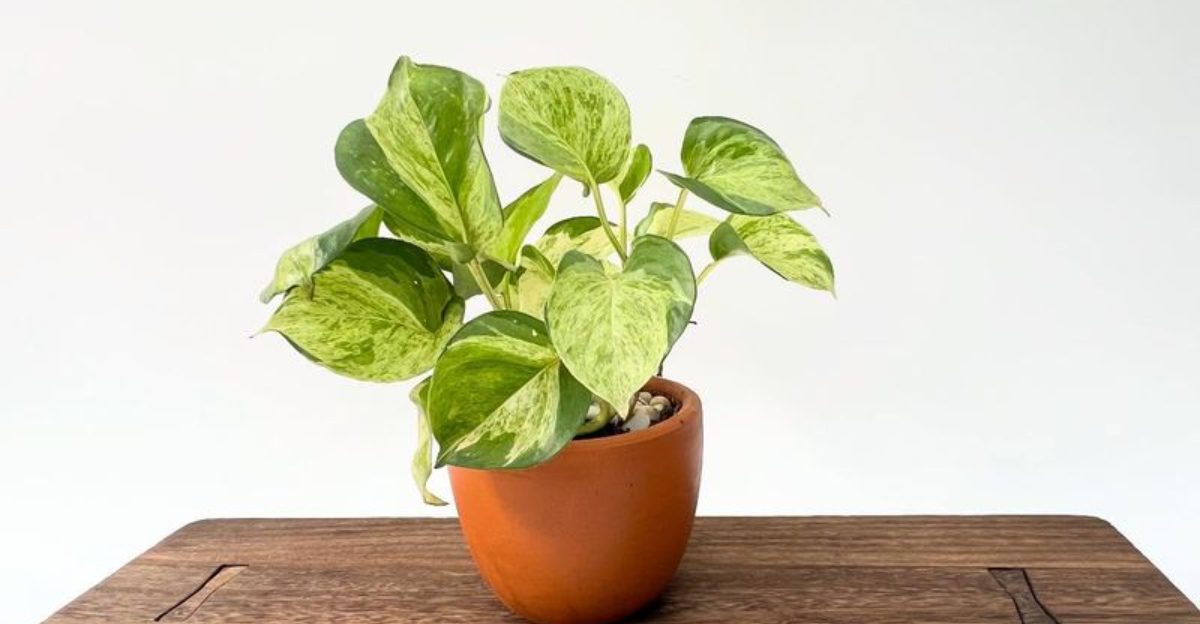
Texas houseplant lovers are turning resolutions into real results in 2026 by choosing habits that keep greenery thriving year-round.
From consistent watering routines to better lighting setups, small changes are making a big difference for plants across homes.
More people are embracing plant-friendly tools and setups that fit busy lifestyles without adding stress or extra chores.
As these resolutions take hold, Texas houseplants are looking healthier, happier, and more vibrant than ever.
1. Watering Only When the Soil Actually Needs It
Overwatering remains one of the biggest mistakes that houseplant owners make, especially when they follow rigid schedules instead of checking actual soil conditions.
Texas homes experience varying humidity levels throughout the year, which means plants absorb water at completely different rates depending on the season ahead.
Sticking your finger about two inches deep into the soil gives you instant feedback about whether your plant truly needs water right now.
Many folks across the state have switched to this touch-test method and noticed their plants becoming healthier with stronger roots and greener leaves.
Pothos, snake plants, and ZZ plants particularly benefit from this approach since they prefer drying out slightly between waterings in most situations.
Letting the soil guide your watering schedule prevents root rot and keeps plants from sitting in soggy conditions that damage their health over time.
Texas residents report fewer plant problems after abandoning strict watering calendars and trusting their observations instead of following generic online advice blindly.
This simple resolution has saved countless houseplants from premature decline while helping owners develop better intuition about their green companions’ actual needs.
2. Grouping Plants Together for Better Humidity
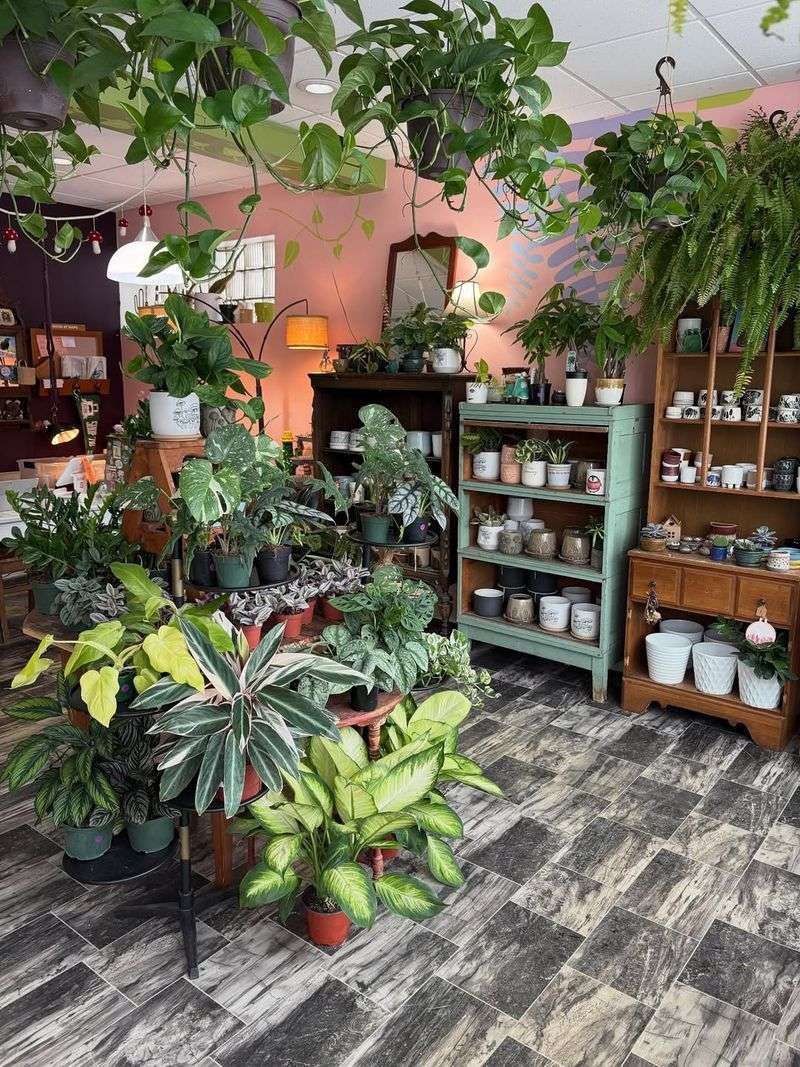
Creating small plant communities indoors mimics natural growing conditions and helps maintain consistent moisture levels in the air around your green collection beautifully.
When plants sit close together, they release water vapor through transpiration, which creates a microclimate that benefits everyone in the group significantly.
This strategy works exceptionally well in Texas homes where air conditioning systems constantly remove moisture from indoor air during long, hot summers.
Ferns, calatheas, and prayer plants especially appreciate this arrangement since they originate from tropical environments with naturally high humidity levels throughout the year.
Placing a shallow tray filled with pebbles and water beneath your grouped plants adds another layer of moisture to the surrounding air effectively.
Many Texas plant enthusiasts have noticed reduced brown leaf tips and crisping edges after implementing this clustering technique in their living spaces recently.
The visual impact of a lush plant corner also transforms any room into a more inviting and vibrant space that feels alive and welcoming.
This resolution requires minimal effort but delivers maximum results, making it perfect for busy households looking to improve plant health without complicated routines.
3. Rotating Plants Weekly for Even Growth
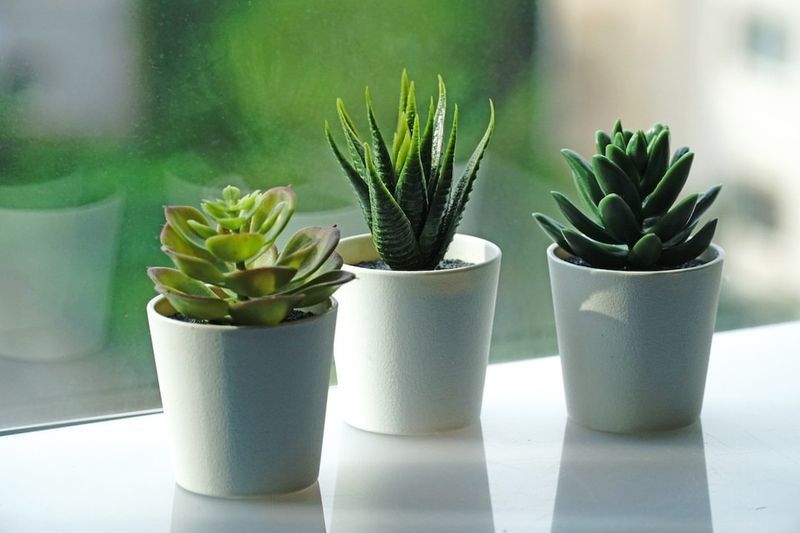
Plants naturally grow toward light sources, which causes uneven development and lopsided shapes if they stay in the same position for extended periods continuously.
Turning your houseplants a quarter rotation each week ensures all sides receive equal sunlight exposure, promoting balanced growth and symmetrical foliage throughout the plant.
Texas homeowners have embraced this habit as part of their regular plant care routine, often doing it while watering or during weekend cleaning sessions.
Fiddle leaf figs, rubber plants, and dracaenas particularly benefit from regular rotation since they develop strong directional growth patterns toward available light sources quickly.
This practice also helps you spot potential problems like pests, yellowing leaves, or soil issues that might hide on the less-visible sides earlier.
Setting a weekly reminder on your phone makes this resolution easy to maintain without forgetting or letting too much time pass between turns.
The improvement in plant appearance becomes obvious within just a few weeks as foliage fills in evenly and stems grow straight rather than leaning.
Across the state, plant lovers report feeling more connected to their greenery through this simple weekly interaction that takes only seconds per plant.
4. Using Terracotta Pots for Better Drainage
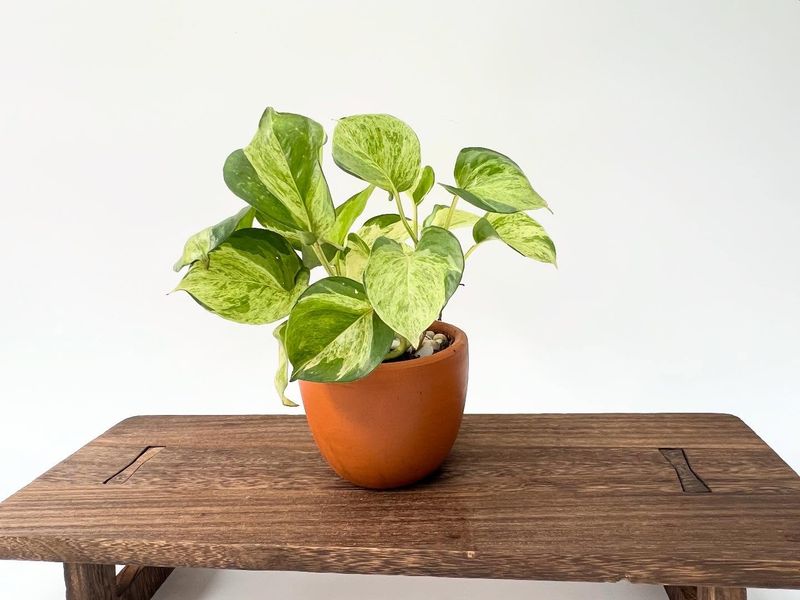
Switching from plastic containers to terracotta pots has become a game-changer for Texas plant owners struggling with moisture management in their indoor gardens.
These porous clay containers allow excess water and air to pass through their walls, which prevents soil from staying waterlogged and damaging delicate roots.
The breathable nature of terracotta helps regulate soil moisture levels more effectively than sealed plastic pots, especially during humid Texas summer months when evaporation slows.
Succulents, cacti, and herbs thrive in these traditional pots because their roots prefer drier conditions and excellent airflow around the root zone constantly.
The earthy aesthetic of terracotta also adds warmth and natural beauty to any room, complementing both modern and traditional Texas home decor styles perfectly.
Many residents have noticed their plants developing stronger root systems and healthier overall growth after making this simple container swap throughout their collections.
The weight of terracotta provides stability for top-heavy plants while the material itself ages beautifully, developing character and patina over time with use.
This resolution combines practical benefits with visual appeal, making it one of the most popular changes among Texas houseplant enthusiasts this year statewide.
5. Fertilizing Less Frequently Than Package Instructions
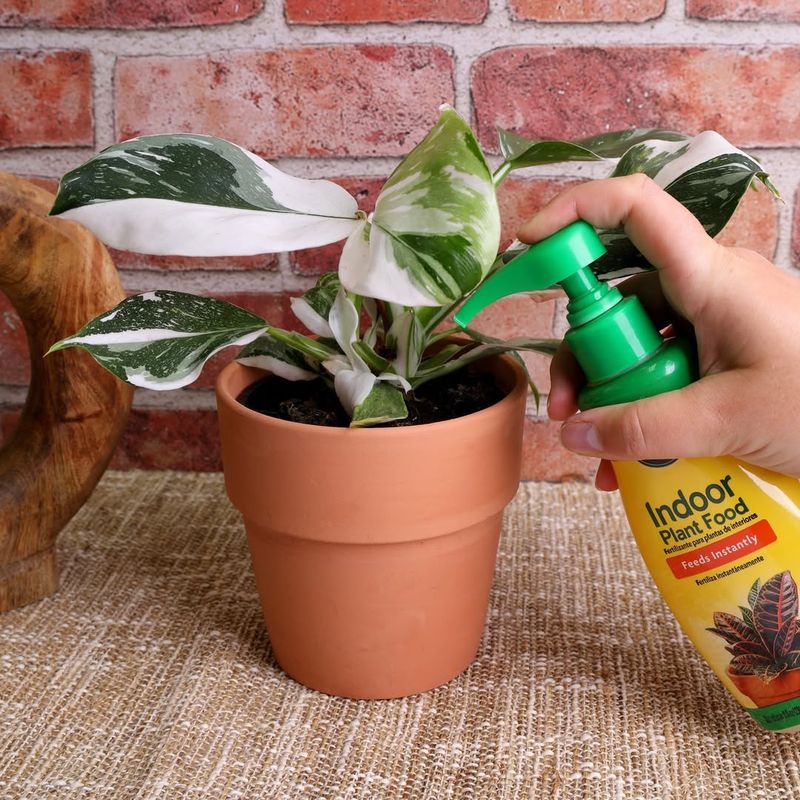
Overfertilizing causes more harm than underfertilizing, yet many plant owners follow bottle instructions designed for optimal growth rather than healthy maintenance levels.
Texas houseplant enthusiasts have found success by cutting recommended fertilizer amounts in half and applying them less often than manufacturers suggest on labels.
Indoor plants grow more slowly than outdoor specimens and require fewer nutrients, especially during fall and winter when growth naturally slows significantly everywhere.
Applying diluted fertilizer once monthly during active growing seasons provides sufficient nutrition without overwhelming plants or causing salt buildup in the soil.
Signs of overfertilization include brown leaf tips, crusty white deposits on soil surfaces, and stunted growth despite regular care and attention from owners.
Across the state, plant lovers report healthier foliage and stronger overall plant performance after adopting this more conservative approach to feeding their collections.
Monstera, philodendron, and spider plants respond particularly well to gentle feeding schedules that support growth without pushing plants beyond their natural pace constantly.
This resolution saves money on fertilizer products while protecting plants from chemical stress, making it both economical and beneficial for long-term plant health.
6. Cleaning Leaves Monthly for Better Photosynthesis

Dust accumulation on leaf surfaces blocks sunlight and reduces plants’ ability to perform photosynthesis efficiently, which weakens growth over time in homes everywhere.
Taking time each month to wipe down foliage with a damp cloth removes this buildup and allows plants to absorb maximum light energy.
Texas homes tend to accumulate dust quickly due to dry conditions and wind, making this maintenance task particularly important for indoor plant health statewide.
Large-leaved plants like fiddle leaf figs, bird of paradise, and rubber trees benefit most visibly from regular cleaning sessions that restore their shine.
This practice also provides an opportunity to inspect leaves closely for early signs of pest infestations or disease before problems spread throughout collections.
Many residents have incorporated this task into their monthly routines, often doing it while listening to music or podcasts for a relaxing experience overall.
The immediate improvement in leaf appearance makes this resolution particularly satisfying, as plants look refreshed and vibrant right after cleaning sessions are completed.
Beyond aesthetics, cleaner leaves mean healthier plants that grow more vigorously and resist environmental stress better throughout the challenging Texas climate year-round consistently.
7. Choosing Native-Friendly Species That Handle Heat
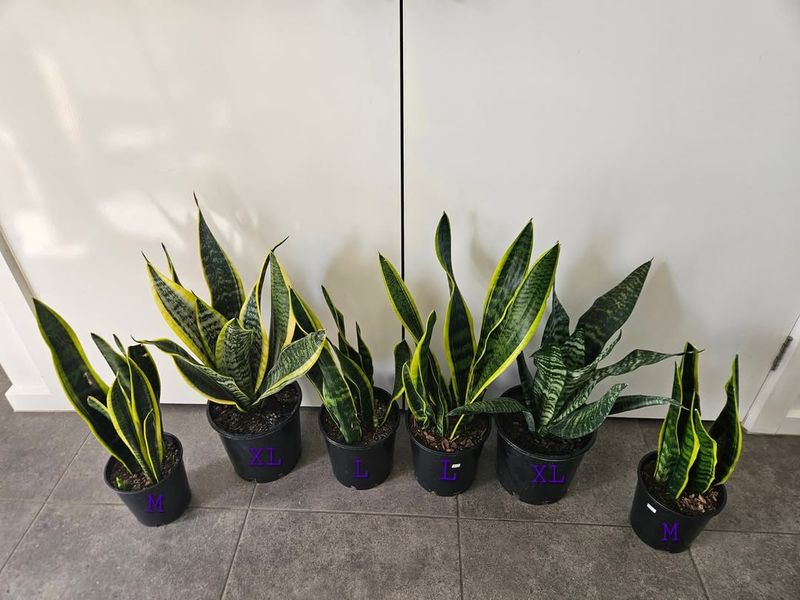
Selecting plants naturally adapted to warm, dry conditions makes indoor gardening significantly easier for Texas residents dealing with intense summer heat and temperature fluctuations.
Snake plants, aloe vera, and various cacti species thrive in the state’s climate because they evolved in similar environments with limited water availability.
These resilient varieties tolerate occasional neglect and temperature swings better than tropical species that require constant humidity and stable conditions to remain healthy long-term.
Texas plant owners have shifted toward building collections of hardy specimens that match their lifestyle and home environment rather than fighting nature constantly.
Yucca, ponytail palm, and jade plants also perform exceptionally well in state homes, requiring minimal intervention while providing beautiful greenery throughout the year.
This approach reduces frustration and plant loss while increasing success rates for both beginners and experienced gardeners across all skill levels in Texas.
Understanding regional climate challenges helps homeowners make smarter purchasing decisions that lead to thriving indoor gardens rather than collections of struggling specimens needing rescue.
This resolution has transformed how Texas residents approach houseplant selection, prioritizing compatibility over trendy species that demand conditions impossible to maintain indoors realistically.
8. Repotting Only When Roots Actually Show
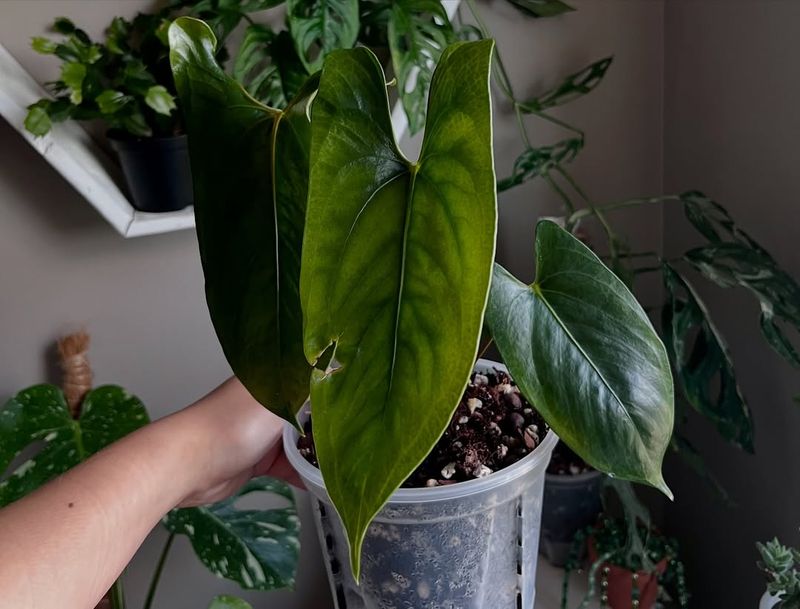
Unnecessary repotting disturbs root systems and stresses plants without providing any real benefits, yet many owners repot based on time rather than need.
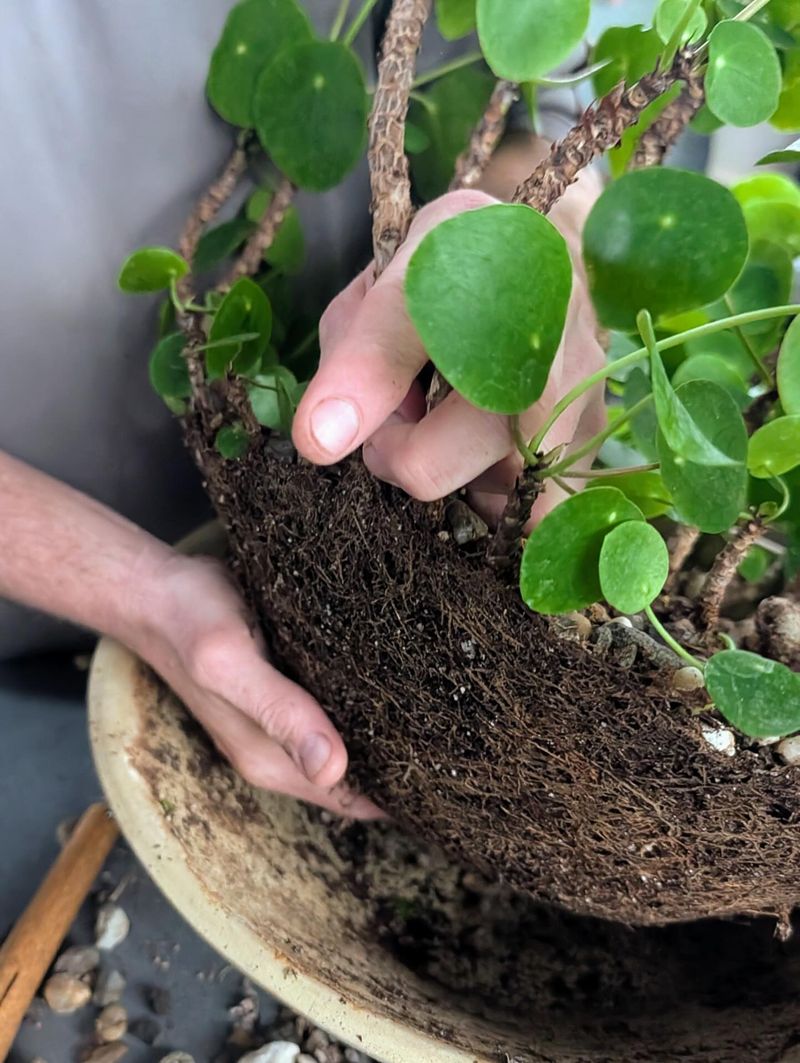
Waiting until roots visibly emerge from drainage holes or circle tightly around soil edges indicates the plant genuinely needs more space to continue growing.
Texas houseplant enthusiasts have adopted this patient approach, allowing plants to remain in their containers until they truly outgrow them rather than following schedules.
Most houseplants actually prefer being slightly root-bound and perform better when their roots fill available space without excess soil holding unnecessary moisture constantly.
Spring represents the ideal repotting season across the state since plants enter active growth phases and recover quickly from transplanting stress during this period.
Choosing containers only one or two inches larger than current pots prevents overwatering issues that arise when too much soil stays wet around roots.
Many residents report fewer plant problems and healthier growth after abandoning annual repotting routines in favor of observation-based decisions about container size needs.
This resolution reduces unnecessary work while respecting plants’ natural preferences, creating a more relaxed approach to houseplant care that still delivers excellent results consistently.
9. Accepting Seasonal Slowdowns as Normal Behavior

Plants naturally slow their growth during shorter days and cooler months, yet many owners panic when new leaves stop emerging as frequently as before.
Understanding this dormancy period as normal plant behavior prevents unnecessary interventions that can actually harm plants during their natural rest phase across seasons.
Texas homeowners have learned to adjust their expectations and care routines during fall and winter, reducing watering frequency and eliminating fertilizer applications during dormancy.
Tropical houseplants still experience seasonal changes indoors despite stable temperatures because they respond to reduced daylight hours and subtle environmental shifts around them.
Respecting these natural cycles produces healthier plants that emerge stronger in spring rather than exhausted specimens pushed to grow year-round without breaks ever.
Many residents now view winter as a maintenance period focused on keeping plants stable rather than encouraging active growth through increased feeding or watering.
This shift in mindset has reduced plant stress and improved long-term survival rates across the state as owners work with natural rhythms instead of against them.
Accepting seasonal changes as normal represents a mature approach to houseplant care that honors biological needs rather than imposing unrealistic expectations on living organisms.